

Colección
Francesco Hayez
Explora impresiones artísticas seleccionadas para hogares con carácter e interiores cuidados.
-

 Retrato del conde Ninni - Francesco Hayez
Print · Framed · Canvas
Precio habitual Desde £28.00 GBPPrecio de oferta Desde £28.00 GBP Precio habitual -

 El beso - Francesco Hayez
Print · Framed · Canvas
Precio habitual Desde £28.00 GBPPrecio de oferta Desde £28.00 GBP Precio habitual -

 Retrato de Cristina di Belgiojoso Trivulzio - Francesco Hayez
Print · Framed · Canvas
Precio habitual Desde £28.00 GBPPrecio de oferta Desde £28.00 GBP Precio habitual -

 Retrato de familia - Francesco Hayez
Print · Framed · Canvas
Precio habitual Desde £28.00 GBPPrecio de oferta Desde £28.00 GBP Precio habitual -

 Retrato de Antoniet Tarsis Basilico - Francesco Hayez
Print · Framed · Canvas
Precio habitual Desde £30.00 GBPPrecio de oferta Desde £30.00 GBP Precio habitual -
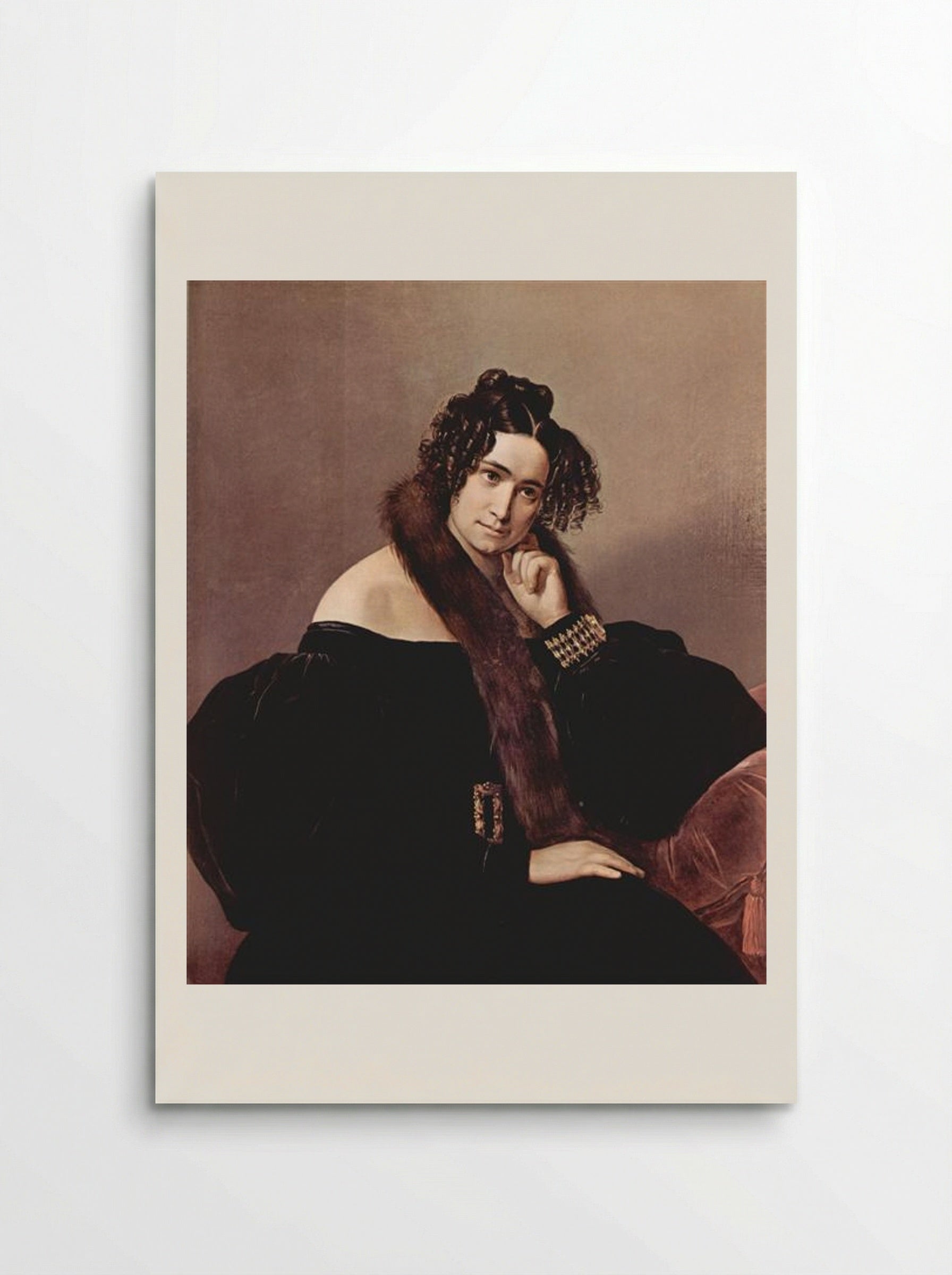 Retrato de Felicina Caglio Perego di Cremnago - Francesco Hayez
Print
Precio habitual Desde £28.00 GBPPrecio de oferta Desde £28.00 GBP Precio habitual -
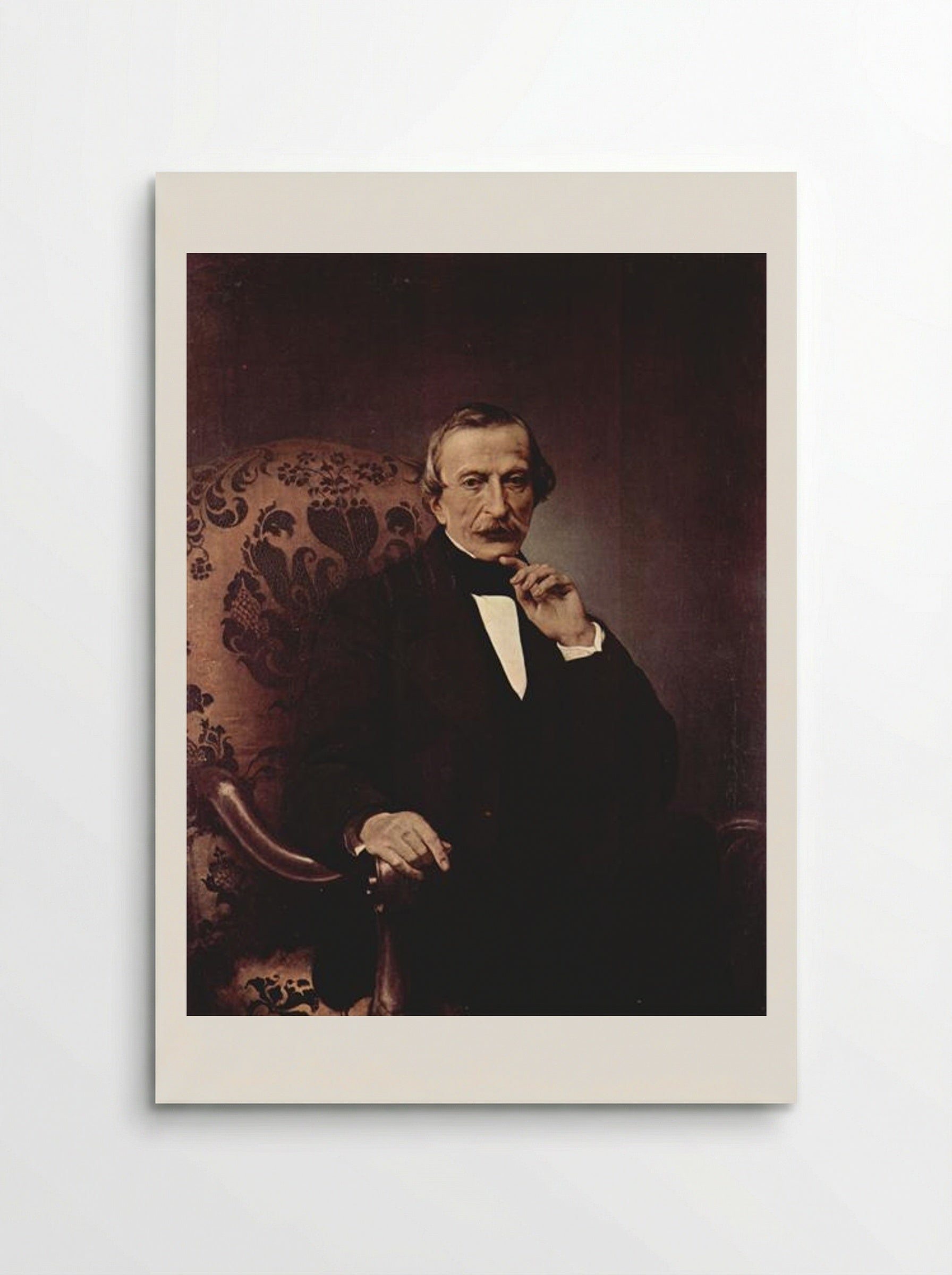 Retrato de Massimo d'Azeglio - Francesco Hayez
Print
Precio habitual Desde £28.00 GBPPrecio de oferta Desde £28.00 GBP Precio habitual -
 Retrato de la familia Stampa di Soncino - Francesco Hayez
Print
Precio habitual Desde £37.00 GBPPrecio de oferta Desde £37.00 GBP Precio habitual -
 Valenza Gradenigo ante el Inquisidor - Francesco Hayez
Print
Precio habitual Desde £28.00 GBPPrecio de oferta Desde £28.00 GBP Precio habitual -
 Ulises en la corte de Alcínoo - Francesco Hayez
Print
Precio habitual Desde £28.00 GBPPrecio de oferta Desde £28.00 GBP Precio habitual -
 Retrato del conde Baglioni - Francesco Hayez
Print
Precio habitual Desde £28.00 GBPPrecio de oferta Desde £28.00 GBP Precio habitual -
 Efraín - Francesco Hayez
Print
Precio habitual Desde £28.00 GBPPrecio de oferta Desde £28.00 GBP Precio habitual -
 Serie de pinturas Vísperas sicilianas, Escena 1 - Francesco Hayez
Print
Precio habitual Desde £28.00 GBPPrecio de oferta Desde £28.00 GBP Precio habitual -
 La muerte del dogo Marin Faliero (La última hora del dogo Marin Faliero) - Francesco Hayez
Print
Precio habitual Desde £28.00 GBPPrecio de oferta Desde £28.00 GBP Precio habitual -
 Autorretrato - Francesco Hayez
Print
Precio habitual Desde £28.00 GBPPrecio de oferta Desde £28.00 GBP Precio habitual -
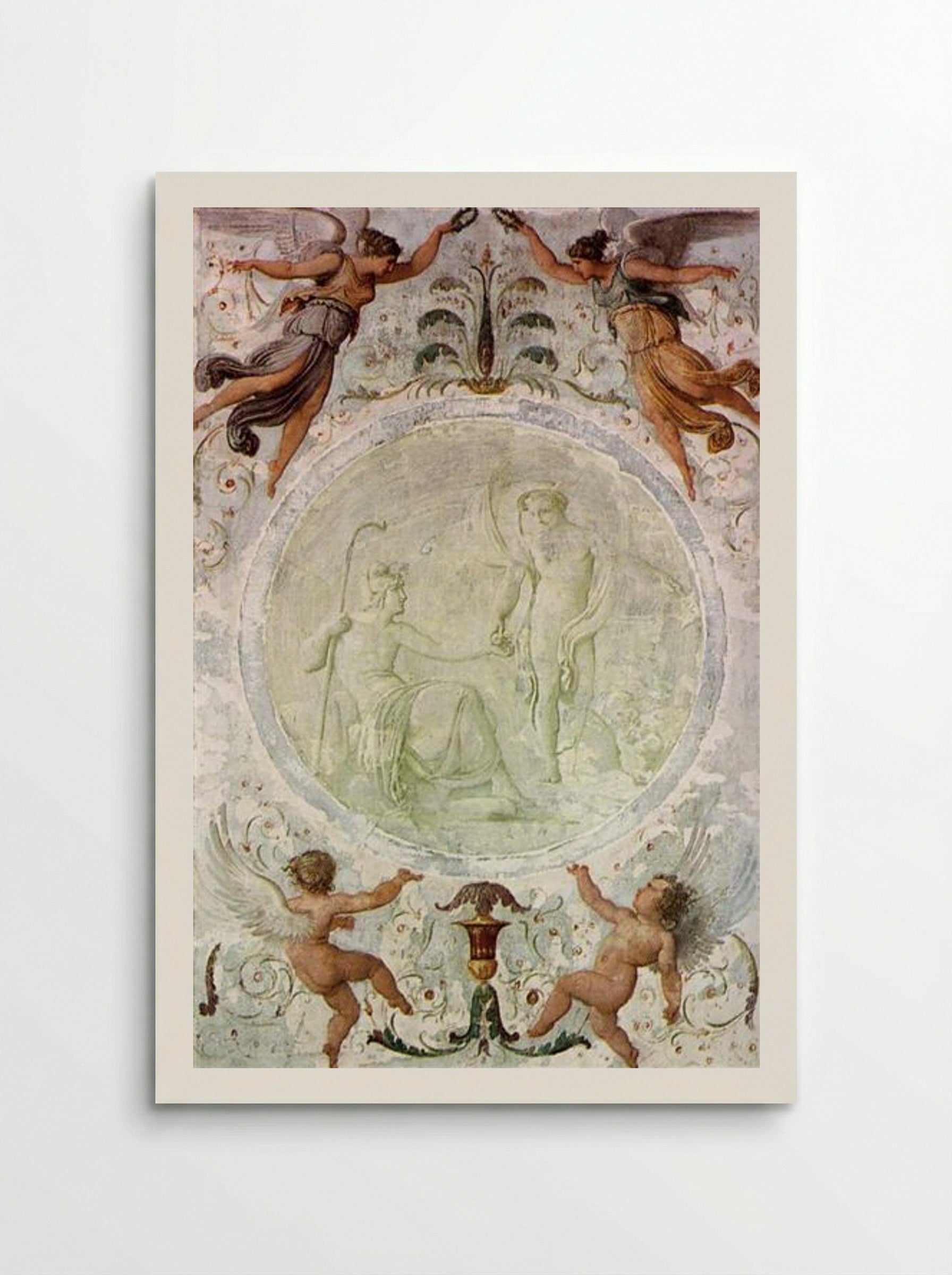 Mercurio entrega a Paris la manzana de la discordia - Francesco Hayez
Print
Precio habitual Desde £28.00 GBPPrecio de oferta Desde £28.00 GBP Precio habitual -
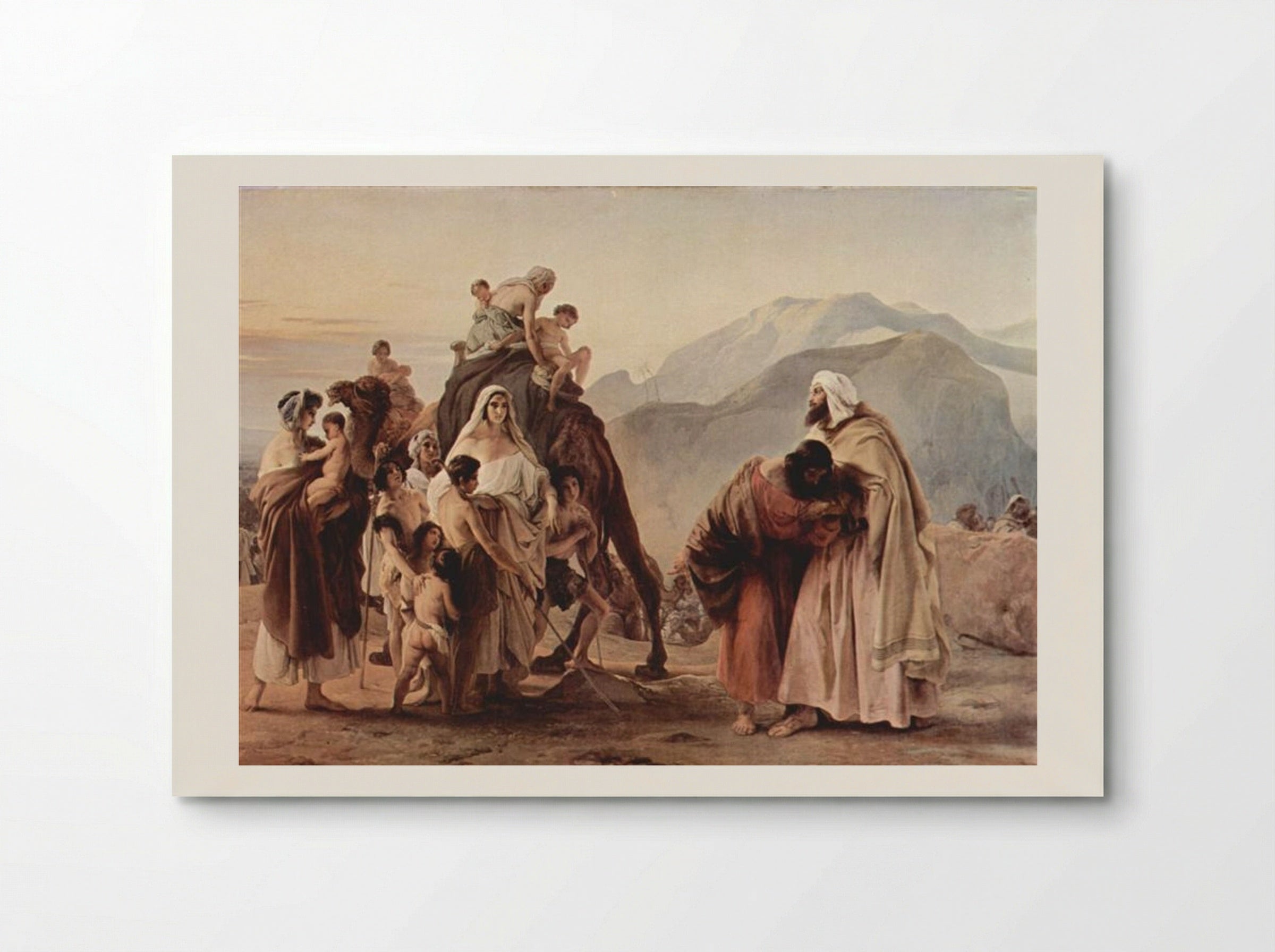 El encuentro de Jacob y Esaú - Francesco Hayez
Print
Precio habitual Desde £28.00 GBPPrecio de oferta Desde £28.00 GBP Precio habitual -
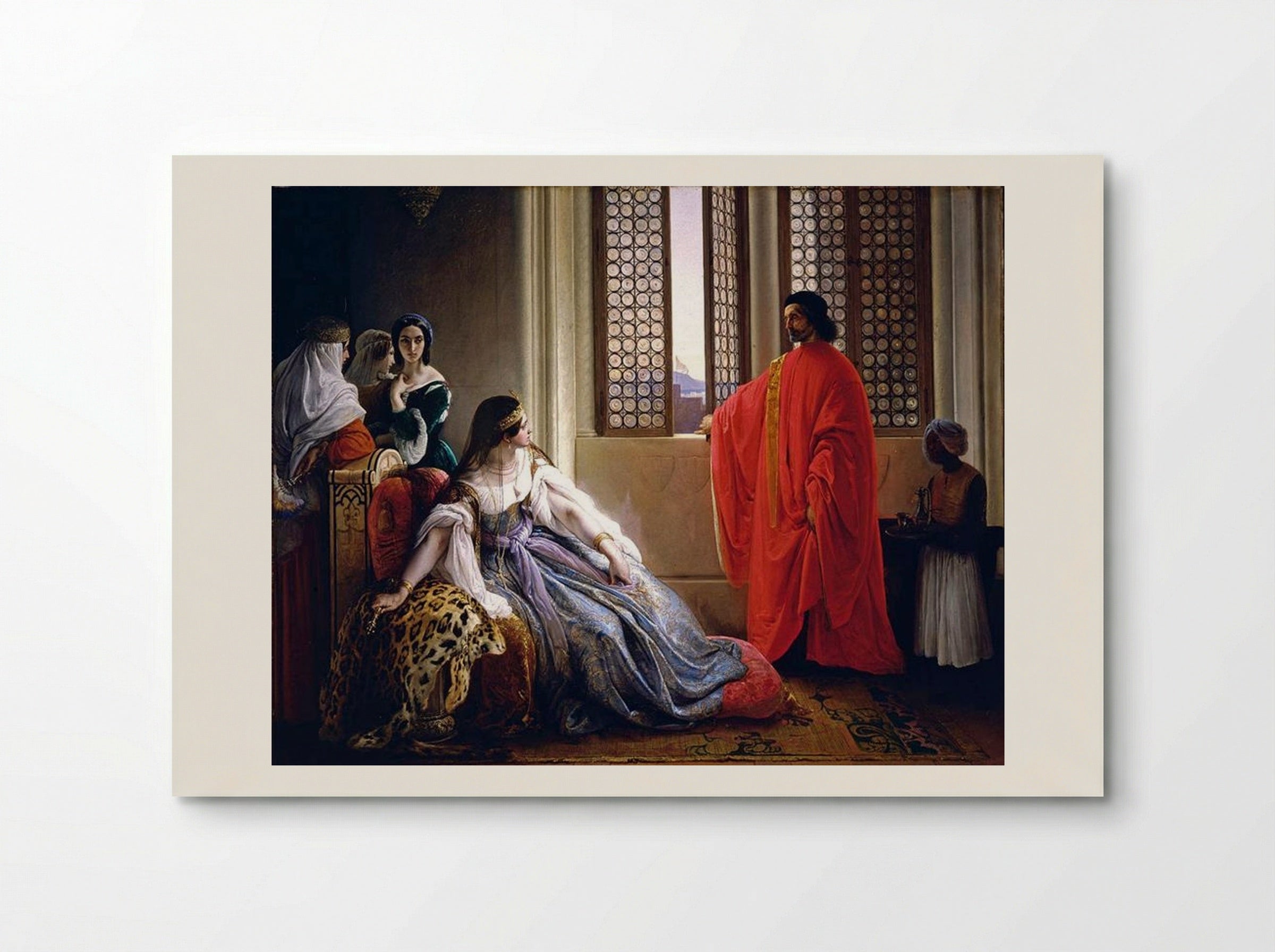 Caterina Cornaro depuesta del trono de Chipre - Francesco Hayez
Print
Precio habitual Desde £28.00 GBPPrecio de oferta Desde £28.00 GBP Precio habitual -
 Rut - Francesco Hayez
Print
Precio habitual Desde £28.00 GBPPrecio de oferta Desde £28.00 GBP Precio habitual -
 Retrato de Giuseppe Roberti - Francesco Hayez
Print
Precio habitual Desde £28.00 GBPPrecio de oferta Desde £28.00 GBP Precio habitual -
 Retrato de Antoniet Negroni Prati Morosini de niña - Francesco Hayez
Print
Precio habitual Desde £37.00 GBPPrecio de oferta Desde £37.00 GBP Precio habitual -
 Laocoonte - Francesco Hayez
Print
Precio habitual Desde £28.00 GBPPrecio de oferta Desde £28.00 GBP Precio habitual -
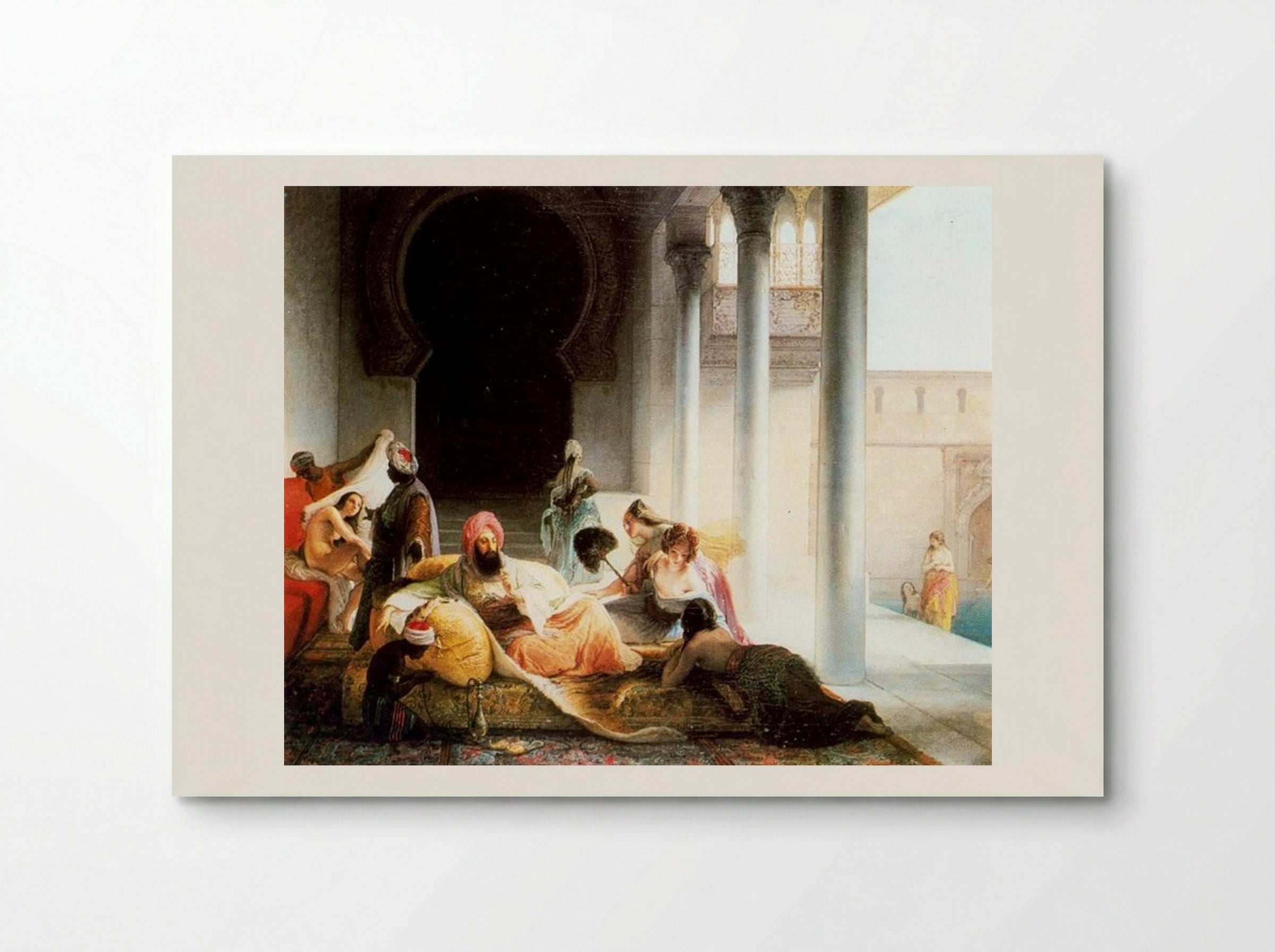 Dentro del harén - Francesco Hayez
Print
Precio habitual Desde £28.00 GBPPrecio de oferta Desde £28.00 GBP Precio habitual -
 Los refugiados de Parga - Francesco Hayez
Print
Precio habitual Desde £28.00 GBPPrecio de oferta Desde £28.00 GBP Precio habitual


Artist Biography
Francesco Hayez
The Kiss is a political painting disguised as a love scene. Hayez painted it in 1859, the year Piedmont and France allied against Austria, and the couple's medieval costumes encode a message about Italian unification that his audience understood immediately. He painted three versions. In the 1920s, Perugina, the chocolate manufacturer, adapted the image for the box of its "Baci" chocolates, where it remains today.
Hayez was born in Venice in 1791, the youngest of five sons. His father was a fisherman of French origin; his mother came from Murano. The family was poor enough that the boy was placed with an uncle, the antiquarian Giovanni Binasco, who hoped to train him as a restorer. Instead, Hayez won a scholarship to the Accademia di San Luca in Rome in 1809, where he spent long hours studying Raphael in the Vatican Stanze and visiting the workshop of the sculptor Antonio Canova.
He settled in Milan in 1820 and became the leading figure of Italian Romanticism. His large historical paintings, depicting subjects from medieval Italian history, functioned as allegorical commentary on the Risorgimento, the movement for Italian unification. The use of historical costume allowed him to evade Austrian censorship while communicating patriotic ideas that his Milanese audience decoded without difficulty.
In 1850 he became director of the Brera Academy, a position he held for decades. He rarely signed or dated his works, and often painted the same composition multiple times with minimal variation, which has complicated scholarly assessment. He died in Milan in 1882, at ninety, having witnessed the unification he had painted.


¿Por qué elegirnos?