


Ludovic-Napoléon Lepic
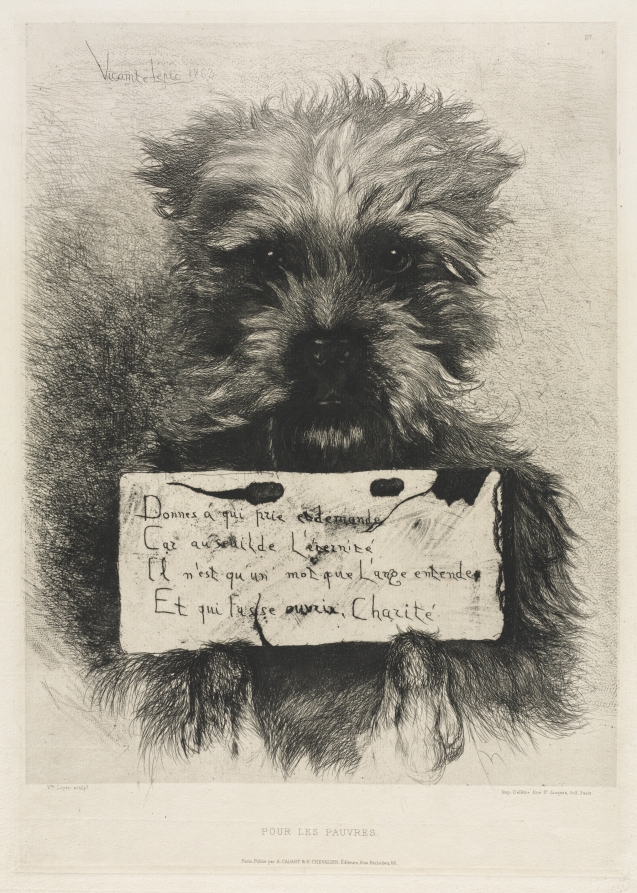
Ludovic-Napoléon Lepic was an aristocrat who balanced his time between fine art and his role as a founding member of the French Kennel Club. He appears as the central figure in a famous painting by Edgar Degas set in the Place de la Concorde. While many of his contemporaries preferred urban subjects, Lepic often turned his attention to archaeology and canine breeding. This varied life informed a body of work that remained distinct from the mainstream Impressionist circle.
.jpg?width=800)
Biography
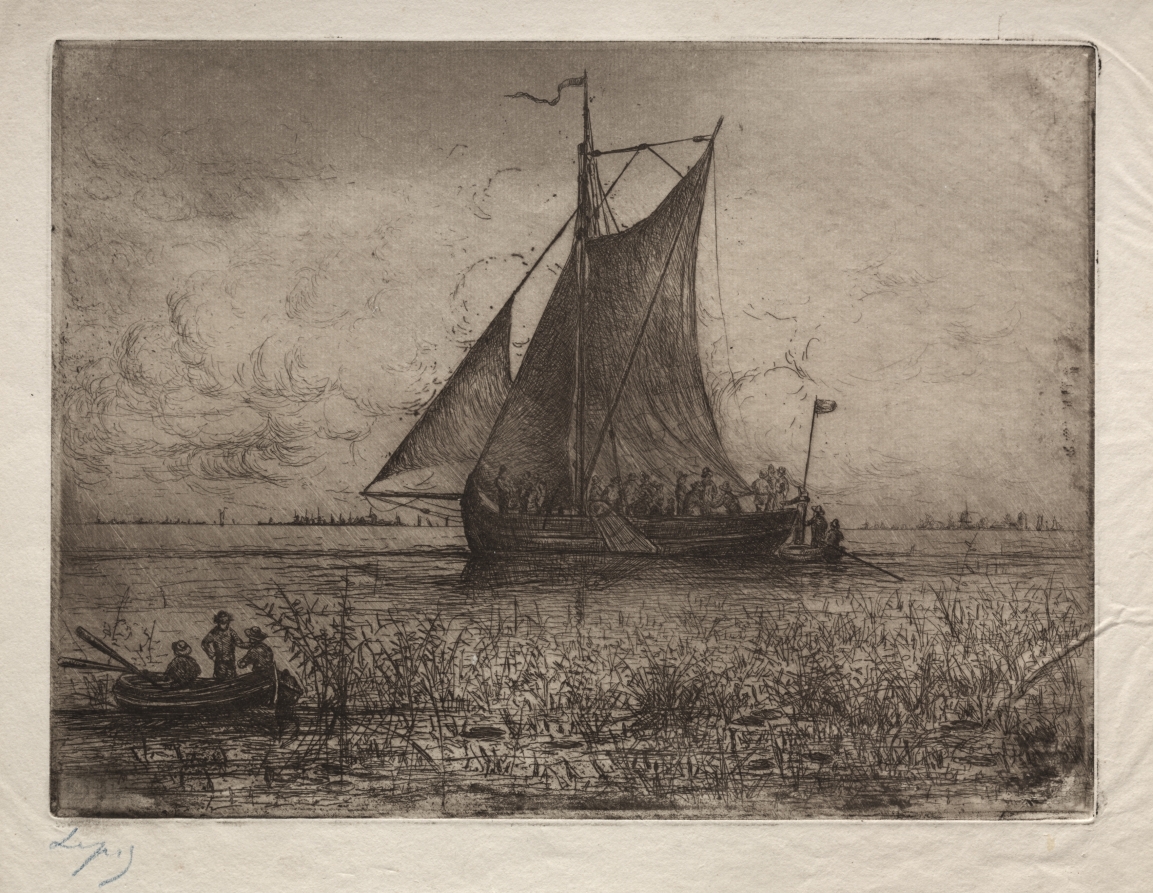
Lepic is best known for his technical experiments in printmaking. He developed a method called variable etching, where he manipulated the ink on the plate during the printing process. This technique allowed him to create different moods and weather conditions from a single etched image. His paintings frequently depicted the coast at Berck, where he observed the daily labour of local fishermen. He used muted tones and loose brushwork to capture the specific light of the English Channel.
Modern collectors are drawn to Lepic for his honest depictions of the sea and his innovative approach to texture. His prints avoid the bright colours of later Impressionism, opting instead for a grey and silver palette. These works provide a sense of quiet observation. His focus on maritime life and coastal weather makes his art a natural fit for contemporary interiors.
Notable Works
Tap to view larger.
Next stop
Impressionism →
Explore the artists and ideas of Impressionism.
Related Artists


Frequently Asked Questions
When was Ludovic-Napoléon Lepic born?
Ludovic-Napoléon Lepic was born in 1839 and died in 1889.What art movement was Ludovic-Napoléon Lepic part of?
Ludovic-Napoléon Lepic was associated with Impressionism.What is Ludovic-Napoléon Lepic known for?
Ludovic-Napoléon Lepic is known for ludovic-Napoléon Lepic was an aristocratic Impressionist known for his experimental etchings and atmospheric marine paintings of the French coast.