

Sammlung
Kazimir Malevich
Entdecken Sie kuratierte Kunstdrucke, ausgewählt für individuelle Wohnräume und durchdachte Interieurs.
Vorgeschlagene Filter
-
 Birkenhain - Kazimir Malevich
Print
Regulärer Preis Ab £28.00 GBPAngebotspreis Ab £28.00 GBP Regulärer Preis -
 Portrait of the Artist's Wife, N.A. Malevich - Kazimir Malevich
Print
Regulärer Preis Ab £28.00 GBPAngebotspreis Ab £28.00 GBP Regulärer Preis -
 Two Figures in a Landscape - Kazimir Malevich
Print
Regulärer Preis Ab £28.00 GBPAngebotspreis Ab £28.00 GBP Regulärer Preis -
 Triple portrait - Kazimir Malevich
Print
Regulärer Preis Ab £28.00 GBPAngebotspreis Ab £28.00 GBP Regulärer Preis -
 Portrait of a Woman - Kazimir Malevich
Print
Regulärer Preis Ab £28.00 GBPAngebotspreis Ab £28.00 GBP Regulärer Preis -
 Portrait of Man (Kazimir Malevich) - Kazimir Malevich
Print
Regulärer Preis Ab £28.00 GBPAngebotspreis Ab £28.00 GBP Regulärer Preis -
 Portrait of the Artist's Wife - Kazimir Malevich
Print
Regulärer Preis Ab £28.00 GBPAngebotspreis Ab £28.00 GBP Regulärer Preis -
 Portrait (Kazimir Malevich) - Kazimir Malevich
Print
Regulärer Preis Ab £28.00 GBPAngebotspreis Ab £28.00 GBP Regulärer Preis -
 Portrait of Ivan Kliun - Kazimir Malevich
Print
Regulärer Preis Ab £28.00 GBPAngebotspreis Ab £28.00 GBP Regulärer Preis -
 Self-Portrait - Kazimir Malevich
Print
Regulärer Preis Ab £37.00 GBPAngebotspreis Ab £37.00 GBP Regulärer Preis -
 The Running Man - Kazimir Malevich
Print
Regulärer Preis Ab £28.00 GBPAngebotspreis Ab £28.00 GBP Regulärer Preis -
 Red Cavalry - Kazimir Malevich
Print
Regulärer Preis Ab £28.00 GBPAngebotspreis Ab £28.00 GBP Regulärer Preis -
 Suprematistic composition (Feeling of a mystic wave out of the cosmos) - Kazimir Malevich
Print
Regulärer Preis Ab £28.00 GBPAngebotspreis Ab £28.00 GBP Regulärer Preis -
 Suprematistic composition (Combined feeling: Circle and square) - Kazimir Malevich
Print
Regulärer Preis Ab £28.00 GBPAngebotspreis Ab £28.00 GBP Regulärer Preis -
 Suprematistic composition (Feeling of the current. Telegraphy.) - Kazimir Malevich
Print
Regulärer Preis Ab £28.00 GBPAngebotspreis Ab £28.00 GBP Regulärer Preis -
 Suprematistic Composition: White in White (Feeling of Fading Away) - Kazimir Malevich
Print
Regulärer Preis Ab £28.00 GBPAngebotspreis Ab £28.00 GBP Regulärer Preis -
 Combined Suprematistic Composition (Feeling of Metallic Sounds - Dynamic) - Kazimir Malevich
Print
Regulärer Preis Ab £28.00 GBPAngebotspreis Ab £28.00 GBP Regulärer Preis -
 Composition suprematistic elements (Feeling of the flight) - Kazimir Malevich
Print
Regulärer Preis Ab £28.00 GBPAngebotspreis Ab £28.00 GBP Regulärer Preis -

 Peasant Woman - Kazimir Malevich
Print · Framed
Regulärer Preis Ab £37.00 GBPAngebotspreis Ab £37.00 GBP Regulärer Preis -
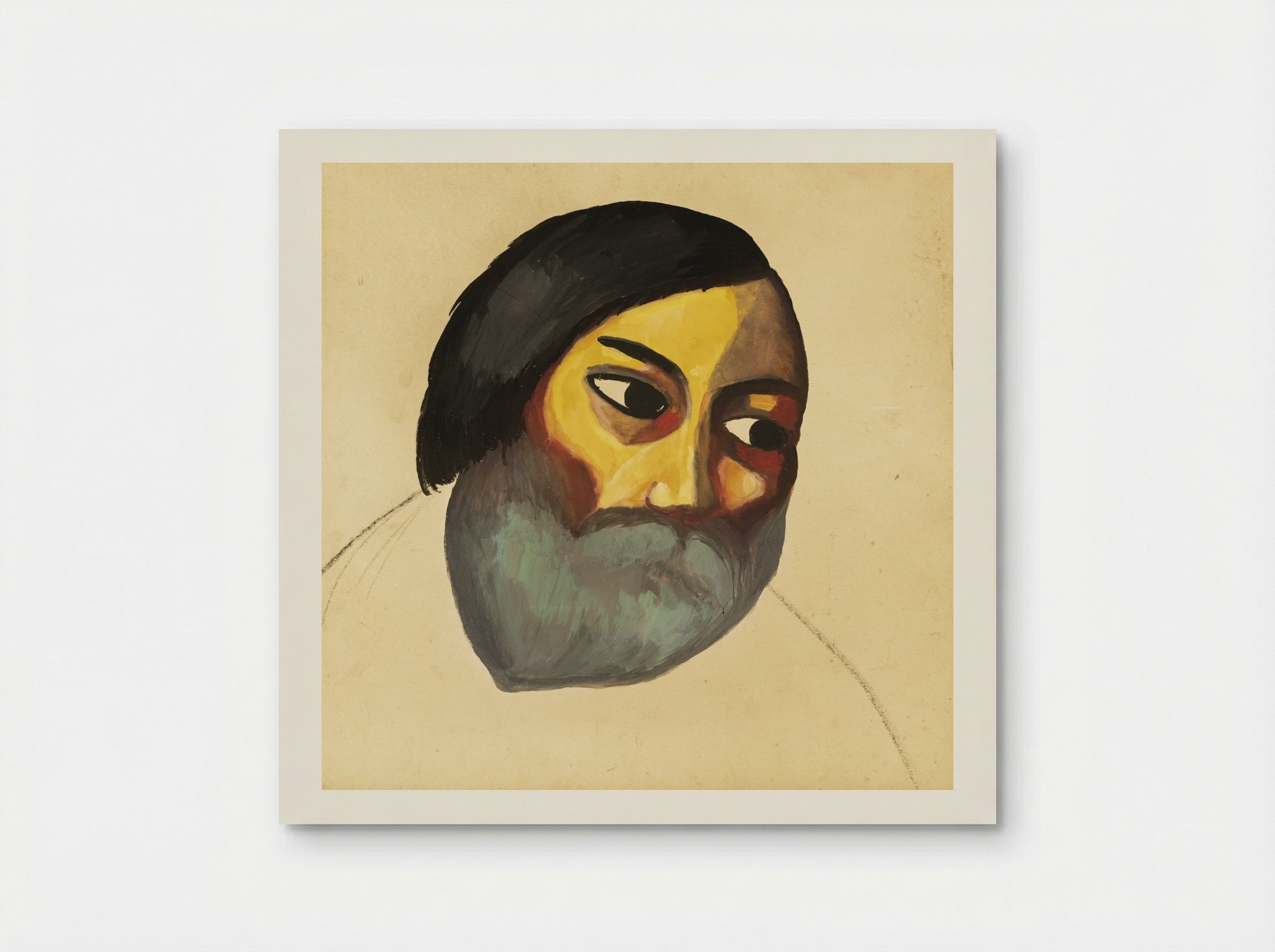 Kopf eines Bauern - Kasimir Malewitsch
Print
Regulärer Preis Ab £37.00 GBPAngebotspreis Ab £37.00 GBP Regulärer Preis -
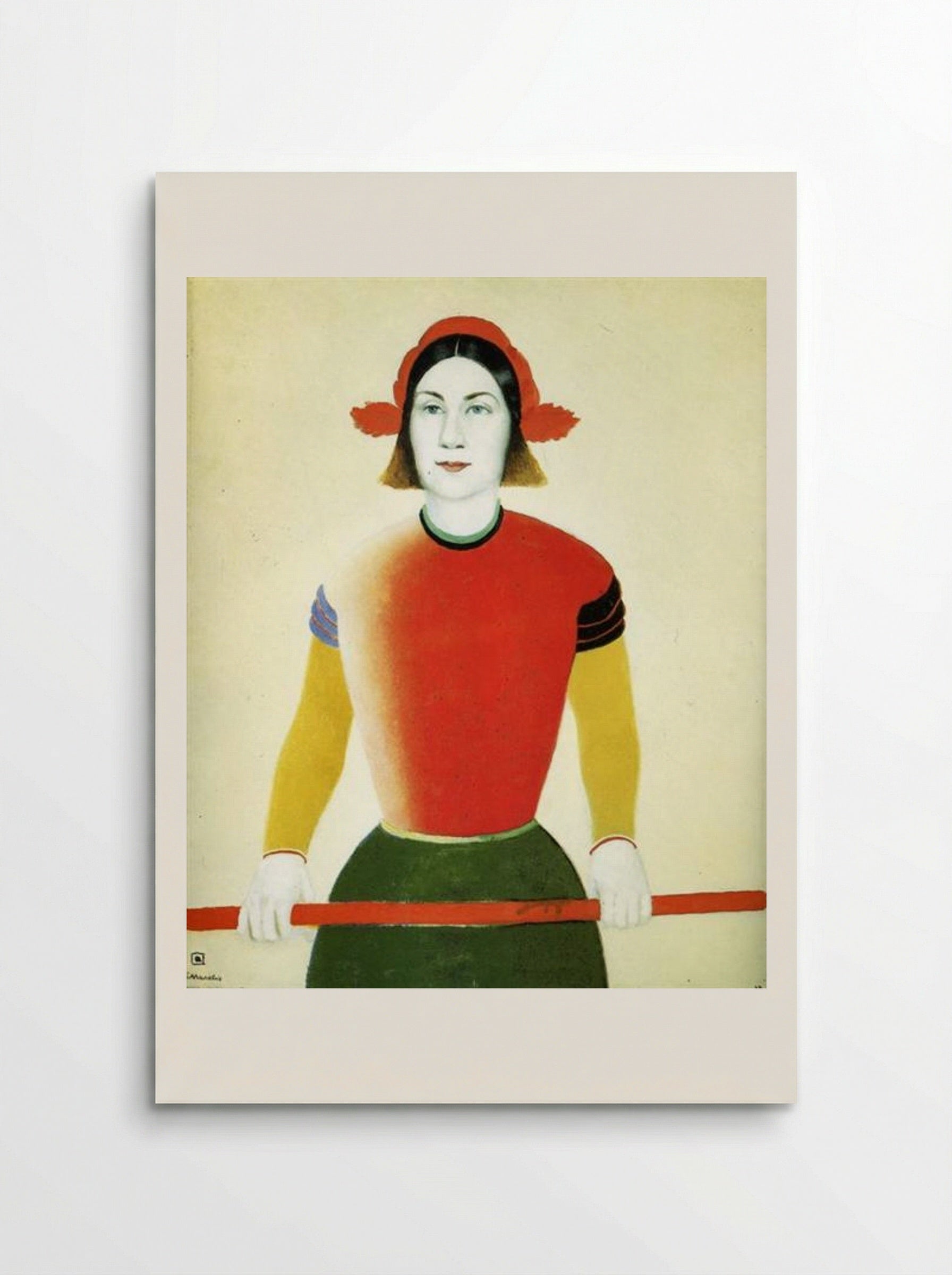 Mädchen mit roter Fahnenstange – Kasimir Malewitsch
Print
Regulärer Preis Ab £28.00 GBPAngebotspreis Ab £28.00 GBP Regulärer Preis -
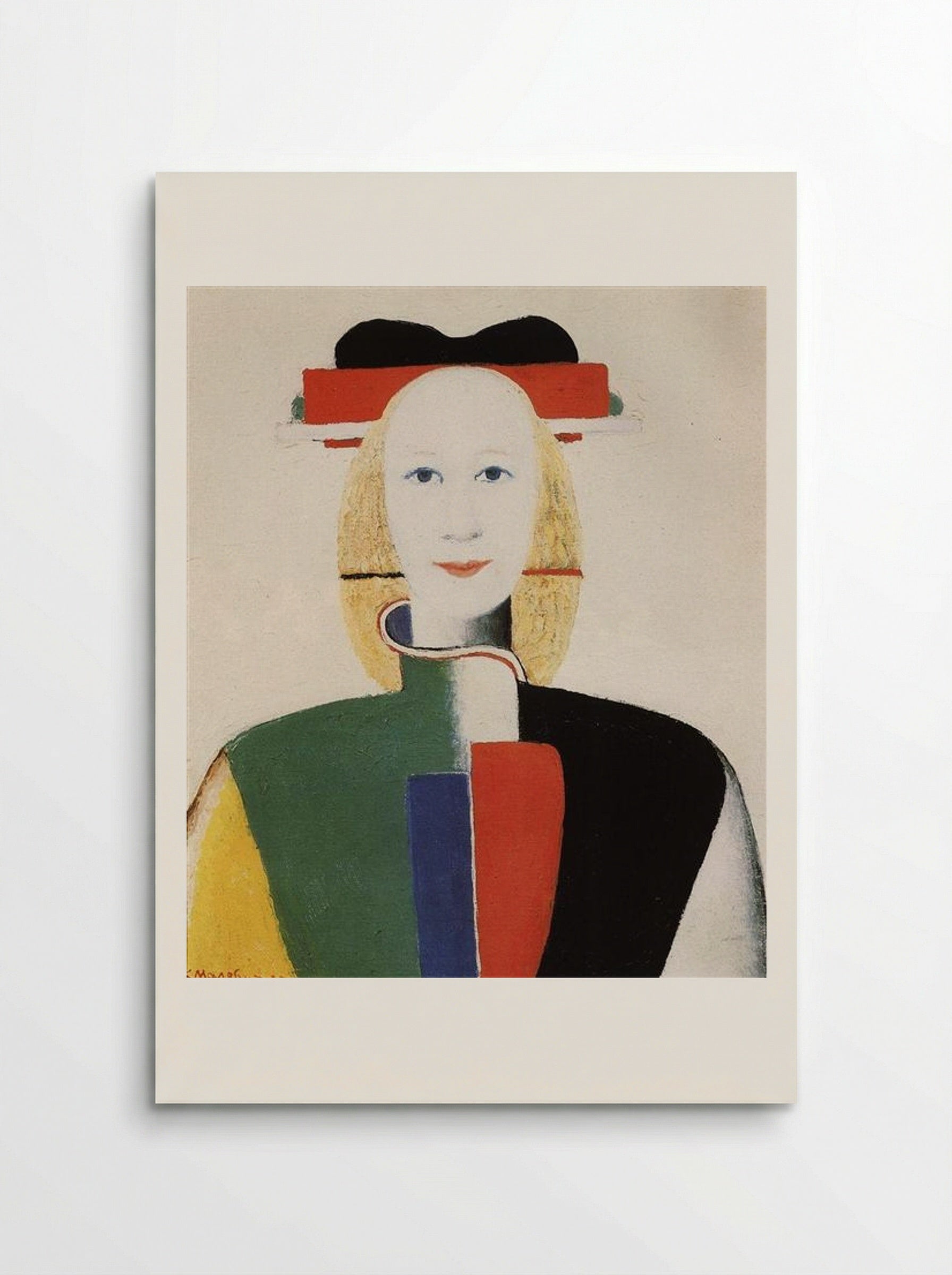 Mädchen mit Kamm im Haar - Kasimir Malewitsch
Print
Regulärer Preis Ab £28.00 GBPAngebotspreis Ab £28.00 GBP Regulärer Preis -
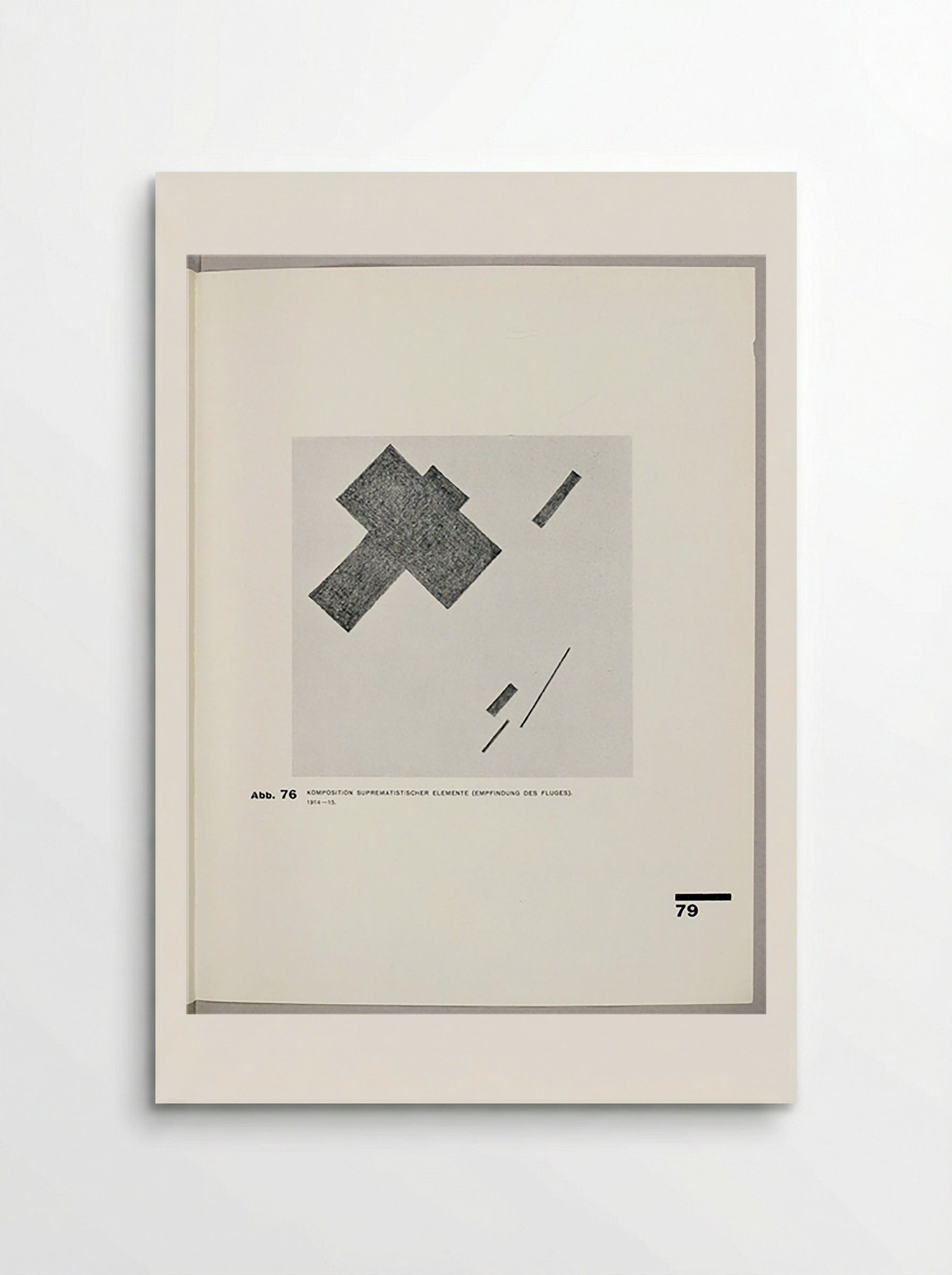
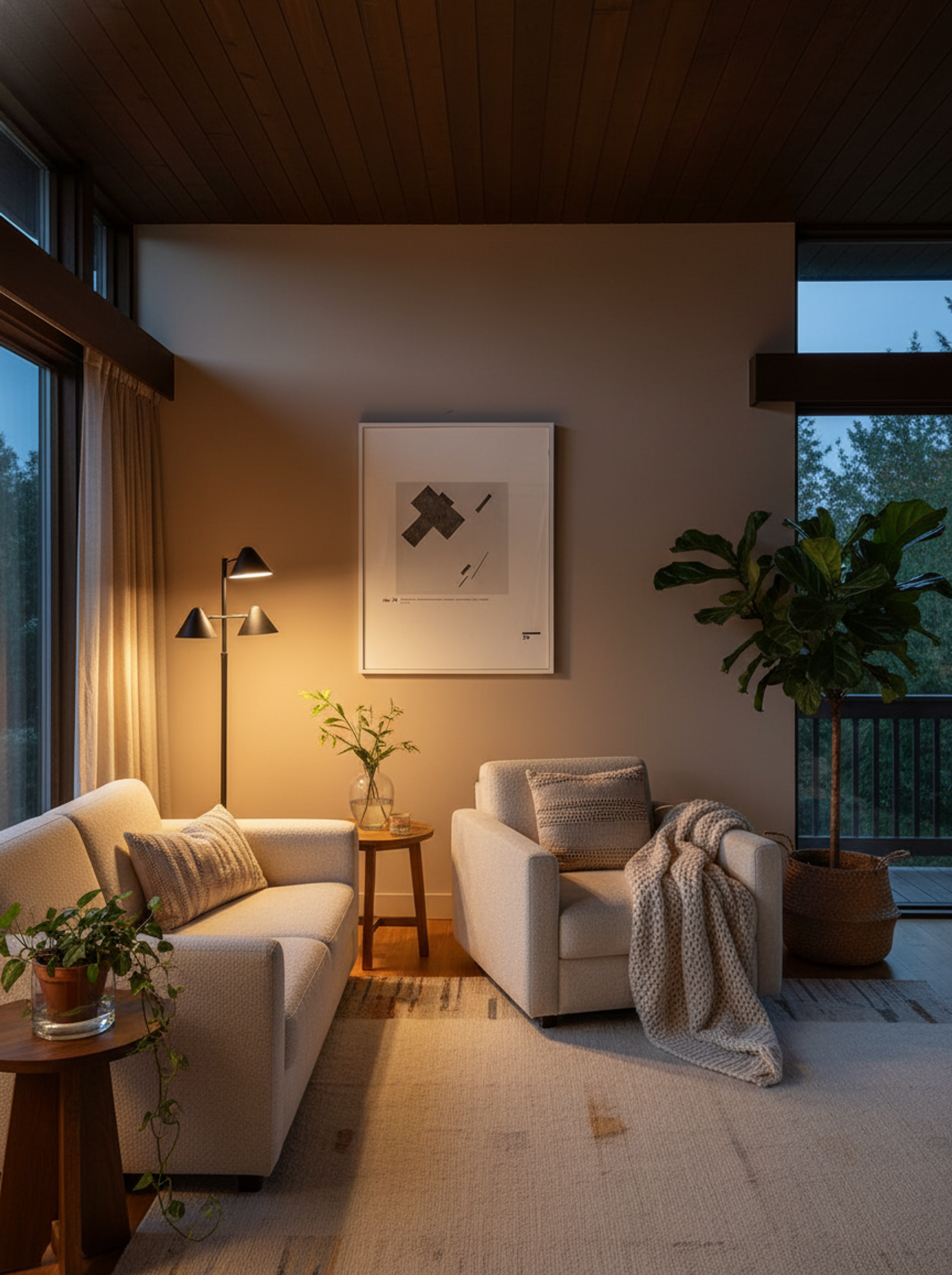 Komposition der suprematistischen Elemente (Gefühl des Fluges) – Kasimir Malewitsch
Print · Framed
Regulärer Preis Ab £28.00 GBPAngebotspreis Ab £28.00 GBP Regulärer Preis -

 Skizze eines Zimmermanns – Kunstdruck
Print · Framed
Regulärer Preis Ab £28.00 GBPAngebotspreis Ab £28.00 GBP Regulärer Preis


Artist Biography
Kazimir Malevich
Malevich hung Black Square in the corner of the room where Russians traditionally hang religious icons. This was in 1915, at the Last Futurist Exhibition in Petrograd. A black square on a white ground, placed where the icon should be. He called it the zero of form.
He was born in 1879 near Kyiv, to parents of Polish origin, the eldest of fourteen children. Nine survived to adulthood. He moved through Impressionism, Symbolism, Fauvism, and Cubism before arriving at Suprematism, a system of pure geometric abstraction that he invented in 1913. White on White (1918) pushed the principle to its logical end: a white square, barely visible, tilted on a white background.
In 1927, he took approximately seventy paintings to Berlin for an exhibition. Soviet authorities recalled him abruptly. He left the entire cache with a German architect named Hugo Haering and never saw them again. The works eventually ended up at MoMA in New York and the Stedelijk Museum in Amsterdam.
In 1930, the secret police arrested him, accused him of Polish espionage, and threatened execution. He was imprisoned for two months. His teaching position was taken away. Artworks and manuscripts were confiscated. He was banned from making art and forced to return to figurative painting under Stalin.
He died of cancer in 1935, aged fifty-six. On his deathbed, Black Square was hung above him. His ashes were buried at Nemchinovka. He had requested a Suprematist sculptural form to mark his grave. Instead, it was marked with a white cube bearing a black square, which was destroyed during the war.
He was born in 1879 near Kyiv, to parents of Polish origin, the eldest of fourteen children. Nine survived to adulthood. He moved through Impressionism, Symbolism, Fauvism, and Cubism before arriving at Suprematism, a system of pure geometric abstraction that he invented in 1913. White on White (1918) pushed the principle to its logical end: a white square, barely visible, tilted on a white background.
In 1927, he took approximately seventy paintings to Berlin for an exhibition. Soviet authorities recalled him abruptly. He left the entire cache with a German architect named Hugo Haering and never saw them again. The works eventually ended up at MoMA in New York and the Stedelijk Museum in Amsterdam.
In 1930, the secret police arrested him, accused him of Polish espionage, and threatened execution. He was imprisoned for two months. His teaching position was taken away. Artworks and manuscripts were confiscated. He was banned from making art and forced to return to figurative painting under Stalin.
He died of cancer in 1935, aged fifty-six. On his deathbed, Black Square was hung above him. His ashes were buried at Nemchinovka. He had requested a Suprematist sculptural form to mark his grave. Instead, it was marked with a white cube bearing a black square, which was destroyed during the war.




Warum uns wählen?