

Sammlung
Jan Matejko
Entdecken Sie kuratierte Kunstdrucke, ausgewählt für individuelle Wohnräume und durchdachte Interieurs.
Vorgeschlagene Filter
-
 Schlacht bei Tannenberg – Jan Matejko
Print
Regulärer Preis Ab £28.00 GBPAngebotspreis Ab £28.00 GBP Regulärer Preis -

 Hanging of the Sigismund Bell - Jan Matejko
Print · Framed
Regulärer Preis Ab £28.00 GBPAngebotspreis Ab £28.00 GBP Regulärer Preis -

 Portrait of Stanisław Tarnowski - Jan Matejko
Print · Framed
Regulärer Preis Ab £28.00 GBPAngebotspreis Ab £28.00 GBP Regulärer Preis -

 Portrait of Mikołaj Zyblikiewicz - Jan Matejko
Print · Framed
Regulärer Preis Ab £28.00 GBPAngebotspreis Ab £28.00 GBP Regulärer Preis -

 Johann I. Albrecht (Porträtstudie) – Jan Matejko
Print · Framed
Regulärer Preis Ab £28.00 GBPAngebotspreis Ab £28.00 GBP Regulärer Preis -

 Maurizio Parys - Jan Matejko
Print · Framed
Regulärer Preis Ab £28.00 GBPAngebotspreis Ab £28.00 GBP Regulärer Preis -

 Christianisierung Litauens 1387 n. Chr. - Jan Matejko
Print · Framed
Regulärer Preis Ab £28.00 GBPAngebotspreis Ab £28.00 GBP Regulärer Preis -

 Jagiełło mit Witold – Jan Matejko
Print · Framed
Regulärer Preis Ab £28.00 GBPAngebotspreis Ab £28.00 GBP Regulärer Preis -

 Jan Kochanowski über der Leiche seiner Tochter – Jan Matejko
Print · Framed
Regulärer Preis Ab £28.00 GBPAngebotspreis Ab £28.00 GBP Regulärer Preis -

 Rüstung von Stephan Báthory - Jan Matejko
Print · Framed
Regulärer Preis Ab £28.00 GBPAngebotspreis Ab £28.00 GBP Regulärer Preis -

 Wernyhora - Jan Matejko
Print · Framed
Regulärer Preis Ab £28.00 GBPAngebotspreis Ab £28.00 GBP Regulärer Preis -

 Skargas Predigt - Jan Matejko
Print · Framed
Regulärer Preis Ab £28.00 GBPAngebotspreis Ab £28.00 GBP Regulärer Preis -

 Krönung des ersten Königs – Jan Matejko
Print · Framed
Regulärer Preis Ab £28.00 GBPAngebotspreis Ab £28.00 GBP Regulärer Preis -

 Stephan Báthory bei Pskow - Jan Matejko
Print · Framed
Regulärer Preis Ab £28.00 GBPAngebotspreis Ab £28.00 GBP Regulärer Preis -
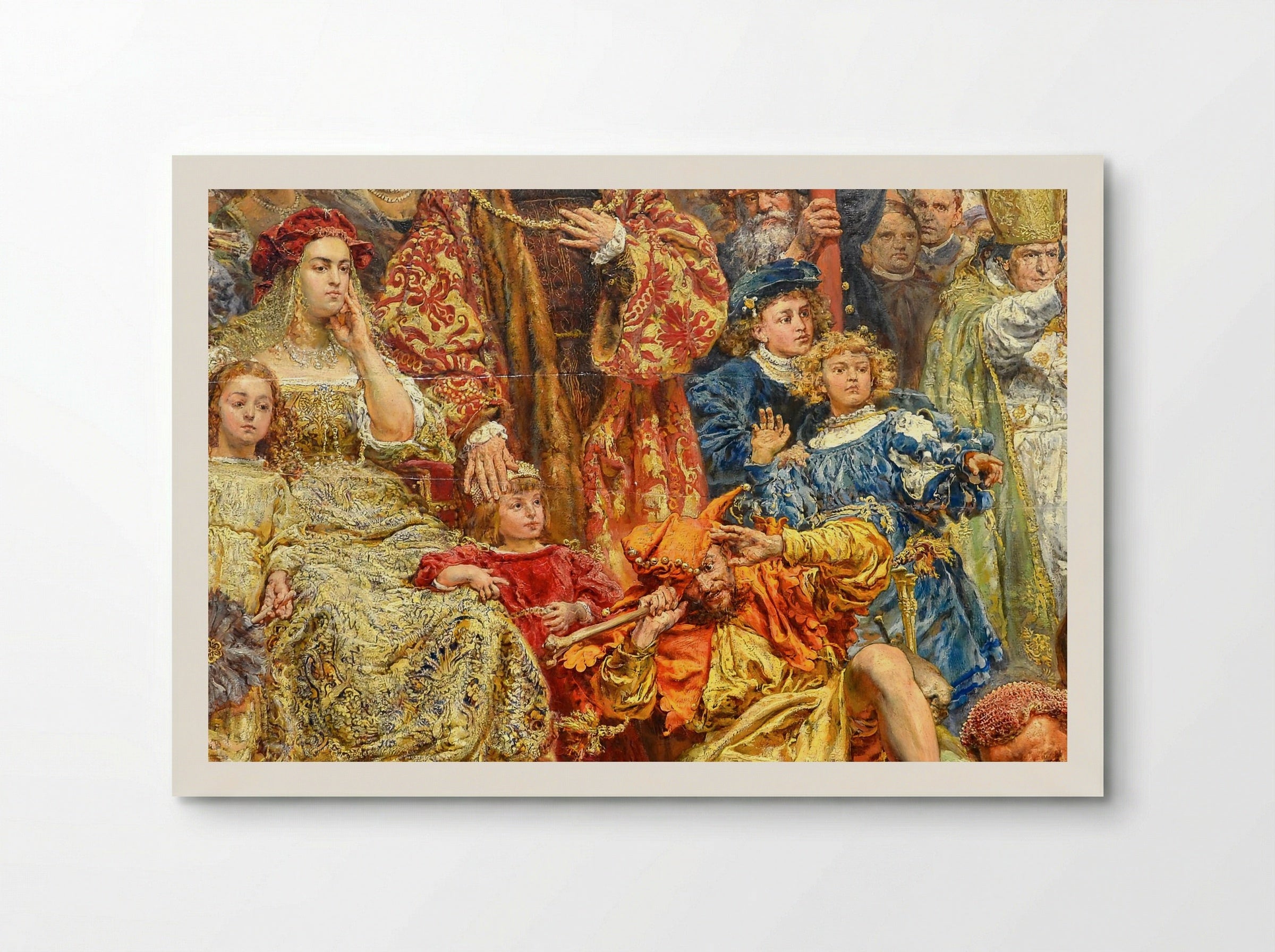
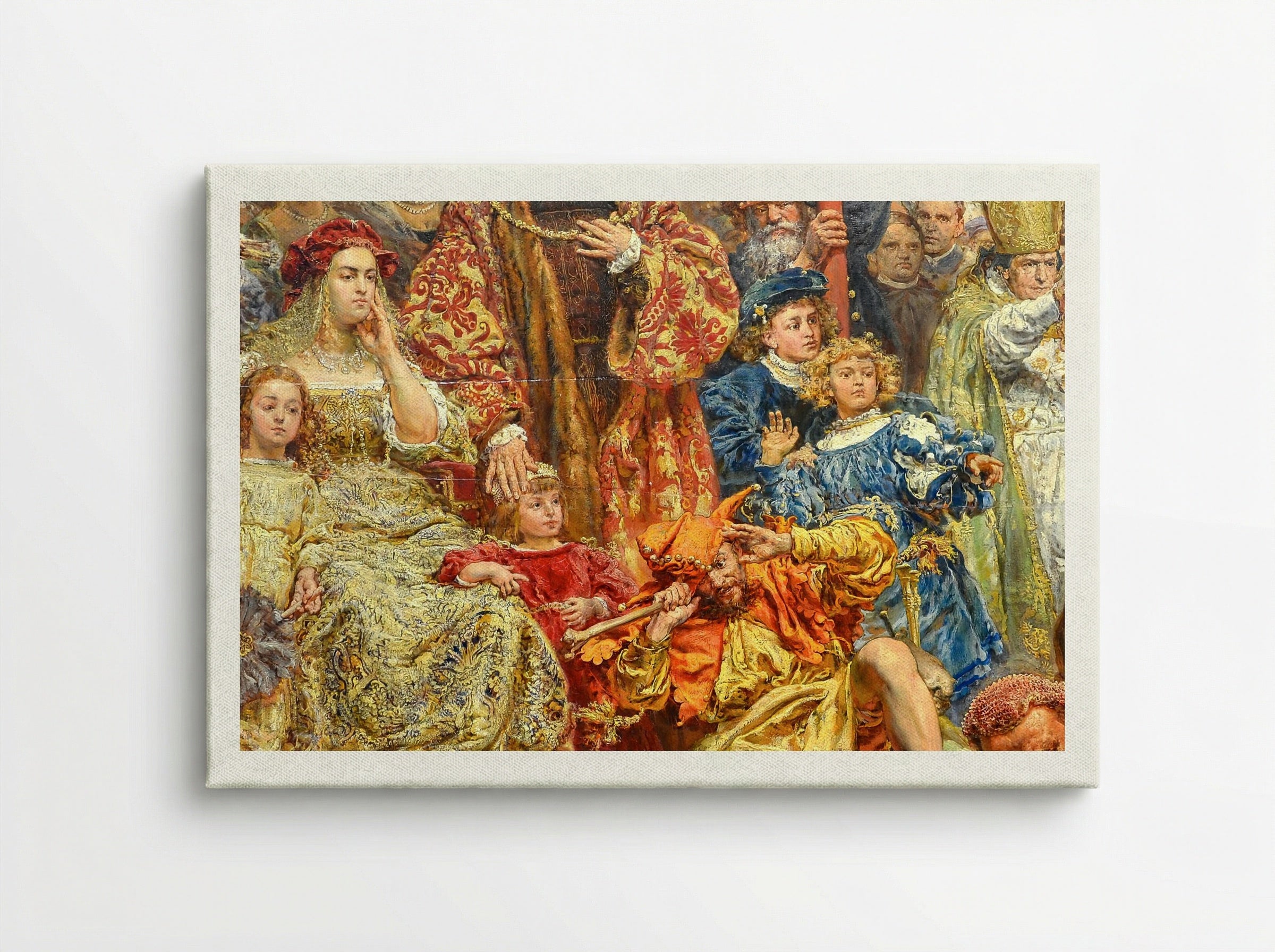 Fragment von Die Hängung der Sigismund-Glocke - Jan Matejko
Print · Framed · Canvas
Regulärer Preis Ab £28.00 GBPAngebotspreis Ab £28.00 GBP Regulärer Preis -

 Alchemist Sendivogius – Jan Matejko
Print · Framed · Canvas
Regulärer Preis Ab £28.00 GBPAngebotspreis Ab £28.00 GBP Regulärer Preis -

 Władysław der Weiße in Dijon – Jan Matejko
Print · Framed · Canvas
Regulärer Preis Ab £28.00 GBPAngebotspreis Ab £28.00 GBP Regulärer Preis -
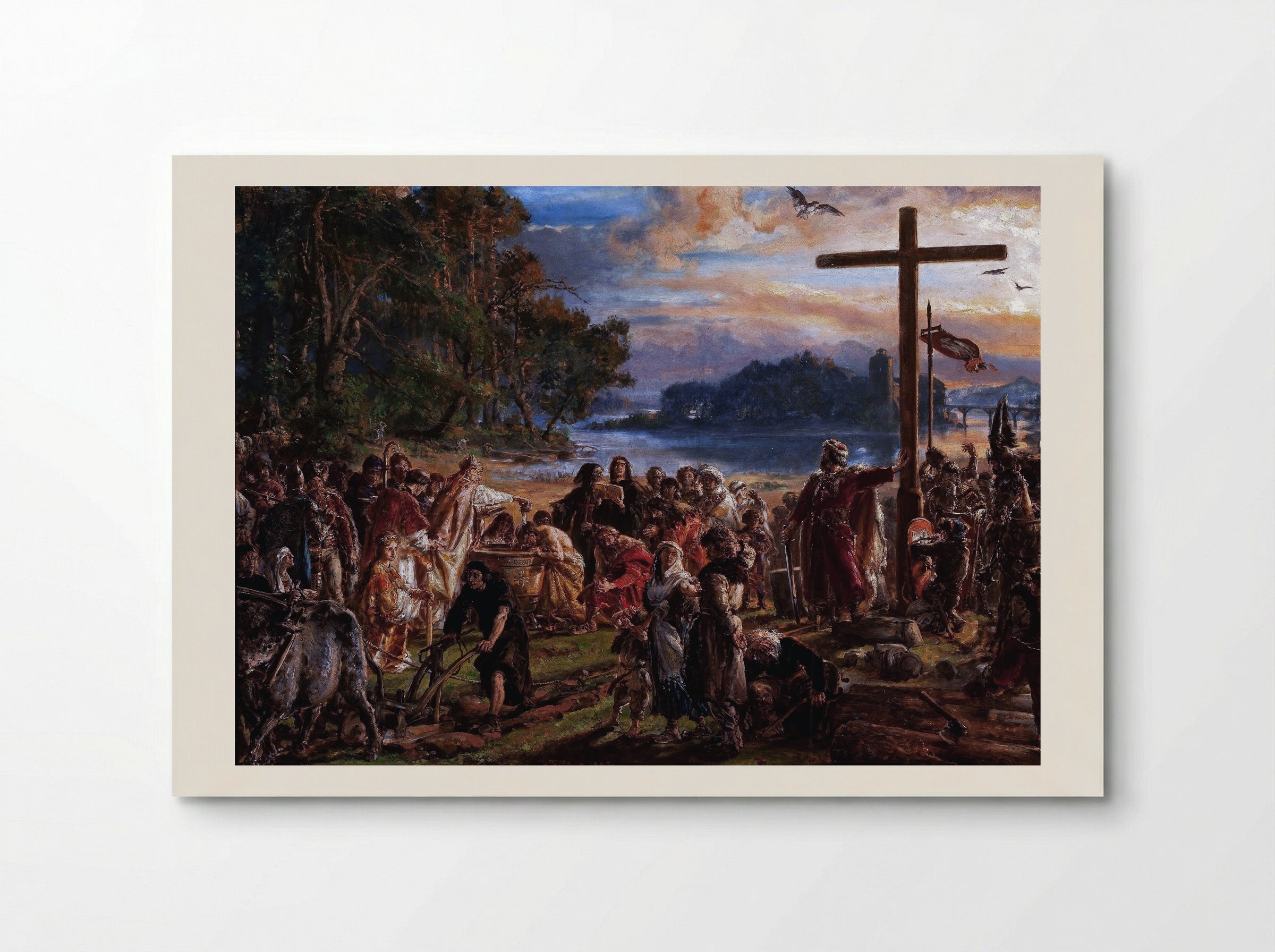
 Christianisierung Polens 965 n. Chr. - Jan Matejko
Print · Framed · Canvas
Regulärer Preis Ab £28.00 GBPAngebotspreis Ab £28.00 GBP Regulärer Preis -
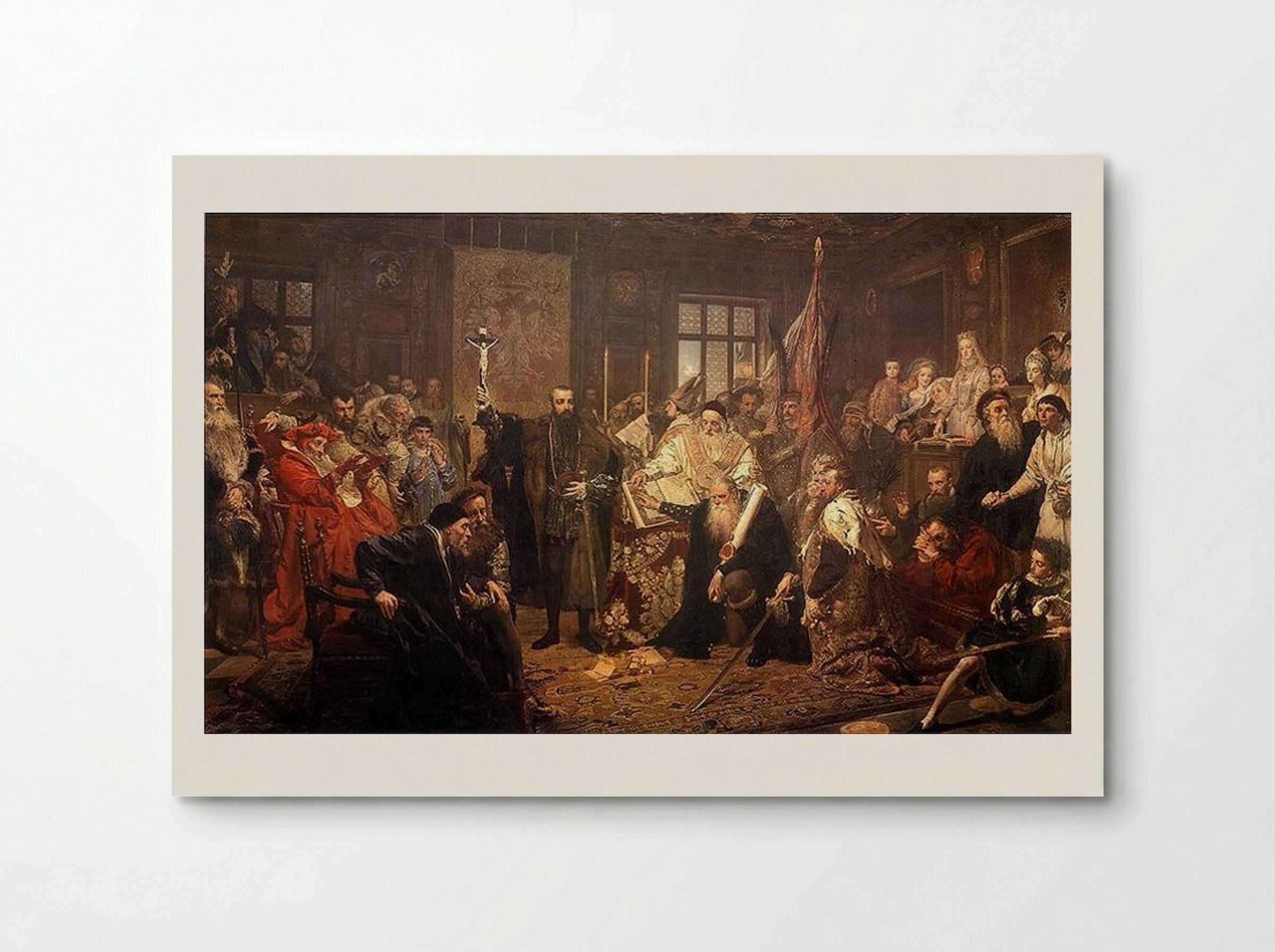 Die Union von Lublin - Jan Matejko
Print
Regulärer Preis Ab £28.00 GBPAngebotspreis Ab £28.00 GBP Regulärer Preis -
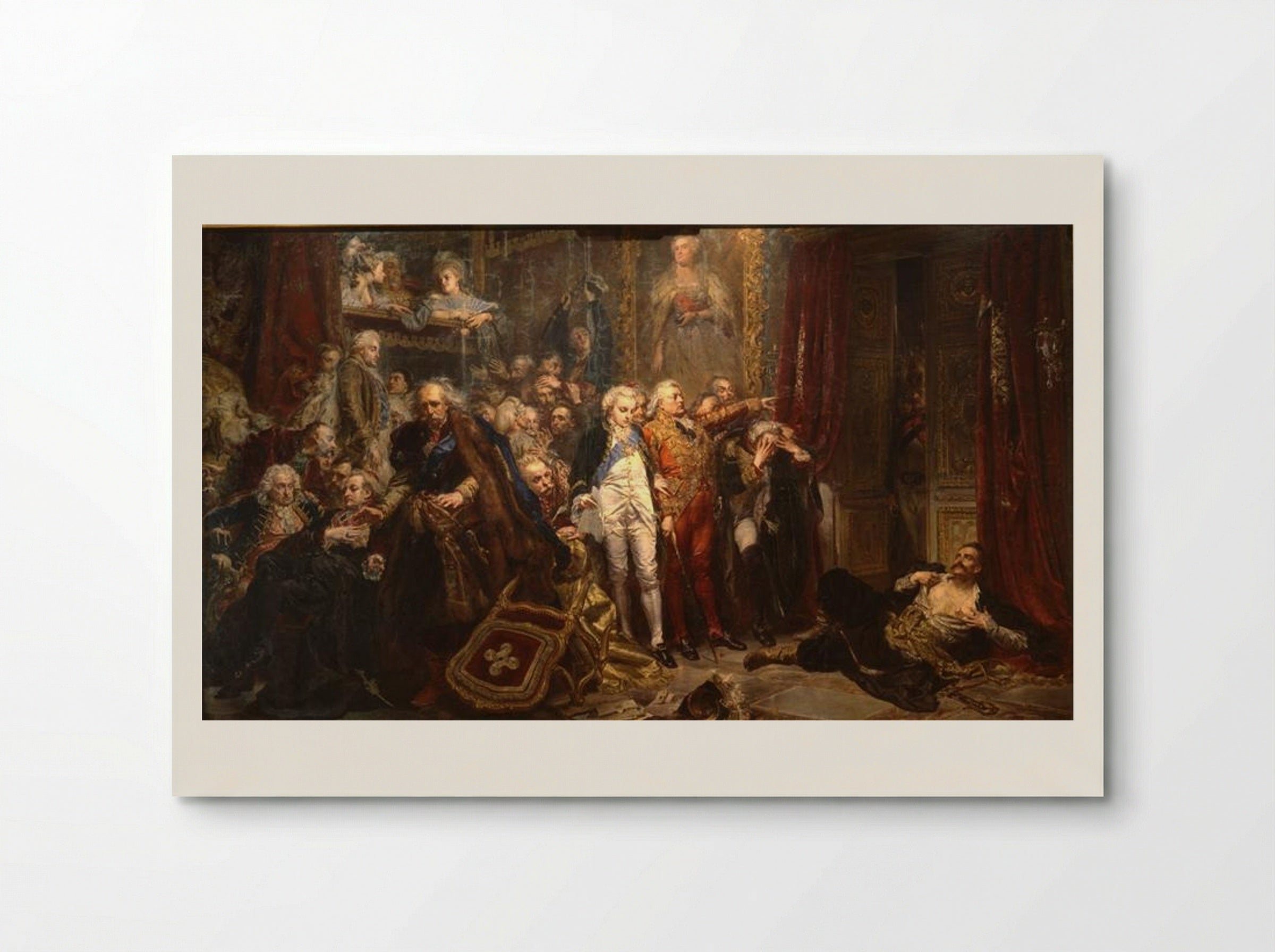 Die Schlacht bei Racławice - Jan Matejko
Print
Regulärer Preis Ab £28.00 GBPAngebotspreis Ab £28.00 GBP Regulärer Preis -
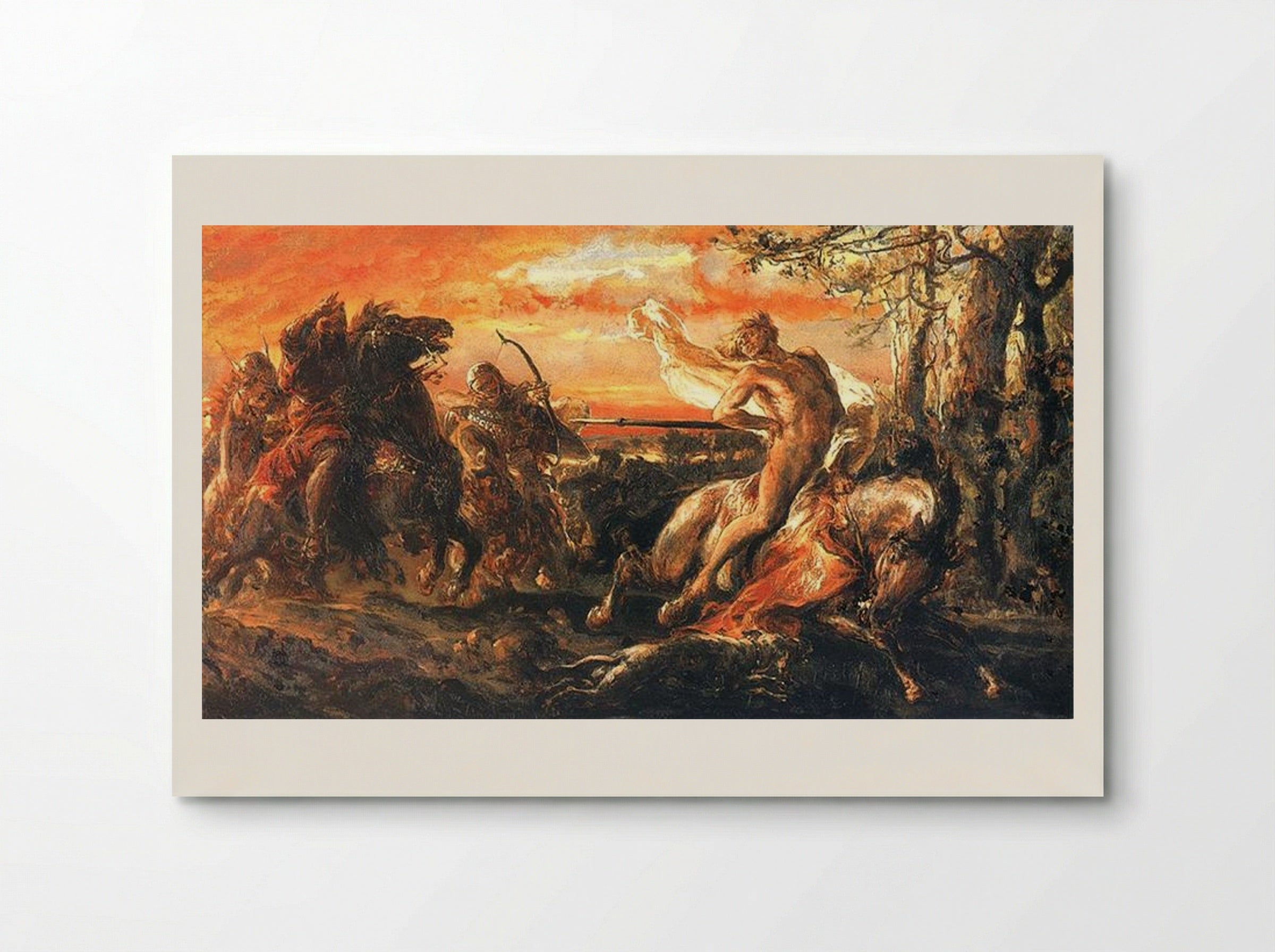 Der Tod des Leszek des Weißen – Jan Matejko
Print
Regulärer Preis Ab £28.00 GBPAngebotspreis Ab £28.00 GBP Regulärer Preis -
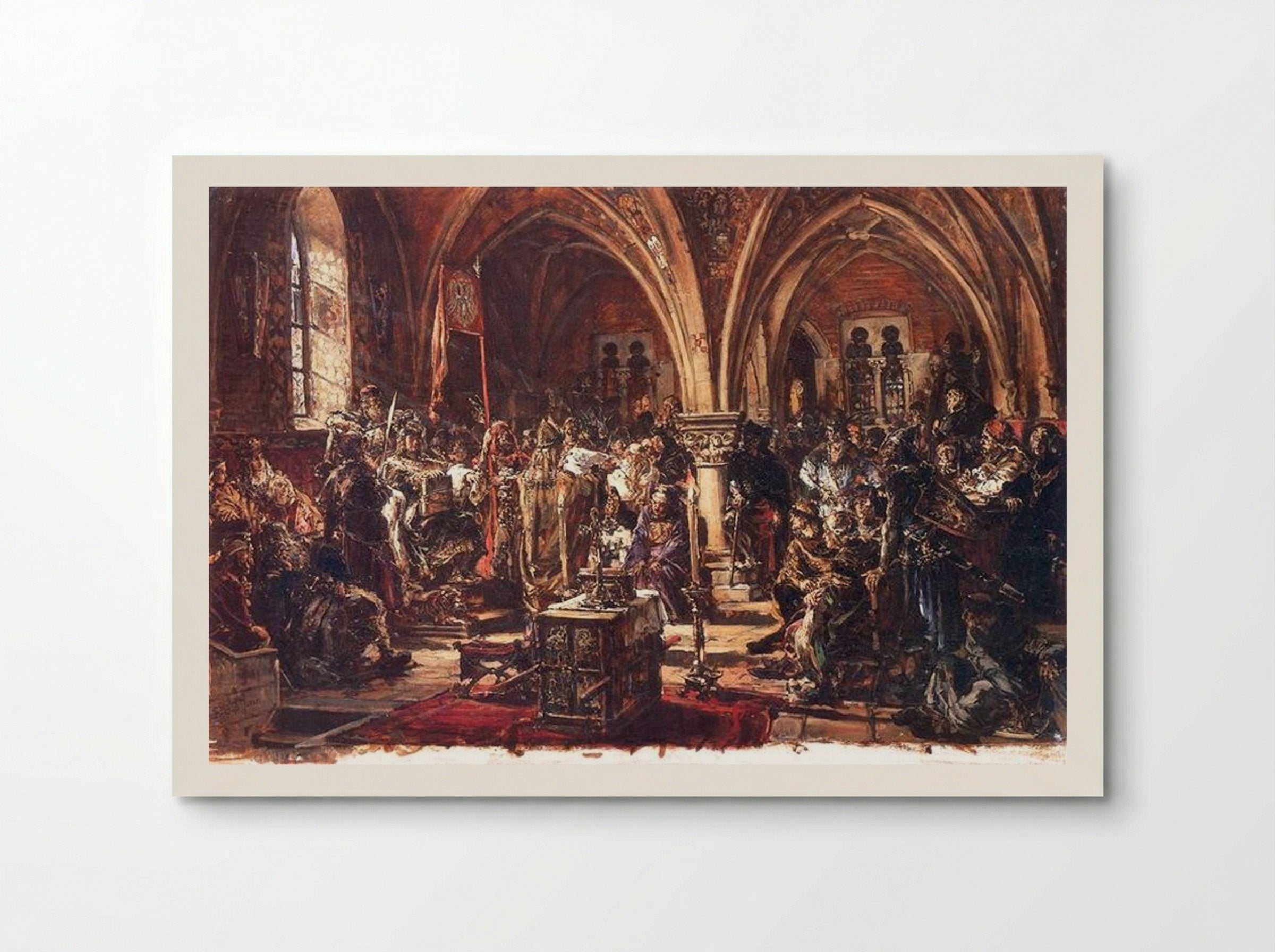 Der erste Sejm, Gesetzgebung 1182 - Jan Matejko
Print
Regulärer Preis Ab £28.00 GBPAngebotspreis Ab £28.00 GBP Regulärer Preis -
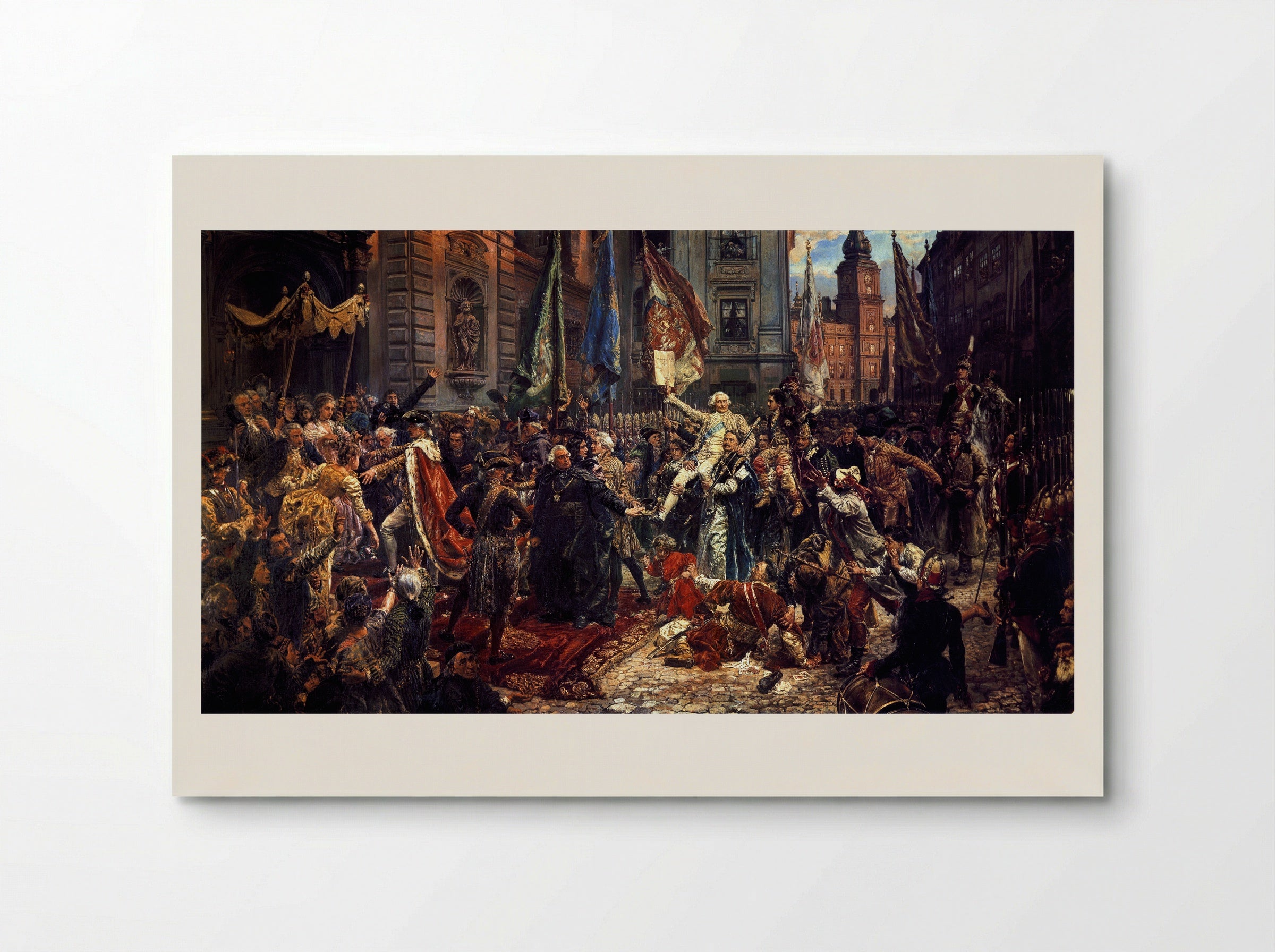 Die Verfassung vom 3. Mai 1791 - Jan Matejko
Print
Regulärer Preis Ab £28.00 GBPAngebotspreis Ab £28.00 GBP Regulärer Preis -
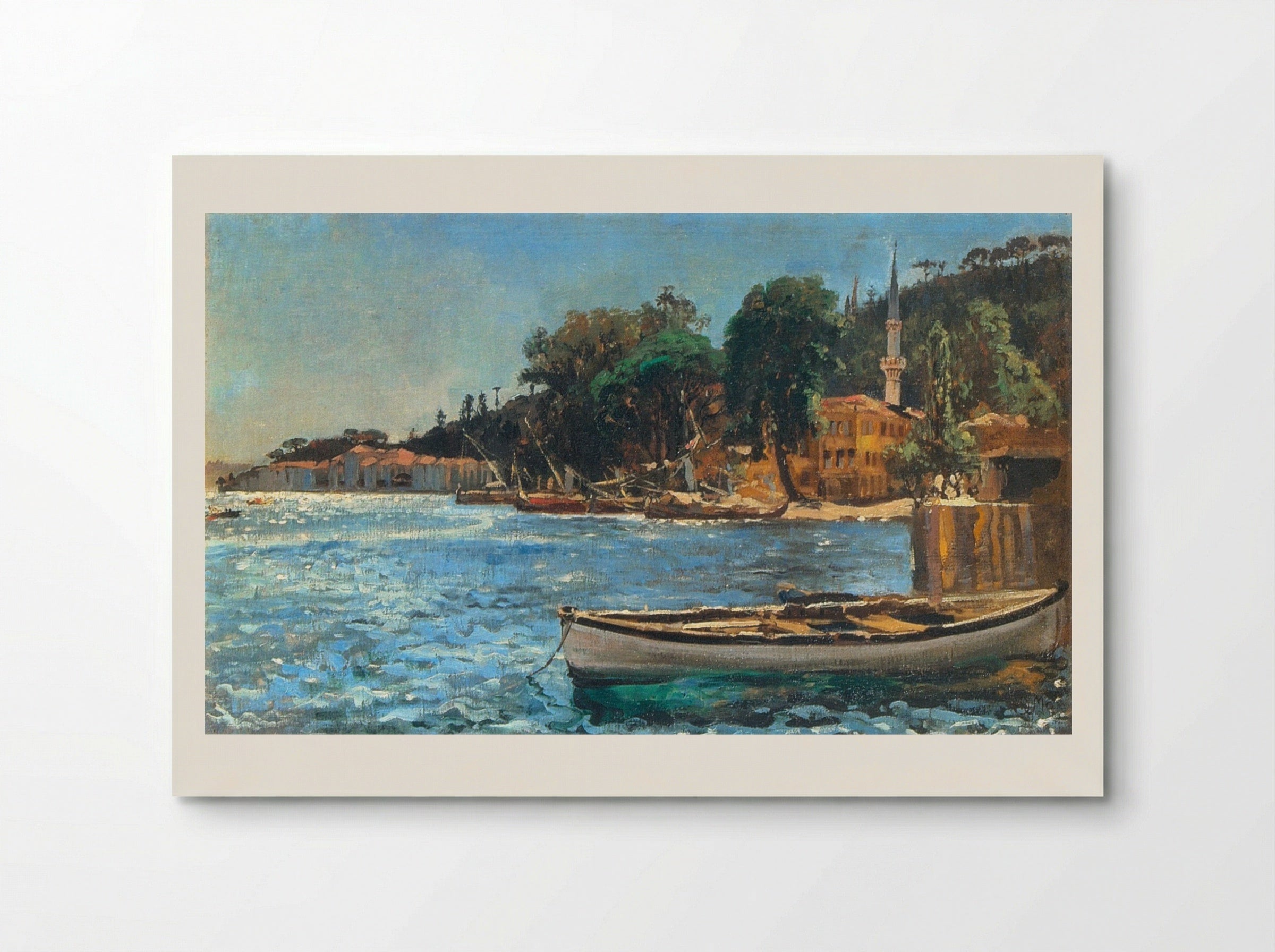 Blick auf Bebek bei Konstantinopel – Jan Matejko
Print
Regulärer Preis Ab £28.00 GBPAngebotspreis Ab £28.00 GBP Regulärer Preis


Artist Biography
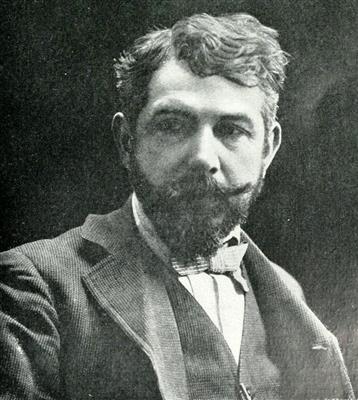
Jan Matejko
Nietzsche, tipping into psychosis in Turin in January 1889, sent Matejko an unsolicited letter. That a philosopher on the edge of madness would think to write to a Polish history painter says something about how far Matejko's reputation had travelled by the end of his life.
Matejko was born in Krakow in 1838 to a Czech father and a half-German, half-Polish mother. Despite being only one-quarter Polish by blood, his household was fiercely patriotic: Polish books, portraits of Polish heroes, and a brother who followed General Jozef Bem into the Hungarian Revolution of 1848 (and died in battle). He enrolled at the Krakow Academy of Fine Arts at fourteen, studying under Wojciech Stattler. He never mastered a foreign language and struggled even with Polish, which made the public appearances demanded of him throughout his career an ordeal.
His ambition was to paint Polish history on a monumental scale. Stanczyk (1862) showed the royal jester alone with the news of a military defeat, a painting that reads as an editorial cartoon stretched to the size of a wall. Battle of Grunwald (1878) and Rejtan (1866) followed, each canvas an argument about national identity dressed as historical spectacle. Wilhelm von Kaulbach's method of "historical symbolism", which prioritised interpretation over documentary accuracy, shaped Matejko's approach. His brother Franciszek, a historian at the Jagiellonian Library, fed him archival detail.
As director of the Krakow School of Fine Arts, he trained over eighty students. Maurycy Gottlieb, Jacek Malczewski, Jozef Mehoffer and Stanislaw Wyspianski all passed through his studio; several became leading figures in the Young Poland movement, earning Matejko the title "Father of Young Poland". In 1887 he attended the opening of Queen Jadwiga's sarcophagus to sketch her skull for a portrait. He died in 1893, aged fifty-five.
Matejko was born in Krakow in 1838 to a Czech father and a half-German, half-Polish mother. Despite being only one-quarter Polish by blood, his household was fiercely patriotic: Polish books, portraits of Polish heroes, and a brother who followed General Jozef Bem into the Hungarian Revolution of 1848 (and died in battle). He enrolled at the Krakow Academy of Fine Arts at fourteen, studying under Wojciech Stattler. He never mastered a foreign language and struggled even with Polish, which made the public appearances demanded of him throughout his career an ordeal.
His ambition was to paint Polish history on a monumental scale. Stanczyk (1862) showed the royal jester alone with the news of a military defeat, a painting that reads as an editorial cartoon stretched to the size of a wall. Battle of Grunwald (1878) and Rejtan (1866) followed, each canvas an argument about national identity dressed as historical spectacle. Wilhelm von Kaulbach's method of "historical symbolism", which prioritised interpretation over documentary accuracy, shaped Matejko's approach. His brother Franciszek, a historian at the Jagiellonian Library, fed him archival detail.
As director of the Krakow School of Fine Arts, he trained over eighty students. Maurycy Gottlieb, Jacek Malczewski, Jozef Mehoffer and Stanislaw Wyspianski all passed through his studio; several became leading figures in the Young Poland movement, earning Matejko the title "Father of Young Poland". In 1887 he attended the opening of Queen Jadwiga's sarcophagus to sketch her skull for a portrait. He died in 1893, aged fifty-five.



Warum uns wählen?