

Sammlung
James Tissot
Entdecken Sie kuratierte Kunstdrucke, ausgewählt für individuelle Wohnräume und durchdachte Interieurs.
Vorgeschlagene Filter
-
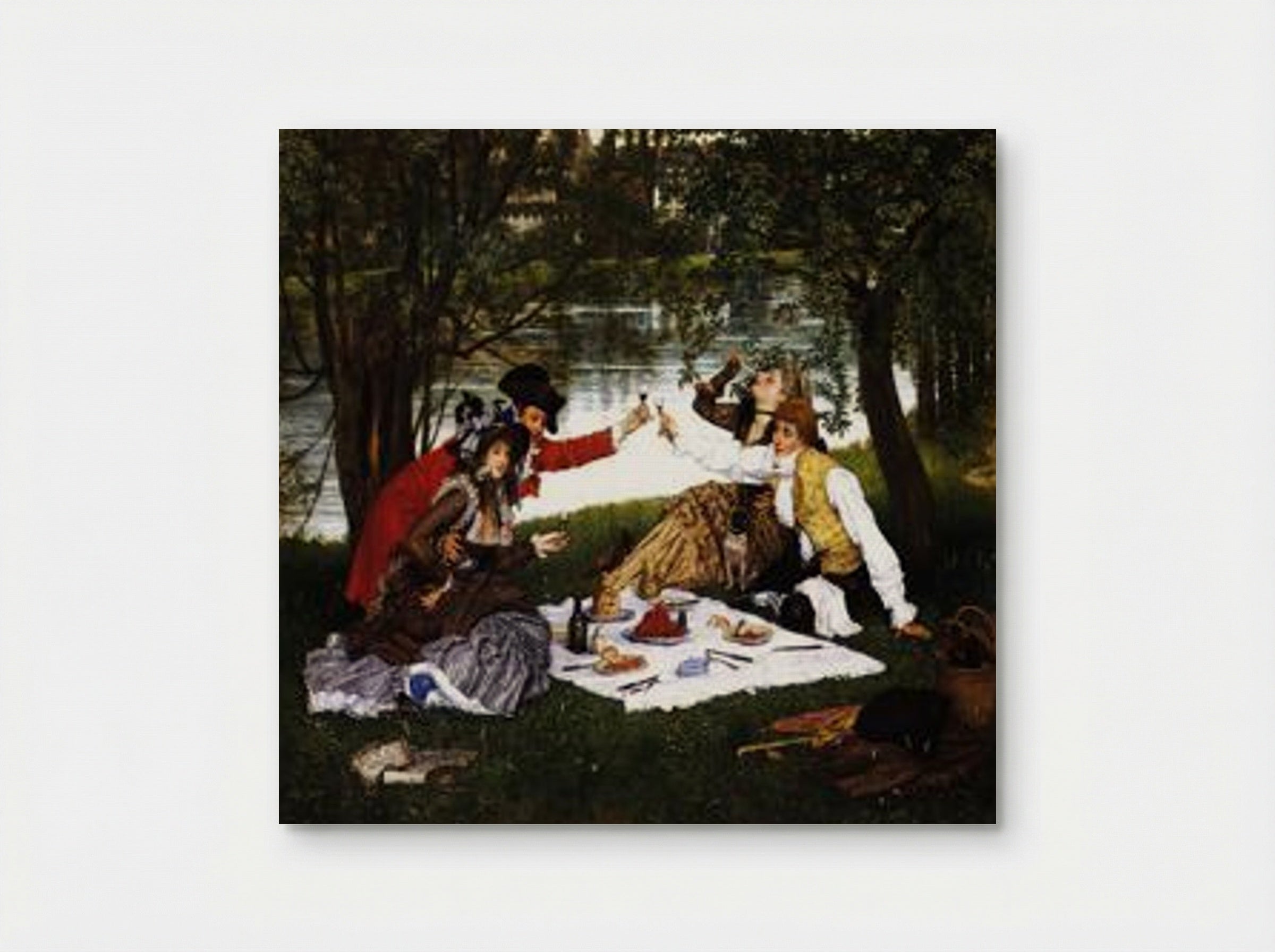
 Partie Carrée - James Tissot
Print · Framed
Regulärer Preis Ab £37.00 GBPAngebotspreis Ab £37.00 GBP Regulärer Preis -
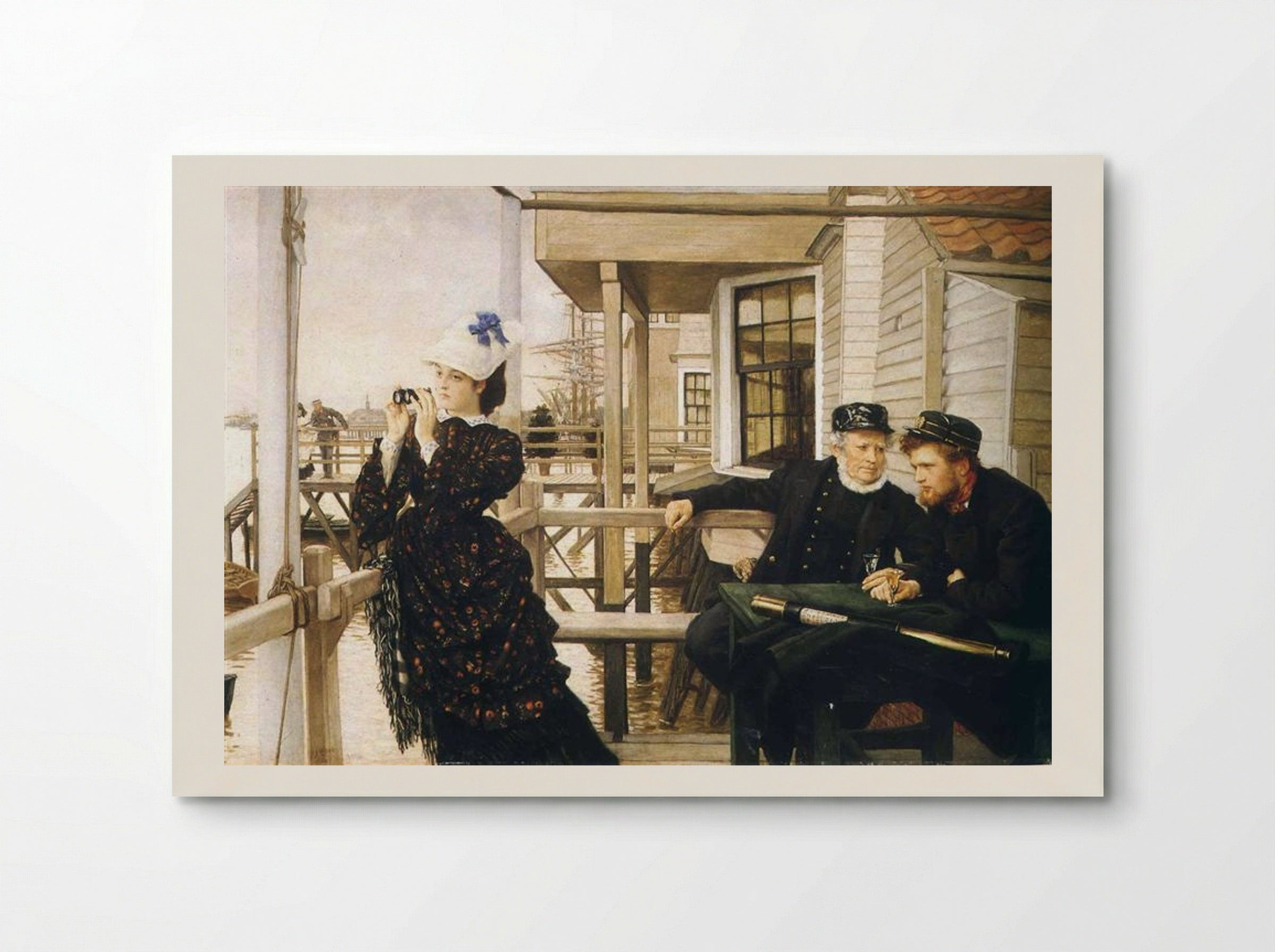
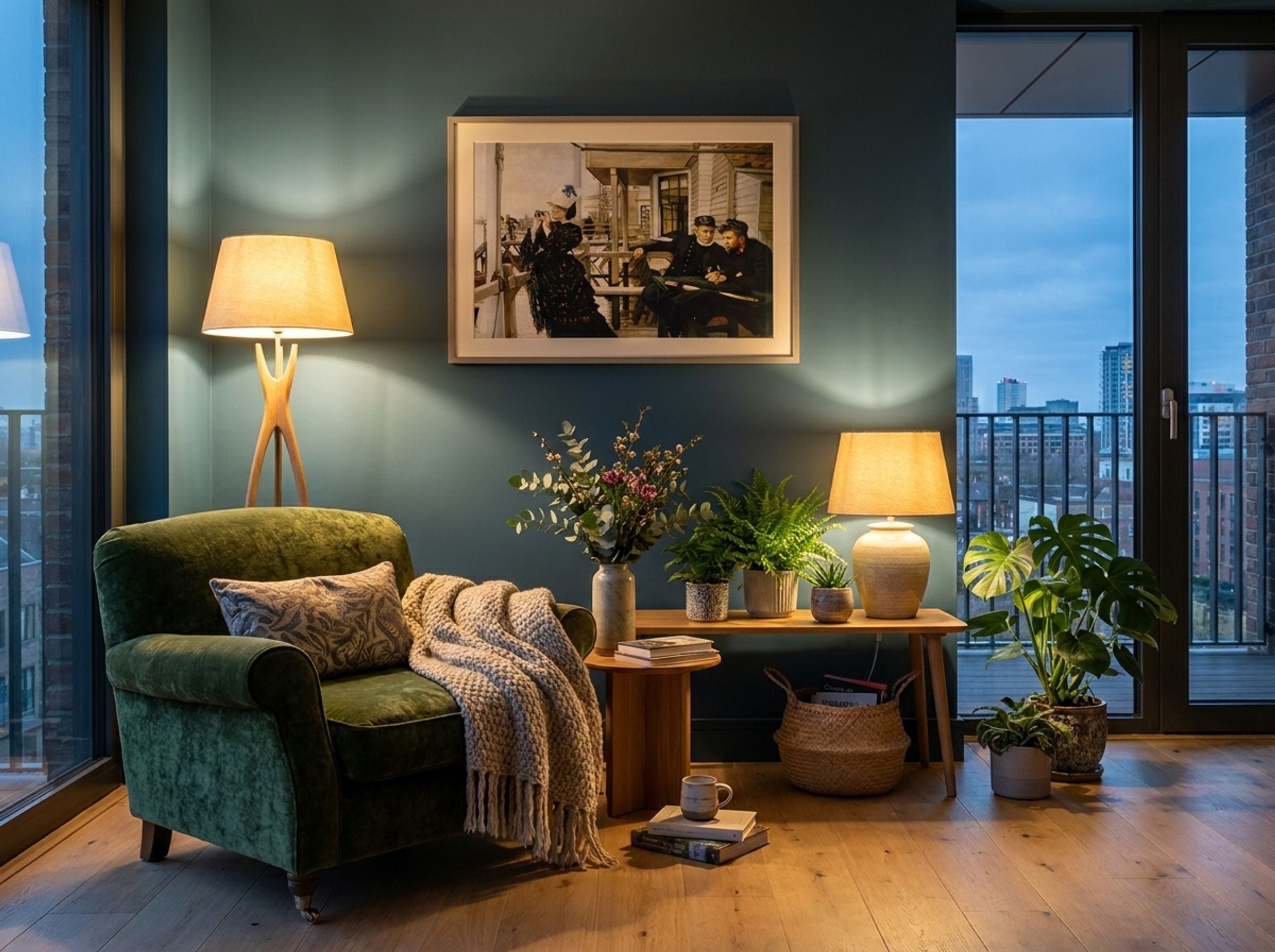 Die Tochter des Kapitäns – James Tissot
Print · Framed
Regulärer Preis Ab £28.00 GBPAngebotspreis Ab £28.00 GBP Regulärer Preis -

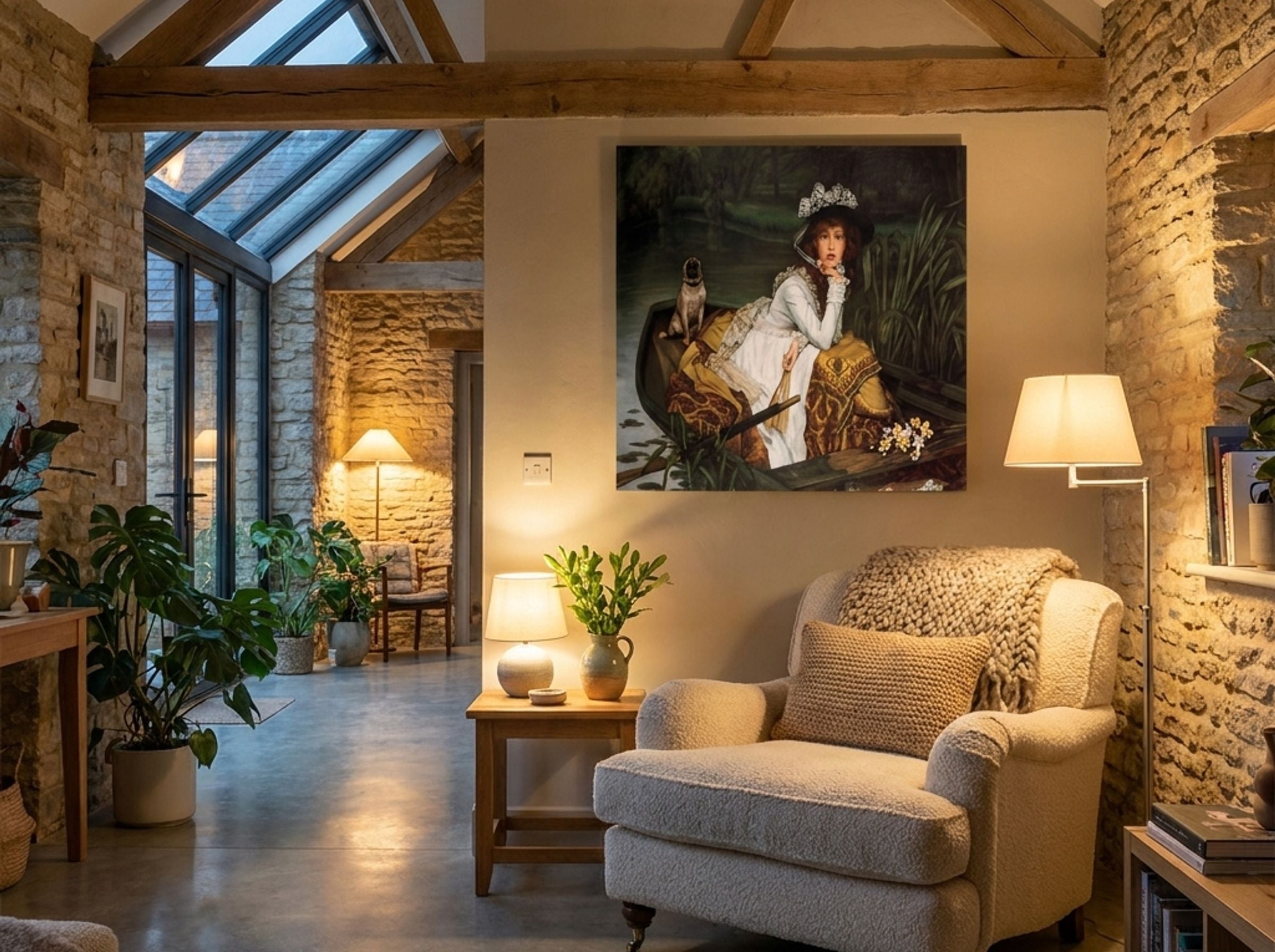 Junge Dame in einem Boot - James Tissot
Print · Framed
Regulärer Preis Ab £37.00 GBPAngebotspreis Ab £37.00 GBP Regulärer Preis -
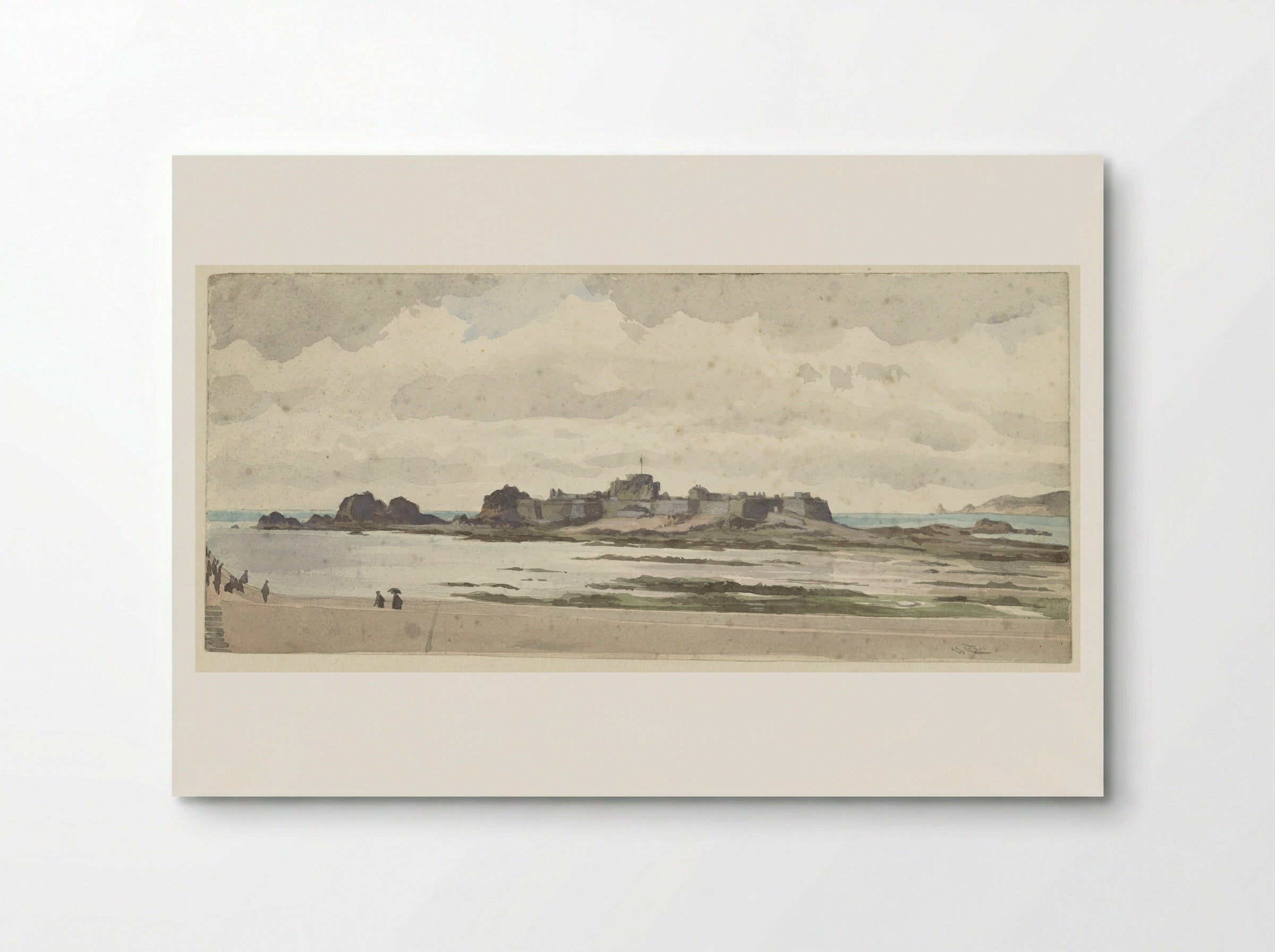
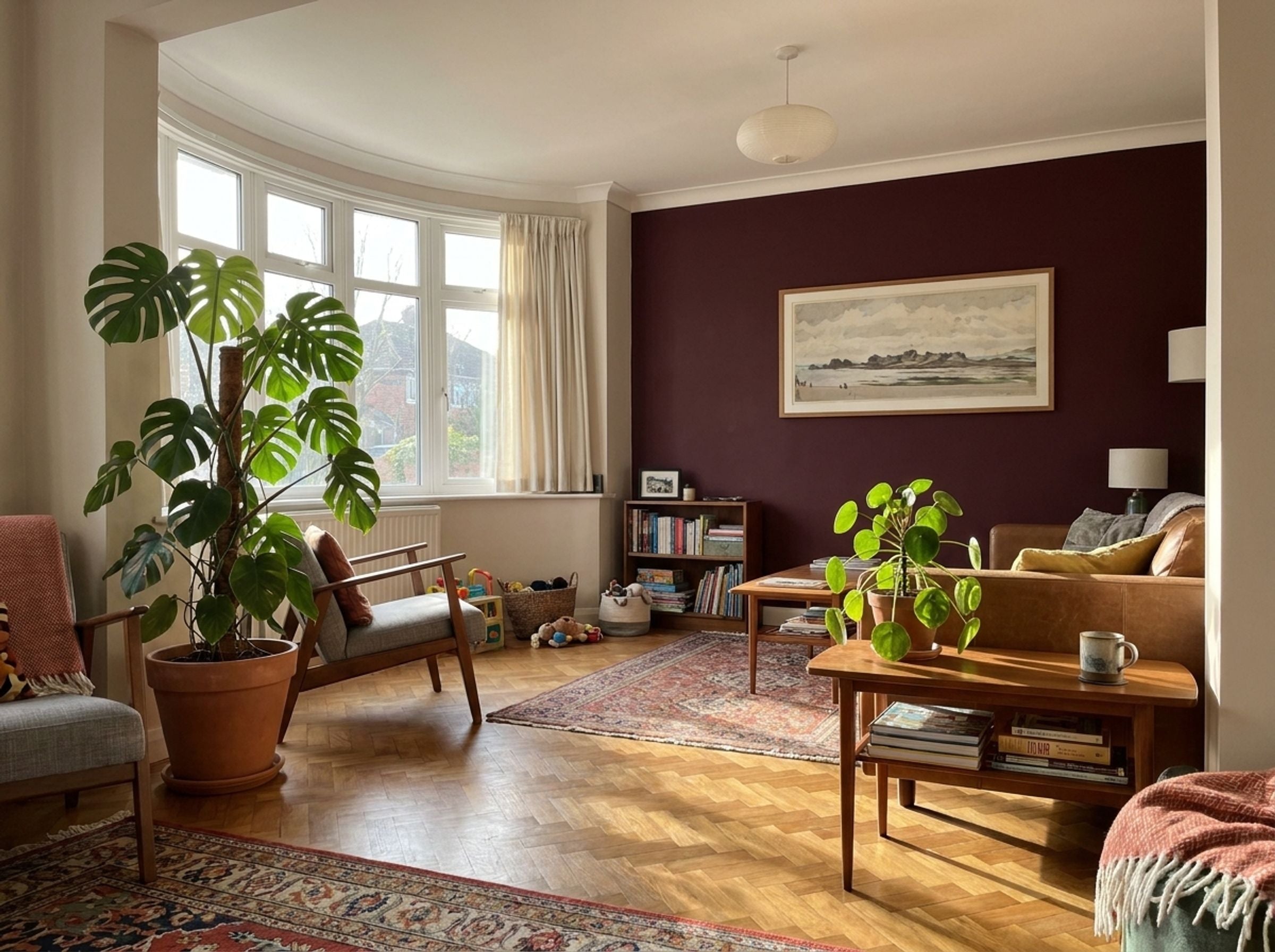 Schloss oder Festung an der Küste – James Tissot
Print · Framed
Regulärer Preis Ab £28.00 GBPAngebotspreis Ab £28.00 GBP Regulärer Preis -

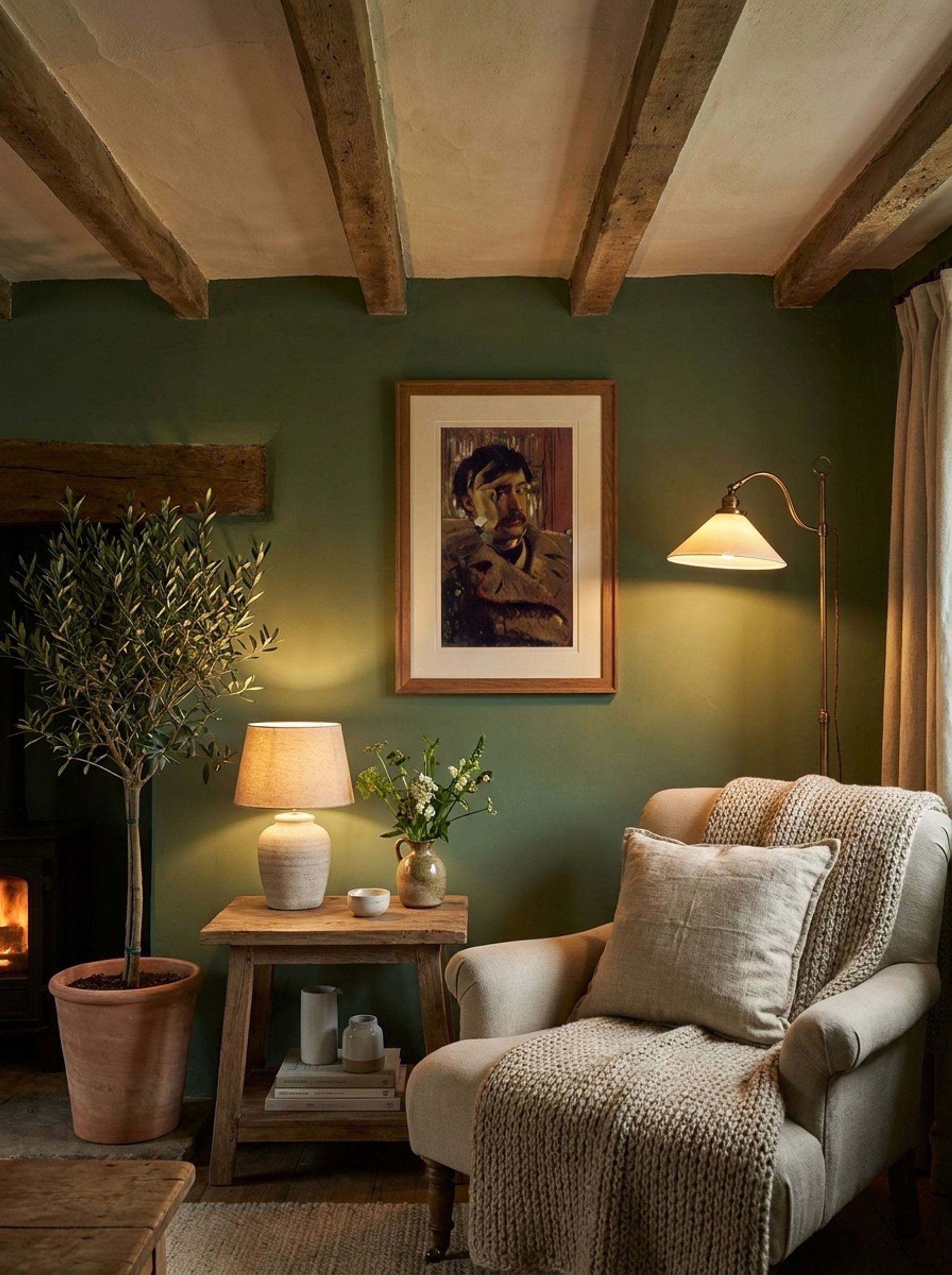 Selbstbildnis - James Tissot
Print · Framed
Regulärer Preis Ab £28.00 GBPAngebotspreis Ab £28.00 GBP Regulärer Preis


Artist Biography
James Tissot
Tissot's real name was Jacques Joseph. He adopted James at eleven, out of admiration for English culture, which turned out to be prescient: he spent the most productive decade of his career in London, painting the English upper classes with a precision they found both flattering and uncomfortable.
He grew up in the port city of Nantes, the son of a milliner and dressmaker. His mother's trade shows in the paintings: nobody in nineteenth-century art rendered fabric, lace, ribbons and the cut of a sleeve with more attention than Tissot. He studied in Paris under Hippolyte Flandrin and exhibited at the Salon from 1859, shifting quickly from medieval subjects to modern life.
He fought in the Franco-Prussian War and was implicated in the Paris Commune of 1871, though the extent of his involvement remains unclear. What is clear is that he left Paris in a hurry after Bloody Week and turned up in London, where his detailed paintings of Victorian society made him wealthy within a few years. The English liked his work because it showed them as they wished to be seen: well-dressed, leisured, and slightly mysterious. The sexual tension in many of his compositions, the glances exchanged between men and women across the rigid codes of Victorian propriety, is always present and never explicit.
He drew caricatures for Vanity Fair under the pseudonym Coide. He was also a serious collector of Japanese art, and the influence of Japanese composition and textile patterns runs through his work alongside the European tradition.
In London he began a relationship with Kathleen Newton, an Irishwoman who became his constant model and companion until her death from tuberculosis in 1882. He returned to Paris after she died and spent his final years painting a monumental series of 350 gouaches illustrating the life of Christ, based on research trips to the Middle East.
He grew up in the port city of Nantes, the son of a milliner and dressmaker. His mother's trade shows in the paintings: nobody in nineteenth-century art rendered fabric, lace, ribbons and the cut of a sleeve with more attention than Tissot. He studied in Paris under Hippolyte Flandrin and exhibited at the Salon from 1859, shifting quickly from medieval subjects to modern life.
He fought in the Franco-Prussian War and was implicated in the Paris Commune of 1871, though the extent of his involvement remains unclear. What is clear is that he left Paris in a hurry after Bloody Week and turned up in London, where his detailed paintings of Victorian society made him wealthy within a few years. The English liked his work because it showed them as they wished to be seen: well-dressed, leisured, and slightly mysterious. The sexual tension in many of his compositions, the glances exchanged between men and women across the rigid codes of Victorian propriety, is always present and never explicit.
He drew caricatures for Vanity Fair under the pseudonym Coide. He was also a serious collector of Japanese art, and the influence of Japanese composition and textile patterns runs through his work alongside the European tradition.
In London he began a relationship with Kathleen Newton, an Irishwoman who became his constant model and companion until her death from tuberculosis in 1882. He returned to Paris after she died and spent his final years painting a monumental series of 350 gouaches illustrating the life of Christ, based on research trips to the Middle East.


Warum uns wählen?