

Sammlung
Giovanni Battista Tiepolo
Entdecken Sie kuratierte Kunstdrucke, ausgewählt für individuelle Wohnräume und durchdachte Interieurs.
Vorgeschlagene Filter
-
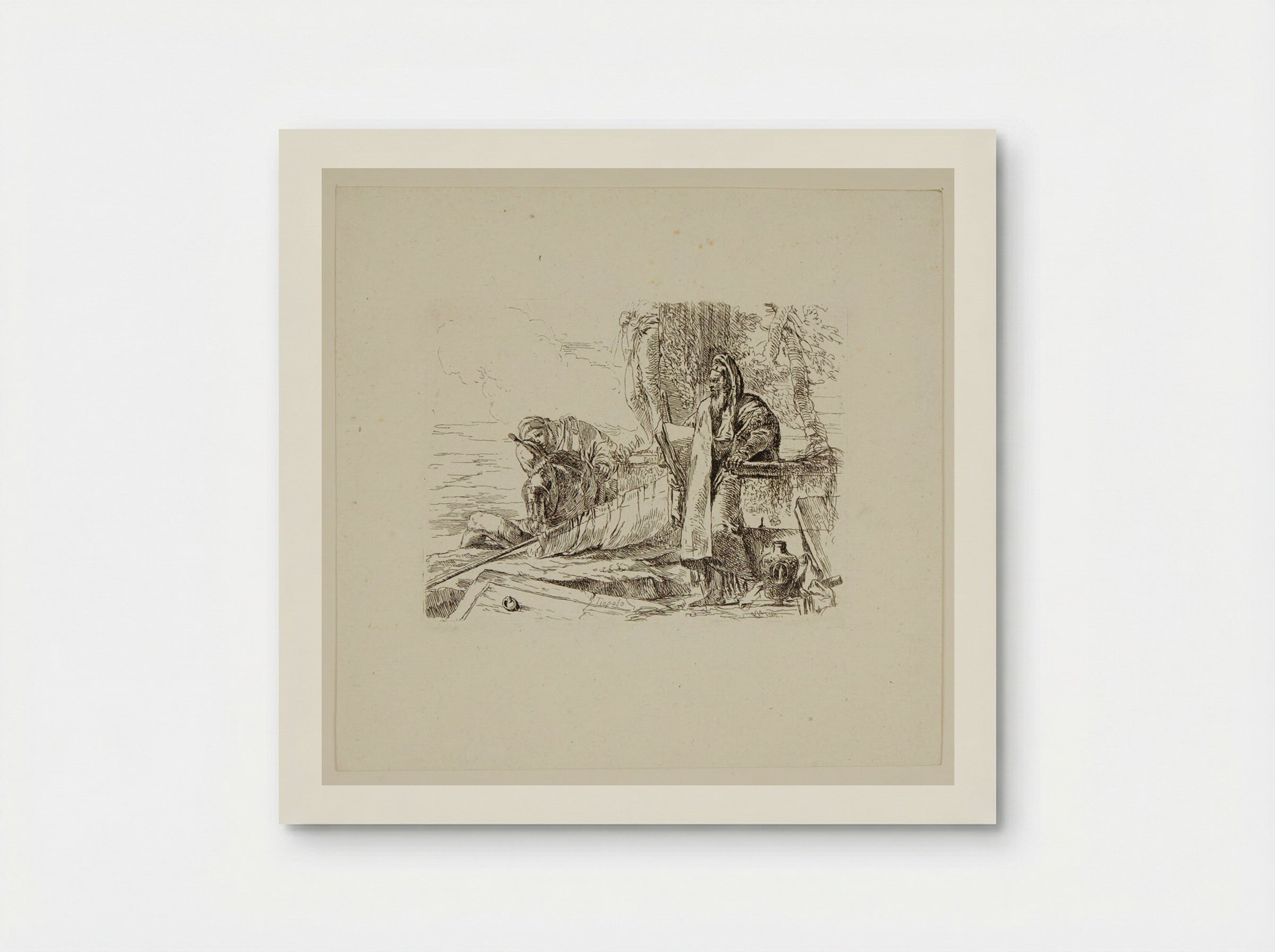 Philosoph, stehend und ein Buch haltend – Giovanni Battista Tiepolo
Print
Regulärer Preis Ab £37.00 GBPAngebotspreis Ab £37.00 GBP Regulärer Preis -
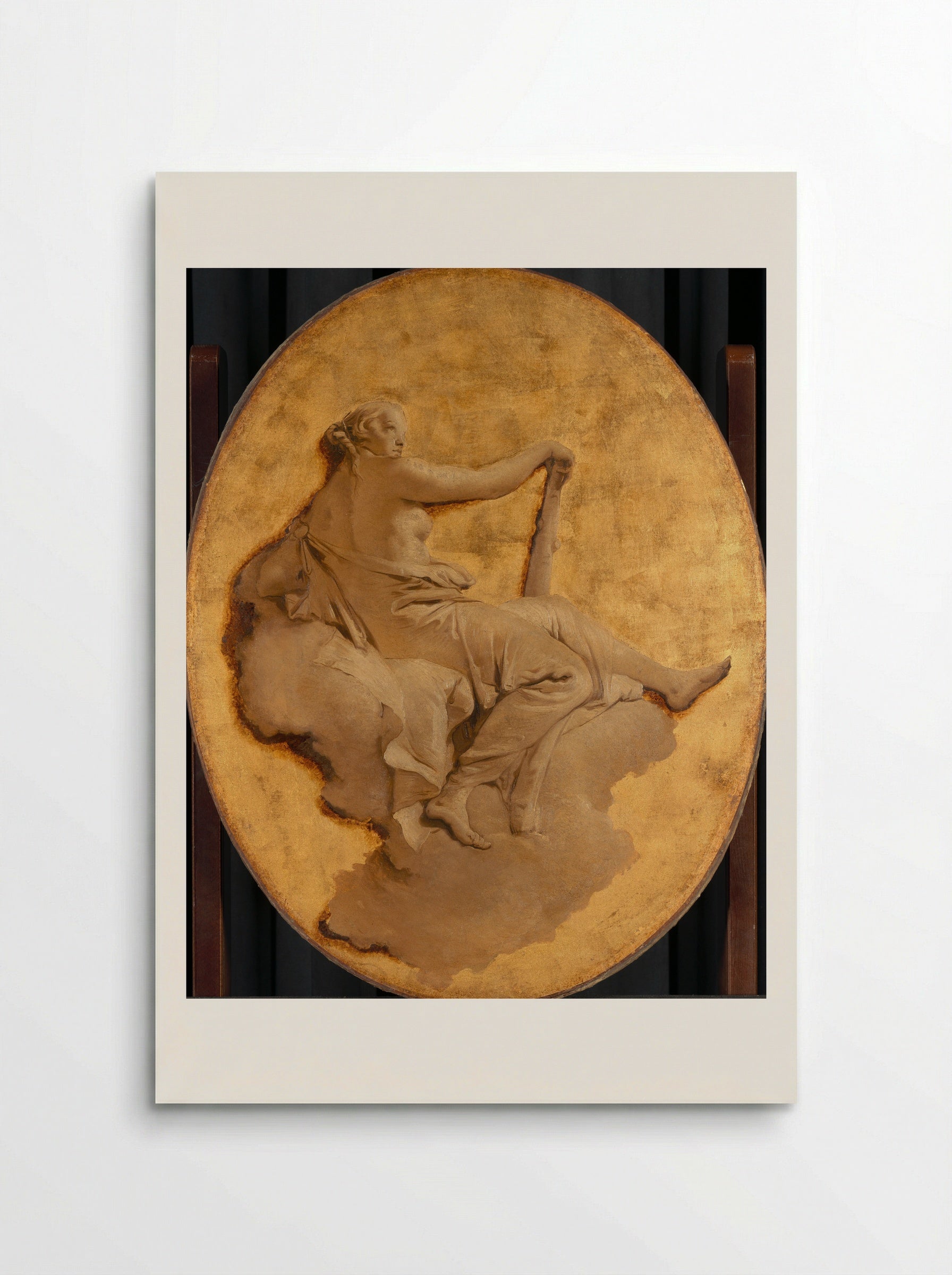 Allegorische Figur einer Frau mit Keule (vermutlich die Stärke) - Giovanni Battista Tiepolo
Print
Regulärer Preis Ab £28.00 GBPAngebotspreis Ab £28.00 GBP Regulärer Preis -
 Die Unbefleckte Empfängnis (Joachim und Anna empfangen die Jungfrau Maria von Gott dem Vater) - Giovanni Battista Tiepolo
Print
Regulärer Preis Ab £28.00 GBPAngebotspreis Ab £28.00 GBP Regulärer Preis -
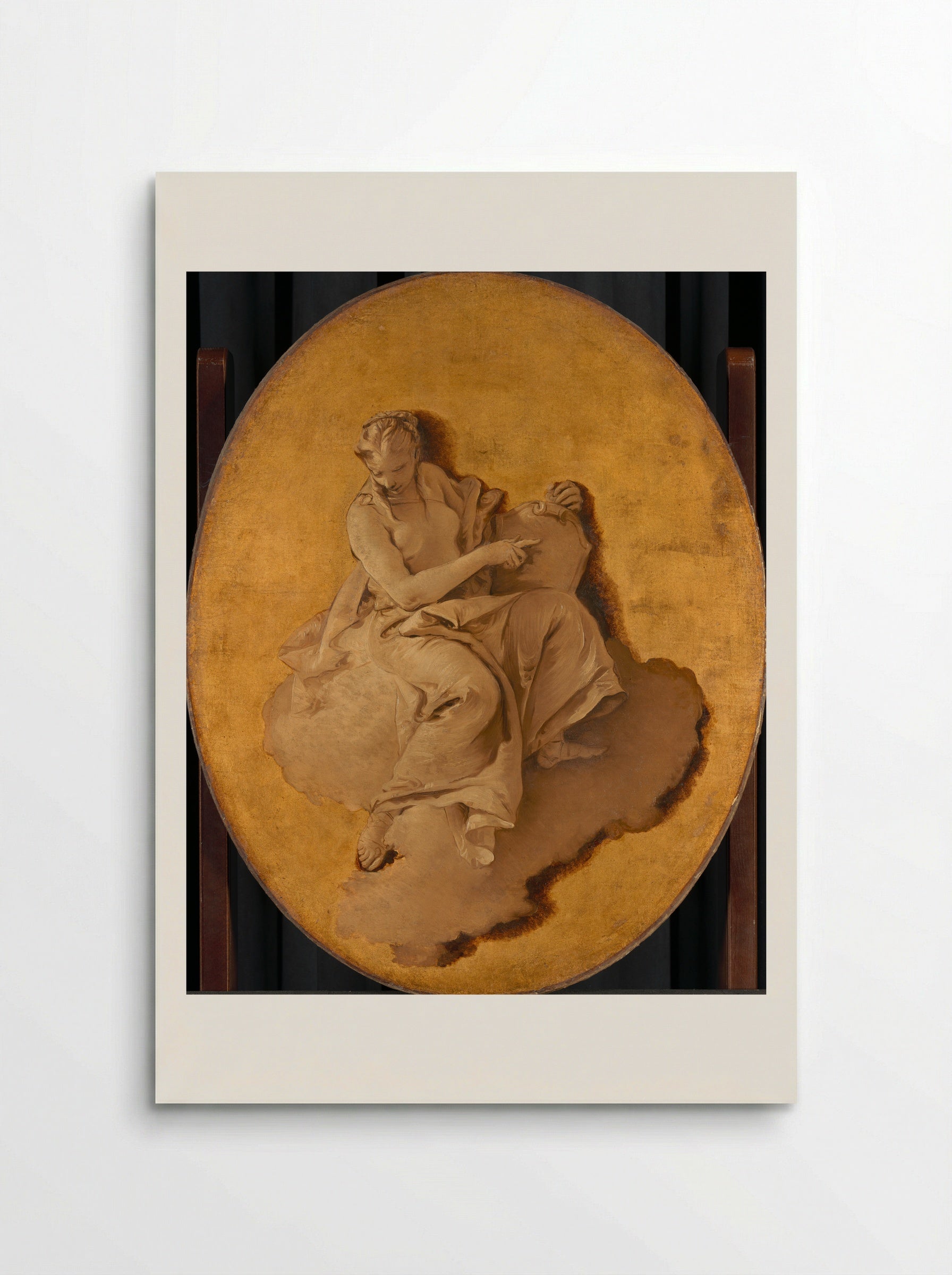 Allegorische Frauenfigur mit Schild oder Spiegel (Klugheit?) - Giovanni Battista Tiepolo
Print
Regulärer Preis Ab £28.00 GBPAngebotspreis Ab £28.00 GBP Regulärer Preis -
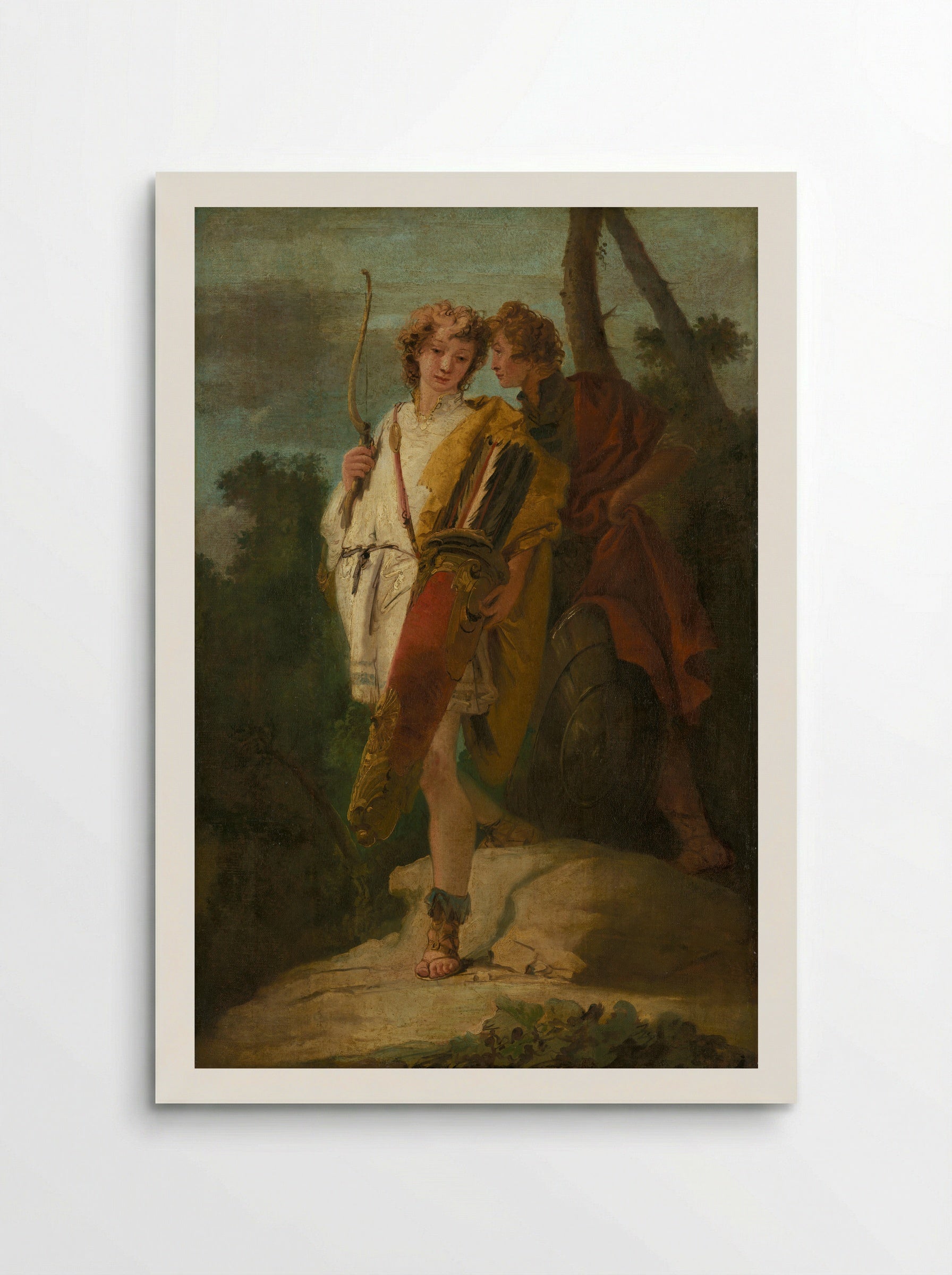 Junger Mann mit Bogen und großem Köcher und sein Kamerad mit Schild – Giovanni Battista Tiepolo
Print
Regulärer Preis Ab £28.00 GBPAngebotspreis Ab £28.00 GBP Regulärer Preis


Artist Biography
Giovanni Battista Tiepolo
Tiepolo's father was a small shipping merchant who bore a famous Venetian patrician name without any claim to noble descent. The gap between the name and the reality may have sharpened the son's ambition. By mid-career he was the most sought-after ceiling painter in Europe, working for bishops, princes and kings across Italy, Germany and Spain.
He was born in Venice in 1696, the youngest of six children. His father died about a year later, leaving his mother to raise the family in difficult circumstances. At fourteen he was apprenticed to Gregorio Lazzarini, a painter of eclectic style. His early work was dark and heavy, but after his marriage to Maria Cecilia Guardi in 1719, his palette brightened and his touch became lighter and more fluid. The transformation was radical: the sombre young painter became the most luminous colourist of the eighteenth century.
His ceiling fresco at the Wurzburg Residence (1750 to 1753), painted for the Prince-Bishop, is the largest fresco in the world and the supreme achievement of Baroque illusionistic decoration. He travelled there with his sons Domenico and Lorenzo, who served as assistants throughout his career. Tiepolo and his wife had nine children in total; four daughters and three sons survived to adulthood.
In 1755 he was elected Director of the Accademia in Venice. In 1762 he moved with his sons to Madrid at the invitation of Charles III of Spain to decorate the Royal Palace. The Spanish court favoured the cooler Neoclassicism of Anton Raphael Mengs, and Tiepolo found himself outmanoeuvred. He died in Madrid in 1770, at seventy-four, his Rococo exuberance already passing out of fashion.
He was born in Venice in 1696, the youngest of six children. His father died about a year later, leaving his mother to raise the family in difficult circumstances. At fourteen he was apprenticed to Gregorio Lazzarini, a painter of eclectic style. His early work was dark and heavy, but after his marriage to Maria Cecilia Guardi in 1719, his palette brightened and his touch became lighter and more fluid. The transformation was radical: the sombre young painter became the most luminous colourist of the eighteenth century.
His ceiling fresco at the Wurzburg Residence (1750 to 1753), painted for the Prince-Bishop, is the largest fresco in the world and the supreme achievement of Baroque illusionistic decoration. He travelled there with his sons Domenico and Lorenzo, who served as assistants throughout his career. Tiepolo and his wife had nine children in total; four daughters and three sons survived to adulthood.
In 1755 he was elected Director of the Accademia in Venice. In 1762 he moved with his sons to Madrid at the invitation of Charles III of Spain to decorate the Royal Palace. The Spanish court favoured the cooler Neoclassicism of Anton Raphael Mengs, and Tiepolo found himself outmanoeuvred. He died in Madrid in 1770, at seventy-four, his Rococo exuberance already passing out of fashion.


Warum uns wählen?