

Sammlung
Eugene Carriere
Entdecken Sie kuratierte Kunstdrucke, ausgewählt für individuelle Wohnräume und durchdachte Interieurs.
Vorgeschlagene Filter
-
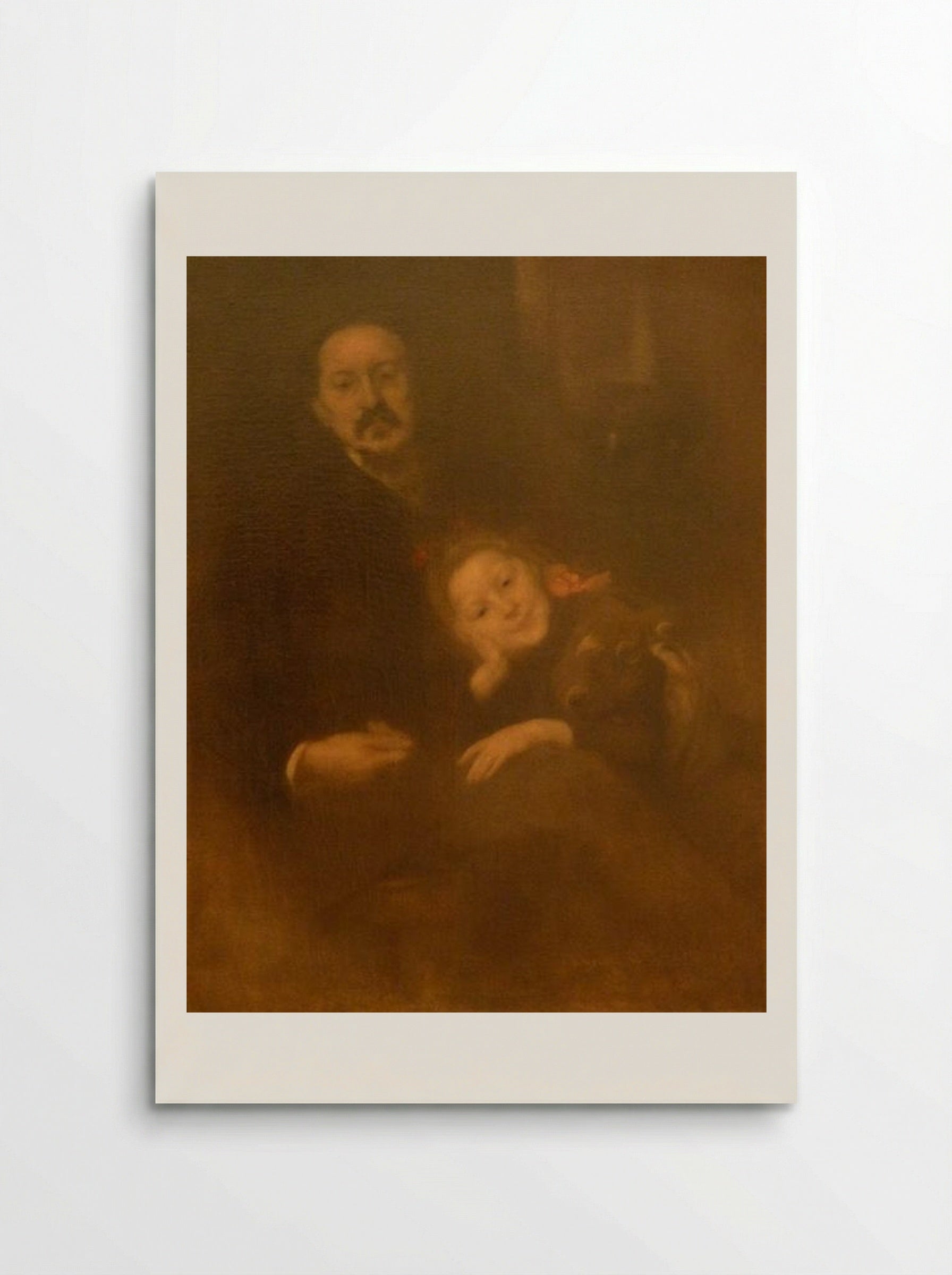 Gabriel Séailles und seine Tochter - Eugène Carrière
Print
Regulärer Preis Ab £28.00 GBPAngebotspreis Ab £28.00 GBP Regulärer Preis -
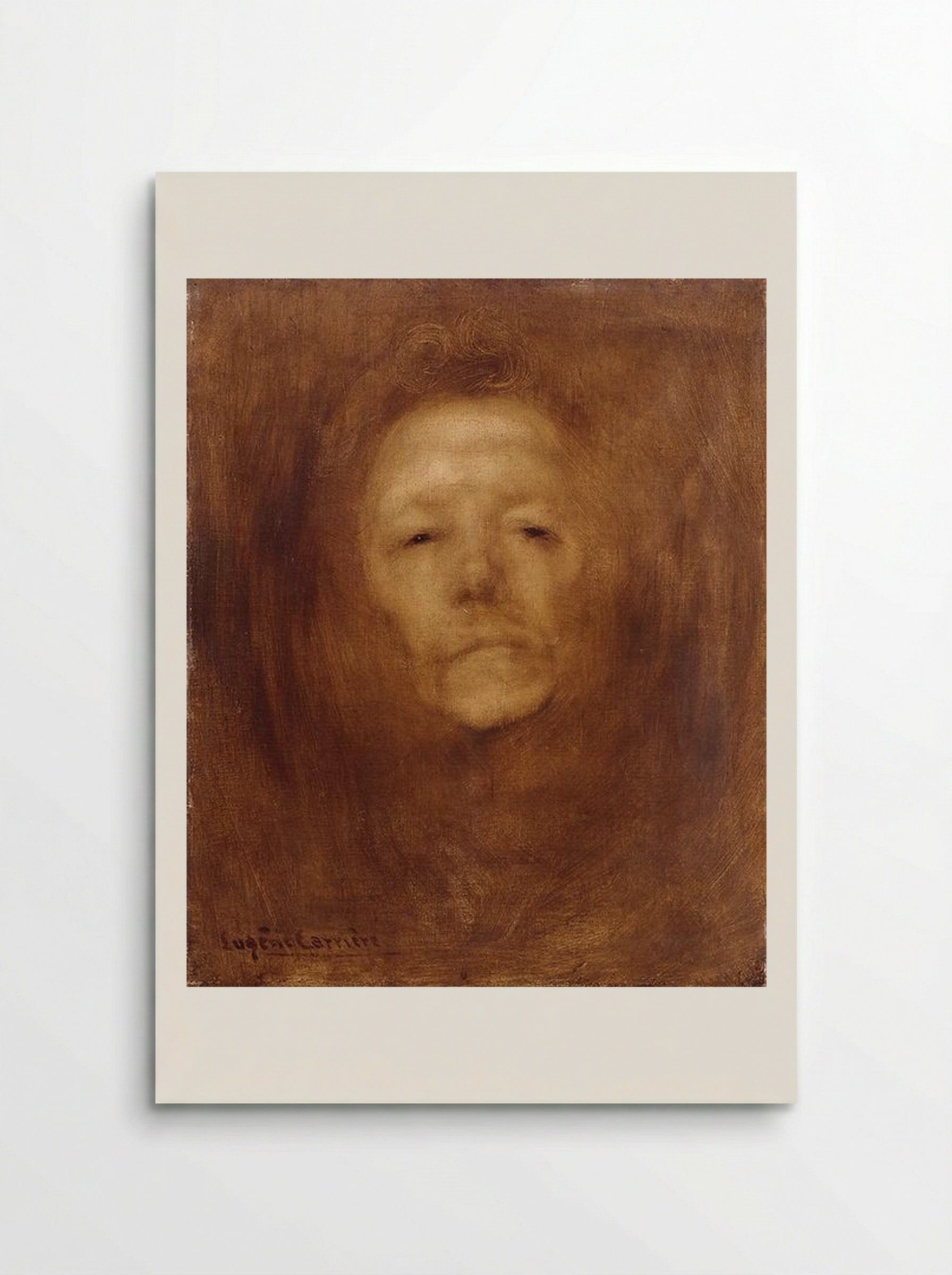 Selbstbildnis - Eugène Carrière
Print
Regulärer Preis Ab £28.00 GBPAngebotspreis Ab £28.00 GBP Regulärer Preis -
 Roger Marx - Eugène Carrière
Print
Regulärer Preis Ab £37.00 GBPAngebotspreis Ab £37.00 GBP Regulärer Preis -
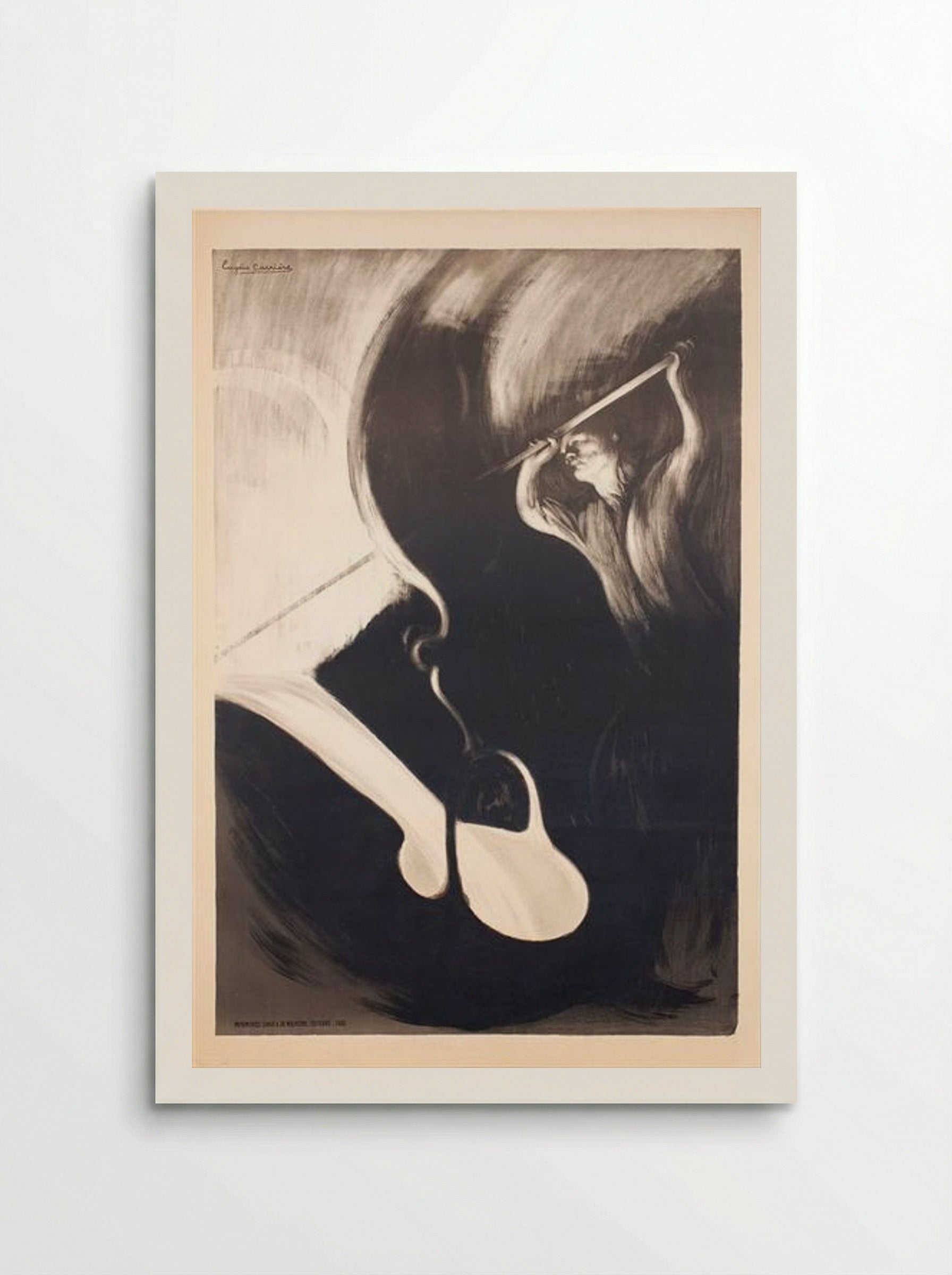 Le Fondeur (Der Gießer) – Eugène Carrière
Print
Regulärer Preis Ab £28.00 GBPAngebotspreis Ab £28.00 GBP Regulärer Preis -
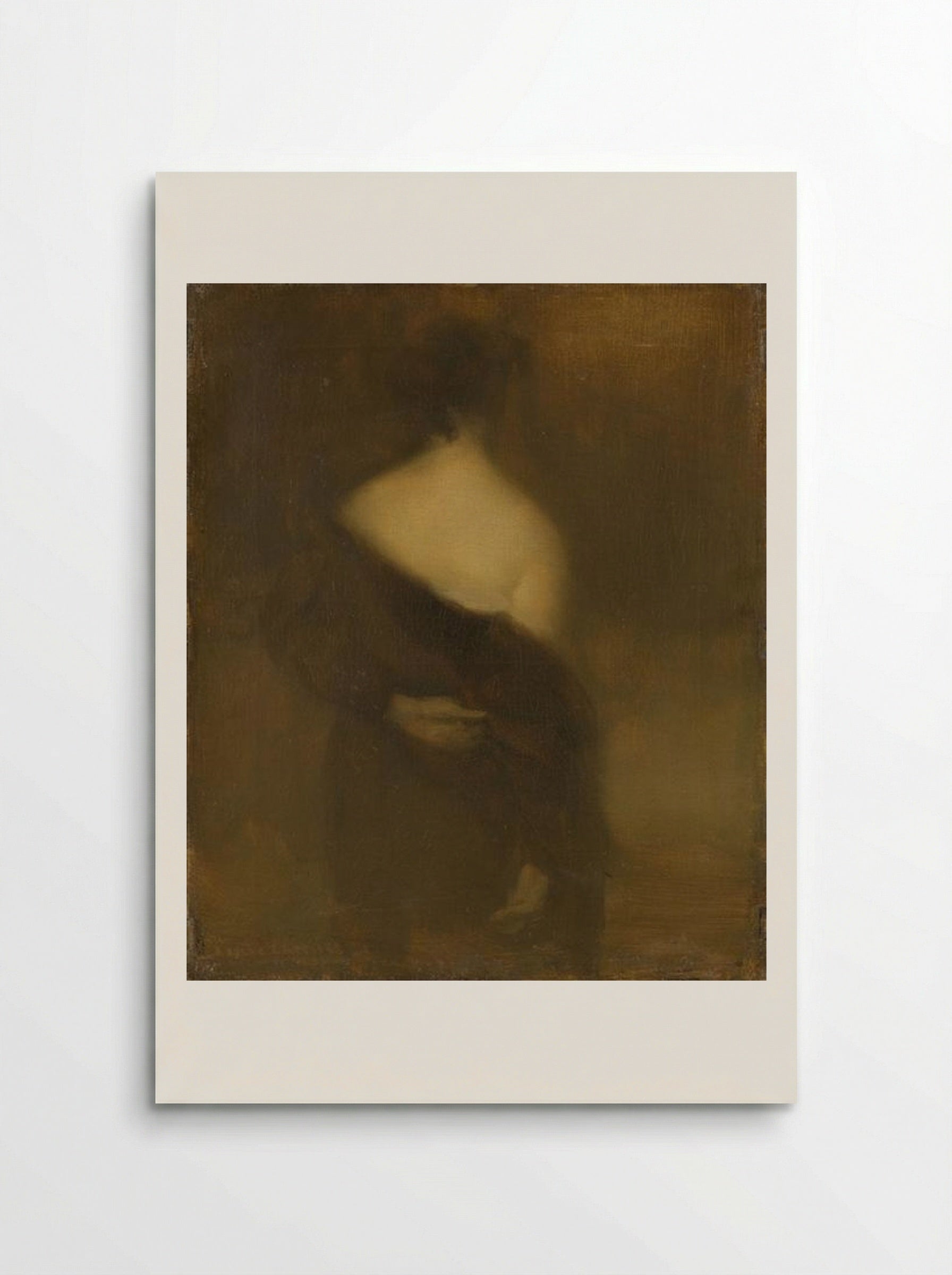 Rückenakt einer Frau – Eugène Carrière
Print
Regulärer Preis Ab £28.00 GBPAngebotspreis Ab £28.00 GBP Regulärer Preis -
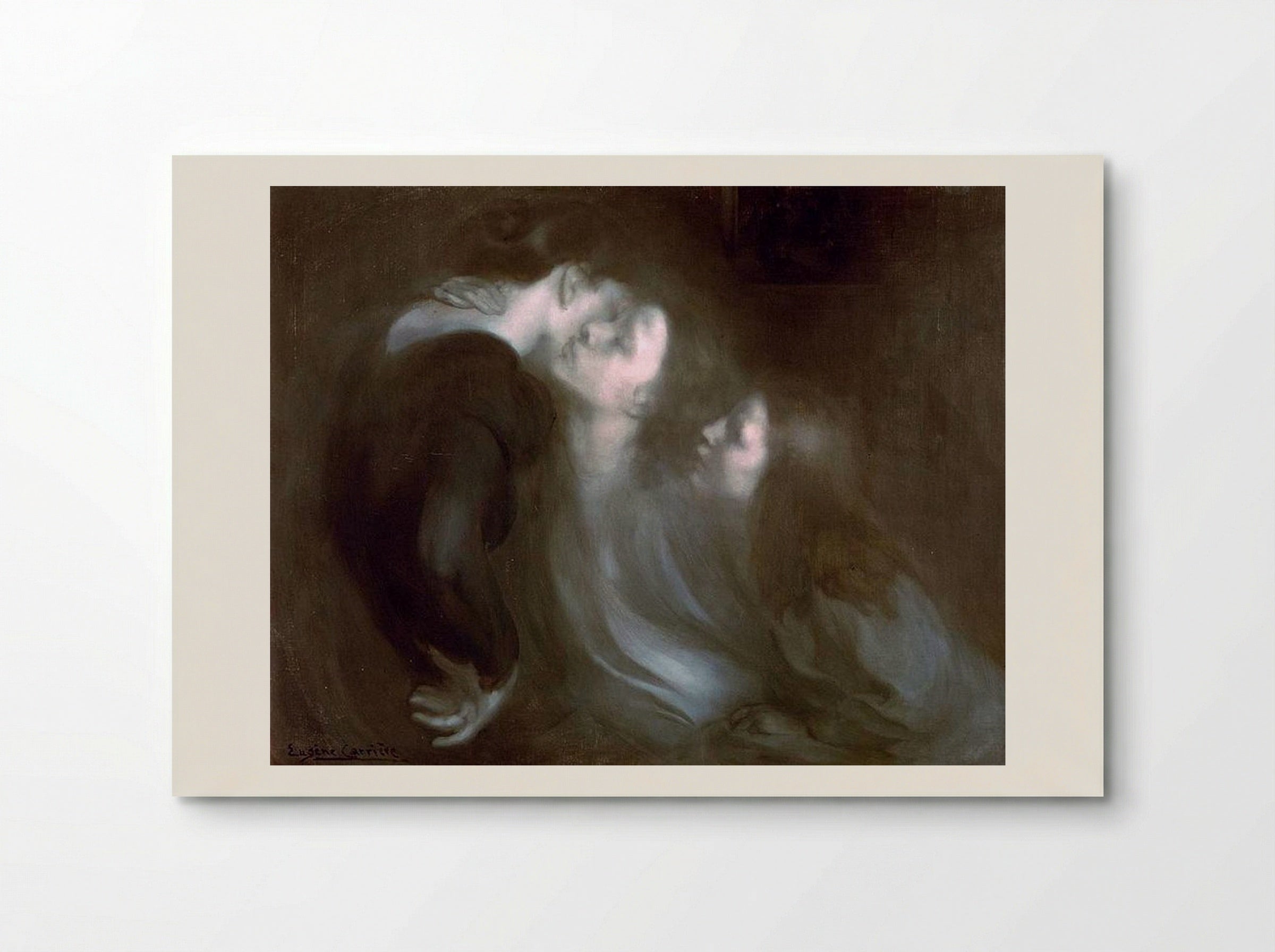 Der Kuss der Mutter - Eugène Carrière
Print
Regulärer Preis Ab £28.00 GBPAngebotspreis Ab £28.00 GBP Regulärer Preis -
 Porträt von Lise Carrière - Eugène Carrière
Print
Regulärer Preis Ab £28.00 GBPAngebotspreis Ab £28.00 GBP Regulärer Preis


Artist Biography
Eugene Carriere
In 1898 Eugène Carrière opened an informal studio in Paris where he taught painting without charging fees. Among those who attended were Henri Matisse and André Derain. Carrière's own work bore little resemblance to what either of them would go on to produce, but his willingness to teach without prescription seems to have been the point.
Born in Gournay-sur-Marne in 1849, Carrière came from Flemish and Alsatian stock and trained first as a lithographer before entering Alexandre Cabanel's atelier at the École des Beaux-Arts. A visit to London in 1876 introduced him to Turner, whose atmospheric dissolution of form left a lasting impression. His early Salon paintings were unremarkable naturalism; by the late 1880s he had arrived at something altogether stranger.
The mature Carrière works are almost entirely monochromatic: figures emerging from brown-grey shadow, outlines dissolving before they resolve, light used not to illuminate but to suggest. He returned obsessively to maternal subjects, mothers and infants locked in physical closeness that reads as both tender and slightly suffocating. Paul Verlaine and Edmond de Goncourt sat for him; he painted his own family with the same concentrated attention.
During the Dreyfus Affair he signed Zola's petition and campaigned publicly for women's education. Auguste Rodin organised a tribute dinner in his honour in 1904. Two years later Carrière died of throat cancer, the surgery intended to treat it having left him partly paralysed. The Musée d'Orsay mounted a centenary retrospective in 2006 and published the catalogue raisonné.
Born in Gournay-sur-Marne in 1849, Carrière came from Flemish and Alsatian stock and trained first as a lithographer before entering Alexandre Cabanel's atelier at the École des Beaux-Arts. A visit to London in 1876 introduced him to Turner, whose atmospheric dissolution of form left a lasting impression. His early Salon paintings were unremarkable naturalism; by the late 1880s he had arrived at something altogether stranger.
The mature Carrière works are almost entirely monochromatic: figures emerging from brown-grey shadow, outlines dissolving before they resolve, light used not to illuminate but to suggest. He returned obsessively to maternal subjects, mothers and infants locked in physical closeness that reads as both tender and slightly suffocating. Paul Verlaine and Edmond de Goncourt sat for him; he painted his own family with the same concentrated attention.
During the Dreyfus Affair he signed Zola's petition and campaigned publicly for women's education. Auguste Rodin organised a tribute dinner in his honour in 1904. Two years later Carrière died of throat cancer, the surgery intended to treat it having left him partly paralysed. The Musée d'Orsay mounted a centenary retrospective in 2006 and published the catalogue raisonné.


Warum uns wählen?