

Sammlung
Carlo Crivelli
Entdecken Sie kuratierte Kunstdrucke, ausgewählt für individuelle Wohnräume und durchdachte Interieurs.
-
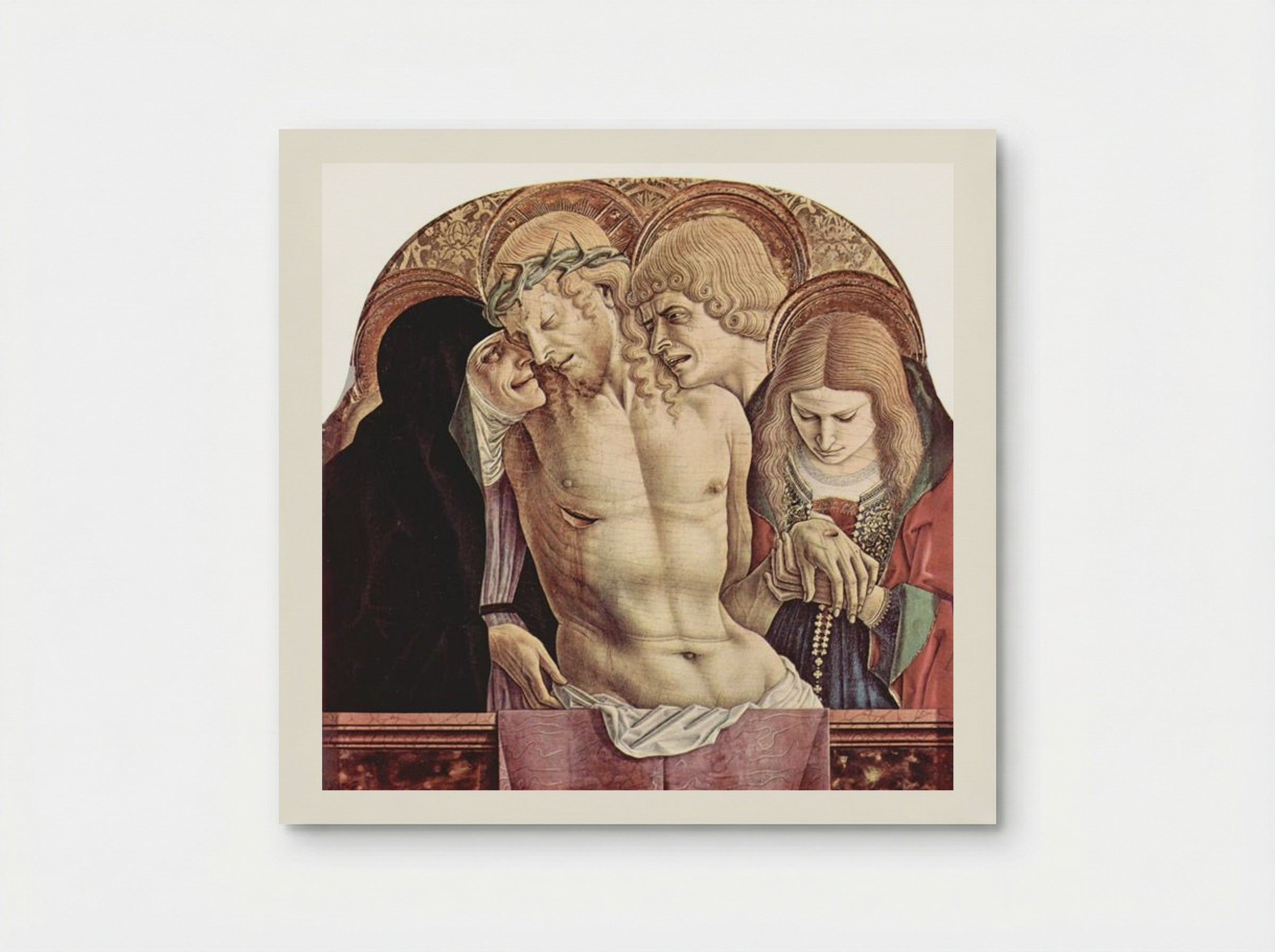 Beweinung Christi – Carlo Crivelli
Print
Regulärer Preis Ab £37.00 GBPAngebotspreis Ab £37.00 GBP Regulärer Preis -
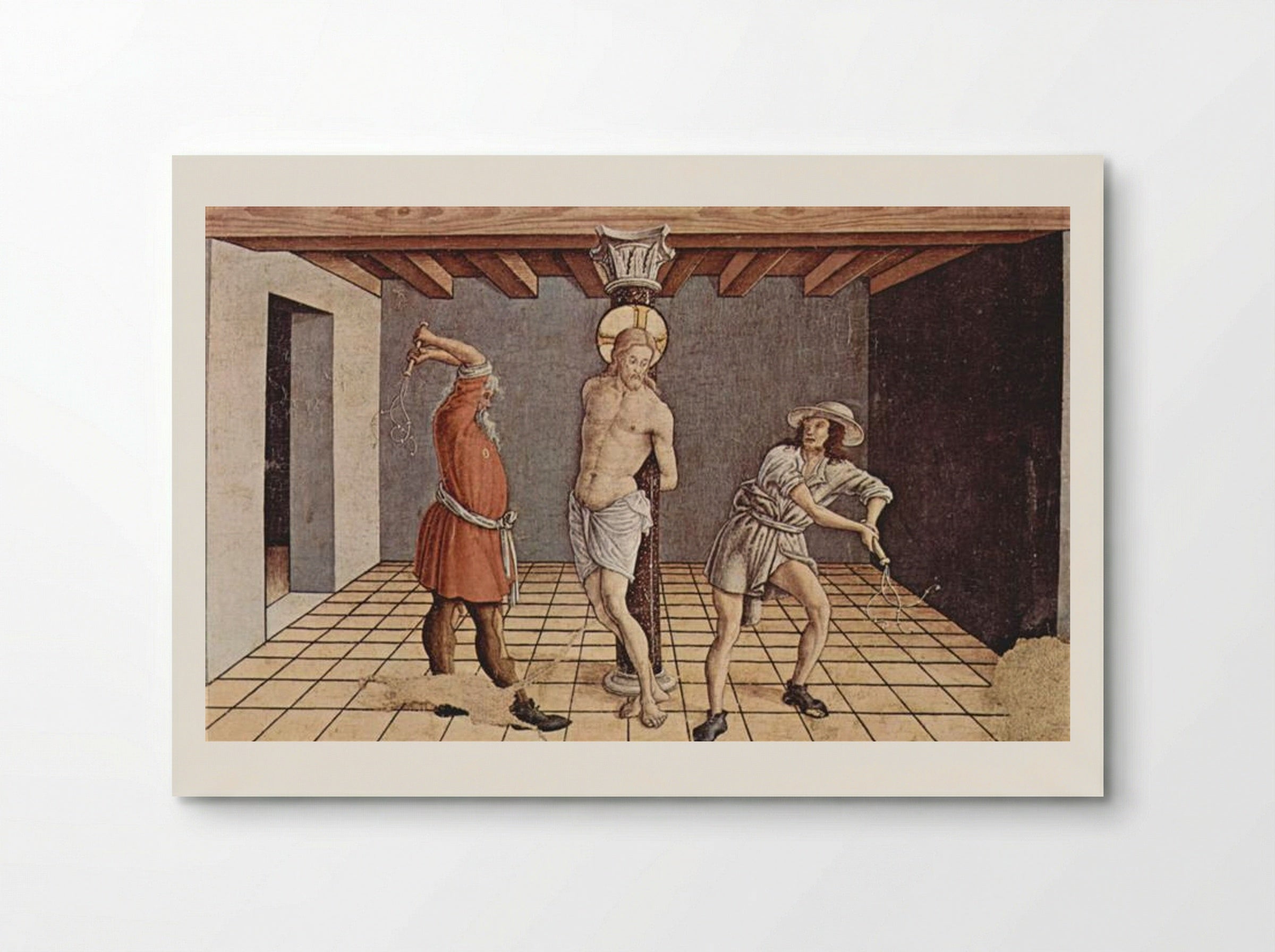 Geißelung Christi - Carlo Crivelli
Print
Regulärer Preis Ab £28.00 GBPAngebotspreis Ab £28.00 GBP Regulärer Preis -
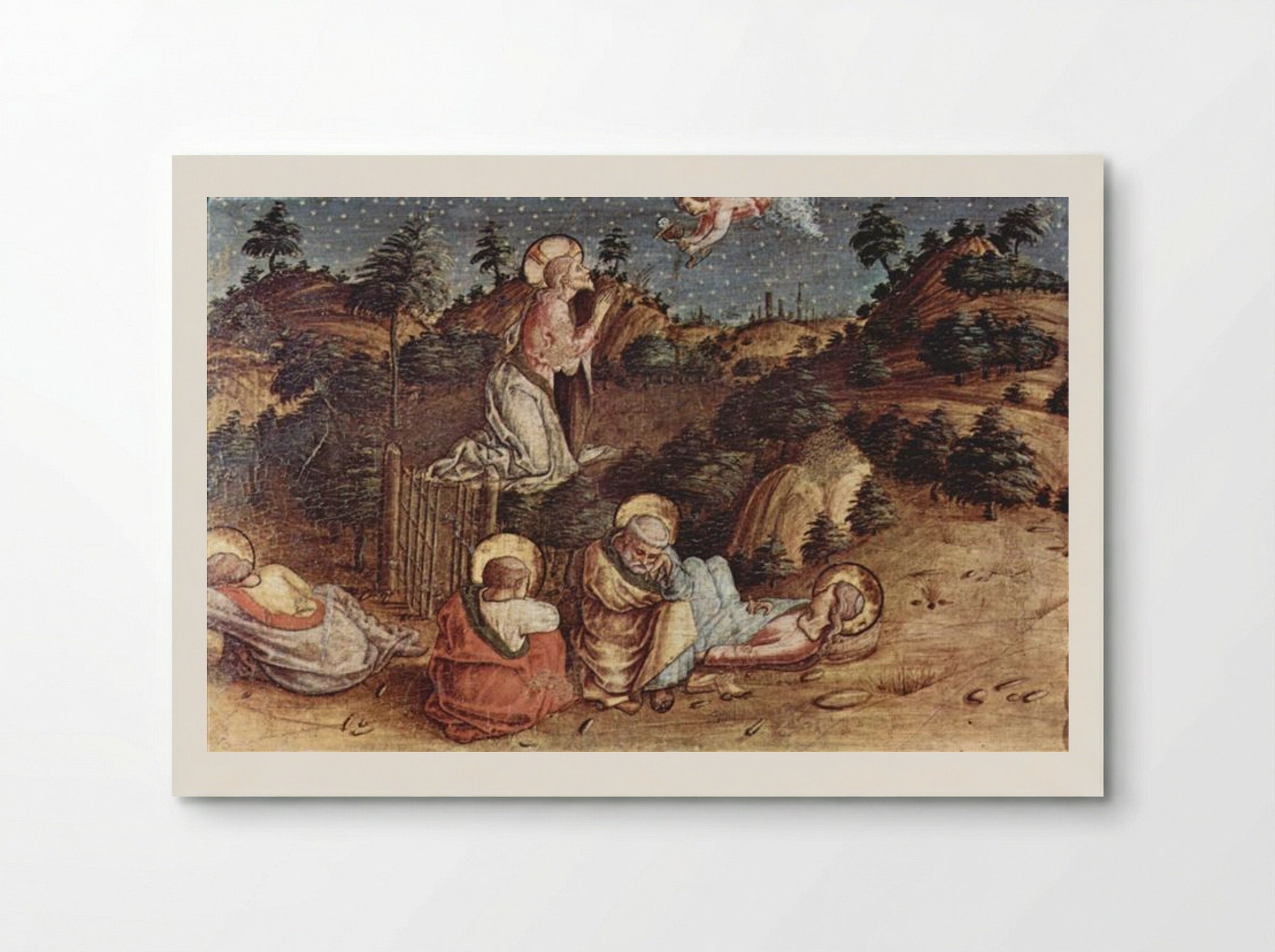 Das Gebet Christi am Ölberg – Carlo Crivelli
Print
Regulärer Preis Ab £28.00 GBPAngebotspreis Ab £28.00 GBP Regulärer Preis -
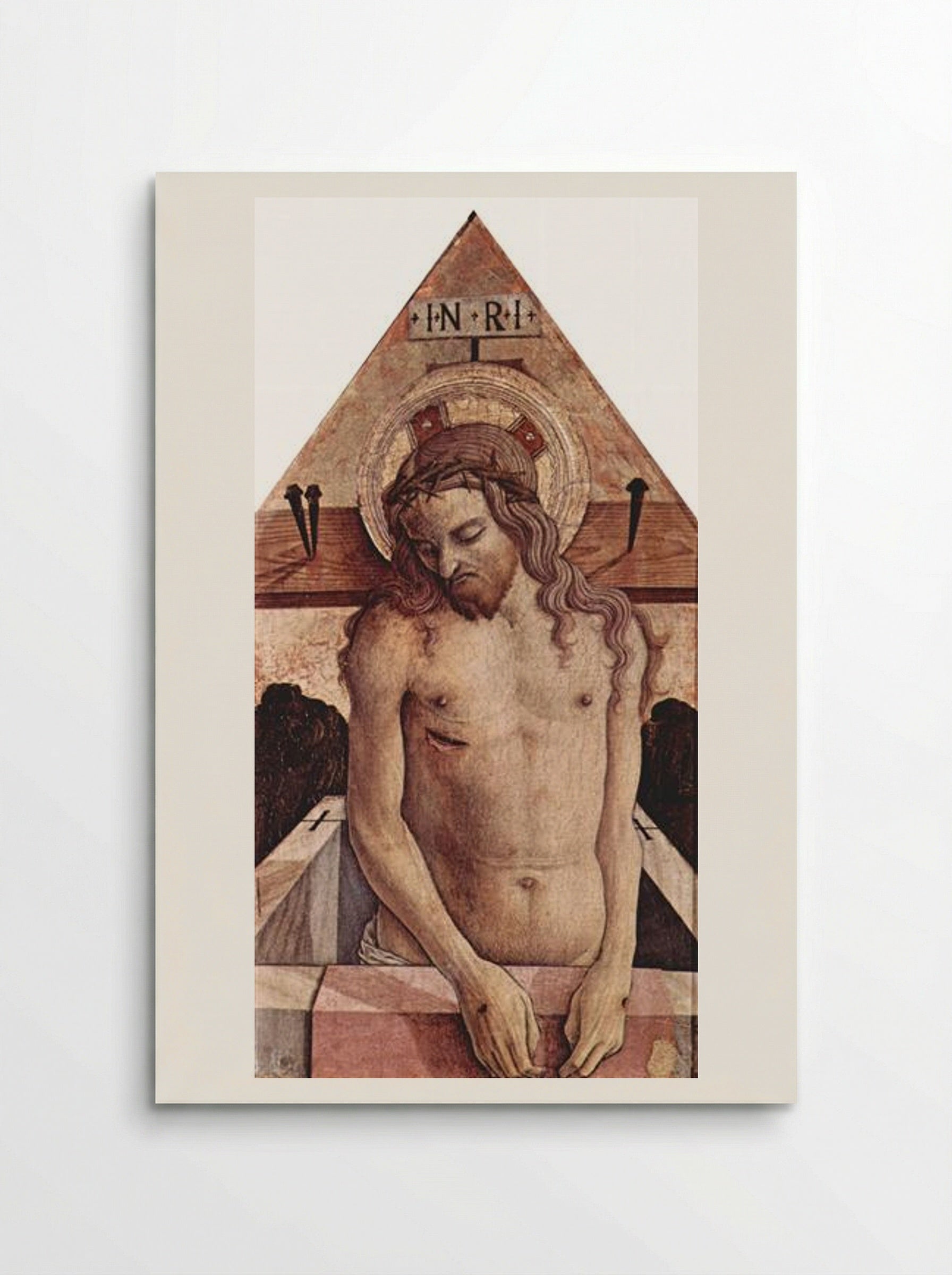 Schmerzensmann – Carlo Crivelli
Print
Regulärer Preis Ab £28.00 GBPAngebotspreis Ab £28.00 GBP Regulärer Preis -
 Apostel mit Buch - Carlo Crivelli
Print
Regulärer Preis Ab £28.00 GBPAngebotspreis Ab £28.00 GBP Regulärer Preis -
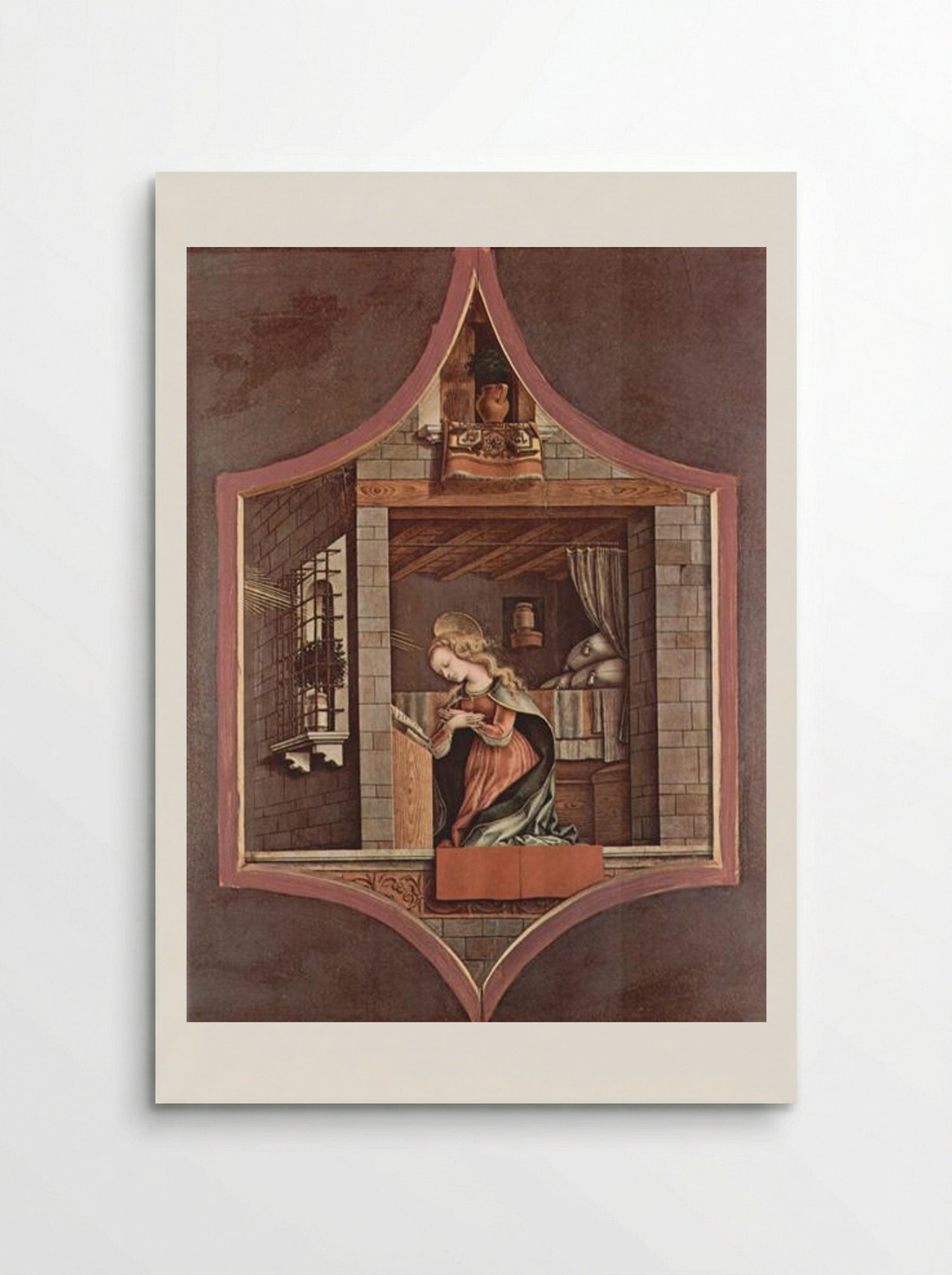 Die Verkündigung mit dem Heiligen Emidius - Carlo Crivelli
Print
Regulärer Preis Ab £28.00 GBPAngebotspreis Ab £28.00 GBP Regulärer Preis -
 Madonna mit Kind und dem Heiligen Franz von Assisi - Carlo Crivelli
Print
Regulärer Preis Ab £28.00 GBPAngebotspreis Ab £28.00 GBP Regulärer Preis -
 Heiliger Georg - Carlo Crivelli
Print
Regulärer Preis Ab £28.00 GBPAngebotspreis Ab £28.00 GBP Regulärer Preis -
 Der Heilige Hieronymus - Carlo Crivelli
Print
Regulärer Preis Ab £28.00 GBPAngebotspreis Ab £28.00 GBP Regulärer Preis -

 Zwei Apostel – Carlo Crivelli
Print · Framed
Regulärer Preis Ab £28.00 GBPAngebotspreis Ab £28.00 GBP Regulärer Preis -

 Der Heilige Dominikus - Carlo Crivelli
Print · Framed
Regulärer Preis Ab £28.00 GBPAngebotspreis Ab £28.00 GBP Regulärer Preis -

 Anbetung der Hirten - Carlo Crivelli
Print · Framed
Regulärer Preis Ab £28.00 GBPAngebotspreis Ab £28.00 GBP Regulärer Preis -

 Thronende Madonna mit den Heiligen Hieronymus und Sebastian – Carlo Crivelli
Print · Framed
Regulärer Preis Ab £28.00 GBPAngebotspreis Ab £28.00 GBP Regulärer Preis -

 Maria mit Kind – Carlo Crivelli
Print · Framed
Regulärer Preis Ab £28.00 GBPAngebotspreis Ab £28.00 GBP Regulärer Preis


Artist Biography
Carlo Crivelli
Carlo Crivelli spent the most productive decades of his career in the March of Ancona, not in Venice, yet he never stopped signing himself "a Venetian." The declaration was an advertisement: Venetian training counted in the provincial cities of the Adriatic, and Crivelli's formation under the Vivarini and through the example of Mantegna gave him a technical seriousness that set him apart from local competition.
He had left Venice by 1458, possibly following a conviction for adultery in 1457 that may have made continued residence uncomfortable. The Marche towns, Ascoli Piceno above all, became his territory. He painted nothing but religious subjects: polyptychs, Madonnas, altarpieces designed for specific church niches where the gold-ground backgrounds and the theatrical use of festoons, fruit, and cucumbers would catch the light at specific hours.
The 1486 Annunciation with Saint Emidius, now in the National Gallery in London, is the work that most condenses his method. The architectural setting is precise and Flemish in its love of depth and surface texture; the figures are described with a wiry, almost metallic clarity that owes something to engraving. On the panel he signed it "Opus Caroli Crivelli Veneti Militis", he had been knighted by the Prince of Capua that same year.
His style was conservative by the standards of the 1480s, when Bellini was moving towards atmospheric sfumato and Venetian colour. Crivelli's answer was greater elaboration, not revision.


Warum uns wählen?