

Sammlung
Andrea Mantegna
Entdecken Sie kuratierte Kunstdrucke, ausgewählt für individuelle Wohnräume und durchdachte Interieurs.
Vorgeschlagene Filter
-
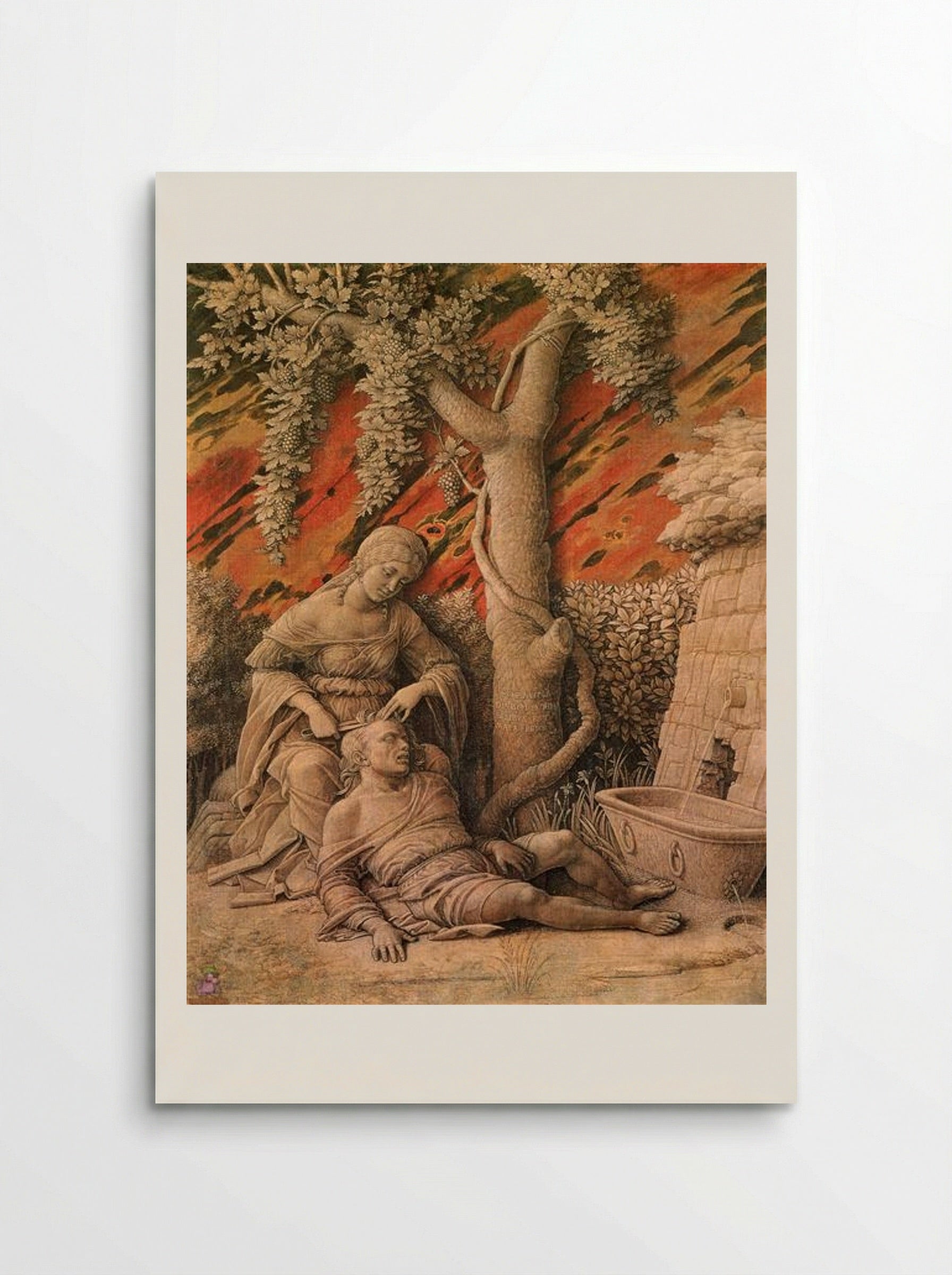 Samson und Delila – Andrea Mantegna
Print
Regulärer Preis Ab £28.00 GBPAngebotspreis Ab £28.00 GBP Regulärer Preis -
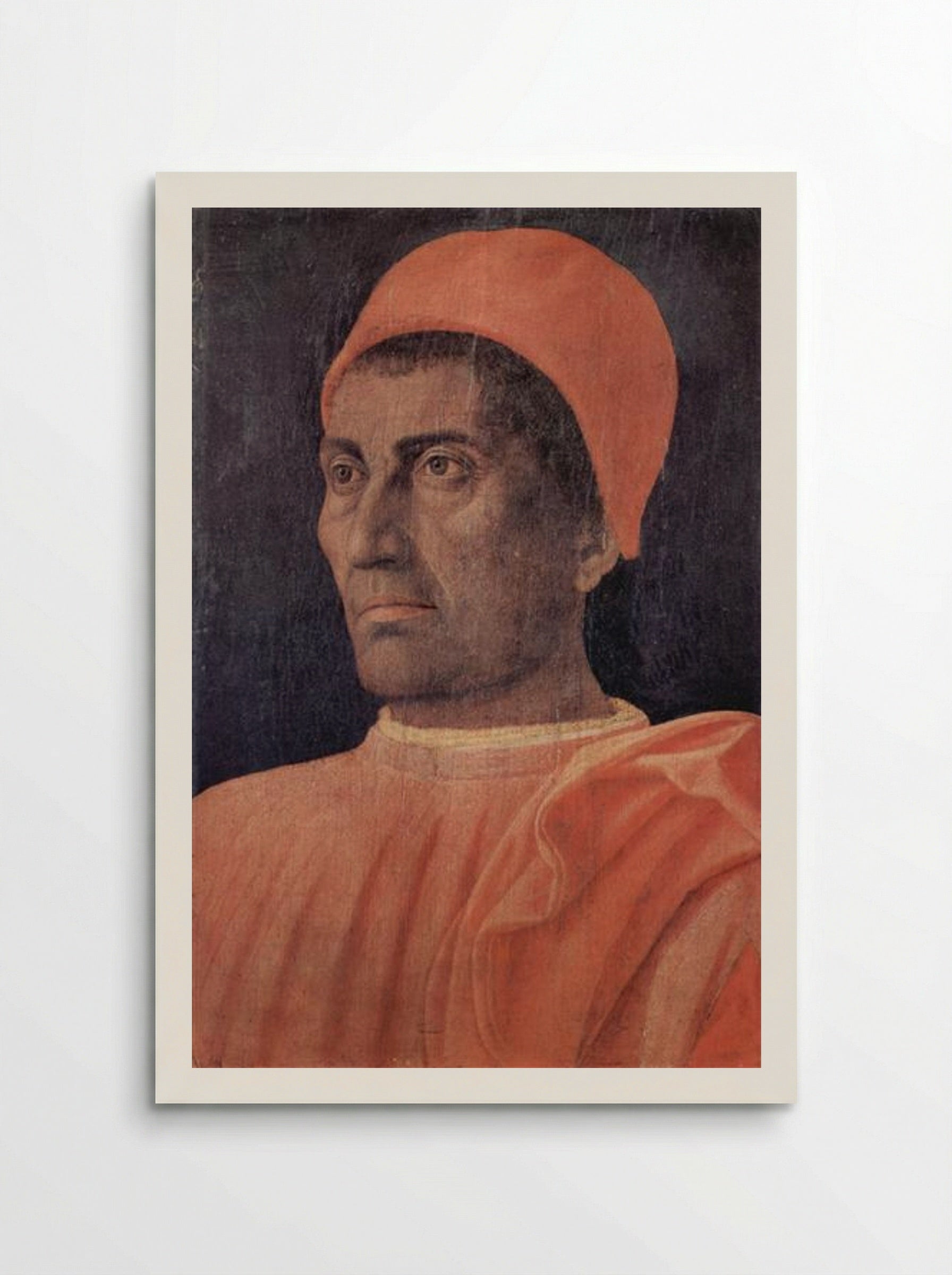 Porträt von Kardinal Carlo de' Medici – Andrea Mantegna
Print
Regulärer Preis Ab £28.00 GBPAngebotspreis Ab £28.00 GBP Regulärer Preis -
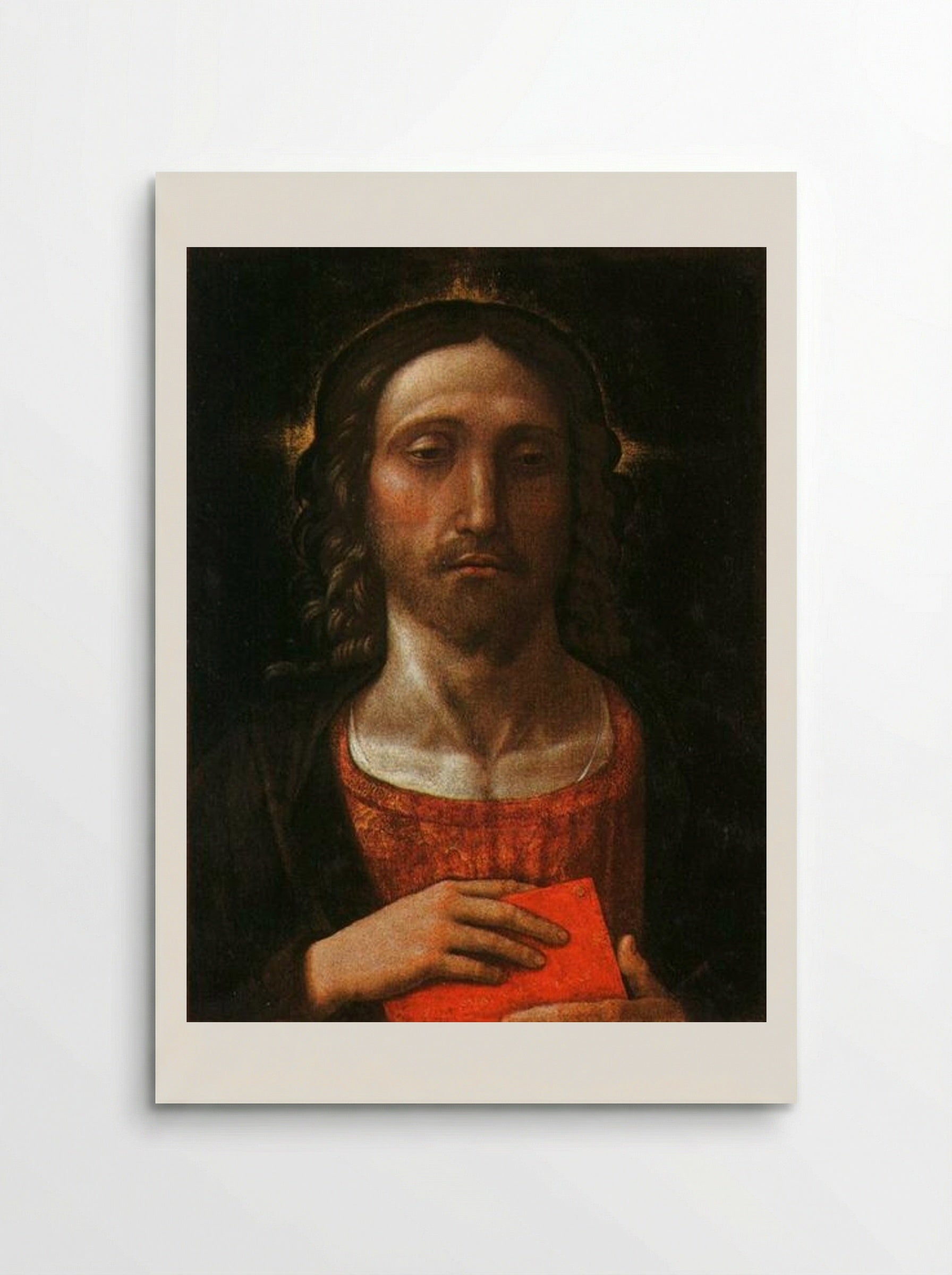 Christus als Erlöser - Andrea Mantegna
Print
Regulärer Preis Ab £28.00 GBPAngebotspreis Ab £28.00 GBP Regulärer Preis -
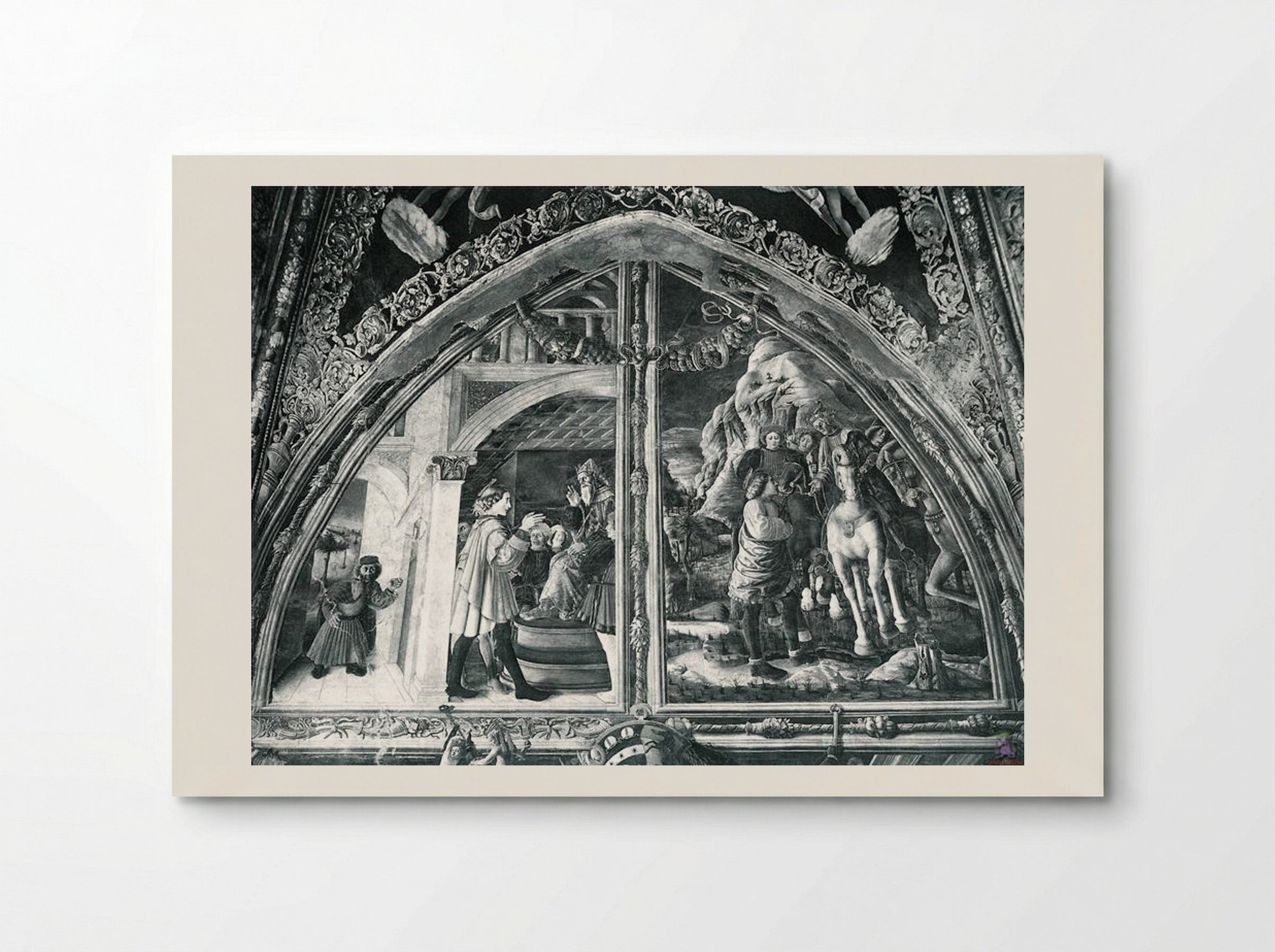 Szenen aus dem Leben des Heiligen Christophorus – Andrea Mantegna
Print
Regulärer Preis Ab £28.00 GBPAngebotspreis Ab £28.00 GBP Regulärer Preis -
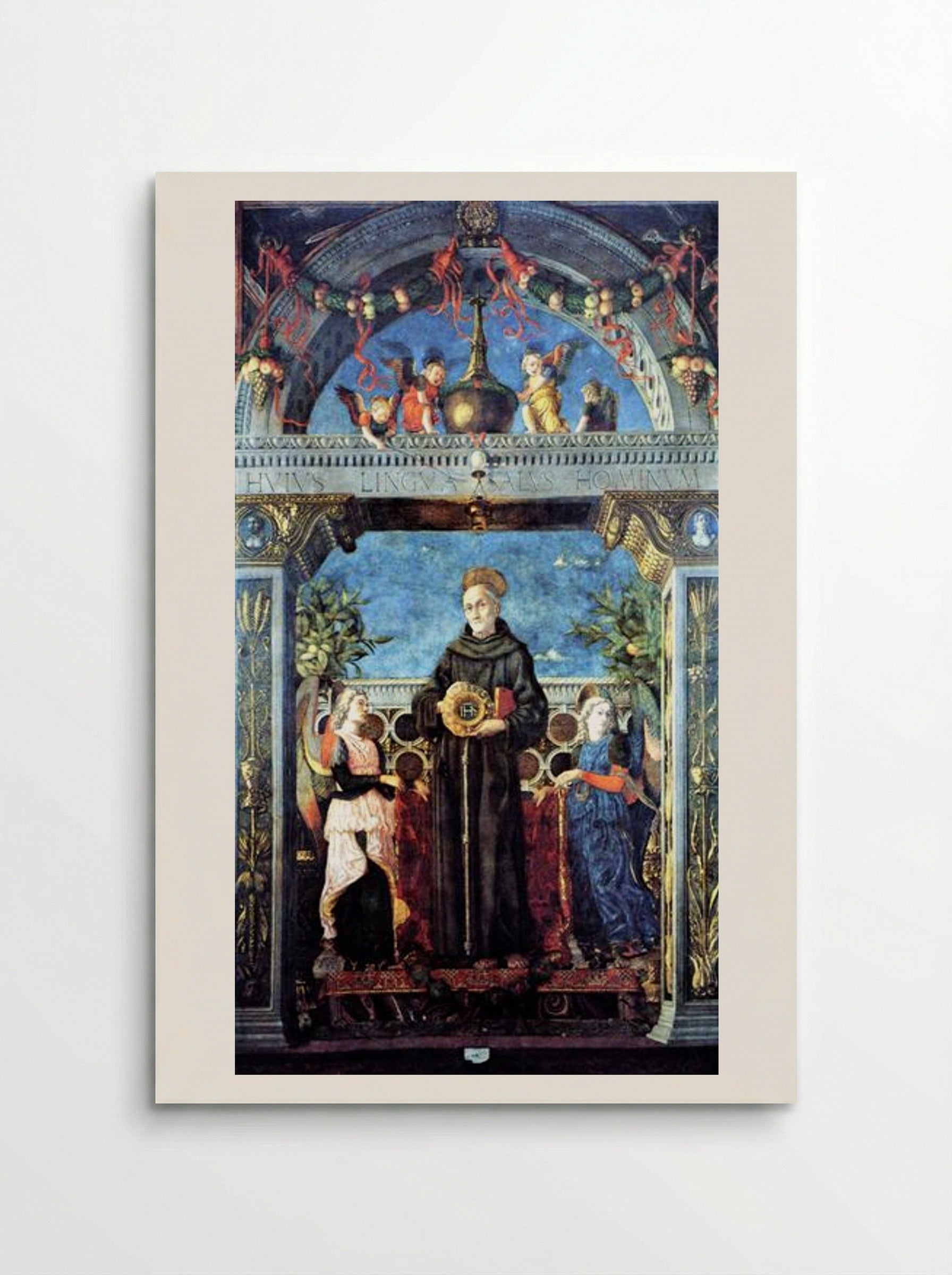 Der heilige Bernhardin von Siena mit Engeln – Andrea Mantegna
Print
Regulärer Preis Ab £28.00 GBPAngebotspreis Ab £28.00 GBP Regulärer Preis -
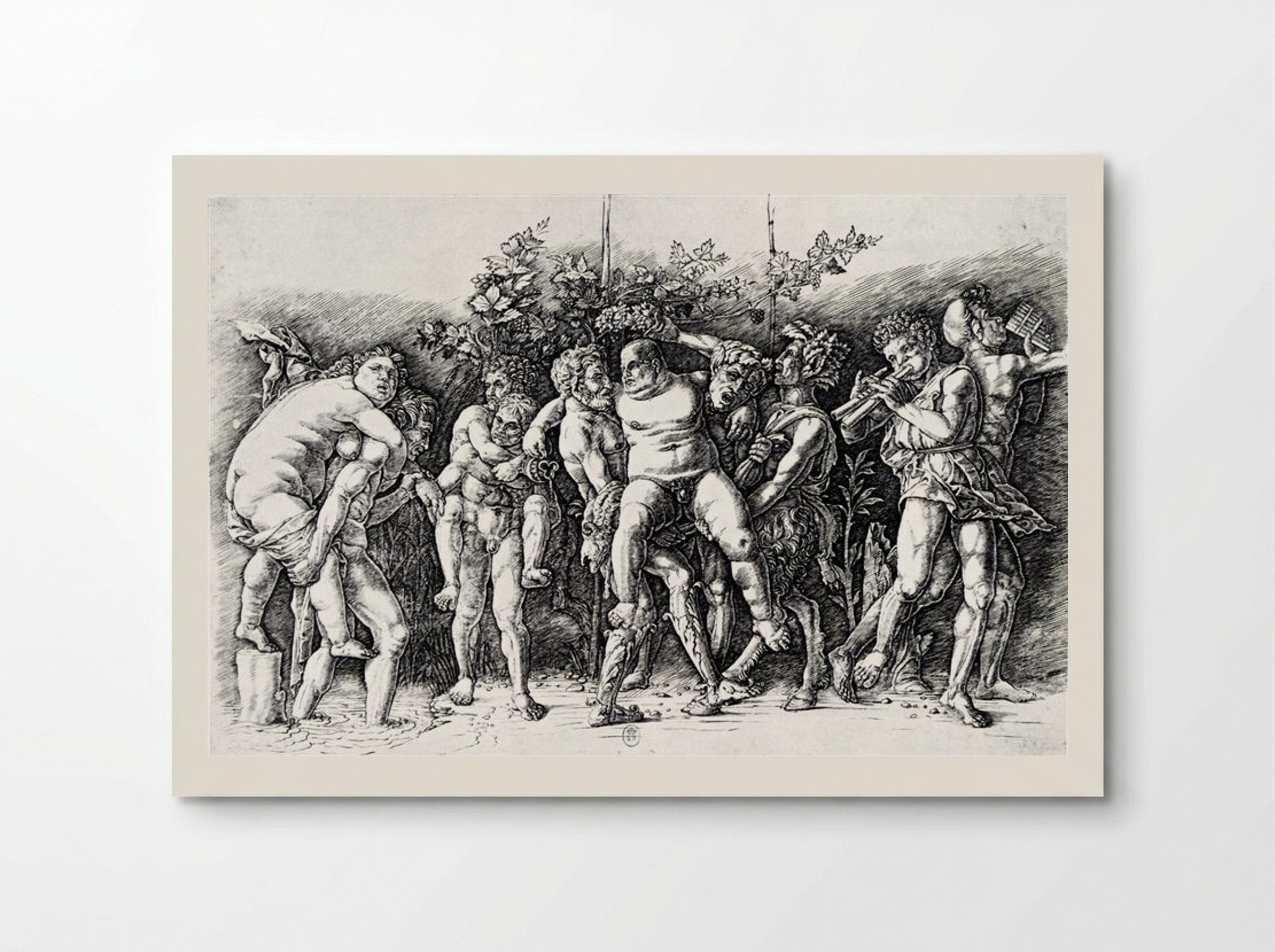 Bacchanal mit Silen - Andrea Mantegna
Print
Regulärer Preis Ab £28.00 GBPAngebotspreis Ab £28.00 GBP Regulärer Preis -
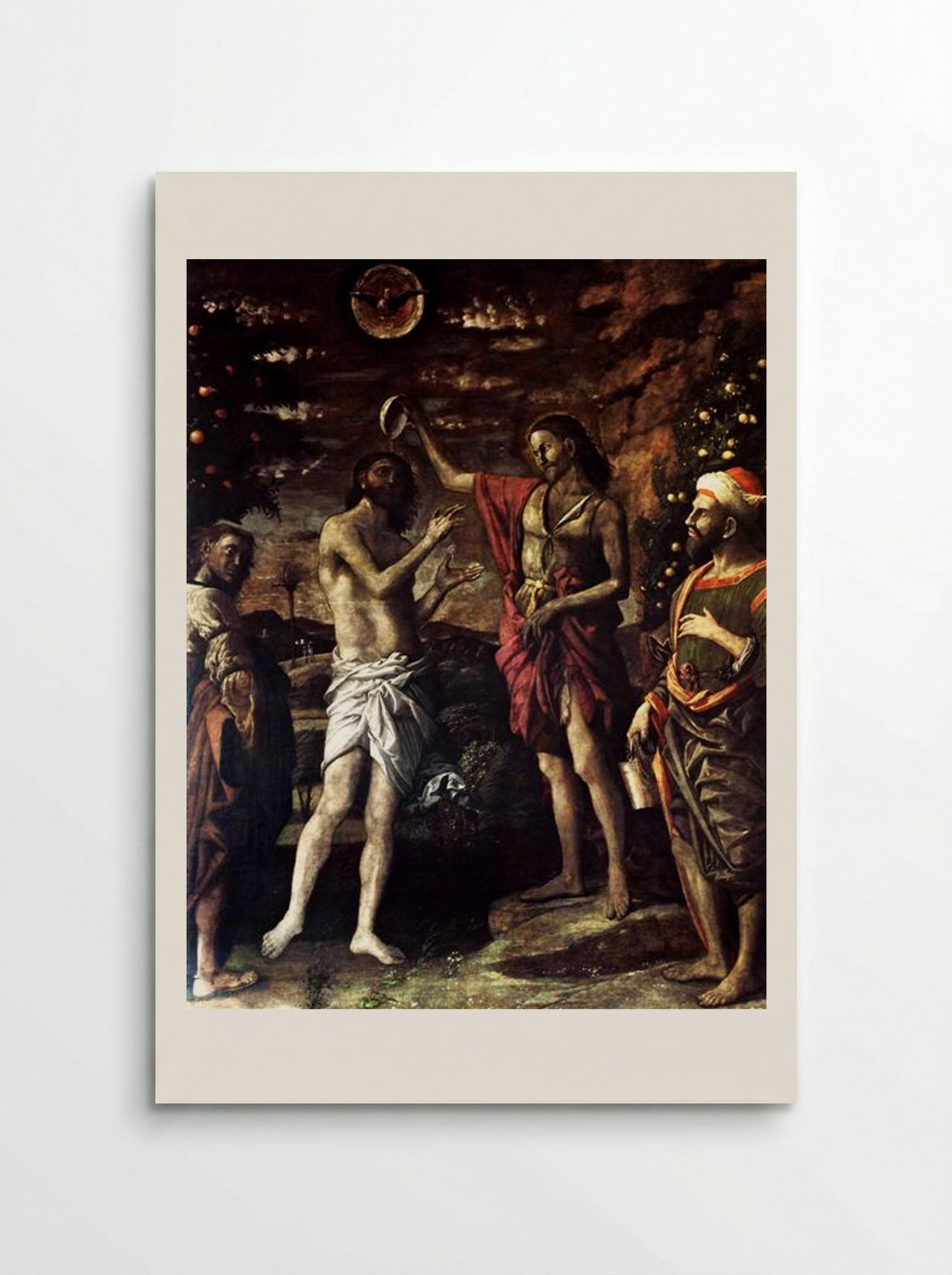 Die Taufe Christi - Andrea Mantegna
Print
Regulärer Preis Ab £28.00 GBPAngebotspreis Ab £28.00 GBP Regulärer Preis -
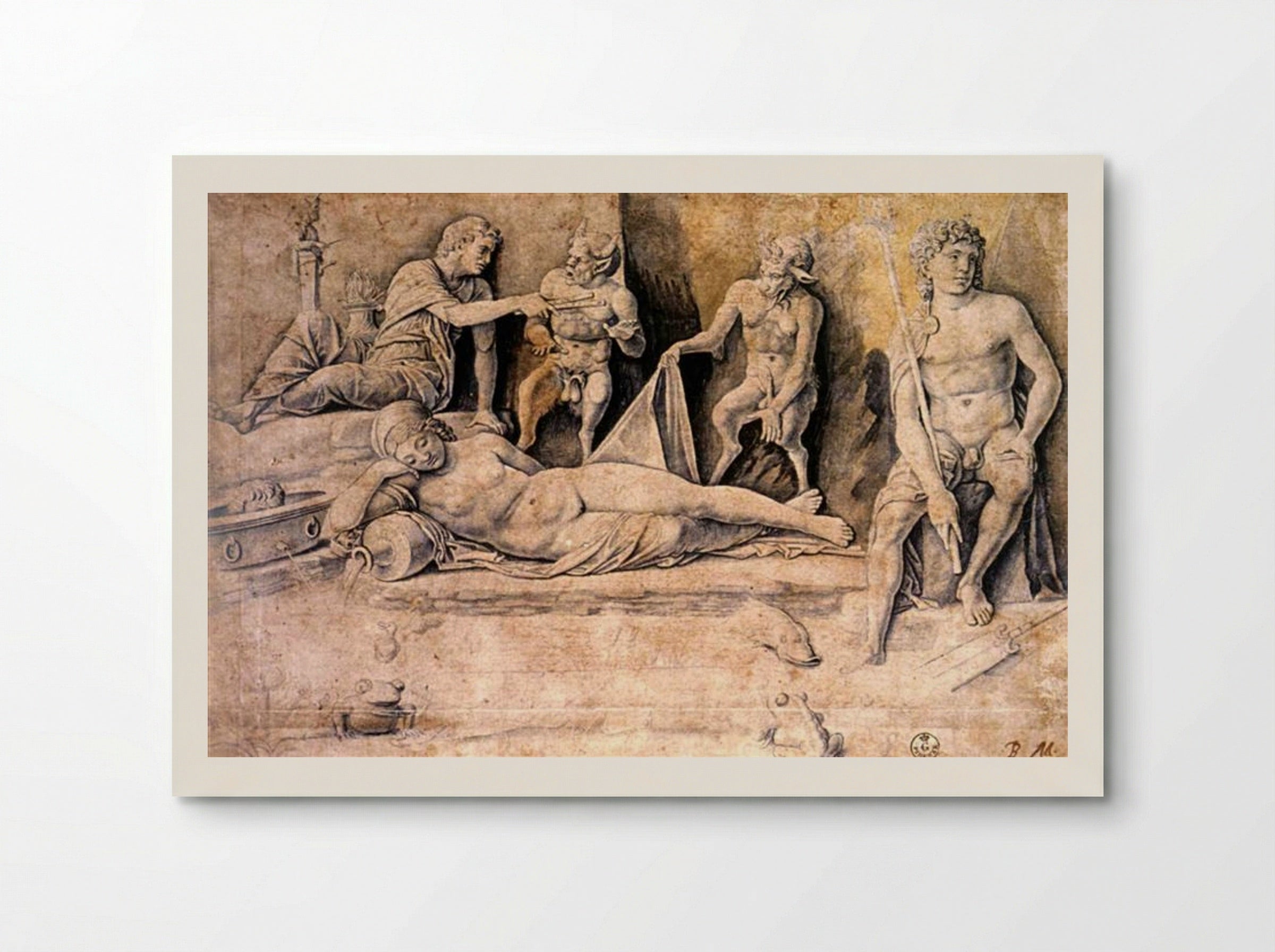 Mythologische Szene, Metamorphosen der Amymone – Andrea Mantegna
Print
Regulärer Preis Ab £28.00 GBPAngebotspreis Ab £28.00 GBP Regulärer Preis -
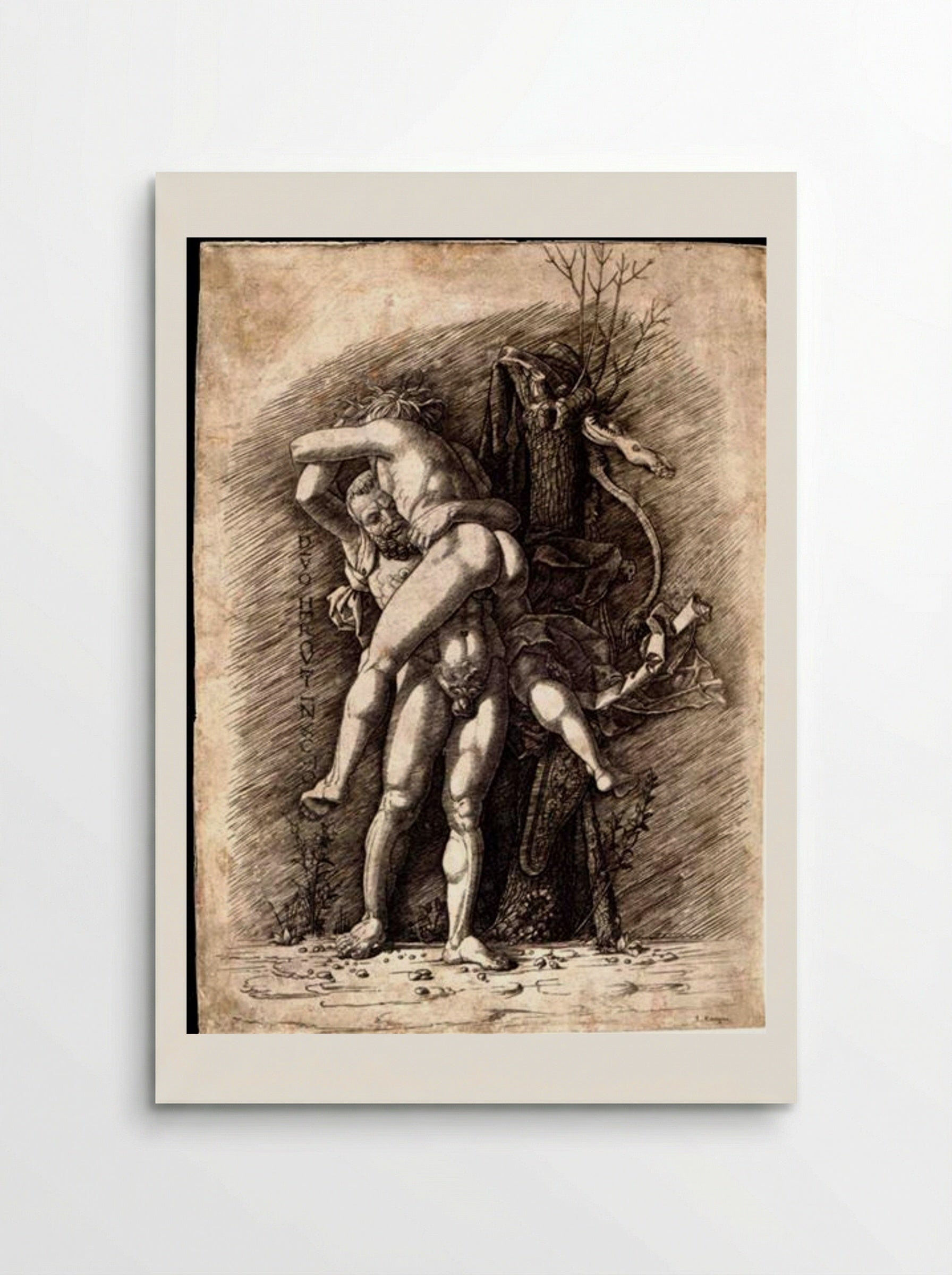 Herkules und Antäus – Andrea Mantegna
Print
Regulärer Preis Ab £28.00 GBPAngebotspreis Ab £28.00 GBP Regulärer Preis -
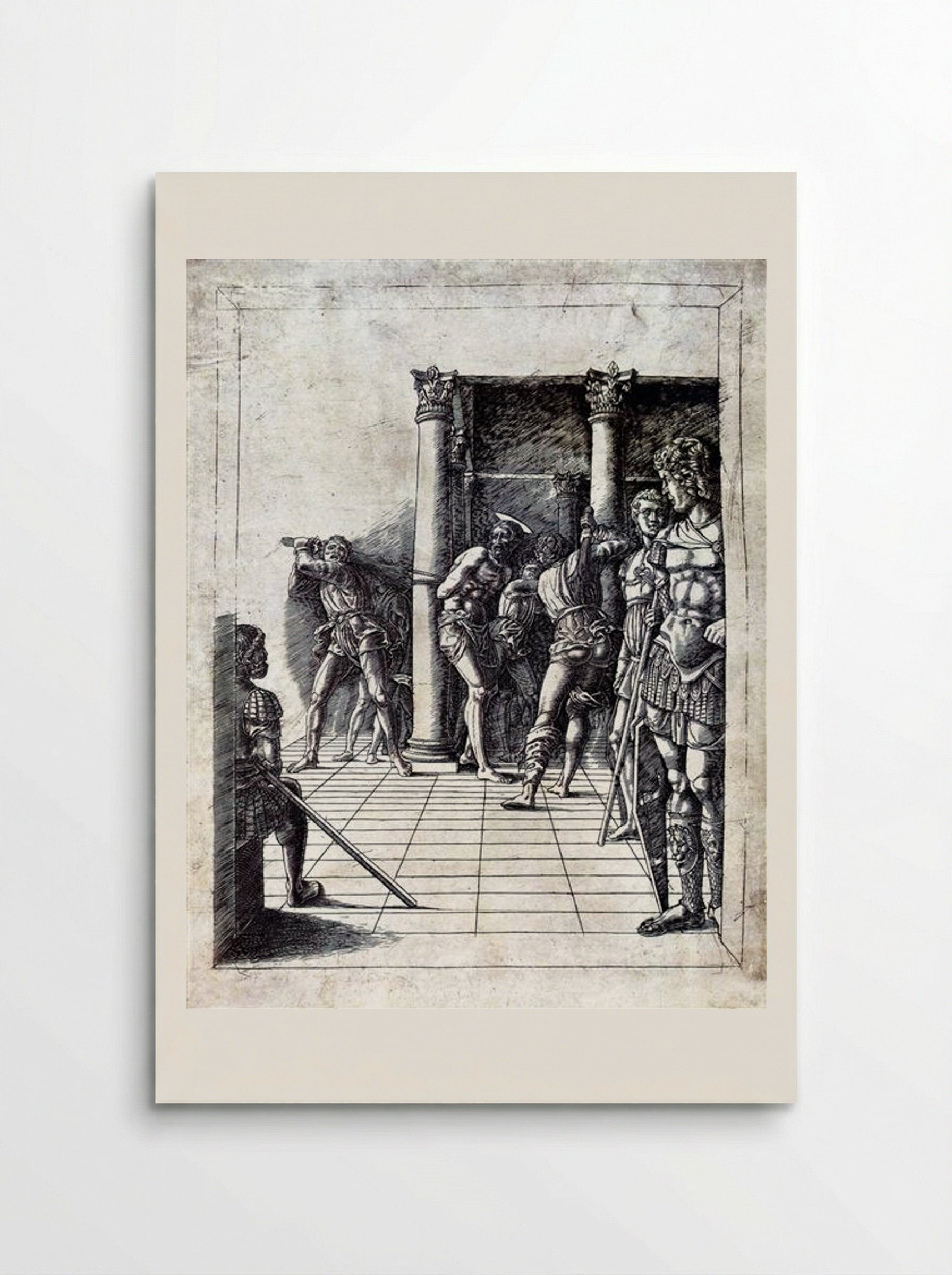 Die Geißelung Christi - Andrea Mantegna
Print
Regulärer Preis Ab £28.00 GBPAngebotspreis Ab £28.00 GBP Regulärer Preis -
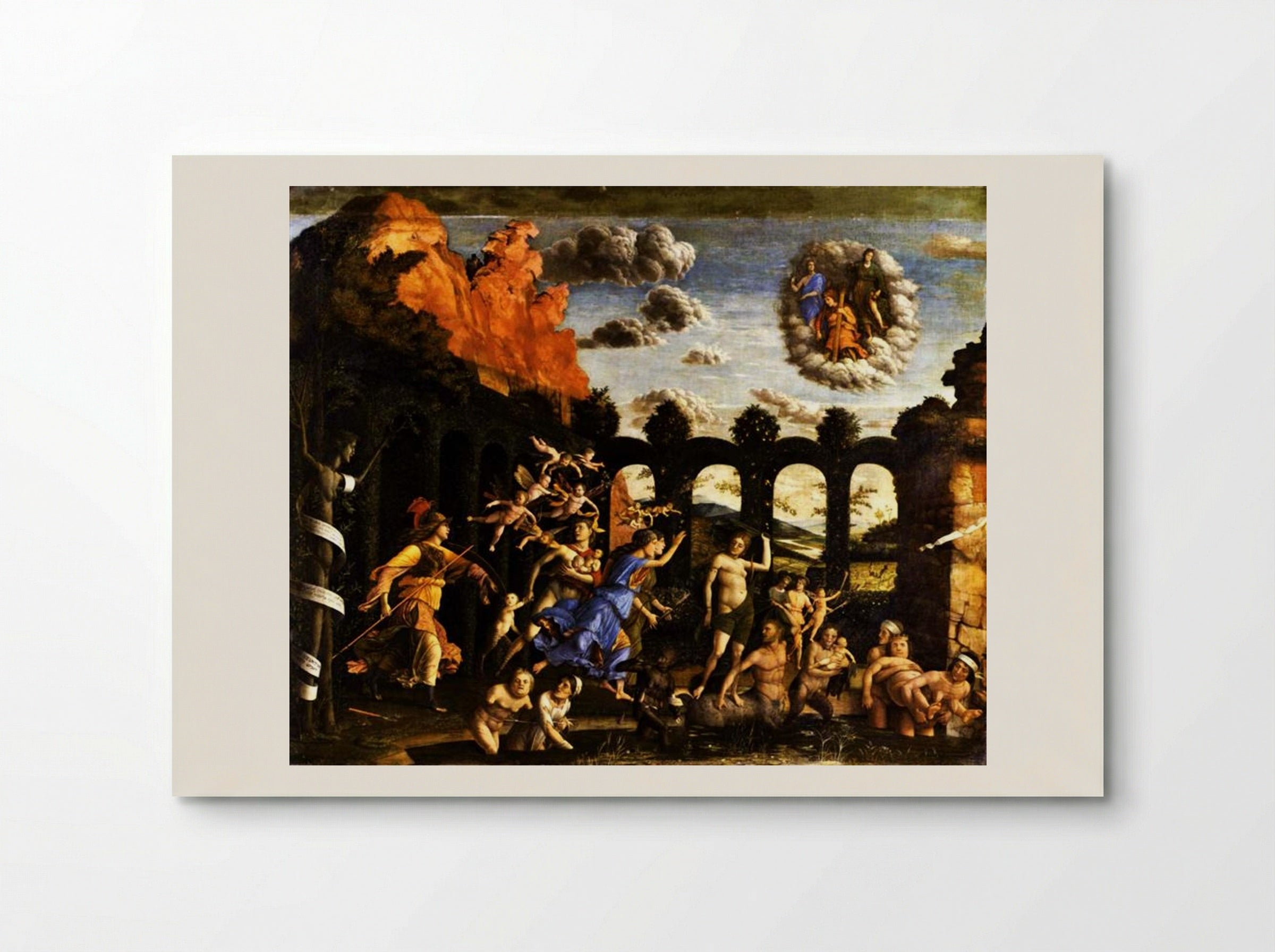 Minerva vertreibt die Laster aus dem Garten der Tugend - Andrea Mantegna
Print
Regulärer Preis Ab £28.00 GBPAngebotspreis Ab £28.00 GBP Regulärer Preis -
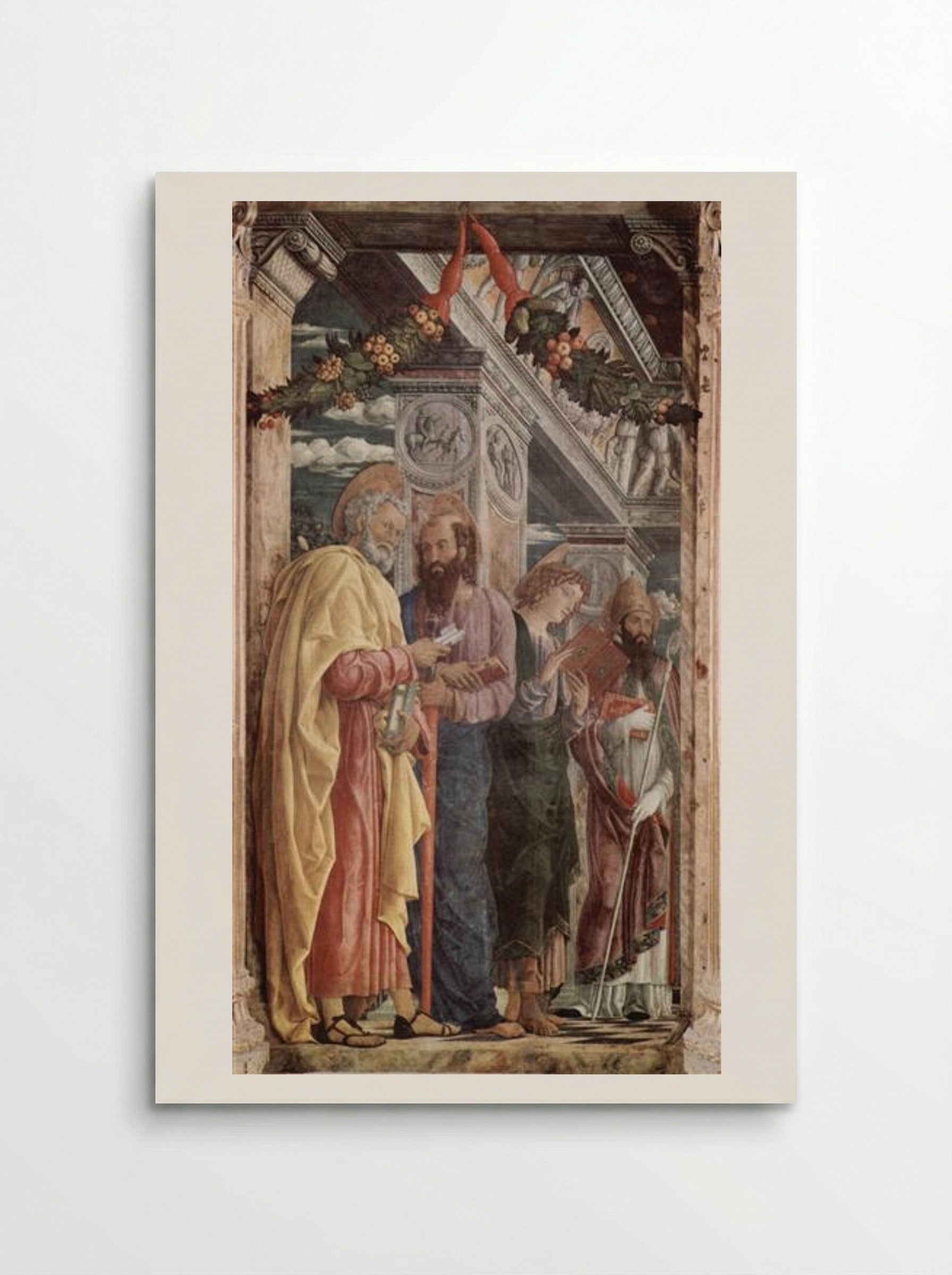 Altarbild von San Zeno in Verona, linker Flügel mit den Heiligen Petrus, Paulus, Johannes dem Evangelisten und Zeno – Andrea Mantegna
Print
Regulärer Preis Ab £28.00 GBPAngebotspreis Ab £28.00 GBP Regulärer Preis -
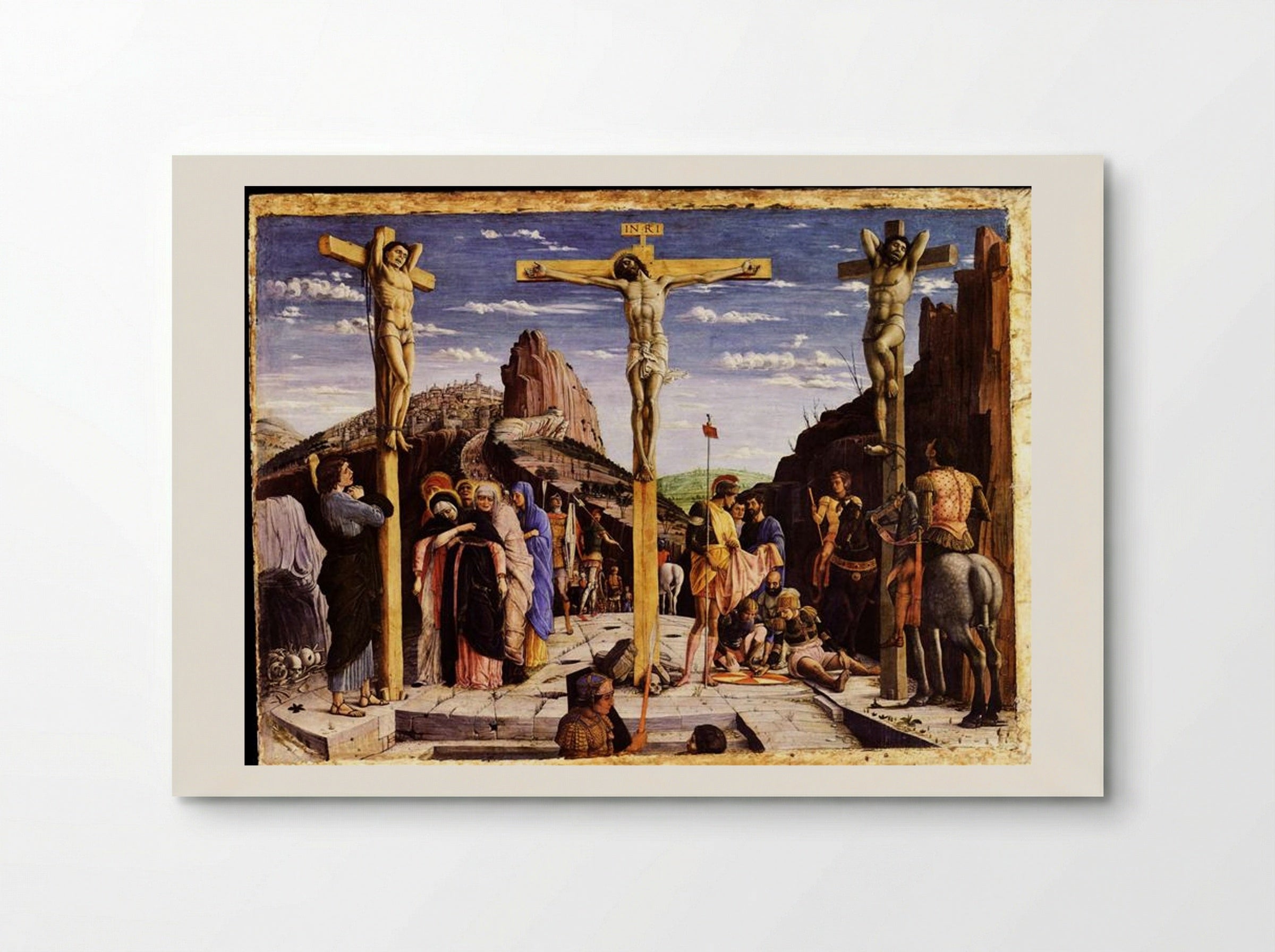 Kalvarienberg, mittlere Predellatafel des Altars von San Zeno, Verona - Andrea Mantegna
Print
Regulärer Preis Ab £28.00 GBPAngebotspreis Ab £28.00 GBP Regulärer Preis -
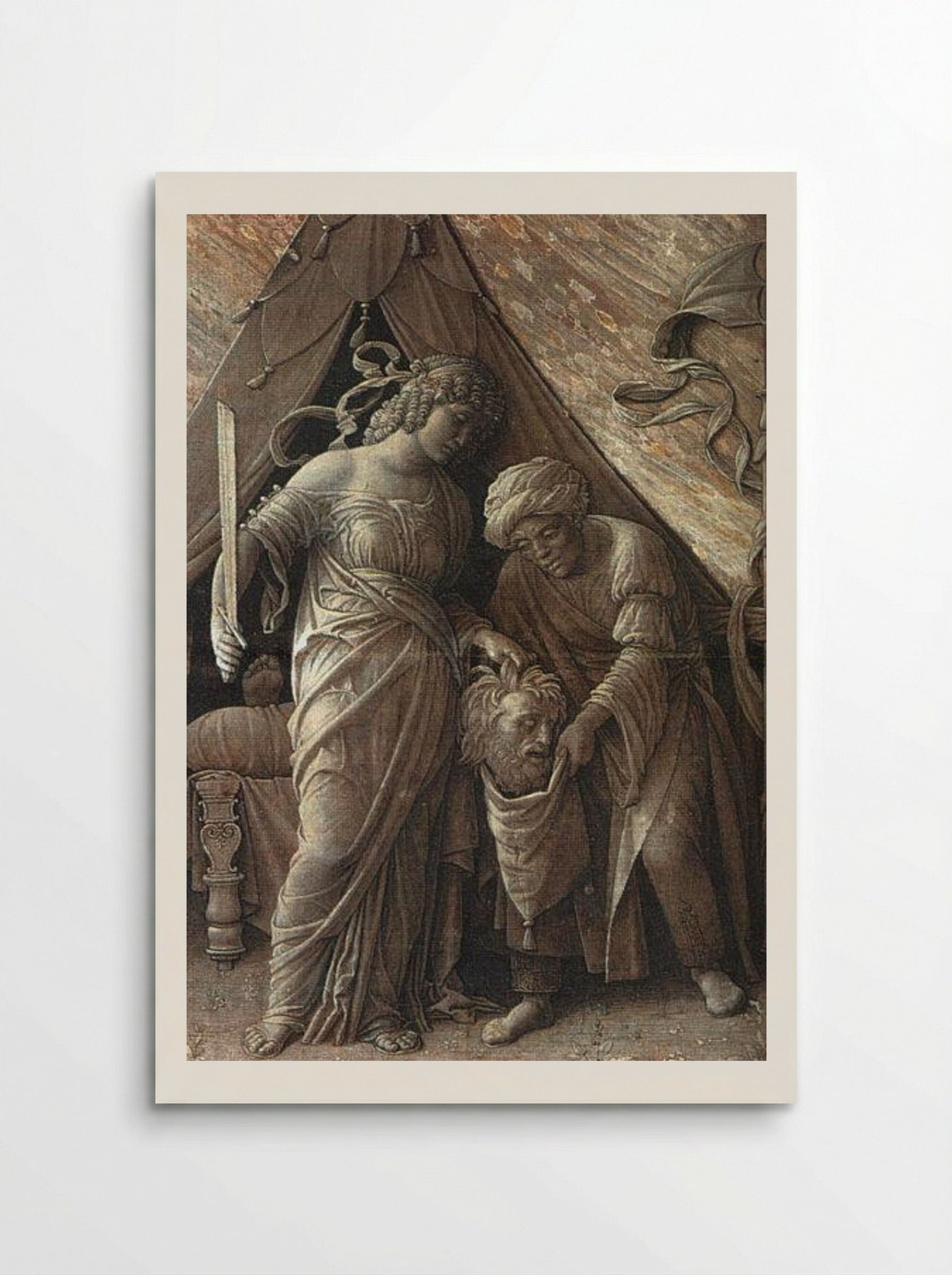 Judith und Holofernes - Andrea Mantegna
Print
Regulärer Preis Ab £28.00 GBPAngebotspreis Ab £28.00 GBP Regulärer Preis -
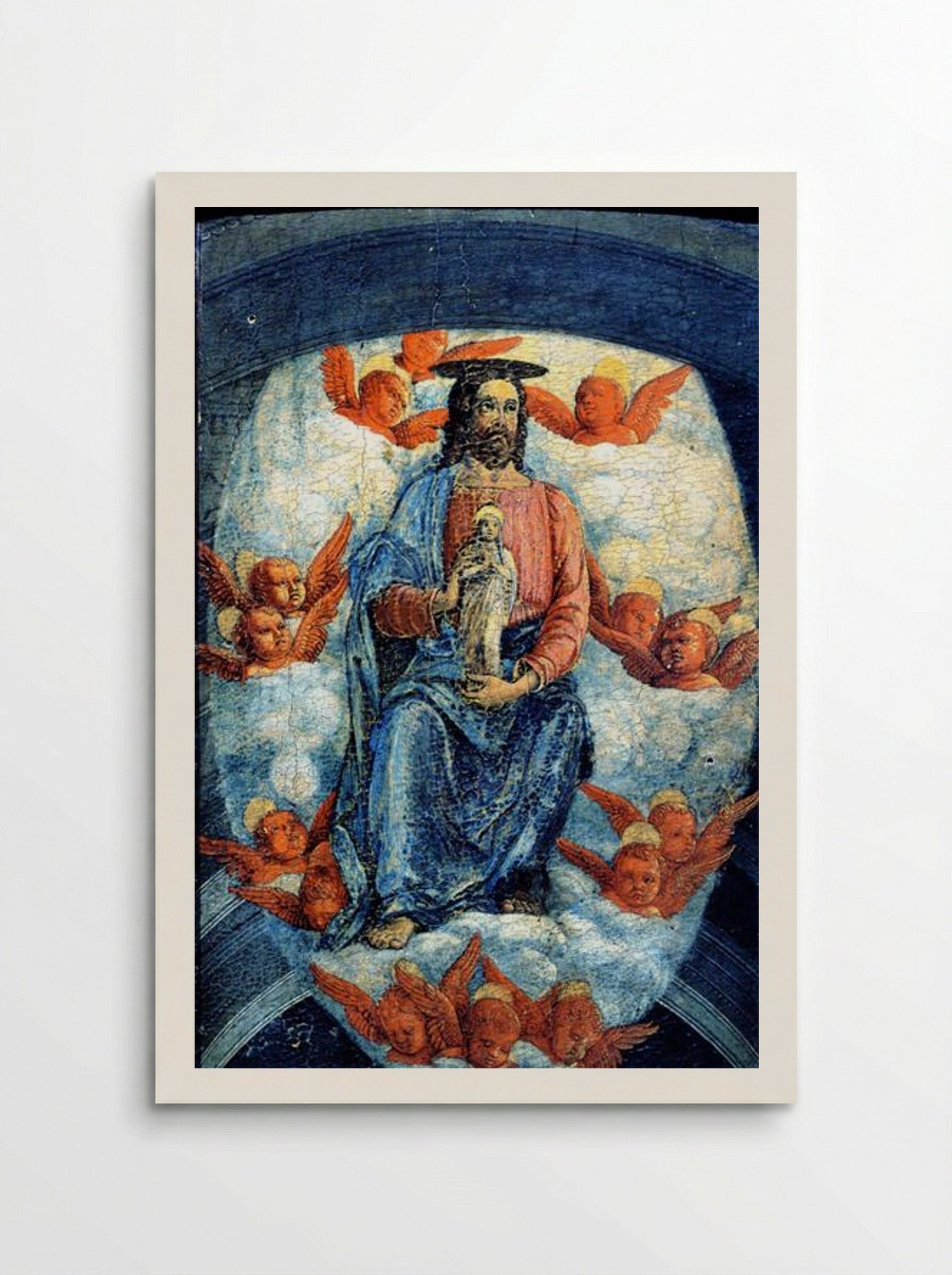 Christus mit der Seele der Jungfrau – Andrea Mantegna
Print
Regulärer Preis Ab £28.00 GBPAngebotspreis Ab £28.00 GBP Regulärer Preis -
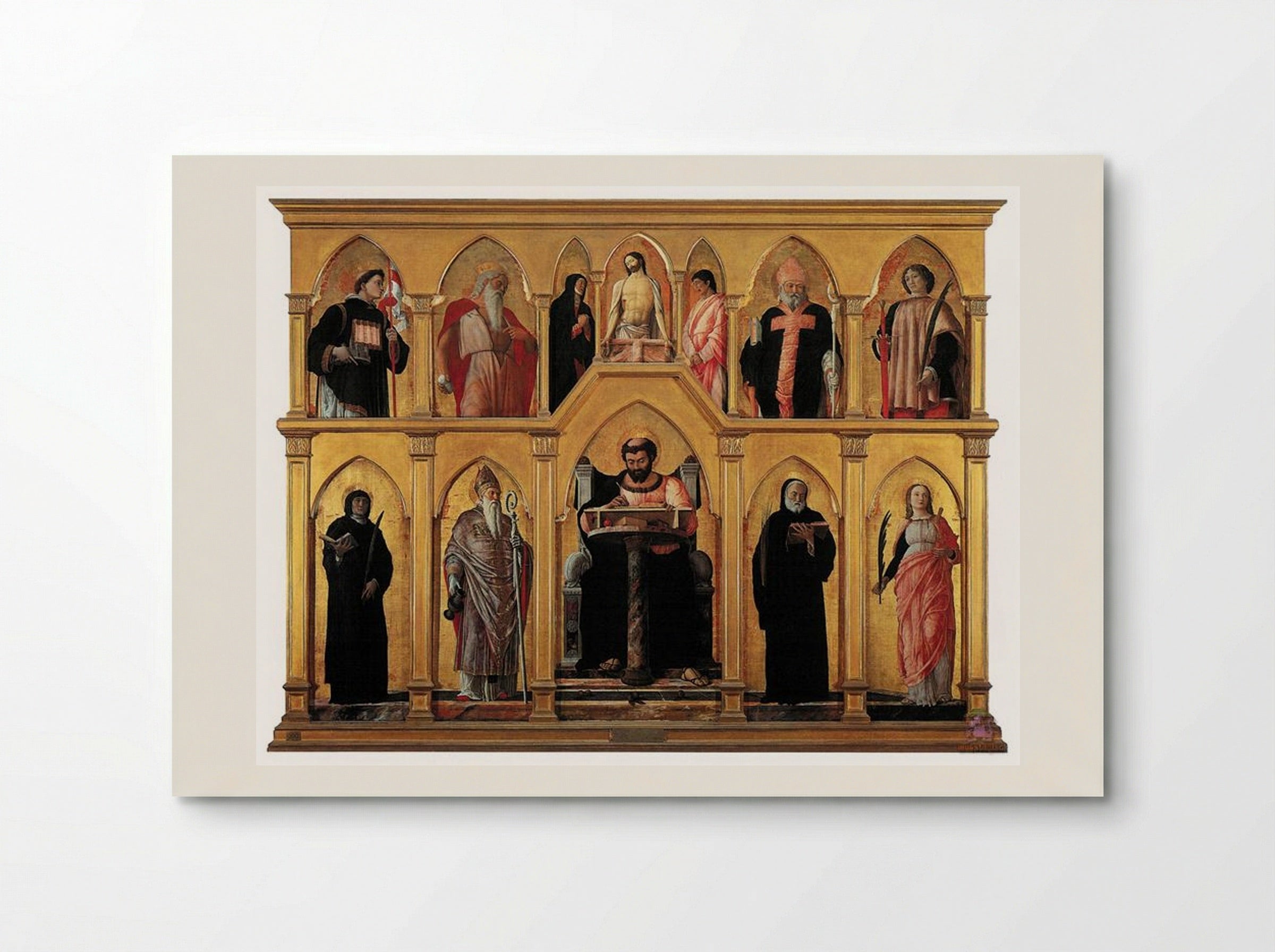 Polyptychon des Heiligen Lukas - Andrea Mantegna
Print
Regulärer Preis Ab £28.00 GBPAngebotspreis Ab £28.00 GBP Regulärer Preis -
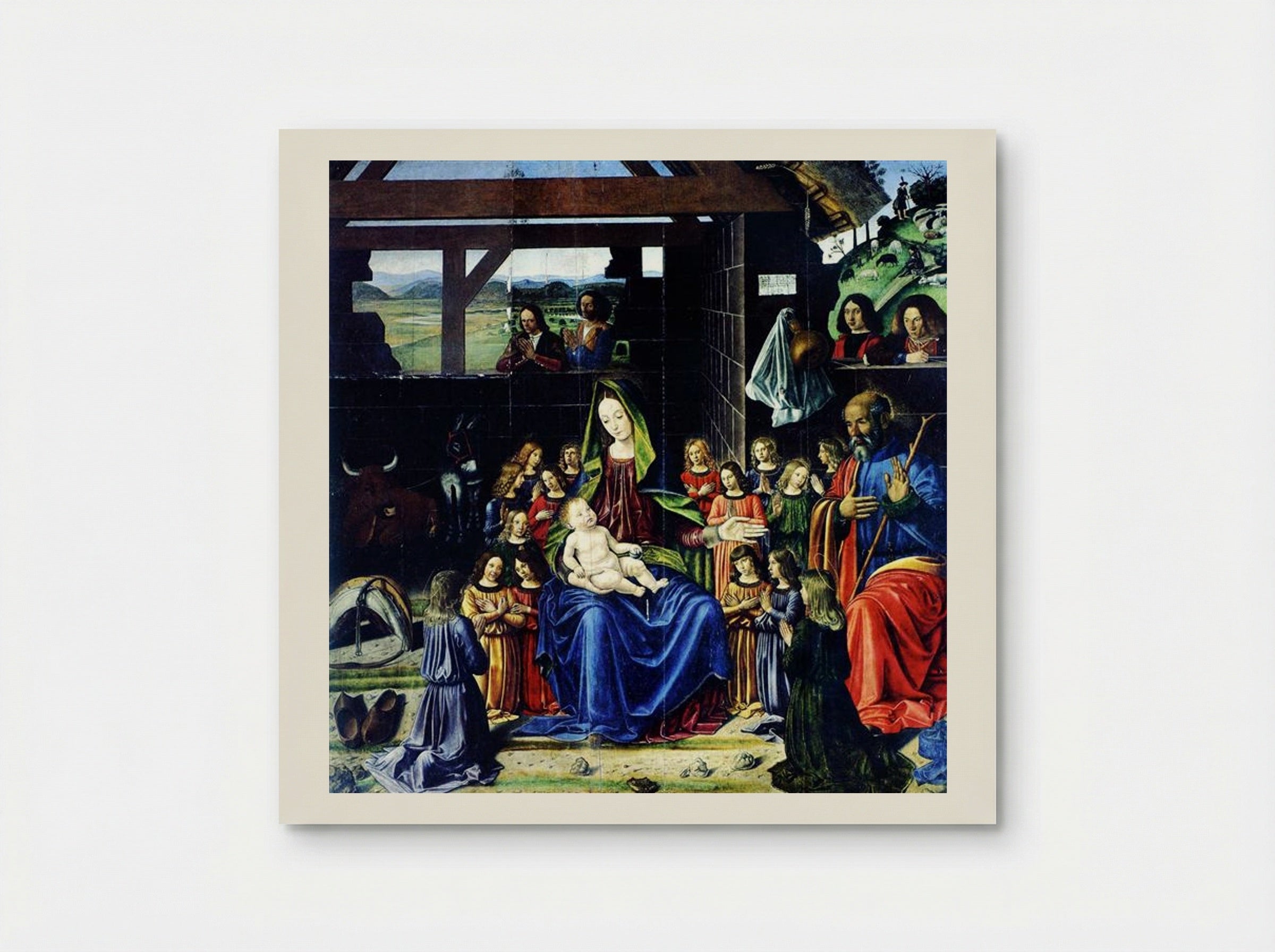 Die Anbetung der Hirten - Andrea Mantegna
Print
Regulärer Preis Ab £37.00 GBPAngebotspreis Ab £37.00 GBP Regulärer Preis -
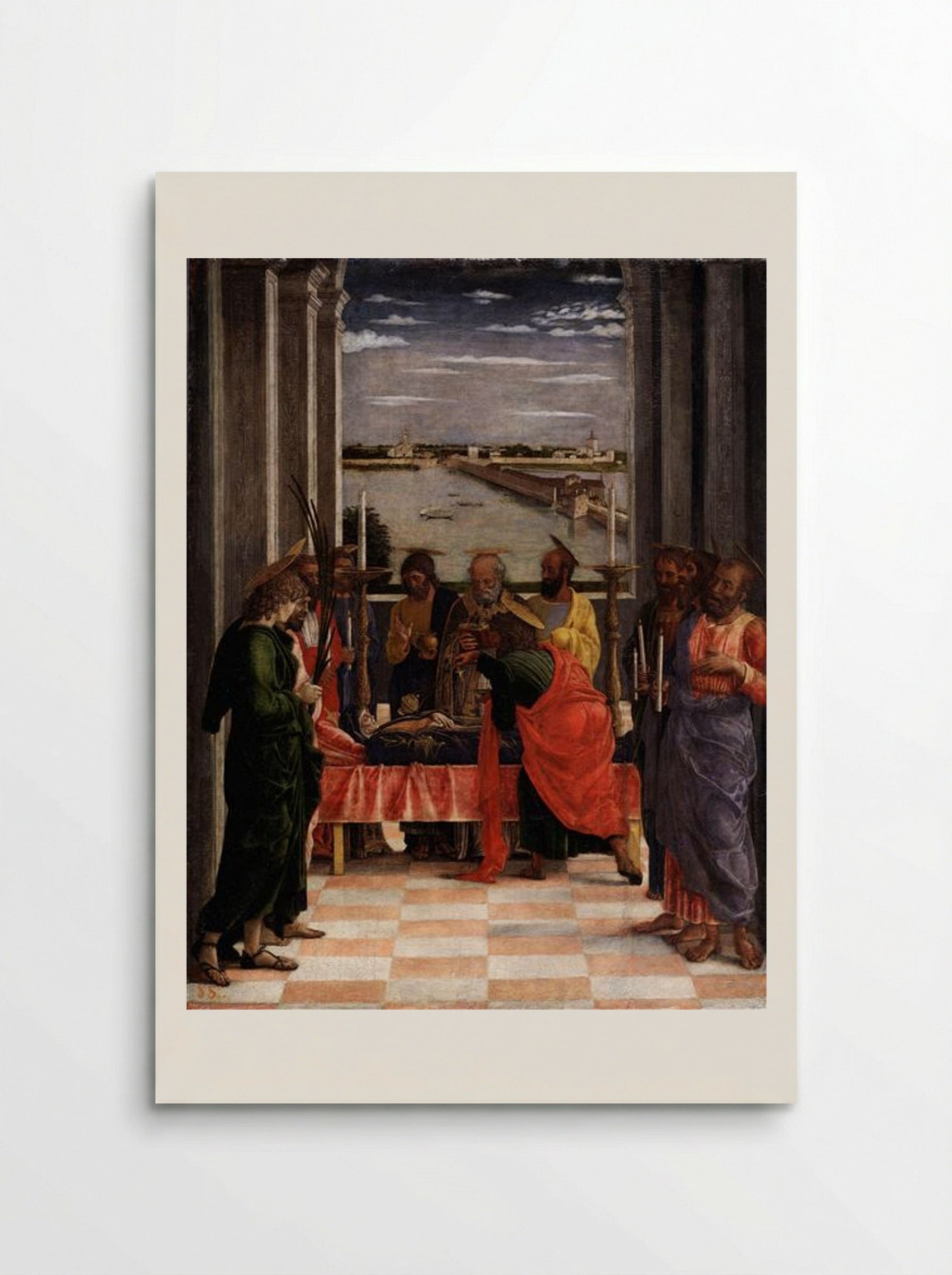 Tod Mariä - Andrea Mantegna
Print
Regulärer Preis Ab £28.00 GBPAngebotspreis Ab £28.00 GBP Regulärer Preis -
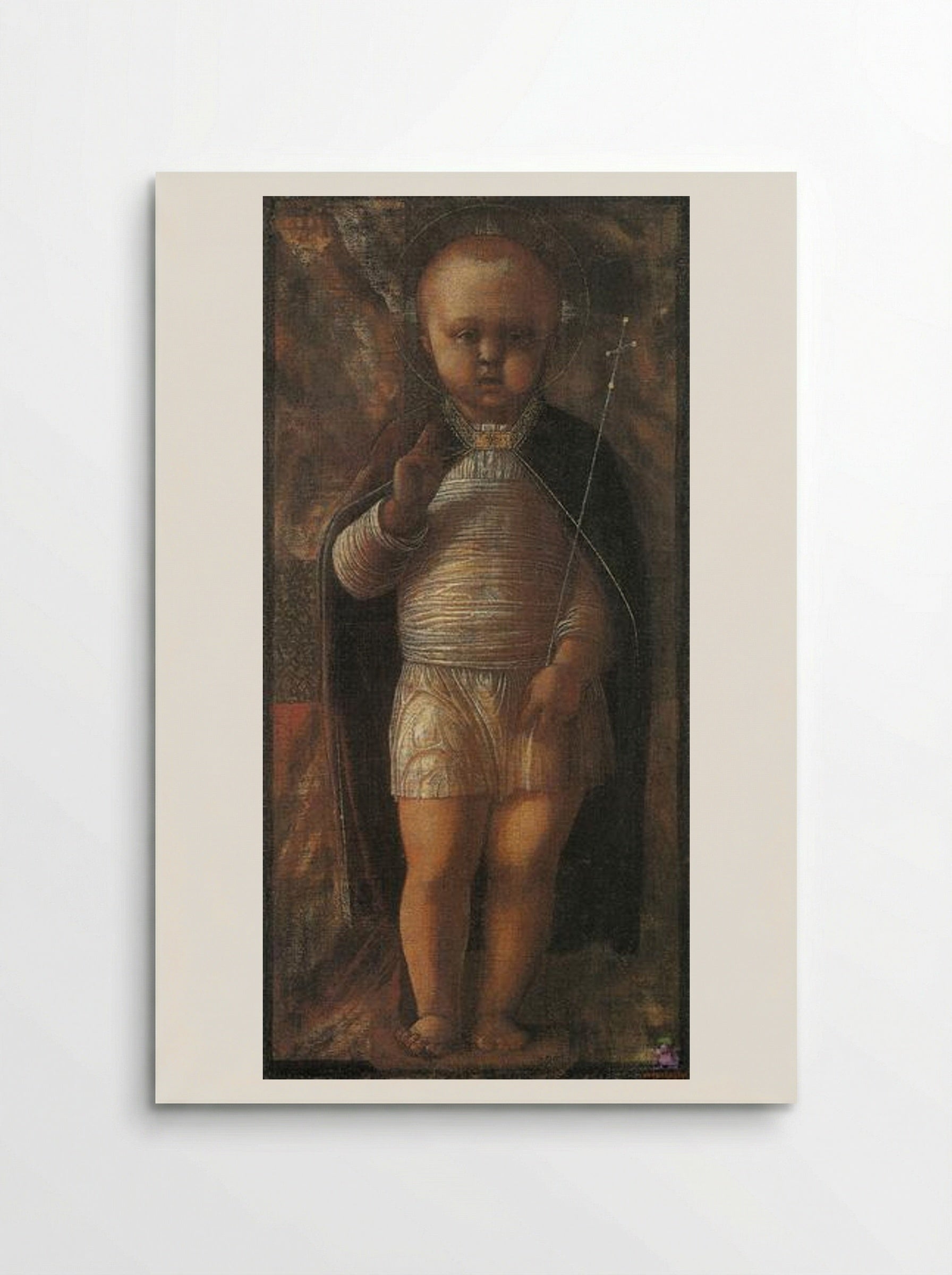 Der Erlöser als Kind – Andrea Mantegna
Print
Regulärer Preis Ab £28.00 GBPAngebotspreis Ab £28.00 GBP Regulärer Preis -
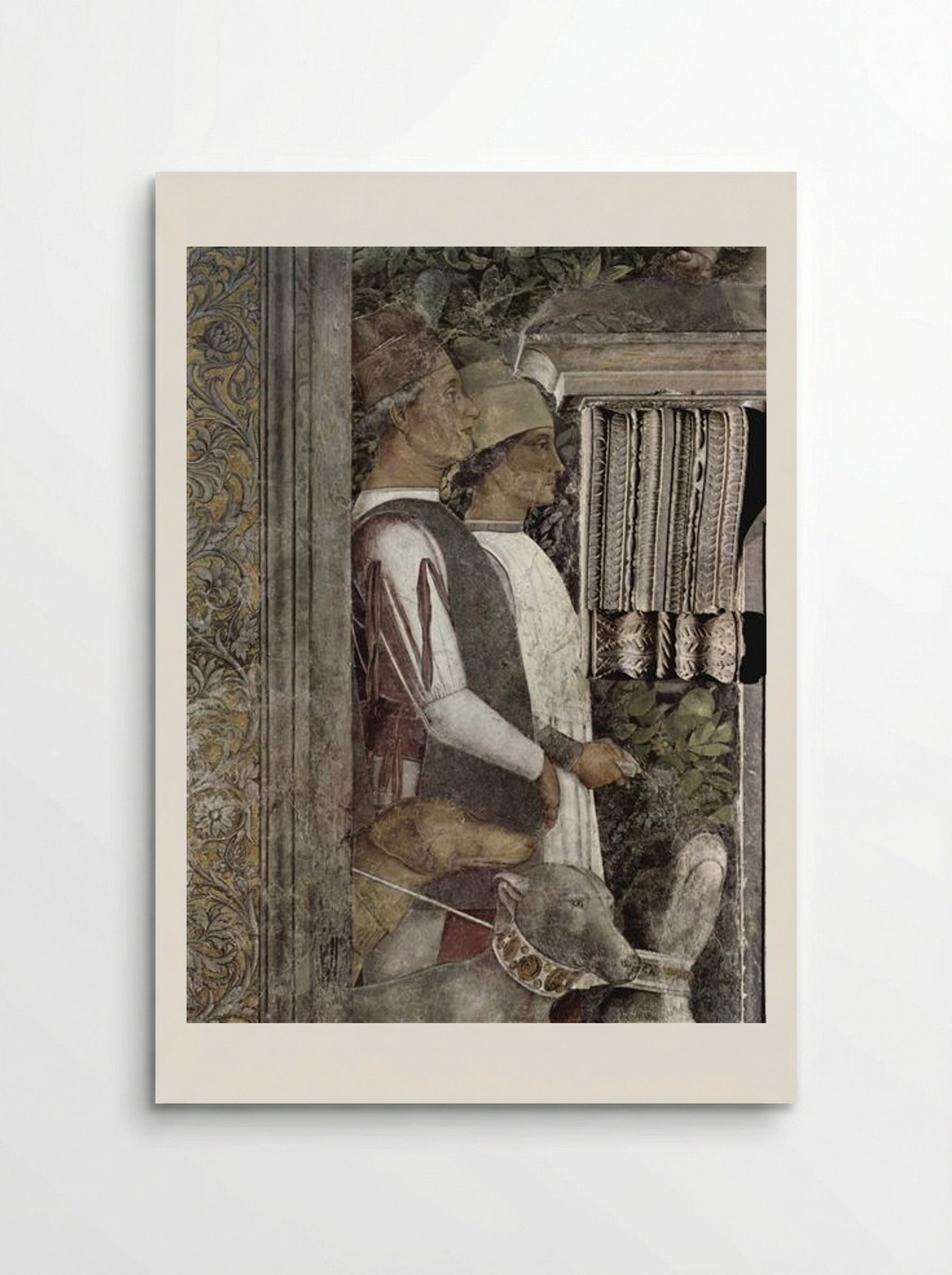 Szene mit wartenden Dienern und Hunden (Fragment) - Andrea Mantegna
Print
Regulärer Preis Ab £28.00 GBPAngebotspreis Ab £28.00 GBP Regulärer Preis -
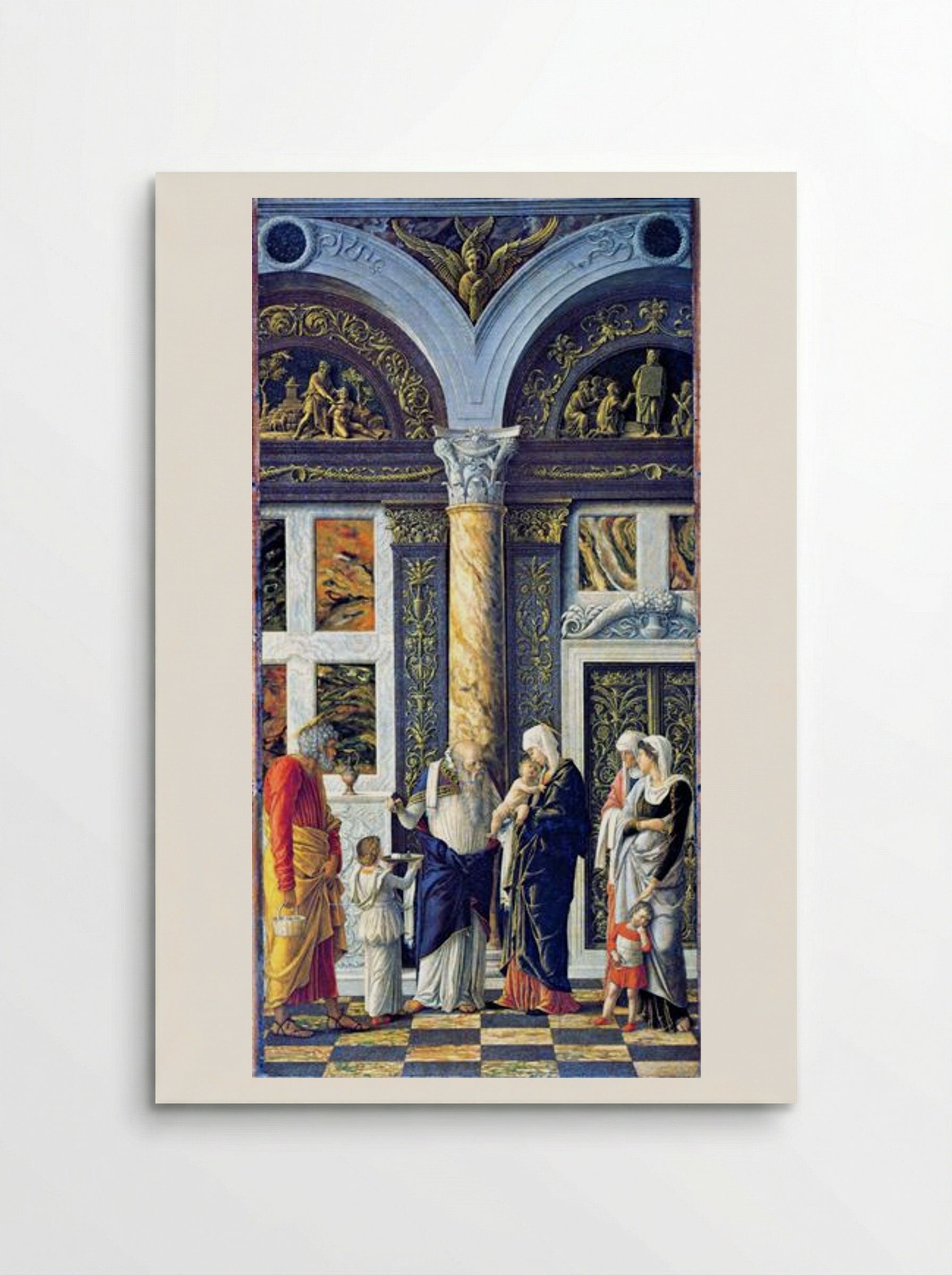 Die Beschneidung Christi - Andrea Mantegna
Print
Regulärer Preis Ab £28.00 GBPAngebotspreis Ab £28.00 GBP Regulärer Preis -
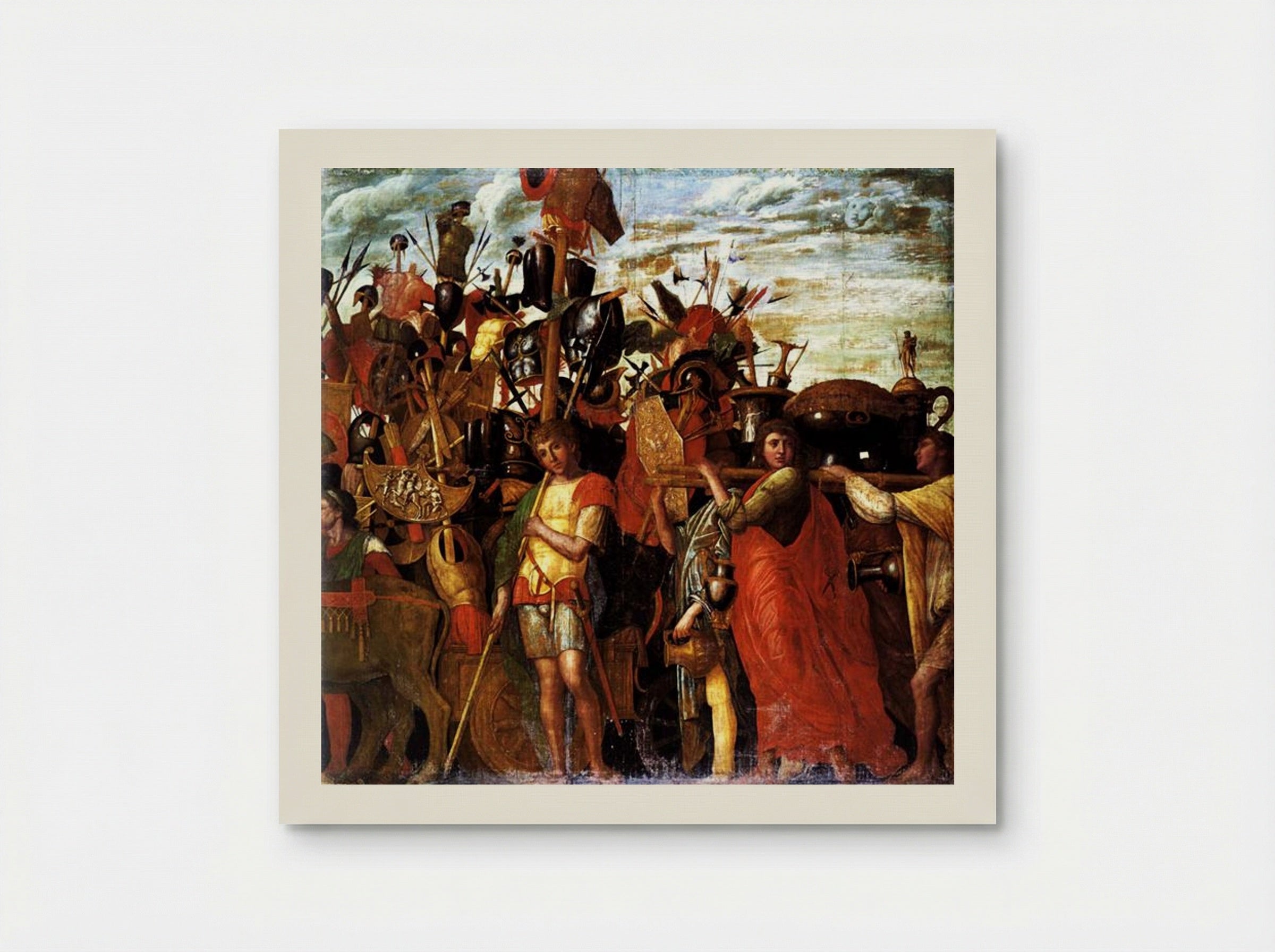 Triumph des Cäsar - Andrea Mantegna
Print
Regulärer Preis Ab £37.00 GBPAngebotspreis Ab £37.00 GBP Regulärer Preis -
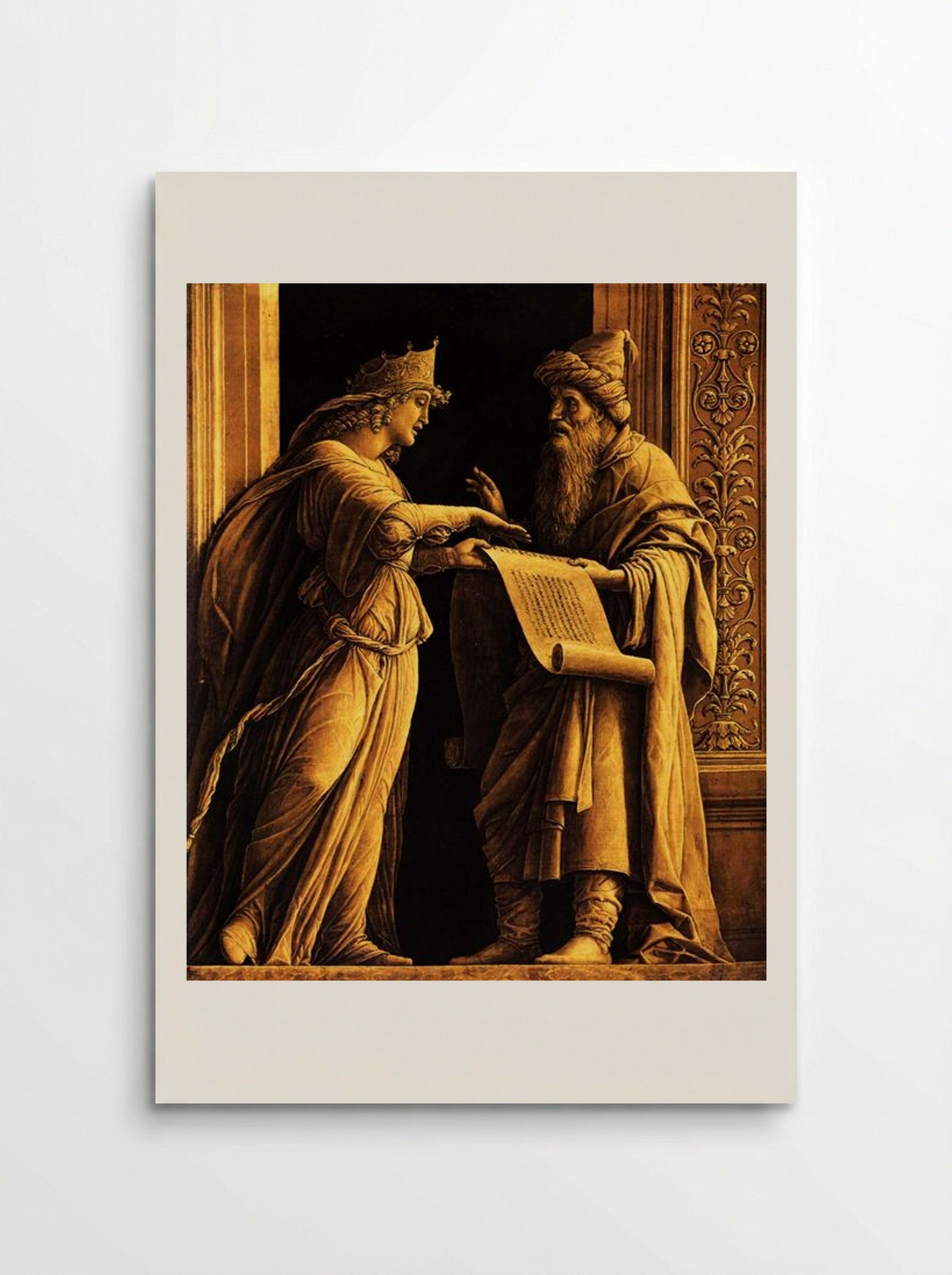 Eine Sibylle und ein Prophet – Andrea Mantegna
Print
Regulärer Preis Ab £28.00 GBPAngebotspreis Ab £28.00 GBP Regulärer Preis -
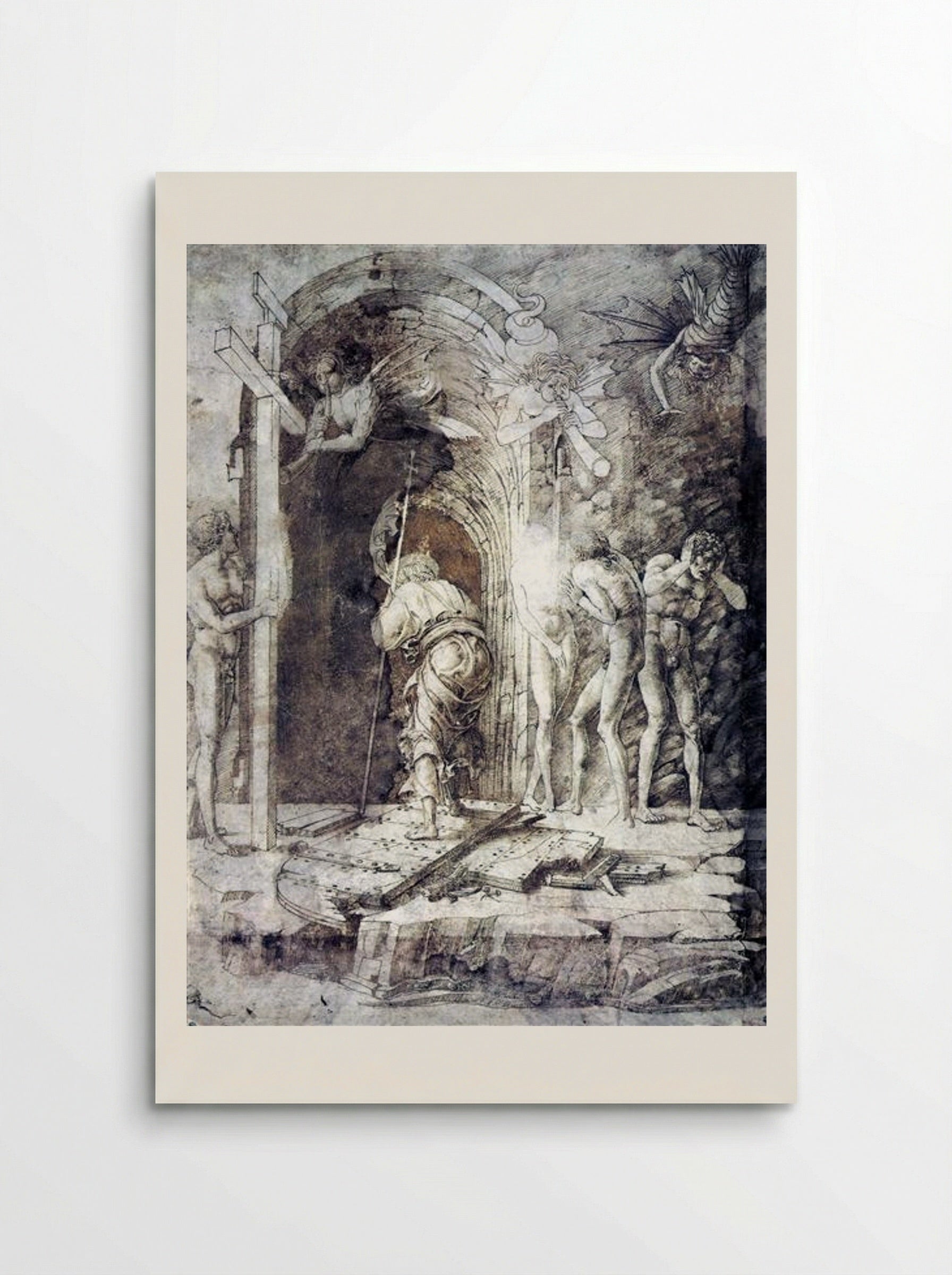
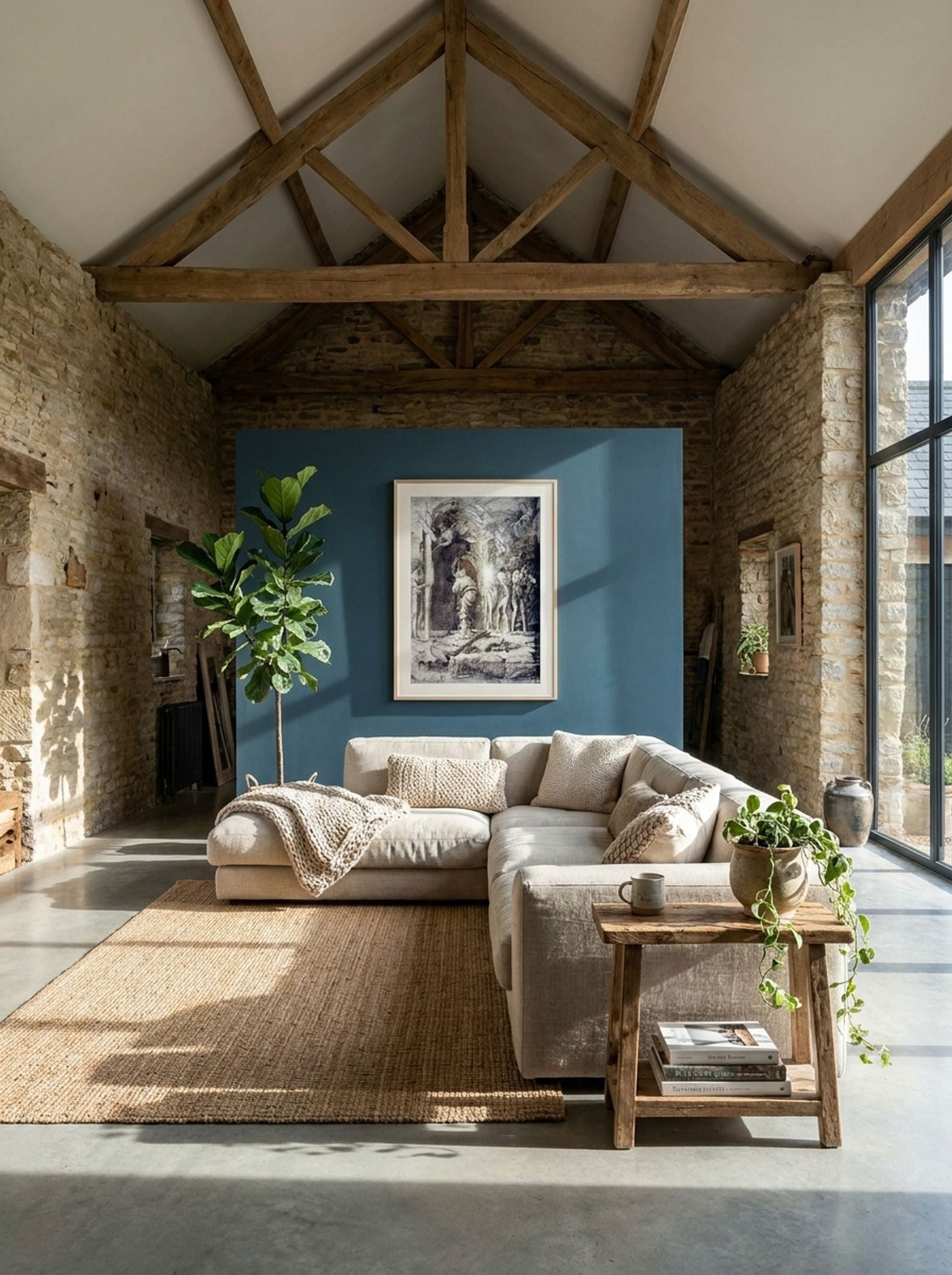 Der Abstieg in die Hölle - Andrea Mantegna
Print · Framed
Regulärer Preis Ab £28.00 GBPAngebotspreis Ab £28.00 GBP Regulärer Preis

Artist Biography
Andrea Mantegna
Mantegna sued his adoptive father. Francesco Squarcione, a Paduan painter and dealer, had taken the boy in around 1441 when Mantegna was roughly ten years old, the son of a woodworker. Squarcione ran a workshop that profited from apprentice labour, and when Mantegna realised the arrangement was exploitative, he took the older man to court. A judge ruled in his favour in 1448, making him legally independent at seventeen.
Padua in the 1440s was the first centre of Renaissance humanism in northern Italy. Donatello was working there on the bronze reliefs for the Basilica of Sant'Antonio; Paolo Uccello and Filippo Lippi had both passed through. Mantegna absorbed their experiments with perspective and classical form, then pushed further. His frescoes in the Ovetari Chapel (completed 1457, largely destroyed by Allied bombing in 1944) showed figures seen from below with an architectural conviction no northern Italian painter had attempted before.
In 1453 he married Nicolosia Bellini, daughter of the Venetian painter Jacopo Bellini, binding himself to the most powerful artistic dynasty in the Veneto. The relationship was productive in both directions: Giovanni Bellini, his brother-in-law, learned from Mantegna's sculptural precision while Mantegna gradually absorbed the Venetians' sensitivity to light and atmosphere, though he never fully abandoned his preference for hard, lapidary surfaces.
From 1460 until his death in 1506, Mantegna served as court painter to the Gonzaga family in Mantua. The Camera degli Sposi (completed 1474) was the first room in European painting to use illusionistic decoration across walls and ceiling as a unified architectural space. The ceiling's famous oculus, a circular opening revealing figures peering down from a balustrade against open sky, was a joke that fooled visitors and influenced decorative painting for two centuries.
Padua in the 1440s was the first centre of Renaissance humanism in northern Italy. Donatello was working there on the bronze reliefs for the Basilica of Sant'Antonio; Paolo Uccello and Filippo Lippi had both passed through. Mantegna absorbed their experiments with perspective and classical form, then pushed further. His frescoes in the Ovetari Chapel (completed 1457, largely destroyed by Allied bombing in 1944) showed figures seen from below with an architectural conviction no northern Italian painter had attempted before.
In 1453 he married Nicolosia Bellini, daughter of the Venetian painter Jacopo Bellini, binding himself to the most powerful artistic dynasty in the Veneto. The relationship was productive in both directions: Giovanni Bellini, his brother-in-law, learned from Mantegna's sculptural precision while Mantegna gradually absorbed the Venetians' sensitivity to light and atmosphere, though he never fully abandoned his preference for hard, lapidary surfaces.
From 1460 until his death in 1506, Mantegna served as court painter to the Gonzaga family in Mantua. The Camera degli Sposi (completed 1474) was the first room in European painting to use illusionistic decoration across walls and ceiling as a unified architectural space. The ceiling's famous oculus, a circular opening revealing figures peering down from a balustrade against open sky, was a joke that fooled visitors and influenced decorative painting for two centuries.





Warum uns wählen?