

Sammlung
Albert Marquet
Entdecken Sie kuratierte Kunstdrucke, ausgewählt für individuelle Wohnräume und durchdachte Interieurs.
Vorgeschlagene Filter
-

 Pons, Charente-Maritime - Albert Marquet
Print · Framed
Regulärer Preis Ab £28.00 GBPAngebotspreis Ab £28.00 GBP Regulärer Preis -

 The Coffeepot - Albert Marquet
Print · Framed
Regulärer Preis Ab £28.00 GBPAngebotspreis Ab £28.00 GBP Regulärer Preis -

 Bouquet of Flowers - Albert Marquet
Print · Framed
Regulärer Preis Ab £28.00 GBPAngebotspreis Ab £28.00 GBP Regulärer Preis -

 Die blonde Frau - Albert Marquet
Print · Framed
Regulärer Preis Ab £37.00 GBPAngebotspreis Ab £37.00 GBP Regulärer Preis -

 Der Hafen von Saint-Tropez - Albert Marquet
Print · Framed
Regulärer Preis Ab £28.00 GBPAngebotspreis Ab £28.00 GBP Regulärer Preis -

 Le Havre - Albert Marquet
Print · Framed
Regulärer Preis Ab £28.00 GBPAngebotspreis Ab £28.00 GBP Regulärer Preis -

 Bauernhof in La Percaillerie (Normandie) – Albert Marquet
Print · Framed
Regulärer Preis Ab £28.00 GBPAngebotspreis Ab £28.00 GBP Regulärer Preis -

 Hafen von Marseille - Albert Marquet
Print · Framed
Regulärer Preis Ab £28.00 GBPAngebotspreis Ab £28.00 GBP Regulärer Preis -

 Quai des Grands-Augustins - Albert Marquet
Print · Framed
Regulärer Preis Ab £28.00 GBPAngebotspreis Ab £28.00 GBP Regulärer Preis -

 Obst, Messer und Serviette - Albert Marquet
Print · Framed
Regulärer Preis Ab £28.00 GBPAngebotspreis Ab £28.00 GBP Regulärer Preis -

 Der Hafen, Le Havre - Albert Marquet
Print · Framed
Regulärer Preis Ab £28.00 GBPAngebotspreis Ab £28.00 GBP Regulärer Preis -

 Der Strand in Fécamp - Albert Marquet
Print · Framed
Regulärer Preis Ab £28.00 GBPAngebotspreis Ab £28.00 GBP Regulärer Preis -

 Blick auf Agay – Albert Marquet
Print · Framed · Canvas
Regulärer Preis Ab £28.00 GBPAngebotspreis Ab £28.00 GBP Regulärer Preis -

 Fasching am Strand - Albert Marquet
Print · Framed · Canvas
Regulärer Preis Ab £28.00 GBPAngebotspreis Ab £28.00 GBP Regulärer Preis -
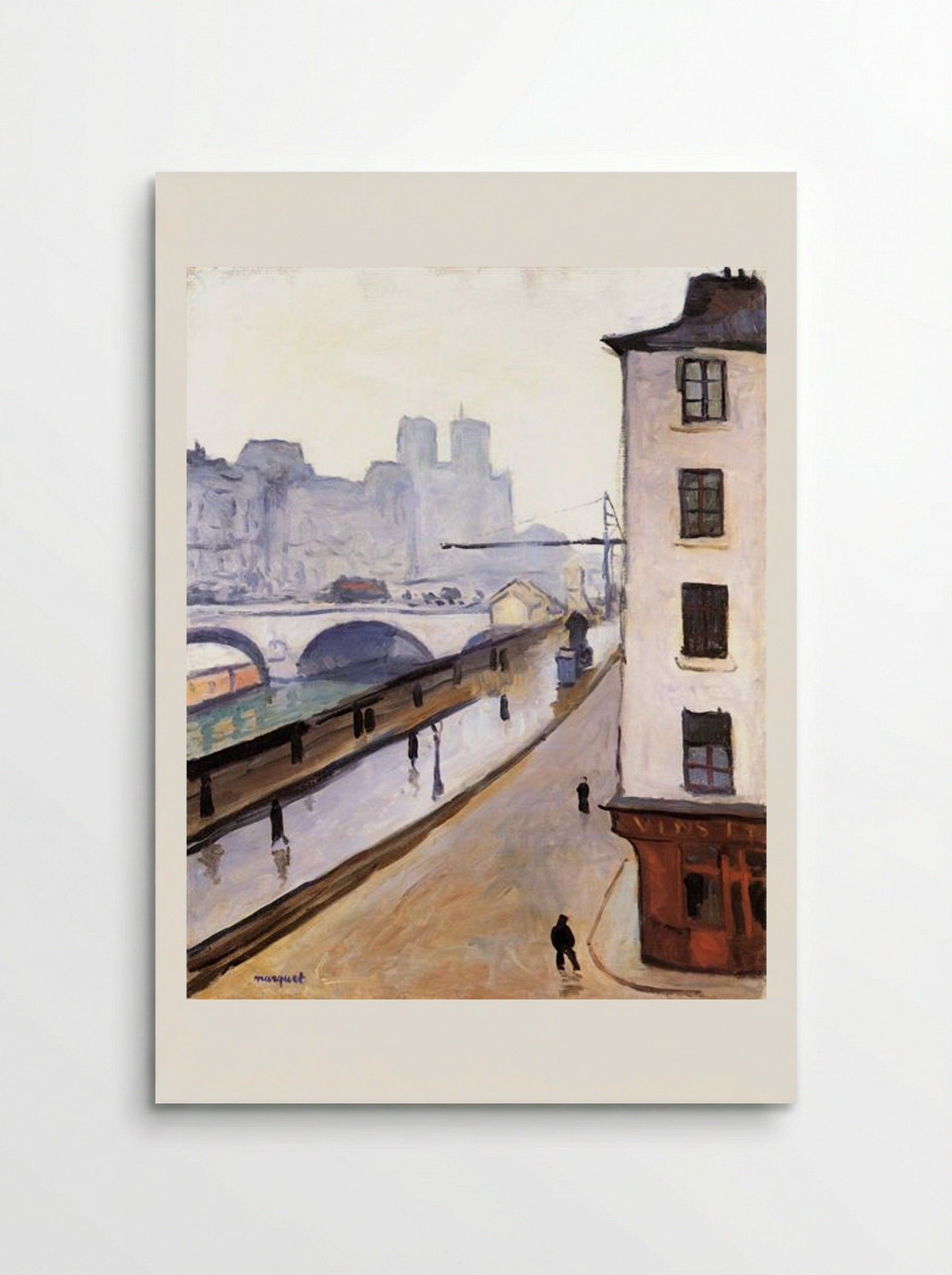 Die Pont Saint-Michel und Notre Dame - Albert Marquet
Print
Regulärer Preis Ab £28.00 GBPAngebotspreis Ab £28.00 GBP Regulärer Preis -
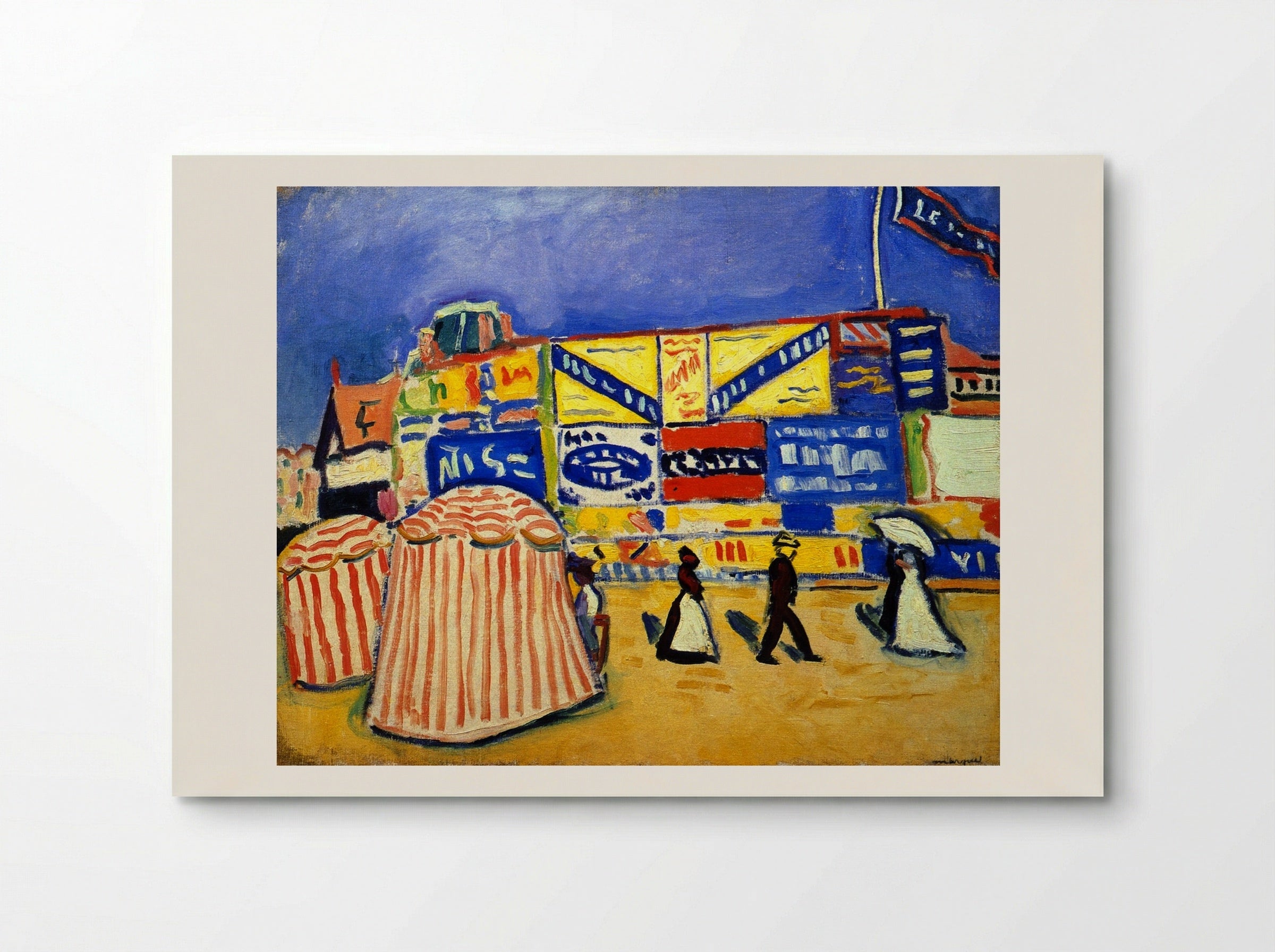 Plakate in Trouville - Albert Marquet
Print
Regulärer Preis Ab £28.00 GBPAngebotspreis Ab £28.00 GBP Regulärer Preis -
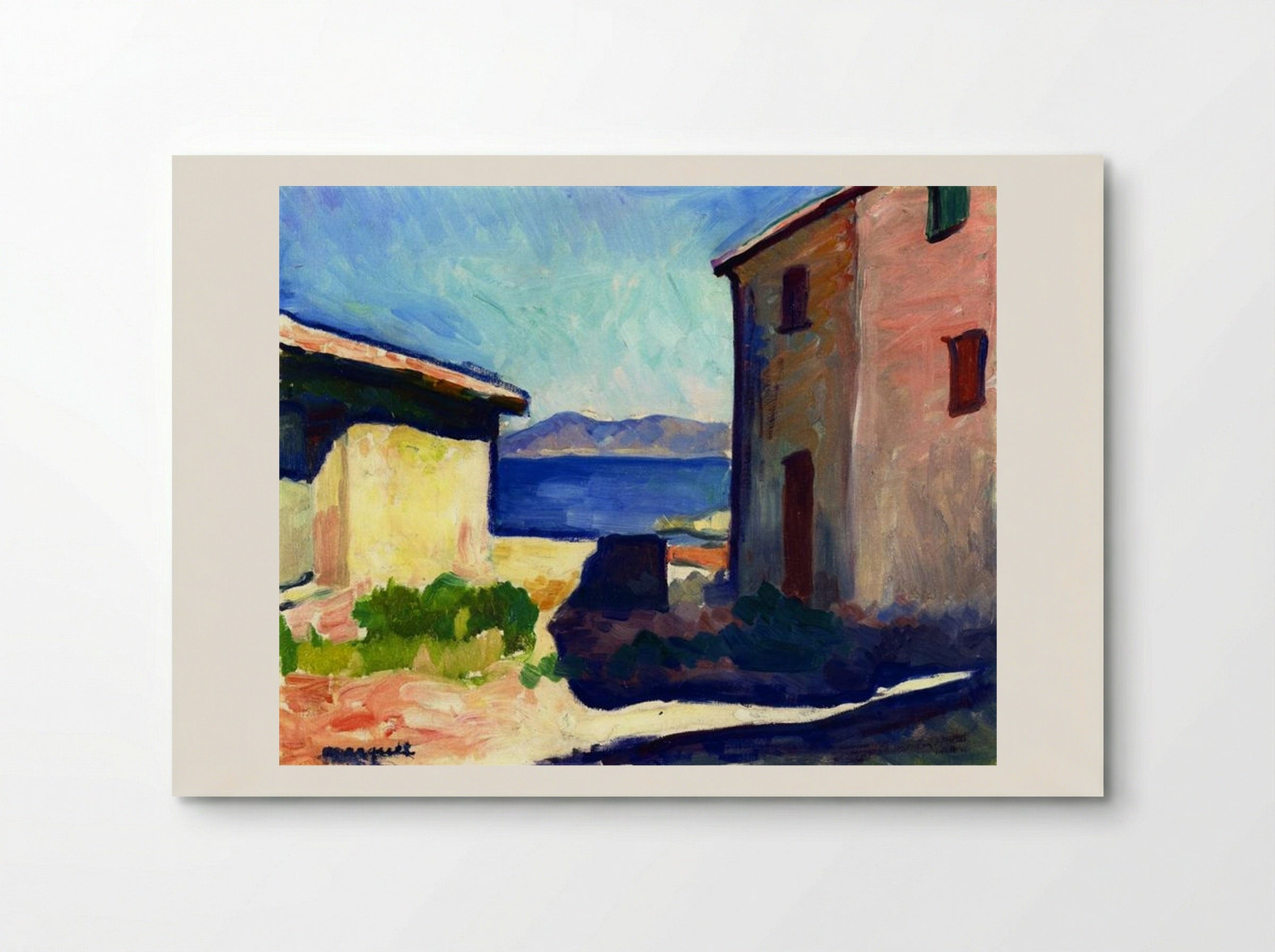 Haus in Saint-Tropez - Albert Marquet
Print
Regulärer Preis Ab £28.00 GBPAngebotspreis Ab £28.00 GBP Regulärer Preis -
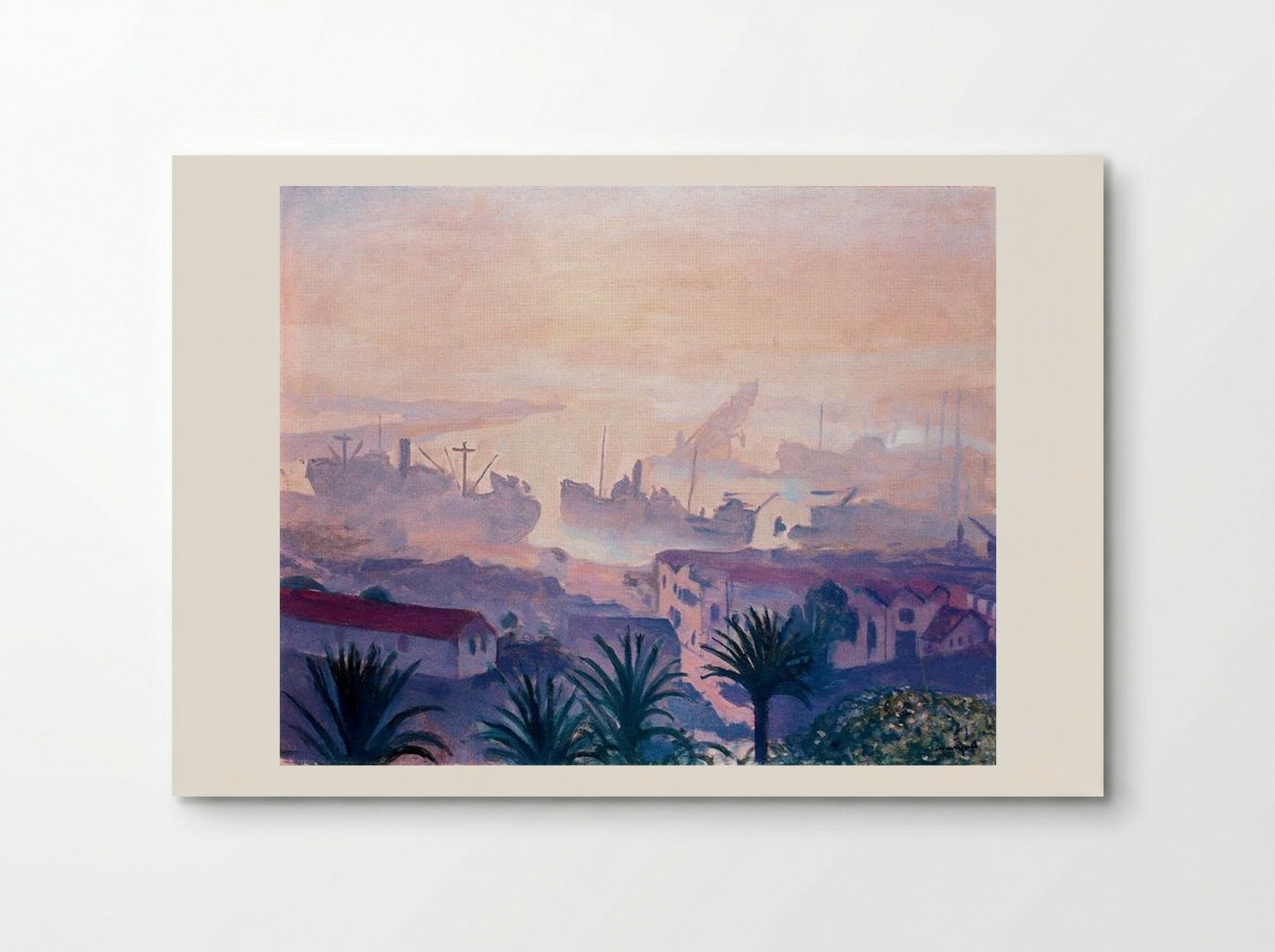 Der Hafen von Algier mit Dunst - Albert Marquet
Print
Regulärer Preis Ab £28.00 GBPAngebotspreis Ab £28.00 GBP Regulärer Preis -
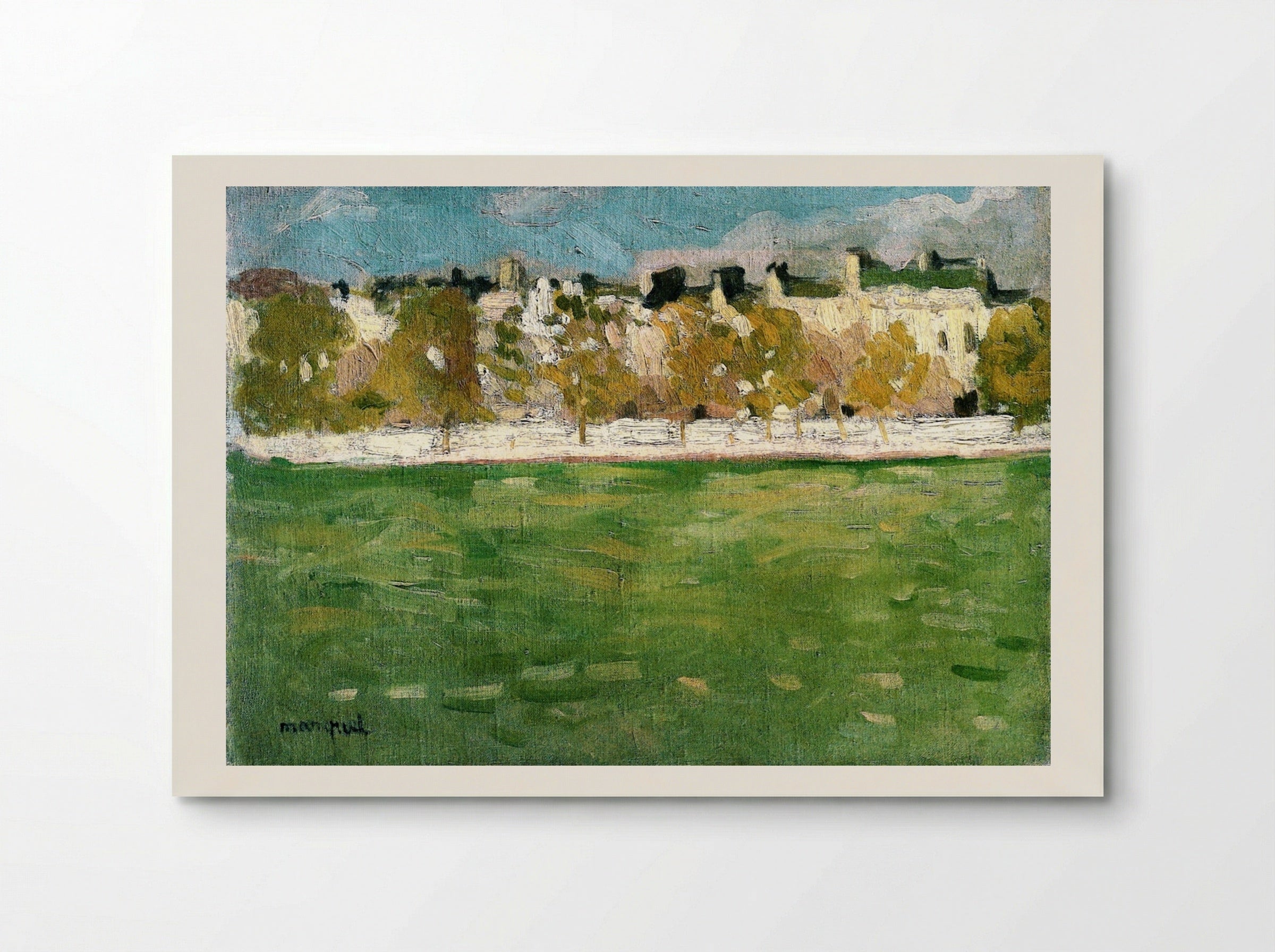 Ufer der Seine in Paris – Albert Marquet
Print
Regulärer Preis Ab £28.00 GBPAngebotspreis Ab £28.00 GBP Regulärer Preis -
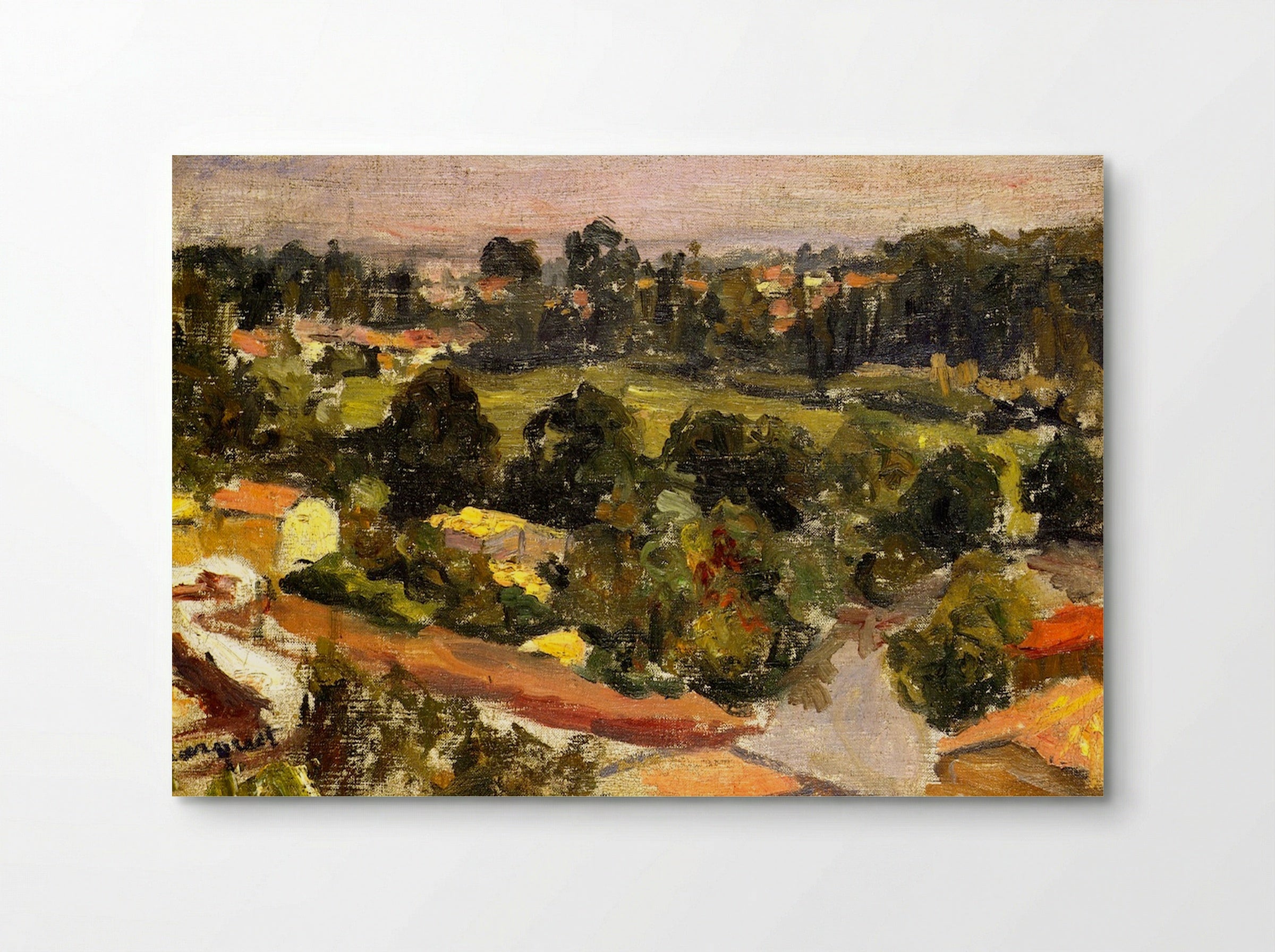 Pariser Vorstadt - Albert Marquet
Print
Regulärer Preis Ab £28.00 GBPAngebotspreis Ab £28.00 GBP Regulärer Preis -
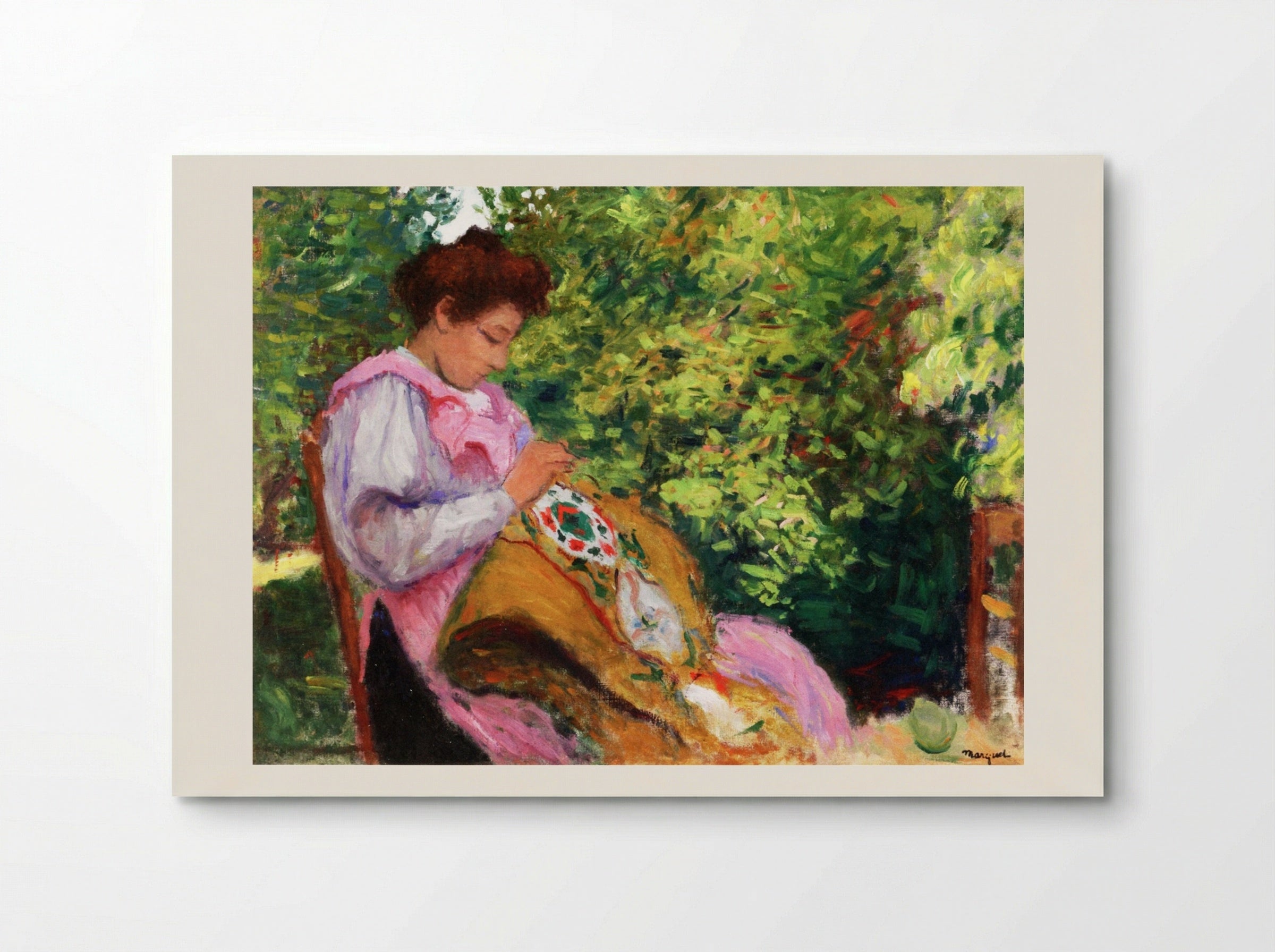 Mädchen stickend, im Garten sitzend - Albert Marquet
Print
Regulärer Preis Ab £28.00 GBPAngebotspreis Ab £28.00 GBP Regulärer Preis -
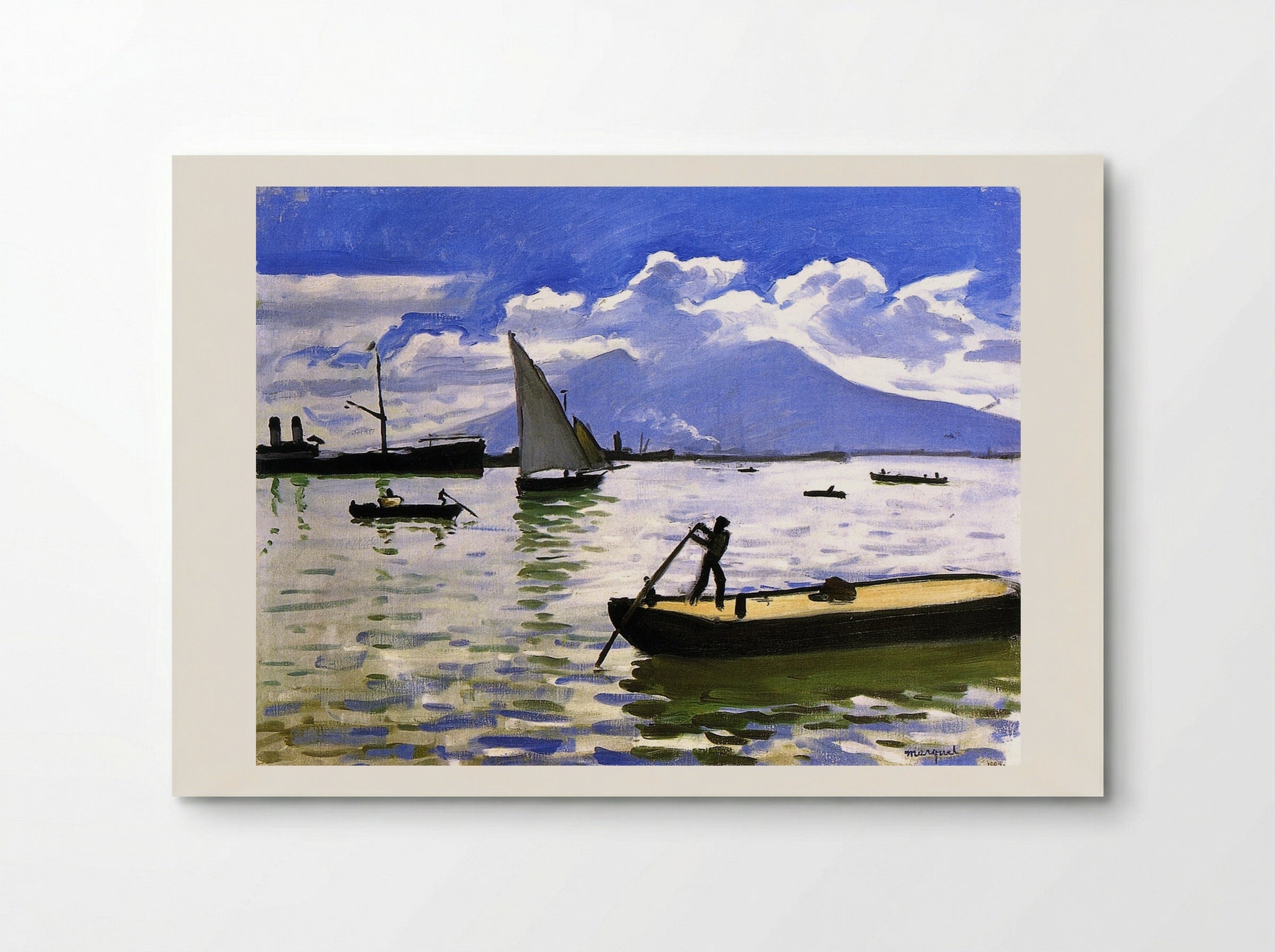 Bucht von Neapel - Albert Marquet
Print
Regulärer Preis Ab £28.00 GBPAngebotspreis Ab £28.00 GBP Regulärer Preis -
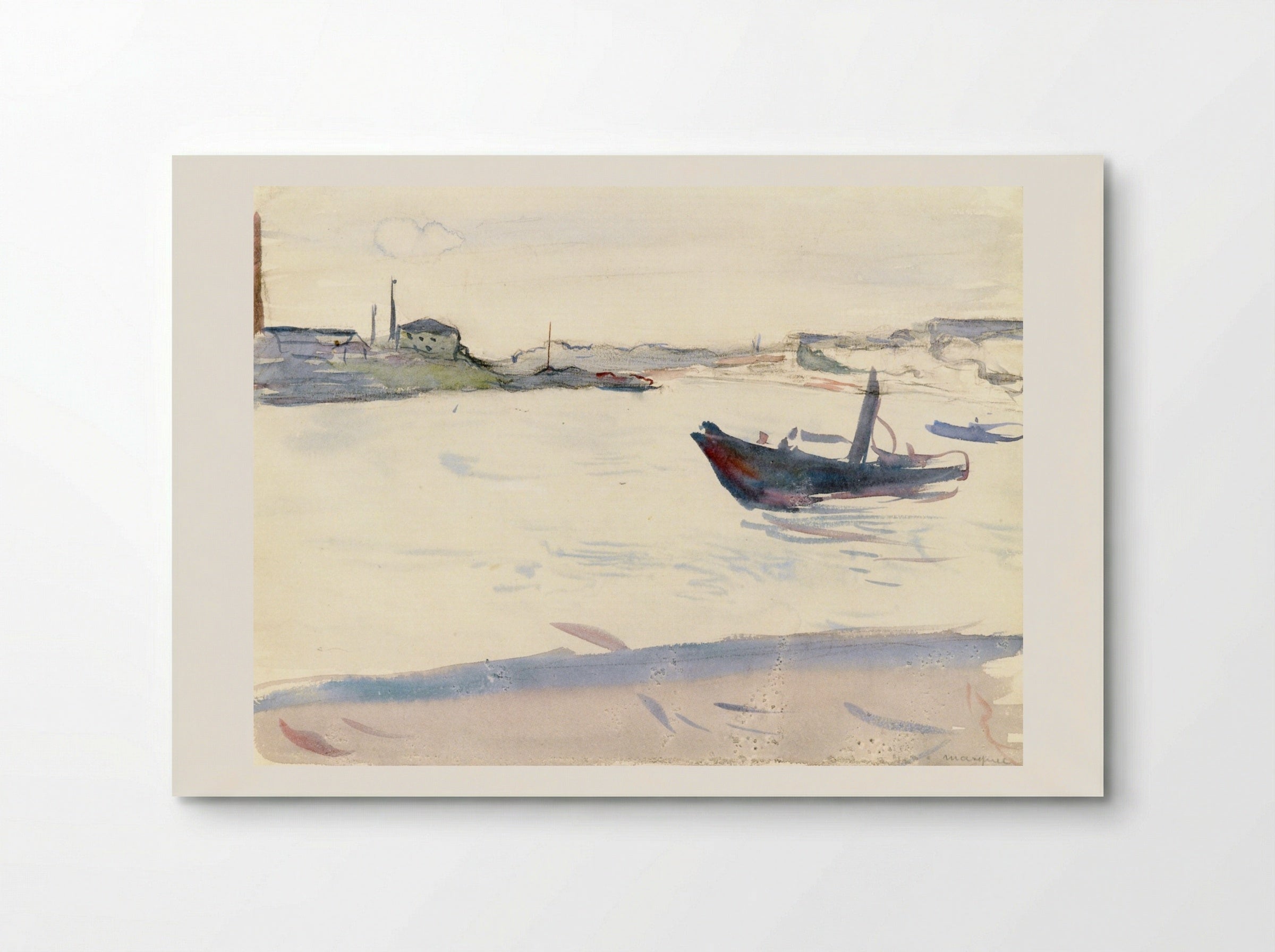 Pariser Vororte - Albert Marquet
Print
Regulärer Preis Ab £28.00 GBPAngebotspreis Ab £28.00 GBP Regulärer Preis -
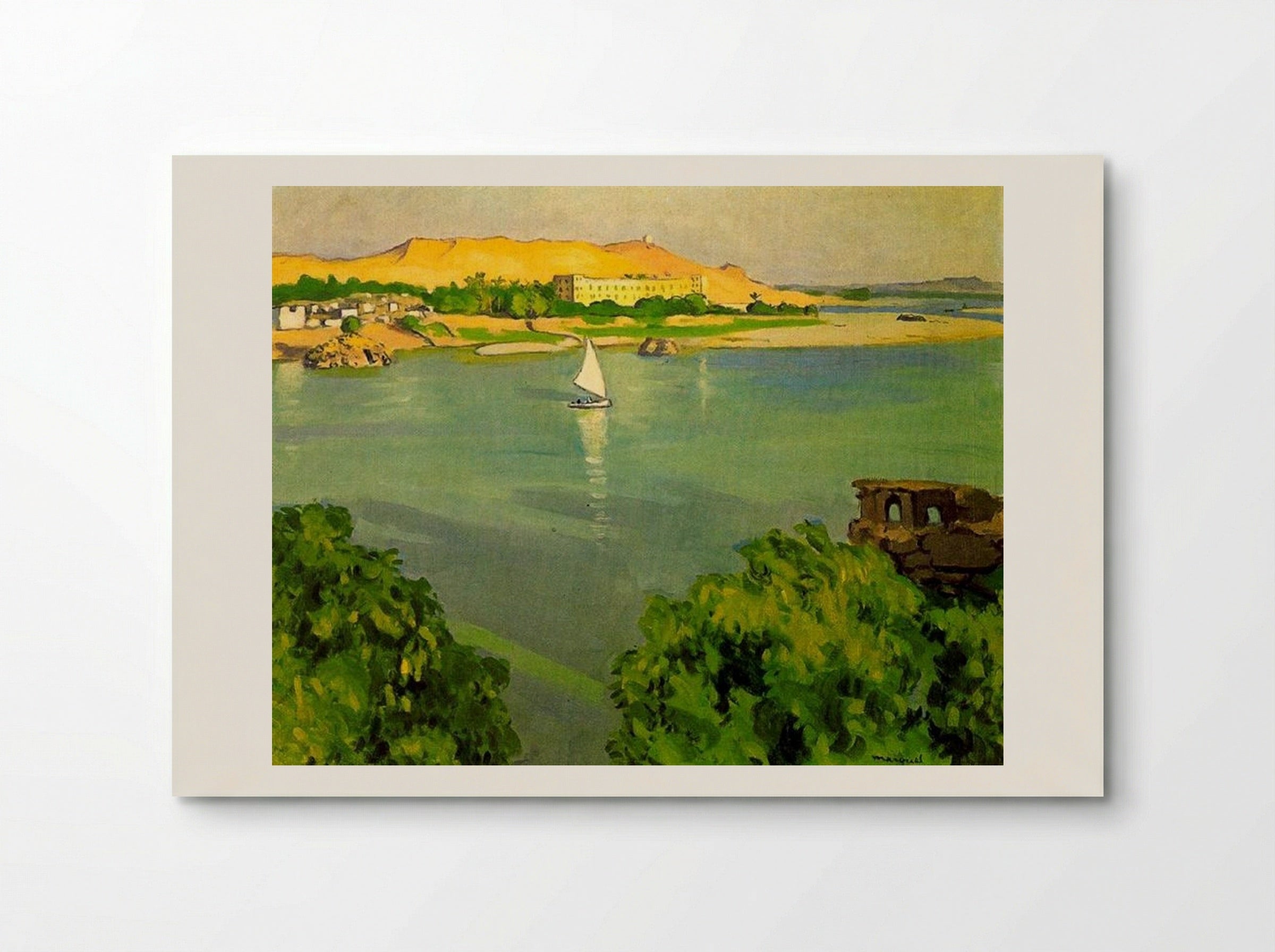 Assuan, Morgen - Albert Marquet
Print
Regulärer Preis Ab £28.00 GBPAngebotspreis Ab £28.00 GBP Regulärer Preis


Artist Biography
Albert Marquet
The man who named the Fauves had reservations about one of them. Louis Vauxcelles, the critic whose offhand remark at the 1905 Salon d'Automne gave the movement its name, later wrote that Marquet "has nothing of the Fauve about him. He does not roar, he speaks and has always spoken in a precisely measured manner... He only entered the 'central cage' at the 1905 Salon d'Automne so as not to abandon his pals." It is an oddly affectionate dismissal, and closer to the truth than most accounts of Fauvism allow.
Marquet was born in Bordeaux on 27 March 1875, the son of a railway clerk. His mother moved the family to Paris to support his artistic education, and he enrolled at the Ecole des Arts Décoratifs in 1890, where he met Henri Matisse; the friendship lasted the rest of his life. The two painters shared studios and worked side by side for years, but their mature styles could scarcely be more different. Where Matisse reached for triumphant colour, Marquet worked with grey haze, snow light, and the tonal restraint of an elevated viewpoint over water.
His approach is visible in "The Beach at Fécamp" (1906, 51 x 61 cm, Musée National d'Art Moderne, Paris): the beach runs diagonally, figures and boats reduced to laconic dark brushstrokes, with only two sailors' blue collars and a red flag providing any colour accent. Similar economy governs the Paris quai paintings in the State Hermitage: "Rainy Day. Notre Dame de Paris" (1910, 81 x 66 cm) and "Louvre Embankment and the New Bridge" (1906, 60 x 73 cm), where cold grey mist substitutes for the chromatic intensity his contemporaries were deploying elsewhere.
He continued working until days before his death. Returning from an operation on 31 January 1947, he immediately picked up his brush to capture falling snow from his apartment window at 1 Rue Dauphine, Paris. He died there on 14 June 1947.
Marquet was born in Bordeaux on 27 March 1875, the son of a railway clerk. His mother moved the family to Paris to support his artistic education, and he enrolled at the Ecole des Arts Décoratifs in 1890, where he met Henri Matisse; the friendship lasted the rest of his life. The two painters shared studios and worked side by side for years, but their mature styles could scarcely be more different. Where Matisse reached for triumphant colour, Marquet worked with grey haze, snow light, and the tonal restraint of an elevated viewpoint over water.
His approach is visible in "The Beach at Fécamp" (1906, 51 x 61 cm, Musée National d'Art Moderne, Paris): the beach runs diagonally, figures and boats reduced to laconic dark brushstrokes, with only two sailors' blue collars and a red flag providing any colour accent. Similar economy governs the Paris quai paintings in the State Hermitage: "Rainy Day. Notre Dame de Paris" (1910, 81 x 66 cm) and "Louvre Embankment and the New Bridge" (1906, 60 x 73 cm), where cold grey mist substitutes for the chromatic intensity his contemporaries were deploying elsewhere.
He continued working until days before his death. Returning from an operation on 31 January 1947, he immediately picked up his brush to capture falling snow from his apartment window at 1 Rue Dauphine, Paris. He died there on 14 June 1947.
Related Artists



Warum uns wählen?