



Urs Graf the Elder
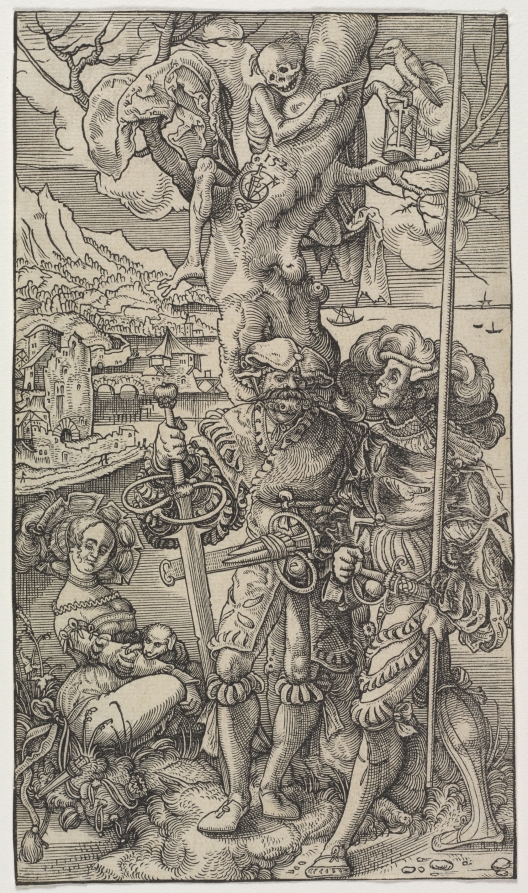
Urs Graf lived the violent life he depicted. A goldsmith by training, he spent much of his career as a mercenary soldier. His drawings often feature the Landsknechte, the professional infantrymen of the sixteenth century. These figures appear in his work with a blunt realism born from his own time on the battlefield. He was frequently in trouble with the law in Basel for his brawling and disorderly conduct. This first-hand experience of military life gave his art a grit that differed from the more polished works of his contemporaries.
Biography
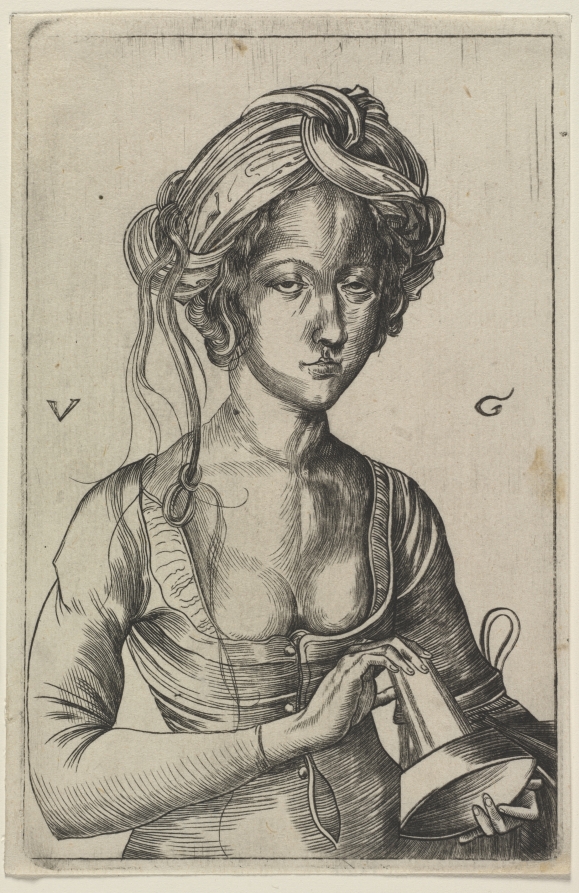
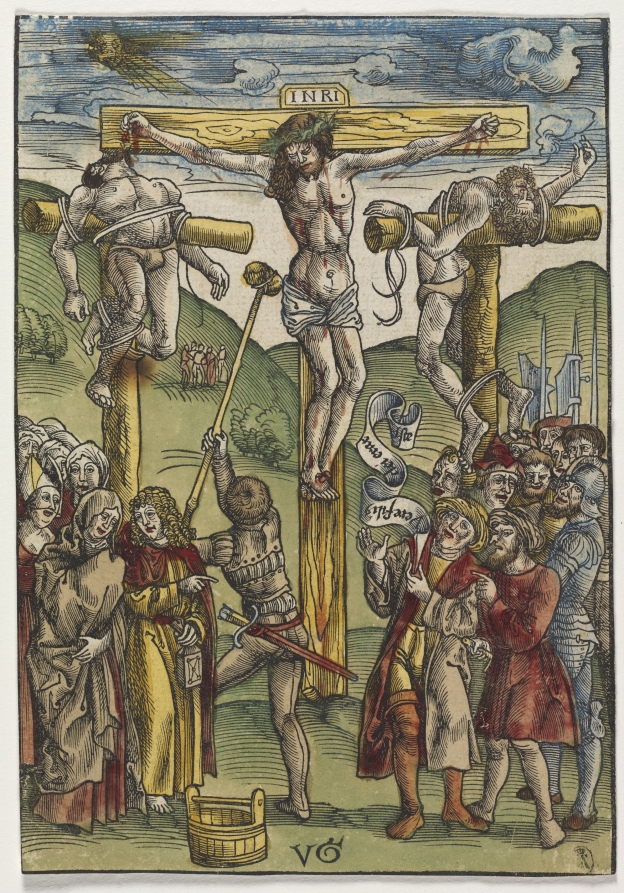
His technique relied on bold, energetic lines. Graf often placed single figures against open backgrounds with a great deal of white space. This isolation focuses all attention on the character and costume of his subjects. While he was influenced by the woodcuts of Albrecht Dürer, Graf maintained a coarser style. He produced designs for stained glass, such as his 1511 drawing of two angels, yet he is most remembered for his secular engravings. These prints capture the fashion and rough social reality of the Swiss Reformation.
Modern collectors value Graf for his raw honesty and graphic clarity. His work provides a window into the daily life of the Renaissance soldier without the usual filters of religious or political allegory. The stark compositions work well in contemporary interiors. His use of negative space and strong contours makes his prints visually striking from a distance. These pieces offer a connection to the history of Northern Europe through the eyes of someone who participated in the events he drew.
Notable Works
Tap to view larger.
Next stop
Browse the movements →
Every movement in the collection, from the Renaissance to Pop art.
Frequently Asked Questions
What is Urs Graf the Elder known for?
Urs Graf the Elder is known for urs Graf was a Swiss mercenary and goldsmith whose vigorous engravings and drawings capture the raw, often violent reality of sixteenth-century military life with stark graphic clarity.