



Tani Bunchō
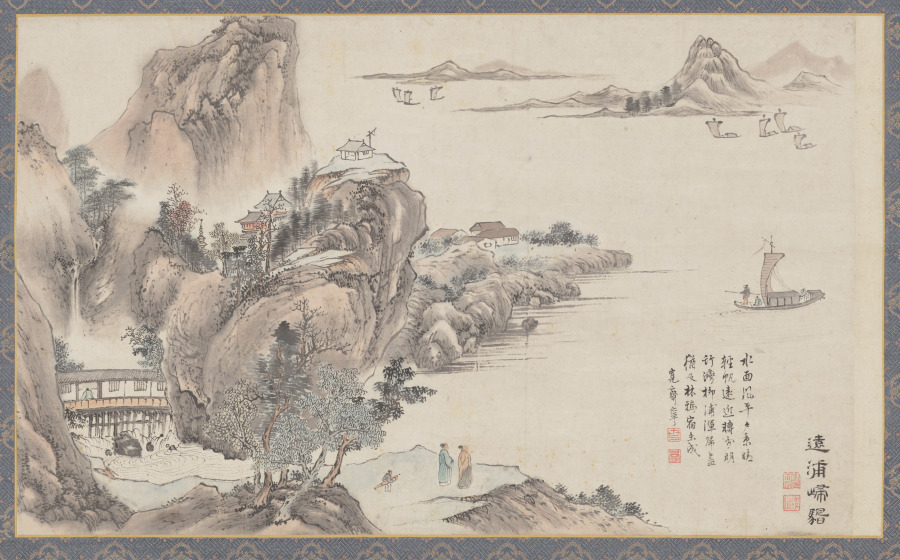
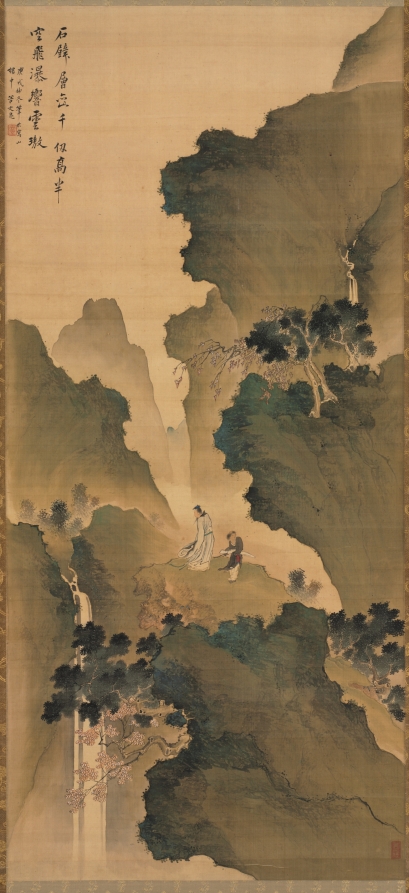
Tani Bunchō held a unique position as a high-ranking official and surveyor for the Tokugawa shogunate. Unlike many of his peers who stayed in urban studios, he travelled across Japan to document coastal defences. This official role allowed him to study private collections of Chinese and Western art that were usually hidden from the public. His sketches from these journeys formed the basis for a style that merged technical accuracy with artistic expression.

Biography
His approach was defined by a rejection of single-school orthodoxy. Bunchō studied the Kano school alongside literati styles. He also examined European copperplate engravings to learn different ways of representing space. He developed a method known as eclectic painting, which integrated Western perspective into Japanese ink wash. His Shazanrō Picture Book demonstrates this versatility through subjects like bamboo and pomegranates. These prints use clean lines to present nature without unnecessary ornamentation.
Modern collectors appreciate Bunchō for his ability to isolate subjects against open space. His depictions of crabs and spiders possess a graphic quality that suits contemporary rooms. These works provide a sense of calm through their controlled brushwork. His prints offer a sophisticated alternative to more crowded ukiyo-e scenes.
Notable Works
Tap to view larger.
Next stop
Browse the movements →
Every movement in the collection, from the Renaissance to Pop art.
Tani Bunchō prints
Hand-finished archival prints from Tani Bunchō's body of work.
Take Tani Bunchō home.
See all Tani Bunchō prints →Frequently Asked Questions
When was Tani Bunchō born?
Tani Bunchō was born in 1763 and died in 1841.What is Tani Bunchō known for?
Tani Bunchō is known for tani Bunchō was a versatile Edo period master who blended traditional Japanese techniques with Western perspective to create clean and graphic woodblock prints of the natural world.


