



Orsola Maddalena Caccia
Orsola Maddalena Caccia was a nun who spent her life within the Ursuline convent at Moncalvo. Born in 1596, she remained in this cloistered environment until her death in 1676, yet she maintained a productive career as a painter. Her father, Guglielmo Caccia, provided her initial artistic training, and she continued to operate as a professional artist while fulfilling her religious duties.

Biography
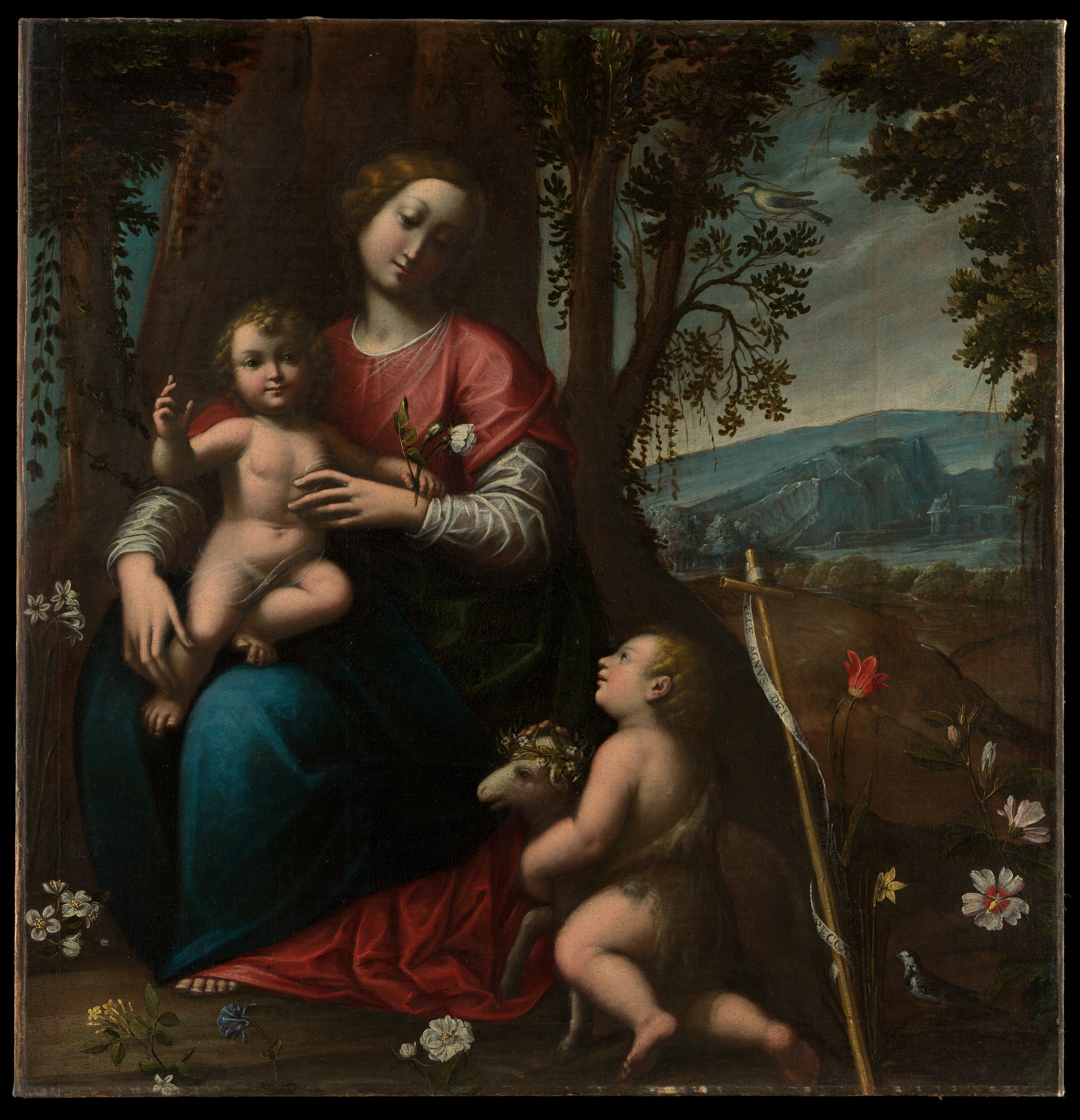
Her body of work is characterised by a precise, observational style. She produced still-life compositions, such as Flowers in a Grotesque Vase and Fruit and Flowers, alongside religious scenes. Her technique involved a careful arrangement of elements, often focusing on the texture of petals and the specific qualities of light on surfaces. These works reflect the visual conventions of the period, executed with a disciplined hand that suggests a rigorous daily practice.
Modern collectors appreciate Caccia for the clarity of her compositions. Her religious prints, including Madonna and Child with the Infant Saint John the Baptist, offer a window into seventeenth-century devotional art. The quiet, focused nature of her production appeals to those who value art created outside the traditional commercial structures of her time.
Notable Works
Tap to view larger.
Next stop
Mannerism →
Explore the artists and ideas of Mannerism.
Related Artists


Frequently Asked Questions
When was Orsola Maddalena Caccia born?
Orsola Maddalena Caccia was born in 1596 and died in 1676.What art movement was Orsola Maddalena Caccia part of?
Orsola Maddalena Caccia was associated with Mannerism and Baroque.What is Orsola Maddalena Caccia known for?
Orsola Maddalena Caccia is known for orsola Maddalena Caccia was a seventeenth-century nun and painter whose disciplined, observational works include religious scenes and detailed still-life compositions.