


Matsumura Goshun
Matsumura Goshun, även känd som Matsumura Gekkei, hade en särställning i Kyotos konstliv. Efter läraren Yosa Busons död ville Goshun ansluta sig till Maruyama Ōkyos ateljé. I ett ovanligt uttryck för yrkesmässig respekt avböjde Ōkyo och sade att Goshun redan var hans jämlike. De blev nära vänner i stället för lärare och elev. Vänskapen gjorde det möjligt för Goshun att förena Busons poetiska litteratstil med Maruyama-skolans tekniska realism.
Biografi
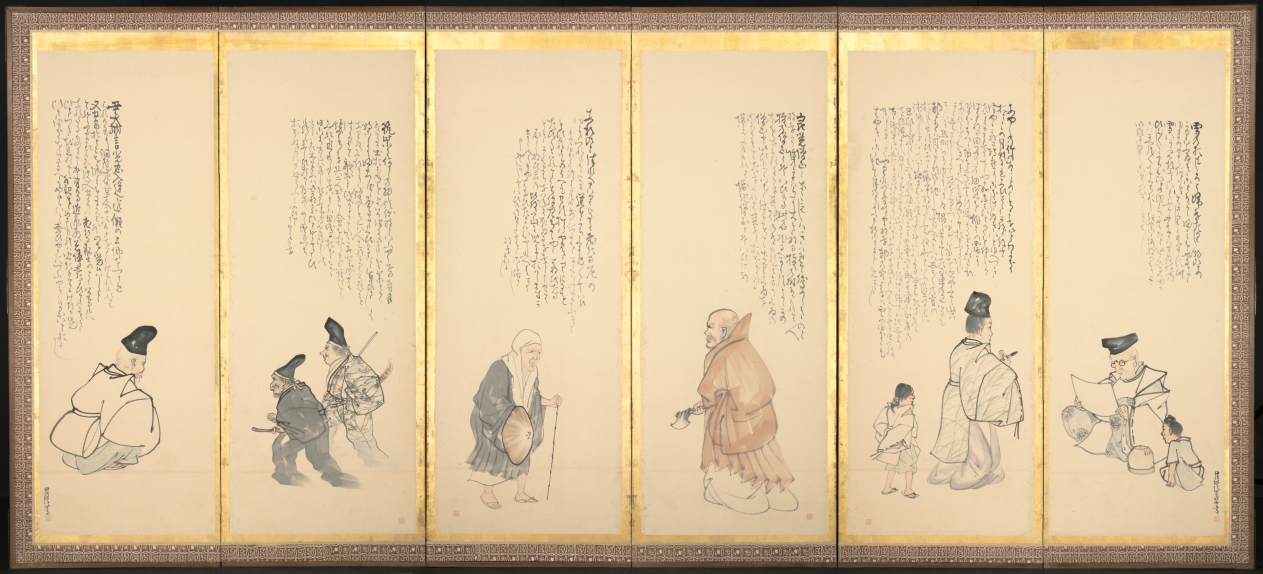
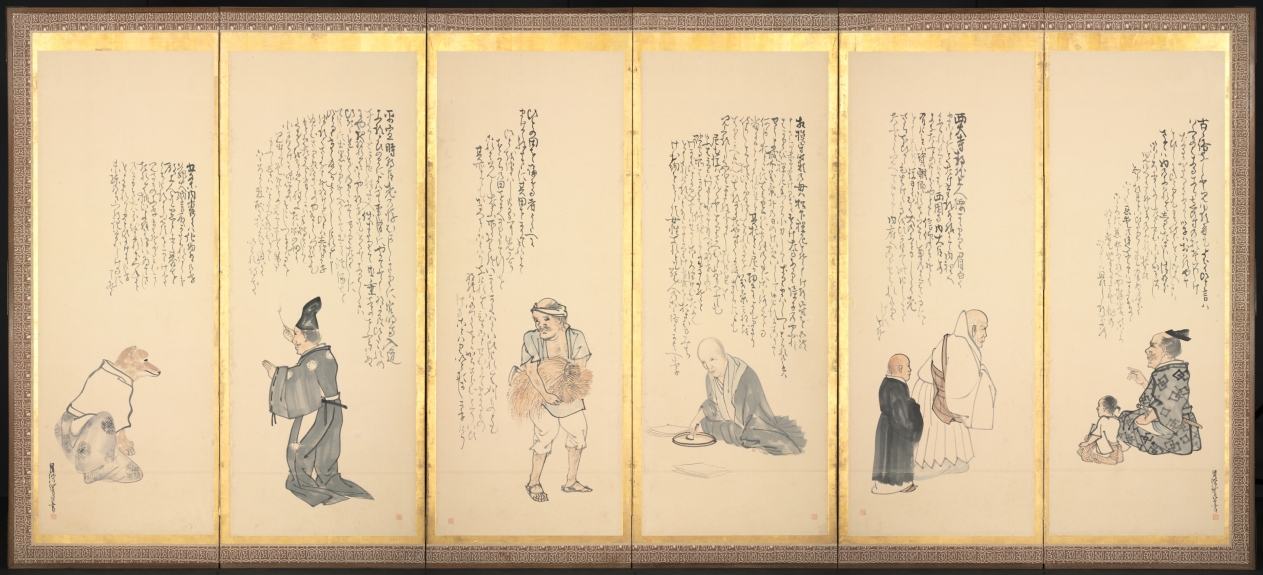
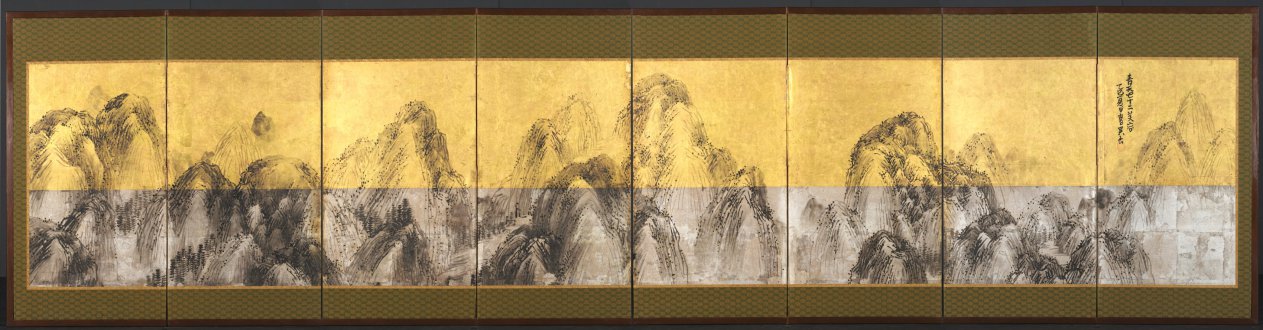
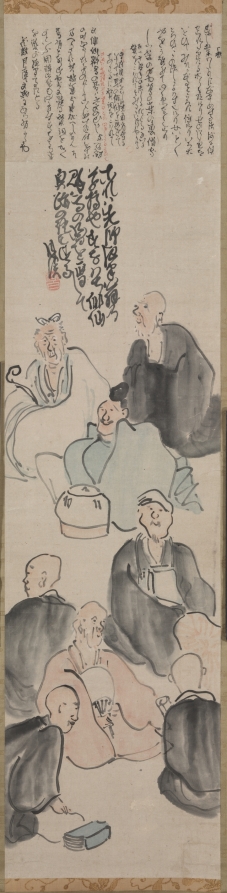
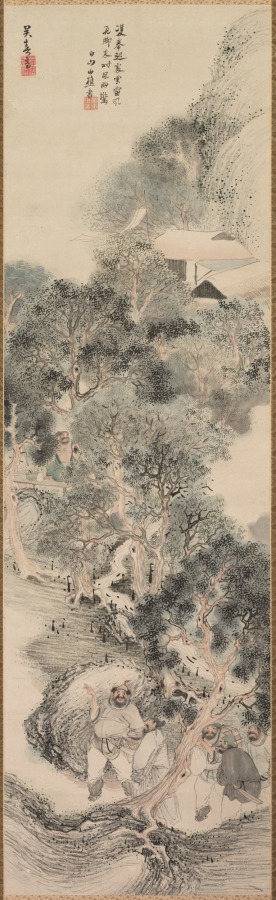
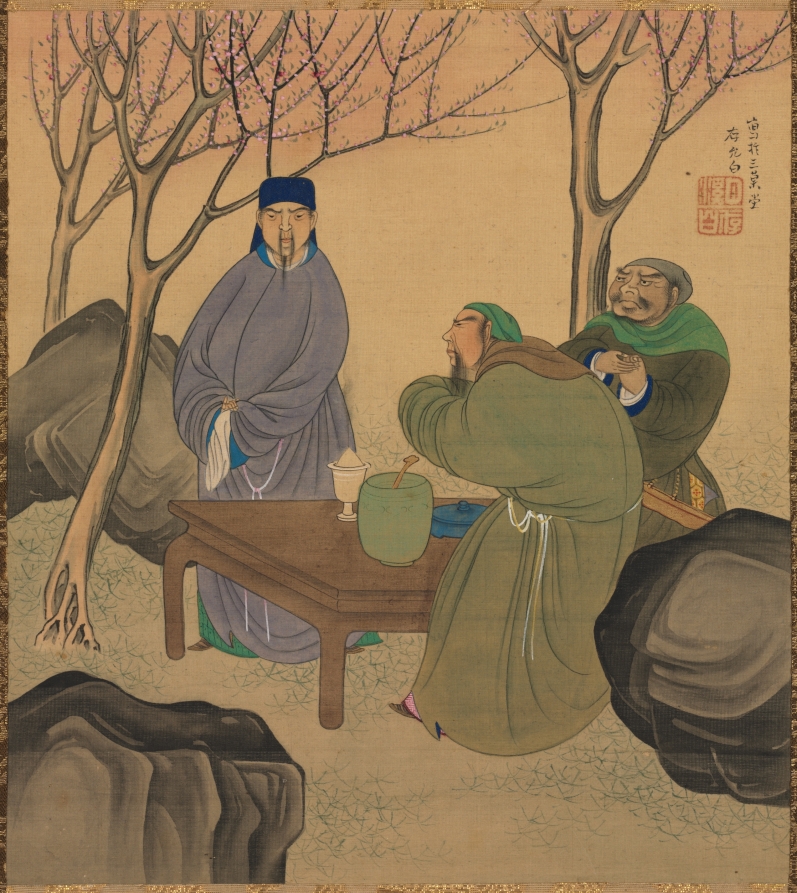
Denna blandning av stilar ledde till Shijō-skolan, en riktning som prioriterade en mjukare och mer subjektiv realism. Goshun arbetade ofta i mindre format och föredrog enkla kompositioner framför storslagna, myllrande scener. Hans penselföring har en litterär prägel, vilket märks i hans Snow Landscape och skildringar av landsbygdslivet. Han skapade även stora verk, som bondescenerna på skjutdörrarna i klostret Nishi-Hongwan-ji, men hans förkärlek för anspråkslösa dukar präglade hans produktion. Han fokuserade på att fånga en särskild atmosfär med återhållsam användning av tusch och färg.
För den moderna samlaren balanserar Goshuns verk formell teknik med känslomässig värme. De undviker den akademiska målningens stelhet. Shijō-skolans estetik passar i moderna interiörer genom sin användning av öppna ytor och naturliga motiv. Hans årstidsstudier och stillsamma iakttagelser av naturen skapar en lugn närvaro. Förmågan att antyda en hel miljö med några få penseldrag gör trycken lämpliga för den som uppskattar återhållsamma kompositioner.
Viktiga verk
Tryck för att förstora.
Nästa anhalt
Utforska konstriktningarna →
Alla konstriktningar i samlingen, från renässansen till popkonsten.
Konsttryck av Matsumura Goshun
Handfärdigställda arkivtryck ur Matsumura Goshuns konstnärskap.


Ta hem Matsumura Goshun.
Se alla konsttryck av Matsumura Goshun →Vanliga frågor
Vad är Matsumura Goshun känd för?
Matsumura Goshun grundade Shijō-skolan genom att förena Yosa Busons poetiska literatstil med Maruyama Ōkyos objektiva realism i Kyoto på 1700-talet.