

Samling
Utagawa Toyokuni I
Utforska utvalda konsttryck för unika hem och medvetna inredningar.
Föreslagna filter
-
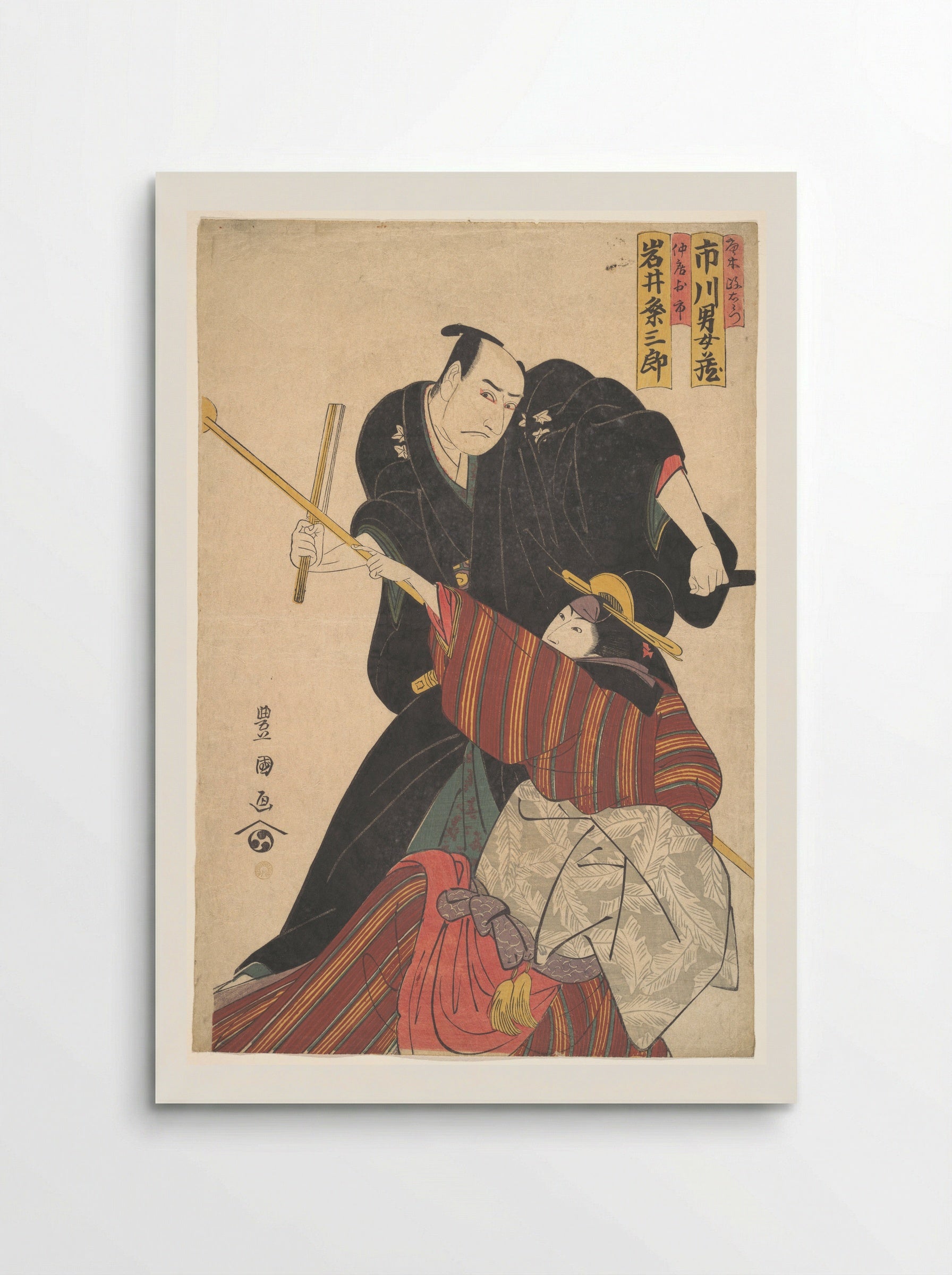 Scen ur ett drama - Utagawa Toyokuni I
Print
Ordinarie pris Från £28.00 GBPReapris Från £28.00 GBP Ordinarie pris -
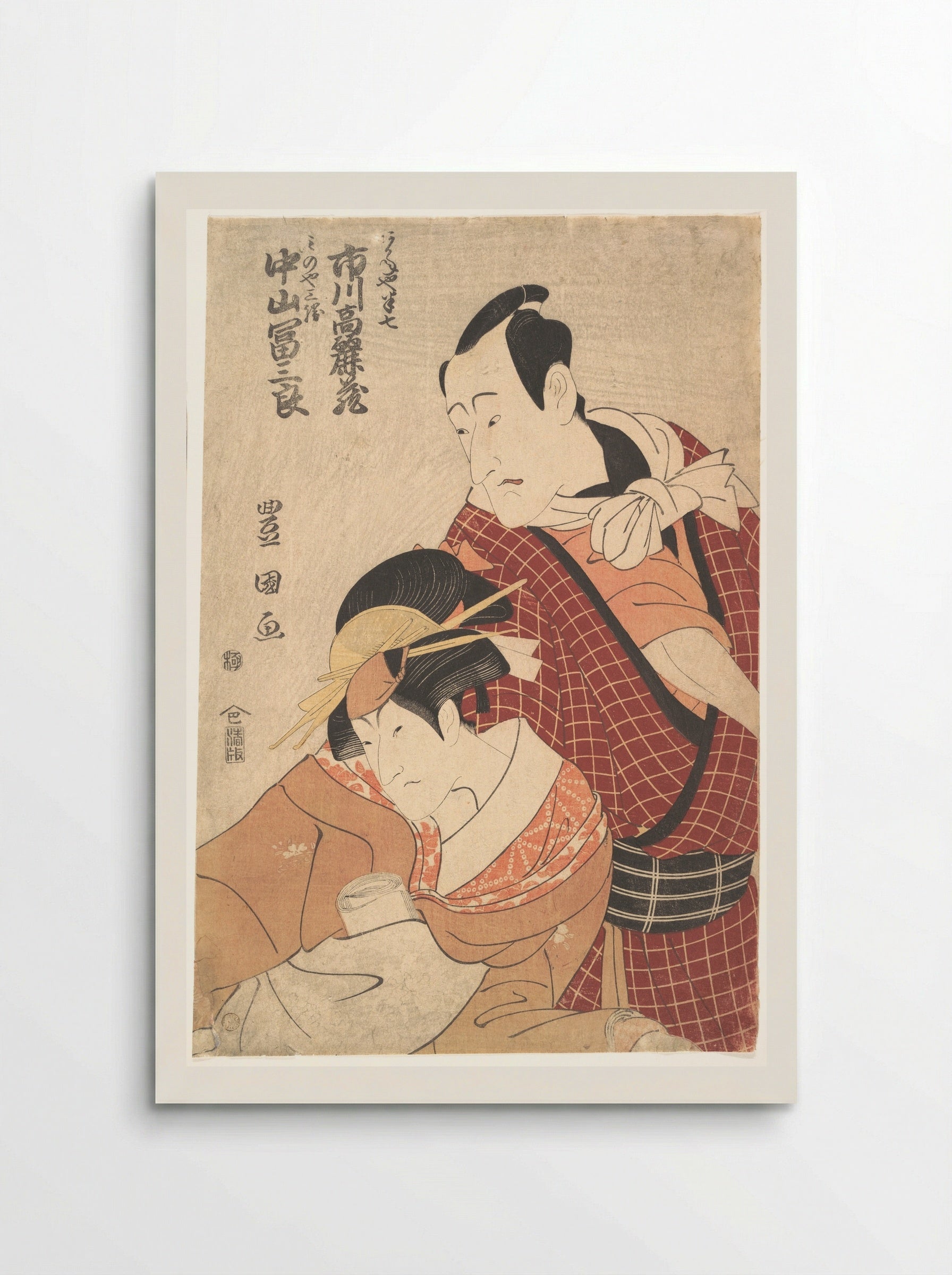 Ichikawa Komazō II i rollen som Akaneya Hanshichi från pjäsen Hadesugata On'a Maiginu - Utagawa Toyokuni I
Print
Ordinarie pris Från £28.00 GBPReapris Från £28.00 GBP Ordinarie pris -
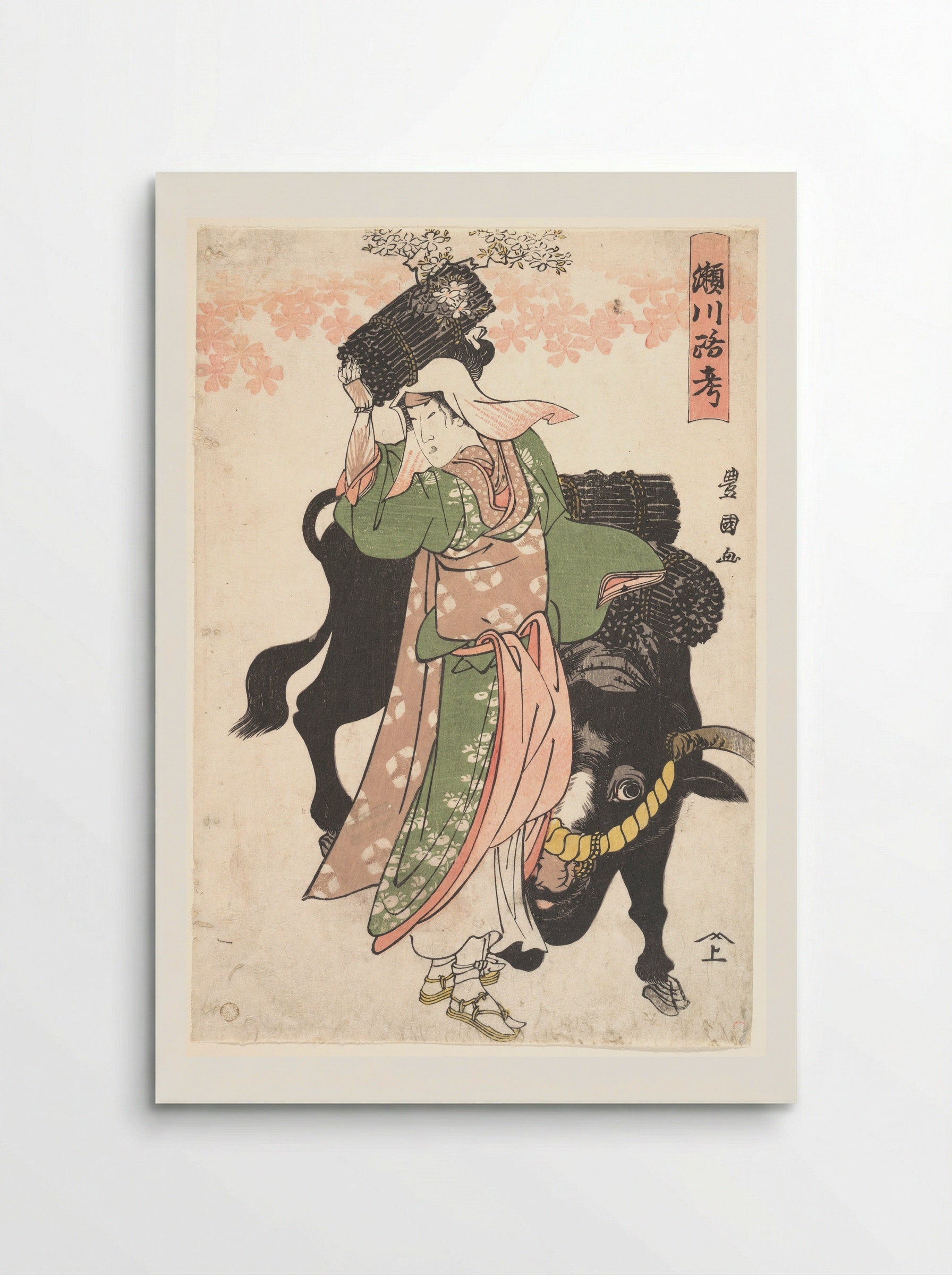 Skådespelaren Segawa Roko som vedhandlaren Ohara leder en oxe - Utagawa Toyokuni I
Print
Ordinarie pris Från £28.00 GBPReapris Från £28.00 GBP Ordinarie pris -
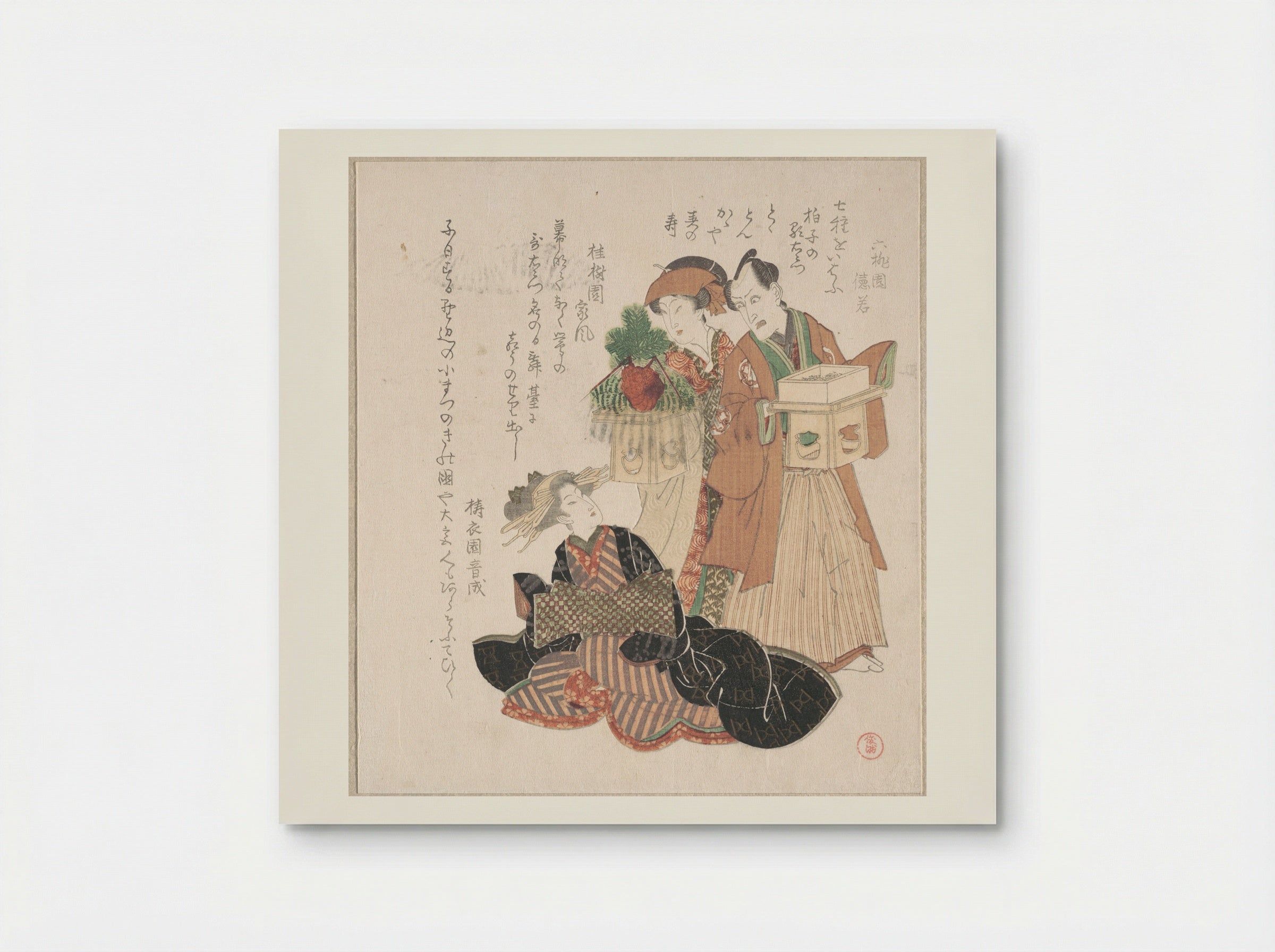 Skådespelaren Nakamura Utayemon med två kvinnor som förbereder sig för nyårsceremonin - Utagawa Toyokuni I
Print
Ordinarie pris Från £37.00 GBPReapris Från £37.00 GBP Ordinarie pris -
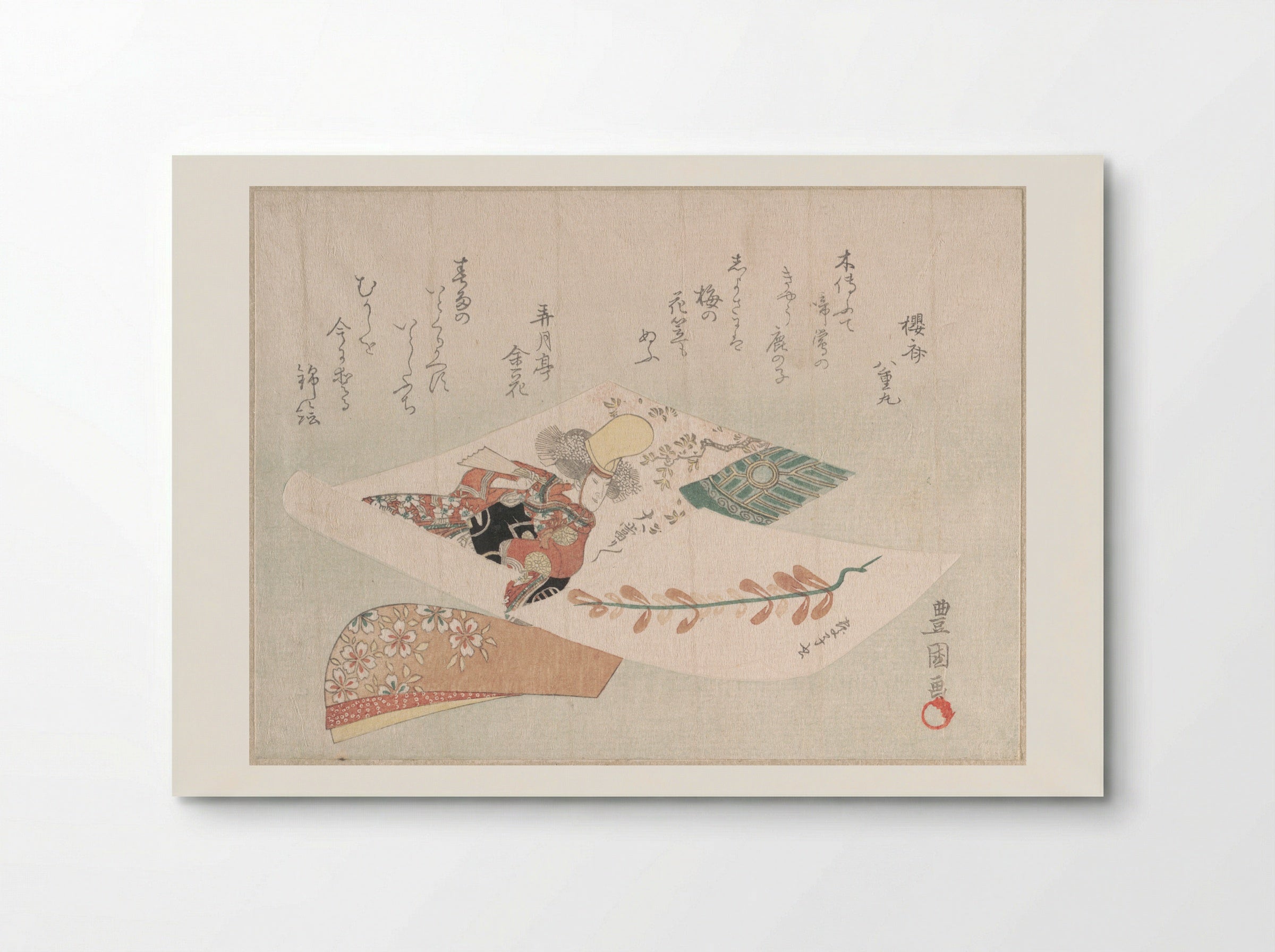 Föreställning av danspjäsen _Dōjōji_ - Utagawa Toyokuni I
Print
Ordinarie pris Från £28.00 GBPReapris Från £28.00 GBP Ordinarie pris -
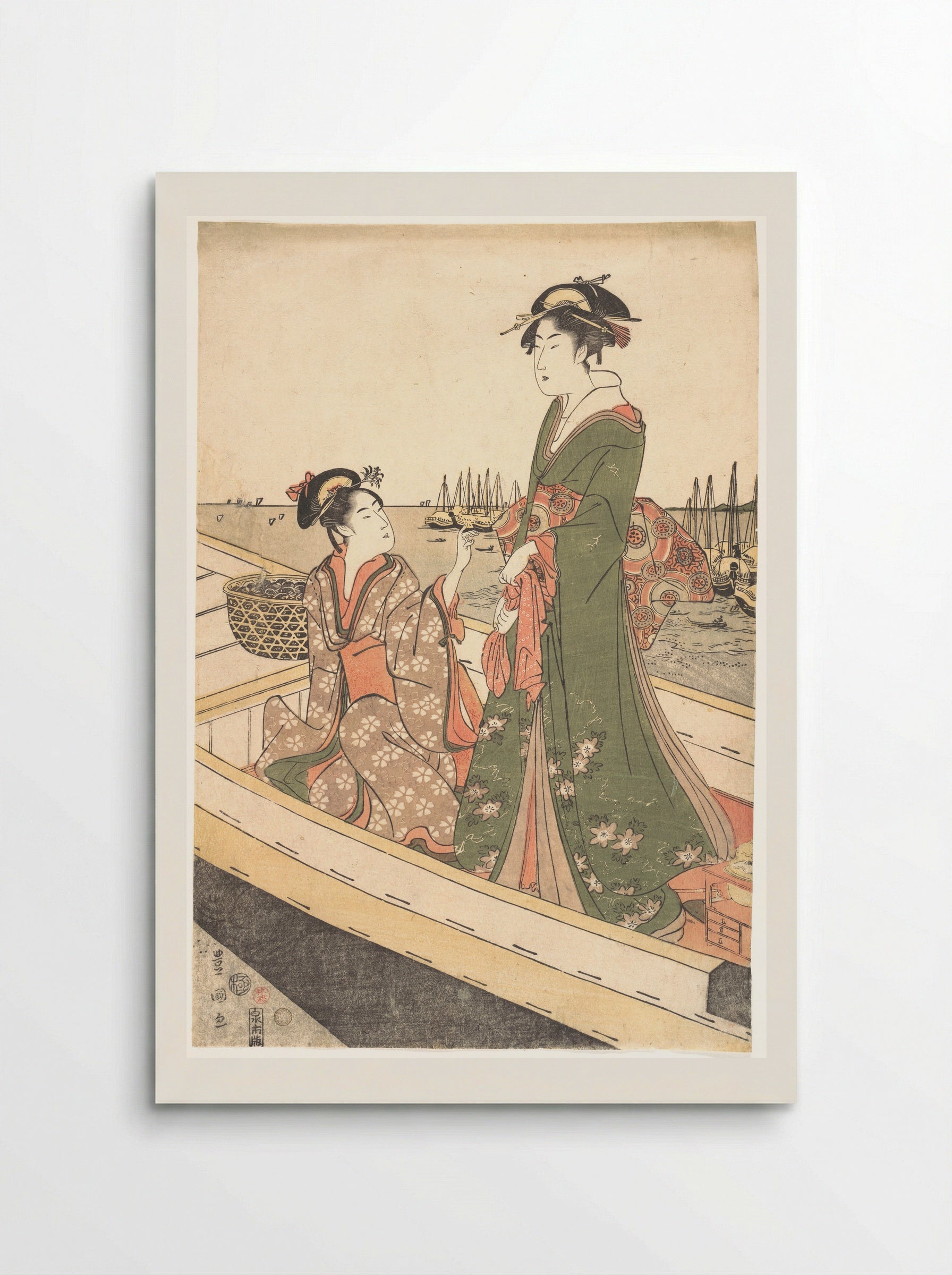 Två kvinnor i en båt; en håller en korg med musslor - Utagawa Toyokuni I
Print
Ordinarie pris Från £28.00 GBPReapris Från £28.00 GBP Ordinarie pris -
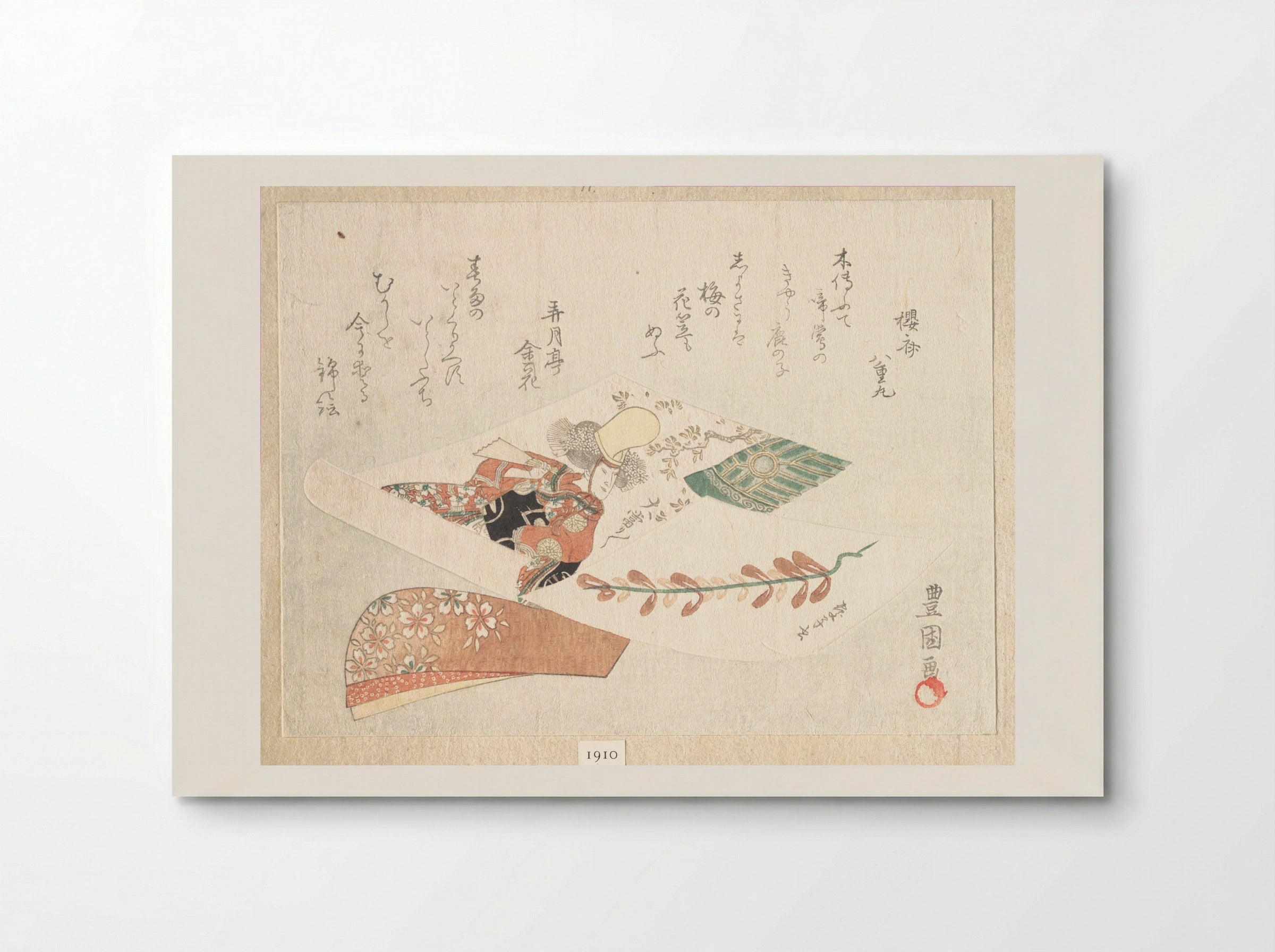 Bild av en Kabuki-dansare från "Jungfrun i Dōjōji-templet" (Musume Dōjōji) - Utagawa Toyokuni I
Print
Ordinarie pris Från £28.00 GBPReapris Från £28.00 GBP Ordinarie pris -
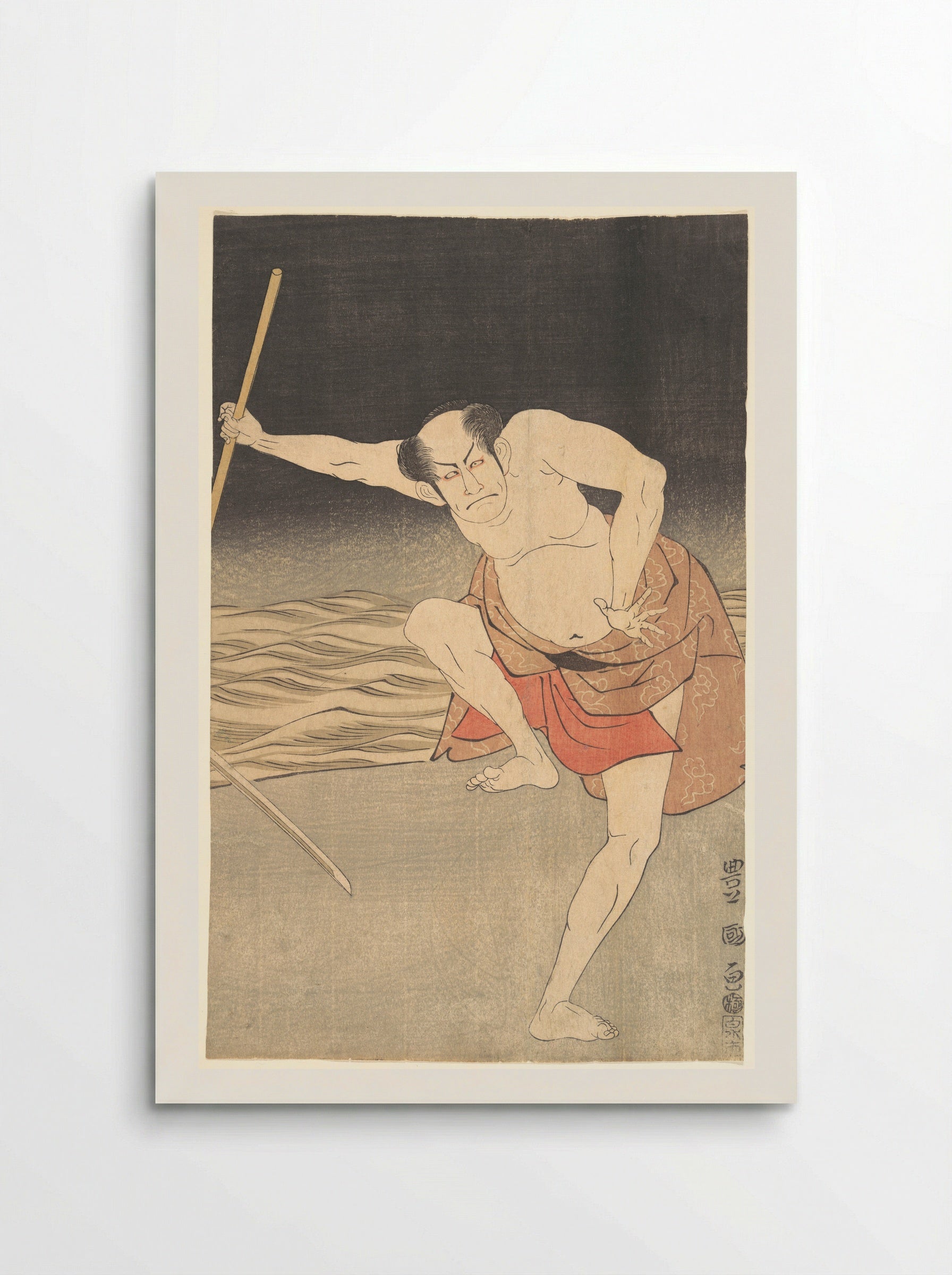 En skådespelare vid vatten – Utagawa Toyokuni I
Print
Ordinarie pris Från £28.00 GBPReapris Från £28.00 GBP Ordinarie pris -
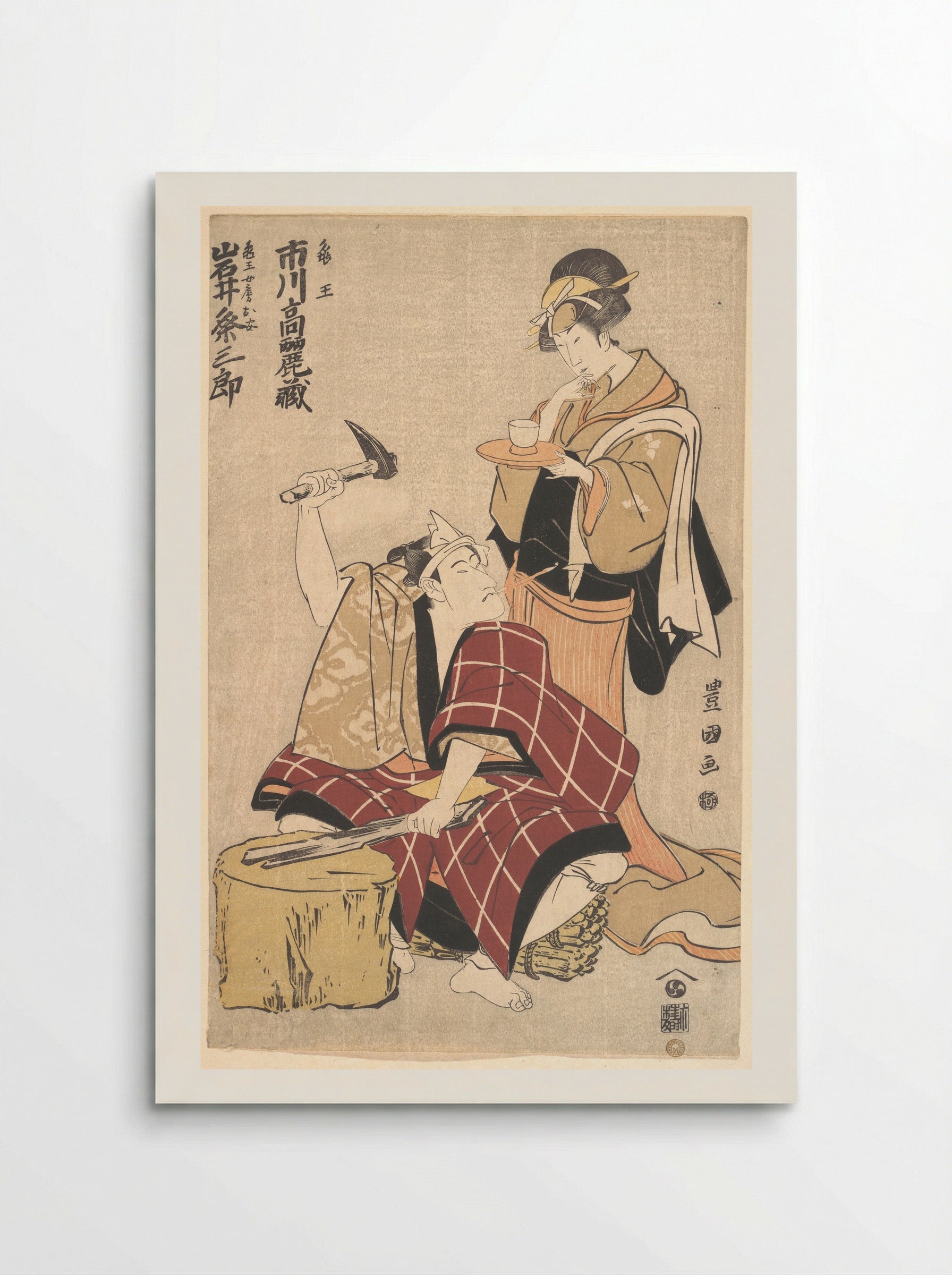 Ichikawa Komazō III i rollen som Kameō med Iwai Kumesaburō i rollen som Kameōs hustru, Oyasu, från pjäsen Shunkan futatsu omokage – Utagawa Toyokuni I
Print
Ordinarie pris Från £28.00 GBPReapris Från £28.00 GBP Ordinarie pris -
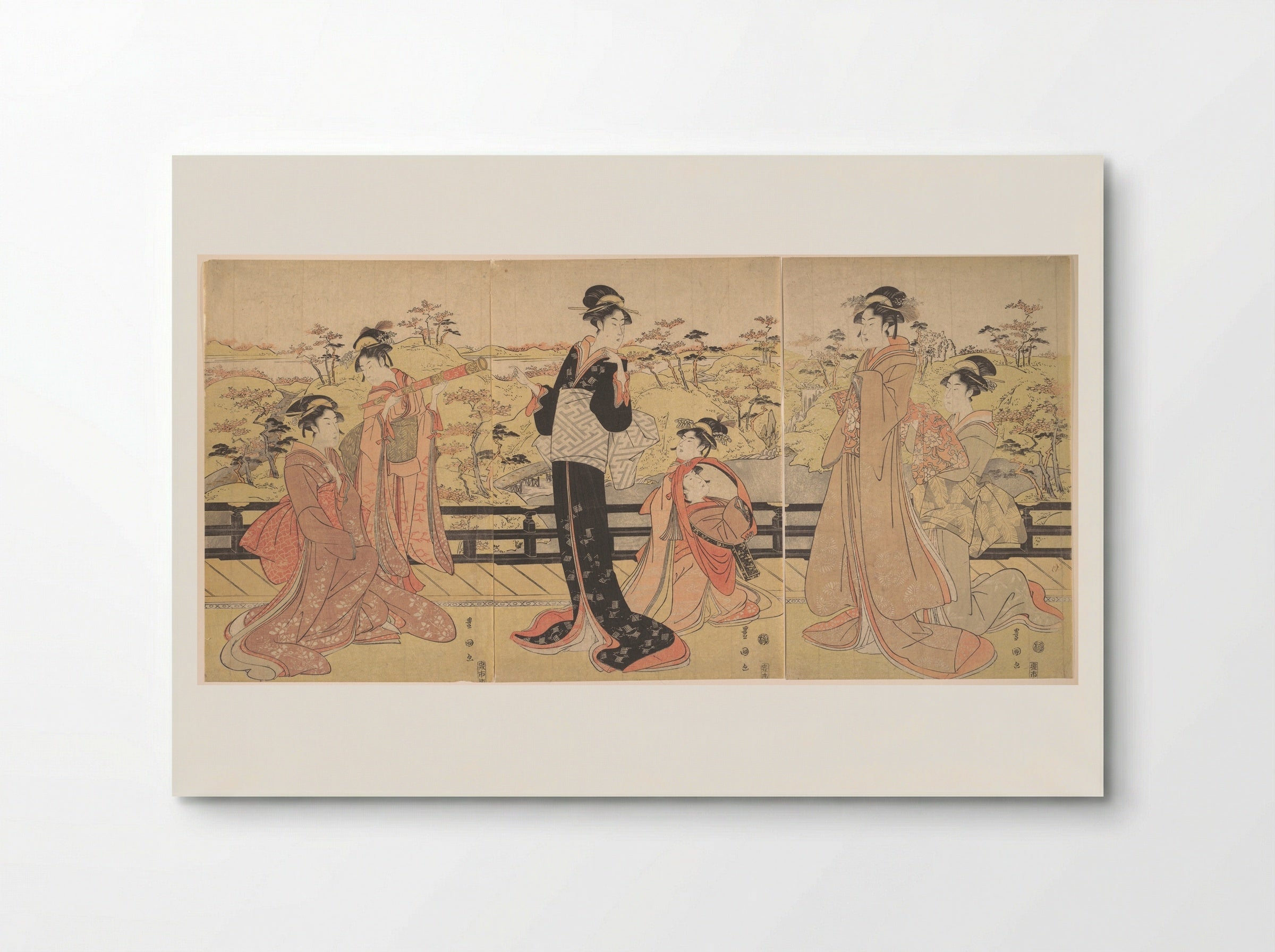 Kvinnor på en veranda - Utagawa Toyokuni I
Print
Ordinarie pris Från £28.00 GBPReapris Från £28.00 GBP Ordinarie pris -
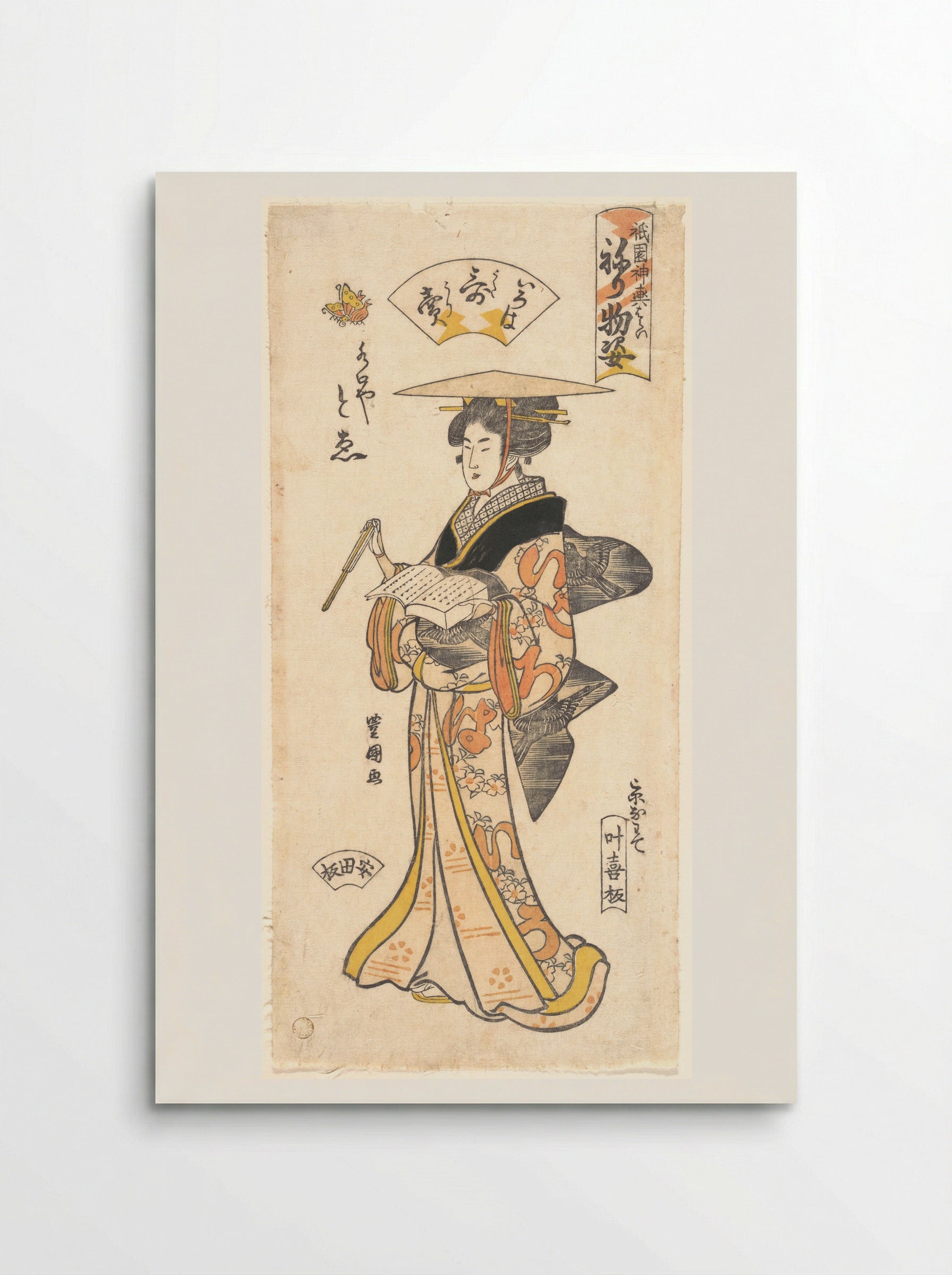 Geishan To’e som diktförsäljare, ur serien Kostymparad vid Gionfestivalen (Gion mikoshi arai nerimono sugata) – Utagawa Toyokuni I
Print
Ordinarie pris Från £28.00 GBPReapris Från £28.00 GBP Ordinarie pris -
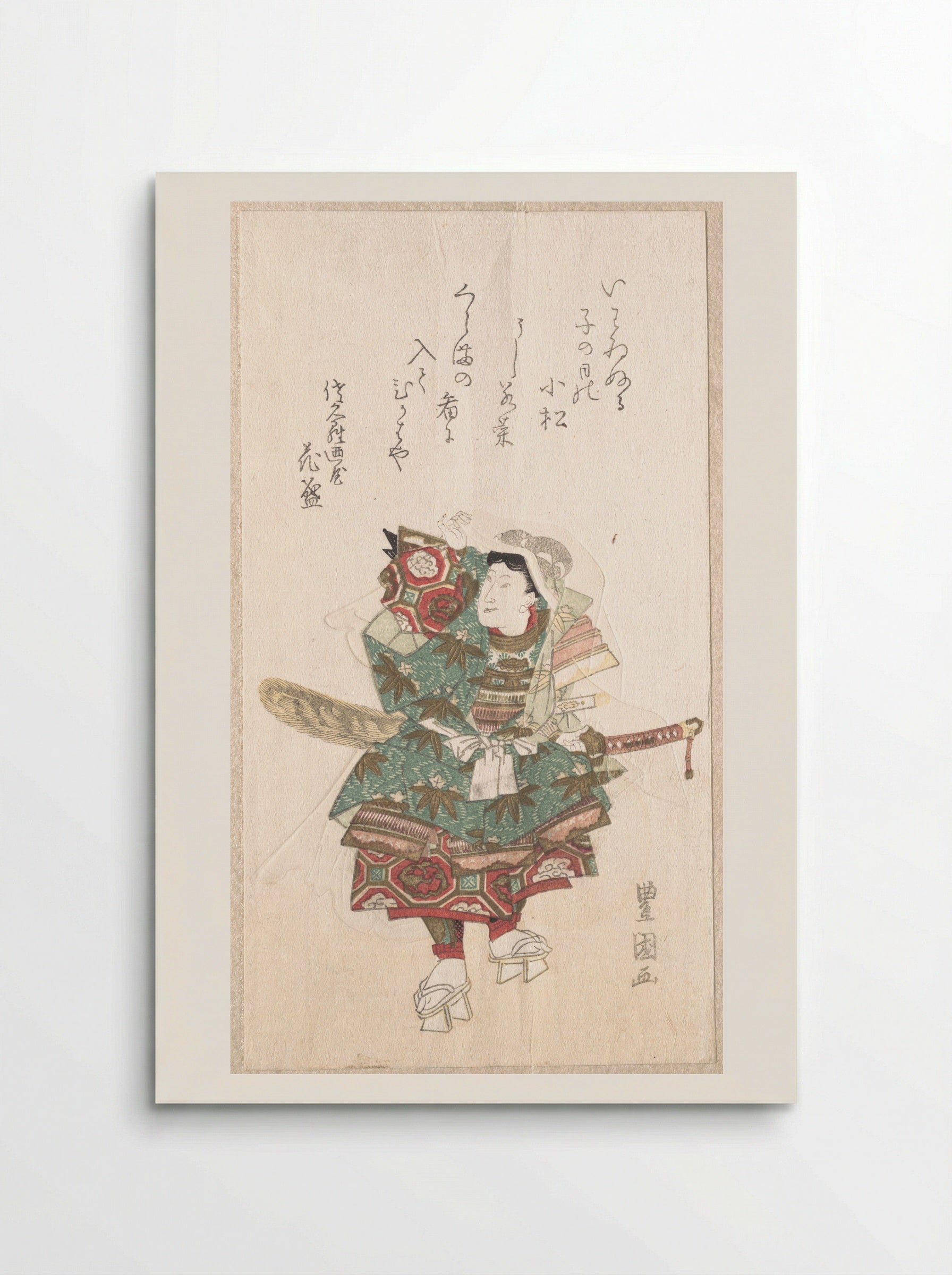 Ushiwaka-maru i rustning - Utagawa Toyokuni I
Print
Ordinarie pris Från £28.00 GBPReapris Från £28.00 GBP Ordinarie pris -
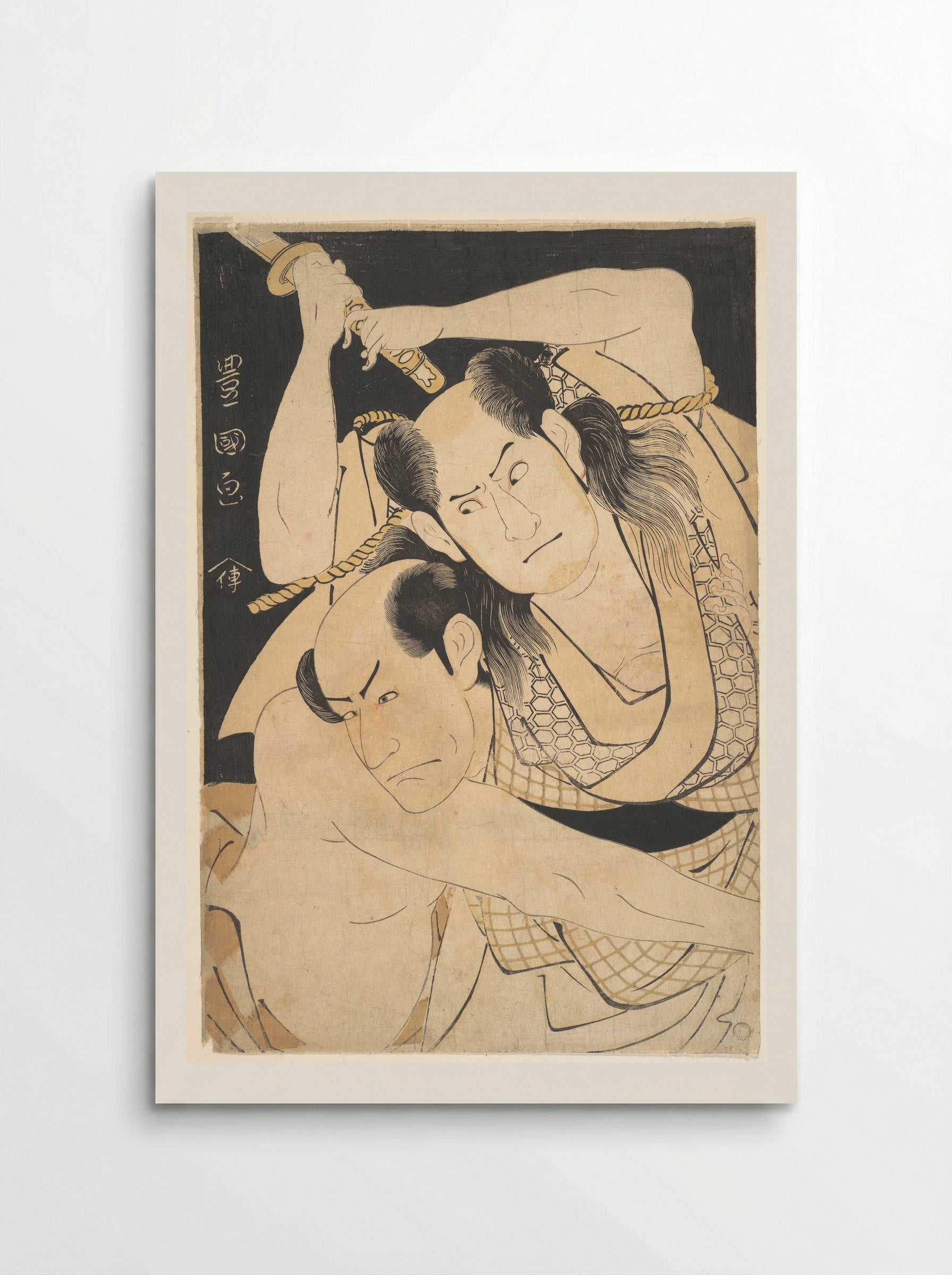 Skådespelarna Sawamura Sōjūrō III håller ett svärd uppåt, och Arashi Shichigorō III som stridande hjältar - Utagawa Toyokuni I
Print
Ordinarie pris Från £28.00 GBPReapris Från £28.00 GBP Ordinarie pris -
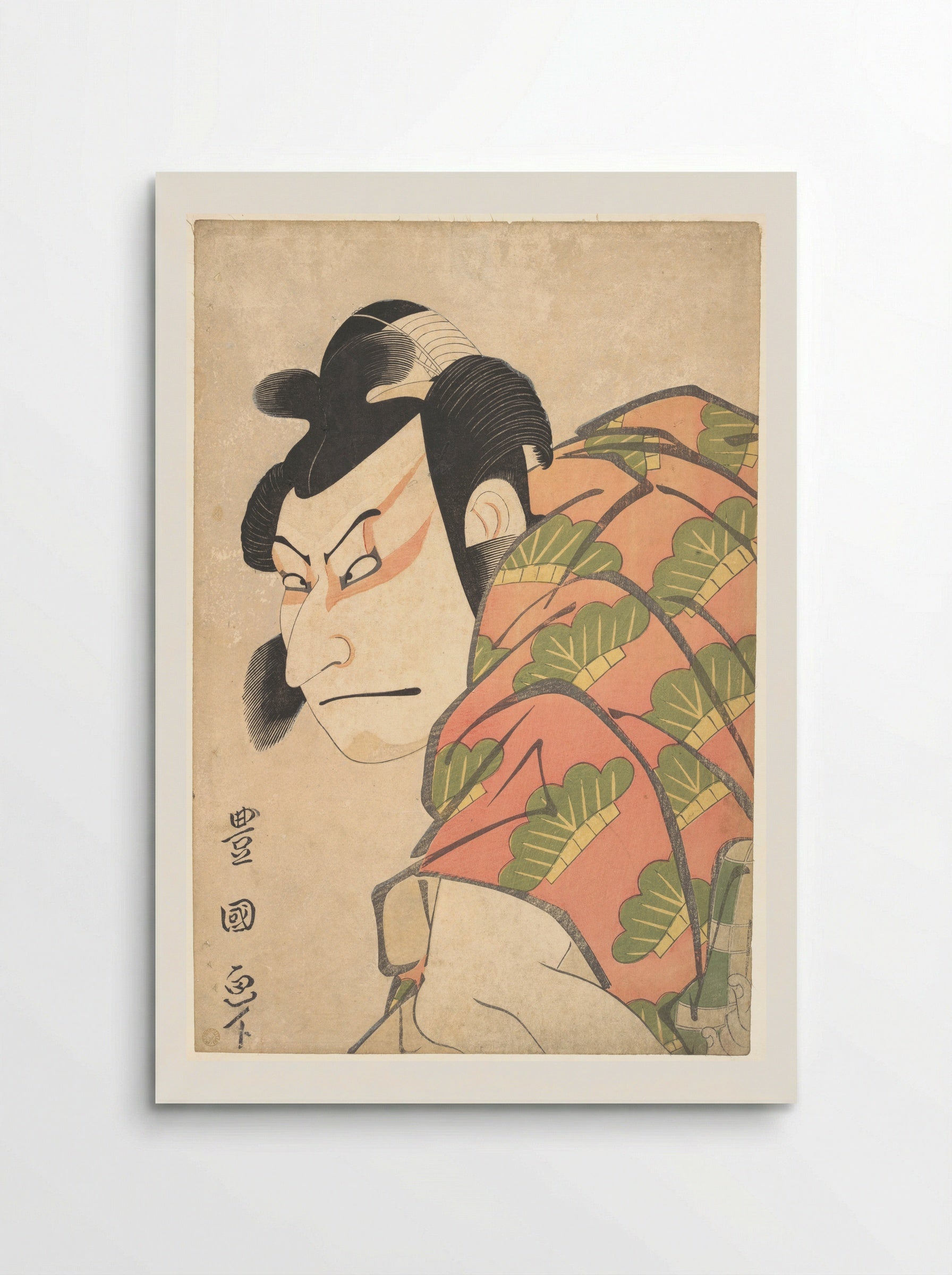 Nakamura Nakazo II som Matsuo-maru - Utagawa Toyokuni I
Print
Ordinarie pris Från £28.00 GBPReapris Från £28.00 GBP Ordinarie pris -
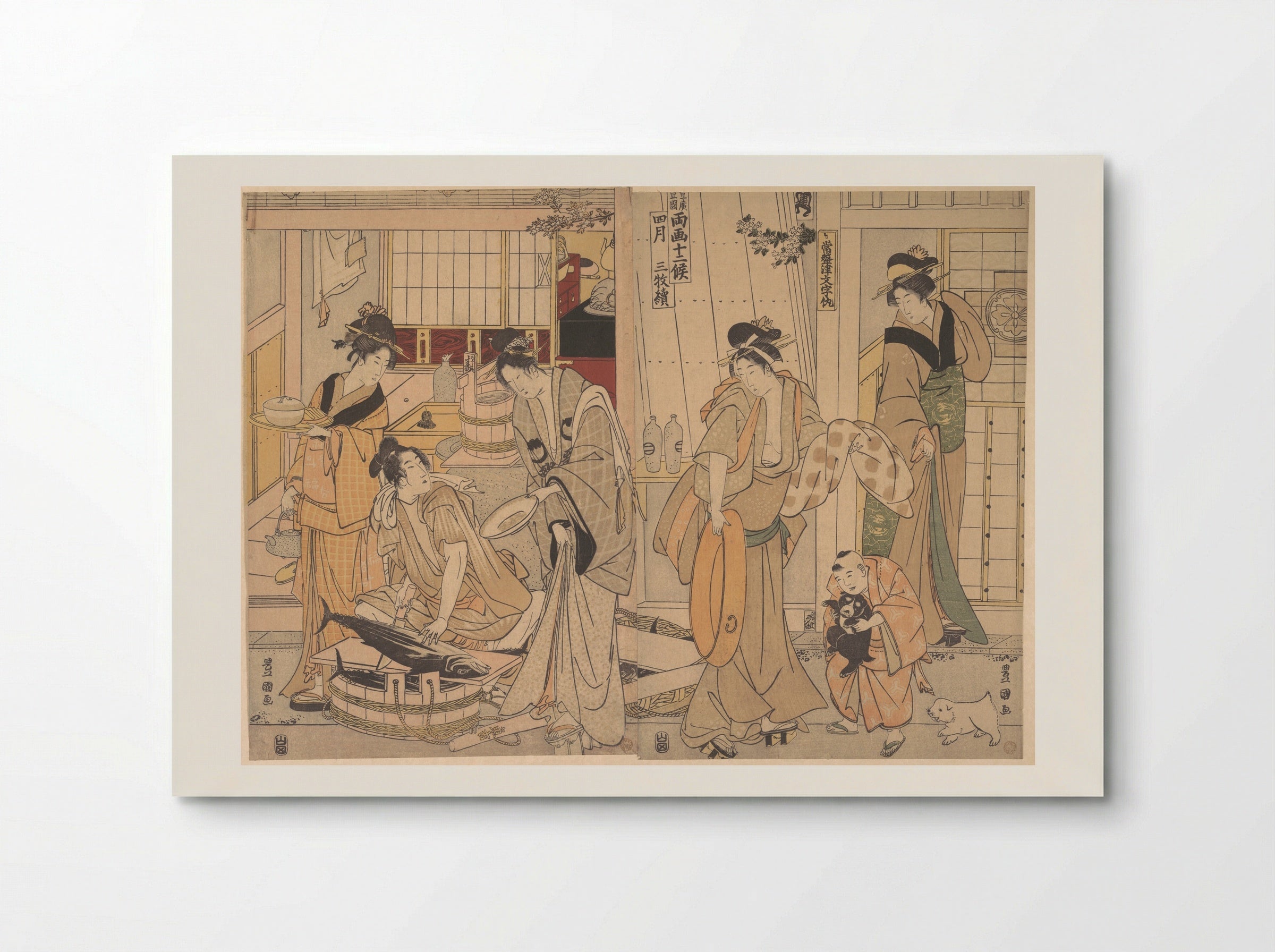 Fjärde månaden – Utagawa Toyokuni I
Print
Ordinarie pris Från £28.00 GBPReapris Från £28.00 GBP Ordinarie pris -
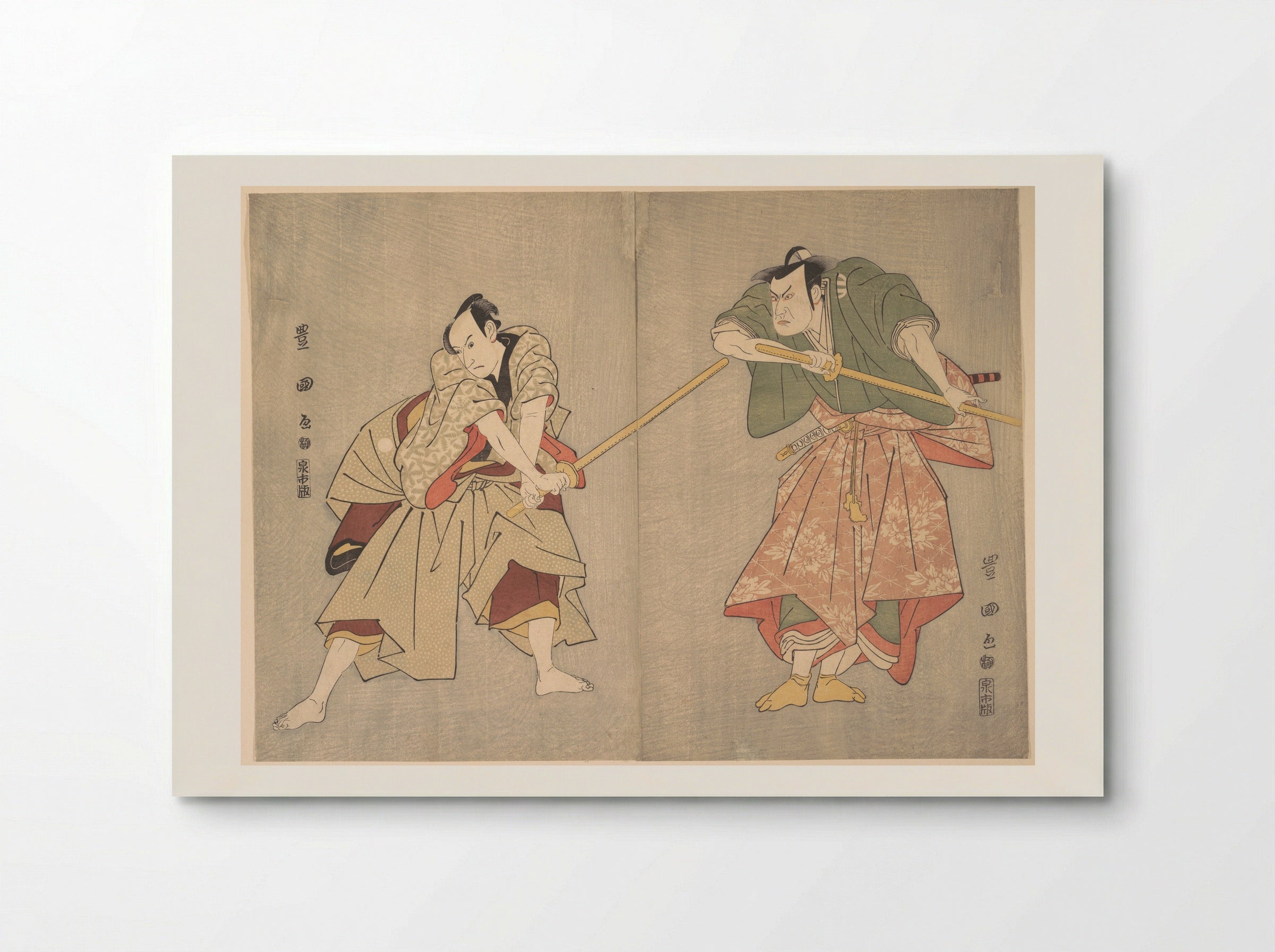 Scen från ett oidentifierat drama - Utagawa Toyokuni I
Print
Ordinarie pris Från £28.00 GBPReapris Från £28.00 GBP Ordinarie pris -
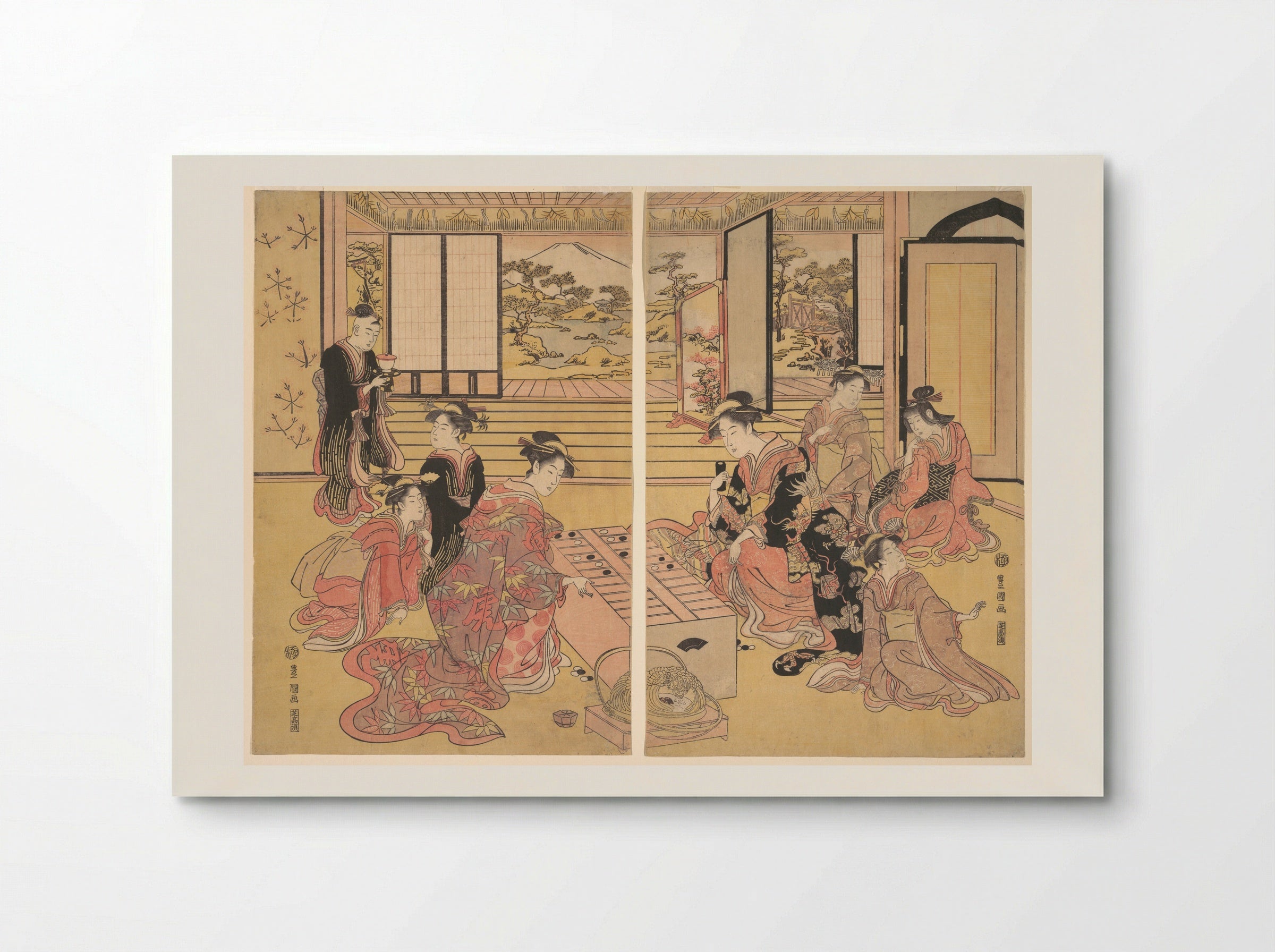 Två unga kvinnor spelar sugoroku - Utagawa Toyokuni I
Print
Ordinarie pris Från £28.00 GBPReapris Från £28.00 GBP Ordinarie pris -
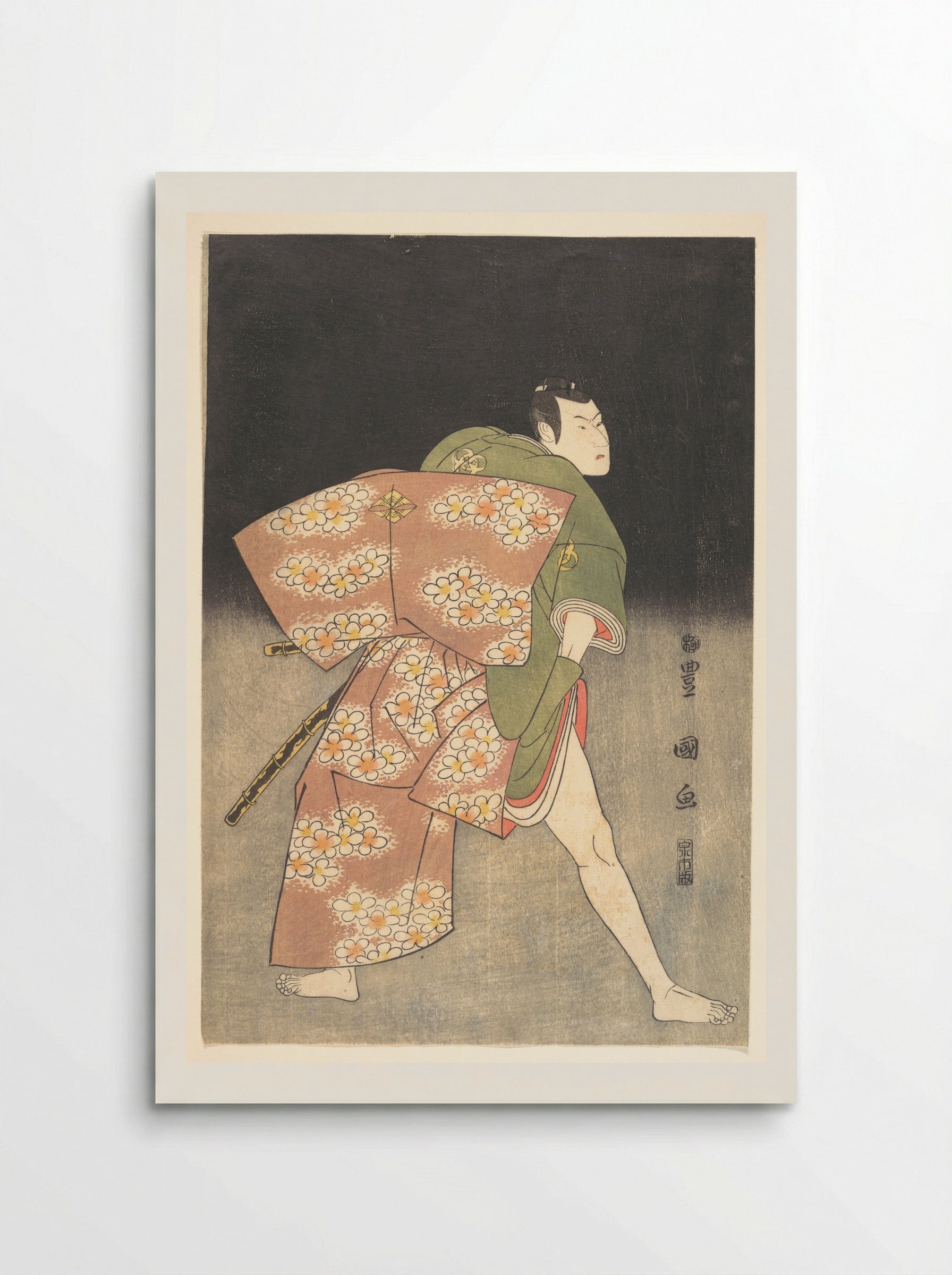 Bandō Minosuke (Mitsugorō III) i rollen som en ung samuraj - Utagawa Toyokuni I
Print
Ordinarie pris Från £28.00 GBPReapris Från £28.00 GBP Ordinarie pris -
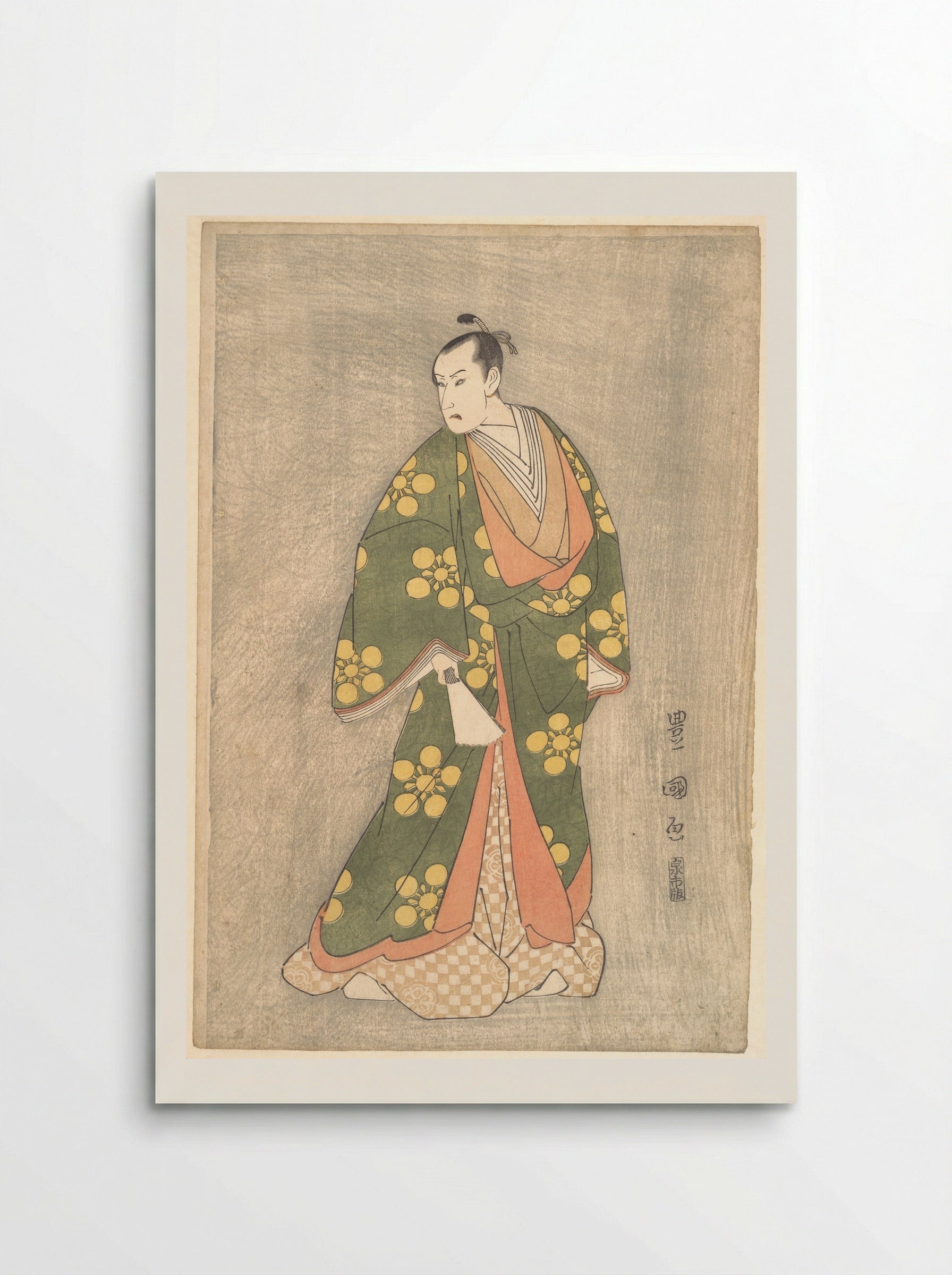 Bandō Hikosaburō III i rollen som Sugawara no Michizane - Utagawa Toyokuni I
Print
Ordinarie pris Från £28.00 GBPReapris Från £28.00 GBP Ordinarie pris -
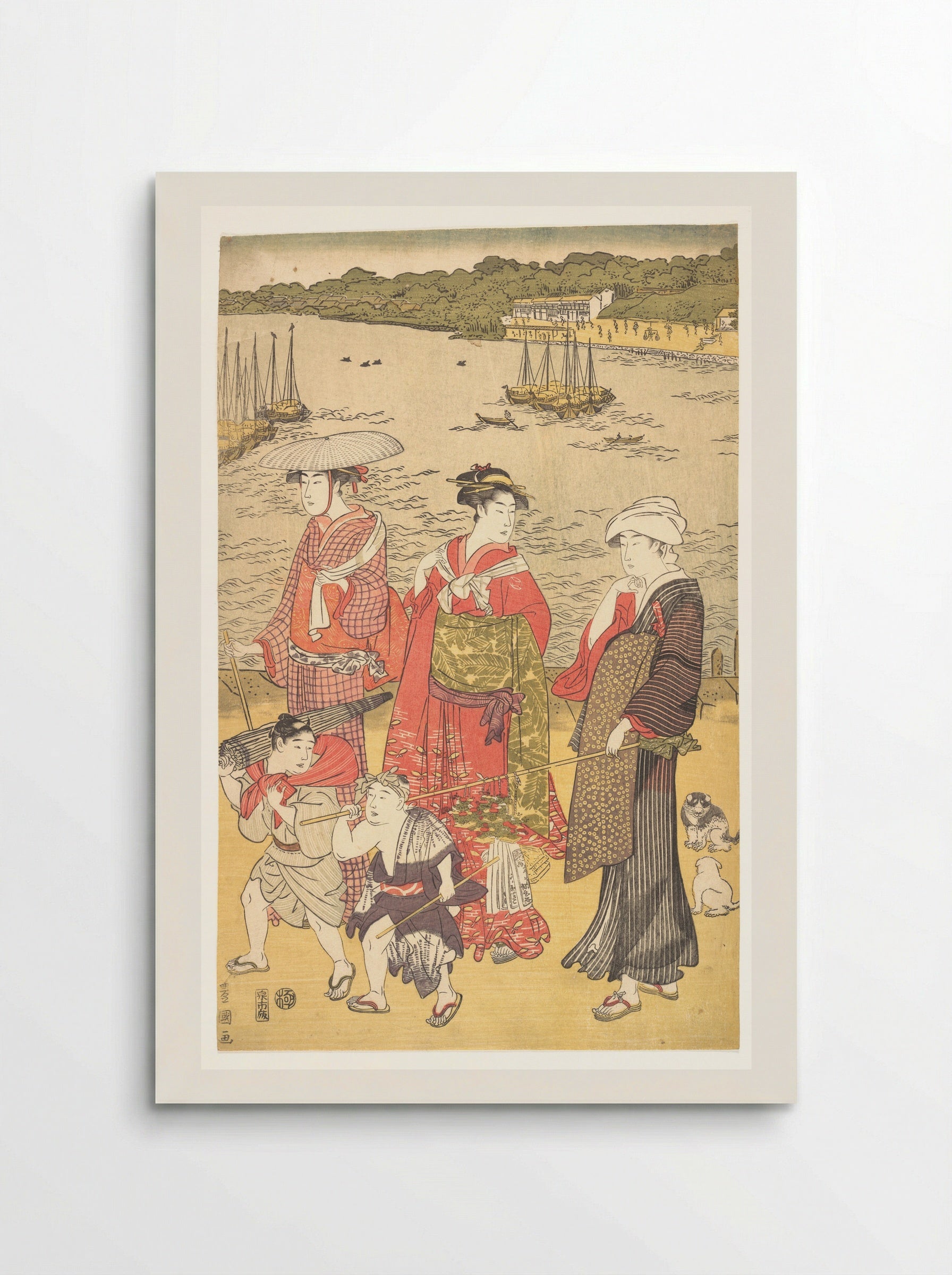 Kvinnor på Takanawa strand - Utagawa Toyokuni I
Print
Ordinarie pris Från £28.00 GBPReapris Från £28.00 GBP Ordinarie pris -
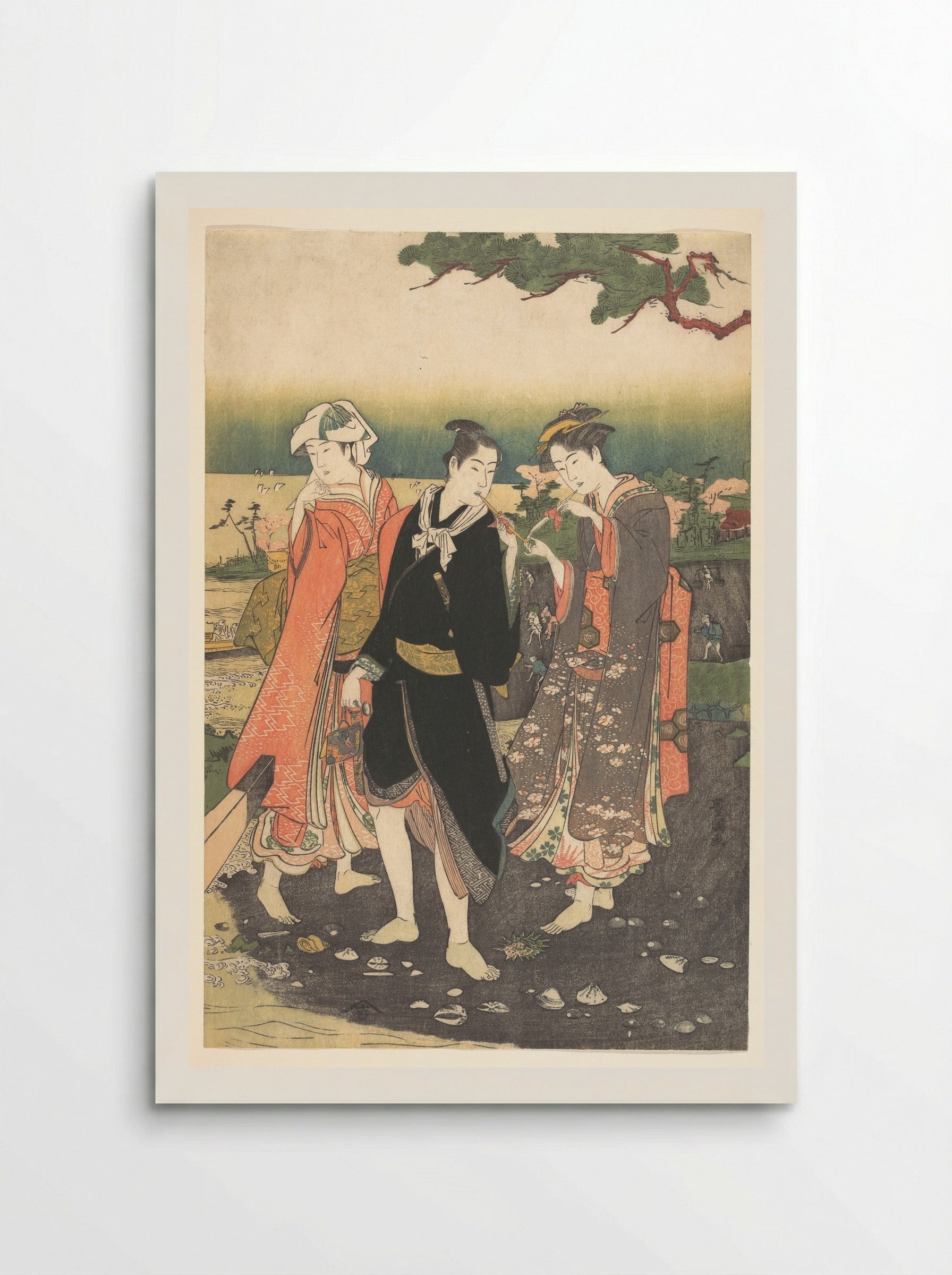 Vid Shinagawa-stranden vid ebb – Utagawa Toyokuni I
Print
Ordinarie pris Från £28.00 GBPReapris Från £28.00 GBP Ordinarie pris -
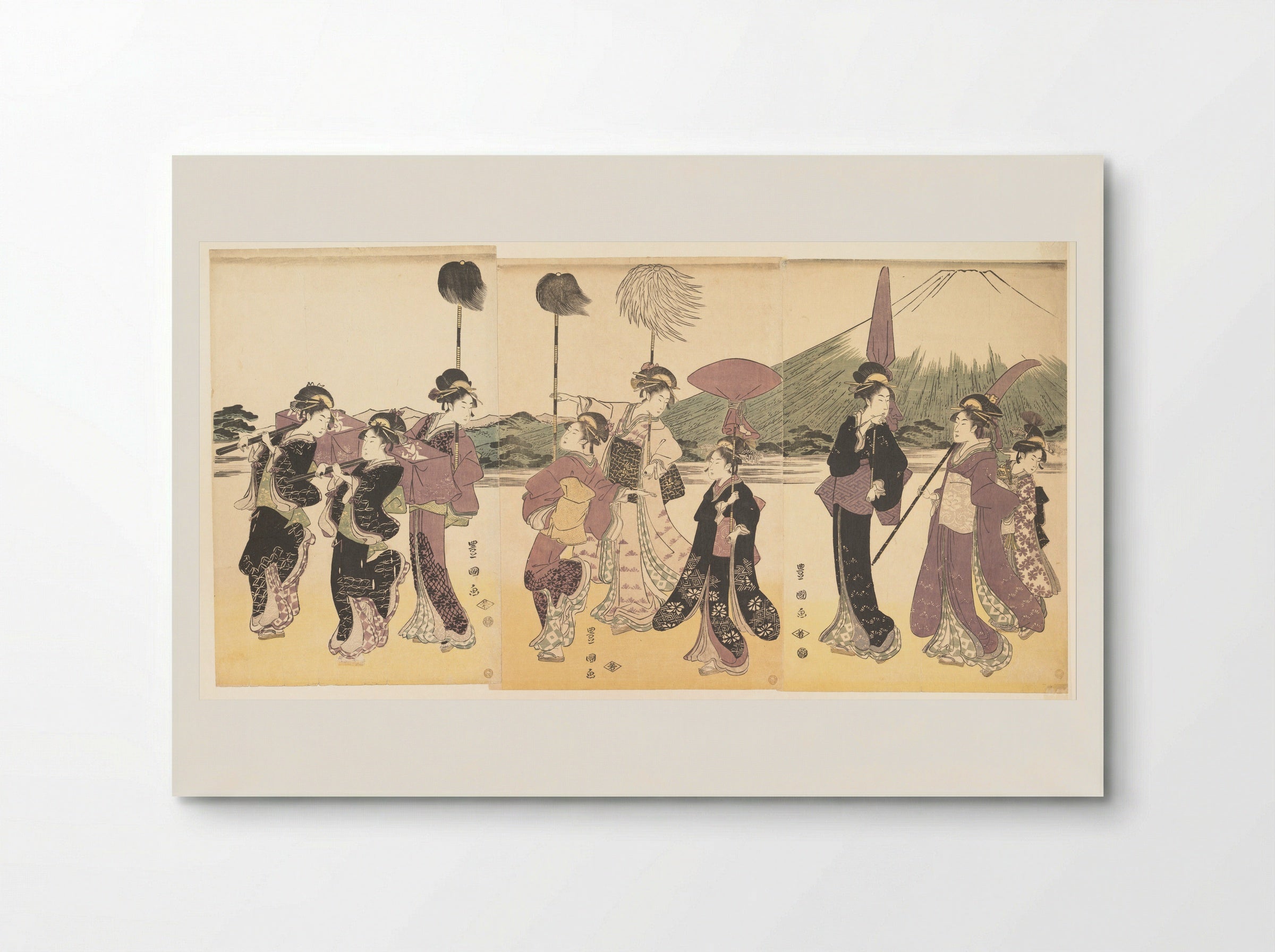 Kvinnor som paraderar i en imitation av en daimyos procession - Utagawa Toyokuni I
Print
Ordinarie pris Från £28.00 GBPReapris Från £28.00 GBP Ordinarie pris -
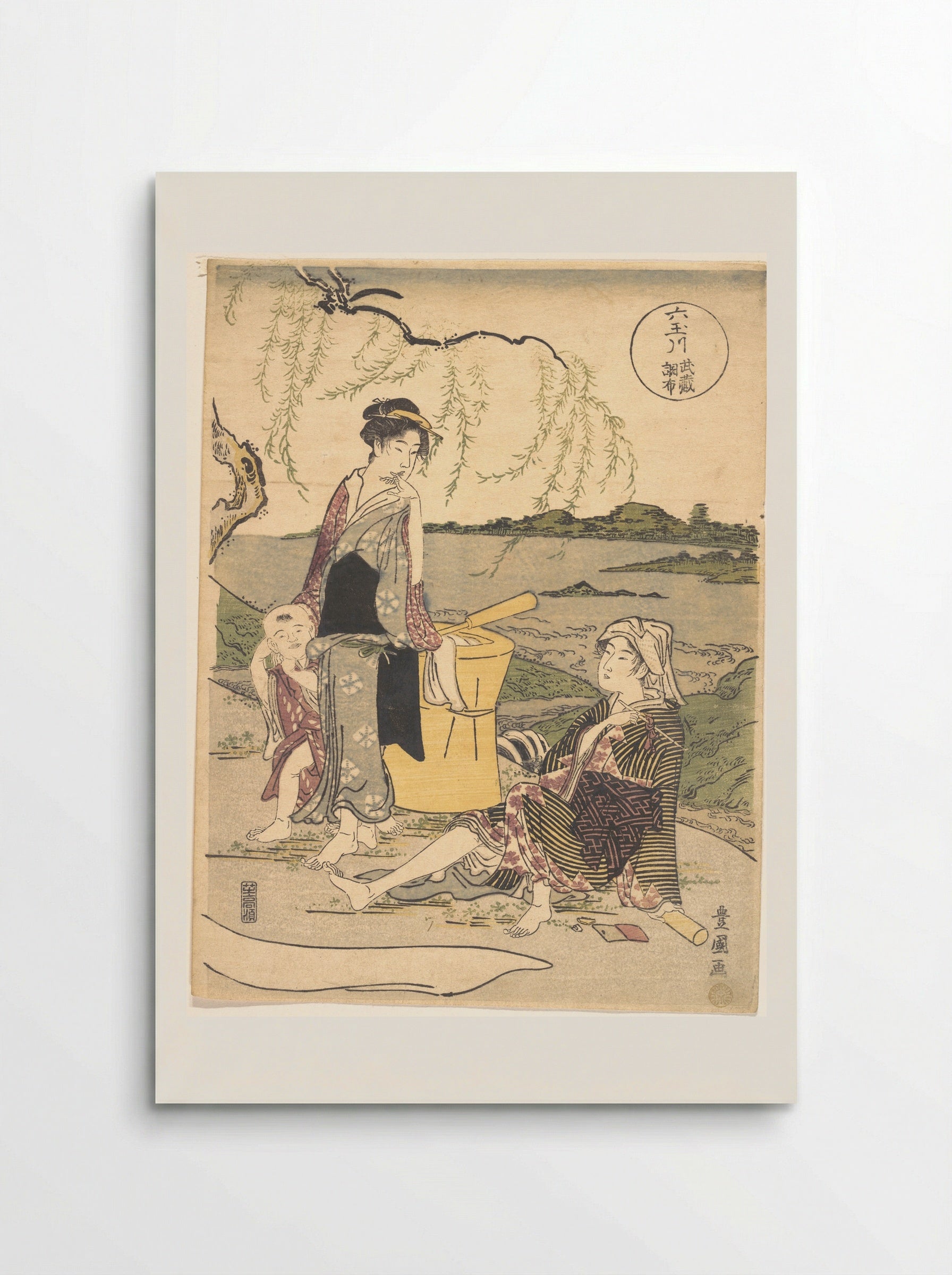 Chofu no Tamagawa - Utagawa Toyokuni I
Print
Ordinarie pris Från £28.00 GBPReapris Från £28.00 GBP Ordinarie pris -
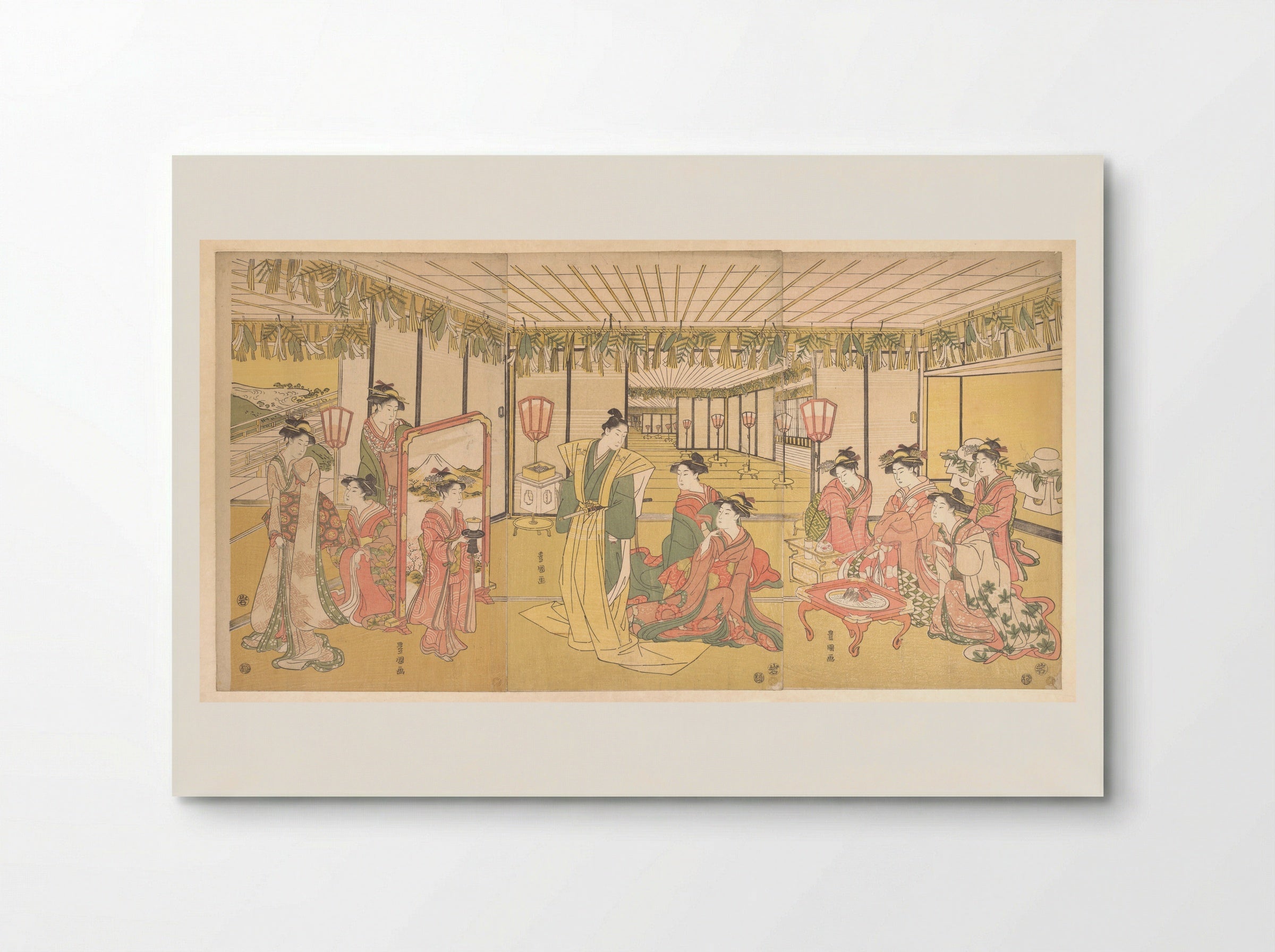 Nyårsfirande i ett stort gods – Utagawa Toyokuni I
Print
Ordinarie pris Från £28.00 GBPReapris Från £28.00 GBP Ordinarie pris

Artist Biography
Utagawa Toyokuni I
"My pictures are merely something that I draw, and nothing more than that." Toyokuni's self-assessment was modest to the point of dishonesty. He transformed kabuki actor portraiture from stiff formal likenesses into dynamic images of performers in character on stage, and in doing so built the most commercially powerful woodblock print studio in Edo.
He was born in 1769, the son of a puppet maker. He studied under Utagawa Toyoharu, founder of the Utagawa school, and followed convention by taking one syllable of his master's name. His early work synthesised the styles of Utamaro, Eishi and Choki through close study and relentless practice. By the mid-1790s he had found his own voice. Yakusha Butai no Sugatae (Portraits of Actors in Their Various Roles), a series of large polychrome prints produced between 1794 and 1796, showed kabuki actors costumed and posed on stage rather than seated in formal dress. The series was a commercial triumph and set the standard for actor portraiture for the next generation.
He also excelled at bijin-ga, pictures of beautiful women, establishing compositions that ukiyo-e artists followed for decades. His innovations extended to format: he pioneered the use of diptych, triptych and polyptych arrangements that allowed more complex narrative compositions than the single sheet could hold.
As demand surged, Toyokuni's studio expanded until his personal involvement in each print became nominal. The quality of his later work declined, but the school he built survived him. His two most gifted pupils, Kunisada and Kuniyoshi, became major figures in their own right, and the Utagawa school dominated ukiyo-e production through the final decades of the Edo period. He died in 1825.
He was born in 1769, the son of a puppet maker. He studied under Utagawa Toyoharu, founder of the Utagawa school, and followed convention by taking one syllable of his master's name. His early work synthesised the styles of Utamaro, Eishi and Choki through close study and relentless practice. By the mid-1790s he had found his own voice. Yakusha Butai no Sugatae (Portraits of Actors in Their Various Roles), a series of large polychrome prints produced between 1794 and 1796, showed kabuki actors costumed and posed on stage rather than seated in formal dress. The series was a commercial triumph and set the standard for actor portraiture for the next generation.
He also excelled at bijin-ga, pictures of beautiful women, establishing compositions that ukiyo-e artists followed for decades. His innovations extended to format: he pioneered the use of diptych, triptych and polyptych arrangements that allowed more complex narrative compositions than the single sheet could hold.
As demand surged, Toyokuni's studio expanded until his personal involvement in each print became nominal. The quality of his later work declined, but the school he built survived him. His two most gifted pupils, Kunisada and Kuniyoshi, became major figures in their own right, and the Utagawa school dominated ukiyo-e production through the final decades of the Edo period. He died in 1825.


Varför välja oss?