

Samling
Jan Matejko
Utforska utvalda konsttryck för unika hem och medvetna inredningar.
-
 Astronomen Kopernikus: Samtal med Gud – Jan Matejko
Print
Ordinarie pris Från £28.00 GBPReapris Från £28.00 GBP Ordinarie pris -
 Porträtt av konstnärens fyra barn - Jan Matejko
Print
Ordinarie pris Från £28.00 GBPReapris Från £28.00 GBP Ordinarie pris -
 Jagiellonska universitetets professorer - Jan Matejko
Print
Ordinarie pris Från £28.00 GBPReapris Från £28.00 GBP Ordinarie pris -
 Jungfrun av Orléans – Jan Matejko
Print
Ordinarie pris Från £28.00 GBPReapris Från £28.00 GBP Ordinarie pris -
 August II den starke – Jan Matejko
Print
Ordinarie pris Från £28.00 GBPReapris Från £28.00 GBP Ordinarie pris -
 Henrik den fromme - Jan Matejko
Print
Ordinarie pris Från £28.00 GBPReapris Från £28.00 GBP Ordinarie pris -
 Sonen Jerzy (Jan Matejko) - Jan Matejko
Print
Ordinarie pris Från £28.00 GBPReapris Från £28.00 GBP Ordinarie pris -
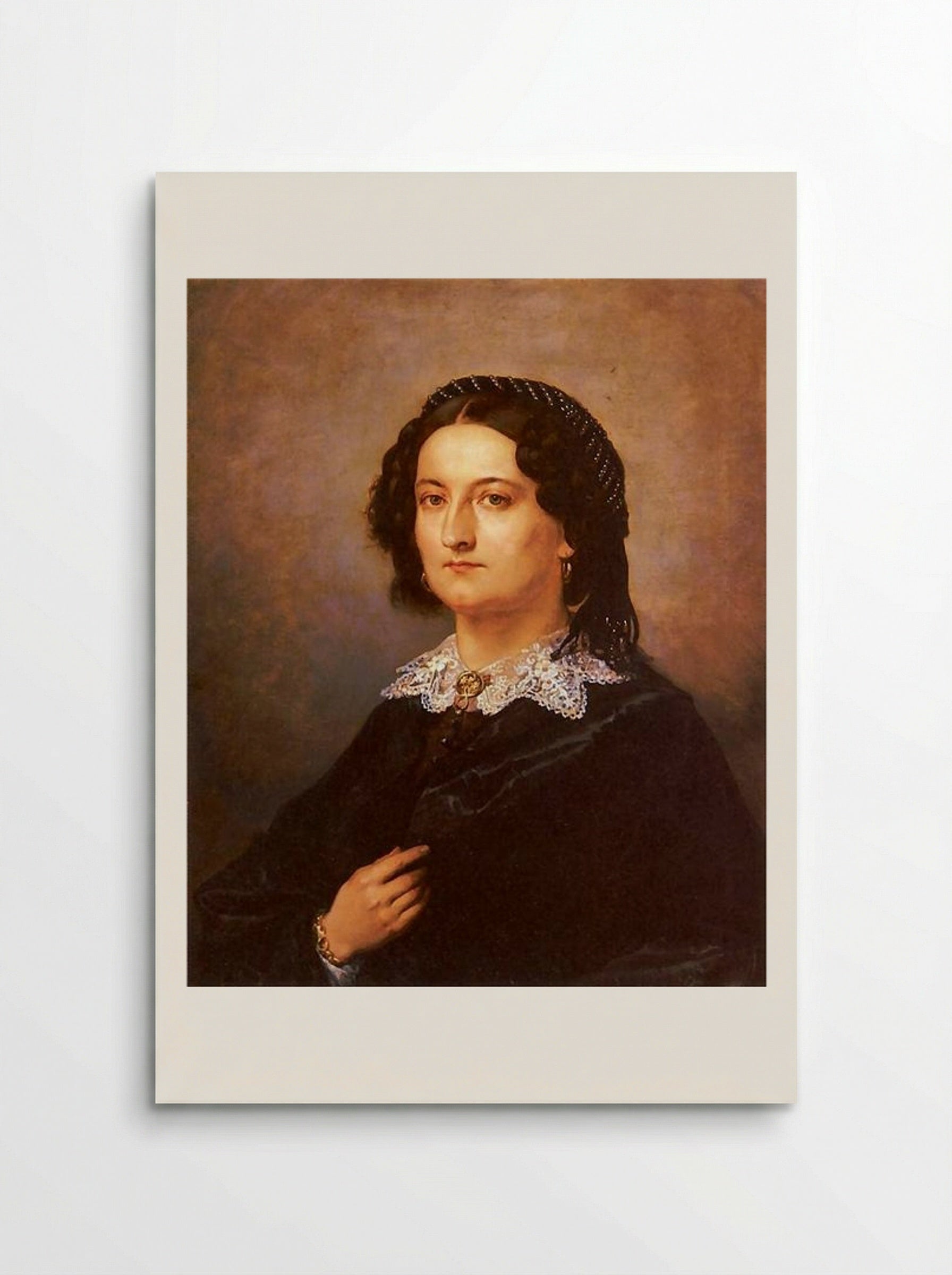 Wiktoria Kosinska (Jan Matejko) – Jan Matejko
Print
Ordinarie pris Från £28.00 GBPReapris Från £28.00 GBP Ordinarie pris -
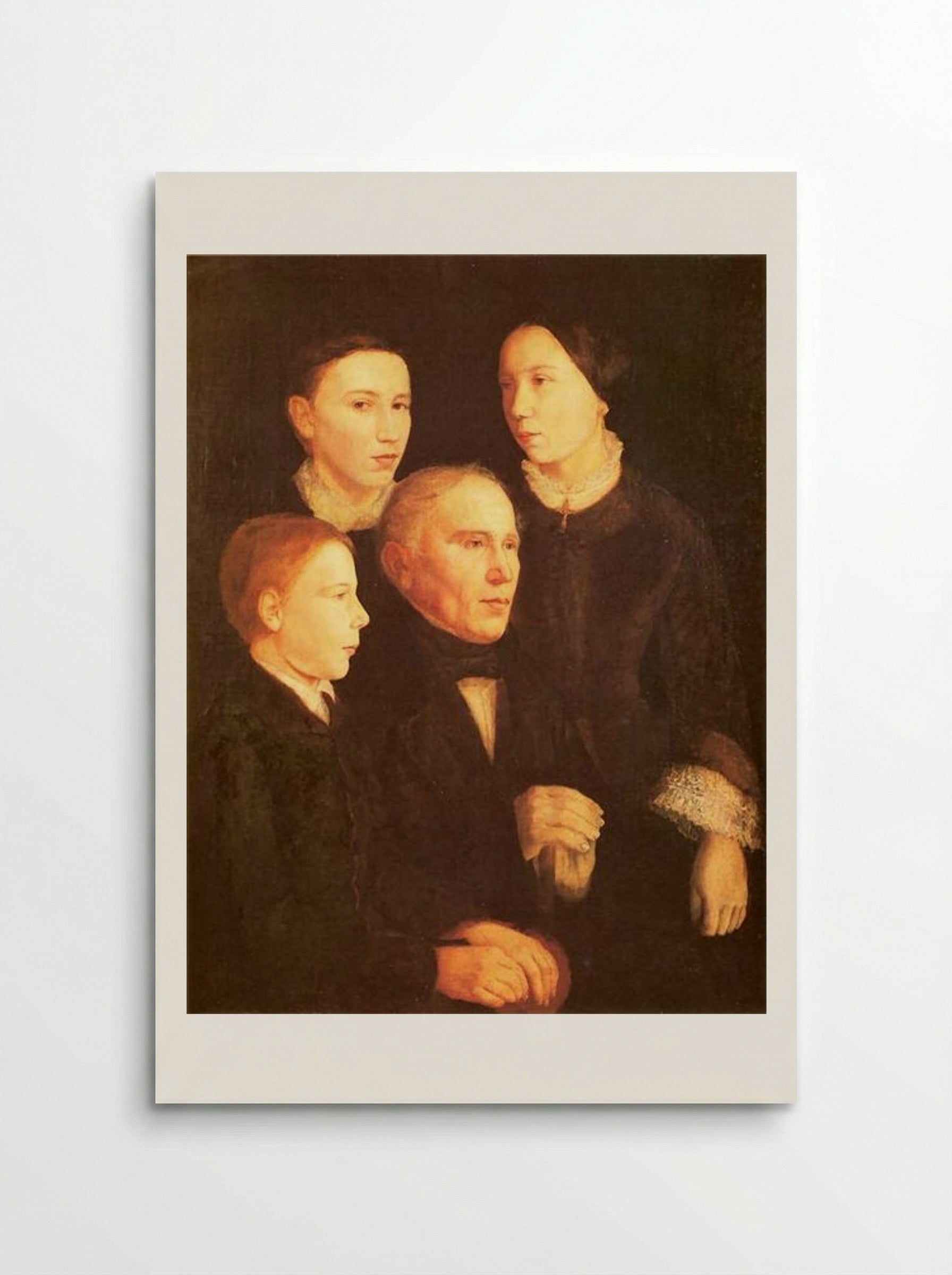 Familjeporträttet av Matejko - Jan Matejko
Print
Ordinarie pris Från £28.00 GBPReapris Från £28.00 GBP Ordinarie pris -
 Katarzyna Potocka - Jan Matejko
Print
Ordinarie pris Från £28.00 GBPReapris Från £28.00 GBP Ordinarie pris -

-
 Förgiftningen av drottning Bona - Jan Matejko
Print
Ordinarie pris Från £28.00 GBPReapris Från £28.00 GBP Ordinarie pris -
 Louis av Anjou - Jan Matejko
Print
Ordinarie pris Från £28.00 GBPReapris Från £28.00 GBP Ordinarie pris -

-
 Samuel Zborowski – Jan Matejko
Print
Ordinarie pris Från £28.00 GBPReapris Från £28.00 GBP Ordinarie pris -
 Julian Bukowski (Jan Matejko) - Jan Matejko
Print
Ordinarie pris Från £37.00 GBPReapris Från £37.00 GBP Ordinarie pris -
 Władysław den landsflyktige – Jan Matejko
Print
Ordinarie pris Från £28.00 GBPReapris Från £28.00 GBP Ordinarie pris -
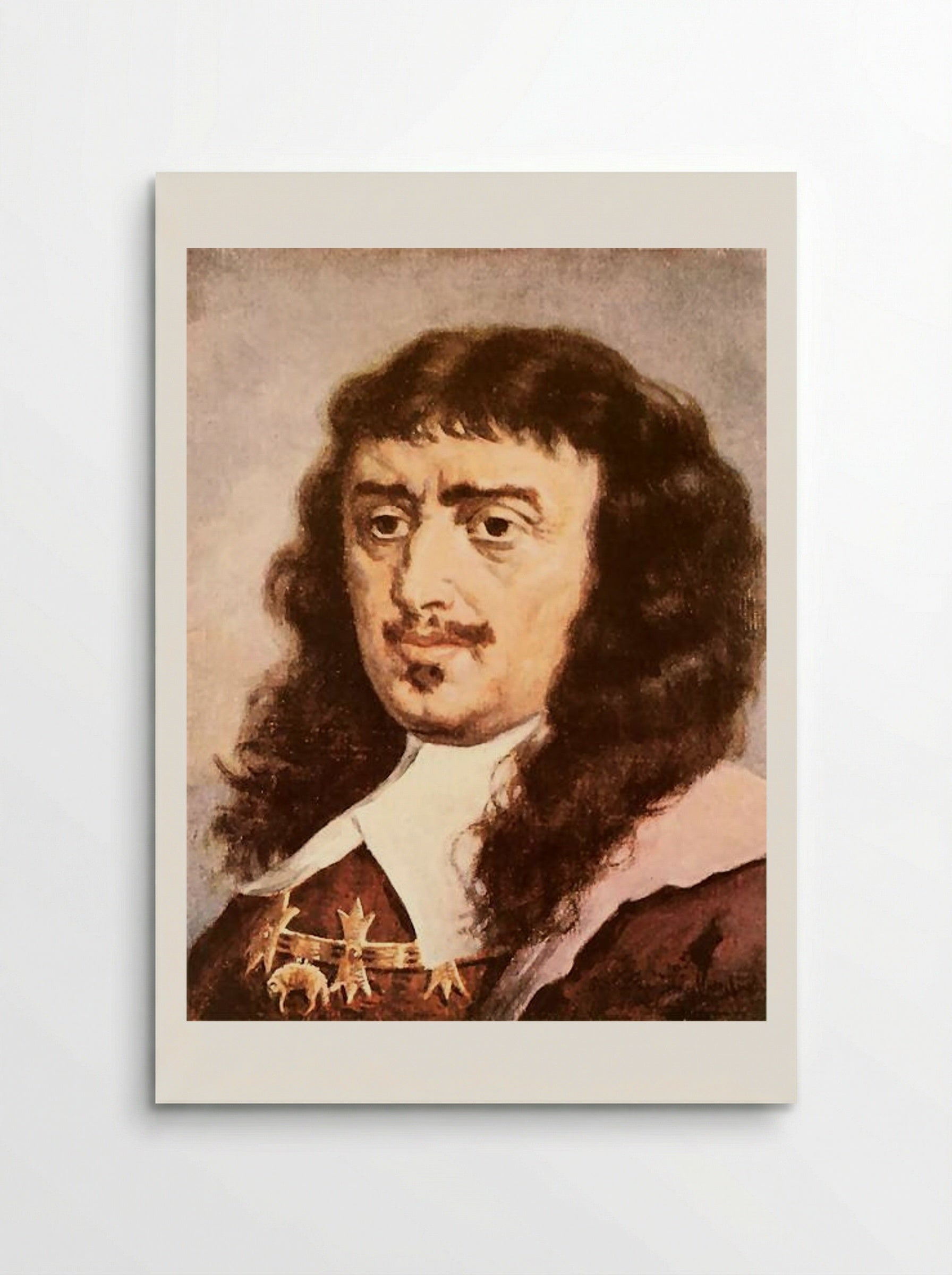 Johan II Kasimir - Jan Matejko
Print
Ordinarie pris Från £28.00 GBPReapris Från £28.00 GBP Ordinarie pris -
 Slaget vid Grunwald, stormästaren Ulrich von Jungingens död (detalj) - Jan Matejko
Print
Ordinarie pris Från £37.00 GBPReapris Från £37.00 GBP Ordinarie pris -
 Peter Moszynski - Jan Matejko
Print
Ordinarie pris Från £28.00 GBPReapris Från £28.00 GBP Ordinarie pris -
 Mordet på Stanislaus – Jan Matejko
Print
Ordinarie pris Från £28.00 GBPReapris Från £28.00 GBP Ordinarie pris -
 Kasimir den rättvise - Jan Matejko
Print
Ordinarie pris Från £28.00 GBPReapris Från £28.00 GBP Ordinarie pris -
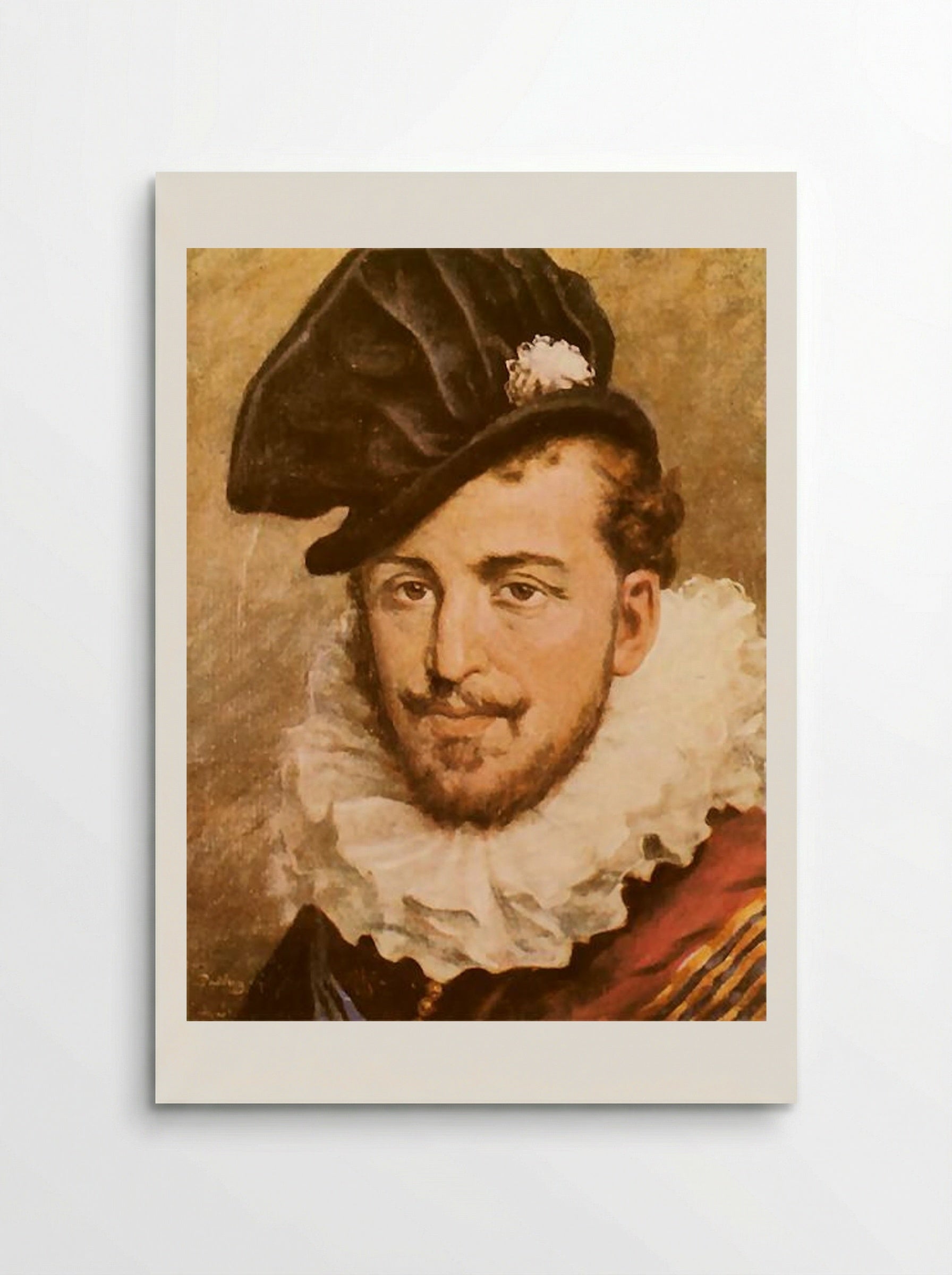 Henrik Valois - Jan Matejko
Print
Ordinarie pris Från £28.00 GBPReapris Från £28.00 GBP Ordinarie pris -
 Storfältherre av polska kronan på 1600-talet - Jan Matejko
Print
Ordinarie pris Från £28.00 GBPReapris Från £28.00 GBP Ordinarie pris


Artist Biography
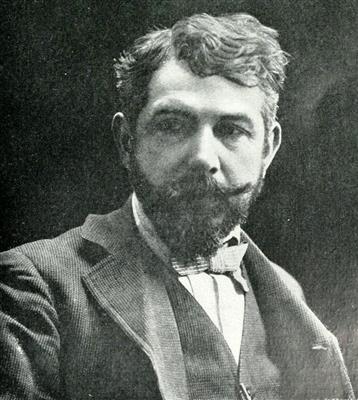
Jan Matejko
Nietzsche, tipping into psychosis in Turin in January 1889, sent Matejko an unsolicited letter. That a philosopher on the edge of madness would think to write to a Polish history painter says something about how far Matejko's reputation had travelled by the end of his life.
Matejko was born in Krakow in 1838 to a Czech father and a half-German, half-Polish mother. Despite being only one-quarter Polish by blood, his household was fiercely patriotic: Polish books, portraits of Polish heroes, and a brother who followed General Jozef Bem into the Hungarian Revolution of 1848 (and died in battle). He enrolled at the Krakow Academy of Fine Arts at fourteen, studying under Wojciech Stattler. He never mastered a foreign language and struggled even with Polish, which made the public appearances demanded of him throughout his career an ordeal.
His ambition was to paint Polish history on a monumental scale. Stanczyk (1862) showed the royal jester alone with the news of a military defeat, a painting that reads as an editorial cartoon stretched to the size of a wall. Battle of Grunwald (1878) and Rejtan (1866) followed, each canvas an argument about national identity dressed as historical spectacle. Wilhelm von Kaulbach's method of "historical symbolism", which prioritised interpretation over documentary accuracy, shaped Matejko's approach. His brother Franciszek, a historian at the Jagiellonian Library, fed him archival detail.
As director of the Krakow School of Fine Arts, he trained over eighty students. Maurycy Gottlieb, Jacek Malczewski, Jozef Mehoffer and Stanislaw Wyspianski all passed through his studio; several became leading figures in the Young Poland movement, earning Matejko the title "Father of Young Poland". In 1887 he attended the opening of Queen Jadwiga's sarcophagus to sketch her skull for a portrait. He died in 1893, aged fifty-five.



Varför välja oss?