

Samling
Hans Holbein The Younger
Utforska utvalda konsttryck för unika hem och medvetna inredningar.
Föreslagna filter
-
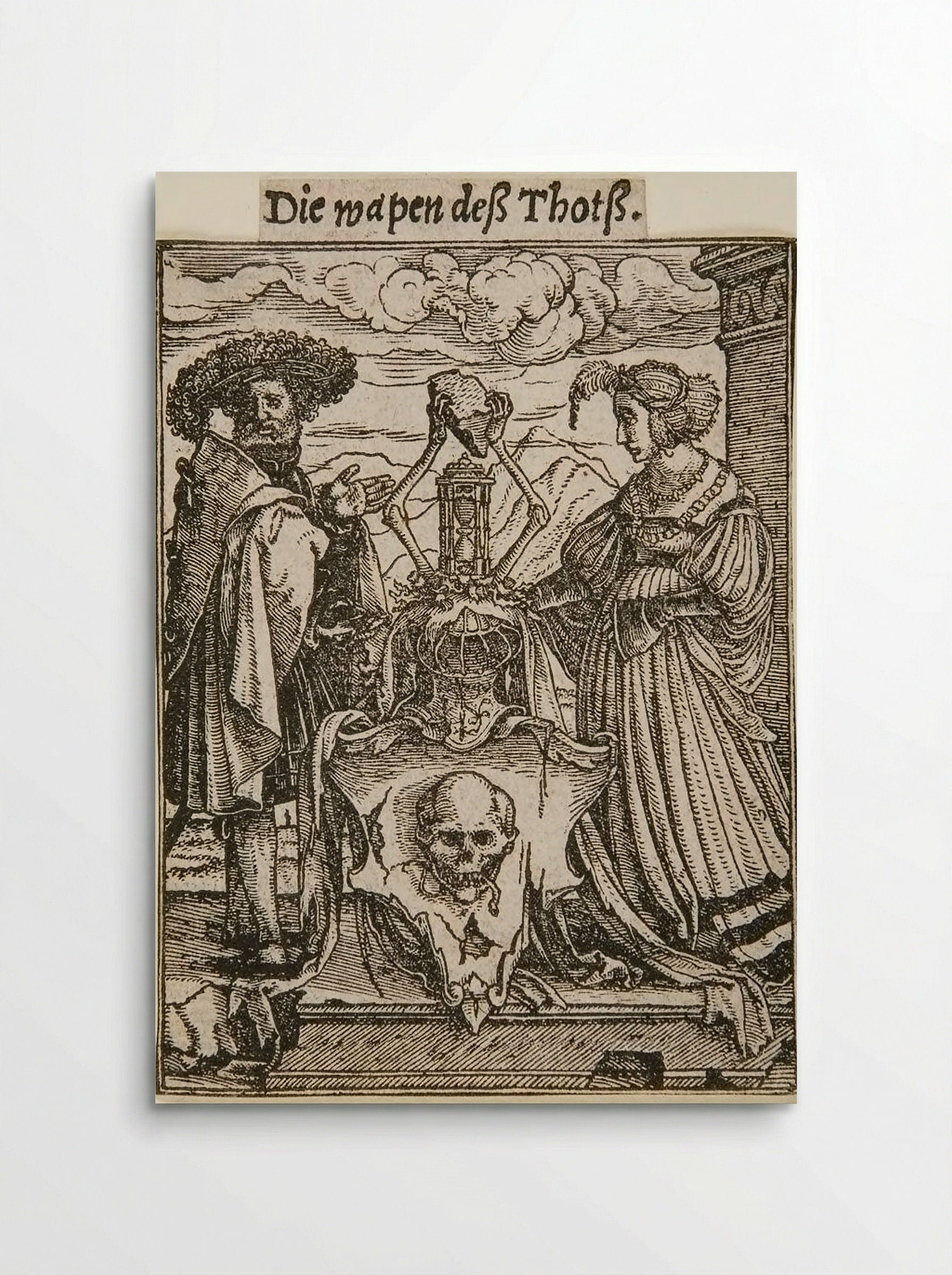
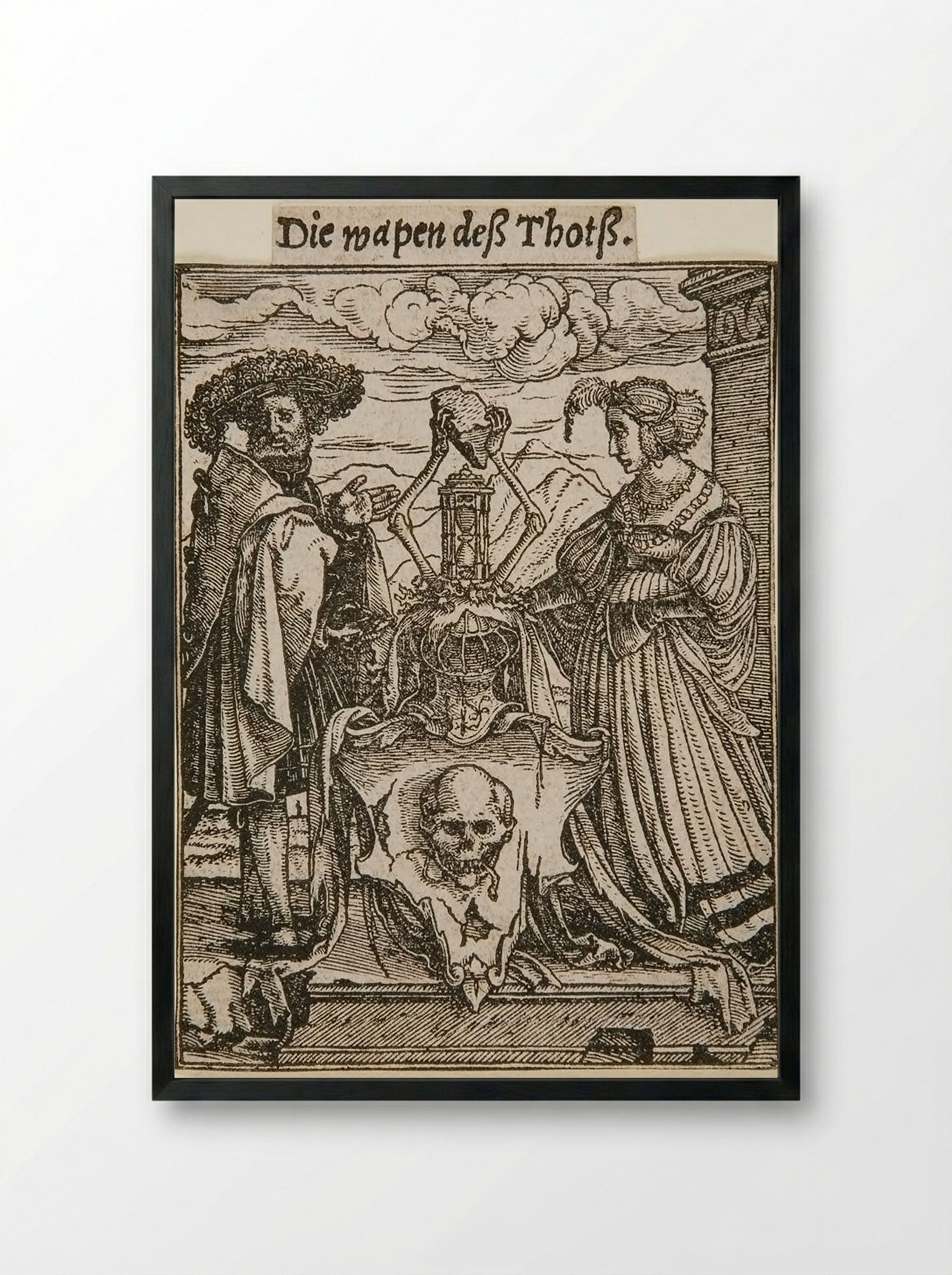 Dödens vapen – Hans Holbein den yngre
Print · Framed
Ordinarie pris Från £28.00 GBPReapris Från £28.00 GBP Ordinarie pris -
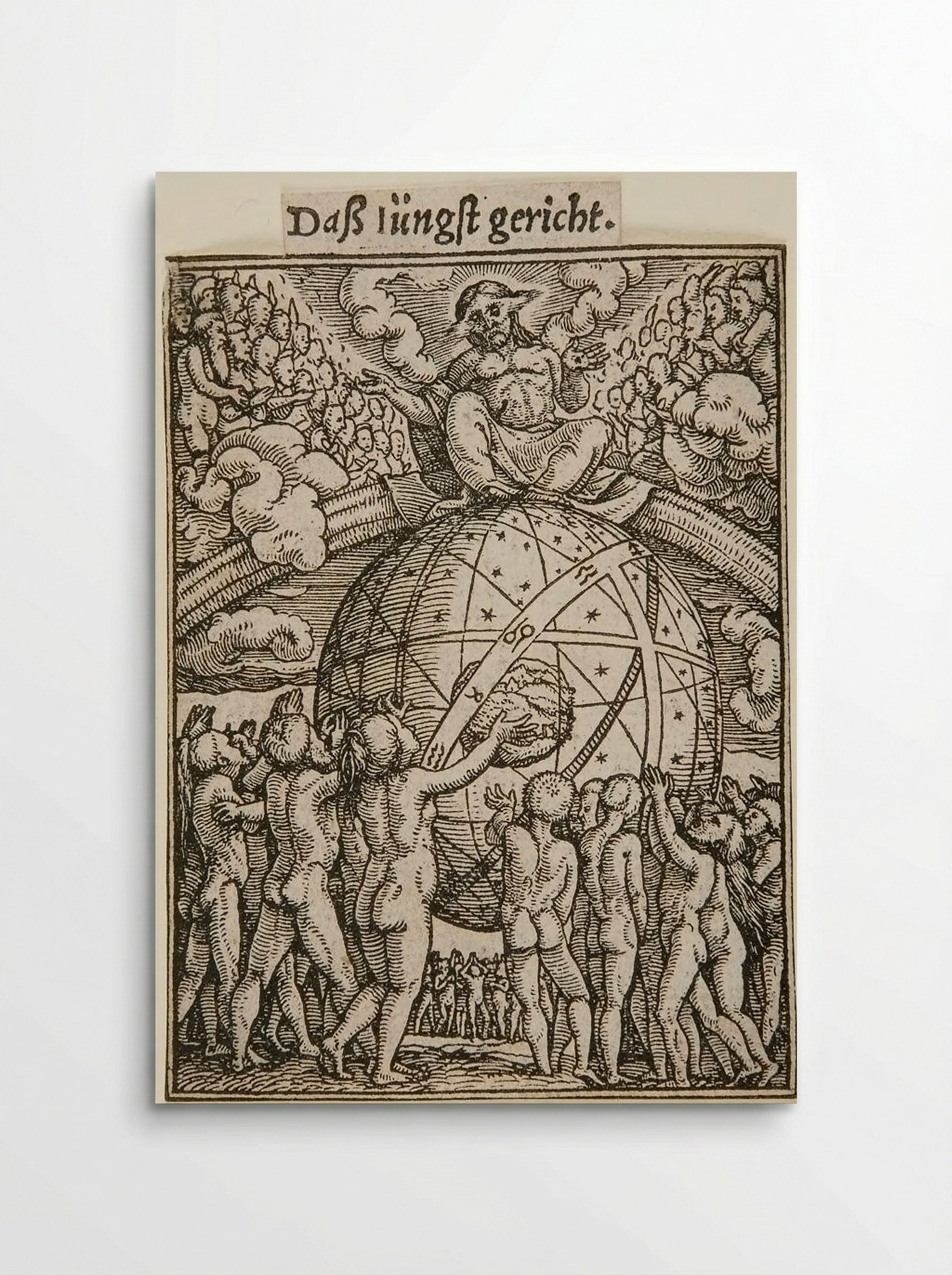
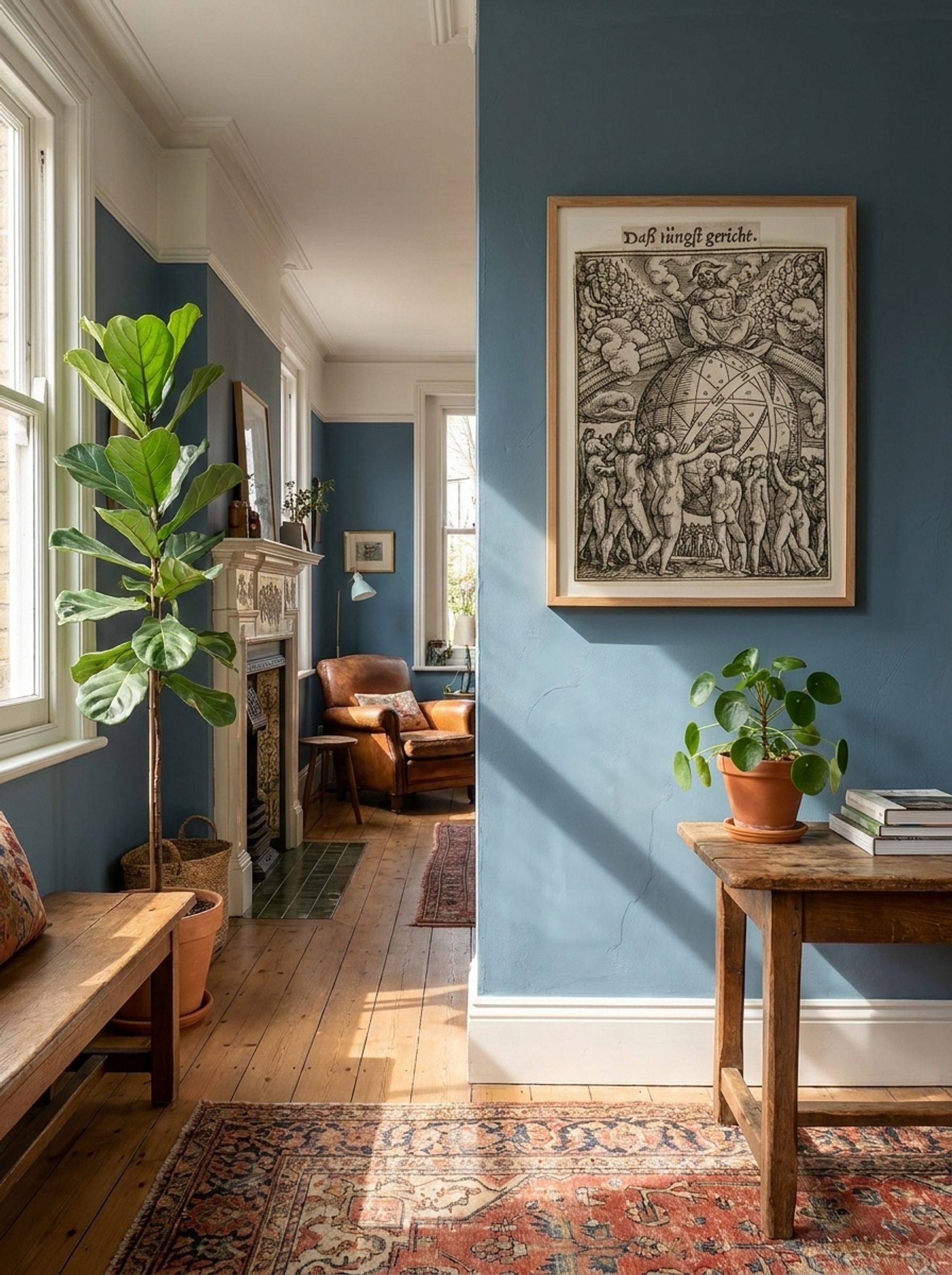 Den yttersta domen - Hans Holbein den yngre
Print · Framed
Ordinarie pris Från £28.00 GBPReapris Från £28.00 GBP Ordinarie pris -
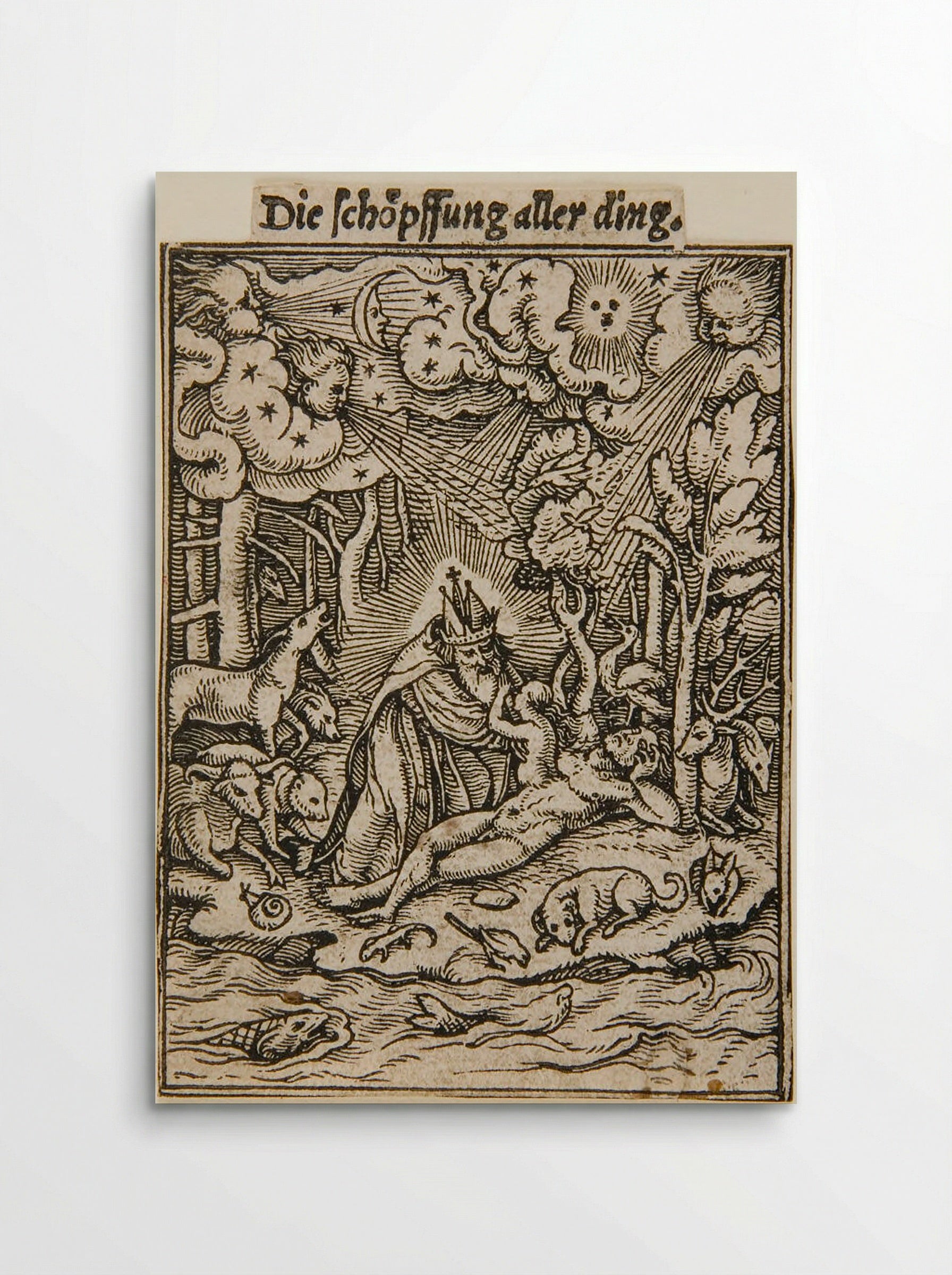
 Skapandet av Eva - Hans Holbein den yngre
Print · Framed
Ordinarie pris Från £28.00 GBPReapris Från £28.00 GBP Ordinarie pris -
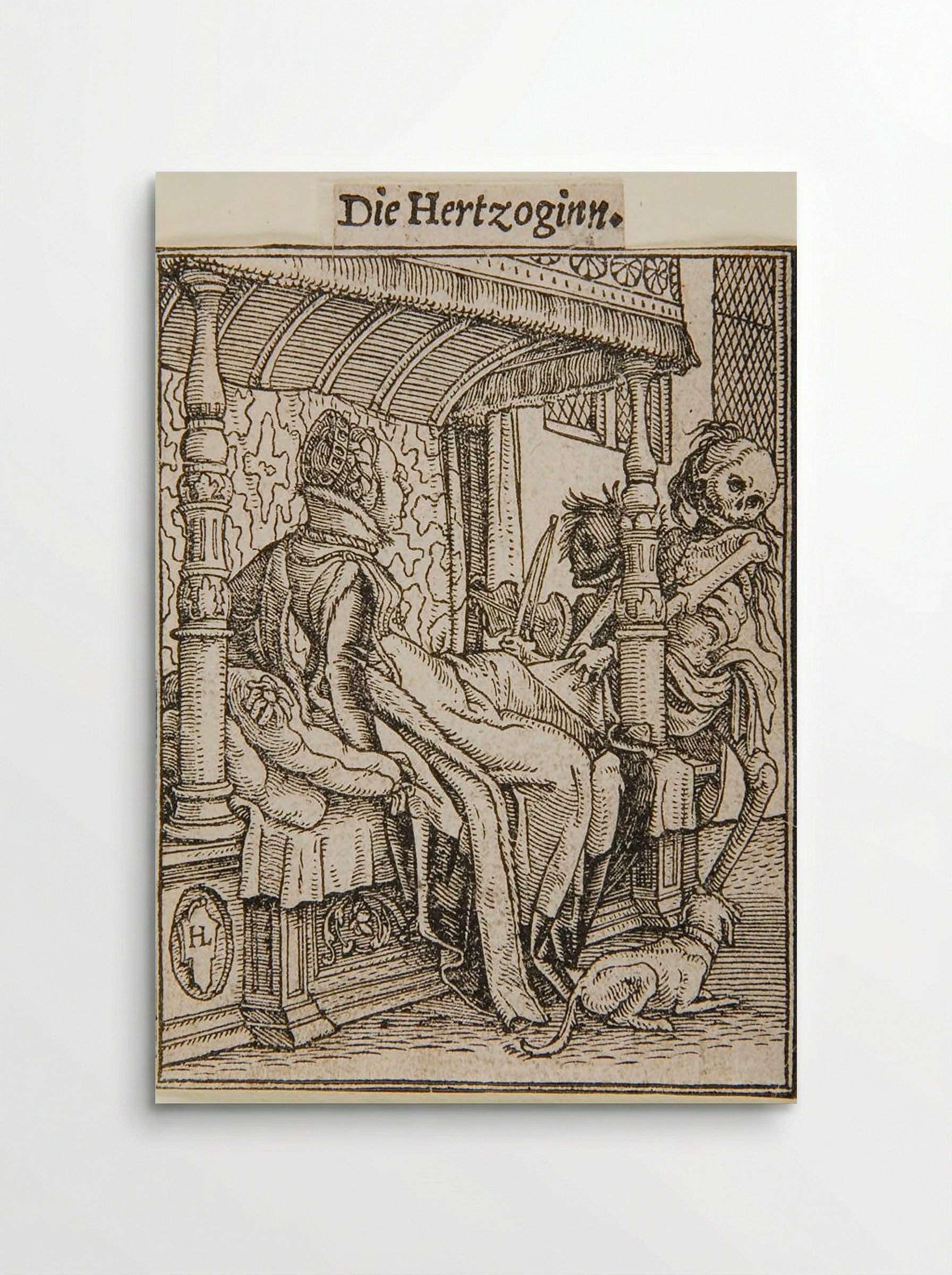
 Hertiginnan - Hans Holbein den yngre
Print · Framed
Ordinarie pris Från £28.00 GBPReapris Från £28.00 GBP Ordinarie pris -
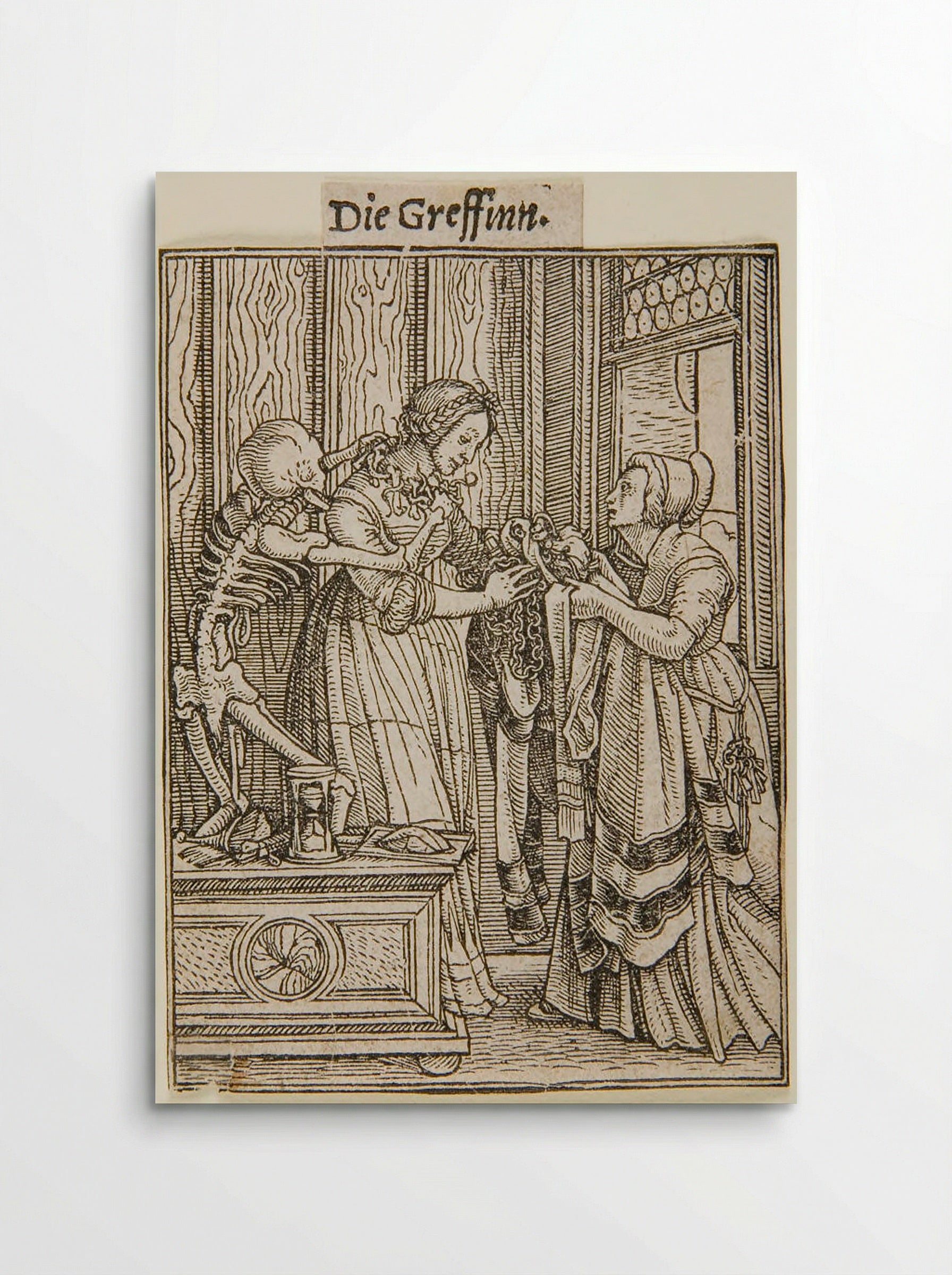
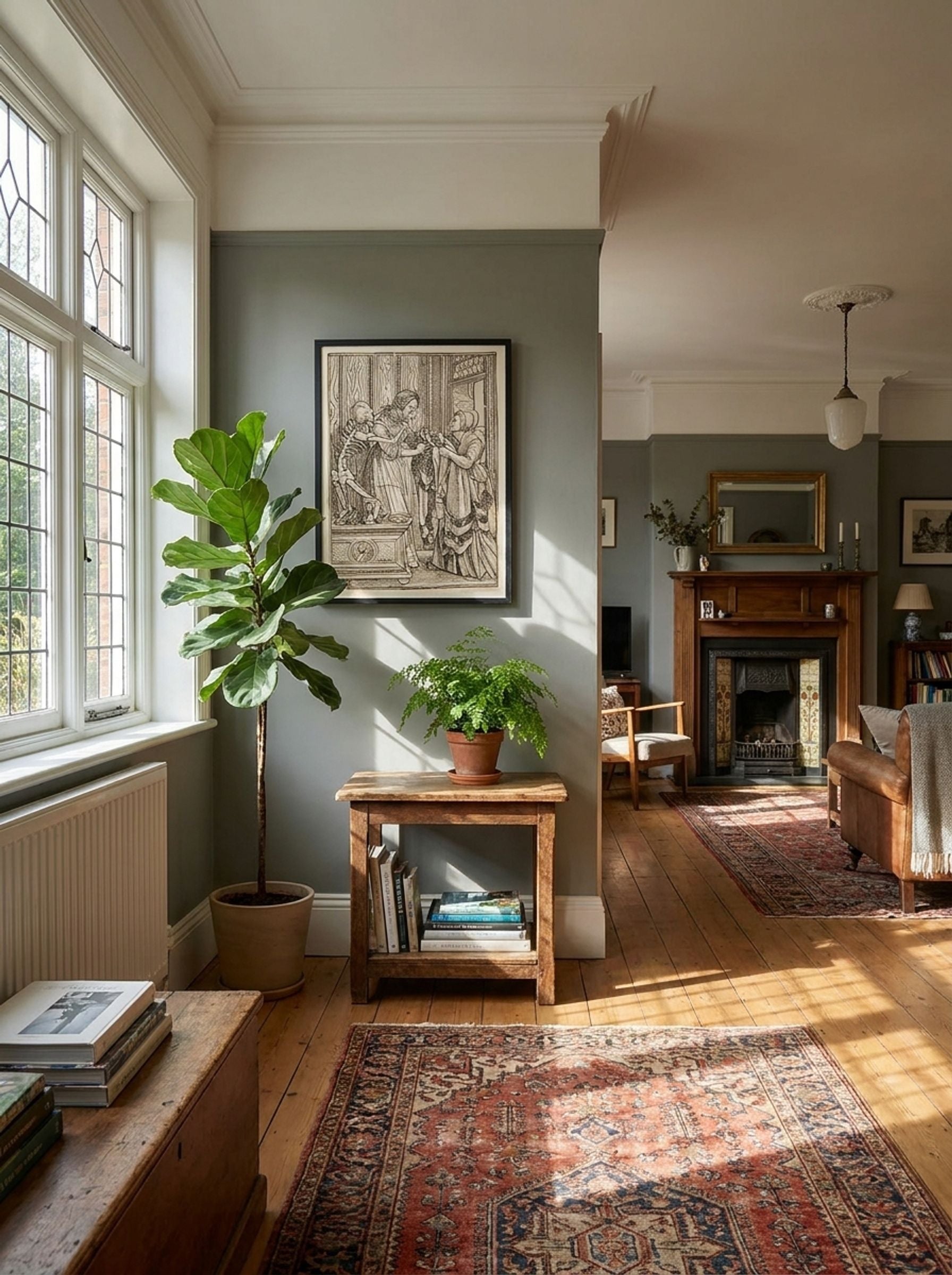 Grevinnan - Hans Holbein den yngre
Print · Framed
Ordinarie pris Från £28.00 GBPReapris Från £28.00 GBP Ordinarie pris -
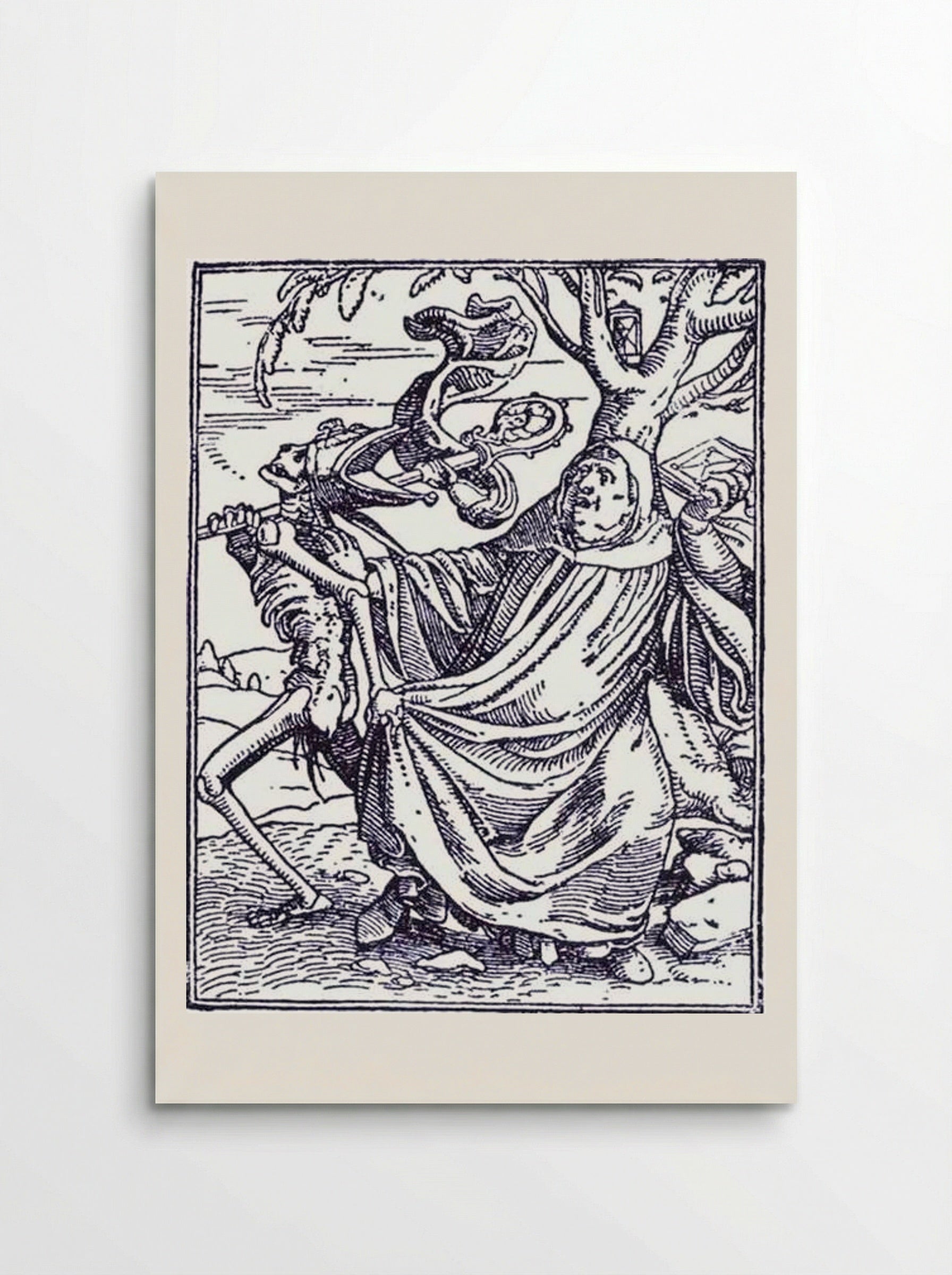
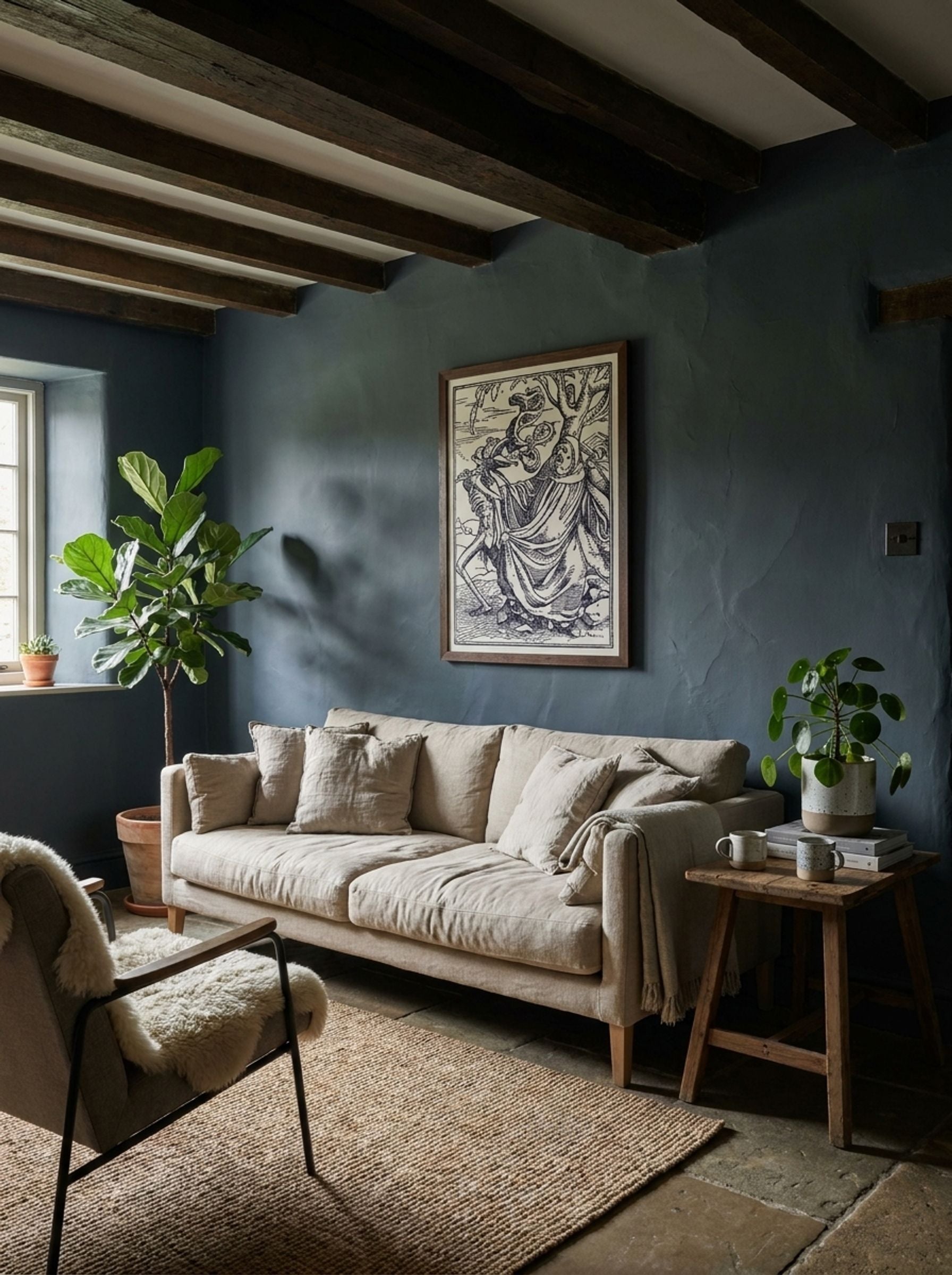 Abboten - Hans Holbein den yngre
Print · Framed
Ordinarie pris Från £28.00 GBPReapris Från £28.00 GBP Ordinarie pris -
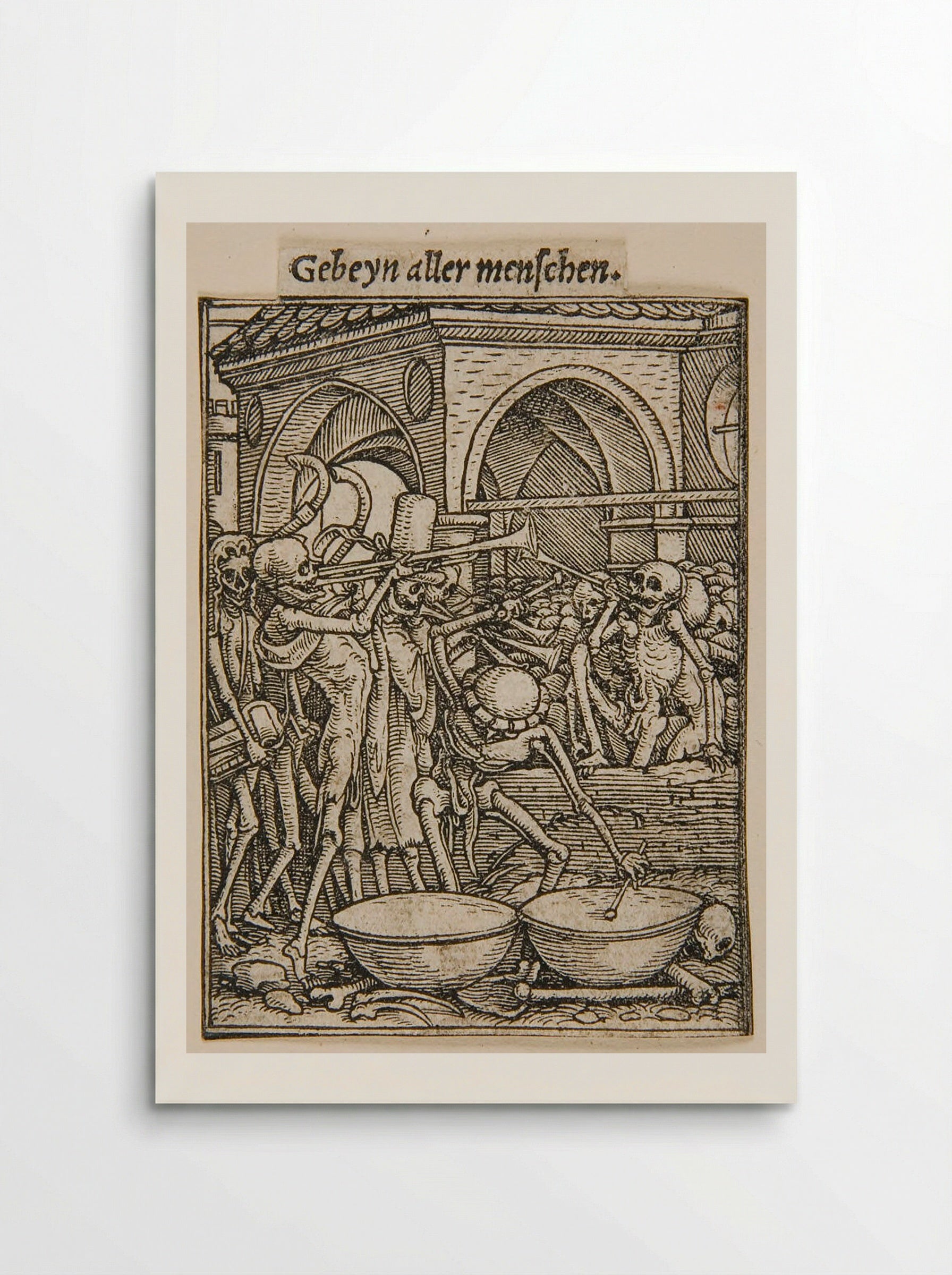
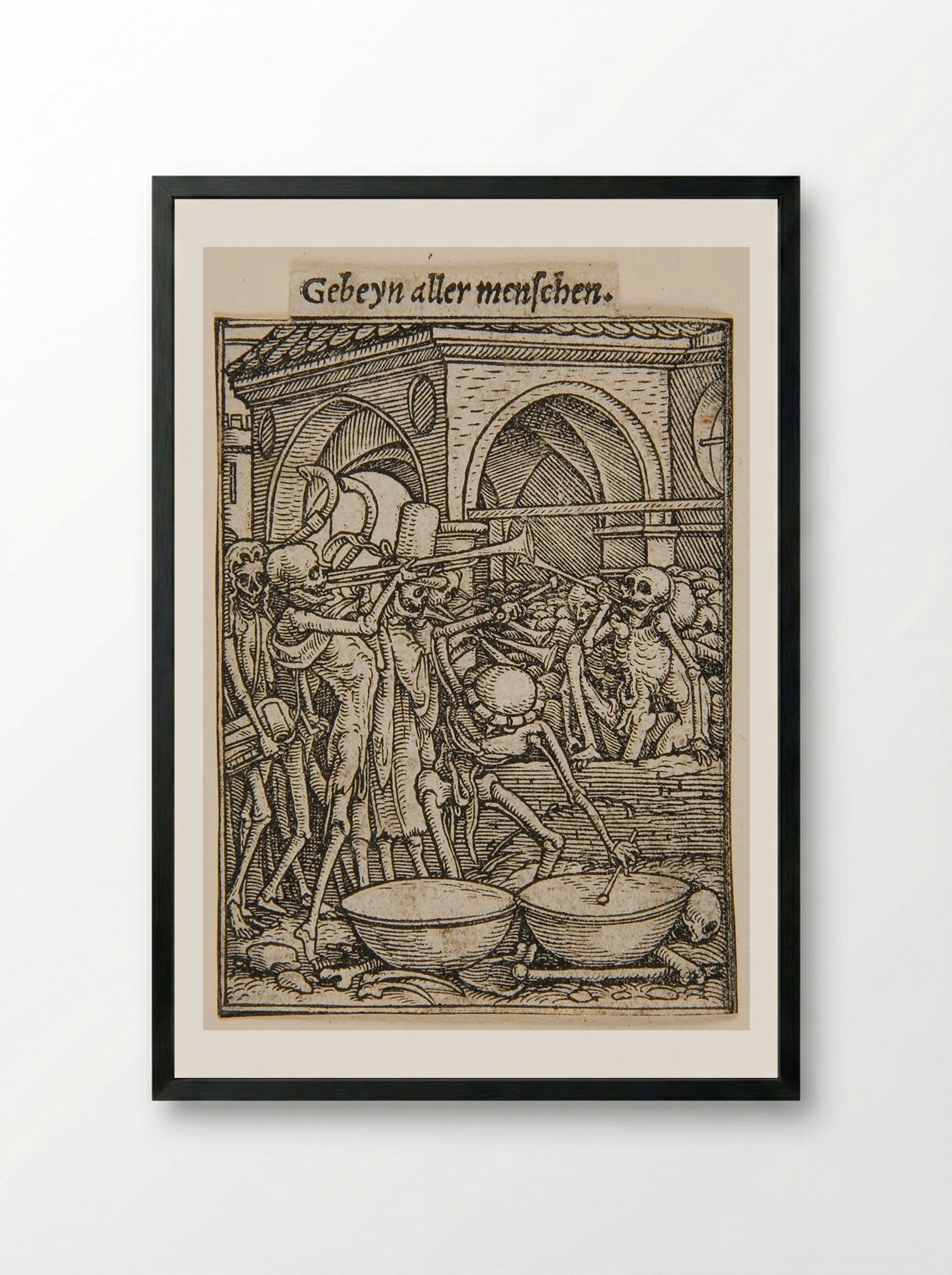 Alla människors ben - Hans Holbein den yngre
Print · Framed
Ordinarie pris Från £28.00 GBPReapris Från £28.00 GBP Ordinarie pris

Artist Biography
Hans Holbein The Younger
Holbein painted Henry VIII so convincingly that his image of the king has replaced the actual person in the public imagination. The Whitehall mural, destroyed by fire in 1698, showed Henry standing with his legs apart, hands on hips, filling the frame with physical authority. Everyone who has ever pictured Henry VIII has pictured Holbein's version.
He was born in Augsburg, Germany, the son of a painter also called Hans Holbein. He studied under his father and was working independently by his late teens. He moved to Basel, where he painted portraits and religious works and illustrated Erasmus's In Praise of Folly with marginal drawings. Erasmus recommended him to Thomas More in England, writing that 'the arts are freezing' in Basel and Holbein should try his luck elsewhere.
He arrived in London in 1526 and painted More's family portrait, the first group portrait of a domestic scene in Northern European art. He returned to Basel, found the Reformation had destroyed the market for religious art, and went back to England permanently in 1532.
His portraits of the Tudor court are the visual record of the period: Thomas More, Thomas Cromwell, Anne Boleyn (probably), Jane Seymour, and the succession of courtiers and merchants who populated Henry's orbit. The technique is almost supernaturally precise. The textures of fur, velvet, jewellery, and skin are rendered with a fidelity that makes other portraitists look approximate.
He was sent to paint prospective brides for Henry, including Anne of Cleves, whose portrait Henry found more attractive than the person. Holbein was not blamed. He died during a plague outbreak in London in 1543, at forty-five.
He was born in Augsburg, Germany, the son of a painter also called Hans Holbein. He studied under his father and was working independently by his late teens. He moved to Basel, where he painted portraits and religious works and illustrated Erasmus's In Praise of Folly with marginal drawings. Erasmus recommended him to Thomas More in England, writing that 'the arts are freezing' in Basel and Holbein should try his luck elsewhere.
He arrived in London in 1526 and painted More's family portrait, the first group portrait of a domestic scene in Northern European art. He returned to Basel, found the Reformation had destroyed the market for religious art, and went back to England permanently in 1532.
His portraits of the Tudor court are the visual record of the period: Thomas More, Thomas Cromwell, Anne Boleyn (probably), Jane Seymour, and the succession of courtiers and merchants who populated Henry's orbit. The technique is almost supernaturally precise. The textures of fur, velvet, jewellery, and skin are rendered with a fidelity that makes other portraitists look approximate.
He was sent to paint prospective brides for Henry, including Anne of Cleves, whose portrait Henry found more attractive than the person. Holbein was not blamed. He died during a plague outbreak in London in 1543, at forty-five.


Varför välja oss?