

Samling
Bartolomé Esteban Murillo
Utforska utvalda konsttryck för unika hem och medvetna inredningar.
-
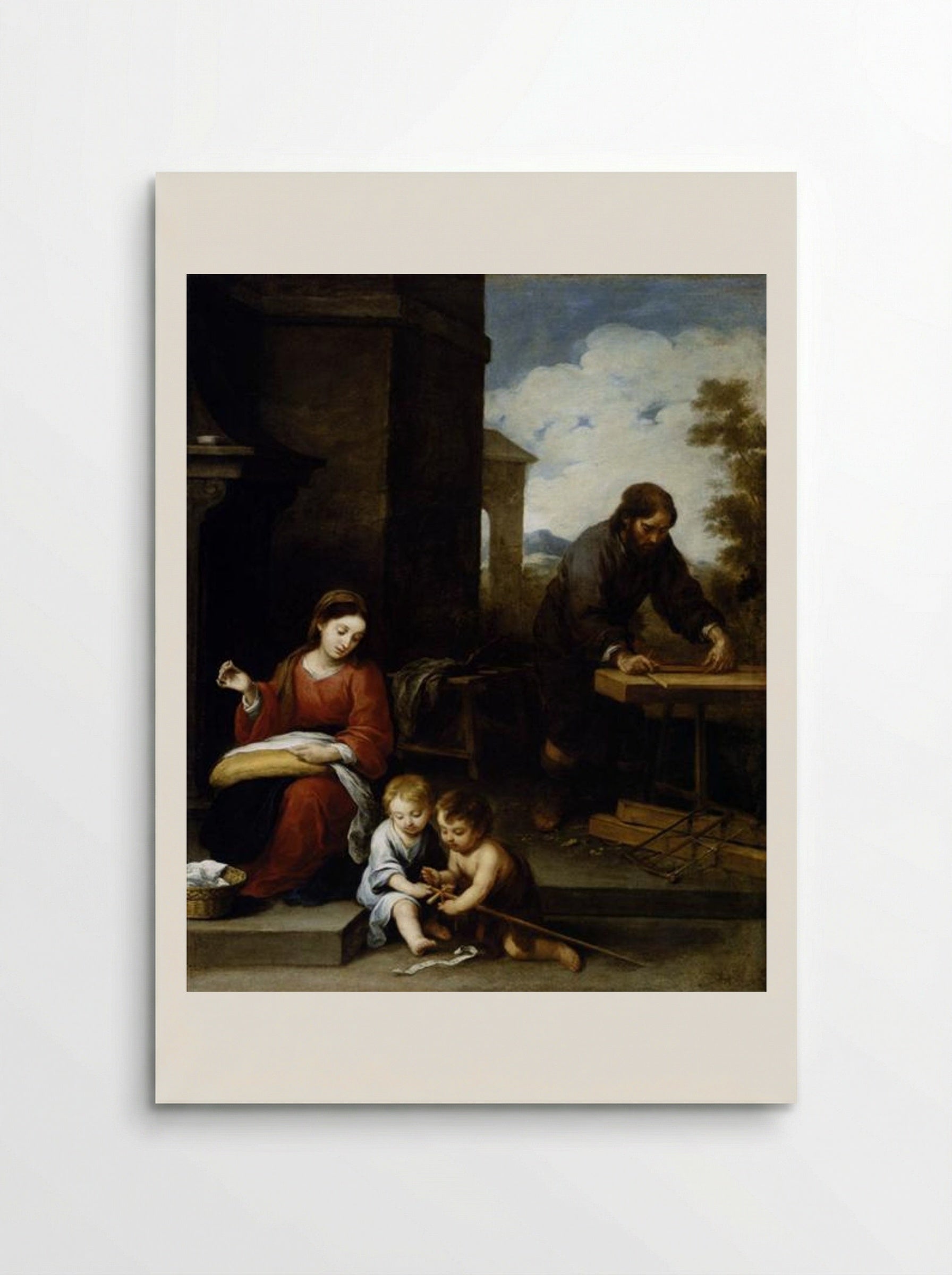 Den heliga familjen med den lille Johannes Döparen - Bartolomé Esteban Murillo
Print
Ordinarie pris Från £28.00 GBPReapris Från £28.00 GBP Ordinarie pris -

 St. Francis of Assisi at Prayer - Bartolomé Esteban Murillo
Print · Framed
Ordinarie pris Från £28.00 GBPReapris Från £28.00 GBP Ordinarie pris -

 The Annunciation - Bartolomé Esteban Murillo
Print · Framed
Ordinarie pris Från £28.00 GBPReapris Från £28.00 GBP Ordinarie pris -

 A Knight of Alcántara or Calatrava - Bartolomé Esteban Murillo
Print · Framed
Ordinarie pris Från £28.00 GBPReapris Från £28.00 GBP Ordinarie pris -

 Don Andrés de Andrade y la Cal - Bartolomé Esteban Murillo
Print · Framed
Ordinarie pris Från £28.00 GBPReapris Från £28.00 GBP Ordinarie pris -

 The Liberation of Saint Peter - Bartolomé Esteban Murillo
Print · Framed
Ordinarie pris Från £37.00 GBPReapris Från £37.00 GBP Ordinarie pris -

 Pojkar som spelar tärning - Bartolomé Esteban Murillo
Print · Framed
Ordinarie pris Från £28.00 GBPReapris Från £28.00 GBP Ordinarie pris -

 Den förlorade sonens återkomst - Bartolomé Esteban Murillo
Print · Framed
Ordinarie pris Från £37.00 GBPReapris Från £37.00 GBP Ordinarie pris -

 En flicka och hennes duenna - Bartolomé Esteban Murillo
Print · Framed
Ordinarie pris Från £28.00 GBPReapris Från £28.00 GBP Ordinarie pris -

 Den helige Thomas av Villanueva skänker allmosor - Bartolomé Esteban Murillo
Print · Framed
Ordinarie pris Från £28.00 GBPReapris Från £28.00 GBP Ordinarie pris -

 Den helige Frans Xavier - Bartolomé Esteban Murillo
Print · Framed
Ordinarie pris Från £28.00 GBPReapris Från £28.00 GBP Ordinarie pris -

 Jungfrun med barnet och den heliga Rosalina - Bartolomé Esteban Murillo
Print · Framed
Ordinarie pris Från £28.00 GBPReapris Från £28.00 GBP Ordinarie pris -

 Den heliga Katarina av Alexandria - Bartolomé Esteban Murillo
Print · Framed
Ordinarie pris Från £28.00 GBPReapris Från £28.00 GBP Ordinarie pris -

 Den heliga Katarinas trolovning - Bartolomé Esteban Murillo
Print · Framed · Canvas
Ordinarie pris Från £28.00 GBPReapris Från £28.00 GBP Ordinarie pris -

 Ecce Homo - Bartolomé Esteban Murillo
Print · Framed · Canvas
Ordinarie pris Från £28.00 GBPReapris Från £28.00 GBP Ordinarie pris -

 Ecce Agnus Dei (Johannes Döparen som barn med lamm) - Bartolomé Esteban Murillo
Print · Framed · Canvas
Ordinarie pris Från £28.00 GBPReapris Från £28.00 GBP Ordinarie pris -
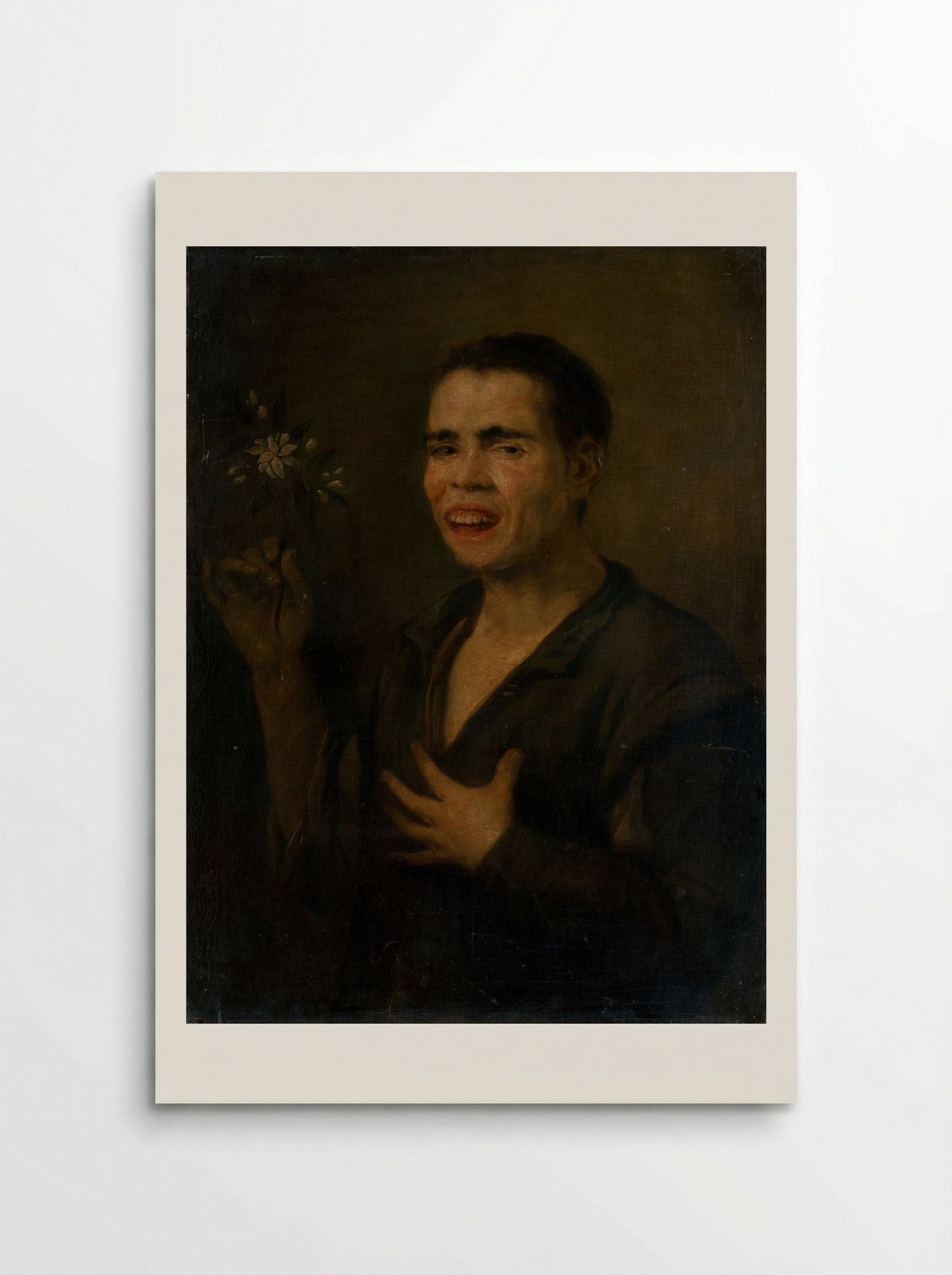
 Pojke med apelsinblommor - Bartolomé Esteban Murillo
Print · Framed · Canvas
Ordinarie pris Från £28.00 GBPReapris Från £28.00 GBP Ordinarie pris -

 Botgörande Magdalena - Bartolomé Esteban Murillo
Print · Framed · Canvas
Ordinarie pris Från £30.00 GBPReapris Från £30.00 GBP Ordinarie pris -

 Rosenkransmadonnan - Bartolomé Esteban Murillo
Print · Framed · Canvas
Ordinarie pris Från £28.00 GBPReapris Från £28.00 GBP Ordinarie pris -

 Rosenkransmadonnan - Bartolomé Esteban Murillo
Print · Framed · Canvas
Ordinarie pris Från £28.00 GBPReapris Från £28.00 GBP Ordinarie pris -
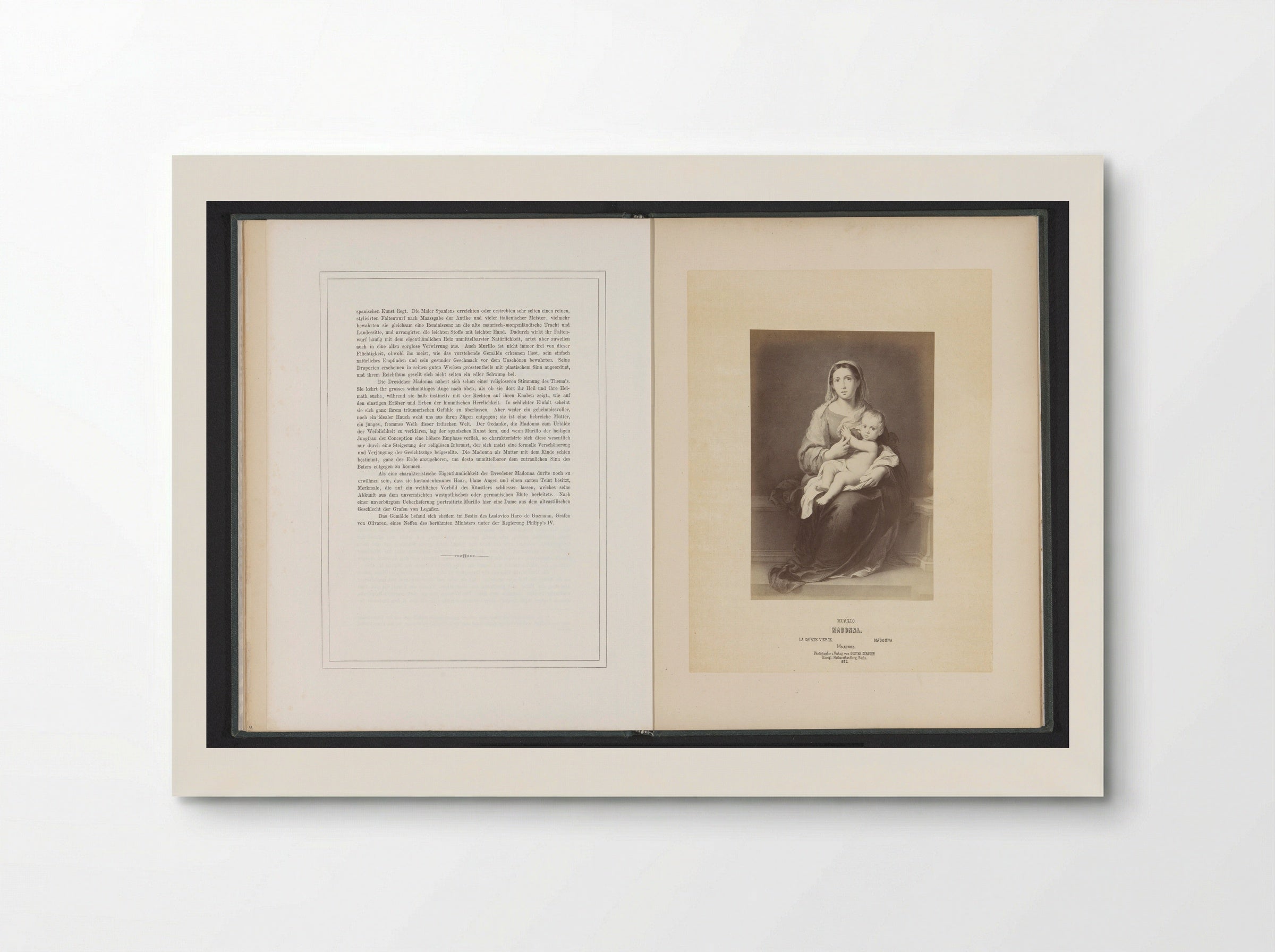 Madonnan och barnet - Bartolomé Esteban Murillo
Print
Ordinarie pris Från £28.00 GBPReapris Från £28.00 GBP Ordinarie pris -
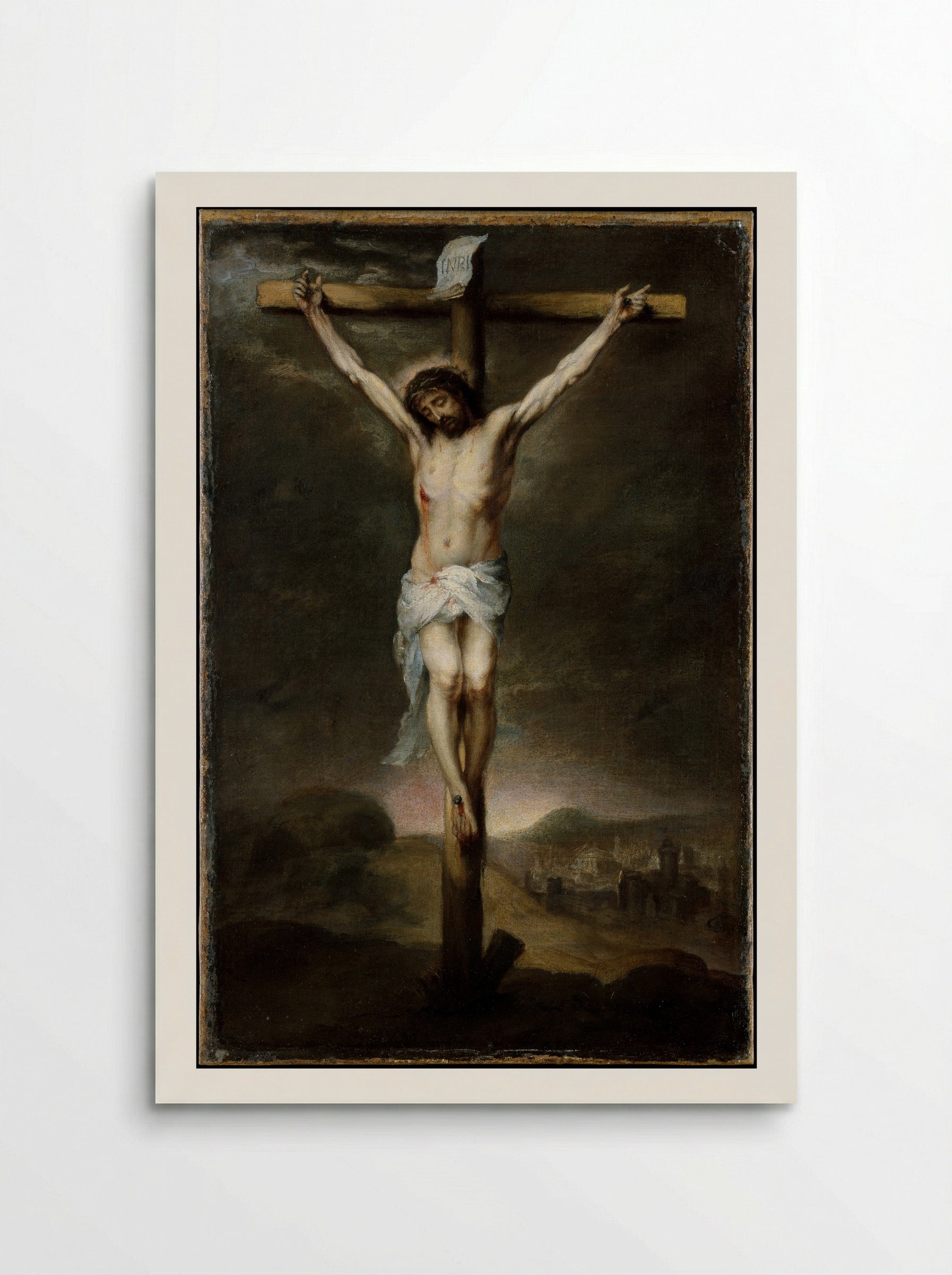 Korsfästelsen - Bartolomé Esteban Murillo
Print
Ordinarie pris Från £28.00 GBPReapris Från £28.00 GBP Ordinarie pris -
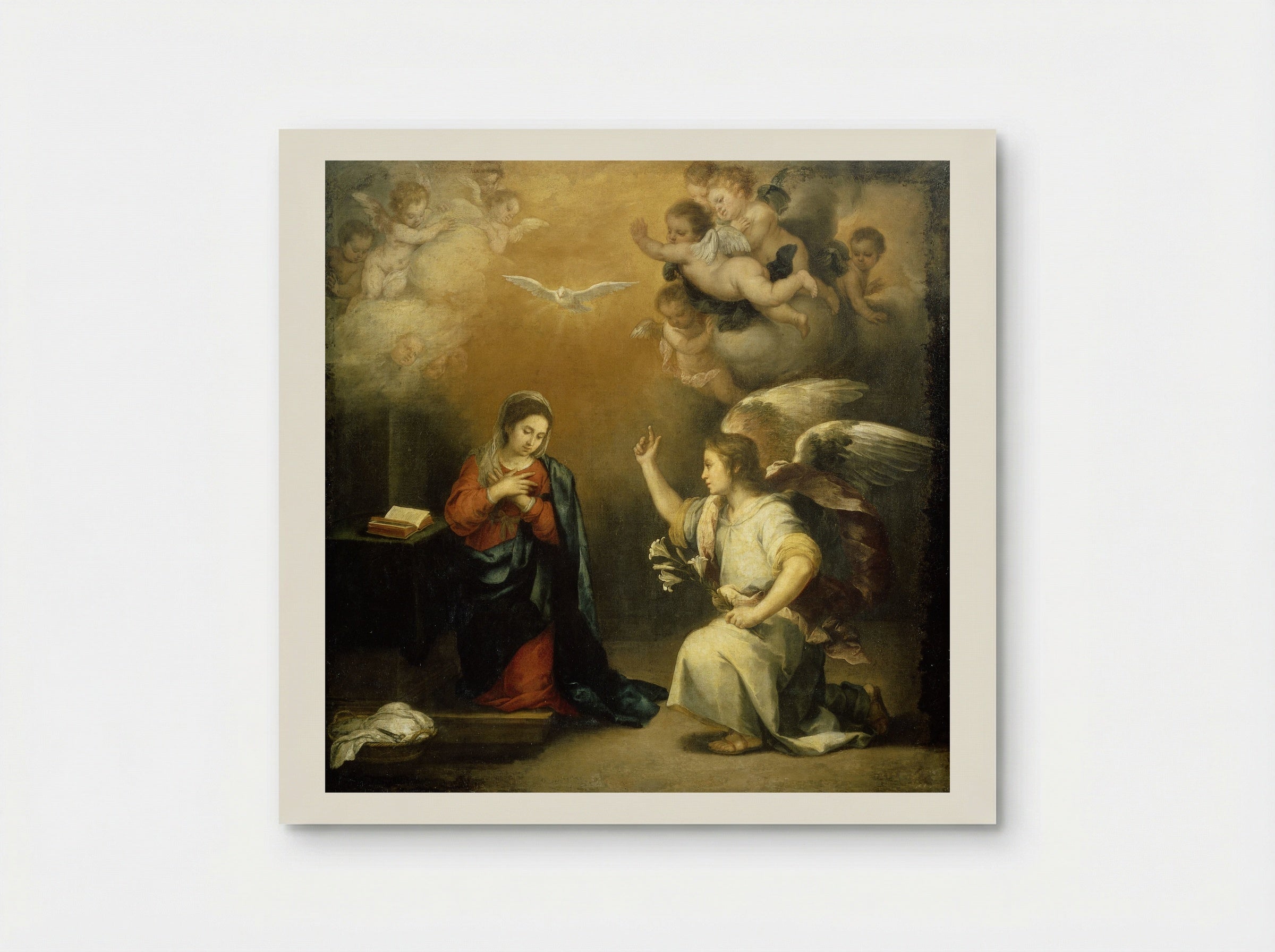 Bebådelsen – Bartolomé Esteban Murillo
Print
Ordinarie pris Från £37.00 GBPReapris Från £37.00 GBP Ordinarie pris -
 Laban letar efter sina stulna husgudar - Bartolomé Esteban Murillo
Print
Ordinarie pris Från £28.00 GBPReapris Från £28.00 GBP Ordinarie pris


Artist Biography
Bartolomé Esteban Murillo
Murillo fell from a scaffold in Cadiz and died a few months later. He was sixty-four, working on a fresco at the church of the Capuchines, and the fall ended both the painting and his life. His burial in the Church of Santa Cruz in Seville did not survive either: the French demolished the church during the Peninsular War, and his remains were lost.
He was born in Seville in late 1617, the youngest of fourteen children. His father was a barber surgeon. Both parents died before he was eleven, and he was raised by an older sister and her husband, also a barber. He studied in the workshop of Juan del Castillo, his uncle and godfather, and absorbed the realism of Zurbaran and Ribera. In 1645 he received his first major commission: eleven canvases for the convent of San Francisco in Seville. The success was decisive.
Seville became his entire world. He rarely left. In 1660 he co-founded and became first president of the city's Academy of Painting. His religious paintings, particularly his Immaculate Conceptions, were reproduced and imitated across the Catholic world for the next two centuries. He also painted contemporary street life: flower girls, beggars, street urchins, recorded with an affectionate realism that constitutes a documentary record of seventeenth-century Andalusia.
For two hundred years after his death he was considered one of the greatest painters who ever lived, ranked alongside Raphael and Titian. Then opinion turned. By the late nineteenth century his religious canvases were dismissed as sentimental and treacly, and he was nearly written out of art history altogether. The reassessment continues; the sentimentality charge has not entirely lifted.
He was born in Seville in late 1617, the youngest of fourteen children. His father was a barber surgeon. Both parents died before he was eleven, and he was raised by an older sister and her husband, also a barber. He studied in the workshop of Juan del Castillo, his uncle and godfather, and absorbed the realism of Zurbaran and Ribera. In 1645 he received his first major commission: eleven canvases for the convent of San Francisco in Seville. The success was decisive.
Seville became his entire world. He rarely left. In 1660 he co-founded and became first president of the city's Academy of Painting. His religious paintings, particularly his Immaculate Conceptions, were reproduced and imitated across the Catholic world for the next two centuries. He also painted contemporary street life: flower girls, beggars, street urchins, recorded with an affectionate realism that constitutes a documentary record of seventeenth-century Andalusia.
For two hundred years after his death he was considered one of the greatest painters who ever lived, ranked alongside Raphael and Titian. Then opinion turned. By the late nineteenth century his religious canvases were dismissed as sentimental and treacly, and he was nearly written out of art history altogether. The reassessment continues; the sentimentality charge has not entirely lifted.


Varför välja oss?