

Samling
August Macke
Utforska utvalda konsttryck för unika hem och medvetna inredningar.
Föreslagna filter
-
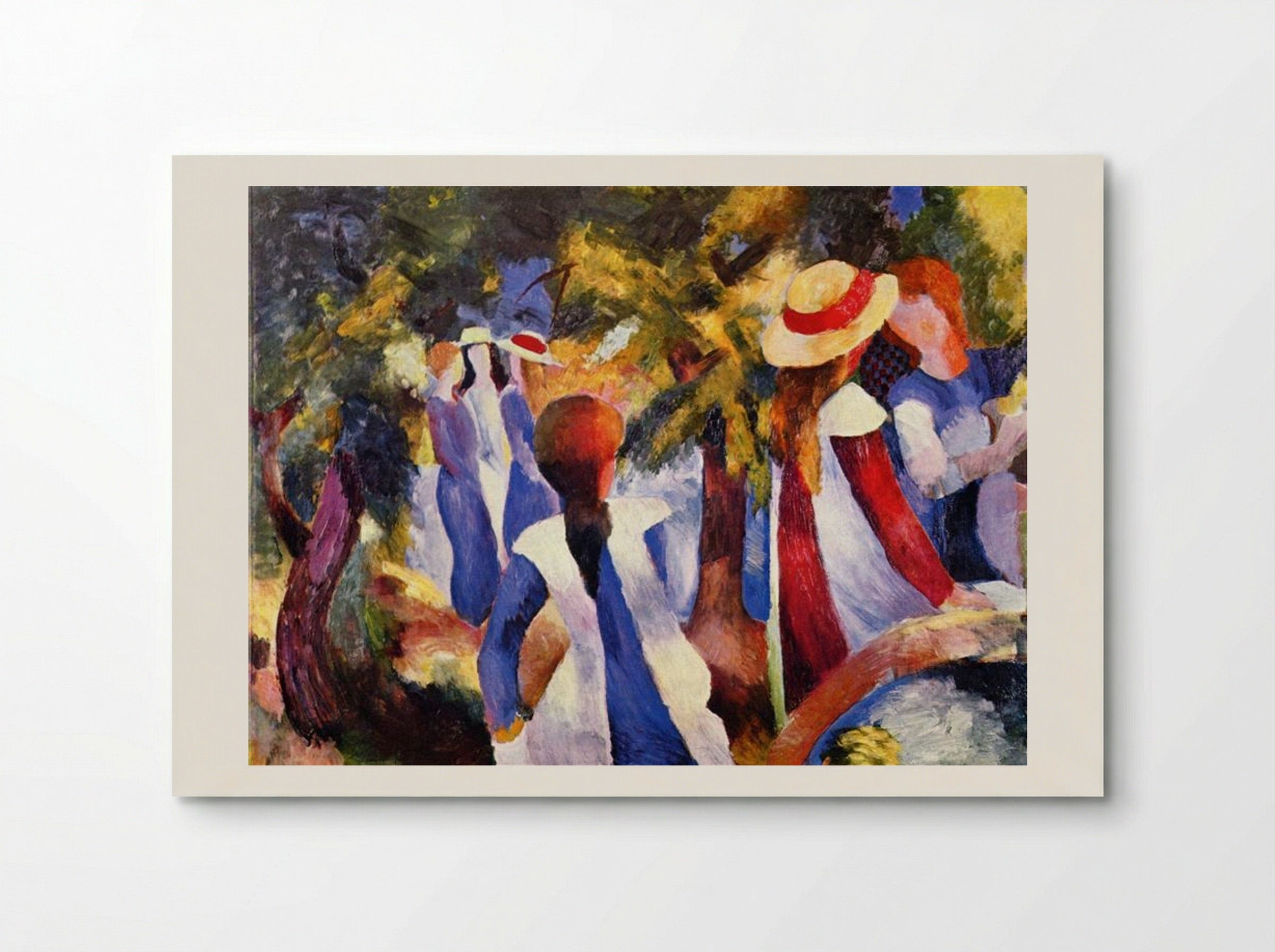 Flicka i grönska - August Macke
Print
Ordinarie pris Från £28.00 GBPReapris Från £28.00 GBP Ordinarie pris -
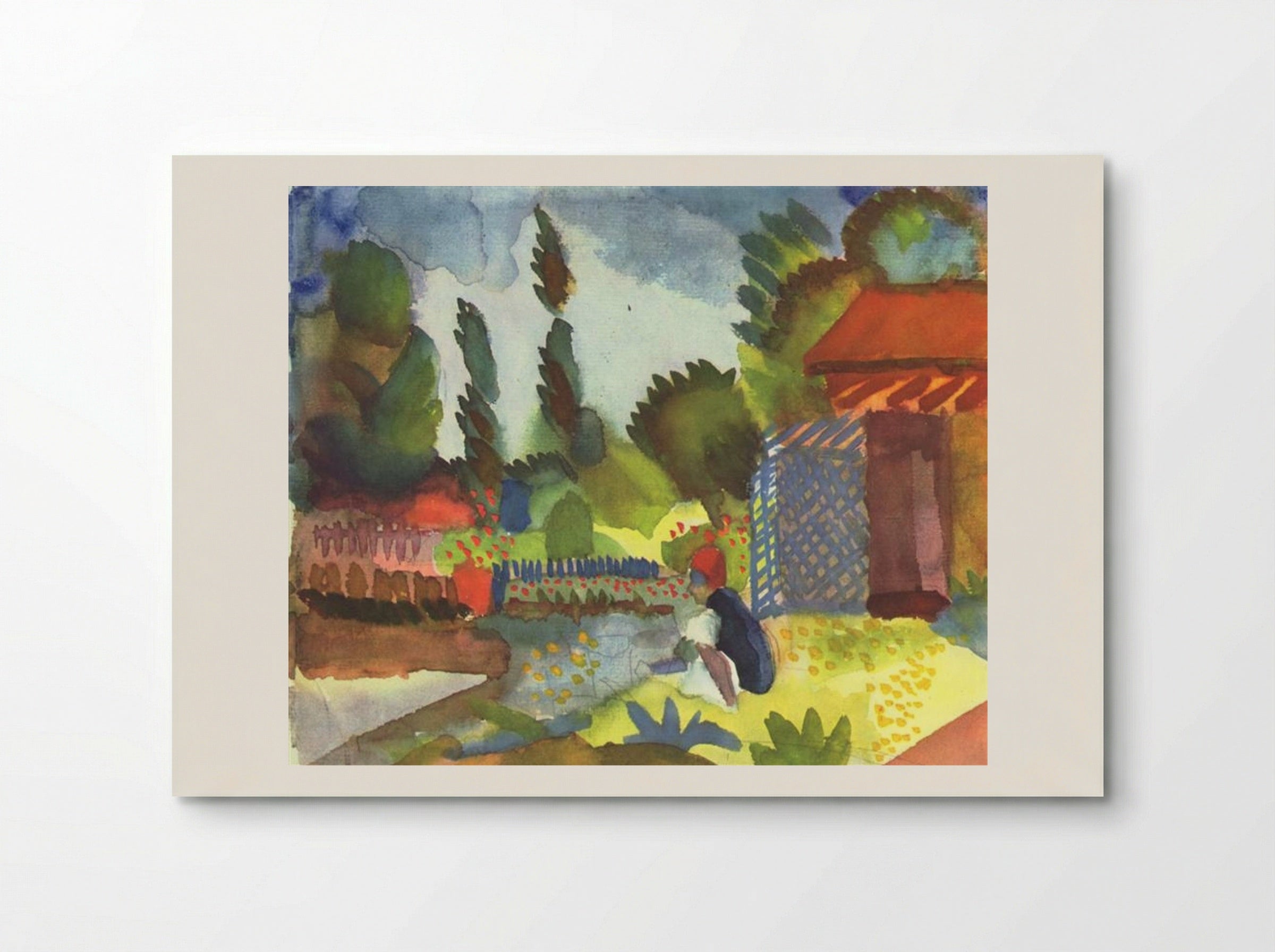 Tunisiskt landskap med sittande araber - August Macke
Print
Ordinarie pris Från £28.00 GBPReapris Från £28.00 GBP Ordinarie pris -
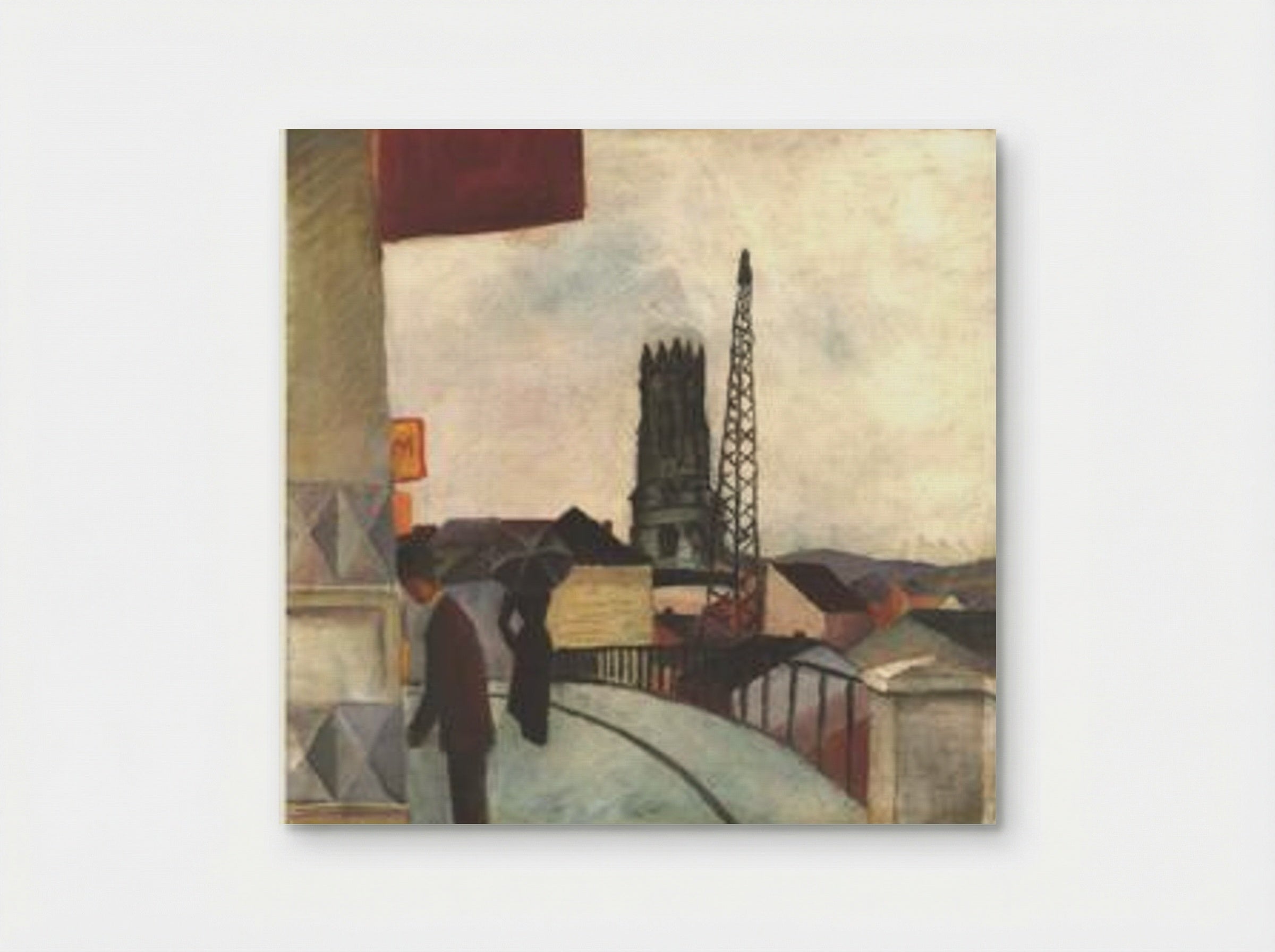 Freiburgkatedralen i Schweiz – August Macke
Print
Ordinarie pris Från £37.00 GBPReapris Från £37.00 GBP Ordinarie pris -
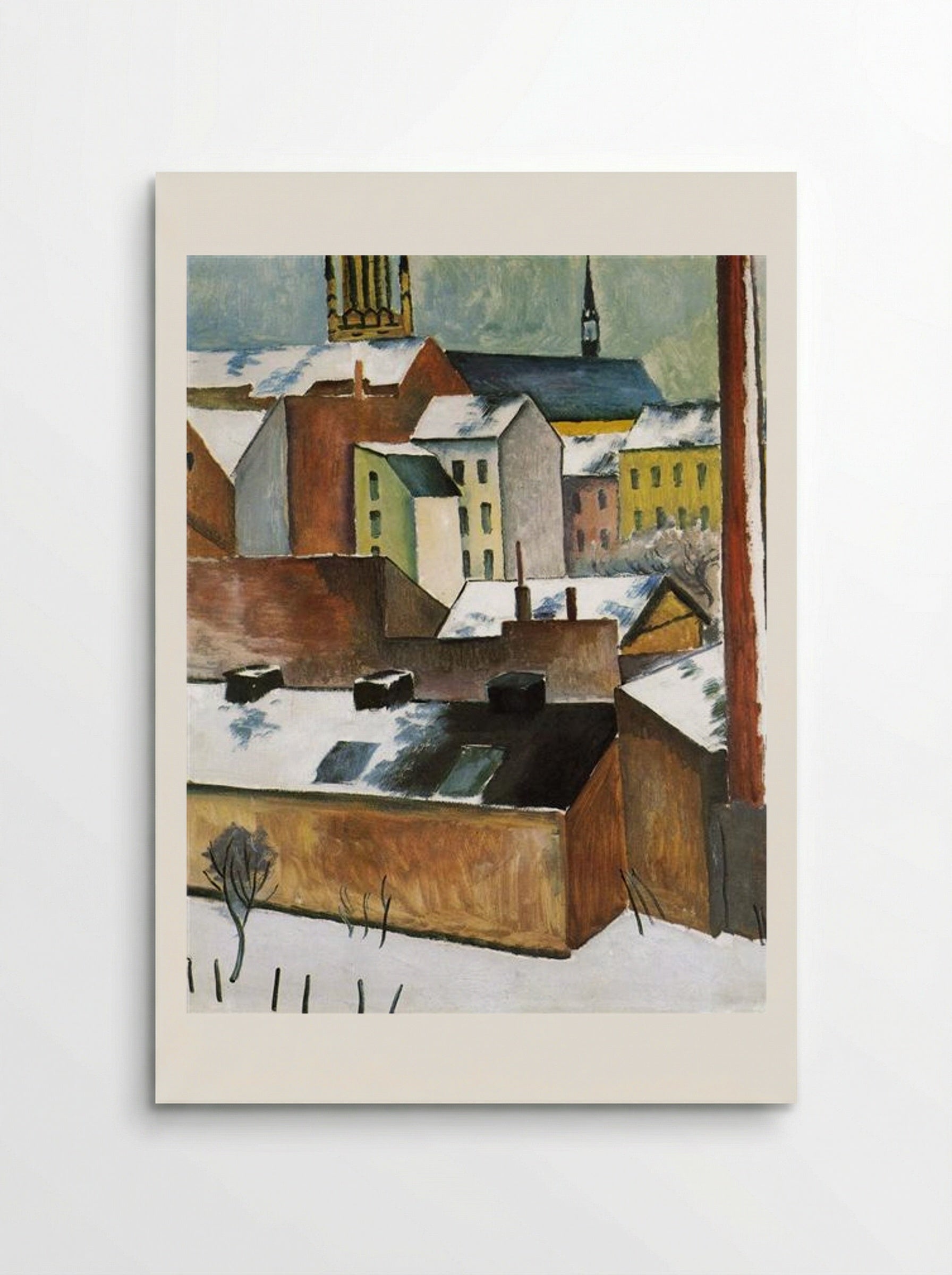 Mariakyrkan i Bonn i snö – August Macke
Print
Ordinarie pris Från £28.00 GBPReapris Från £28.00 GBP Ordinarie pris -
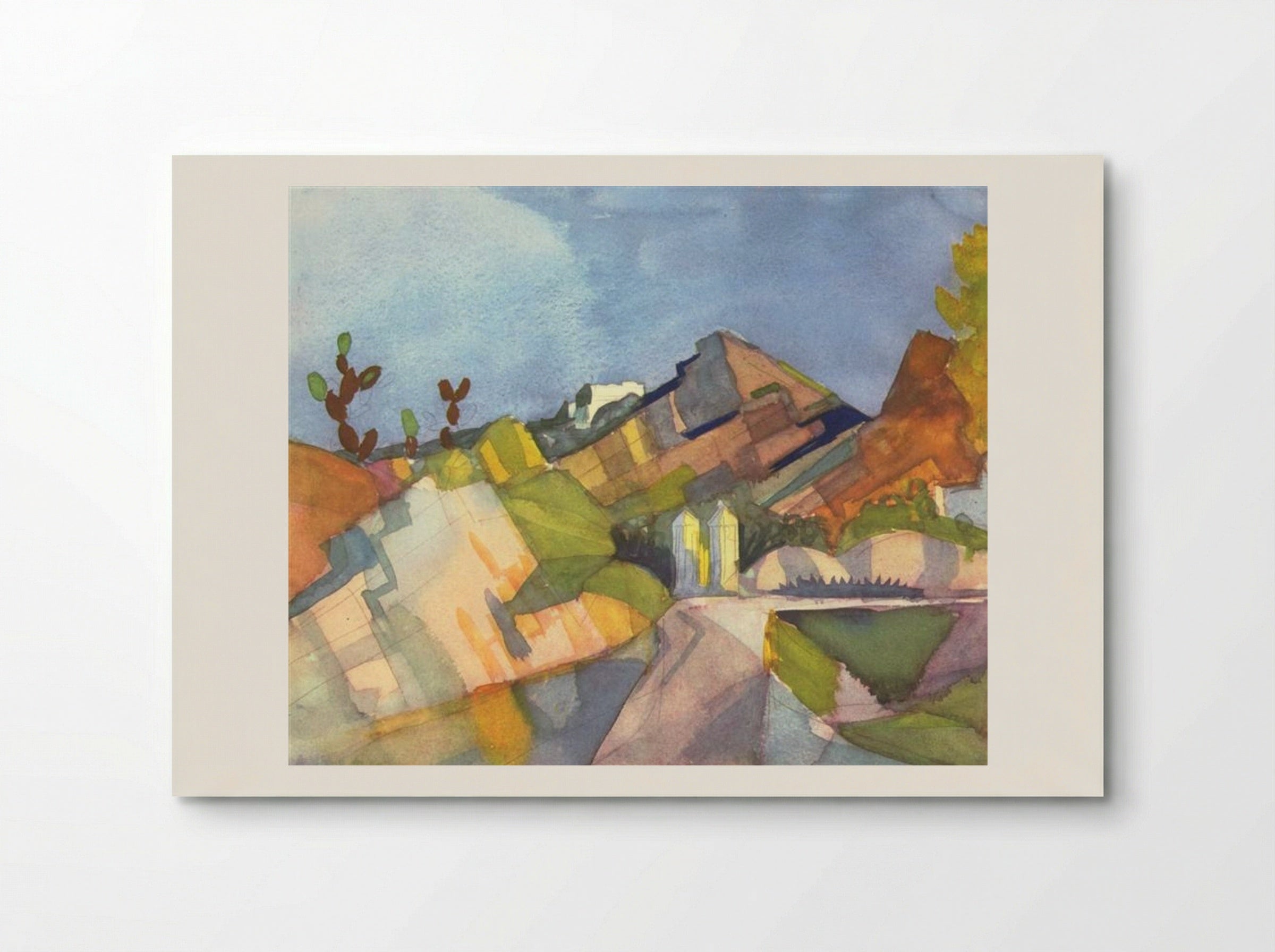 Klippigt landskap - August Macke
Print
Ordinarie pris Från £28.00 GBPReapris Från £28.00 GBP Ordinarie pris -
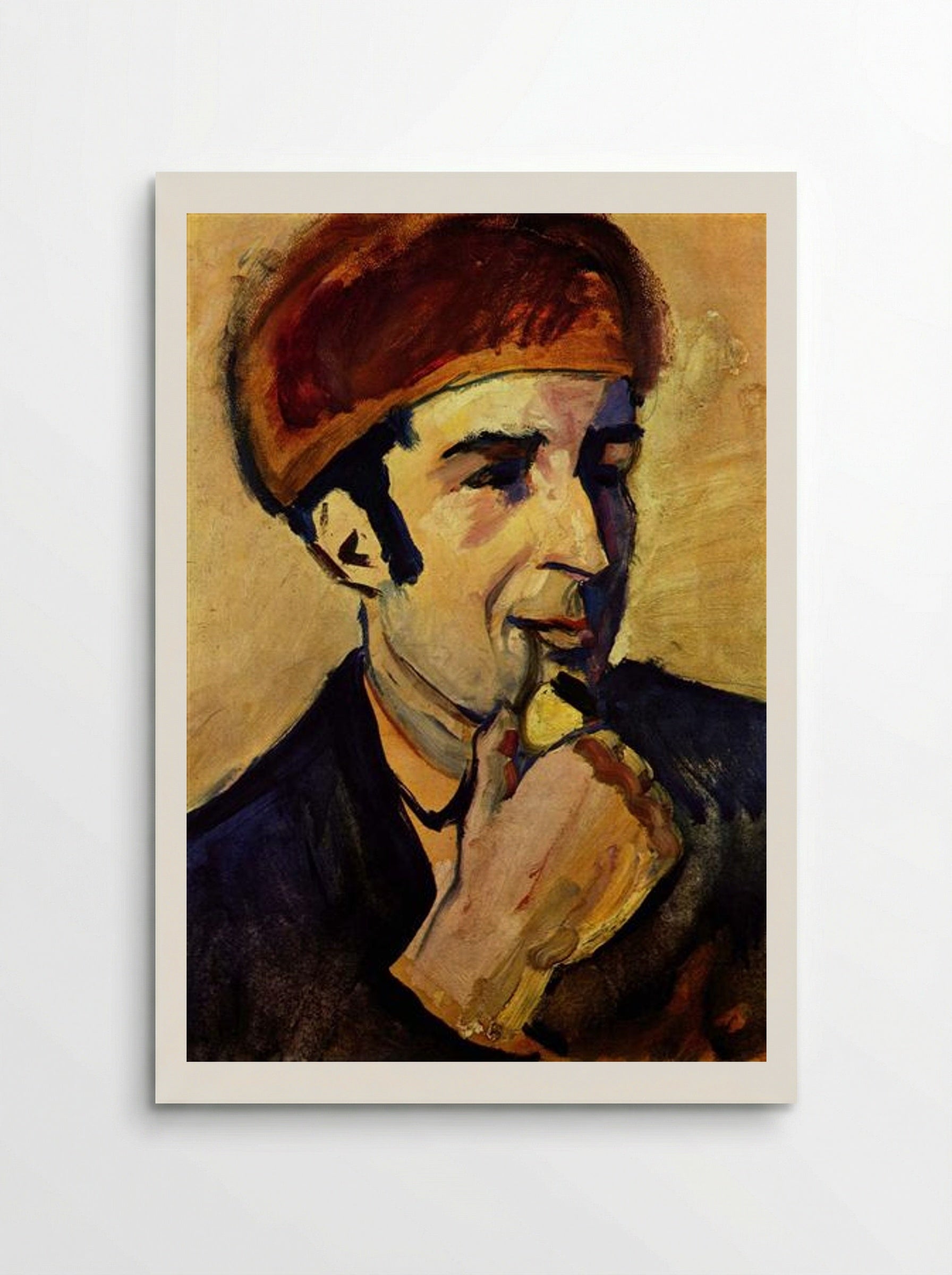 Porträtt av Franz Marc - August Macke
Print
Ordinarie pris Från £28.00 GBPReapris Från £28.00 GBP Ordinarie pris -
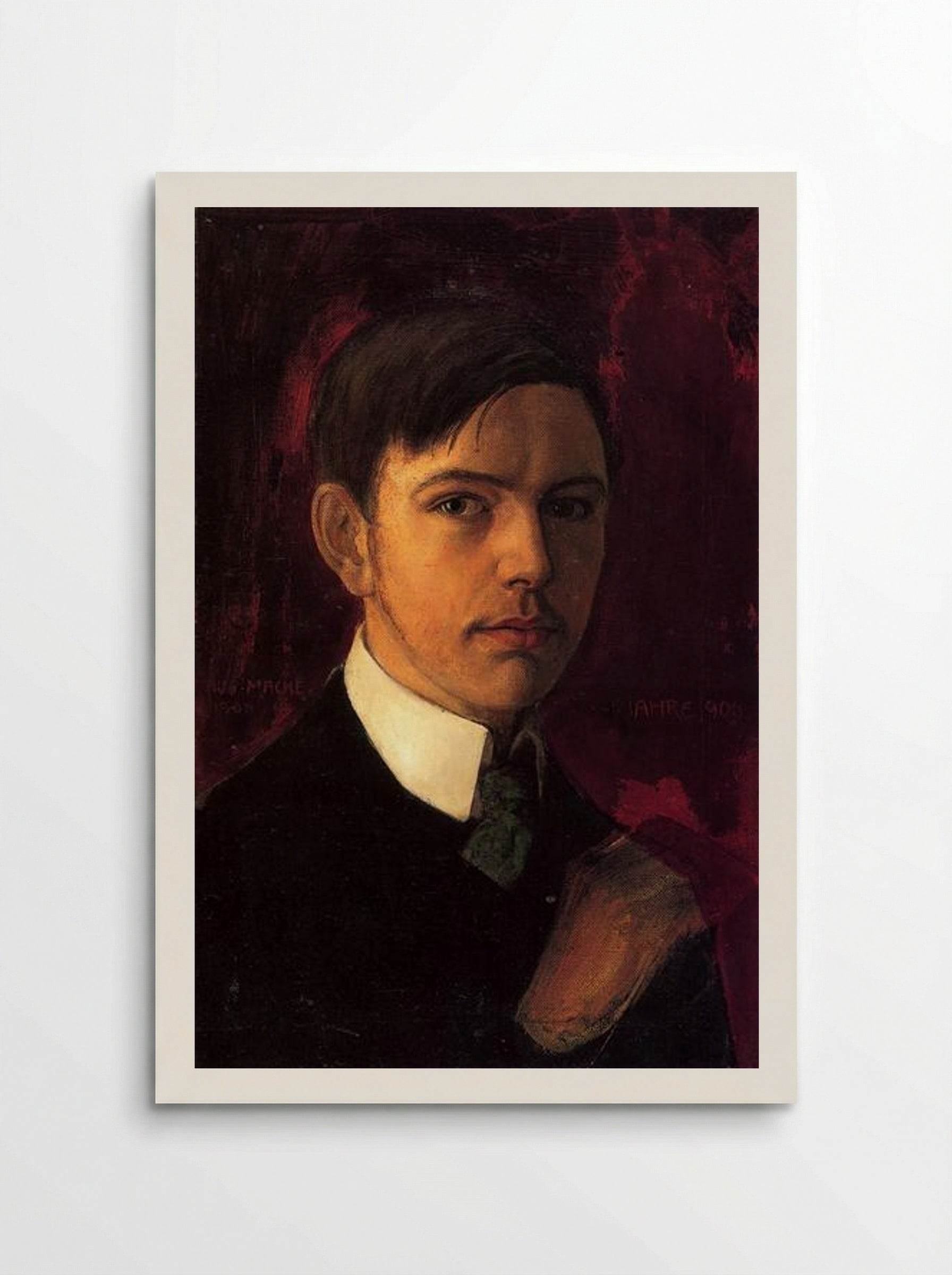 Självporträtt (August Macke) - August Macke
Print
Ordinarie pris Från £28.00 GBPReapris Från £28.00 GBP Ordinarie pris -
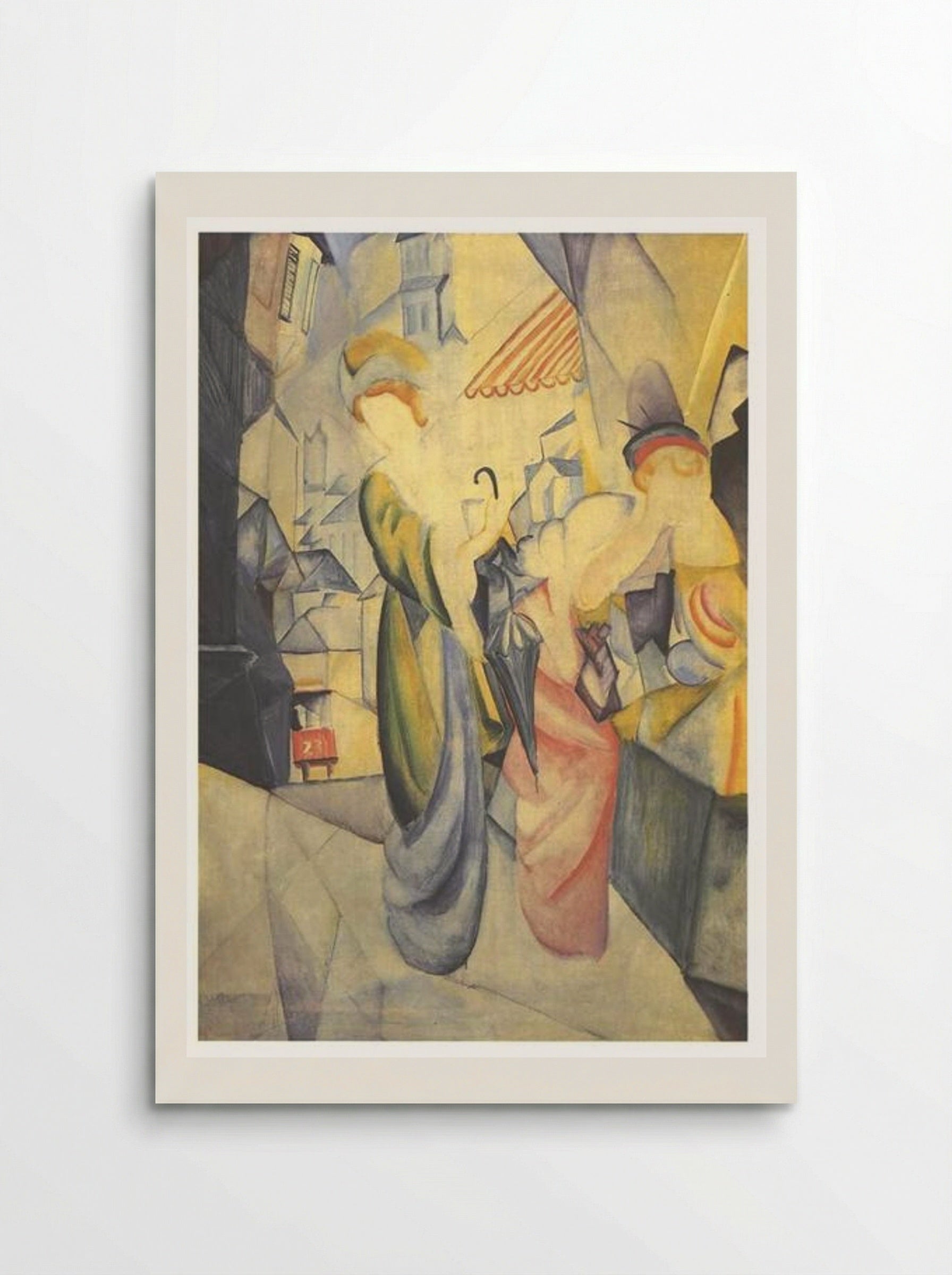 Ljus kvinna framför en hattaffär - August Macke
Print
Ordinarie pris Från £28.00 GBPReapris Från £28.00 GBP Ordinarie pris -
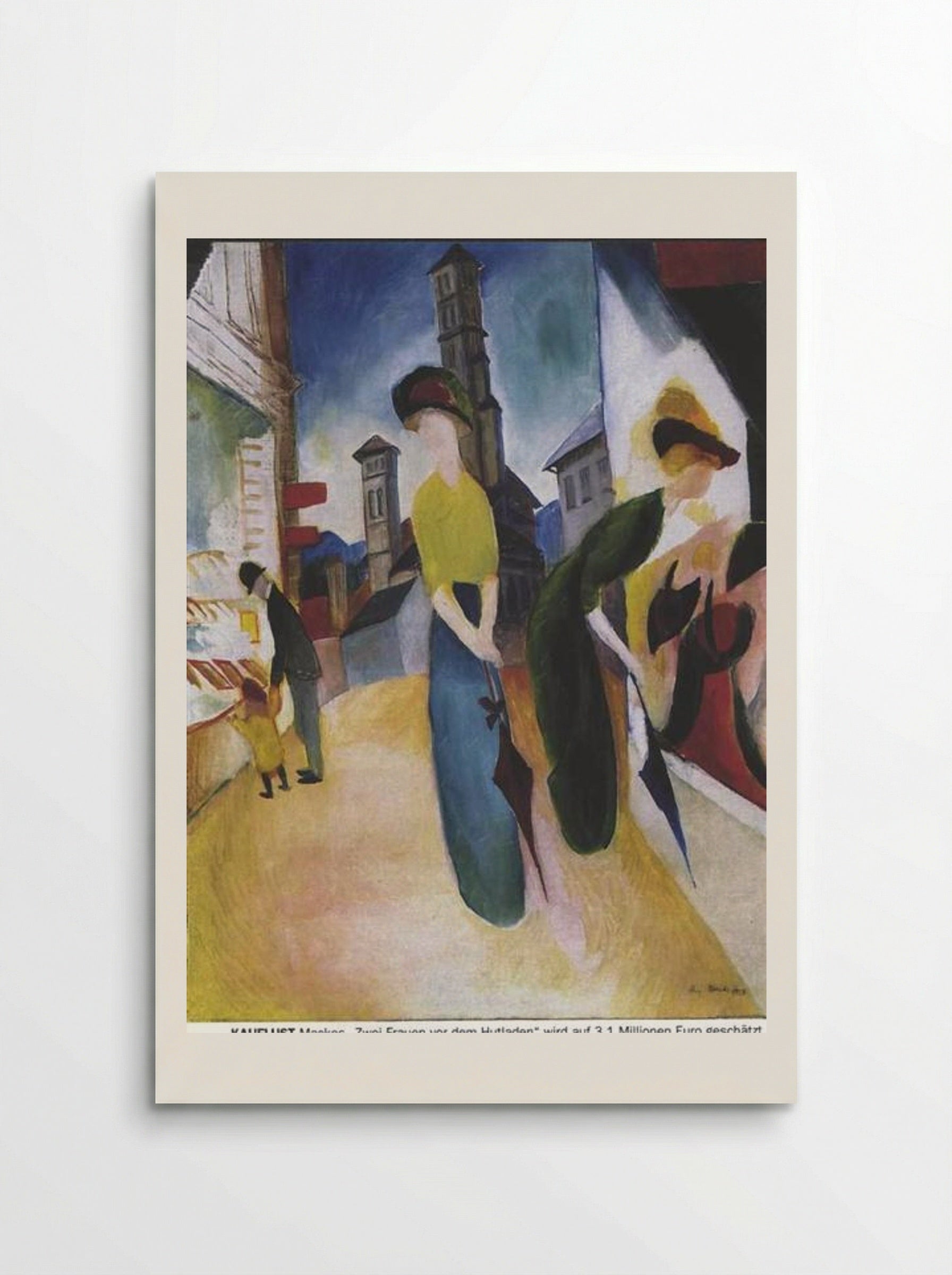 Två kvinnor framför en hattaffär - August Macke
Print
Ordinarie pris Från £28.00 GBPReapris Från £28.00 GBP Ordinarie pris -
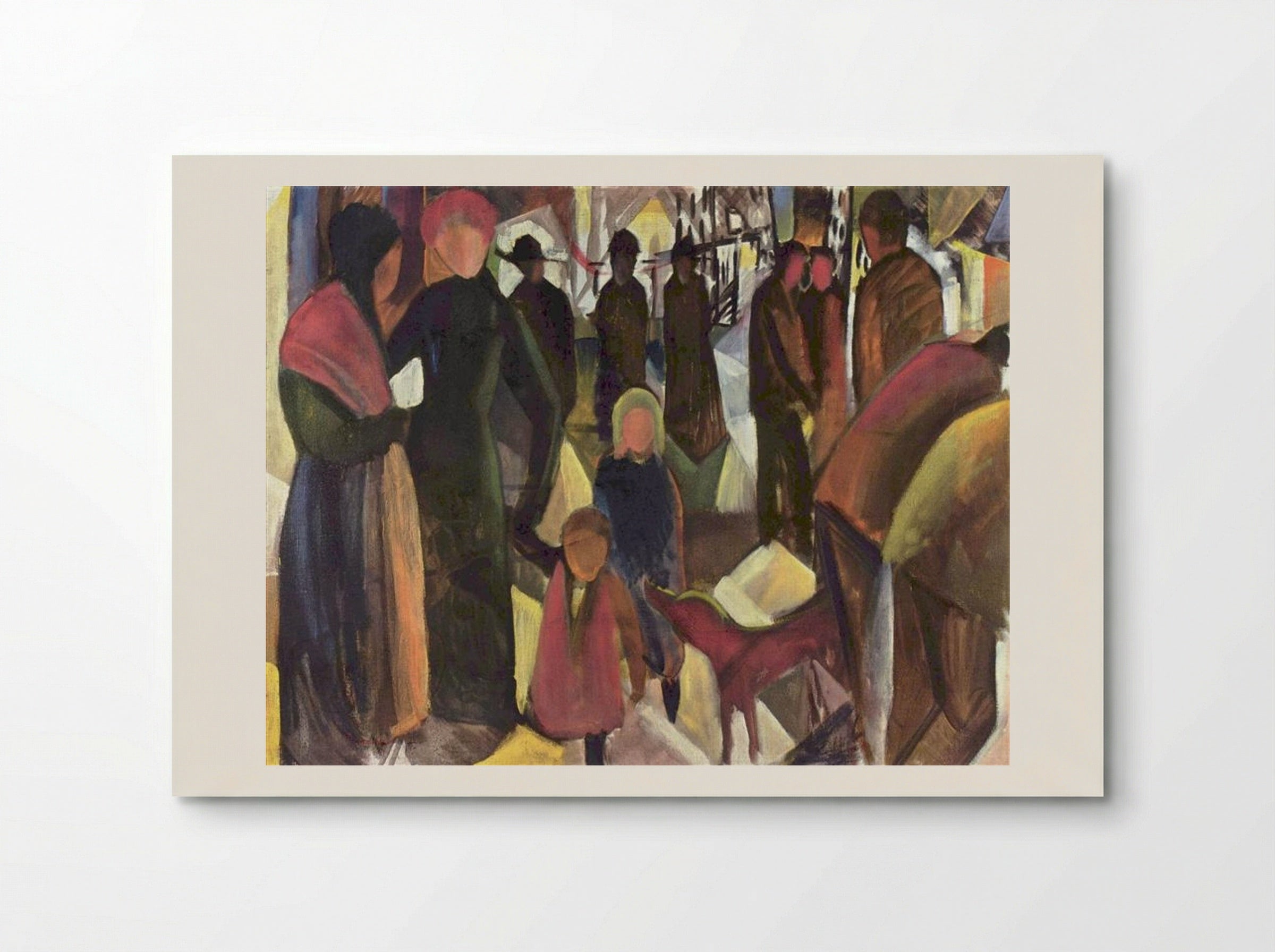
-
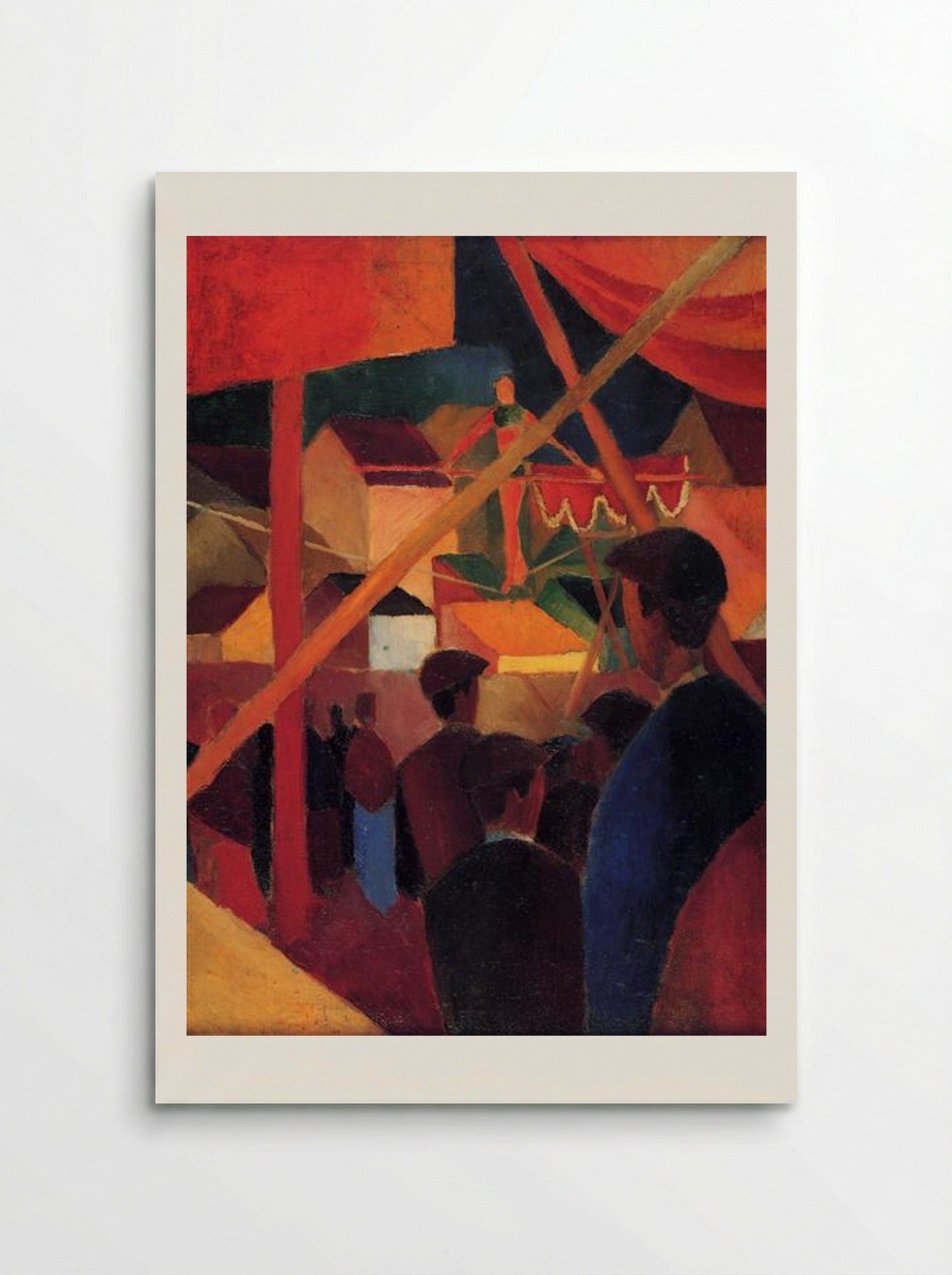 Linbrobator - August Macke
Print
Ordinarie pris Från £28.00 GBPReapris Från £28.00 GBP Ordinarie pris -
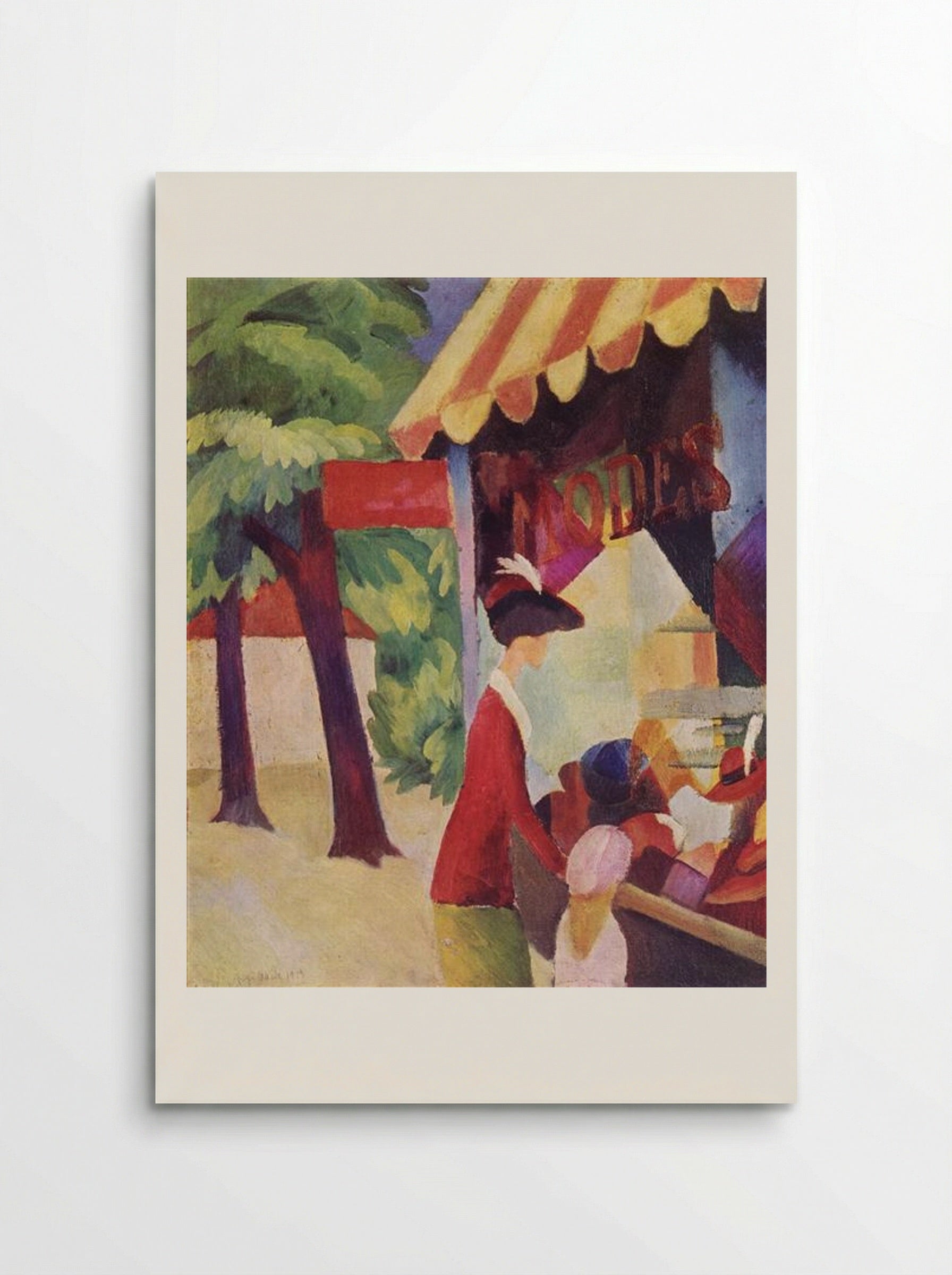 Framför hattaffären (Kvinna med röd jacka och barn) - August Macke
Print
Ordinarie pris Från £28.00 GBPReapris Från £28.00 GBP Ordinarie pris -
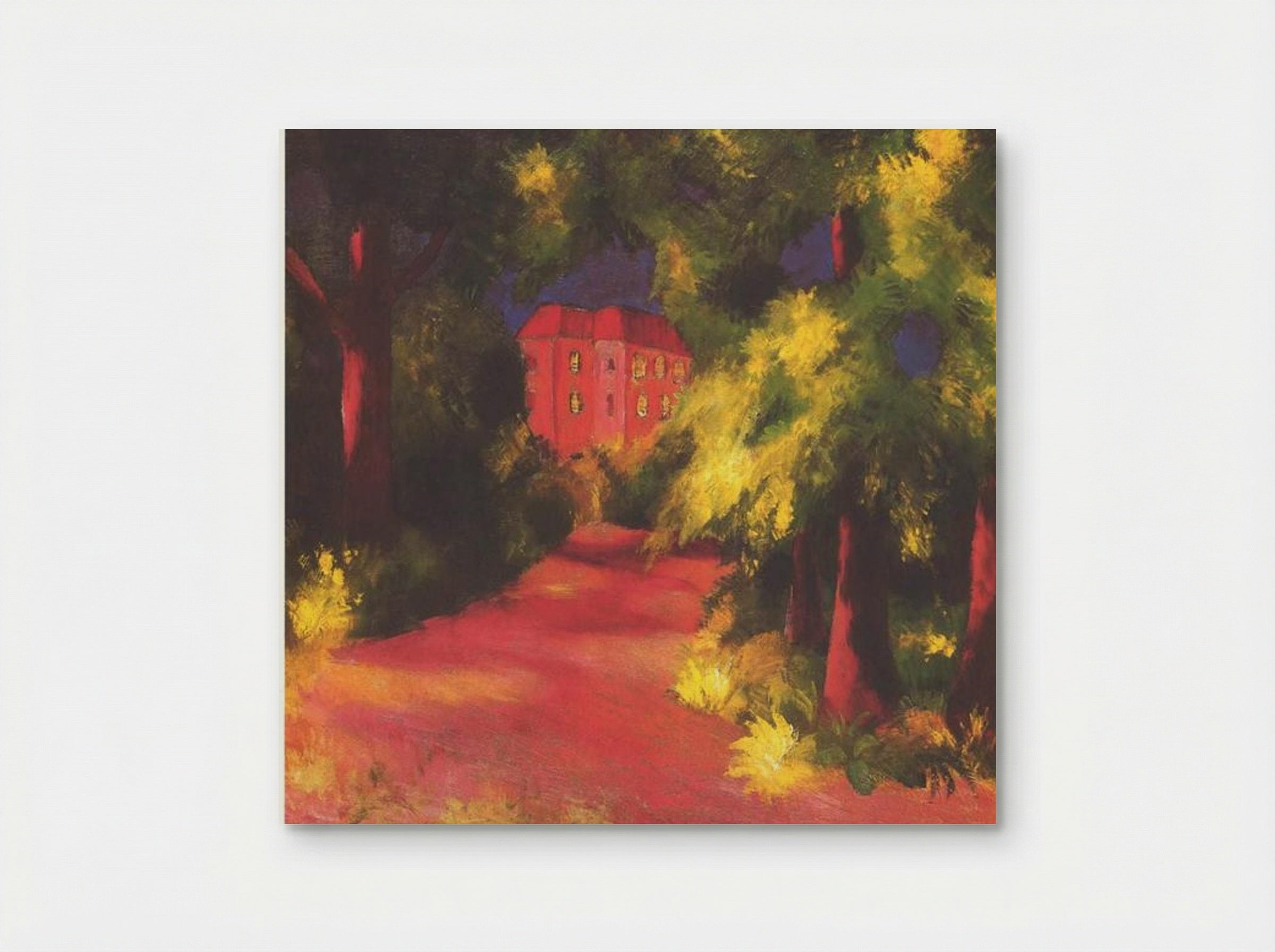 Röda huset i parken - August Macke
Print
Ordinarie pris Från £37.00 GBPReapris Från £37.00 GBP Ordinarie pris -
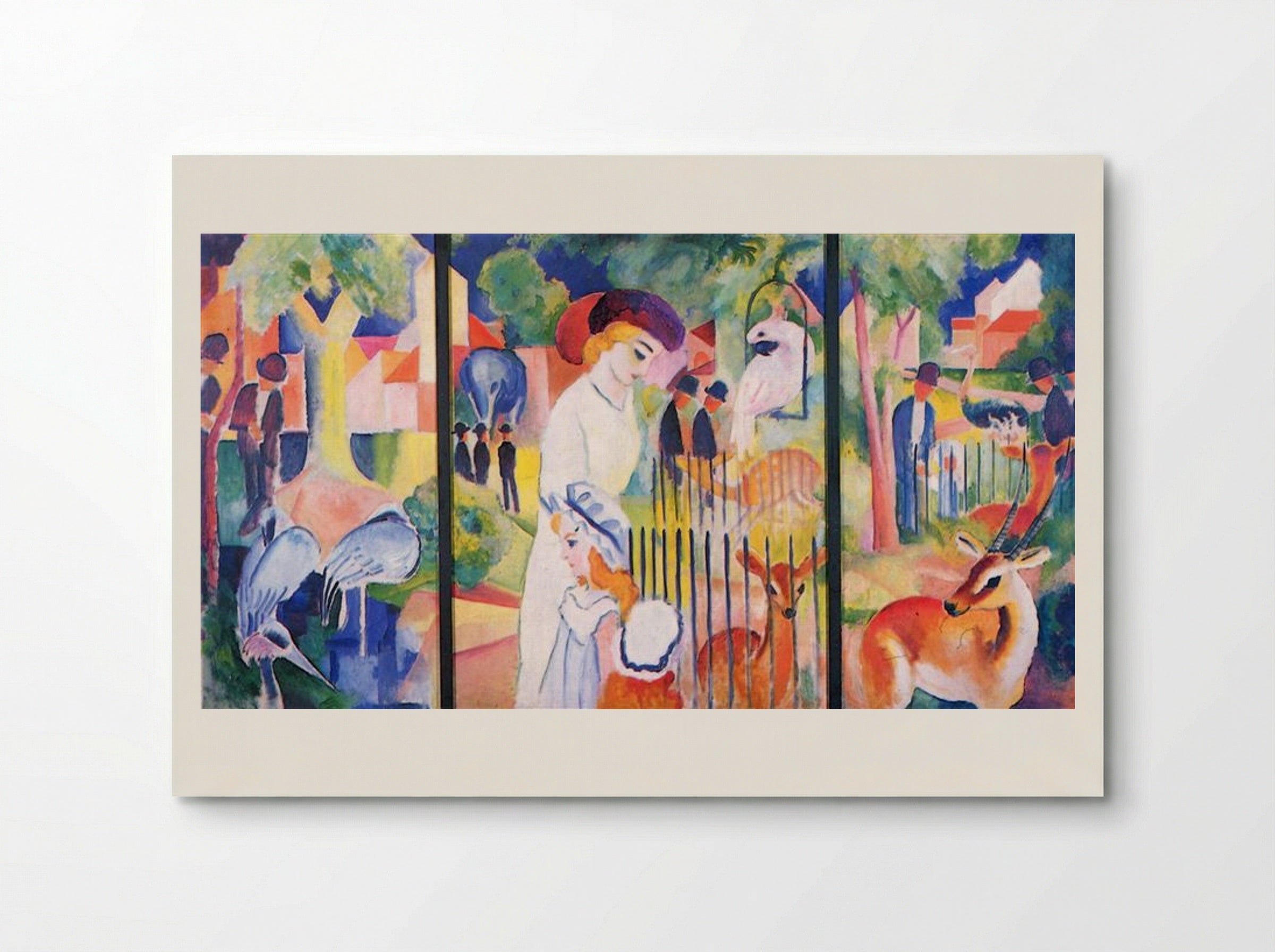 Stor djurpark, triptyk - August Macke
Print
Ordinarie pris Från £28.00 GBPReapris Från £28.00 GBP Ordinarie pris -
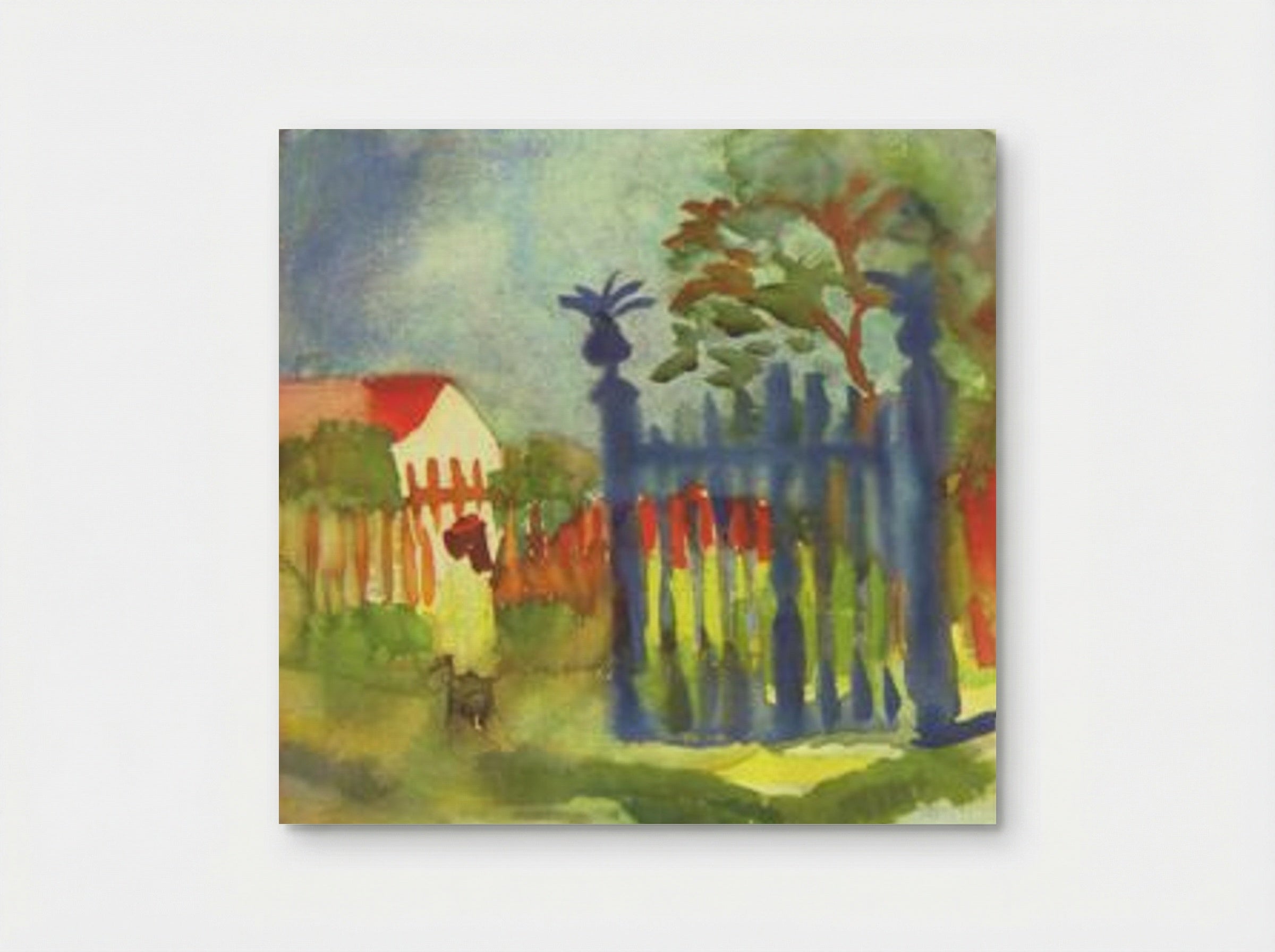 Gartentor – August Macke
Print
Ordinarie pris Från £37.00 GBPReapris Från £37.00 GBP Ordinarie pris -
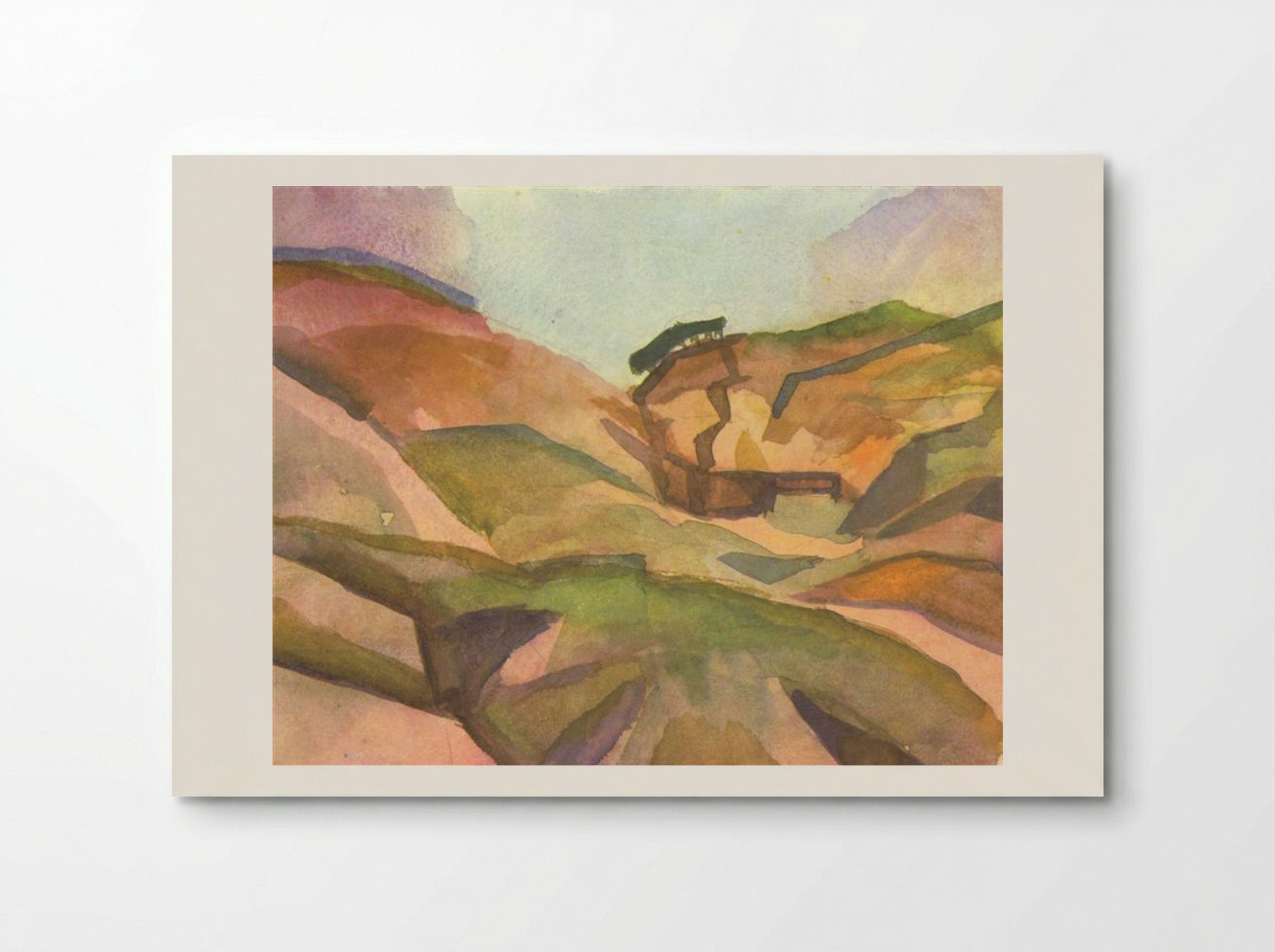
-
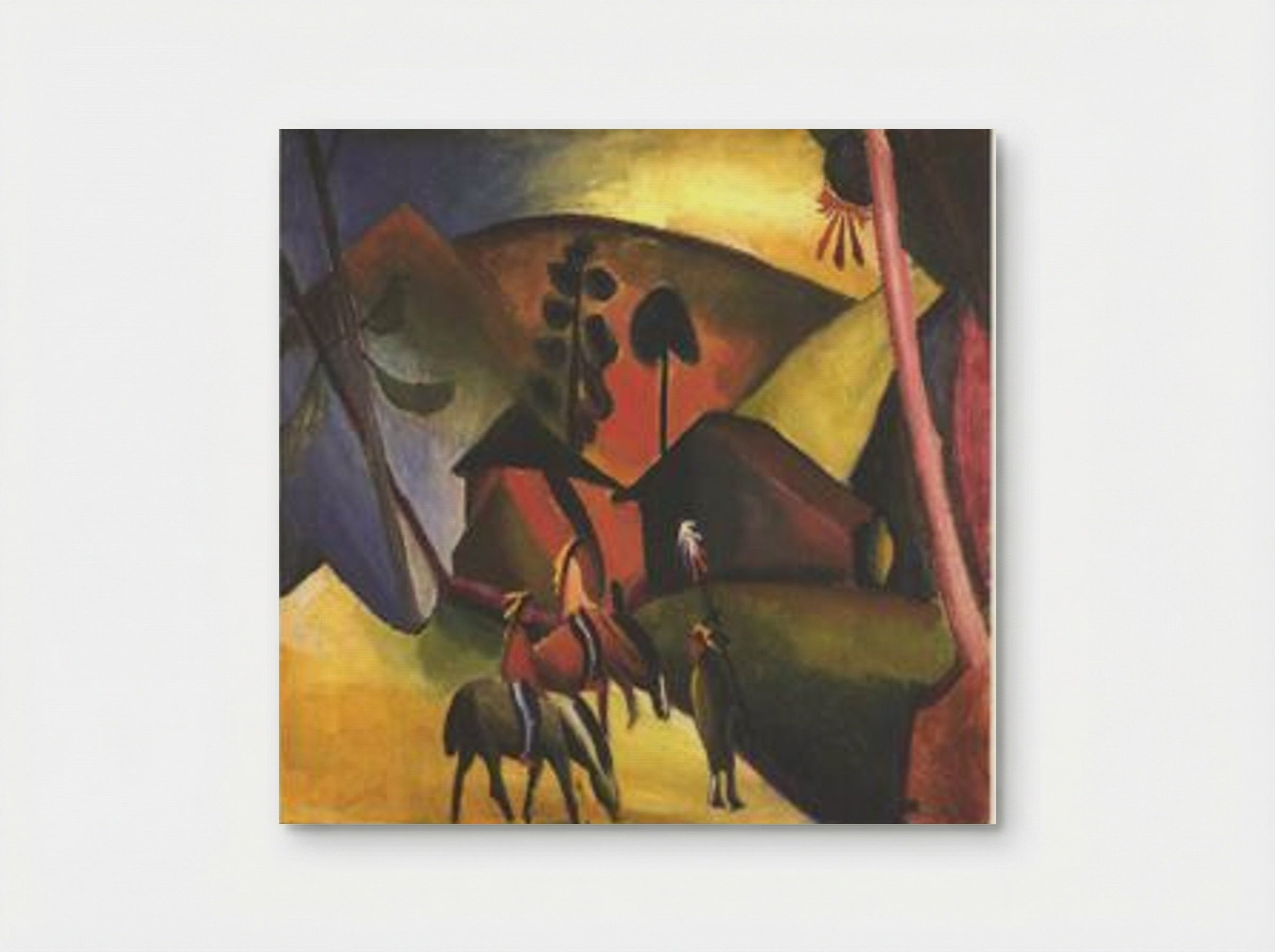 Indianer till häst – August Macke
Print
Ordinarie pris Från £37.00 GBPReapris Från £37.00 GBP Ordinarie pris -
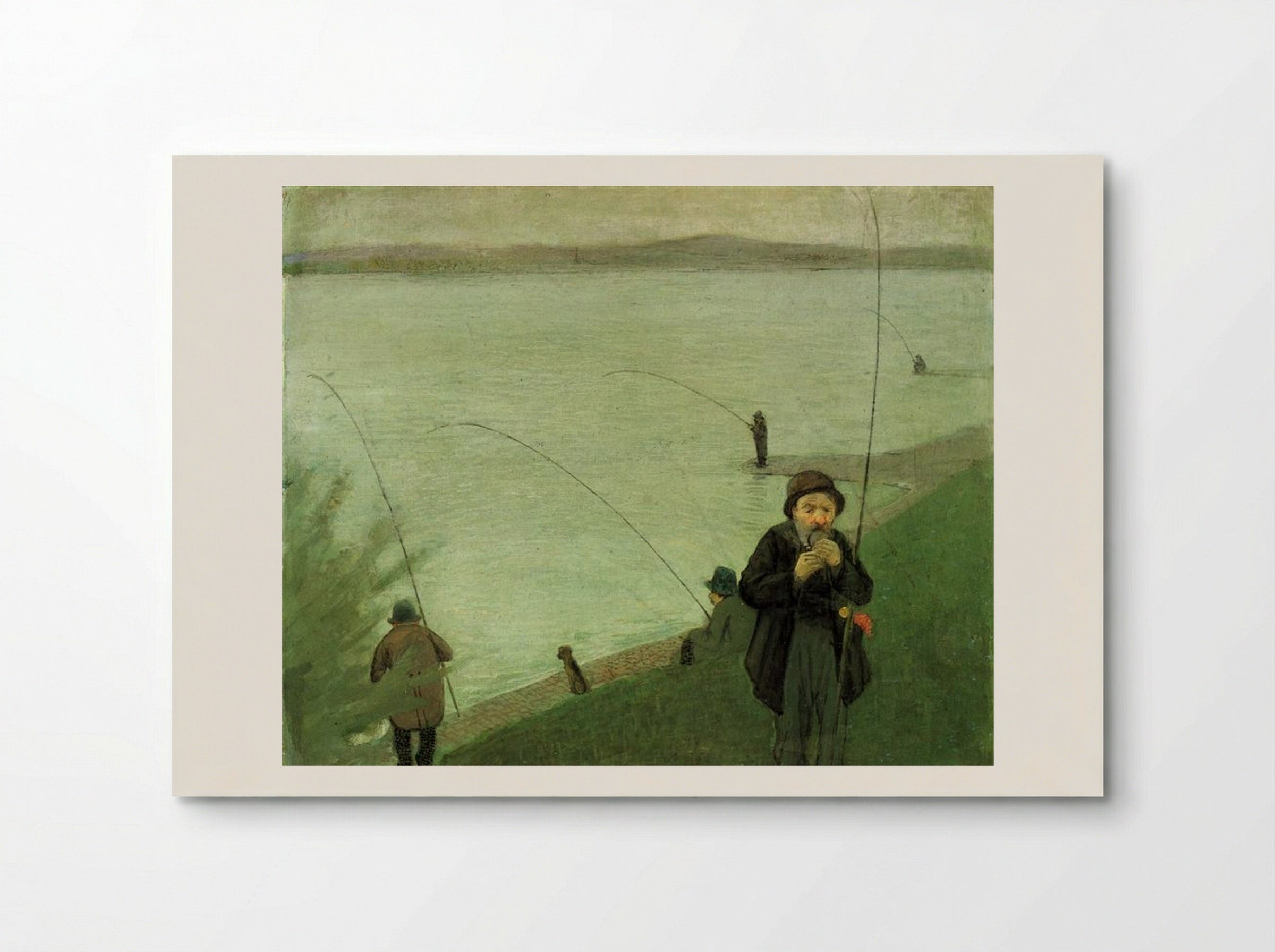
 Fiskare vid Rhen - August Macke
Print · Framed
Ordinarie pris Från £28.00 GBPReapris Från £28.00 GBP Ordinarie pris -
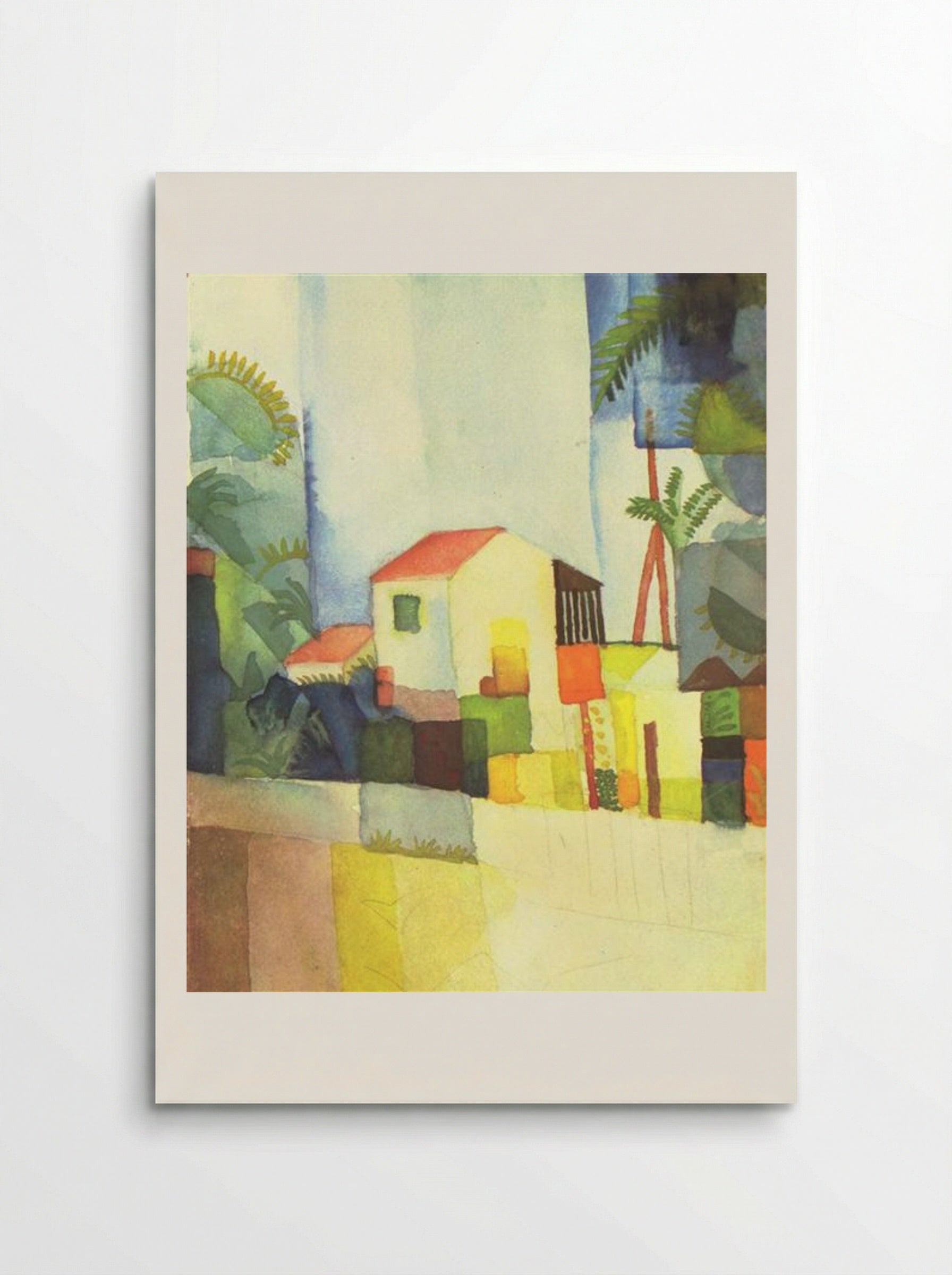
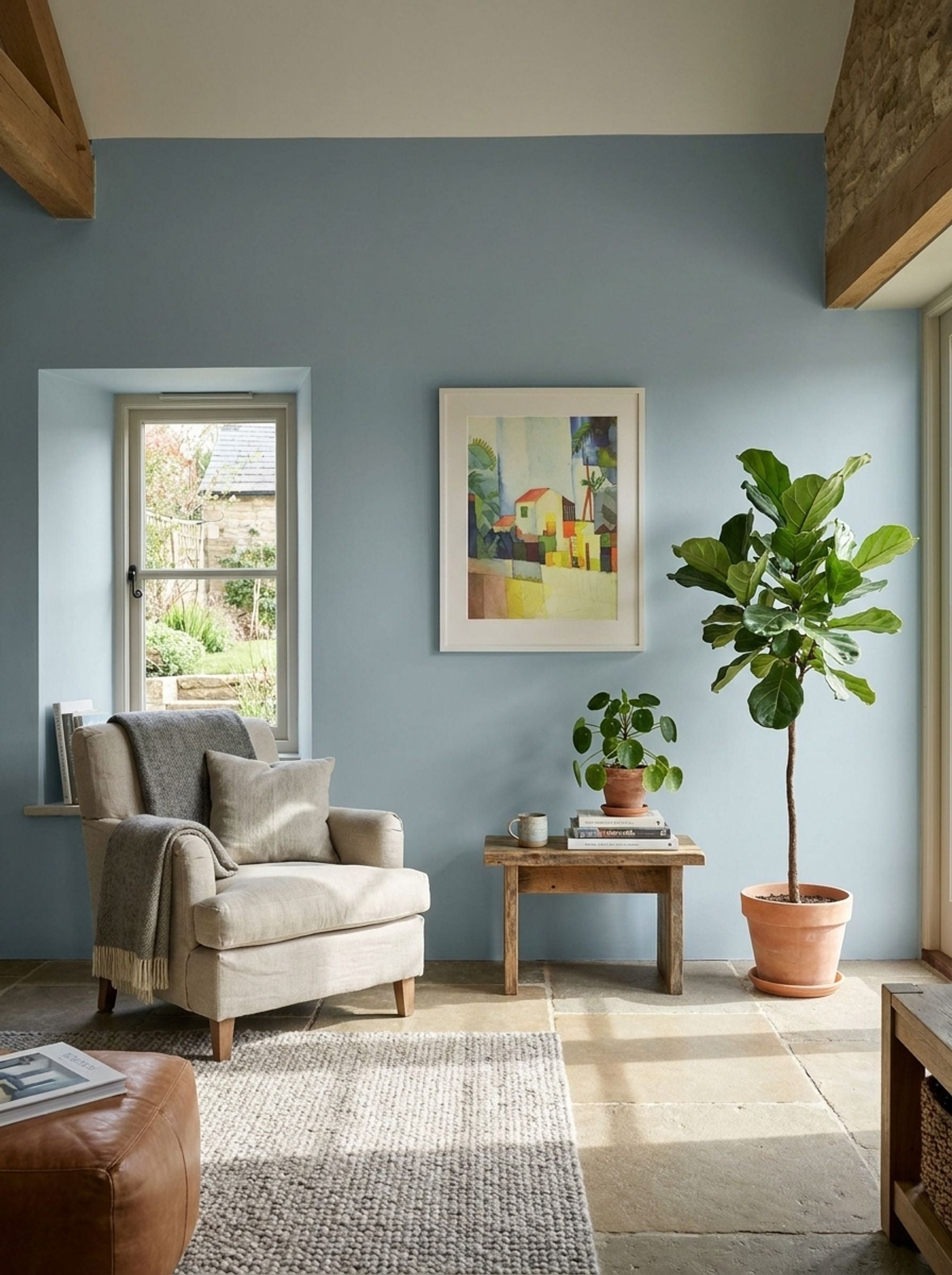 Ljust hus – August Macke
Print · Framed
Ordinarie pris Från £28.00 GBPReapris Från £28.00 GBP Ordinarie pris -
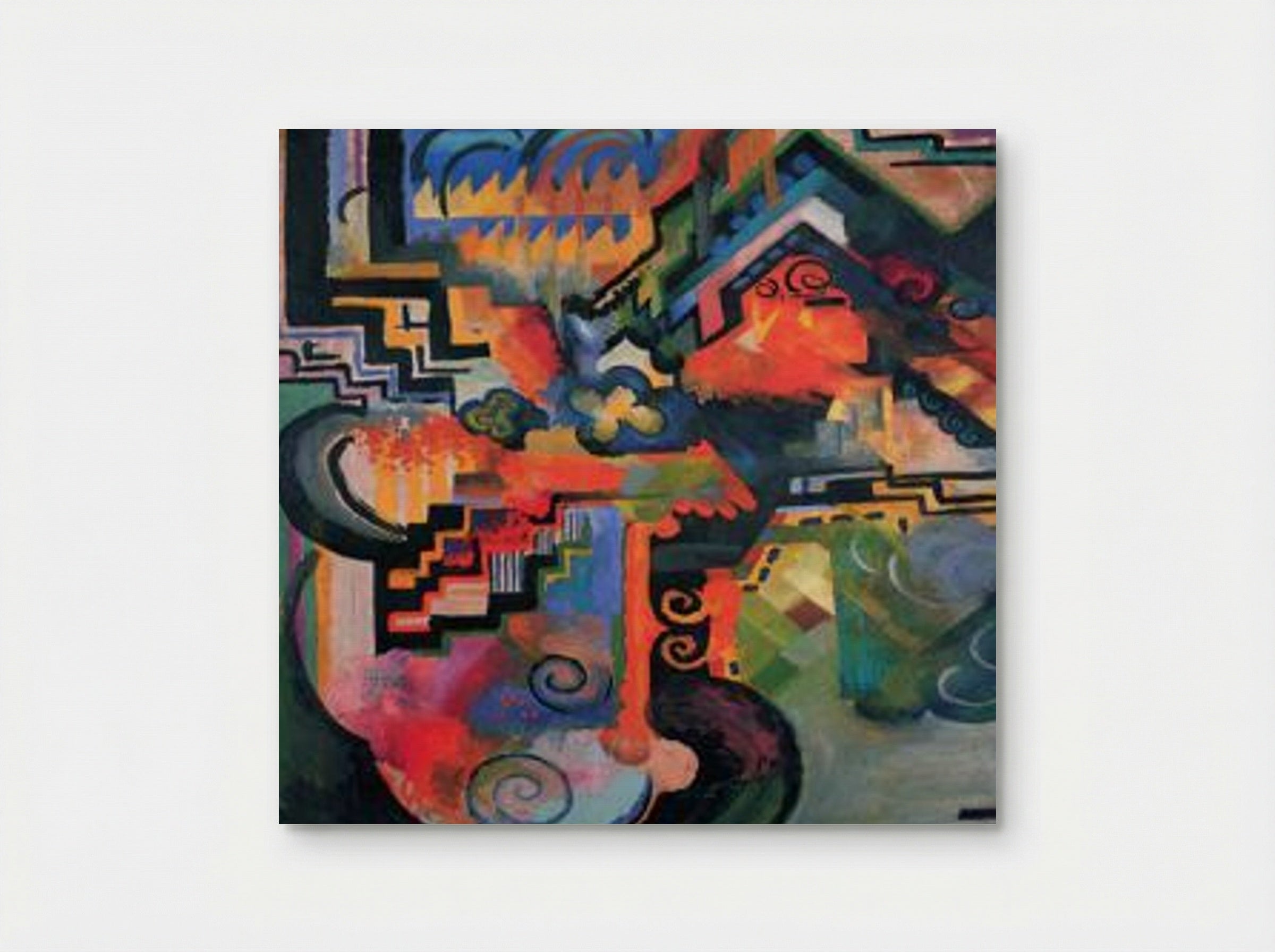
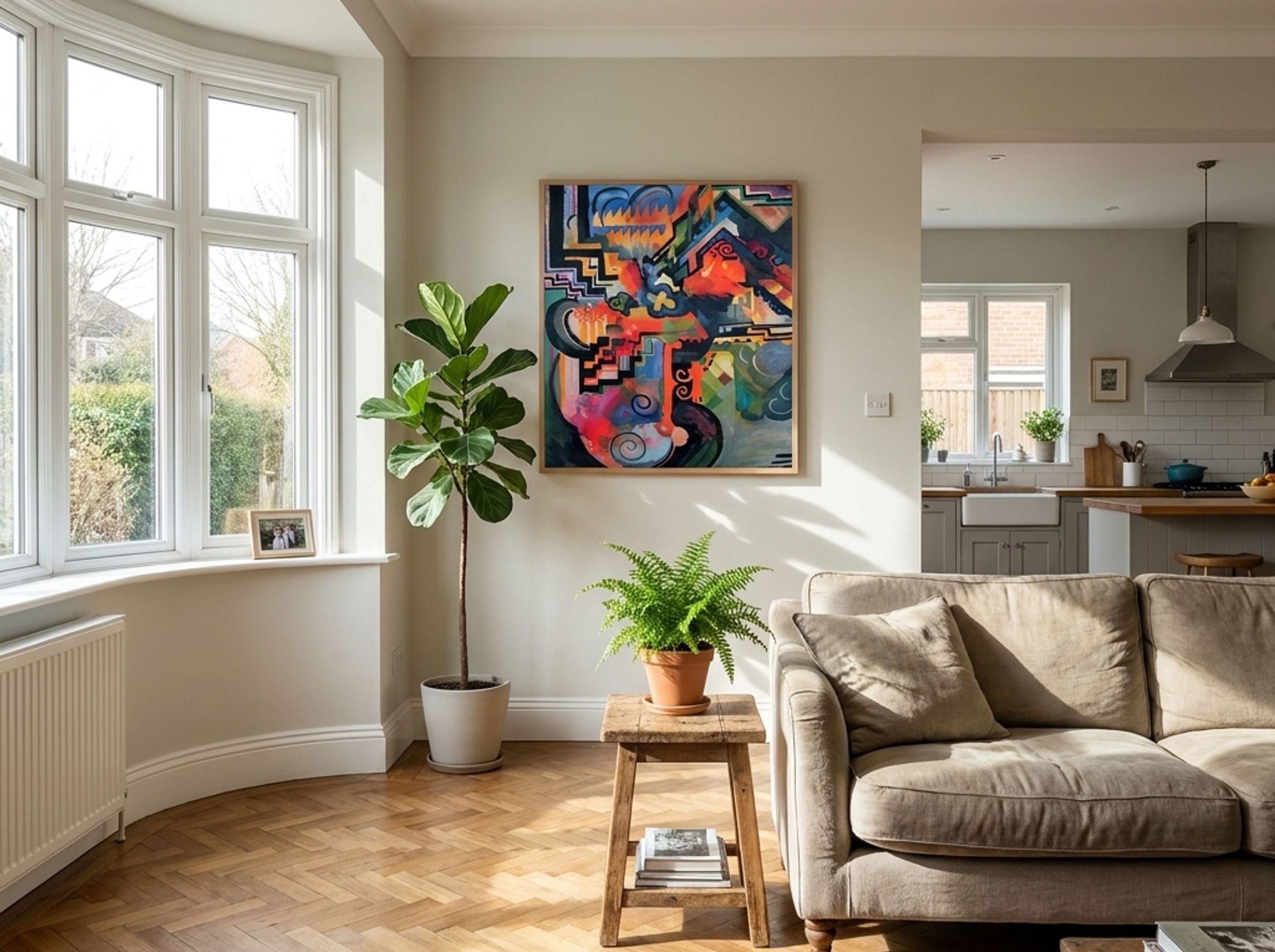 Färgad komposition (Hommage à Johann Sebastian Bach) - August Macke
Print · Framed
Ordinarie pris Från £37.00 GBPReapris Från £37.00 GBP Ordinarie pris -
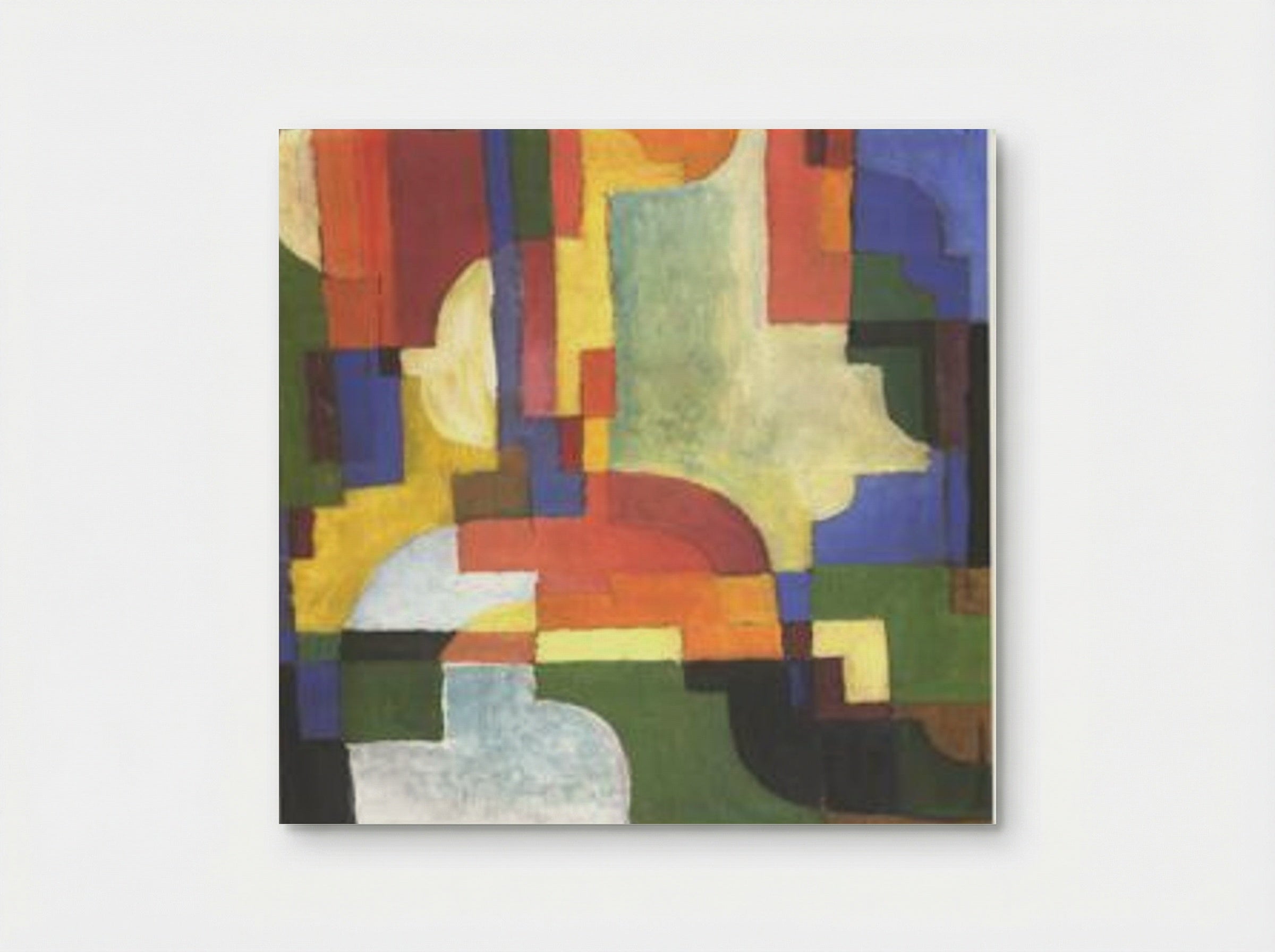
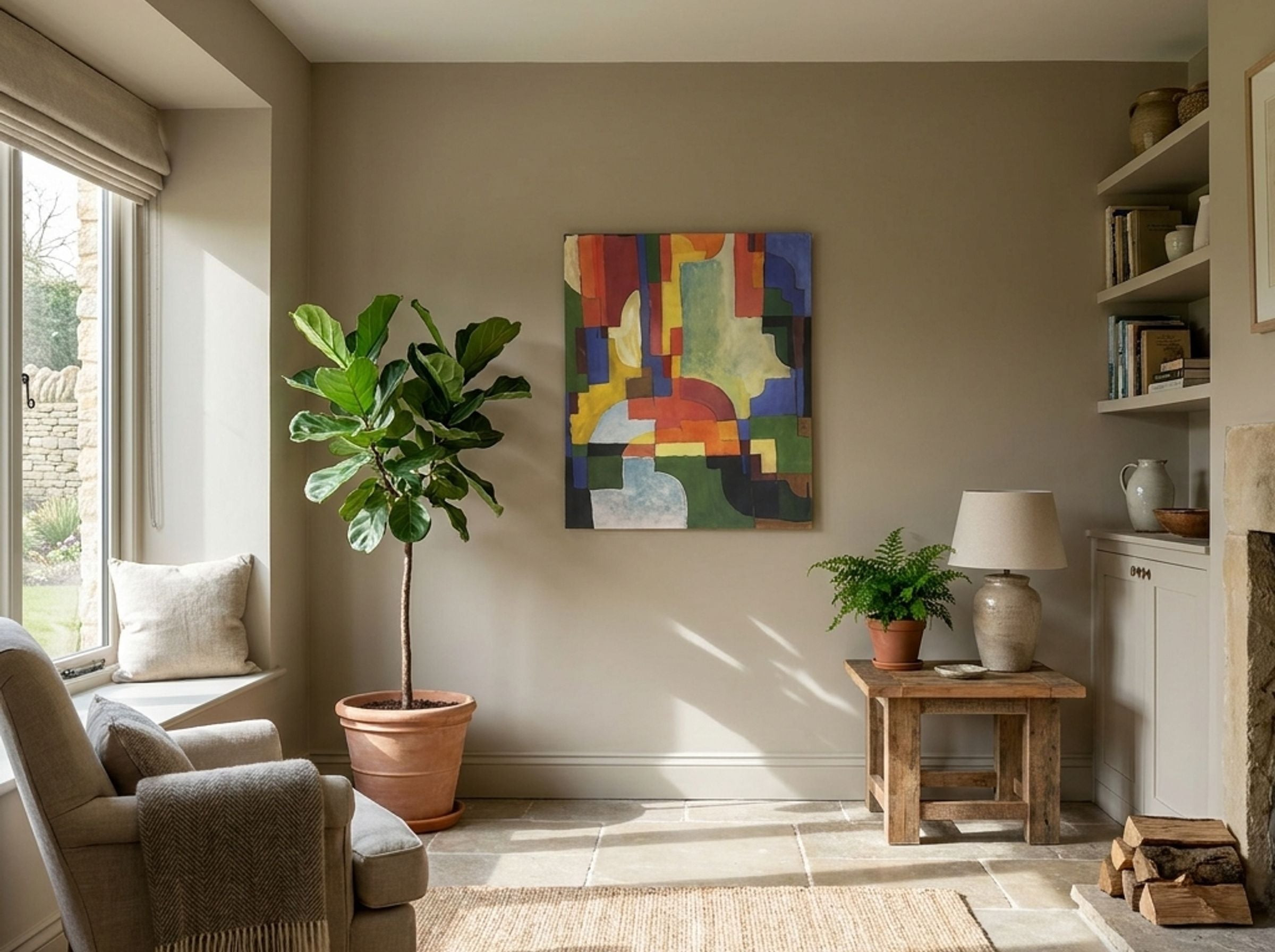 Färgstarka former - August Macke
Print · Framed
Ordinarie pris Från £37.00 GBPReapris Från £37.00 GBP Ordinarie pris -
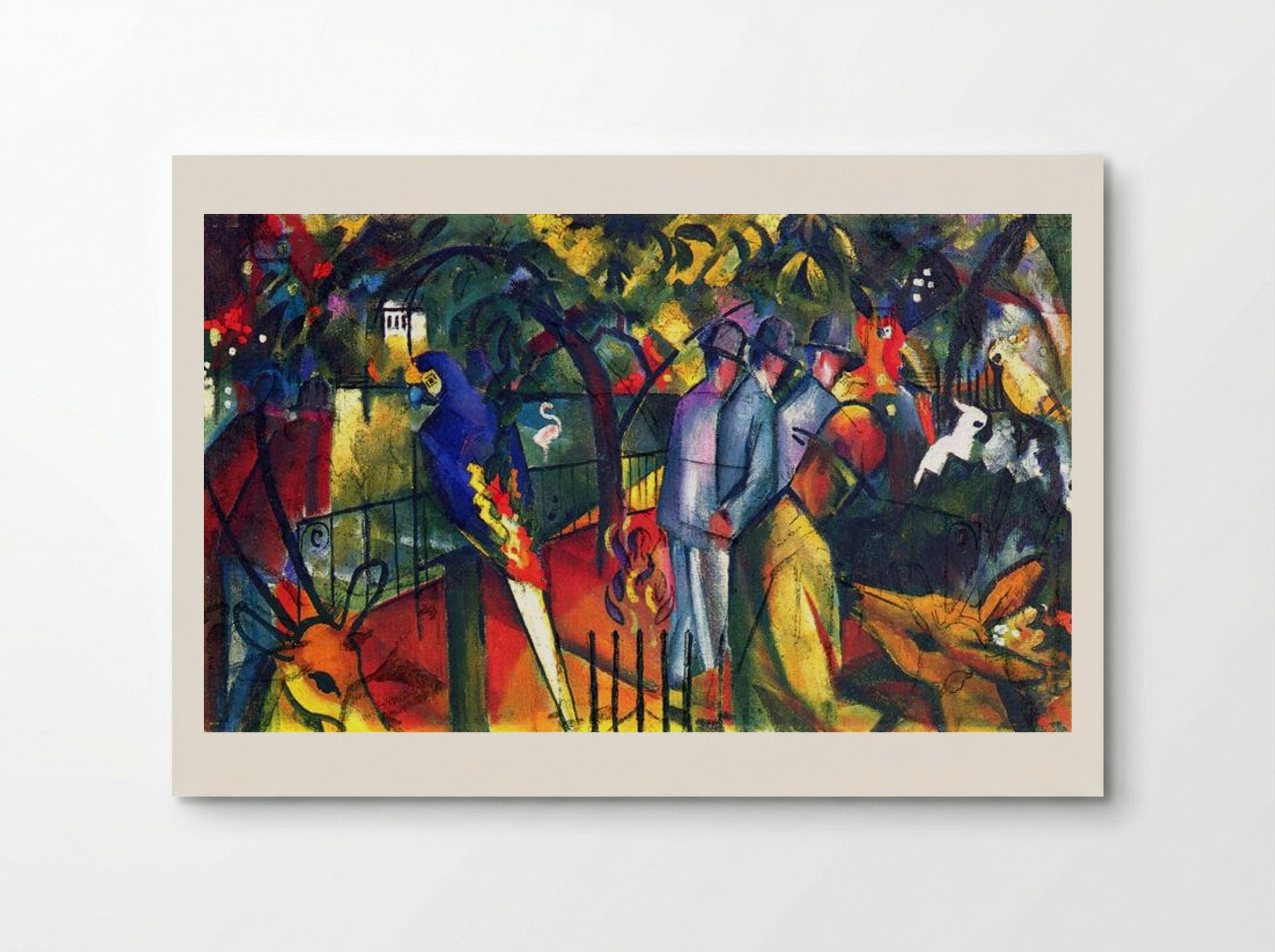
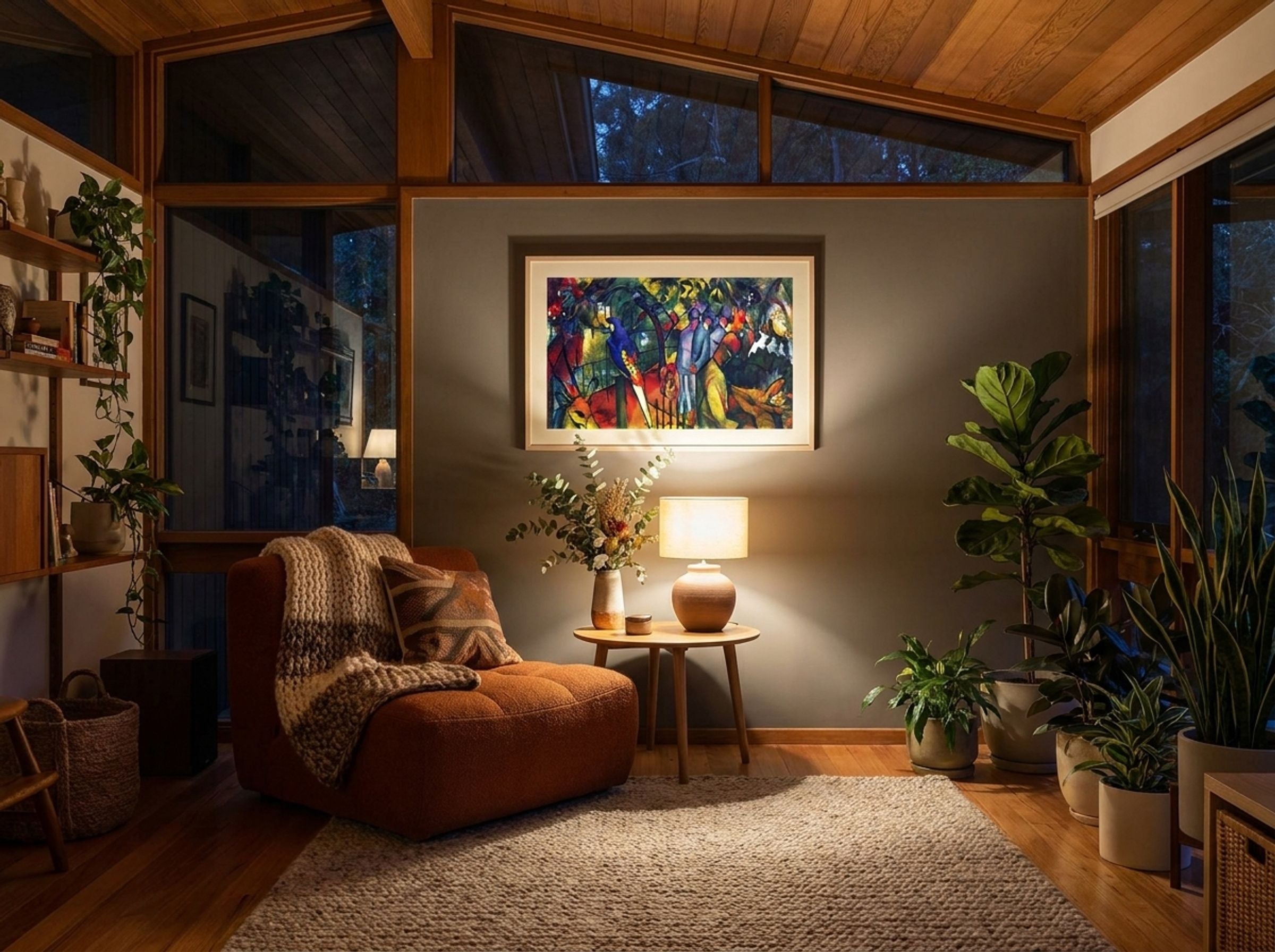 Zoologiska trädgården I - August Macke
Print · Framed
Ordinarie pris Från £28.00 GBPReapris Från £28.00 GBP Ordinarie pris -
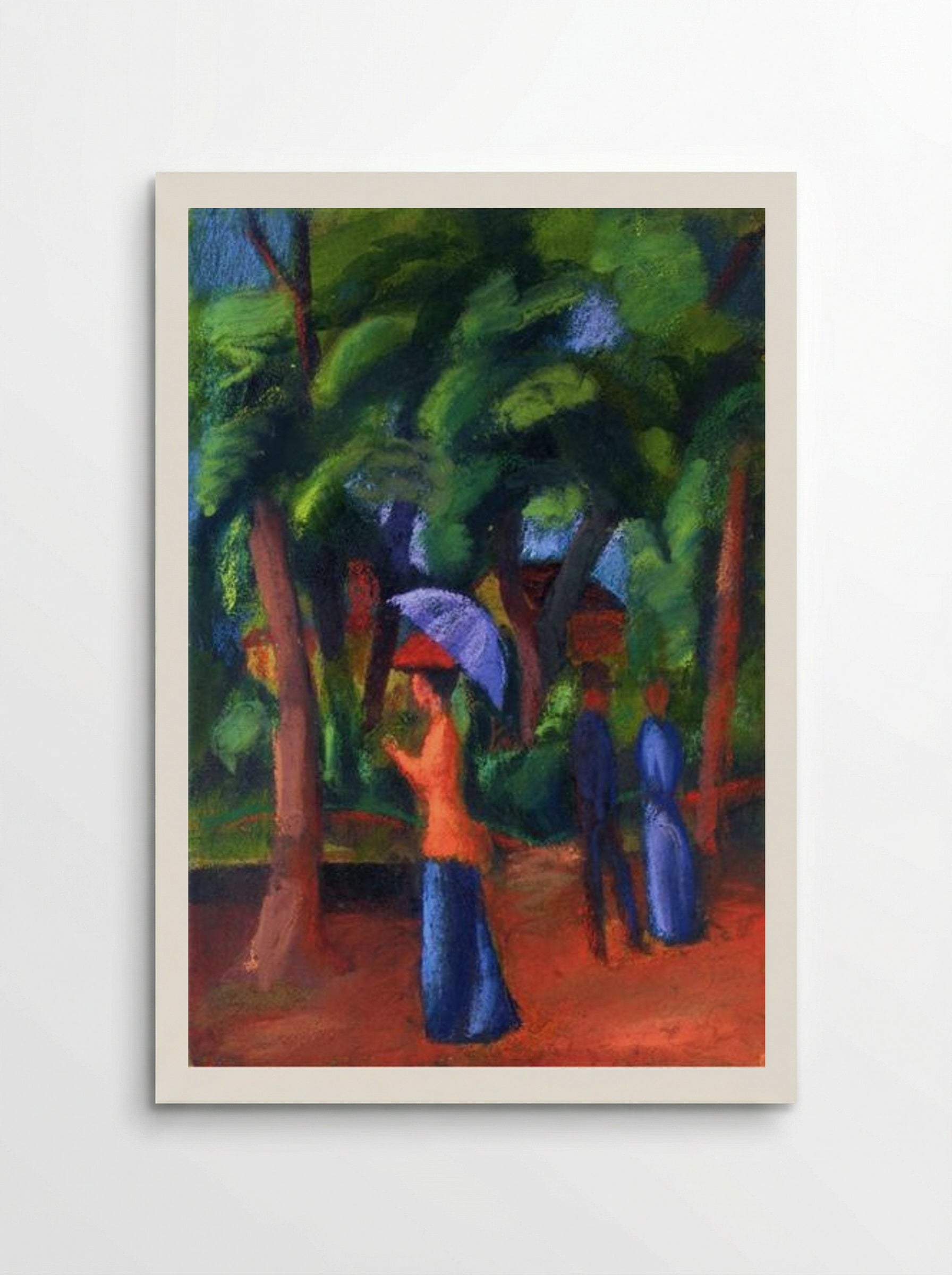
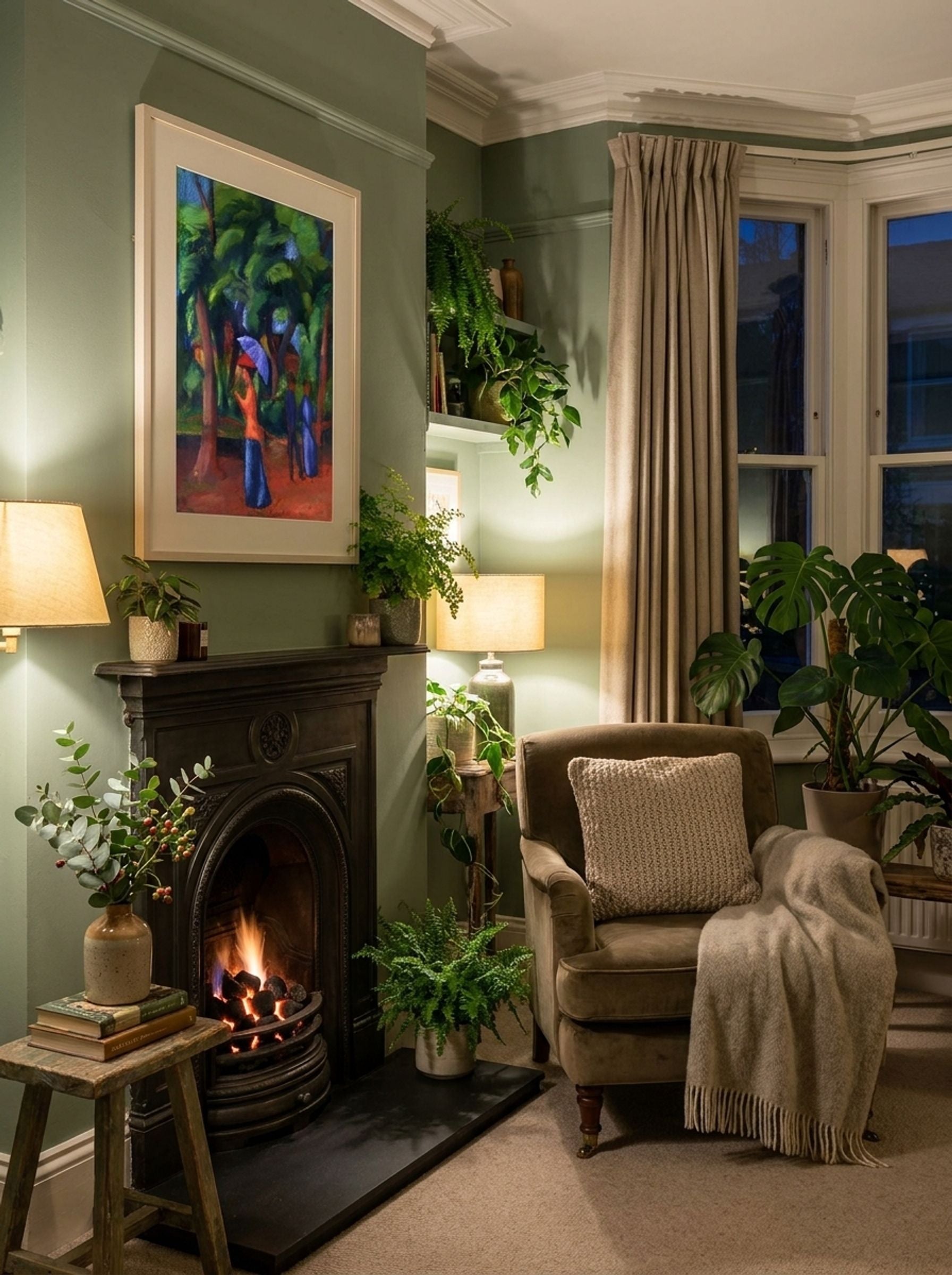 Promenad i parken - August Macke
Print · Framed
Ordinarie pris Från £28.00 GBPReapris Från £28.00 GBP Ordinarie pris -
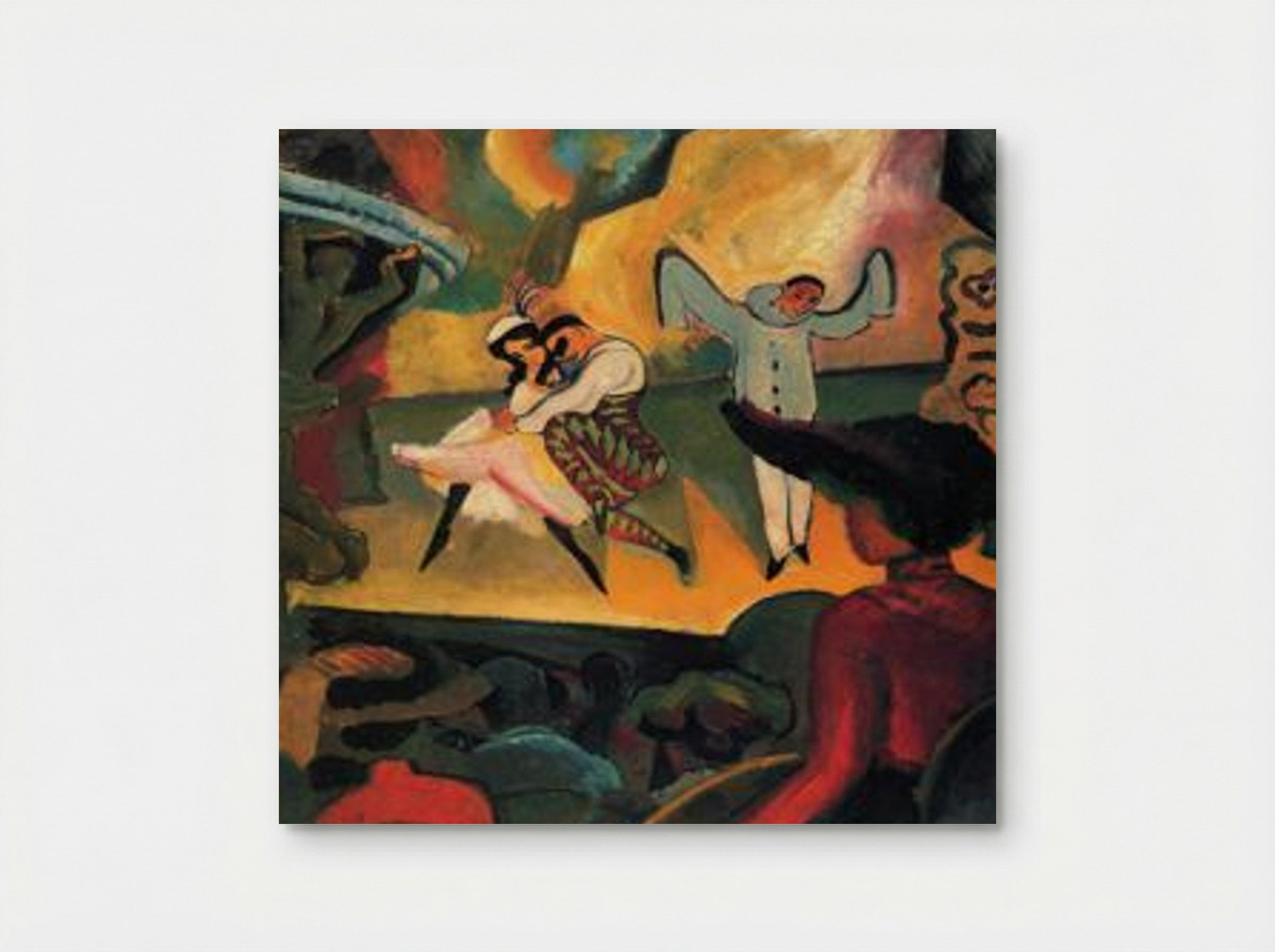
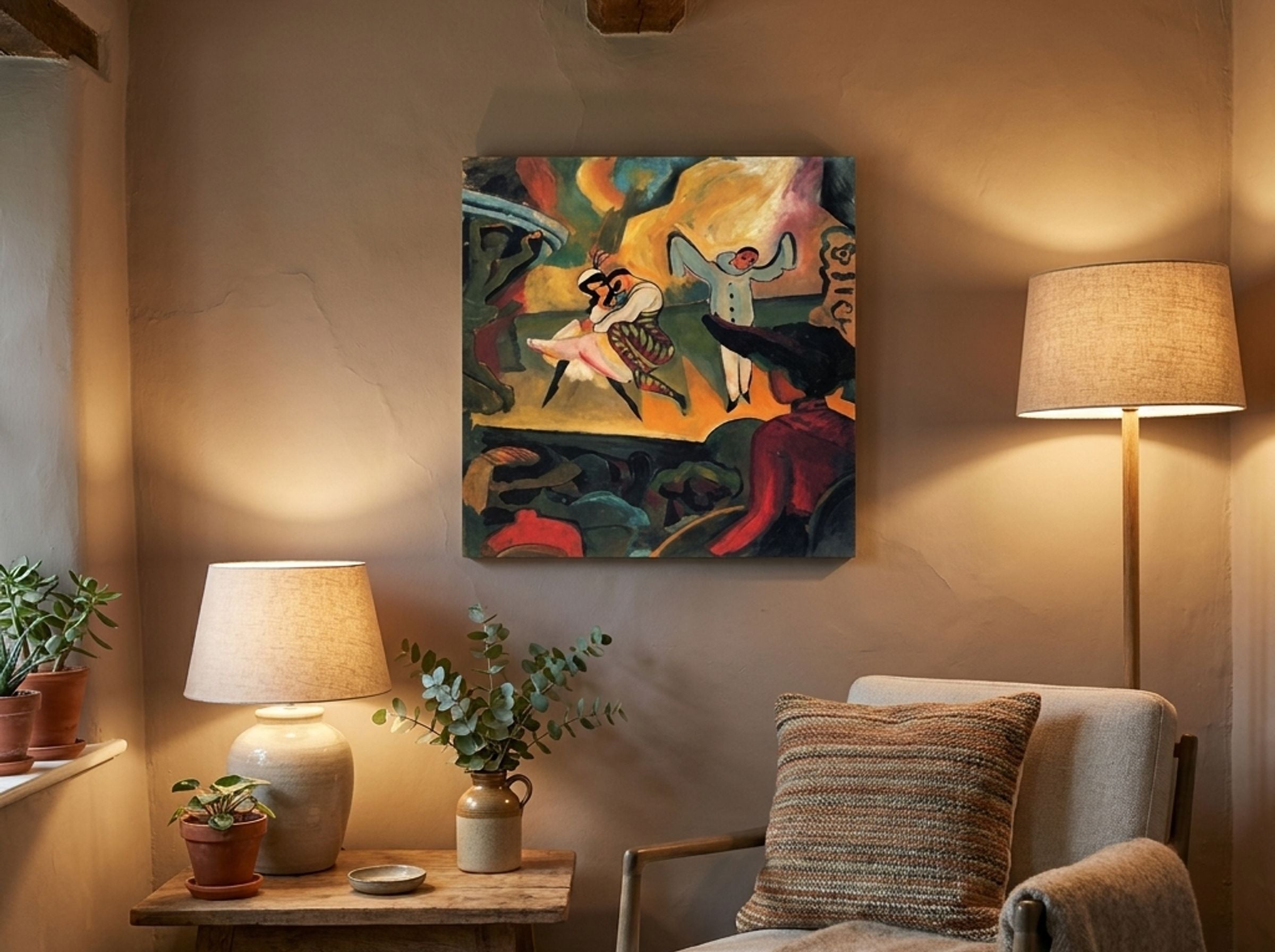 Rysk balett (I) - August Macke
Print · Framed
Ordinarie pris Från £37.00 GBPReapris Från £37.00 GBP Ordinarie pris

Artist Biography
August Macke
Macke was twenty-seven when he was killed on the Western Front in September 1914. He had been painting seriously for about six years. In April of that same year he had been in Tunisia with Paul Klee and Louis Moilliet, making watercolours in the souks of Tunis and Kairouan. The gap between the two events, four months, is one of the starkest in modern art.
He grew up in a family of building contractors in Meschede, Westphalia, with no artistic connections. He visited Paris multiple times and absorbed Impressionism, Fauvism and Cubism in rapid succession, but his paintings look like none of those movements. What he took from France was colour: warm, saturated, joyful. His street scenes, market squares and park promenades glow with a light that belongs to someone who finds the world beautiful and wants to record it before it changes.
He met Franz Marc in 1910, and through Marc became involved with Der Blaue Reiter. His temperament was the opposite of Kandinsky's theoretical intensity. Macke painted intuitively, quickly, and with an optimism that made him the most approachable of the German Expressionists.
The Tunisian watercolours are his finest work: small, luminous, almost abstract in their reduction of architecture and figures to planes of colour. Klee wrote afterward that colour had taken possession of him. The same could be said of Macke, who had been working toward that moment for years.
He was drafted immediately when war broke out. His wife Elisabeth received notification of his death six weeks later. Marc, his closest friend, was killed at Verdun in 1916.
He grew up in a family of building contractors in Meschede, Westphalia, with no artistic connections. He visited Paris multiple times and absorbed Impressionism, Fauvism and Cubism in rapid succession, but his paintings look like none of those movements. What he took from France was colour: warm, saturated, joyful. His street scenes, market squares and park promenades glow with a light that belongs to someone who finds the world beautiful and wants to record it before it changes.
He met Franz Marc in 1910, and through Marc became involved with Der Blaue Reiter. His temperament was the opposite of Kandinsky's theoretical intensity. Macke painted intuitively, quickly, and with an optimism that made him the most approachable of the German Expressionists.
The Tunisian watercolours are his finest work: small, luminous, almost abstract in their reduction of architecture and figures to planes of colour. Klee wrote afterward that colour had taken possession of him. The same could be said of Macke, who had been working toward that moment for years.
He was drafted immediately when war broke out. His wife Elisabeth received notification of his death six weeks later. Marc, his closest friend, was killed at Verdun in 1916.


Varför välja oss?