

Samling
Andre Derain
Utforska utvalda konsttryck för unika hem och medvetna inredningar.
Föreslagna filter
-
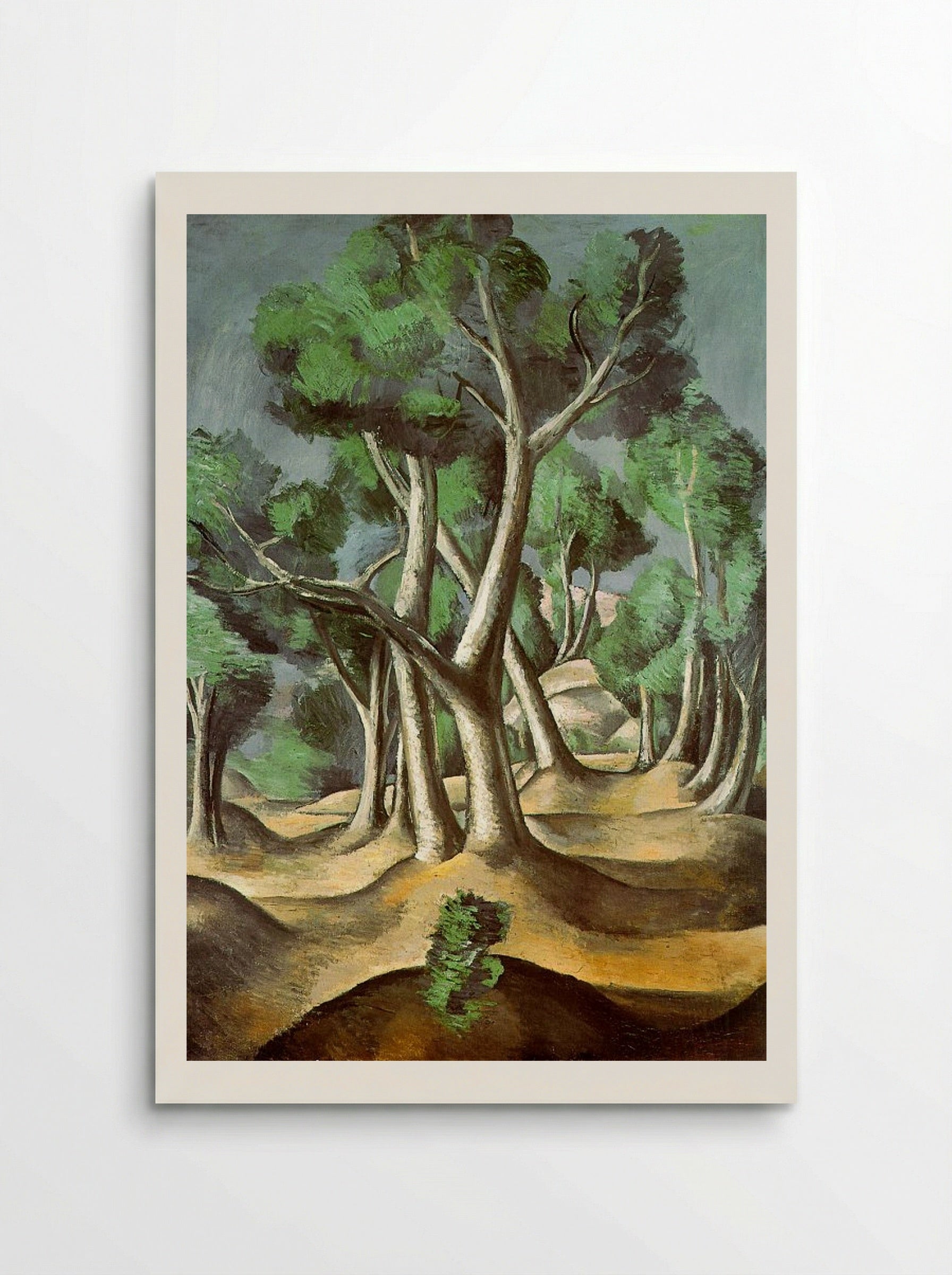
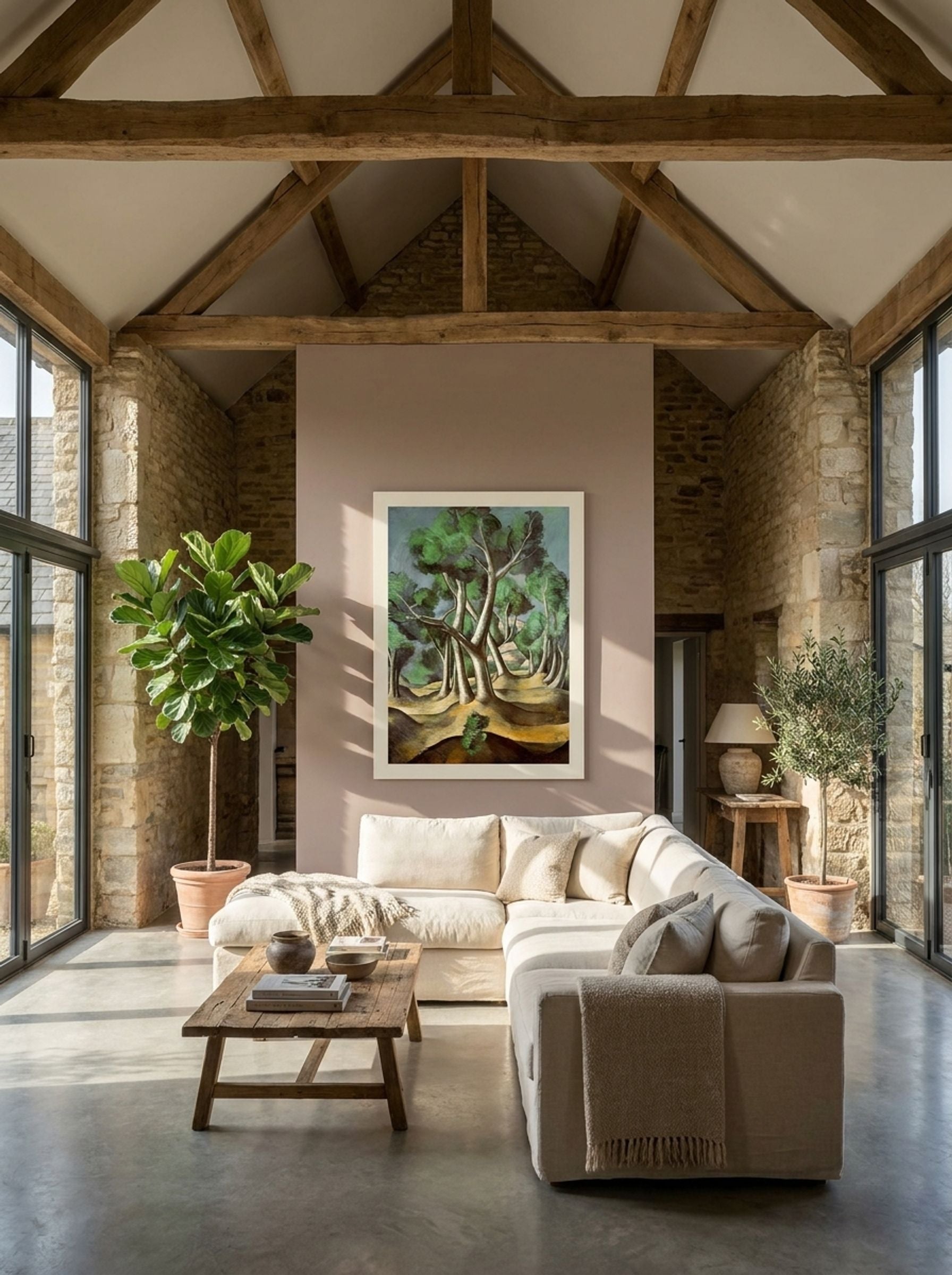 Lunden - André Derain
Print · Framed
Ordinarie pris Från £28.00 GBPReapris Från £28.00 GBP Ordinarie pris -
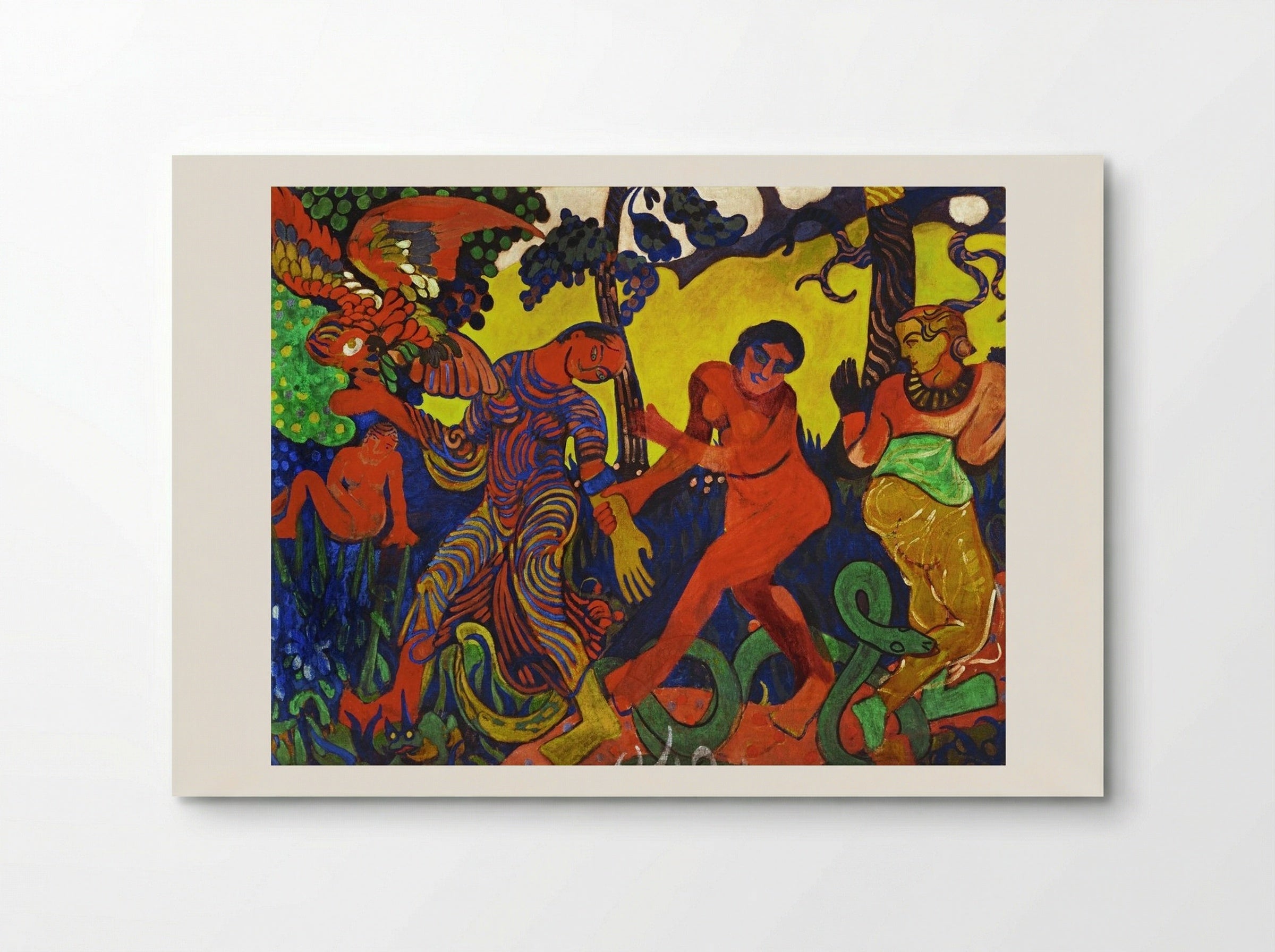
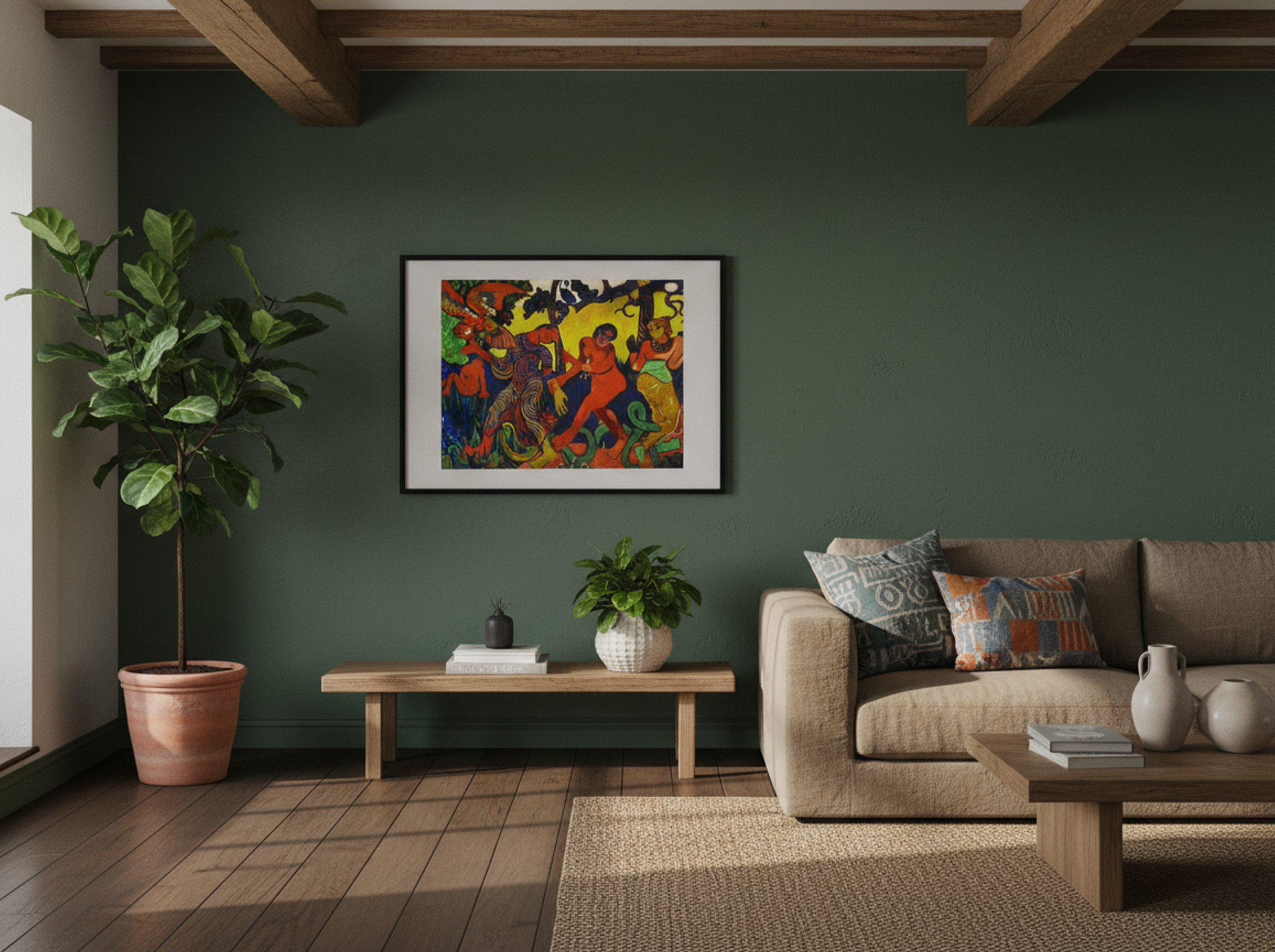 Dansen - André Derain
Print · Framed
Ordinarie pris Från £28.00 GBPReapris Från £28.00 GBP Ordinarie pris -
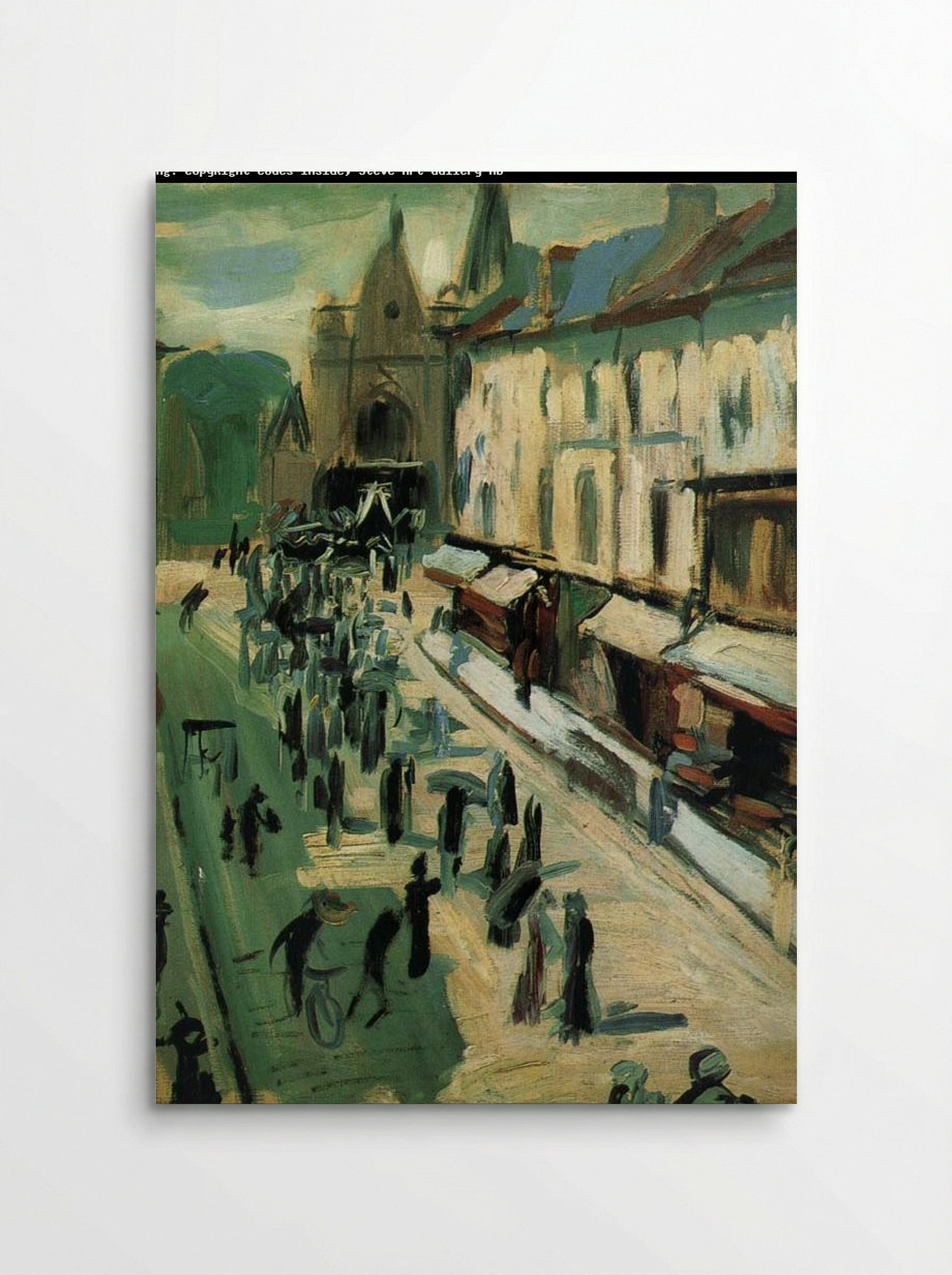
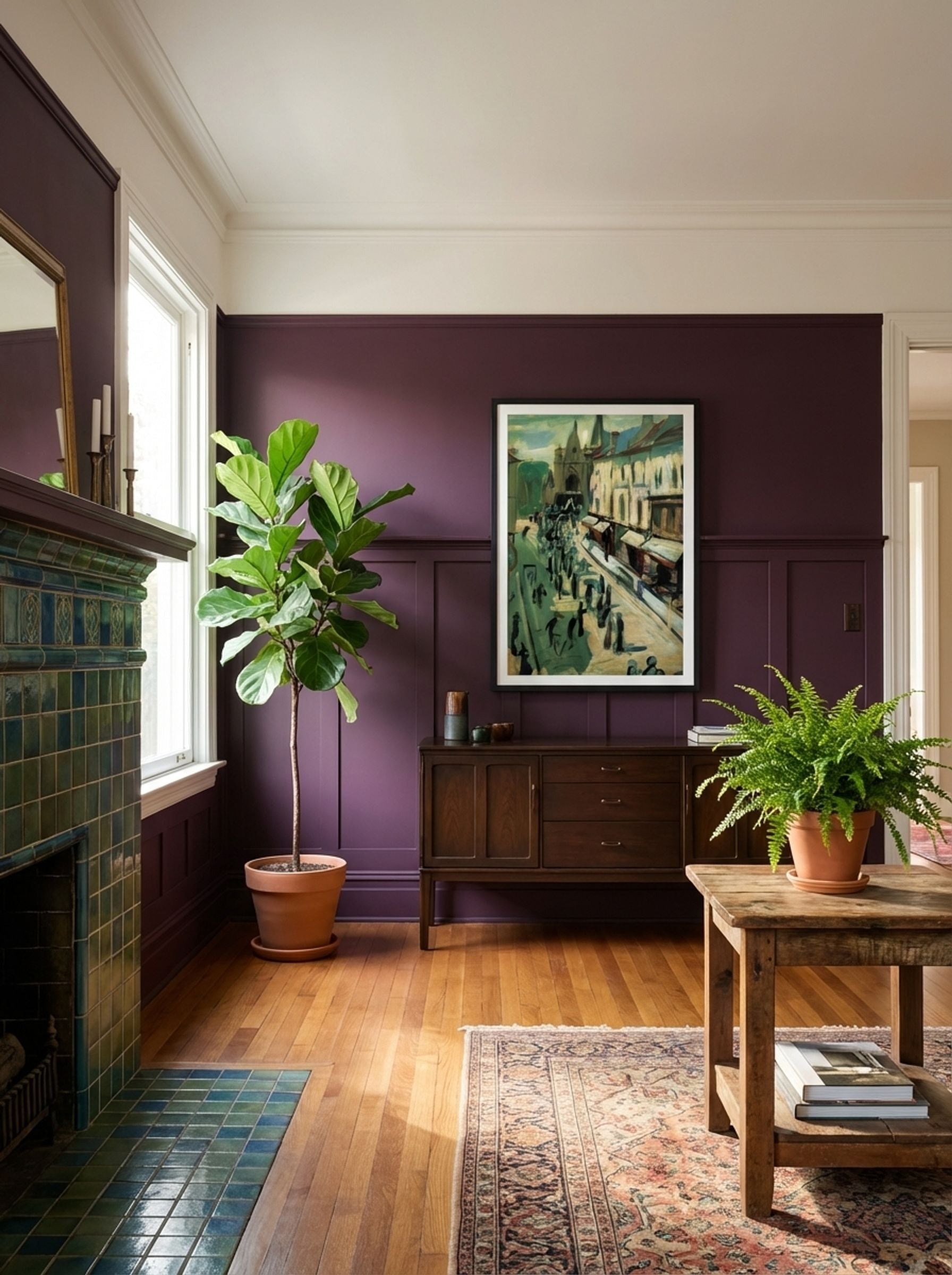 Begravningsprocession på ett torg - Konsttryck
Print · Framed
Ordinarie pris Från £28.00 GBPReapris Från £28.00 GBP Ordinarie pris -
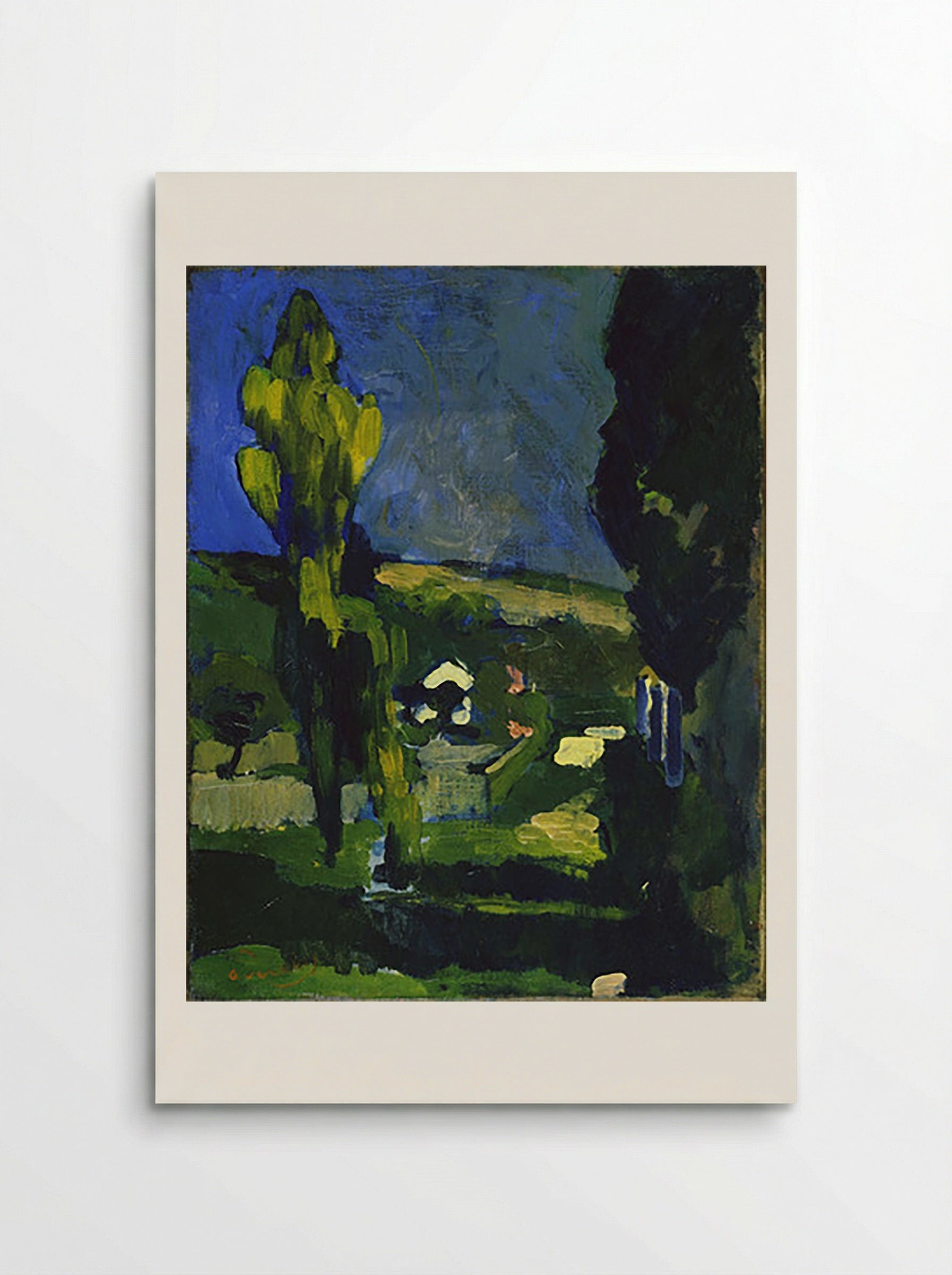
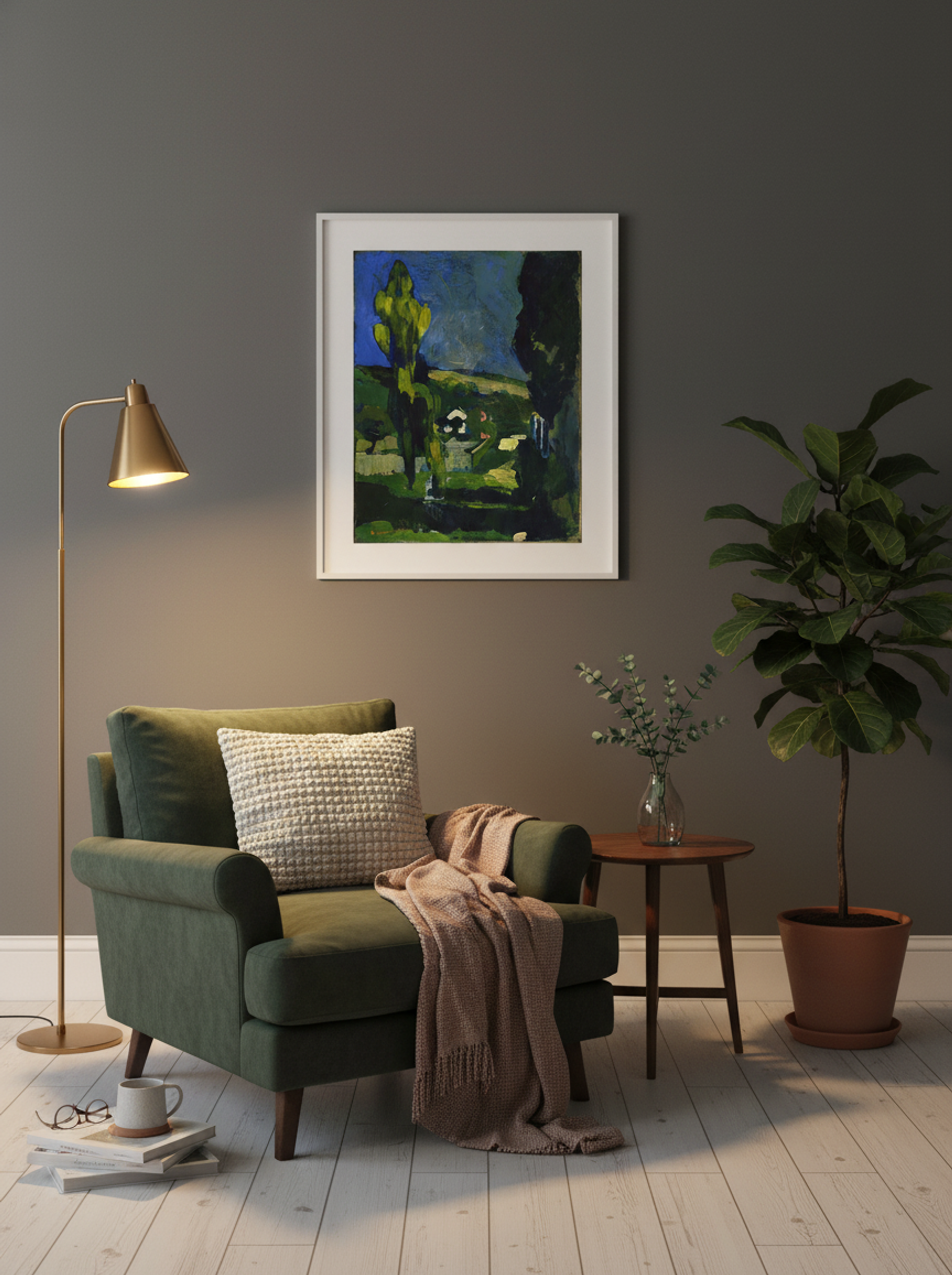 Popplar i ett landskap - Konsttryck
Print · Framed
Ordinarie pris Från £28.00 GBPReapris Från £28.00 GBP Ordinarie pris

Artist Biography
Andre Derain
Derain and Matisse spent the summer of 1905 painting together at Collioure, on the French Mediterranean coast. The canvases they produced, shown at the Salon d'Automne that autumn, prompted the critic Louis Vauxcelles to call them les Fauves, the wild beasts. A movement was born from one insult. Derain was twenty-five.
He was born in Chatou in 1880 and had originally studied to become an engineer. He met Matisse in 1898 while attending painting classes under Eugene Carriere. The Fauvist paintings are explosions of unnatural colour: trees in orange, water in violet, shadows in green. They were among the most radical works produced in Paris at the turn of the century.
By 1908, Derain was already breaking with the style. He turned to Cezanne, then passed through a Cubist phase, and by the 1920s had arrived at a fully Neoclassical manner. The wildest of the Fauves became one of the most conservative painters in France. The conservative turn brought financial success and mainstream praise. During the Second World War, the Nazis approved of his Neoclassical work. After the war, he was unjustly accused of collaboration. His reputation never fully recovered. He died in 1954.
He was born in Chatou in 1880 and had originally studied to become an engineer. He met Matisse in 1898 while attending painting classes under Eugene Carriere. The Fauvist paintings are explosions of unnatural colour: trees in orange, water in violet, shadows in green. They were among the most radical works produced in Paris at the turn of the century.
By 1908, Derain was already breaking with the style. He turned to Cezanne, then passed through a Cubist phase, and by the 1920s had arrived at a fully Neoclassical manner. The wildest of the Fauves became one of the most conservative painters in France. The conservative turn brought financial success and mainstream praise. During the Second World War, the Nazis approved of his Neoclassical work. After the war, he was unjustly accused of collaboration. His reputation never fully recovered. He died in 1954.
Related Artists




Varför välja oss?