

Collection
Sandro Botticelli
Explore curated art prints selected for distinctive homes and considered interiors.
-
 Portrait of Dante Alighieri - Sandro Botticelli
Print
Regular price From £28.00 GBPSale price From £28.00 GBP Regular price -
 Madonna and Child with St. John the Baptist - Sandro Botticelli
Print
Regular price From £28.00 GBPSale price From £28.00 GBP Regular price -
 The Flagellation of Christ - Sandro Botticelli
Print
Regular price From £37.00 GBPSale price From £37.00 GBP Regular price -
 Portrait of a Young Woman - Sandro Botticelli
Print
Regular price From £28.00 GBPSale price From £28.00 GBP Regular price -
 St. Jerome in the Wilderness - Sandro Botticelli
Print
Regular price From £28.00 GBPSale price From £28.00 GBP Regular price -
 The Story of Nastagio degli Onesti, First Episode - Sandro Botticelli
Print
Regular price From £28.00 GBPSale price From £28.00 GBP Regular price -
 Madonna with Child and Three Angels - Sandro Botticelli
Print
Regular price From £37.00 GBPSale price From £37.00 GBP Regular price -
 The Virgin and Child with Two Angels and St. John the Baptist - Sandro Botticelli
Print
Regular price From £28.00 GBPSale price From £28.00 GBP Regular price -
 Adoration of the Child - Sandro Botticelli
Print
Regular price From £28.00 GBPSale price From £28.00 GBP Regular price -
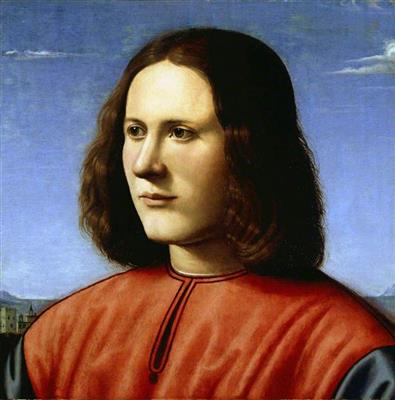
 Portrait of a Man - Sandro Botticelli
Print
Regular price From £37.00 GBPSale price From £37.00 GBP Regular price -
 Madonna with Child and Singing Angels - Sandro Botticelli
Print
Regular price From £37.00 GBPSale price From £37.00 GBP Regular price -
 The Cestello Annunciation - Sandro Botticelli
Print
Regular price From £37.00 GBPSale price From £37.00 GBP Regular price -
 The Last Communion of St Jerome - Sandro Botticelli
Print
Regular price From £28.00 GBPSale price From £28.00 GBP Regular price -
 Madonna with Two Angels - Sandro Botticelli
Print
Regular price From £28.00 GBPSale price From £28.00 GBP Regular price -
 Christ Crowned with Thorns - Sandro Botticelli
Print
Regular price From £28.00 GBPSale price From £28.00 GBP Regular price -
 Portrait of a Young Man with a Red Cap - Sandro Botticelli
Print
Regular price From £28.00 GBPSale price From £28.00 GBP Regular price -
 Trinity - Sandro Botticelli
Print
Regular price From £37.00 GBPSale price From £37.00 GBP Regular price -
 Madonna and Child with Two Angels - Sandro Botticelli
Print
Regular price From £28.00 GBPSale price From £28.00 GBP Regular price -
 Madonna and Child with an Angel - Sandro Botticelli
Print
Regular price From £28.00 GBPSale price From £28.00 GBP Regular price -
 The Abyss of Hell - Sandro Botticelli
Print
Regular price From £28.00 GBPSale price From £28.00 GBP Regular price -
 Allegory of Abundance - Sandro Botticelli
Print
Regular price From £28.00 GBPSale price From £28.00 GBP Regular price -
 Sixtus II - Sandro Botticelli
Print
Regular price From £28.00 GBPSale price From £28.00 GBP Regular price -
 Primavera - Sandro Botticelli
Print
Regular price From £37.00 GBPSale price From £37.00 GBP Regular price -
 Three Miracles of St Zenobius - Sandro Botticelli
Print
Regular price From £28.00 GBPSale price From £28.00 GBP Regular price


Artist Biography
Sandro Botticelli
Botticelli's real name was Alessandro di Mariano di Vanni Filipepi. 'Botticelli' was a nickname meaning 'little barrel', originally given to his older brother and passed along. He was apprenticed to a goldsmith and then to the painter Fra Filippo Lippi, whose delicate line and pale colouring shaped everything Botticelli went on to do.
He worked in Florence under the patronage of the Medici family during the period art historians call the Early Renaissance. The Birth of Venus and Primavera, both painted in the 1480s, are his best-known works and among the most reproduced images in Western art. They are strange paintings. Venus stands on a shell, blown to shore by the wind, her body curved in a way that owes nothing to anatomical reality and everything to Gothic line. Primavera fills a dark orange grove with mythological figures whose feet barely touch the ground.
The paintings are technically tempera on canvas and panel, executed with a fineness of line that reflects his goldsmith training. The outlines are visible. The surfaces are flat compared to the oil-based modelling that Leonardo and other contemporaries were developing. Botticelli was not interested in three-dimensional illusion. He was interested in contour, pattern, and the way a line can describe both a body and an emotion simultaneously.
His later career was affected by the rise of the Dominican friar Girolamo Savonarola, who preached against secular art and luxury. Botticelli may have burned some of his own paintings in the Bonfire of the Vanities in 1497. Whether this represents genuine religious conversion or political self-preservation is unclear. His output declined. He died in 1510, largely forgotten, and was not rediscovered until the Pre-Raphaelites championed him in the nineteenth century.
He worked in Florence under the patronage of the Medici family during the period art historians call the Early Renaissance. The Birth of Venus and Primavera, both painted in the 1480s, are his best-known works and among the most reproduced images in Western art. They are strange paintings. Venus stands on a shell, blown to shore by the wind, her body curved in a way that owes nothing to anatomical reality and everything to Gothic line. Primavera fills a dark orange grove with mythological figures whose feet barely touch the ground.
The paintings are technically tempera on canvas and panel, executed with a fineness of line that reflects his goldsmith training. The outlines are visible. The surfaces are flat compared to the oil-based modelling that Leonardo and other contemporaries were developing. Botticelli was not interested in three-dimensional illusion. He was interested in contour, pattern, and the way a line can describe both a body and an emotion simultaneously.
His later career was affected by the rise of the Dominican friar Girolamo Savonarola, who preached against secular art and luxury. Botticelli may have burned some of his own paintings in the Bonfire of the Vanities in 1497. Whether this represents genuine religious conversion or political self-preservation is unclear. His output declined. He died in 1510, largely forgotten, and was not rediscovered until the Pre-Raphaelites championed him in the nineteenth century.
Related Artists





Why Choose Us ?