

Collectie
Paul Gavarni
Ontdek gecureerde kunstprints, geselecteerd voor karakteristieke woningen en doordachte interieurs.
-
 Mijn beste: mannen, wat een klucht! Het is altijd hetzelfde verhaal: een vrouw heeft alleen zichzelf. Gek! Gek! - Paul Gavarni
Print
Normale prijs Vanaf £28.00 GBPActieprijs Vanaf £28.00 GBP Normale prijs -
 "Platonische liefde" is slechts aanstellerij, p. 131 - Paul Gavarni
Print
Normale prijs Vanaf £28.00 GBPActieprijs Vanaf £28.00 GBP Normale prijs -
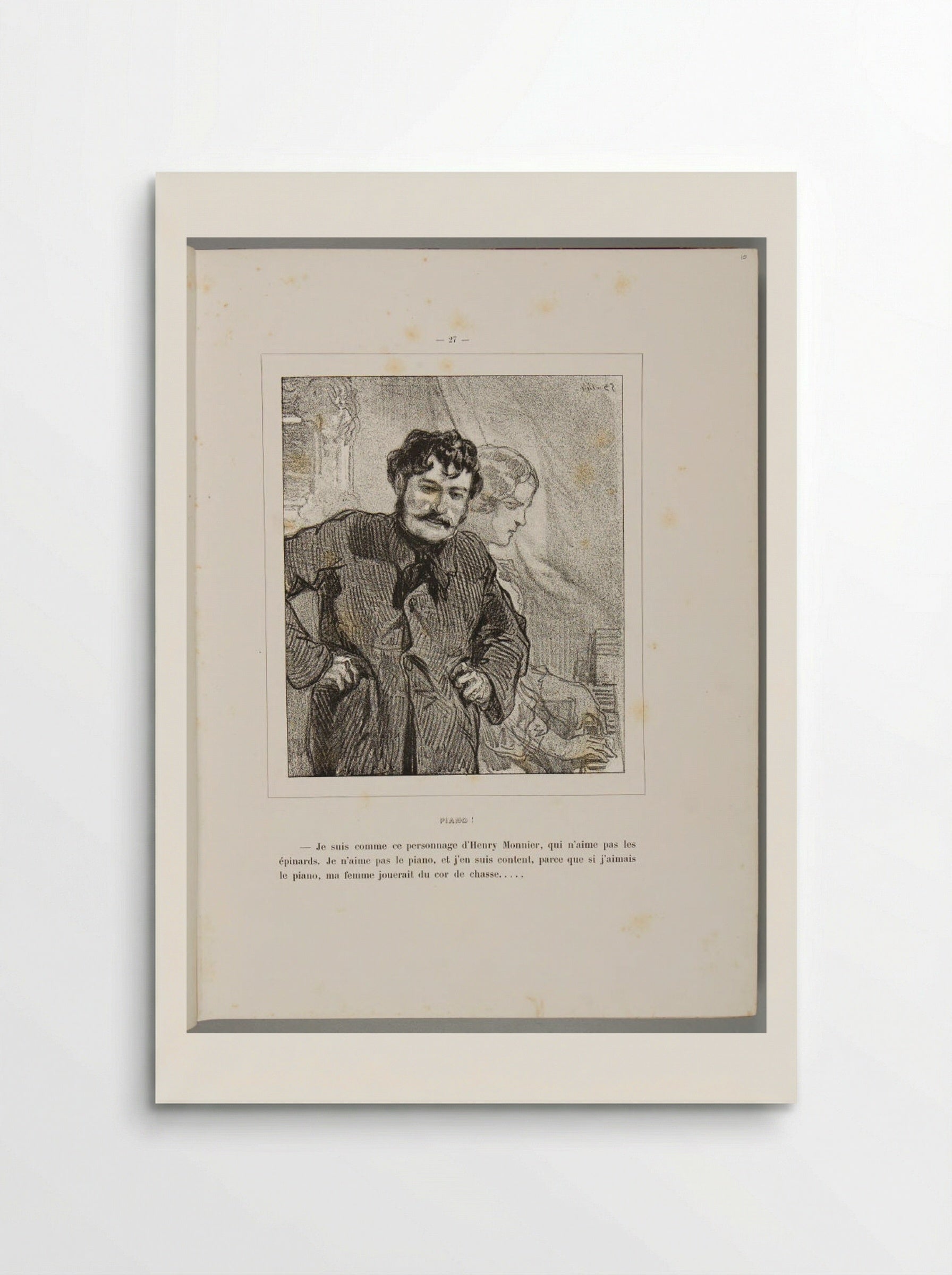 Ik ben als dat personage van Henri Monnier dat niet van spinazie houdt. Ik houd niet van de piano, en daar ben ik blij om, want als ik wel van de piano hield, zou mijn vrouw op de jachthoorn spelen. - Paul Gavarni
Print
Normale prijs Vanaf £28.00 GBPActieprijs Vanaf £28.00 GBP Normale prijs -
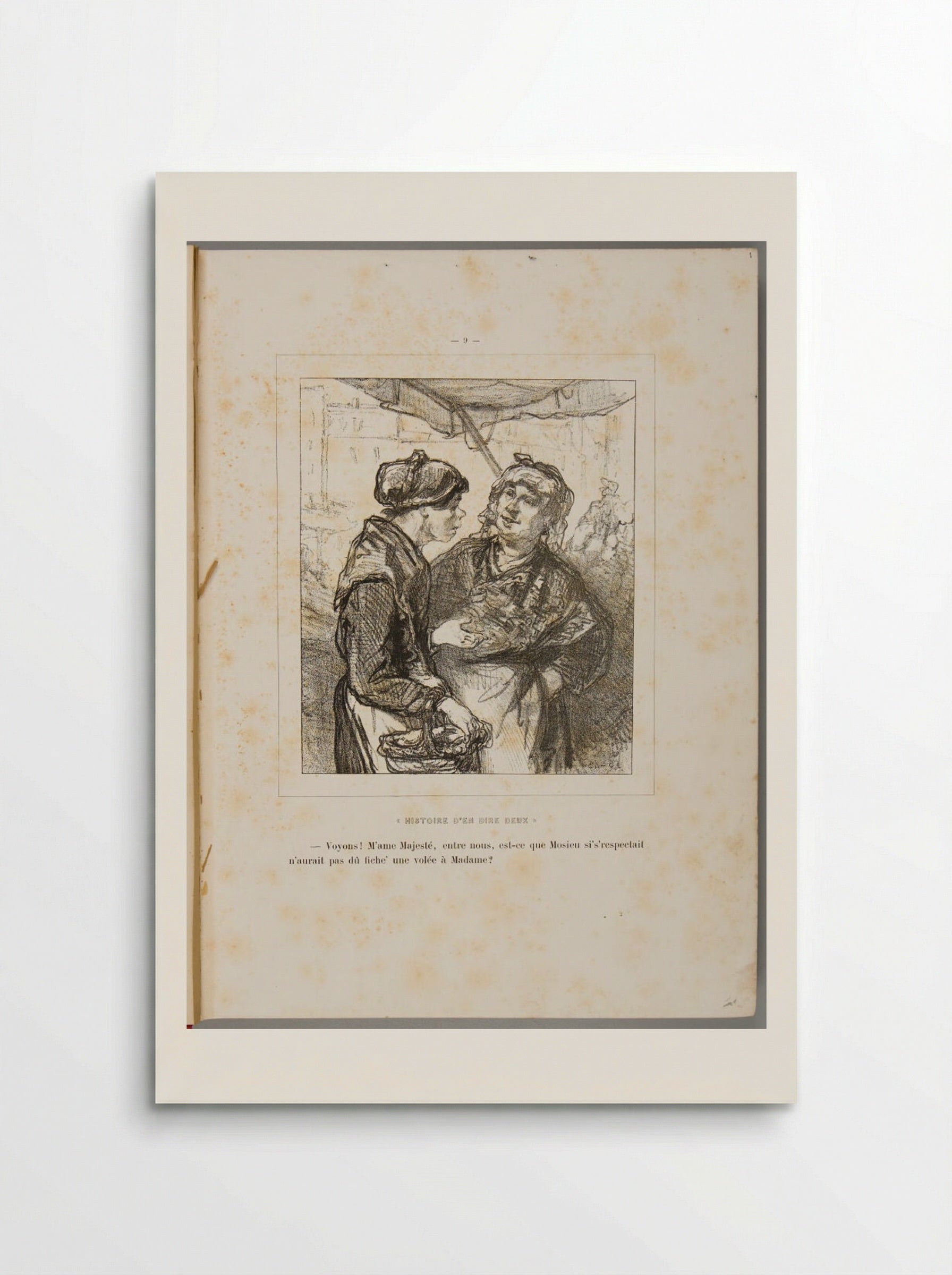 Kom op! Madame Hoogheid, even tussen ons: heeft Monsieur zoveel zelfrespect dat hij Madame geen klap zou geven? - Paul Gavarni
Print
Normale prijs Vanaf £28.00 GBPActieprijs Vanaf £28.00 GBP Normale prijs -
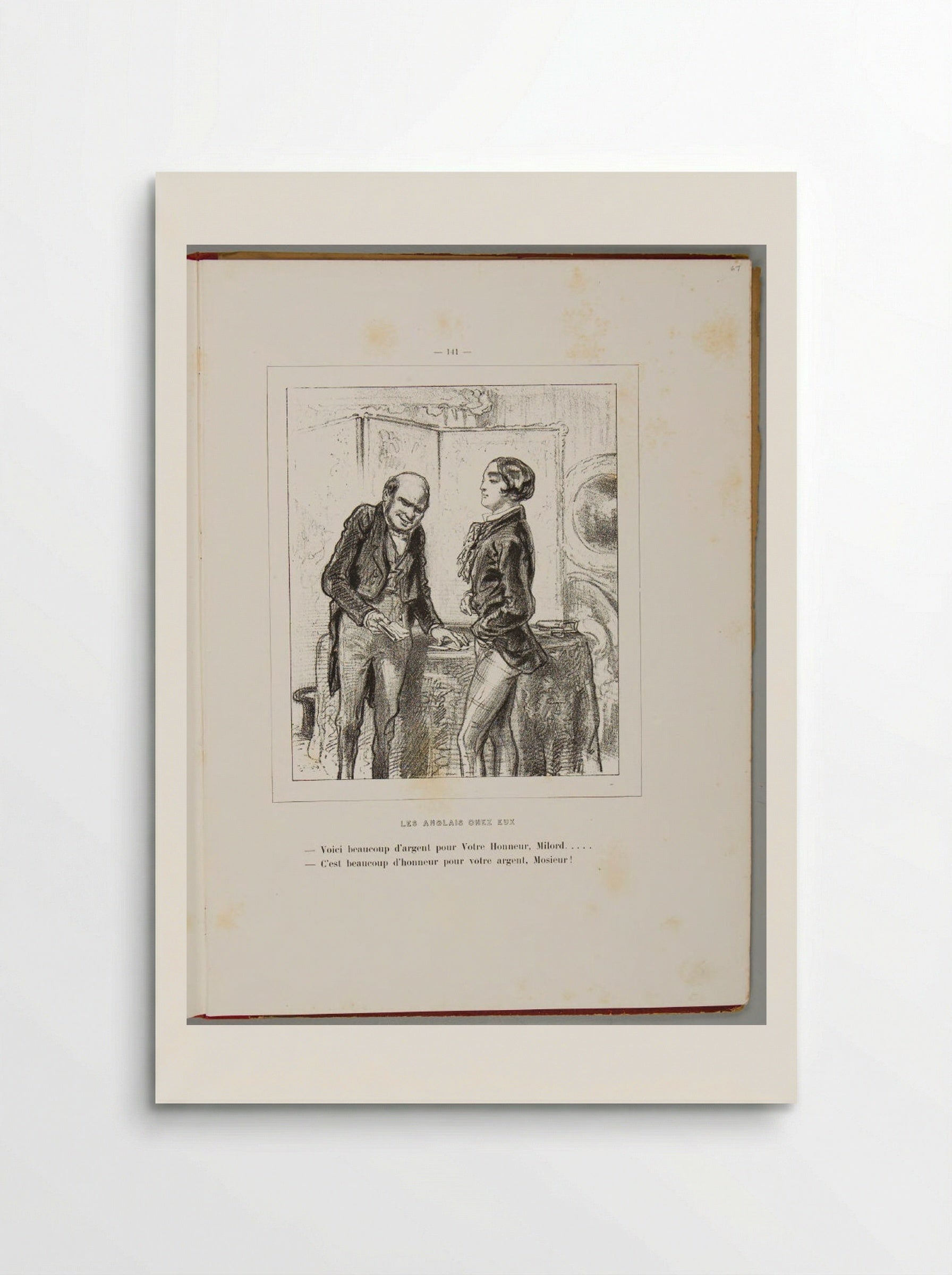 Hier is veel geld voor Uwe Edele, mijn heer. Hier is veel eer voor uw geld, heer. - Paul Gavarni
Print
Normale prijs Vanaf £28.00 GBPActieprijs Vanaf £28.00 GBP Normale prijs -
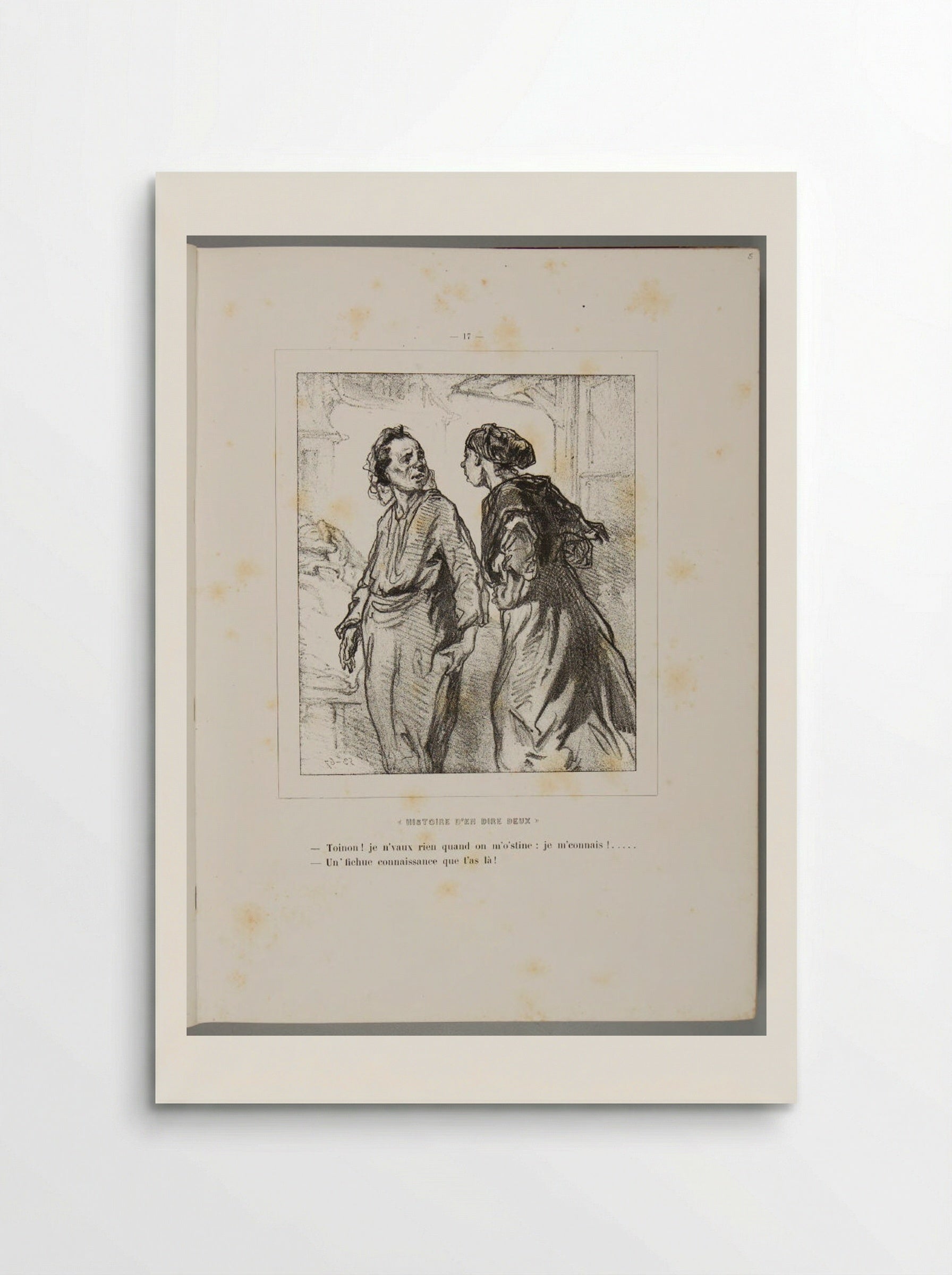 Toinon! Ik ben niets waard als men me lastigvalt: ik weet wat ik wil! Wat een verdomde wijsheid heb je daar!, p. 17 - Paul Gavarni
Print
Normale prijs Vanaf £28.00 GBPActieprijs Vanaf £28.00 GBP Normale prijs


Artist Biography
Paul Gavarni
Gavarni was imprisoned for debt in 1835 after his magazine, the Journal of High Society, failed after eighteen issues. He served nearly a year. The experience did not prevent him from becoming the most stylish caricaturist in Paris, but it may explain the darkness that crept into his later work.
His real name was Sulpice Guillaume Chevalier. He adopted "Gavarni" from the town of Gavarnie in the Pyrenees after a journey there. He was born in Paris in 1804, worked as a machinist in a factory, and taught himself to draw in evening classes. By the 1830s he was the leading illustrator of Parisian social life: fashionable women, carnival scenes, lorettes and debardeurs, all rendered with a wit and polish that Balzac praised publicly and that helped establish Gavarni's reputation.
After the deaths of his mother and the collapse of his marriage around 1845, his style shifted. He spent time in London documenting the lives of the poor, producing work that was bleaker and more compassionate than his Paris satire. His catalogue raisonne lists approximately eight thousand works. He is often compared with his contemporary Daumier, though Gavarni's satire was more polished and less political. He died in Paris in 1866.


Waarom voor ons kiezen?