

Collezione
Mary Cassatt
Esplora stampe d'arte selezionate per case distintive e interni ricercati.
-

 In giardino - Mary Cassatt
Print · Framed
Prezzo originale Da £28.00 GBPPrezzo scontato Da £28.00 GBP Prezzo originale -

 Un bambino che sorride a due giovani donne - Mary Cassatt
Print · Framed
Prezzo originale Da £28.00 GBPPrezzo scontato Da £28.00 GBP Prezzo originale -

 Ritratto di donna - Mary Stevenson Cassatt
Print · Framed
Prezzo originale Da £28.00 GBPPrezzo scontato Da £28.00 GBP Prezzo originale -

 Ritratto di giovane ragazza - Mary Cassatt
Print · Framed
Prezzo originale Da £28.00 GBPPrezzo scontato Da £28.00 GBP Prezzo originale -

 Schizzo di una donna con turbante - Edgar Degas
Print · Framed
Prezzo originale Da £28.00 GBPPrezzo scontato Da £28.00 GBP Prezzo originale -

 Giovane madre che cuce - Mary Cassatt
Print · Framed
Prezzo originale Da £28.00 GBPPrezzo scontato Da £28.00 GBP Prezzo originale -

 Bambina su una poltrona blu - Mary Cassatt
Print · Framed
Prezzo originale Da £28.00 GBPPrezzo scontato Da £28.00 GBP Prezzo originale -

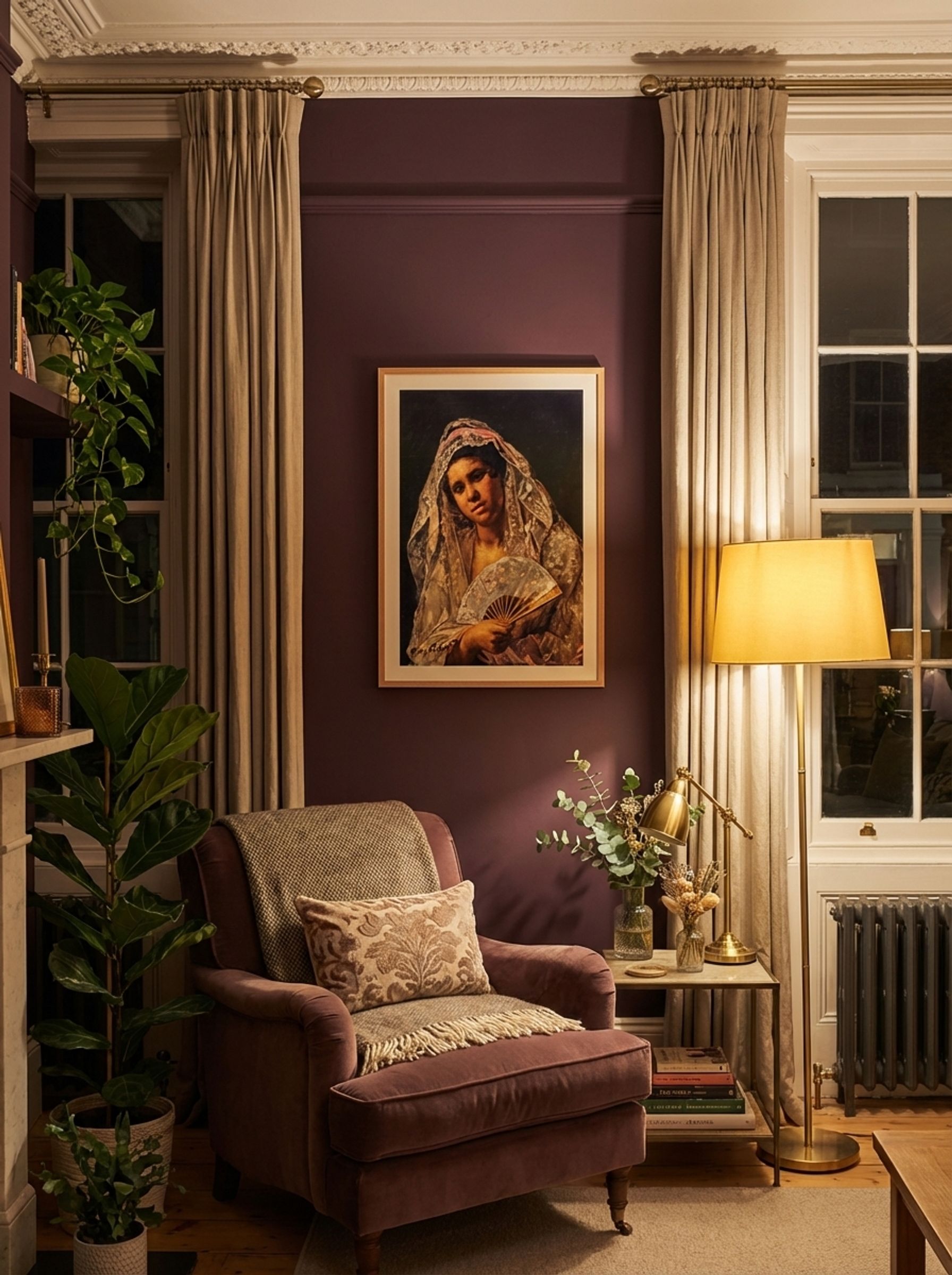 Ballerina spagnola con mantiglia di pizzo - Mary Cassatt
Print · Framed
Prezzo originale Da £28.00 GBPPrezzo scontato Da £28.00 GBP Prezzo originale


Artist Biography
Mary Cassatt
Cassatt was the only American in the Impressionist group. Degas invited her. He had seen her work at the Salon and told her that here was someone who felt as he did. She joined the Impressionists for their fourth exhibition in 1879 and showed with them regularly after that.
She grew up in Allegheny City, Pennsylvania (now part of Pittsburgh), in a prosperous family. She studied at the Pennsylvania Academy of the Fine Arts, where she found the instruction restrictive and the male students hostile. She moved to Paris in 1866, copied old masters in the Louvre, and studied privately with several painters before finding her direction with the Impressionists.
Her subject was women and children in domestic settings: mothers bathing infants, women reading, girls at the opera, women having tea. The subject matter sounds conventional. The treatment is not. She observed her subjects with the same unsentimental attention Degas brought to dancers. The compositions are cropped and angled, influenced by Japanese prints and by Degas's habit of painting people from unexpected viewpoints. Little Girl in a Blue Armchair (1878) shows a child sprawled across a chair with the boredom and physical abandon that adults rarely notice and painters rarely record.
She never married. She was wealthy enough not to need to sell her work. She used her position and her connections to persuade American collectors, particularly the Havemeyers, to buy Impressionist paintings. The Havemeyer collection, much of it acquired on Cassatt's advice, was donated to the Metropolitan Museum. She shaped the taste of American collectors more than any other single individual.
She developed cataracts and was nearly blind by 1914. She stopped painting. She died in 1926, at eighty-two.


Perché Scegliere Noi?