

Collection
Vincent Van Gogh
Découvrez une sélection d'affiches d'art choisies pour des demeures de caractère et des intérieurs réfléchis.
-

 PromoLes Iris - Vincent van Gogh
Print · Framed
Prix régulier À partir de £22.40 GBPPrix de vente À partir de £22.40 GBP Prix régulier £28.00 GBP -

 PromoChamp de blé - Vincent van Gogh
Print · Framed
Prix régulier À partir de £22.40 GBPPrix de vente À partir de £22.40 GBP Prix régulier £28.00 GBP -

 PromoTête de paysanne à la coiffe blanche - Vincent van Gogh
Print · Framed
Prix régulier À partir de £22.40 GBPPrix de vente À partir de £22.40 GBP Prix régulier £28.00 GBP -

 PromoLes Mangeurs de pommes de terre - Vincent van Gogh
Print · Framed
Prix régulier À partir de £22.40 GBPPrix de vente À partir de £22.40 GBP Prix régulier £28.00 GBP -

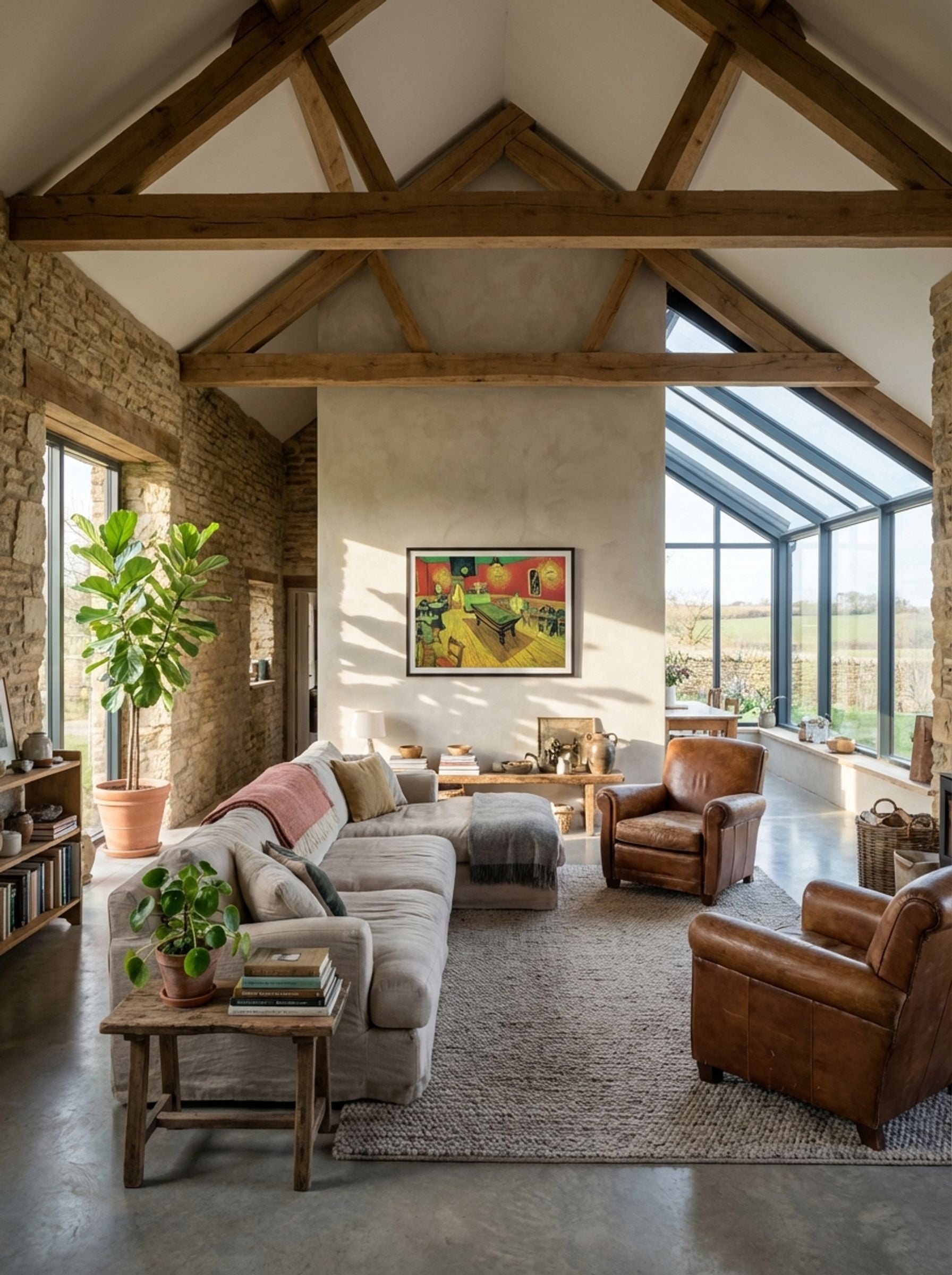 PromoLe Café de nuit - Vincent van Gogh
Print · Framed
Prix régulier À partir de £22.40 GBPPrix de vente À partir de £22.40 GBP Prix régulier £28.00 GBP -

 PromoAutoportrait en artiste - Vincent van Gogh
Print · Framed
Prix régulier À partir de £22.40 GBPPrix de vente À partir de £22.40 GBP Prix régulier £28.00 GBP -

 PromoLa Nuit étoilée - Vincent van Gogh
Print · Framed
Prix régulier À partir de £22.40 GBPPrix de vente À partir de £22.40 GBP Prix régulier £28.00 GBP -

 PromoVaches dans un pré - Vincent van Gogh
Print · Framed
Prix régulier À partir de £22.40 GBPPrix de vente À partir de £22.40 GBP Prix régulier £28.00 GBP


Artist Biography
Vincent Van Gogh
Van Gogh did not start painting until he was twenty-seven. Before that he tried being an art dealer (fired), a schoolteacher (quit), a bookshop assistant (quit), and a preacher in a Belgian mining town (dismissed for excessive zeal, which in this context meant giving away his clothes and sleeping on the floor). He had a pattern of total commitment followed by total collapse.
He taught himself to draw by copying prints and working through textbooks. His brother Theo, an art dealer in Paris, sent money every month for the rest of Vincent's life. Without Theo there are no paintings. The letters between them, over 600, are one of the most complete records of any artist's thinking. Van Gogh wrote about colour theory, composition, what he ate, what he read, how much he spent on paint. He was articulate and well-read and not, despite the popular version, simply mad.
He moved to Paris in 1886 and encountered Impressionism. The palette changed immediately: from the dark browns of his Dutch period to the colours people actually associate with his work. He met Gauguin, Pissarro, Signac, Toulouse-Lautrec. He absorbed Pointillism and Japanese prints. Then he moved to Arles in the south of France, where the light was better and people were fewer.
The Arles period produced Sunflowers, The Bedroom, Starry Night Over the Rhone. The breakdown followed: the argument with Gauguin, the severed ear (he cut part of his left ear, not the whole thing), the asylum at Saint-Remy, and then Auvers-sur-Oise, where he painted seventy canvases in seventy days before dying from a gunshot wound at thirty-seven. He sold one painting during his lifetime, or possibly two. Theo died six months later.




Pourquoi nous choisir ?