

Collection
Maxfield Parrish
Découvrez une sélection d'affiches d'art choisies pour des demeures de caractère et des intérieurs réfléchis.
-

 PromoAlarmes et excursions - Maxfield Parrish
Print · Framed
Prix régulier À partir de £22.40 GBPPrix de vente À partir de £22.40 GBP Prix régulier £28.00 GBP -

 PromoLes Porteurs de lanterne - Maxfield Parrish
Print
Prix régulier À partir de £22.40 GBPPrix de vente À partir de £22.40 GBP Prix régulier £28.00 GBP -
 PromoThe Dinky Bird - Maxfield Parrish
Print
Prix régulier À partir de £22.40 GBPPrix de vente À partir de £22.40 GBP Prix régulier £28.00 GBP -

 PromoReveries - Maxfield Parrish
Print · Framed
Prix régulier À partir de £29.60 GBPPrix de vente À partir de £29.60 GBP Prix régulier £37.00 GBP -

 PromoHill Top Farm, Winter - Maxfield Parrish
Print · Framed
Prix régulier À partir de £29.60 GBPPrix de vente À partir de £29.60 GBP Prix régulier £37.00 GBP -

 PromoNuméro spécial de la mi-été du Century - Maxfield Parrish
Print · Framed · Canvas
Prix régulier À partir de £22.40 GBPPrix de vente À partir de £22.40 GBP Prix régulier £28.00 GBP -
 PromoSolitude - Maxfield Parrish
Print
Prix régulier À partir de £29.60 GBPPrix de vente À partir de £29.60 GBP Prix régulier £37.00 GBP -
 PromoJardin d'Allah - Maxfield Parrish
Print
Prix régulier À partir de £22.40 GBPPrix de vente À partir de £22.40 GBP Prix régulier £28.00 GBP -
 PromoLe Valet de Cœur - Maxfield Parrish
Print
Prix régulier À partir de £22.40 GBPPrix de vente À partir de £22.40 GBP Prix régulier £28.00 GBP -
 PromoGrand Canyon - Maxfield Parrish
Print
Prix régulier À partir de £22.40 GBPPrix de vente À partir de £22.40 GBP Prix régulier £28.00 GBP -
 PromoLe cardinal-archevêque assis sur son balcon ombragé - Maxfield Parrish
Print
Prix régulier À partir de £22.40 GBPPrix de vente À partir de £22.40 GBP Prix régulier £28.00 GBP -
 PromoClair de lune - Maxfield Parrish
Print
Prix régulier À partir de £22.40 GBPPrix de vente À partir de £22.40 GBP Prix régulier £28.00 GBP -
 PromoLe Dinky Bird - Maxfield Parrish
Print
Prix régulier À partir de £22.40 GBPPrix de vente À partir de £22.40 GBP Prix régulier £28.00 GBP -

 PromoBouleaux en hiver - Maxfield Parrish
Print · Framed
Prix régulier À partir de £22.40 GBPPrix de vente À partir de £22.40 GBP Prix régulier £28.00 GBP -

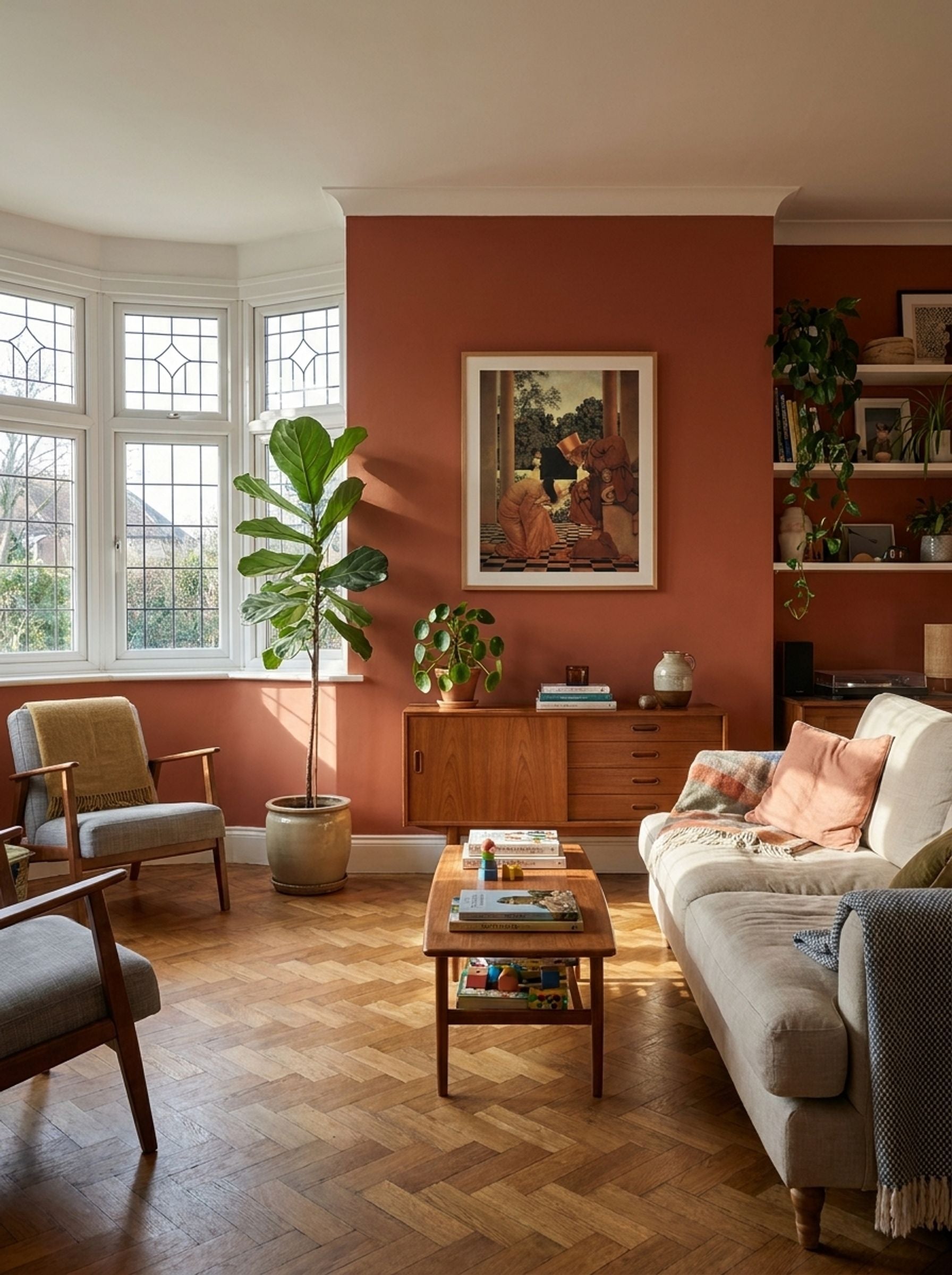 PromoLady Ursula agenouillée devant Pompdebile (tiré de The Knave of Hearts) - Maxfield Parrish
Print · Framed
Prix régulier À partir de £22.40 GBPPrix de vente À partir de £22.40 GBP Prix régulier £28.00 GBP -

 PromoCascades (Solitude paisible) - Maxfield Parrish
Print · Framed
Prix régulier À partir de £22.40 GBPPrix de vente À partir de £22.40 GBP Prix régulier £28.00 GBP -

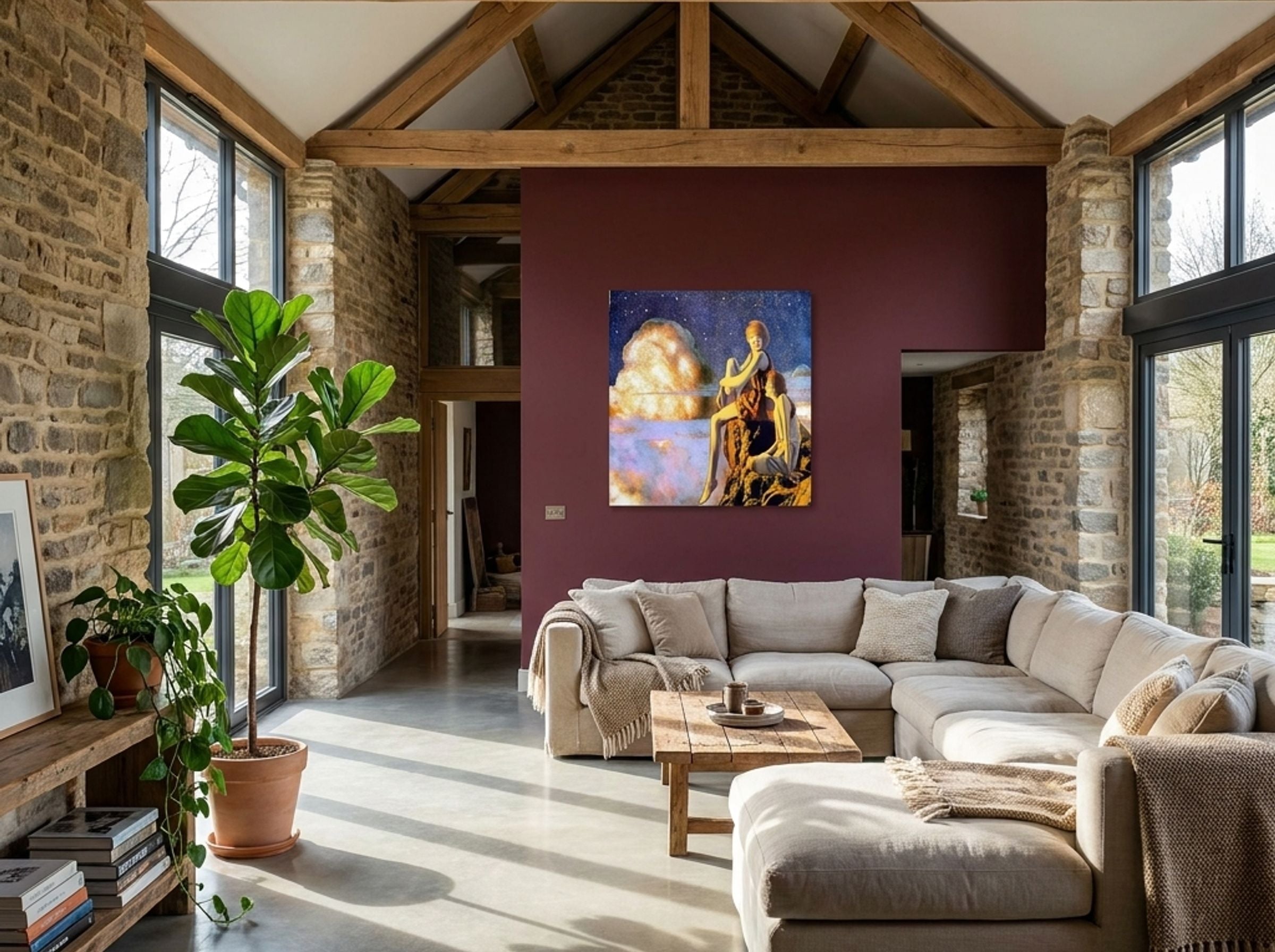 PromoContentement - Maxfield Parrish
Print · Framed
Prix régulier À partir de £29.60 GBPPrix de vente À partir de £29.60 GBP Prix régulier £37.00 GBP -

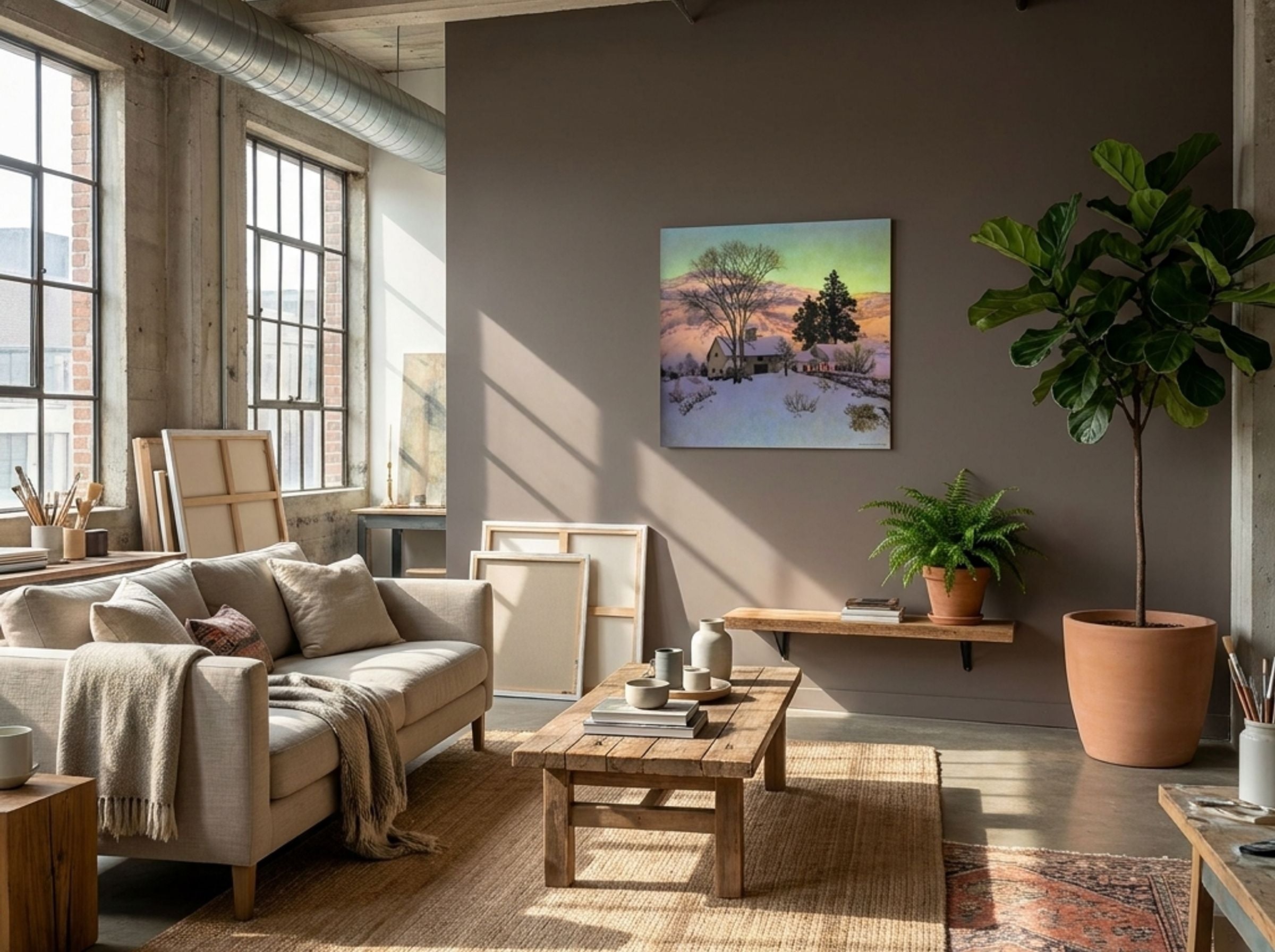 PromoLueur crépusculaire - Maxfield Parrish
Print · Framed
Prix régulier À partir de £29.60 GBPPrix de vente À partir de £29.60 GBP Prix régulier £37.00 GBP -

 PromoLe Chat botté - Maxfield Parrish
Print · Framed
Prix régulier À partir de £22.40 GBPPrix de vente À partir de £22.40 GBP Prix régulier £28.00 GBP -

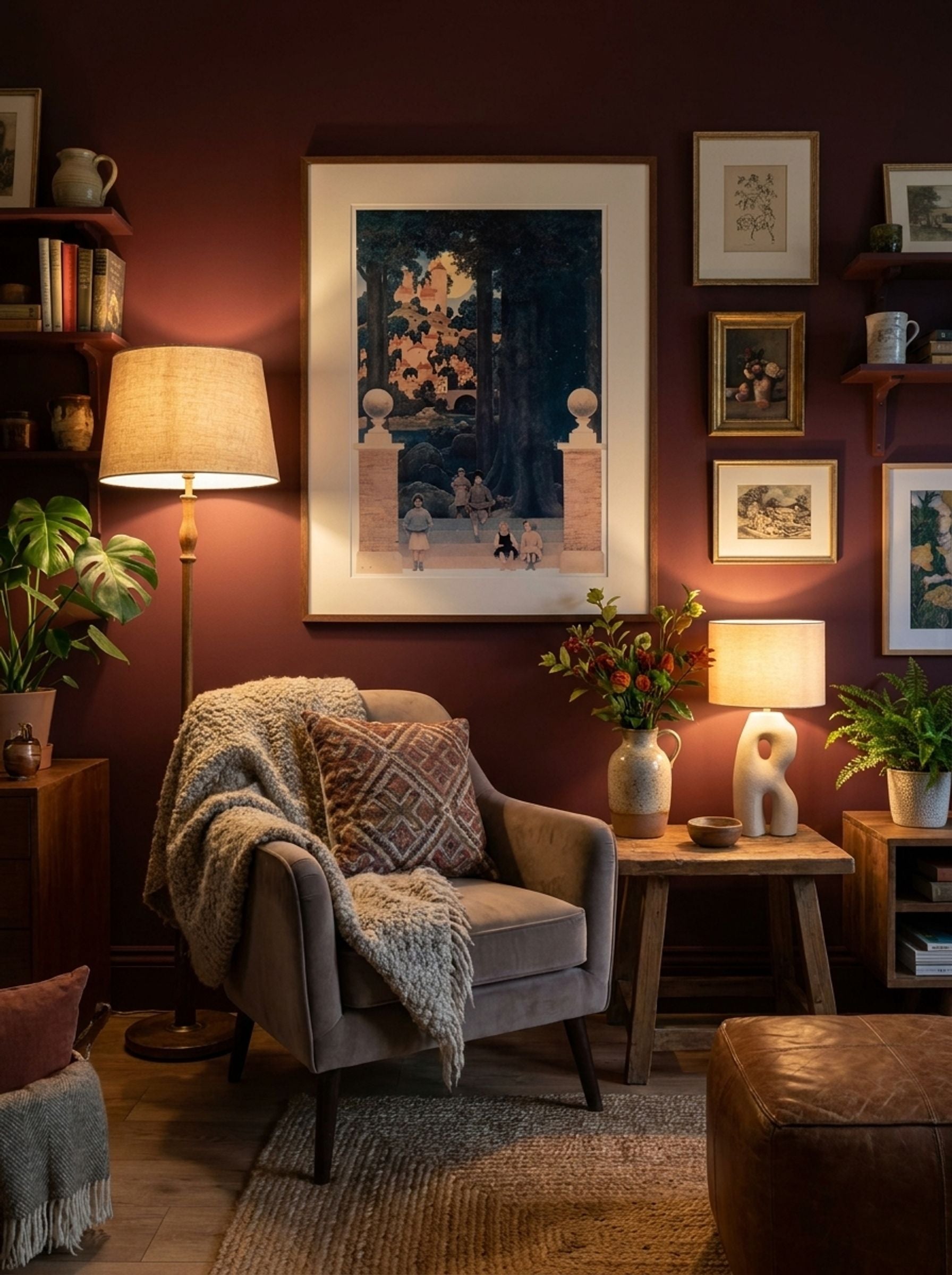 PromoL'arbre à dragées - Maxfield Parrish
Print · Framed
Prix régulier À partir de £22.40 GBPPrix de vente À partir de £22.40 GBP Prix régulier £28.00 GBP


Artist Biography
Maxfield Parrish
Parrish's real name was Frederick. He adopted Maxfield, his grandmother's maiden name, as a professional name because it sounded better. His father, Stephen Parrish, was a landscape etcher who took the boy travelling through Europe at ten, sketching together in the manner of a Victorian gentleman educating his heir. The drawing lessons started before school did.
He called himself a mechanic who paints. Beneath his studio he built a workshop filled with machines, and used them to construct model scenes, props and lighting rigs for his paintings. The process was closer to set design than to plein air. He would build a miniature landscape, light it from specific angles, photograph it, then paint from the photograph using a layering technique borrowed from the Old Masters: thin coats of transparent oil glaze over a plaster base, each layer drying before the next, so the under-colours shone through. The method eliminated visible brushstrokes and produced a luminosity that looked like stained glass.
Daybreak, painted in 1922, became the most reproduced art print of the twentieth century. It outsold Warhol's Campbell's Soup Cans and Da Vinci's Last Supper in print form. By the mid-1920s it was estimated that one in four American households had a Parrish print on the wall. The image appeared in Terrence Malick's Badlands and inspired the poster for The Princess Bride. For three models he used his own daughter Jean, Kitty Owen (granddaughter of William Jennings Bryan), and his young nanny Susan Lewin.
In 1900, tuberculosis followed by a nervous breakdown forced him to stop working. The recovery period changed his technique: it was during this convalescence that he developed the glazing method that defined the rest of his career. He lived to ninety-five, painting until the last few years.
Related Artists


Pourquoi nous choisir ?