

Colección
William Orpen
Explora impresiones artísticas seleccionadas para hogares con carácter e interiores cuidados.
-

 Reginald Brabazon, 12th Earl of Meath - William Orpen
Print · Framed
Precio habitual Desde £28.00 GBPPrecio de oferta Desde £28.00 GBP Precio habitual -

 The Selecting Jury of the New English Art Club - William Orpen
Print · Framed
Precio habitual Desde £28.00 GBPPrecio de oferta Desde £28.00 GBP Precio habitual -
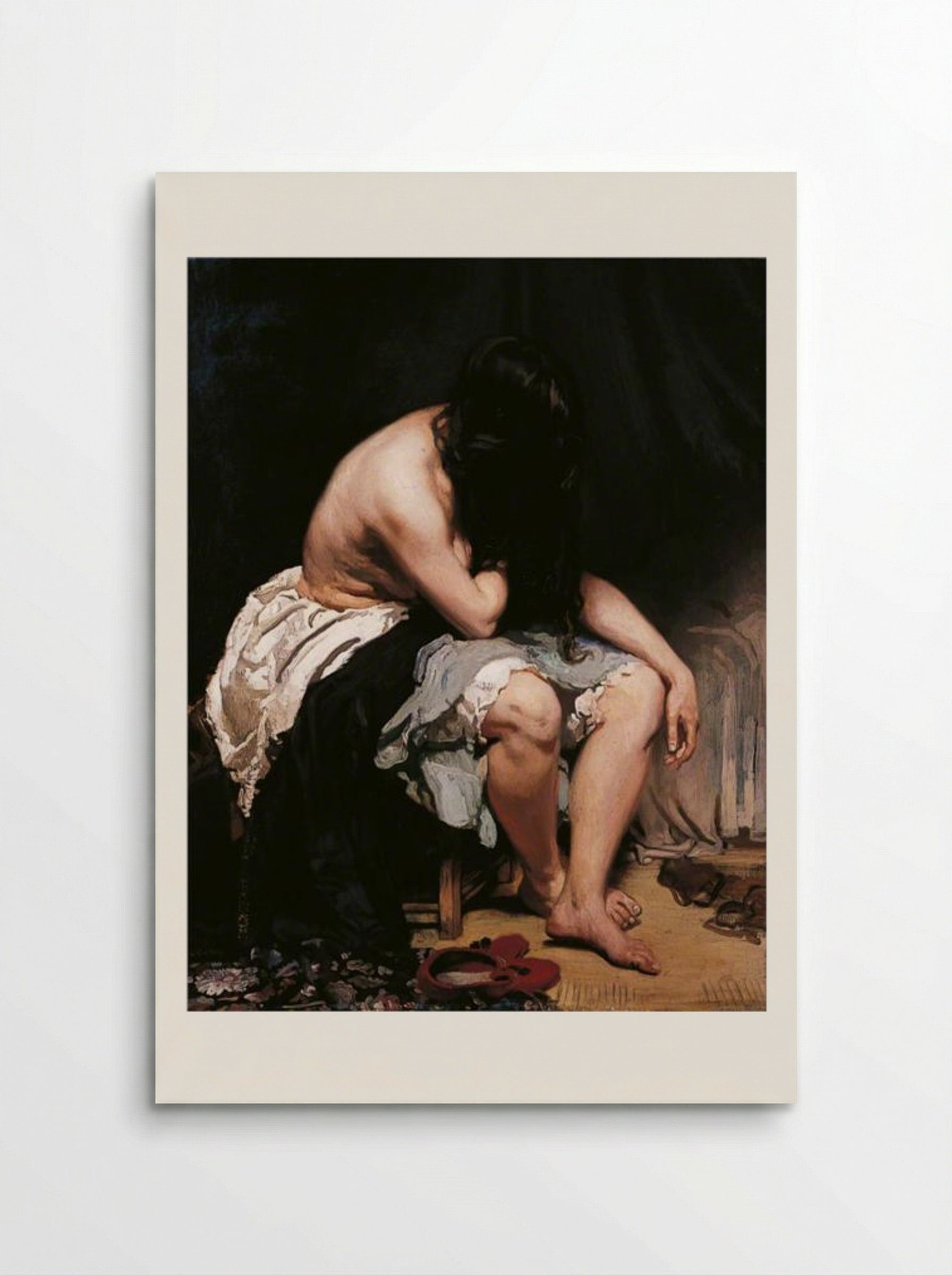
 La mujer española - William Orpen
Print · Framed
Precio habitual Desde £28.00 GBPPrecio de oferta Desde £28.00 GBP Precio habitual -

 Estudio de desnudo de una mujer sentada - William Orpen
Print · Framed · Canvas
Precio habitual Desde £28.00 GBPPrecio de oferta Desde £28.00 GBP Precio habitual -

 Al soldado británico desconocido en Francia - William Orpen
Print · Framed · Canvas
Precio habitual Desde £30.00 GBPPrecio de oferta Desde £30.00 GBP Precio habitual -

 Charles Buller Heberden, director - William Orpen
Print · Framed · Canvas
Precio habitual Desde £30.00 GBPPrecio de oferta Desde £30.00 GBP Precio habitual -

 Sir Edwin Ray Lankester - Sir William Orpen
Print · Framed · Canvas
Precio habitual Desde £30.00 GBPPrecio de oferta Desde £30.00 GBP Precio habitual -
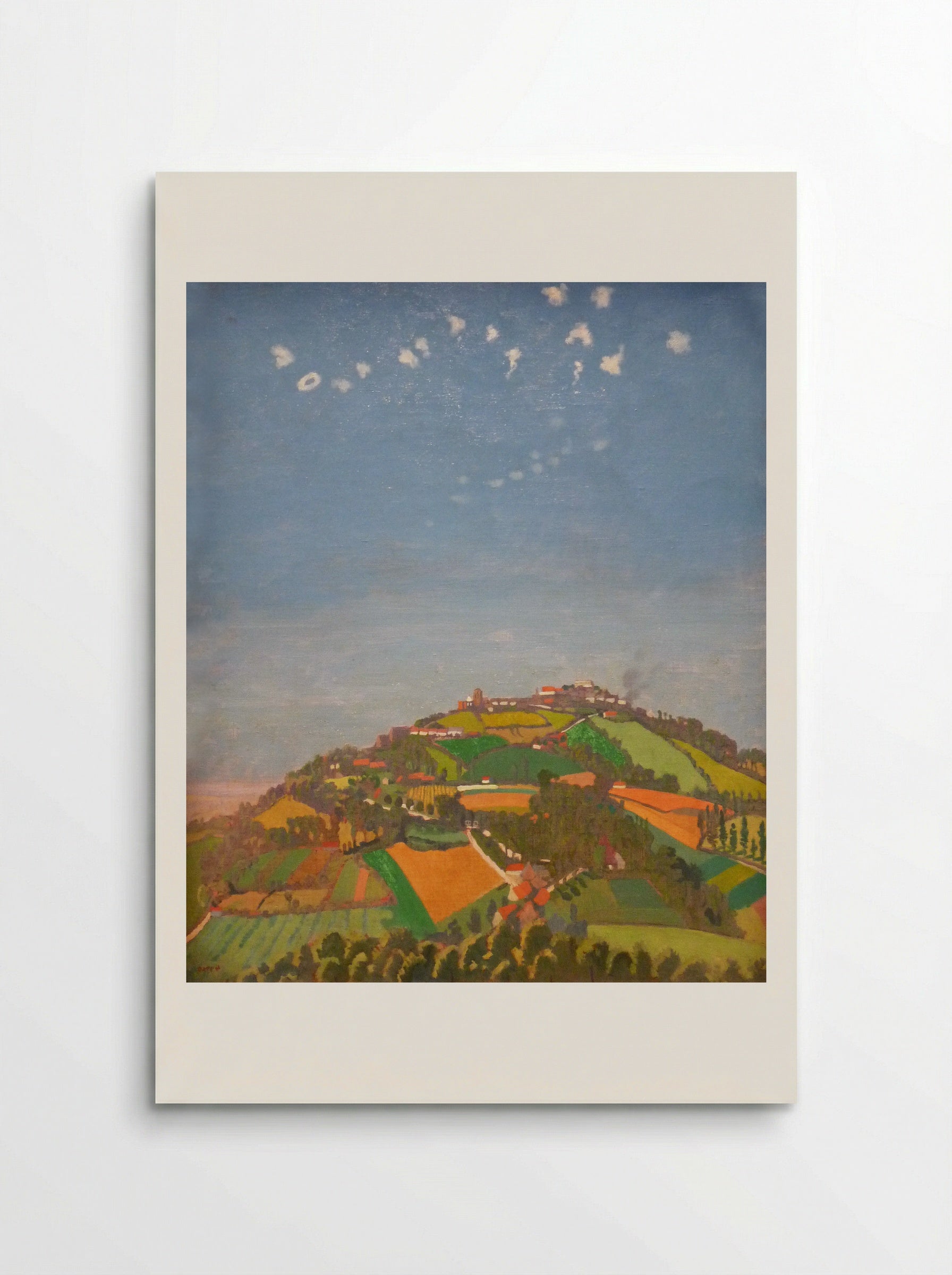 Aviones alemanes visitando Cassel - William Orpen
Print
Precio habitual Desde £28.00 GBPPrecio de oferta Desde £28.00 GBP Precio habitual -
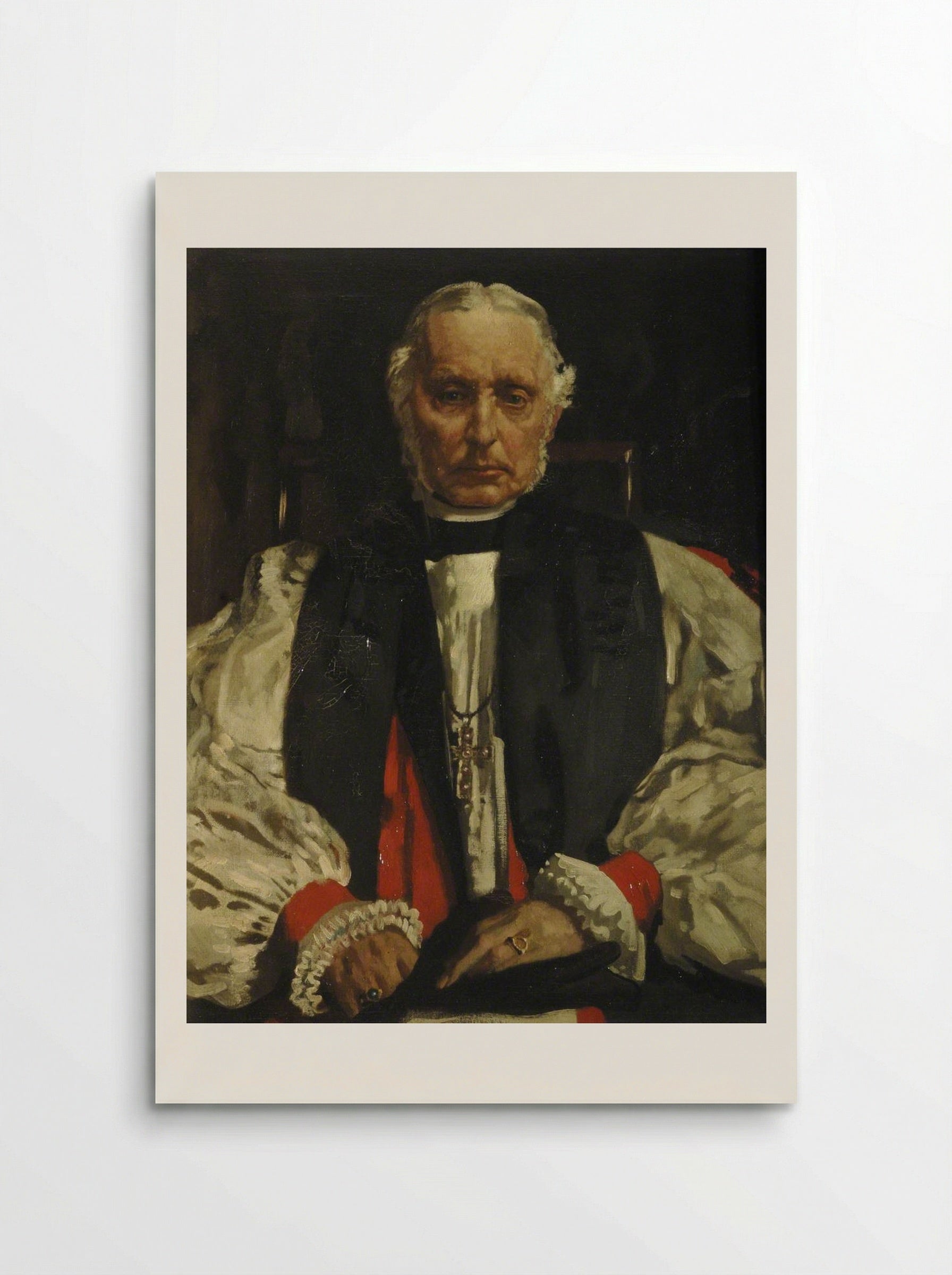 William West Jones - William Orpen
Print
Precio habitual Desde £28.00 GBPPrecio de oferta Desde £28.00 GBP Precio habitual -
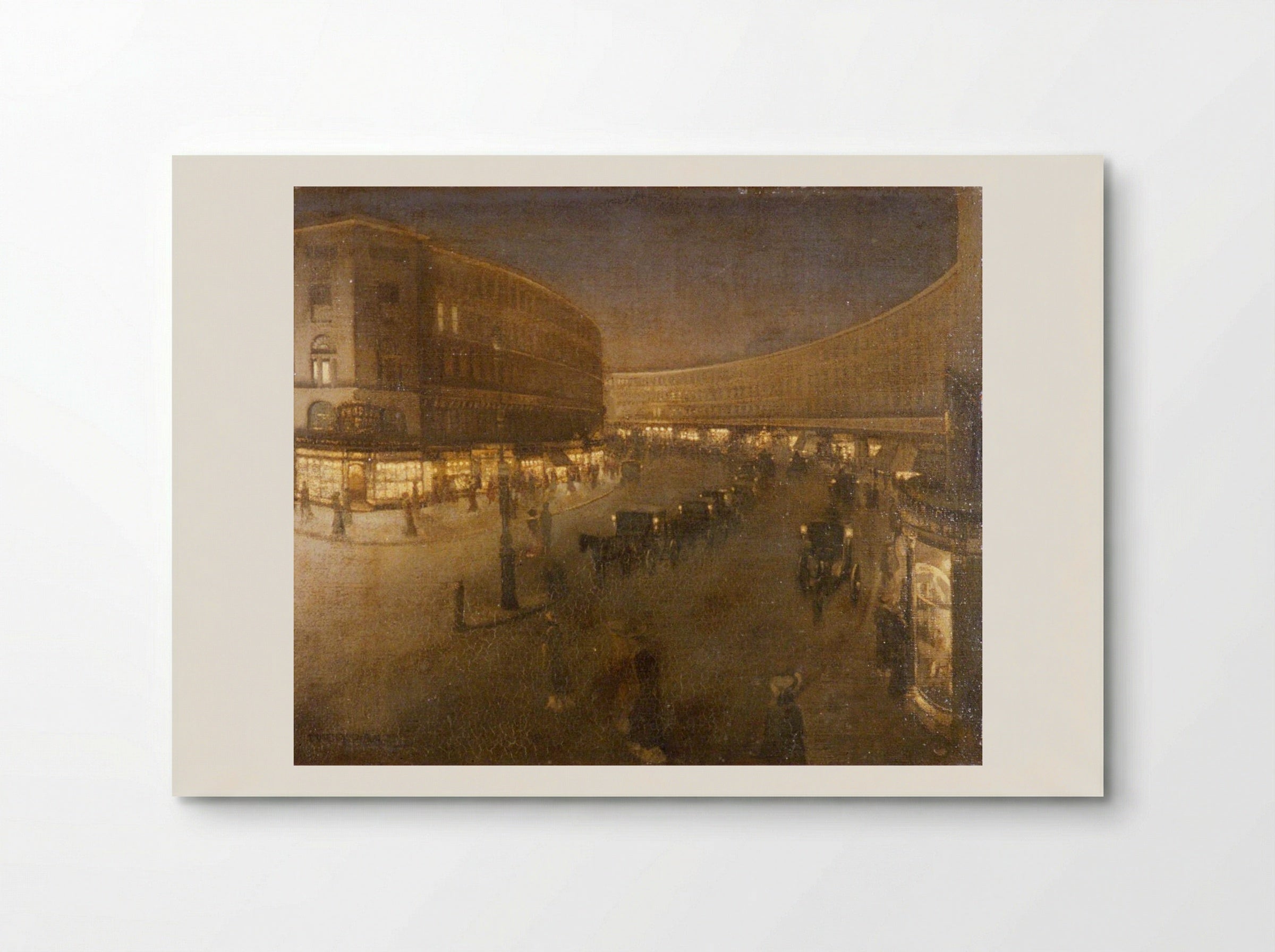 Regent Street, Londres - William Orpen
Print
Precio habitual Desde £28.00 GBPPrecio de oferta Desde £28.00 GBP Precio habitual -
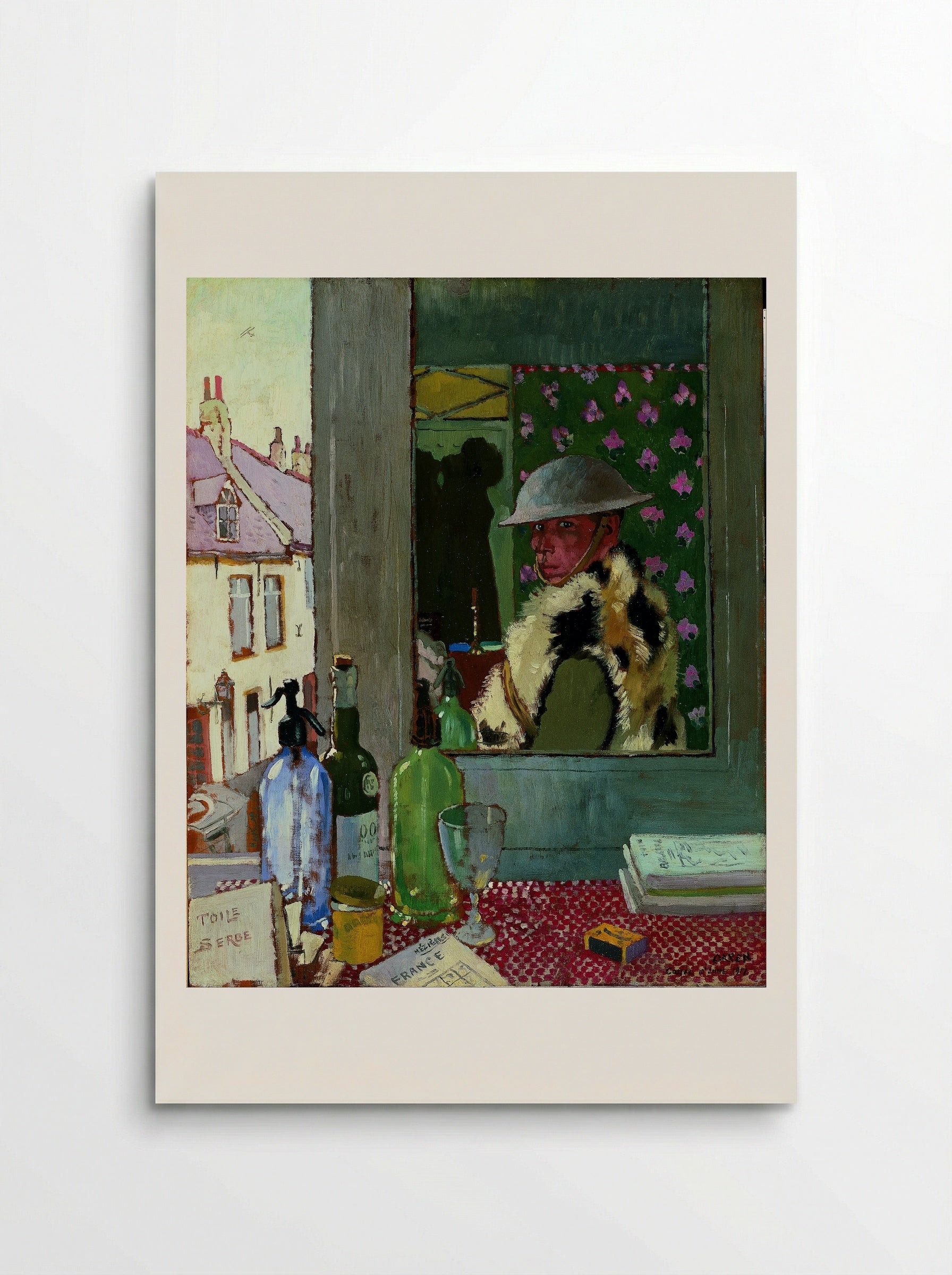 Listo para empezar Autorretrato - William Orpen
Print
Precio habitual Desde £28.00 GBPPrecio de oferta Desde £28.00 GBP Precio habitual -
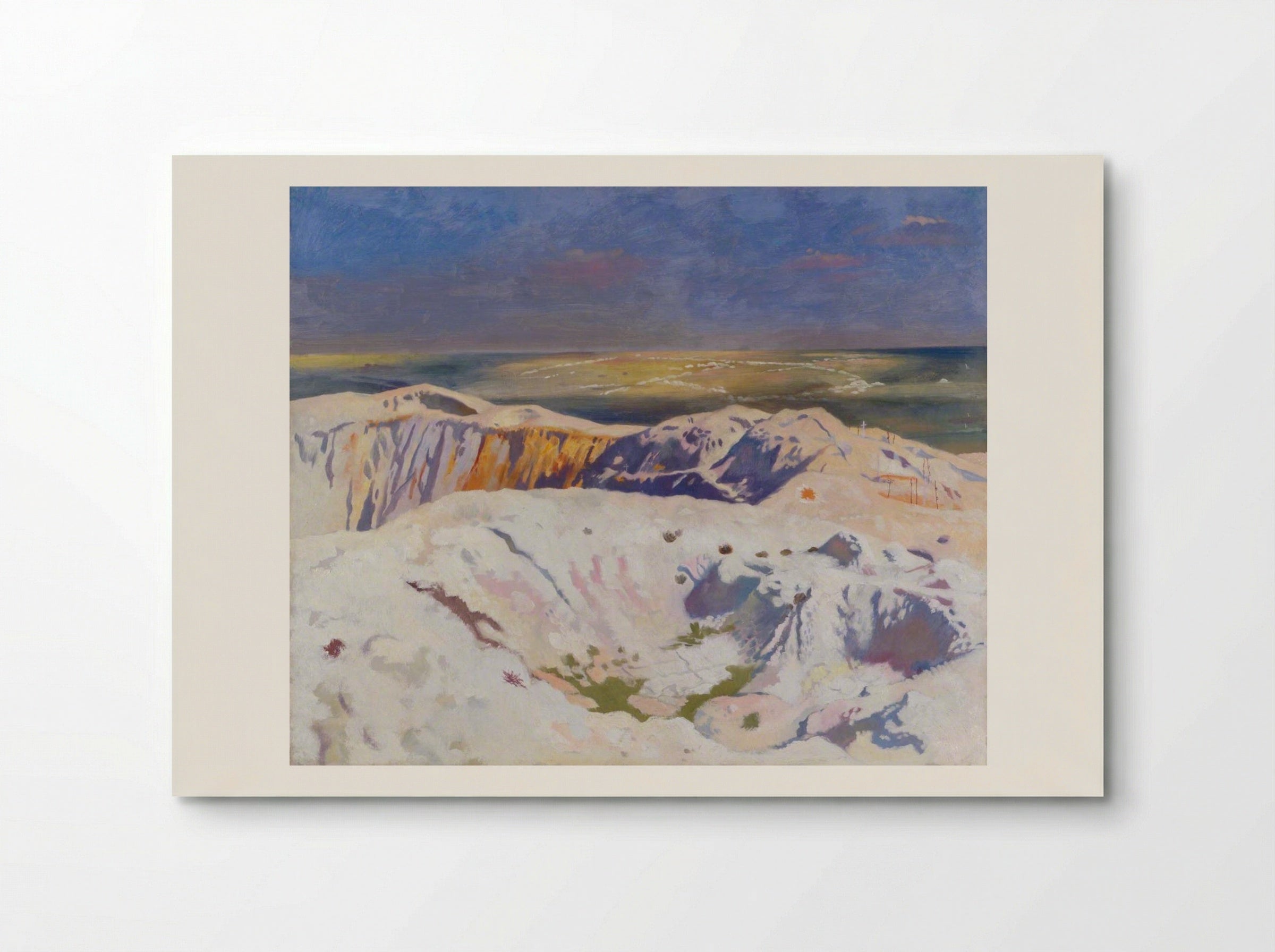 El gran cráter - Sir William Orpen
Print
Precio habitual Desde £28.00 GBPPrecio de oferta Desde £28.00 GBP Precio habitual -
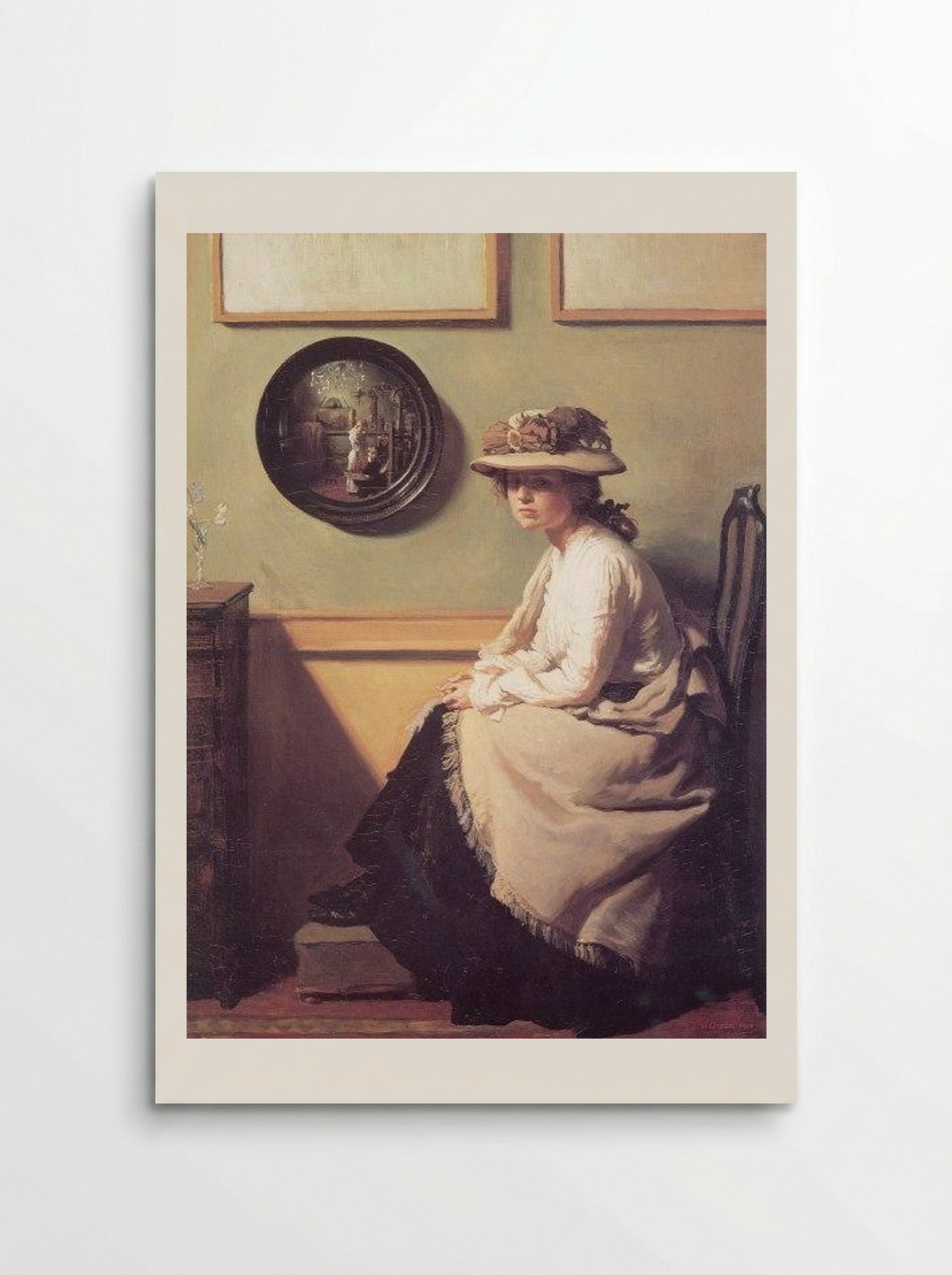 El espejo - William Orpen
Print
Precio habitual Desde £28.00 GBPPrecio de oferta Desde £28.00 GBP Precio habitual -
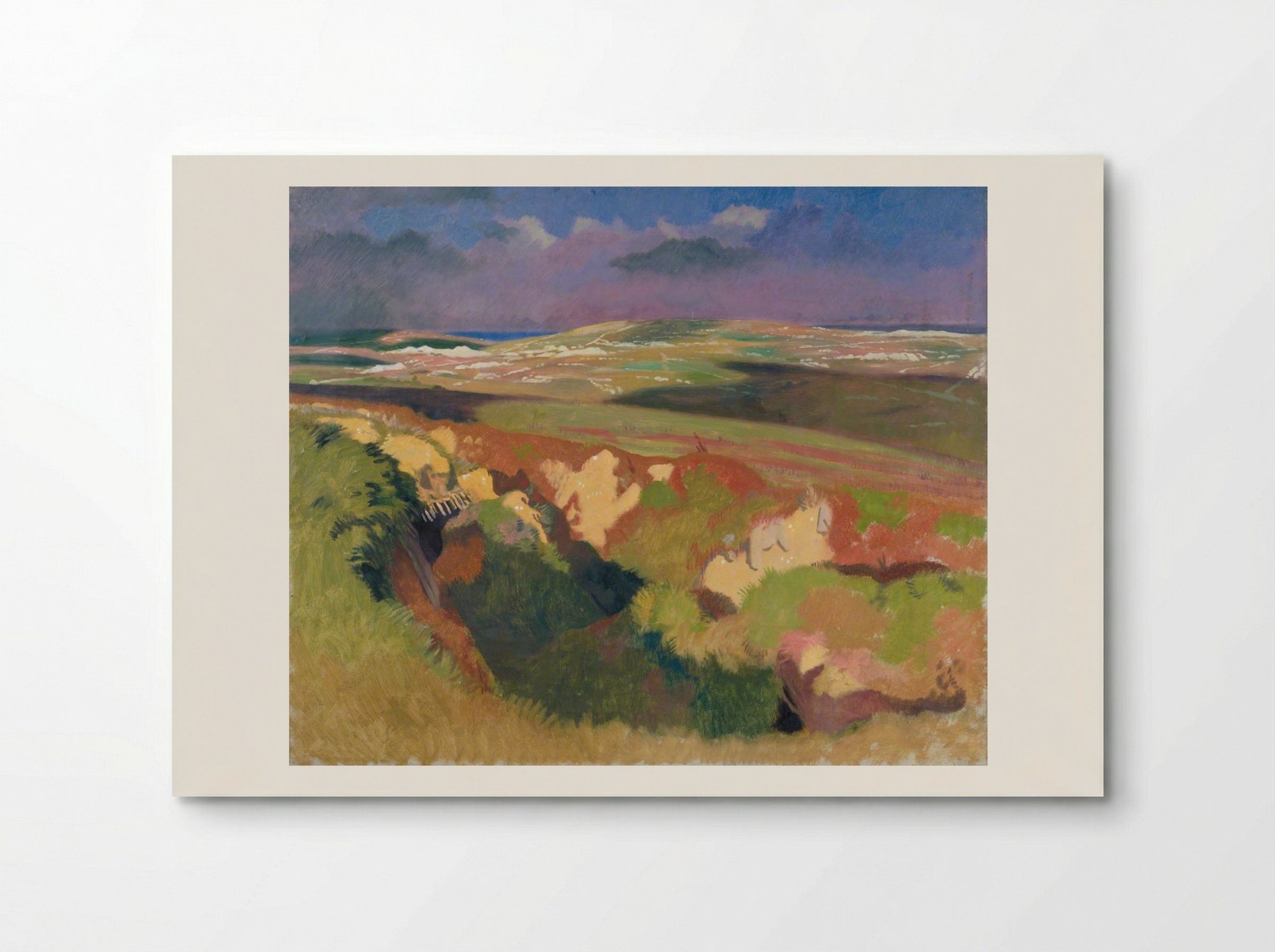 Vista desde las antiguas trincheras británicas, mirando hacia La Boisselle, Courcelette a la izquierda, Martinpuich a la derecha - Sir William Orpen
Print
Precio habitual Desde £28.00 GBPPrecio de oferta Desde £28.00 GBP Precio habitual -
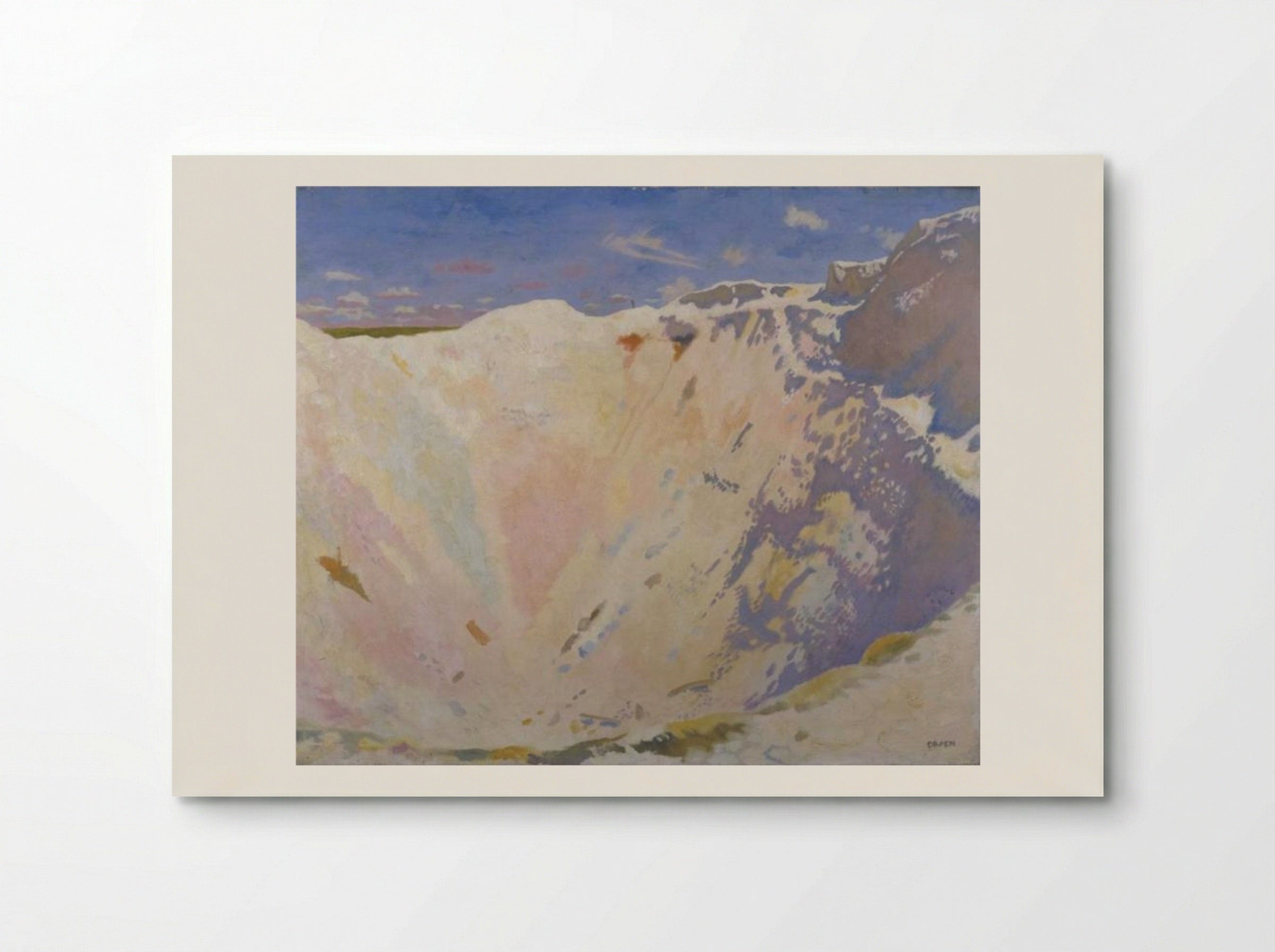 Dentro de un pequeño cráter de mina, La Boisselle - William Orpen
Print
Precio habitual Desde £28.00 GBPPrecio de oferta Desde £28.00 GBP Precio habitual -
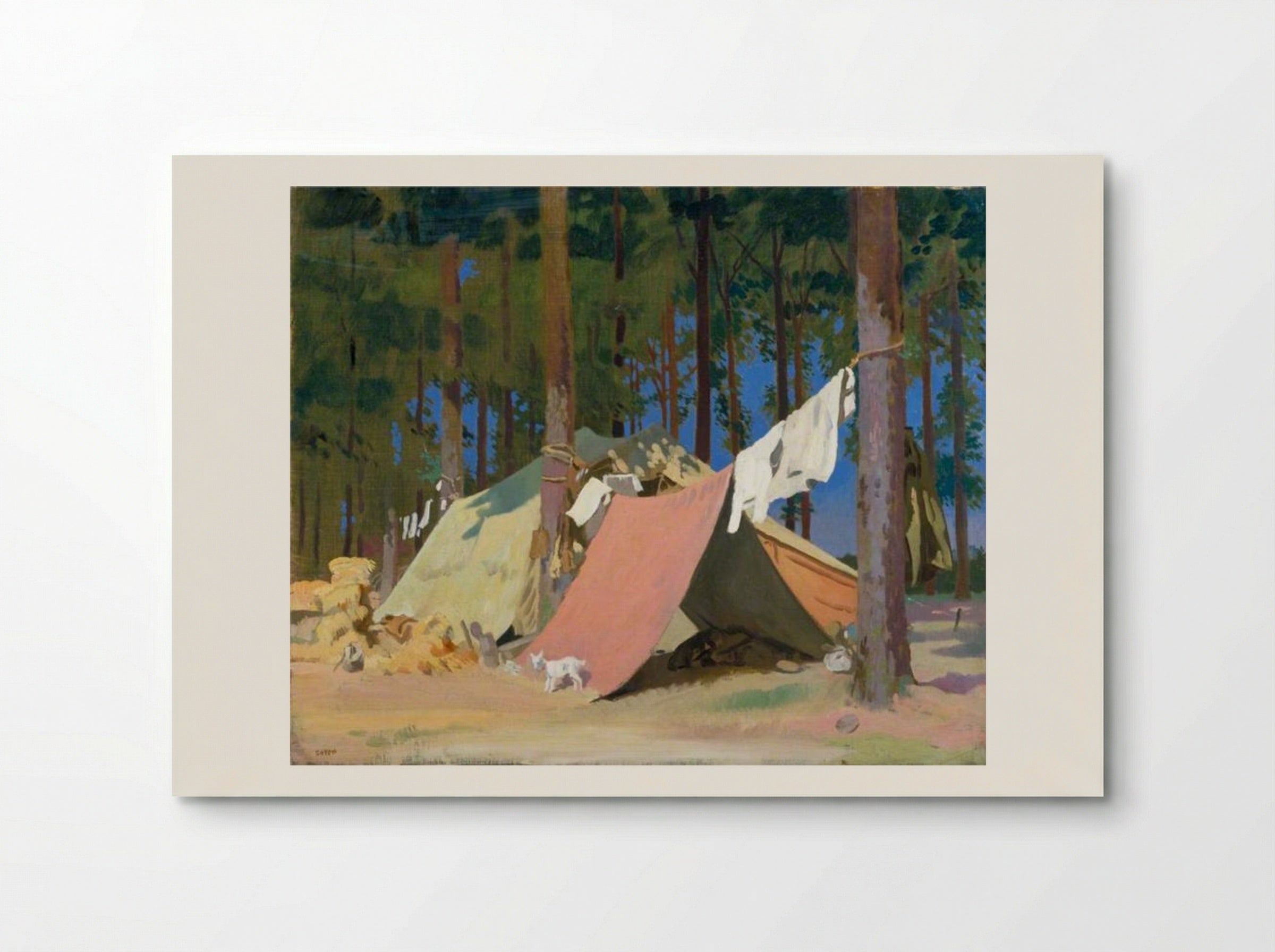 La mascota de los Coldstream Guards - William Orpen
Print
Precio habitual Desde £28.00 GBPPrecio de oferta Desde £28.00 GBP Precio habitual -
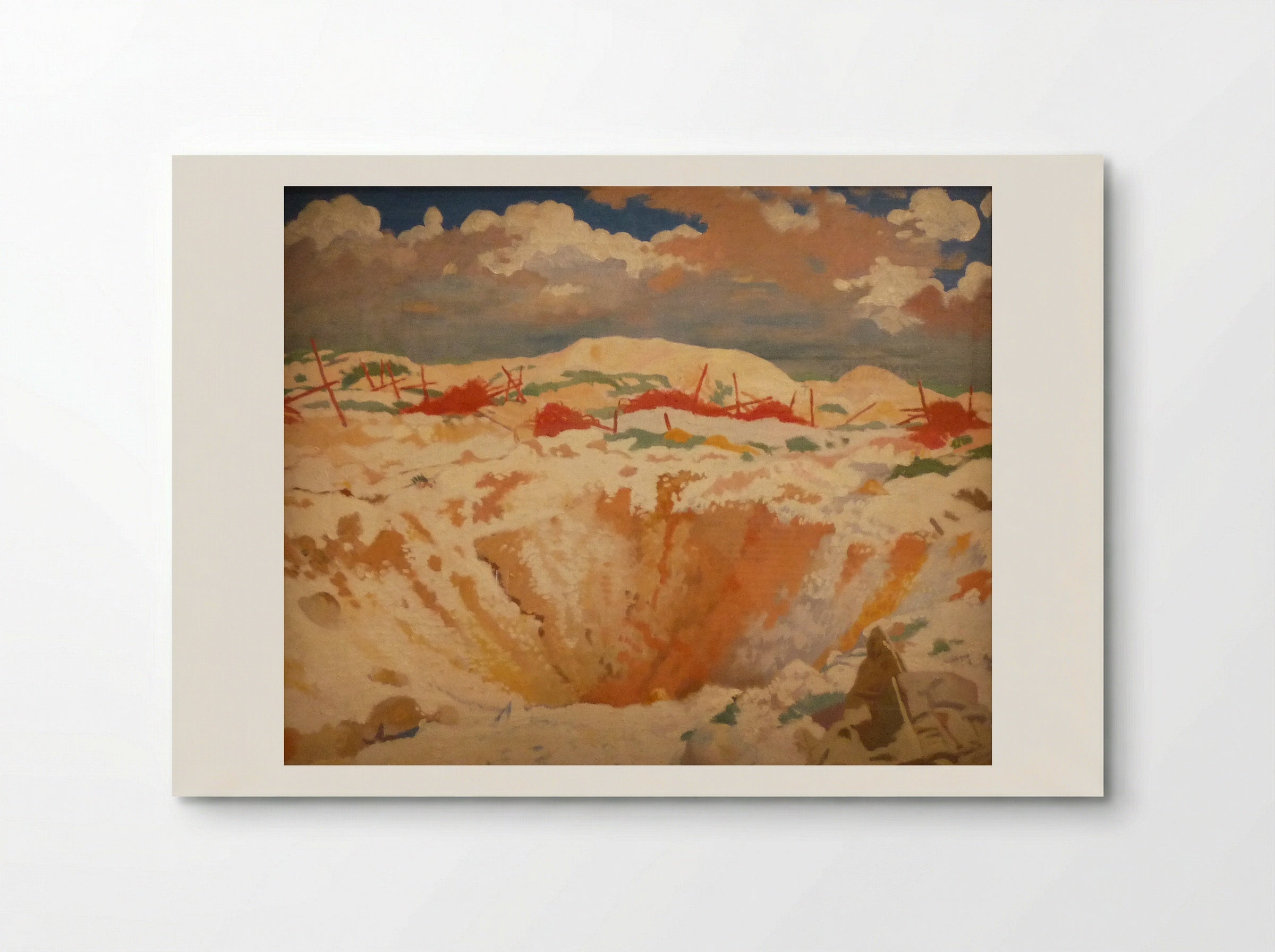 Alambre alemán, Thiepval - William Orpen
Print
Precio habitual Desde £28.00 GBPPrecio de oferta Desde £28.00 GBP Precio habitual -
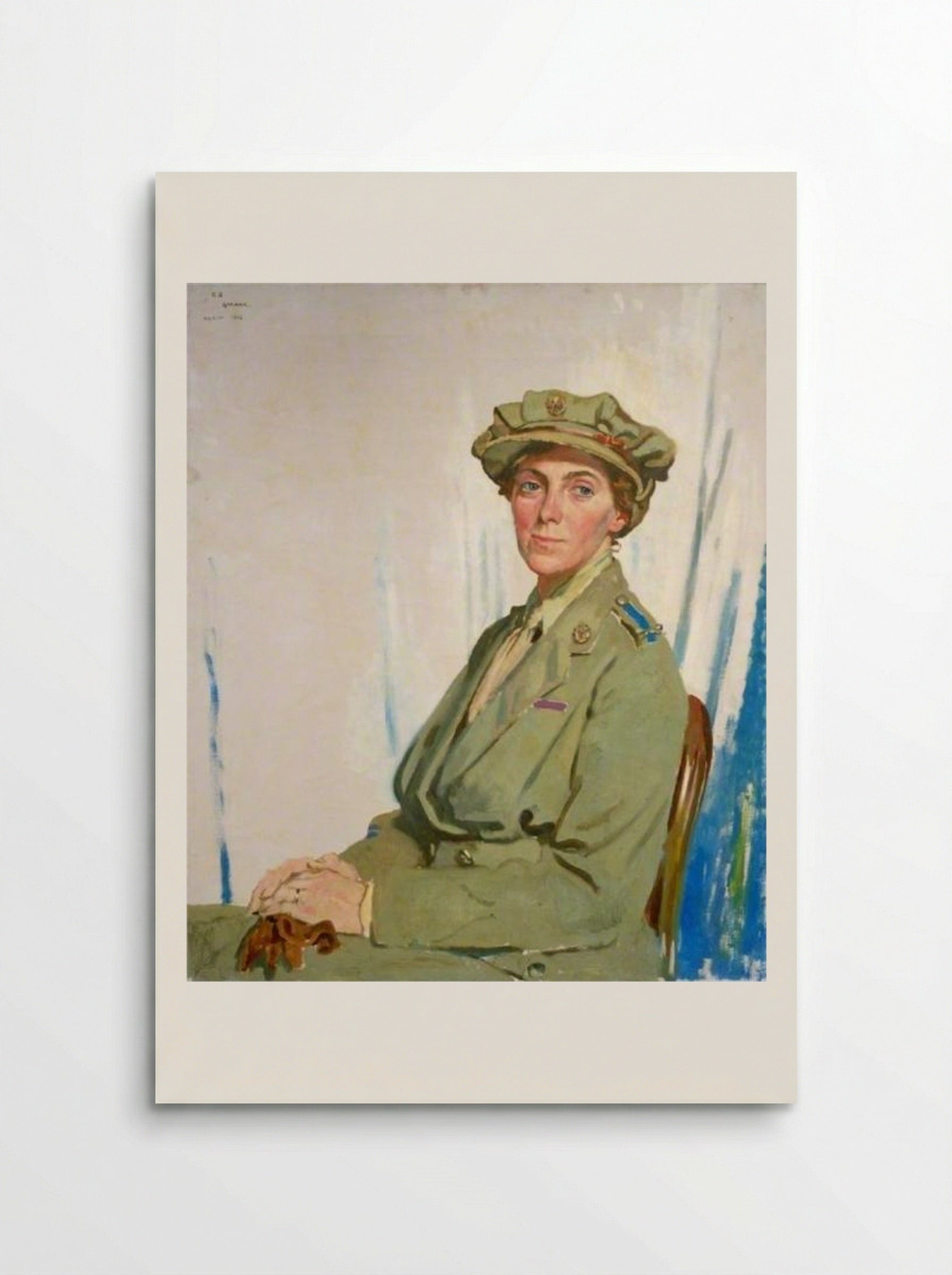 Dame Helen Gwynne-Vaughan - Sir William Orpen
Print
Precio habitual Desde £28.00 GBPPrecio de oferta Desde £28.00 GBP Precio habitual -
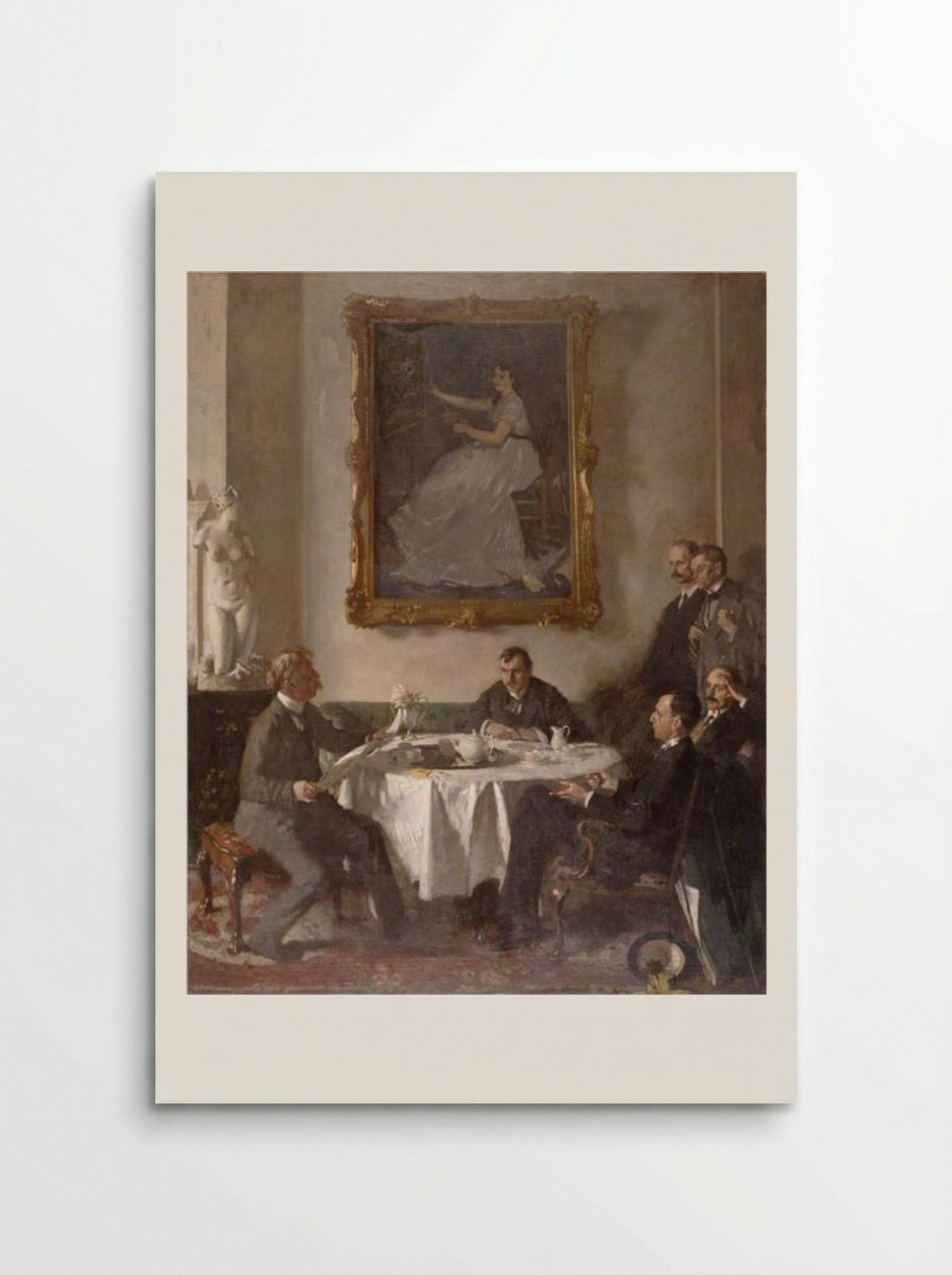 Homenaje a Manet - William Orpen
Print
Precio habitual Desde £28.00 GBPPrecio de oferta Desde £28.00 GBP Precio habitual -
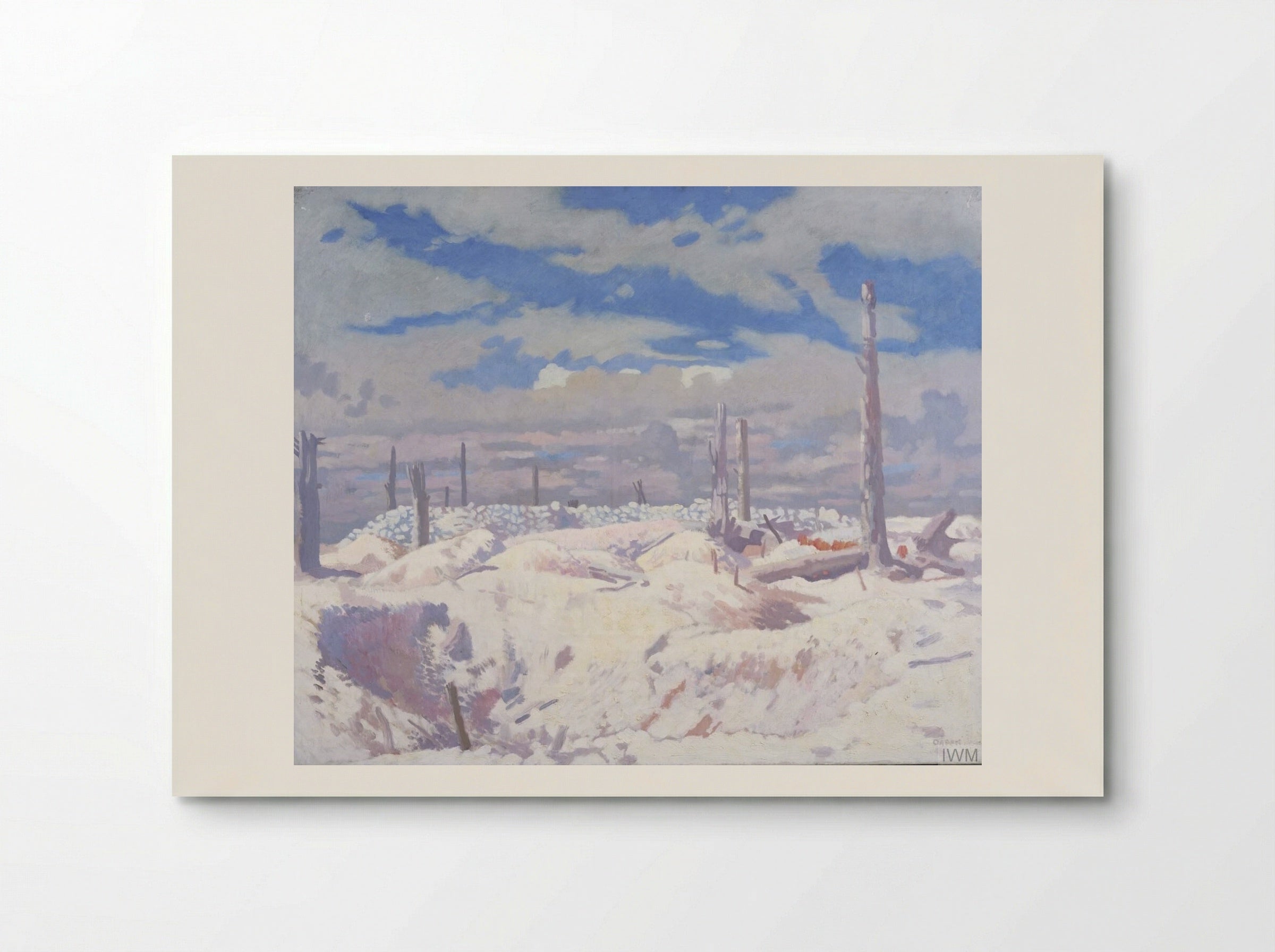 Reducto de Schwaben - William Orpen
Print
Precio habitual Desde £28.00 GBPPrecio de oferta Desde £28.00 GBP Precio habitual -
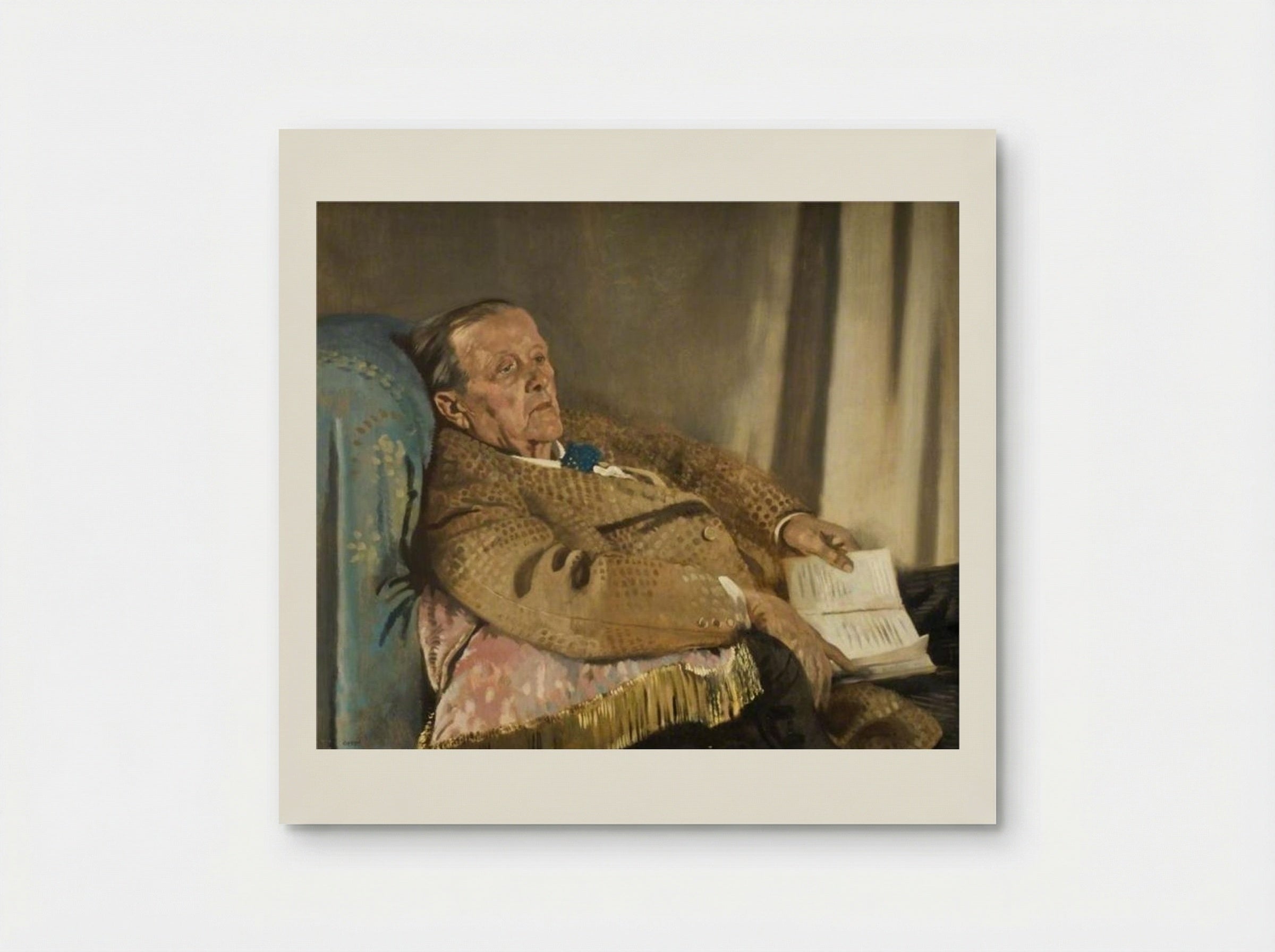
 Sir Edwin Ray Lankester - William Orpen
Print · Framed
Precio habitual Desde £37.00 GBPPrecio de oferta Desde £37.00 GBP Precio habitual -
 Beaumont Hamel, 1920 - William Orpen
Print
Precio habitual Desde £28.00 GBPPrecio de oferta Desde £28.00 GBP Precio habitual -
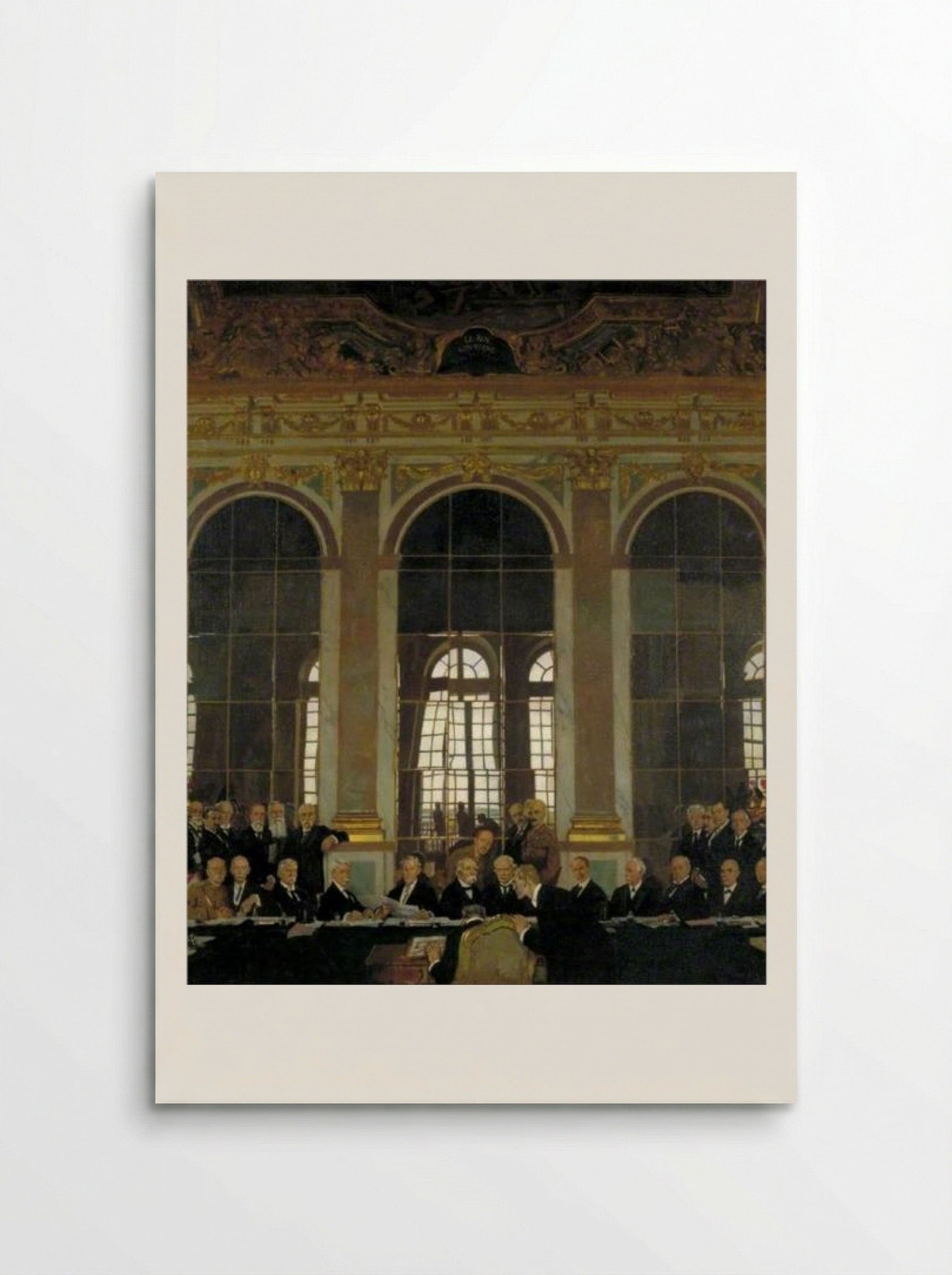 La firma de la paz en el Salón de los Espejos, Versalles, 28 de junio de 1919 - William Orpen
Print
Precio habitual Desde £28.00 GBPPrecio de oferta Desde £28.00 GBP Precio habitual -
 Autorretrato - William Orpen
Print
Precio habitual Desde £37.00 GBPPrecio de oferta Desde £37.00 GBP Precio habitual


Artist Biography
William Orpen
Orpen entered the Dublin Metropolitan School of Art at twelve and won virtually every prize available. He moved to the Slade School of Fine Art in London and repeated the performance. By his early thirties he was the most commercially successful portrait painter in Britain, earning what would now be millions of pounds per year from commissions by the wealthy and the powerful.
During the First World War he was sent to the Western Front as an official war artist for the British government. He was the most prolific of the war artists, producing 138 works: drawings and paintings of soldiers, dead men, German prisoners, ruined trenches, and the blank exhaustion that photographs of the period cannot quite capture. He donated all 138 to the British government. They are now in the Imperial War Museum.
After the war he painted The Signing of the Peace Treaty at Versailles, which should have been the capstone of his career. Instead it became a controversy. He also painted To the Unknown British Soldier in France, a composition that originally included ghostly military figures alongside a flag-draped coffin. The Imperial War Museum refused to accept it until he removed the figures in 1927.
He never fully recovered from the physical and mental effects of the war. He continued to paint society portraits at extraordinary prices (over 50,000 pounds a year by 1929), but those who knew him said something had changed.
He was Irish, from Stillorgan in County Dublin, a fact that became complicated as the independence movement gathered force during and after the war. He accepted a knighthood from the British crown. He died in 1931, aged fifty-two, and faded to near-total obscurity until 2001, when a portrait sold at Sotheby's for nearly two million pounds.


¿Por qué elegirnos?