

Colección
Odilon Redon
Explora impresiones artísticas seleccionadas para hogares con carácter e interiores cuidados.
-
 Es el diablo, que lleva bajo sus dos alas los siete pecados capitales - Odilon Redon
Print
Precio habitual Desde £28.00 GBPPrecio de oferta Desde £28.00 GBP Precio habitual -
 Por todas partes, los globos oculares están en llamas - Odilon Redon
Print
Precio habitual Desde £28.00 GBPPrecio de oferta Desde £28.00 GBP Precio habitual -
 Y tenía en su diestra siete estrellas; y de su boca salía una espada aguda de dos filos - Odilon Redon
Print
Precio habitual Desde £28.00 GBPPrecio de oferta Desde £28.00 GBP Precio habitual -
 Cabeza simbólica - Odilon Redon
Print
Precio habitual Desde £28.00 GBPPrecio de oferta Desde £28.00 GBP Precio habitual -
 Violette Heymann - Odilon Redon
Print
Precio habitual Desde £28.00 GBPPrecio de oferta Desde £28.00 GBP Precio habitual -

 Jarrón etrusco con flores - Odilon Redon
Print
Precio habitual Desde £28.00 GBPPrecio de oferta Desde £28.00 GBP Precio habitual -
 Él levanta la urna de bronce - Odilon Redon
Print
Precio habitual Desde £28.00 GBPPrecio de oferta Desde £28.00 GBP Precio habitual -
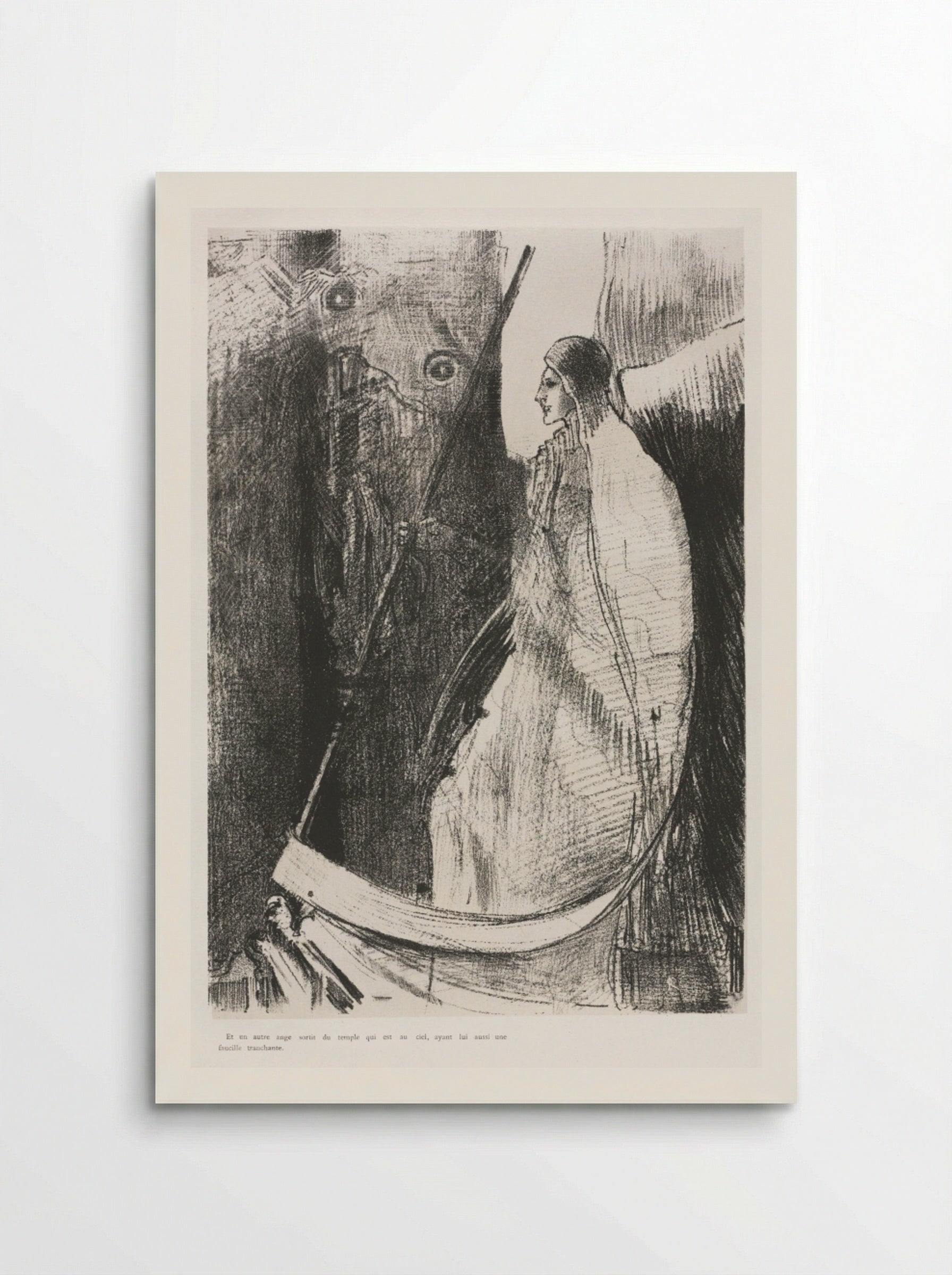 Y otro ángel salió del templo que está en el cielo, y él también tenía una hoz afilada - Odilon Redon
Print
Precio habitual Desde £28.00 GBPPrecio de oferta Desde £28.00 GBP Precio habitual -
 La quimera de ojos verdes se gira, aúlla - Odilon Redon
Print
Precio habitual Desde £28.00 GBPPrecio de oferta Desde £28.00 GBP Precio habitual -
 Y surgen toda clase de criaturas espantosas - Odilon Redon
Print
Precio habitual Desde £28.00 GBPPrecio de oferta Desde £28.00 GBP Precio habitual -
 Y en el propio disco del sol brilla el rostro de Jesucristo - Odilon Redon
Print
Precio habitual Desde £28.00 GBPPrecio de oferta Desde £28.00 GBP Precio habitual -

 Perversidad - Odilon Redon
Print
Precio habitual Desde £28.00 GBPPrecio de oferta Desde £28.00 GBP Precio habitual -

 Saint-Jean-Pied-de-Port - Odilon Redon
Print · Framed
Precio habitual Desde £28.00 GBPPrecio de oferta Desde £28.00 GBP Precio habitual -

 La muerte... (La Mort) - Odilon Redon
Print · Framed
Precio habitual Desde £28.00 GBPPrecio de oferta Desde £28.00 GBP Precio habitual -

 La ventana - Odilon Redon
Print · Framed
Precio habitual Desde £28.00 GBPPrecio de oferta Desde £28.00 GBP Precio habitual -

 Flores - Odilon Redon
Print · Framed
Precio habitual Desde £28.00 GBPPrecio de oferta Desde £28.00 GBP Precio habitual -
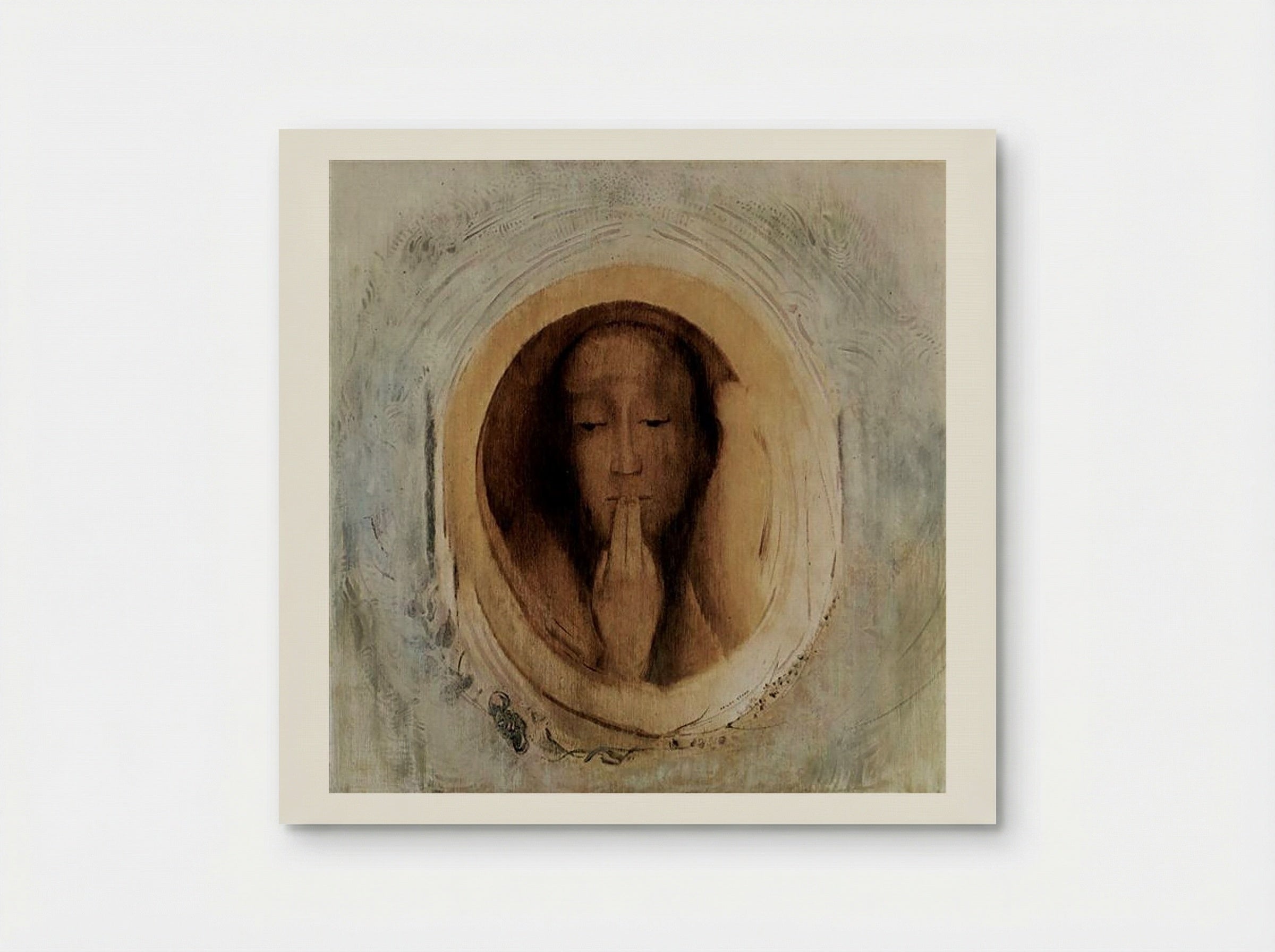
 Silencio - Odilon Redon
Print · Framed
Precio habitual Desde £37.00 GBPPrecio de oferta Desde £37.00 GBP Precio habitual -

 He aquí la Buena Diosa, la Madre del Ida de las montañas - Odilon Redon
Print · Framed
Precio habitual Desde £37.00 GBPPrecio de oferta Desde £37.00 GBP Precio habitual -

 Árbol y tocón - Odilon Redon
Print · Framed
Precio habitual Desde £37.00 GBPPrecio de oferta Desde £37.00 GBP Precio habitual -

 Ícaro - Odilon Redon
Print · Framed
Precio habitual Desde £28.00 GBPPrecio de oferta Desde £28.00 GBP Precio habitual -

 Naturaleza muerta con frutas - Odilon Redon
Print · Framed
Precio habitual Desde £37.00 GBPPrecio de oferta Desde £37.00 GBP Precio habitual -

 Mujer con flores - Odilon Redon
Print · Framed
Precio habitual Desde £28.00 GBPPrecio de oferta Desde £28.00 GBP Precio habitual -

 Figuras en una ventana de tríptico - Impresión de arte
Print · Framed
Precio habitual Desde £28.00 GBPPrecio de oferta Desde £28.00 GBP Precio habitual -

 Ángel caído - Odilon Redon
Print · Framed
Precio habitual Desde £28.00 GBPPrecio de oferta Desde £28.00 GBP Precio habitual


Artist Biography
Odilon Redon
Redon's father made his fortune in the slave trade in Louisiana in the 1830s. The boy was conceived in New Orleans and born in Bordeaux in 1840. His parents sent him to live with an uncle on a rural estate at Peyrelebade, where he spent most of his childhood alone. He was sickly and withdrawn. The isolation produced someone who looked inward when he drew.
For the first two decades of his career he worked exclusively in black: charcoal drawings and lithographs he called his noirs. Floating eyeballs, severed heads with closed lids, spiders with human faces, plants that grow teeth. The images are hallucinatory but precisely rendered, closer to medical illustration than fantasy. He published his first lithograph album, Dans le Reve, in 1879. Nobody noticed.
Recognition came sideways. In 1884, Joris-Karl Huysmans published A rebours, a novel about a reclusive aesthete who decorates his rooms with Redon's prints. The book became a cult text for the Symbolist movement and Redon became famous by association. Stephane Mallarme, the Symbolist poet, became a close friend. Redon also completed a series of lithographs dedicated to Edgar Allan Poe, whose poems Mallarme and Baudelaire had translated into French.
After 1900 he stopped making noirs entirely and shifted to colour: pastels and oils of flowers, mythological figures and butterflies in palettes that anticipate Matisse. The transition was so complete that the Surrealists later claimed the black work while the Fauves claimed the colour, and neither group seemed to notice they were talking about the same person.
He studied under Jean-Leon Gerome at the Ecole des Beaux-Arts, which is an unlikely pairing: Gerome painted Roman gladiators with photographic precision. Redon painted eyeballs attached to balloons. Goya and Delacroix were the influences that actually stuck.


¿Por qué elegirnos?