

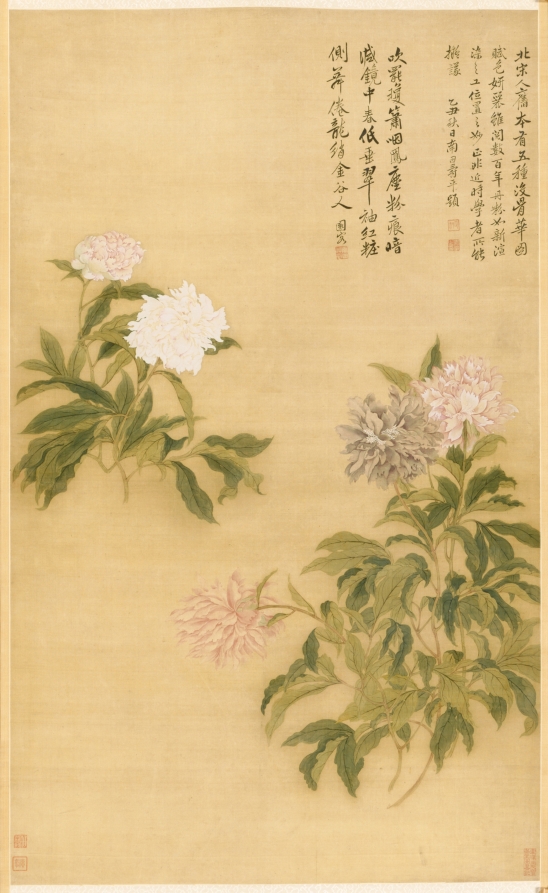
1633–1690 · Qing-Dynastie
Yun Shouping
Yun Shouping lebte während der Qing-Dynastie. Er wurde 1633 geboren und starb 1690.

Biografie
Zu seinen Werken gehören Herbaceous Peony, After Three Rubbings, Landscape, One Hundred Flowers, Landscapes in the manner of Song and Yuan masters, Carnations and amaranthus, Lotuses on a summer evening, Tree Peonies, Herbaceous Peony und Landscape in the Style of Huang Gongwang.
Bedeutende Werke
Zum Vergrößern antippen.
Nächster Halt
Stilrichtungen entdecken →
Alle Stilrichtungen der Sammlung, von der Renaissance bis zur Pop-Art.
Kunstdrucke von Yun Shouping
Von Hand veredelte Archivdrucke aus dem Werk von Yun Shouping.


Ähnliche Künstler
.PNG)


Holen Sie sich Yun Shouping nach Hause.
Alle Kunstdrucke von Yun Shouping ansehen →Häufig gestellte Fragen
Wann wurde Yun Shouping geboren?
Yun Shouping wurde 1633 geboren und starb 1690.Wofür ist Yun Shouping bekannt?
Yun Shouping war ein Künstler der Qing-Dynastie, der von 1633 bis 1690 lebte.