



Wolf Traut
- German Renaissance
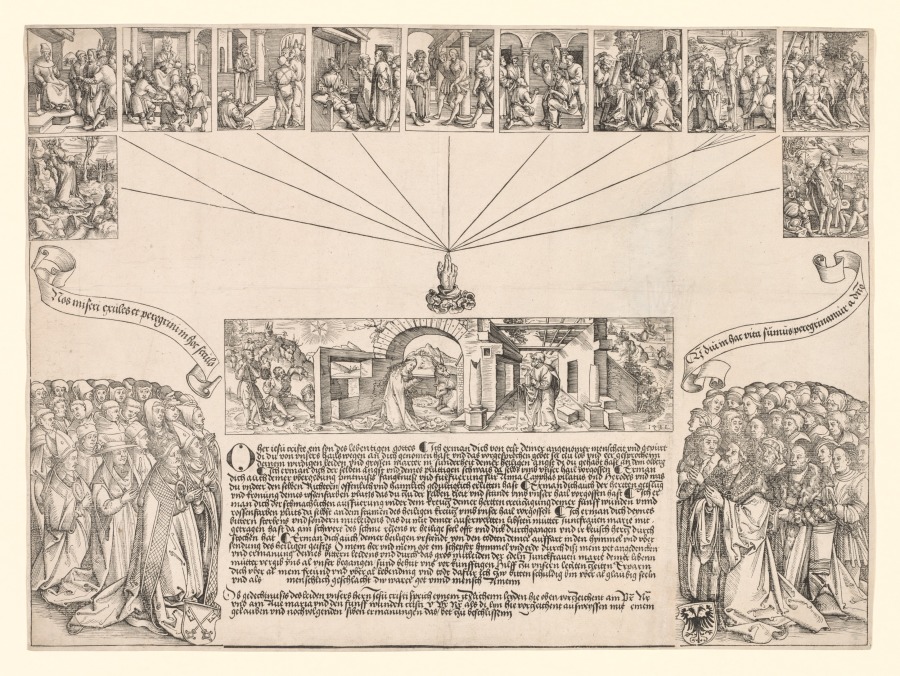
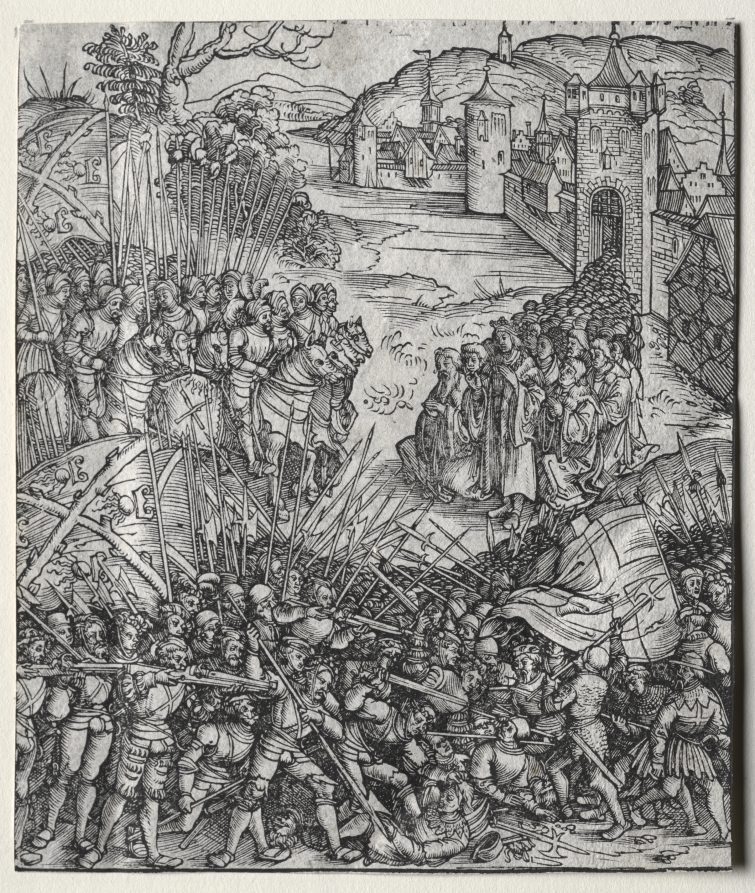
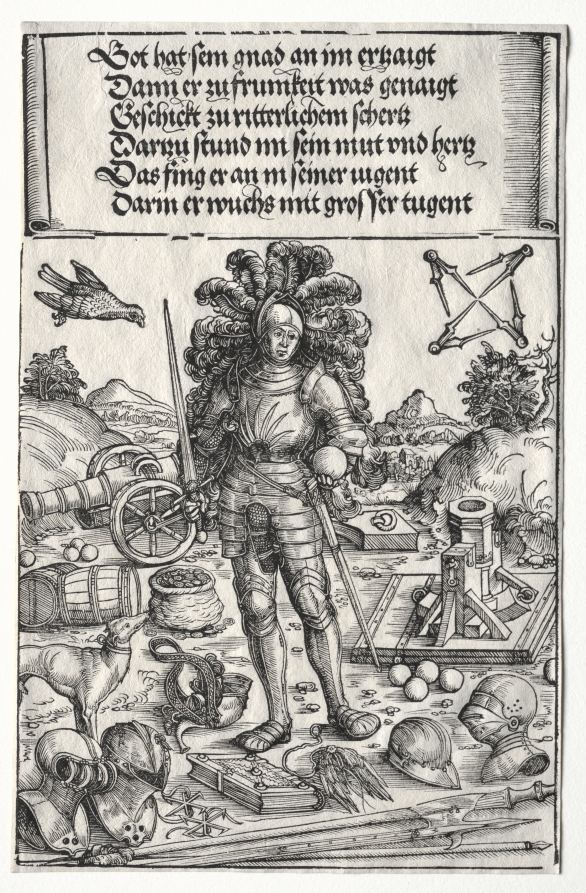
Wolf Traut was a member of Albrecht Dürer's Nuremberg circle. He contributed to the Triumphal Arch of Maximilian I, which was one of the largest woodcut projects in history. While many of his peers focused on altarpieces, Traut documented the military campaigns of the Holy Roman Empire. He translated battle scenes like the First War in Gueldres and the Battle of Guinegate into woodcut form for the Emperor.
Biography
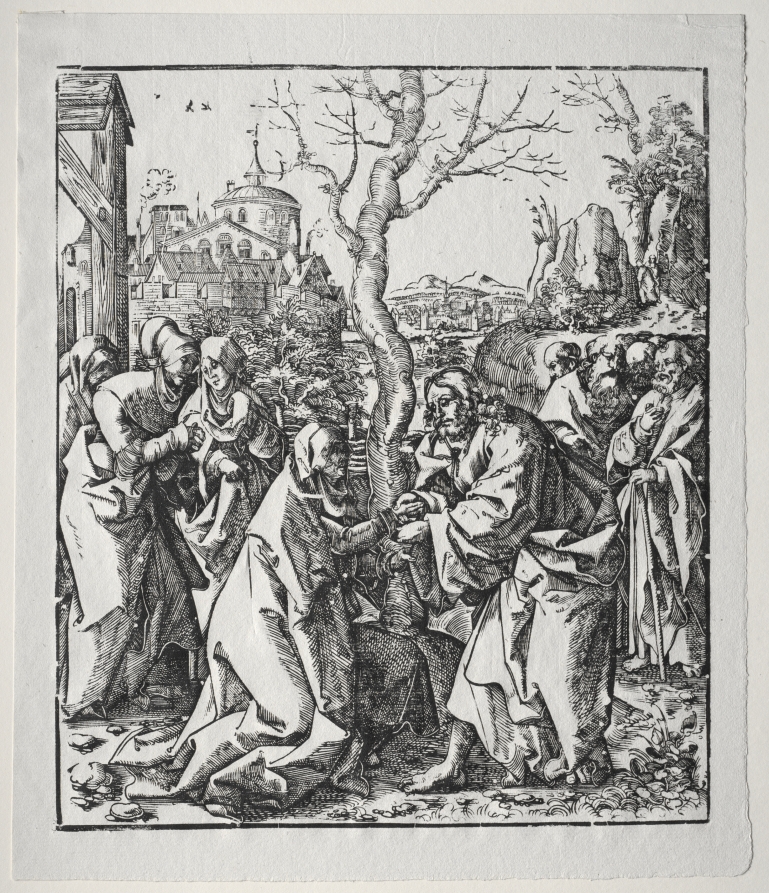
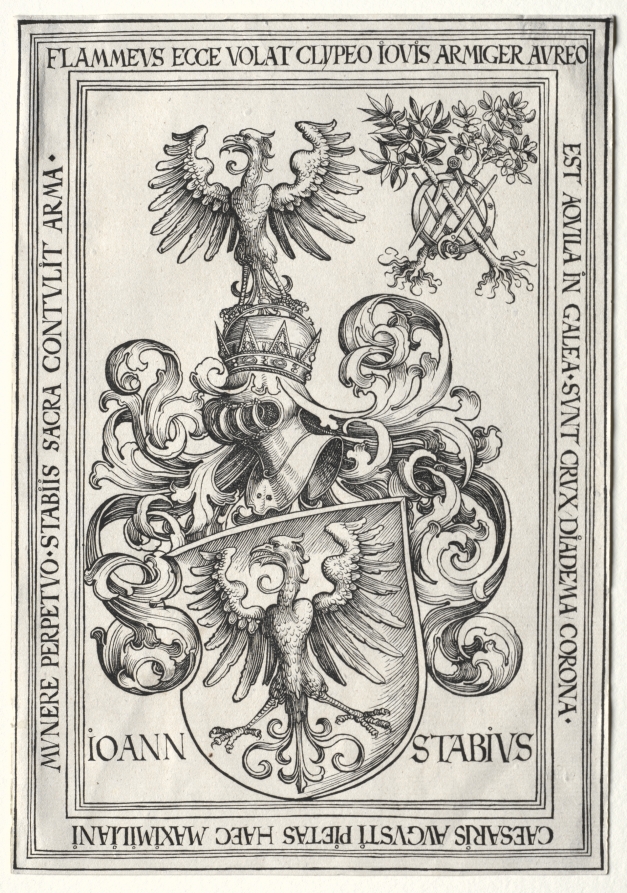
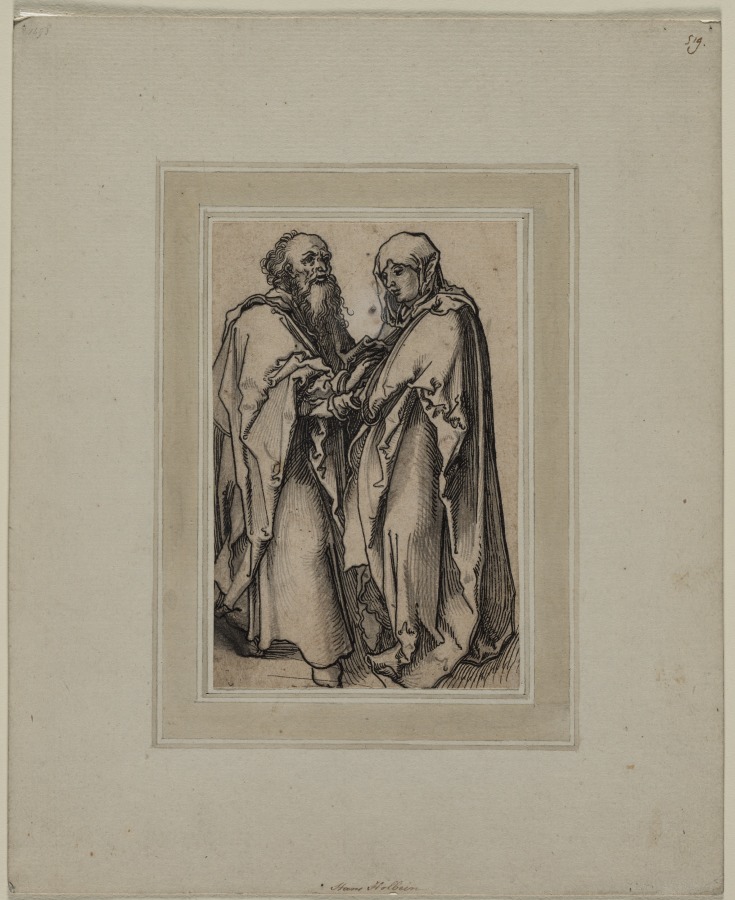
His artistic approach relies on clear, descriptive lines. Traut avoided the heavy shading common in earlier German woodcuts. In works like The Meeting of Joachim and Anna, he used precise hatching to define space. His contribution to the Coat of Arms of Johann Stabius demonstrates his technical skill in heraldry. He balanced the needs of imperial propaganda with a direct, observational quality.
Modern collectors value Traut for his historical accuracy and graphic clarity. His woodcuts provide a visual record of sixteenth-century armour and artillery. Prints like Emperor Maximilian as Patron of Improvements in Artillery and Armour appeal to those interested in technical history. These works are both fine art and historical documents. They offer a window into the Northern Renaissance through the lens of military and social history.
Notable Works
Tap to view larger.
Next stop
Browse the movements →
Every movement in the collection, from the Renaissance to Pop art.
Wolf Traut prints
Hand-finished archival prints from Wolf Traut's body of work.

Related Artists


.jpg)


Take Wolf Traut home.
See all Wolf Traut prints →Frequently Asked Questions
When was Wolf Traut born?
Wolf Traut was born in 1478 and died in 1520.What art movement was Wolf Traut part of?
Wolf Traut was associated with German Renaissance.What is Wolf Traut known for?
Wolf Traut is known for wolf Traut was a Nuremberg artist and collaborator of Albrecht Dürer who documented the military campaigns and heraldry of Emperor Maximilian I.