



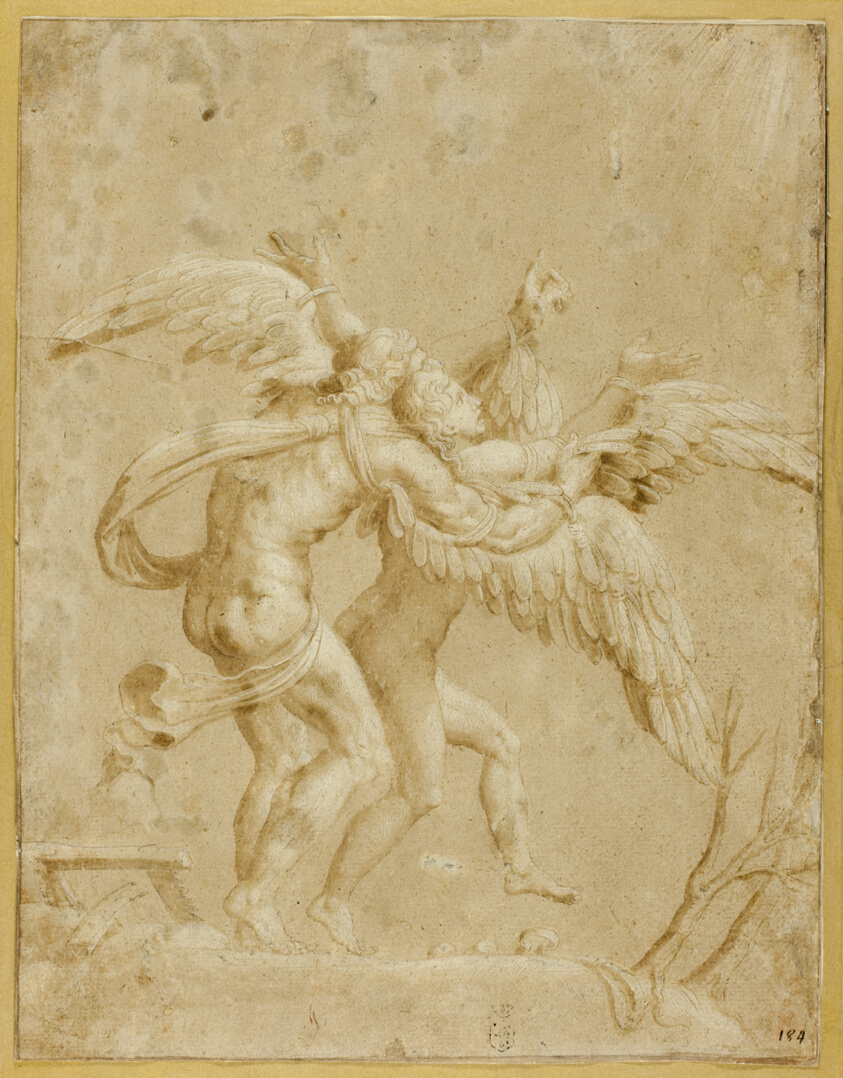

Umberto Romano
Umberto Romano gained unexpected attention in the digital age when observers noticed a figure in his 1937 mural for the Springfield Post Office appearing to hold a modern smartphone. The object is actually a hand mirror, a common trade item in the seventeenth century. This curiosity brought new eyes to a painter who spent his career bridging the gap between classical European traditions and American Modernism. Born in Italy before moving to the United States, Romano established himself through both his teaching at the Worcester Art Museum and his output of portraits and murals.
Biography
His artistic style is defined by a heavy, almost sculptural application of paint. In works such as Old Sea-captain and Waiting, Romano uses bold lines and a muted palette to define his subjects. He often focused on the human face, stripping away decorative elements to concentrate on form and expression. This approach is evident in his portraits of notable figures like Francis Henry Taylor and William Leonard Langer. His technique avoids the soft edges of Impressionism, preferring the solid, architectural qualities found in early Renaissance frescoes.
Modern collectors value Romano for his ability to convey character without relying on sentimentality. His paintings possess a gravity that suits contemporary interiors, offering a sense of permanence and weight. The starkness of his compositions allows his work to function as a strong visual anchor in a room. Because he moved between abstraction and realism, his prints appeal to those who appreciate the technical skill of traditional portraiture combined with a twentieth-century sensibility.
Notable Works
Tap to view larger.
Next stop
Browse the movements →
Every movement in the collection, from the Renaissance to Pop art.
Related Artists
_%E2%80%93_LOC.jpg)



Frequently Asked Questions
When was Umberto Romano born?
Umberto Romano was born in 1905 and died in 1984.What is Umberto Romano known for?
Umberto Romano is known for umberto Romano was an American Modernist known for his sculptural portraiture and murals that bridge the gap between classical European tradition and twentieth-century expression.