

Master of the Cologne legend of St. Ursula
This anonymous artist worked in Cologne during the late fifteenth century. He is known as the Master of the Cologne legend of St. Ursula. He is named after a series of nineteen paintings on canvas that tell the story of a British princess. It was unusual for painters in this region to use canvas for such large cycles because wood panels were the standard. Some historians believe he was born in the Netherlands. His work shares the quiet stillness found in Dutch paintings by Geertgen tot Sint Jans.

Biography
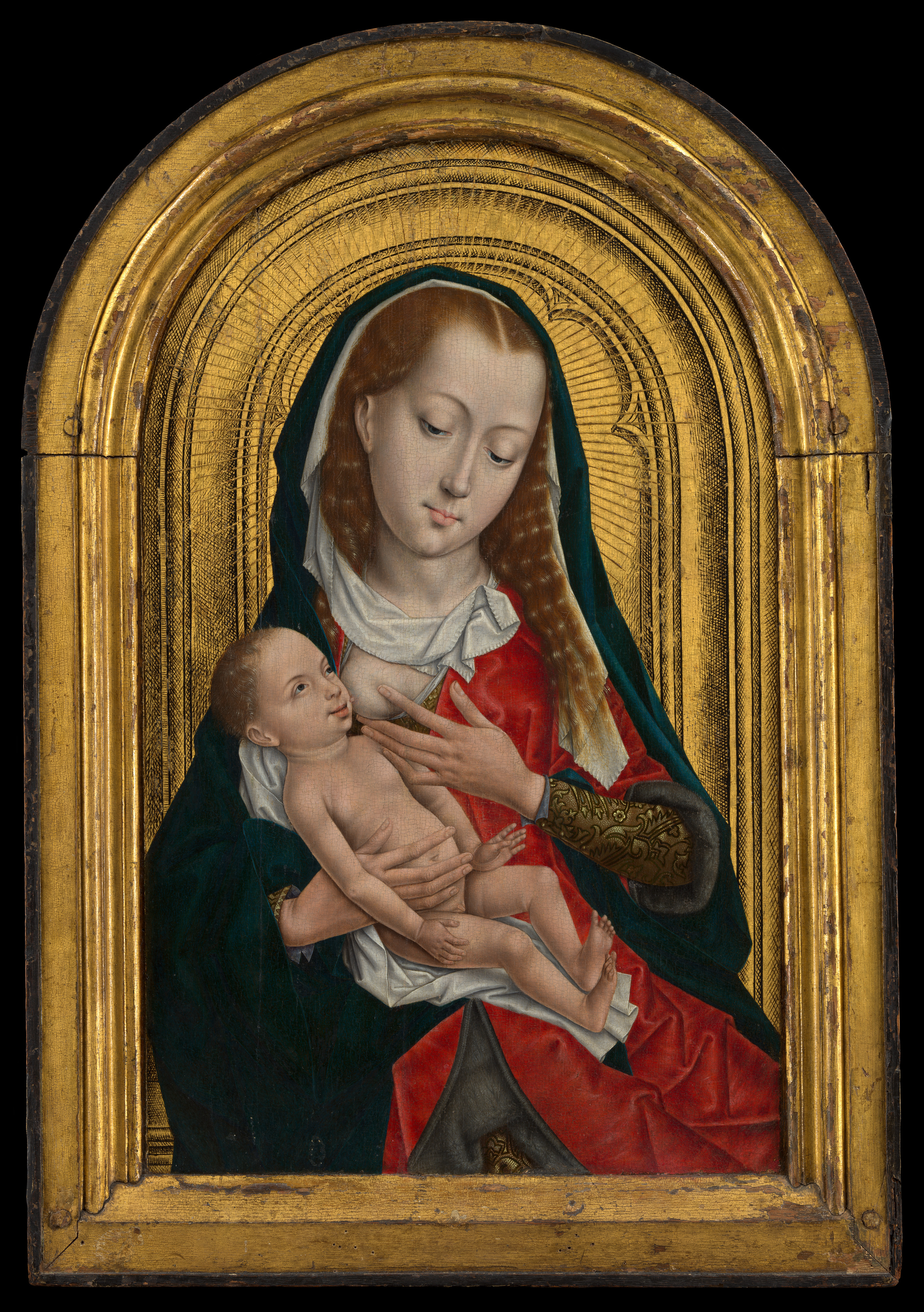
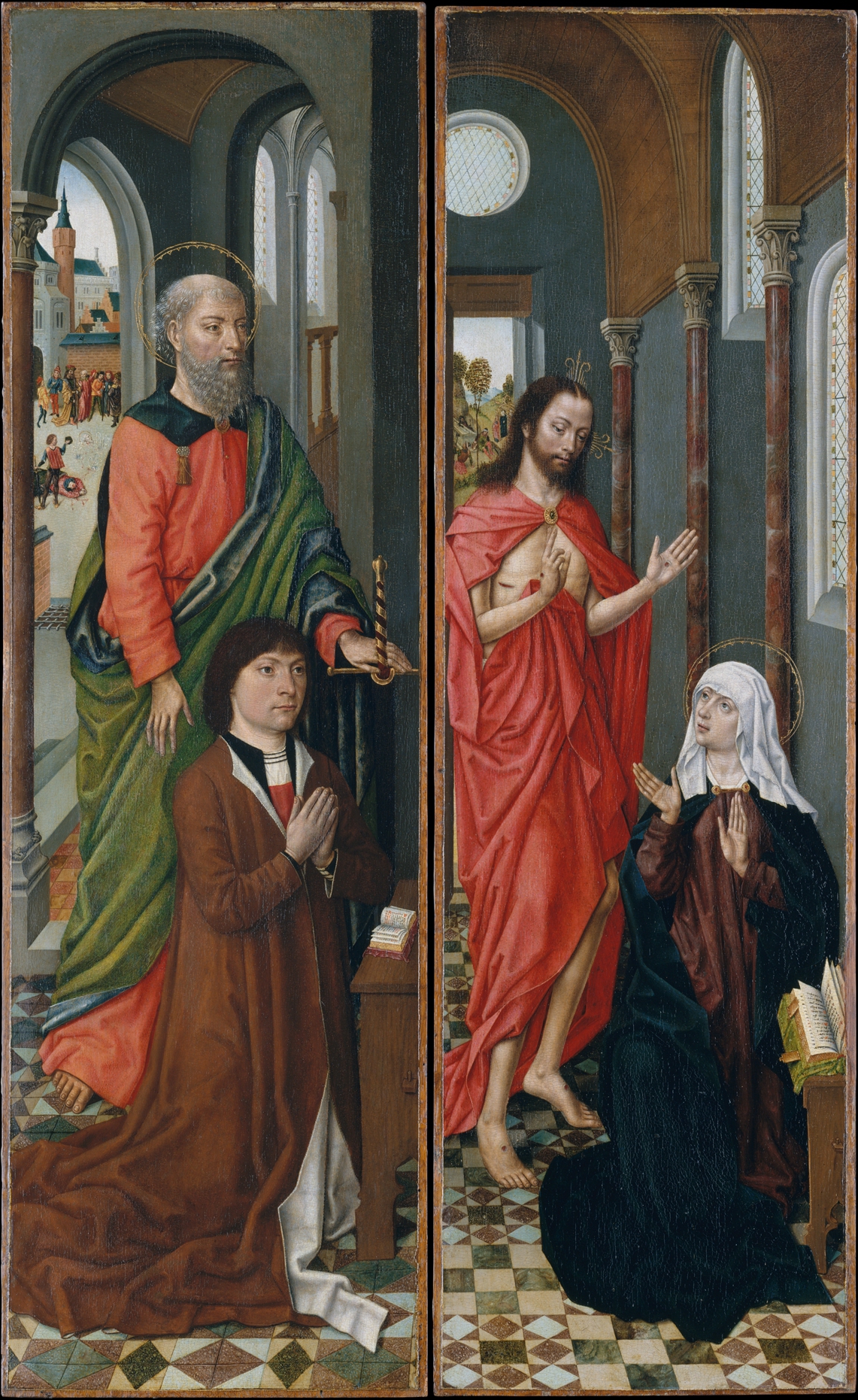
In his work The Virgin and Child with Angels, the Master of the Saint Ursula Legend places figures against a gold sky. He used a high-keyed palette with bright tones. His figures have a doll-like appearance and move with a stiff grace. He often ignored realistic perspective in favour of decorative arrangements. In his scenes, angels appear in rooms with canopied beds and heavy drapery. The influence of Flemish masters like Hugo van der Goes shows in the way he painted cloth and faces. He focused on clear storytelling through these small, careful details.
Modern collectors appreciate the directness of these compositions. The bright colours and clear outlines make the prints suitable for contemporary interiors. His work avoids the heavy gloom often found in Gothic art. Instead, it offers a sense of calm and order. The combination of domestic settings and celestial figures creates an atmosphere that remains attractive today.
Notable Works
Tap to view larger.
Next stop
Browse the movements →
Every movement in the collection, from the Renaissance to Pop art.
Related Artists


Frequently Asked Questions
When was Master of the Cologne legend of St. Ursula born?
Master of the Cologne legend of St. Ursula was born in 1475.What is Master of the Cologne legend of St. Ursula known for?
Master of the Cologne legend of St. Ursula is known for an anonymous late fifteenth-century German painter known for his bright palette and doll-like figures influenced by Netherlandish traditions.