

Luigi Schiavonetti
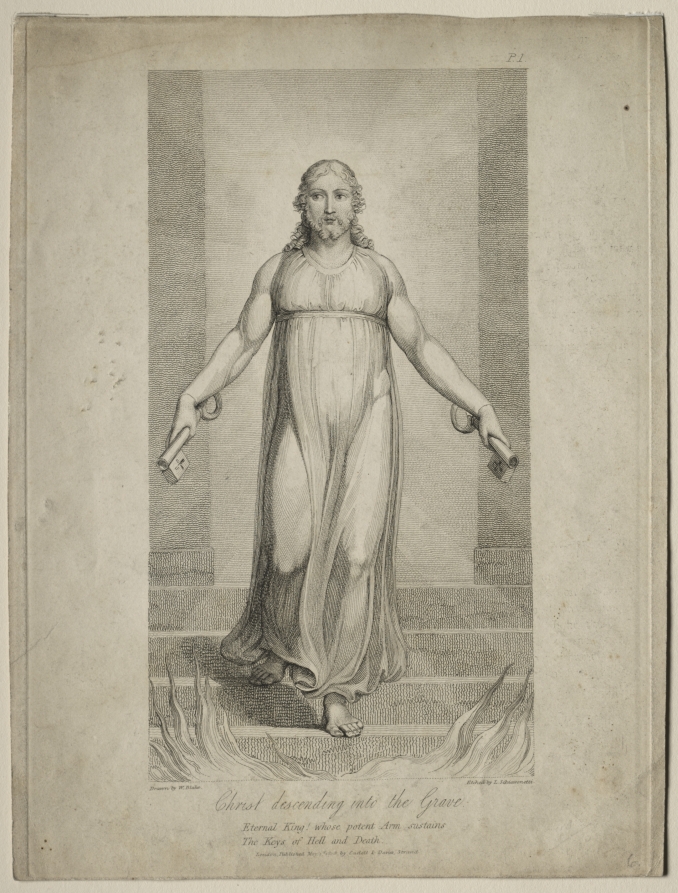
Luigi Schiavonetti arrived in London from Bassano del Grappa in 1790. He possessed a high degree of skill in stipple engraving. He became the primary choice for William Blake’s illustrations for the poem Robert Blair’s The Grave. This partnership caused friction. The publisher, Robert Cromek, selected Schiavonetti instead of Blake to execute the final plates. While Blake felt slighted, Schiavonetti’s technical accuracy helped the work reach a commercial audience that Blake’s own style might have missed.
Biography
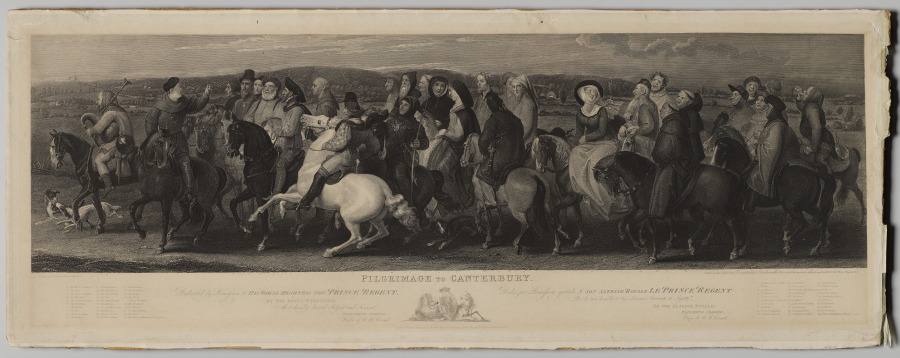
His method relied on the stipple technique. This process uses small dots to create tonal gradations. It allowed him to replicate the textures of skin or fabric with accuracy. He often worked on large plates, including his reproduction of the Canterbury Pilgrims after Thomas Stothard. His ability to translate complex paintings into monochrome prints made him a known figure in the British print trade during the Georgian period.
Modern collectors value Schiavonetti for his clarity. His prints offer a window into the late eighteenth century. They capture both neoclassical tastes and the daily life of London. The sharpness of his lines remains clear on paper. His work is a reliable choice for those seeking decor with a literary connection.
Notable Works
Tap to view larger.
Next stop
Browse the movements →
Every movement in the collection, from the Renaissance to Pop art.
Frequently Asked Questions
What is Luigi Schiavonetti known for?
Luigi Schiavonetti is known for luigi Schiavonetti was an Italian engraver in London known for his precise stipple technique and his famous collaborations with William Blake and Thomas Stothard.