

Kitano Tsunetomi
- Nihonga
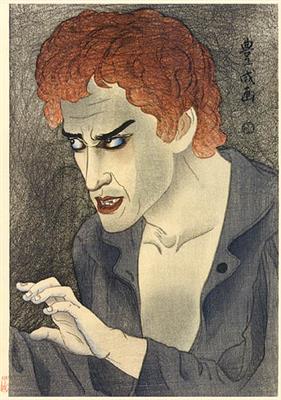
Kitano Tsunetomi began his career as an engraver and newspaper illustrator in Osaka rather than following the traditional academic path in Tokyo or Kyoto. He worked on lithographs for the Osaka Shimpo; there he developed a style that departed from the idealised beauty typical of his contemporaries. His early depictions of women were often described as demonic or decadent because they captured a sense of psychological tension and physical realism. This gritty approach to the bijin-ga genre earned him a reputation as a rebel within the Nihonga movement.

Biography
His approach combined traditional Japanese media with a modern sensibility for character and mood. While many Nihonga artists sought to preserve classical aesthetics, Tsunetomi focused on the lives of women in the Osaka entertainment districts. Works like Maiko (Female Performer) and Bride use bold compositions and careful linework to suggest the interior thoughts of his subjects. He avoided the soft, ethereal qualities common in Kyoto-style painting, preferring sharper contrasts and more expressive poses that reflected the changing social roles of women in the early twentieth century.
Modern collectors value Tsunetomi for his ability to balance decorative beauty with emotional weight. His prints do not merely provide decoration: they offer a window into the urban culture of the Taisho era. The starkness of his subjects makes them suitable for contemporary interiors where a sense of drama is preferred over simple prettiness. His woodblock prints remain sought after for their technical precision and their honest portrayal of the human condition within the constraints of tradition.
Notable Works
Tap to view larger.
Next stop
Browse the movements →
Every movement in the collection, from the Renaissance to Pop art.
Related Artists



Frequently Asked Questions
When was Kitano Tsunetomi born?
Kitano Tsunetomi was born in 1880 and died in 1947.What art movement was Kitano Tsunetomi part of?
Kitano Tsunetomi was associated with Nihonga.What is Kitano Tsunetomi known for?
Kitano Tsunetomi is known for kitano Tsunetomi was a leading figure of the Osaka Nihonga movement, known for his expressive and sometimes dark depictions of women during the Taisho era.