




Joseph Constantine Stadler
Joseph Constantine Stadler moved from the Kingdom of Hanover to London during the late eighteenth century. He operated within a professional network of engravers who specialised in translating botanical observations into copperplate prints. While many of his peers focused on portraiture or naval scenes, Stadler dedicated much of his career to the technical precision required for scientific illustration.
Biography
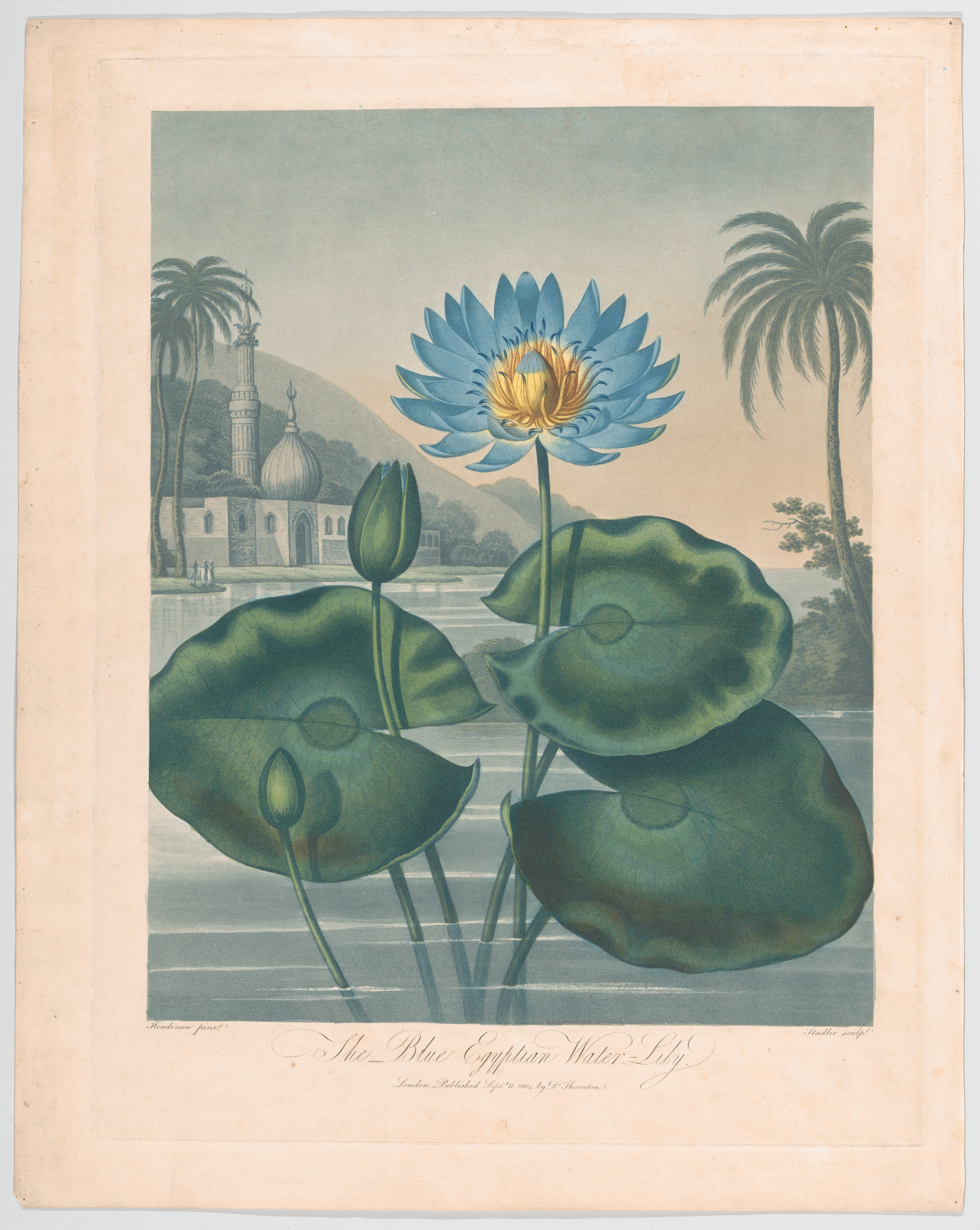
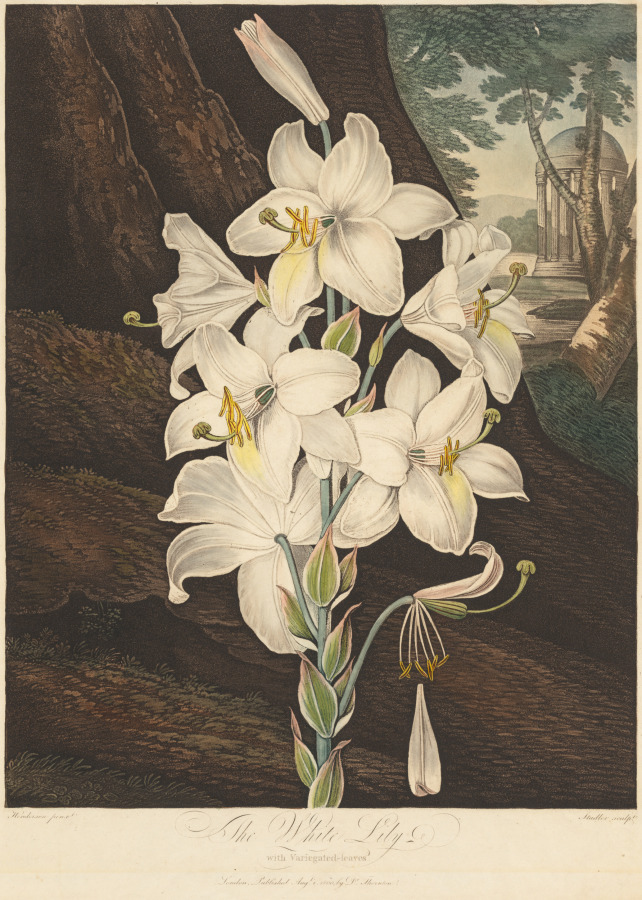
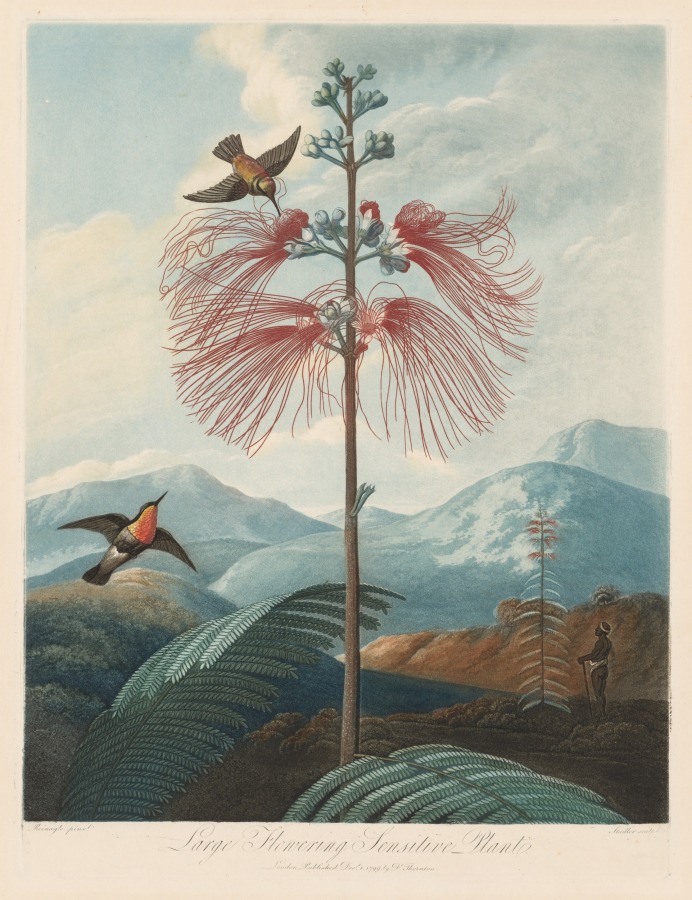
His method relied on the combination of etching and aquatint. This process allowed him to reproduce subtle tonal gradations and the delicate structures of botanical subjects. In Large Flowering Sensitive Plant, Plate 16, he captures the physical form of the specimen through controlled line work. He prioritised accuracy over ornamentation, ensuring the printed image functioned as a reliable record for observers of the natural world.
Modern collectors appreciate these prints for their analytical clarity and historical utility. His work provides a window into the era of scientific exploration when documentation was a manual craft. These prints suit interiors that favour clean lines, historical interest, and a disciplined approach to composition.
Notable Works
Tap to view larger.
Next stop
Browse the movements →
Every movement in the collection, from the Renaissance to Pop art.
Related Artists
Frequently Asked Questions
When was Joseph Constantine Stadler born?
Joseph Constantine Stadler was born in 1755 and died in 1828.What is Joseph Constantine Stadler known for?
Joseph Constantine Stadler is known for joseph Constantine Stadler was a Hanoverian printmaker known for his precise botanical engravings produced in London during the late eighteenth and early nineteenth centuries.