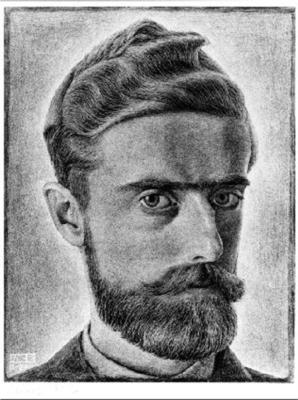
Johan le Ducq
Johan le Ducq was more than a painter during the Dutch Golden Age. He held the rank of captain in the Hague militia. This military background influenced his choice of subjects. Soldiers in guardrooms or resting between duties appear frequently in his work. He balanced his artistic output with his duties as a soldier and a member of the Confrerie Pictura.

Biography
His work often features animals and quiet outdoor scenes. He studied under Paulus Potter. This influence is evident in his depictions of hounds and cattle. In Twee honden and Teef voedt haar jong, he captures the physical form of animals with anatomical precision. His etchings and paintings of ruins, such as Landschap met ruïne, use muted tones and clear light. He avoided dramatic flourishes. Instead, he relied on careful observation of natural textures and animal behaviour.
Collectors today appreciate the directness of his compositions. His prints provide a calm view of seventeenth-century life. The small scale of his etchings makes them suitable for modern homes. Works like Landschap met mieren en bijen show his interest in the smaller details of the natural world. These pieces offer a sense of quietude. They work well in minimalist or traditional spaces.
Next stop
Browse the movements →
Every movement in the collection, from the Renaissance to Pop art.
Frequently Asked Questions
When was Johan le Ducq born?
Johan le Ducq was born in 1629 and died in 1676.What is Johan le Ducq known for?
Johan le Ducq is known for johan le Ducq was a Dutch Golden Age soldier and artist known for his precise etchings of animals and atmospheric ruins.


.png)