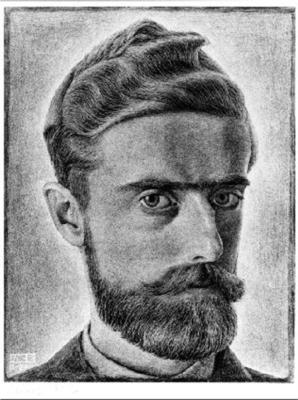
Jan Philipsz van Bouckhorst
Jan Philipsz van Bouckhorst began his career in the traditional craft of glass painting. He inherited this trade from his father in Haarlem. While many of his contemporaries focused on canvas, Bouckhorst spent much of his life designing windows for civic buildings and churches. This background in glass required a mastery of clear outlines and light. His transition to oil painting and drawing allowed him to apply these technical skills to more personal subjects.
Biography
His work bridges the gap between late Mannerism and the emerging Dutch realism. He often depicted figures with a sculptural quality. His drawings, such as the male nude studies, show a fascination with human anatomy and physical presence. In genre scenes involving hunters or young women, he used direct compositions. He avoided the cluttered arrangements common in earlier Dutch art. His use of colour remained disciplined, a likely carryover from his training in the glass workshops of Haarlem.
Modern collectors value the clarity and draughtsmanship found in his work. His drawings feel remarkably contemporary because of their focus on form and line. These pieces provide a look into the working process of a seventeenth-century master. His art suits a minimalist or classic interior. The simplicity of his compositions allows the subject to remain the primary interest. His prints offer a connection to the early years of the Dutch Golden Age.
Notable Works
Tap to view larger.
Next stop
Browse the movements →
Every movement in the collection, from the Renaissance to Pop art.
Frequently Asked Questions
When was Jan Philipsz van Bouckhorst born?
Jan Philipsz van Bouckhorst was born in 1588 and died in 1631.What is Jan Philipsz van Bouckhorst known for?
Jan Philipsz van Bouckhorst is known for a Haarlem master who transitioned from glass painting to naturalistic figure studies and genre scenes during the early Dutch Golden Age.


.png)