



Jan Brouwer
Jan Brouwer worked as both an architect and an engraver in seventeenth-century Holland. He designed the Hofje van Nieuwkoop in The Hague, a complex built for widows. This practical knowledge of construction informed his drawings. He understood how weight rested on stone and how shadows fell across arches. His work focused on the structural reality of buildings rather than romanticised views.
Biography
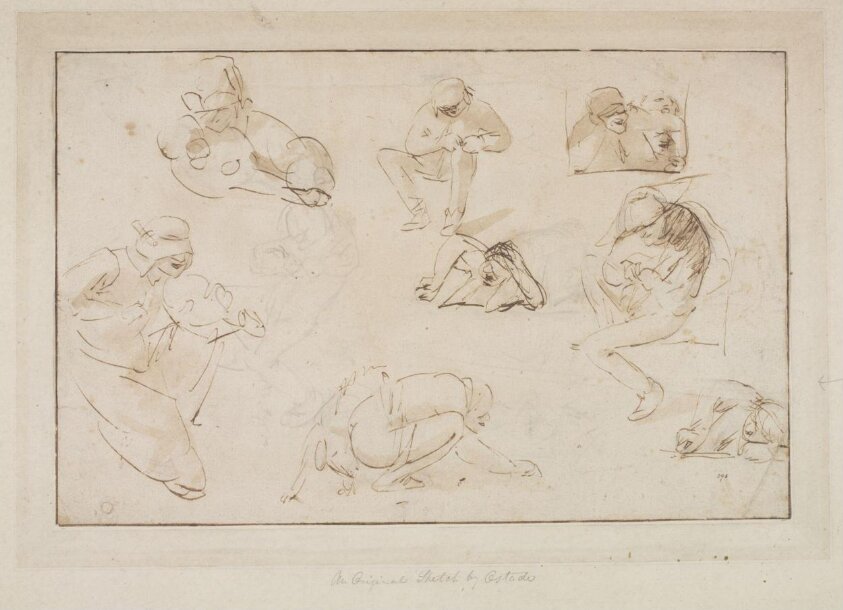
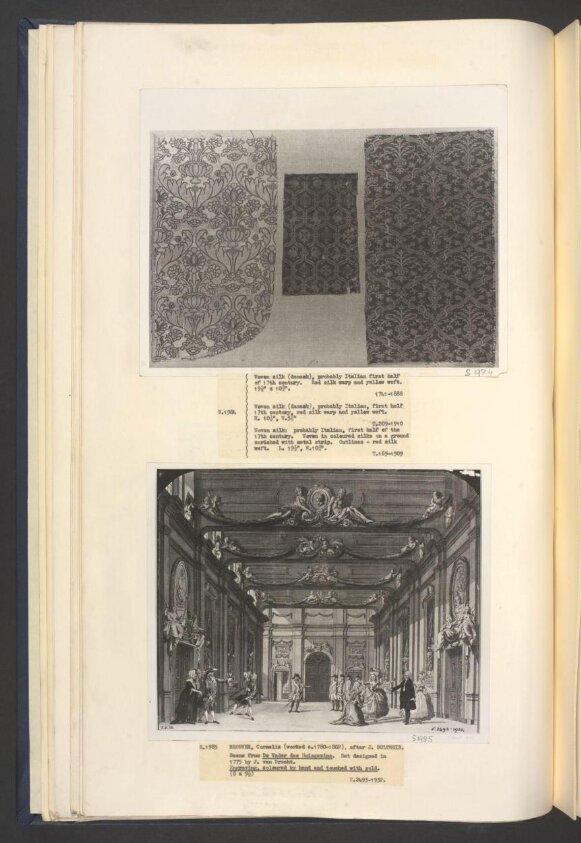
Brouwer used a precise, linear style. He avoided the soft, painterly effects common in Dutch Golden Age art. His etchings and drawings relied on mathematical perspective. He often depicted the interiors of churches or the facades of civic buildings. The clarity of his lines created a sense of order. He used ink and wash to define space without relying on heavy ornamentation.
Modern collectors value Brouwer for his technical accuracy. His monochrome palettes work well in contemporary spaces. The architectural focus provides a calm, structured atmosphere for a room. These prints offer a window into the Dutch Golden Age through a lens of geometry and logic. They appeal to those who prefer minimalist design over ornate compositions.
Notable Works
Tap to view larger.
Next stop
Browse the movements →
Every movement in the collection, from the Renaissance to Pop art.
Frequently Asked Questions
What is Jan Brouwer known for?
Jan Brouwer is known for jan Brouwer was a seventeenth-century Dutch architect and engraver known for his precise architectural drawings and masterly use of linear perspective.