

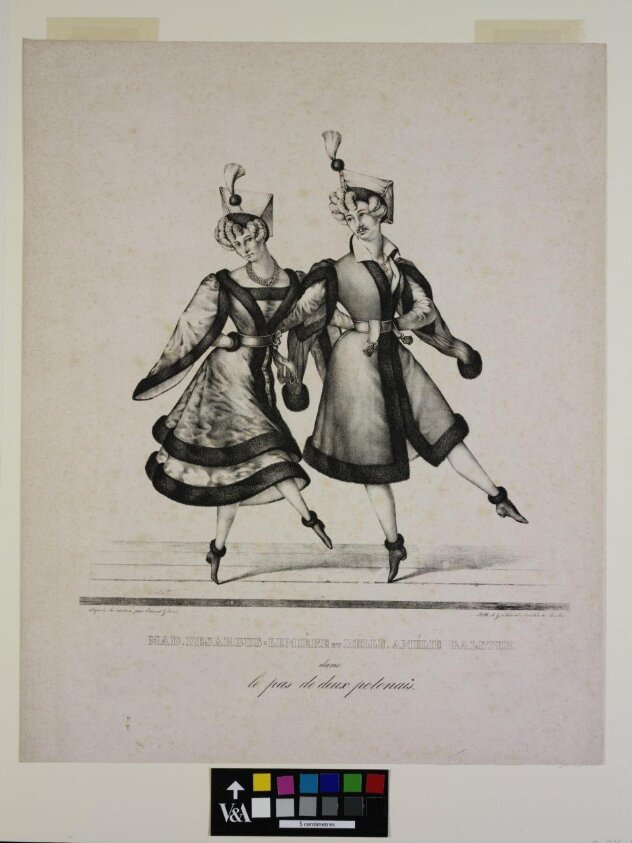

Gleich
Gleich operated during a period when architectural documentation required absolute precision. He often worked with lithography to reproduce his drawings for a wider audience. His process involved a strict adherence to geometric perspective. This technical background allowed him to record city streets and buildings with a level of detail that rivalled early photography. He was part of a movement that prioritised the accurate recording of the built environment.
Biography
The artist avoided the romanticised smears of his contemporaries. He preferred clean edges and clear light. His compositions often use a wide perspective to include the full scale of a building or square. This approach creates a sense of space and order. The work focuses on the structural reality of the subject rather than an emotional interpretation. He utilised fine lines to define every window and cornice. This method ensures that the viewer can inspect the smallest details of the masonry.
Modern collectors value these prints for their clarity. The monochrome or muted colour palettes work well in contemporary rooms. They provide a window into 19th-century urban life without the clutter of modern cityscapes. These pieces offer a calm and structured aesthetic for a home office. They look effective when framed in a simple black or wood frame. The accuracy of the work makes it a conversation piece for those interested in history and engineering.
Notable Works
Tap to view larger.
Next stop
Browse the movements →
Every movement in the collection, from the Renaissance to Pop art.
Frequently Asked Questions
What is Gleich known for?
Gleich is known for gleich was a 19th-century artist known for precise architectural lithographs. His work provides a clear and structured look at historical European cities.