


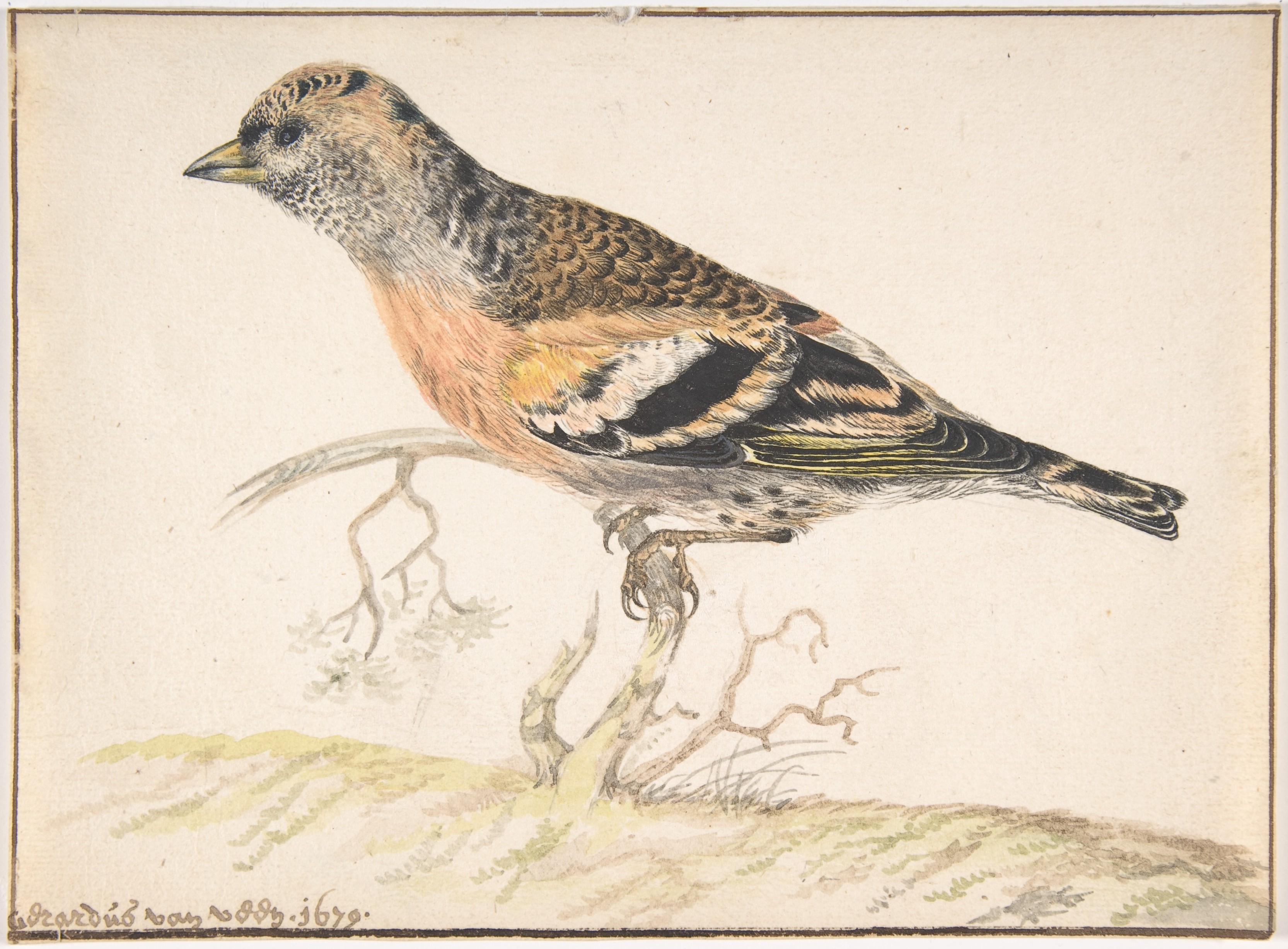
Gerardus van Veen
Gerardus van Veen operated within the seventeenth-century Dutch tradition of copperplate engraving. While many of his contemporaries focused on grand historical scenes, van Veen produced precise studies of the natural world. He maintained a professional distance from the larger guilds, often working on private commissions that required scientific accuracy rather than decorative flair.
Biography
His artistic approach prioritised the physical structure of his subjects. In the print Twee insecten, he utilised fine hatching to define the chitinous textures and segmented forms of the specimens. He eschewed heavy shadows, opting instead for clear, objective line work that reveals the anatomy of the insects with clinical precision. This method allowed him to document biological specimens for collectors who valued empirical observation.
Modern collectors appreciate van Veen for the clarity of his draughtsmanship. His work avoids the clutter of ornamental art, fitting well in minimalist spaces where the focus remains on the quality of the line. The small scale of these prints makes them suitable for intimate viewing, where the viewer can observe the technical control required to render such small creatures on a copper plate.
Notable Works
Tap to view larger.
Next stop
Browse the movements →
Every movement in the collection, from the Renaissance to Pop art.
Frequently Asked Questions
What is Gerardus van Veen known for?
Gerardus van Veen is known for gerardus van Veen was a seventeenth-century Dutch engraver known for his precise and objective documentation of biological specimens.