



1851–1904 · Spanisch
Daniel Vierge
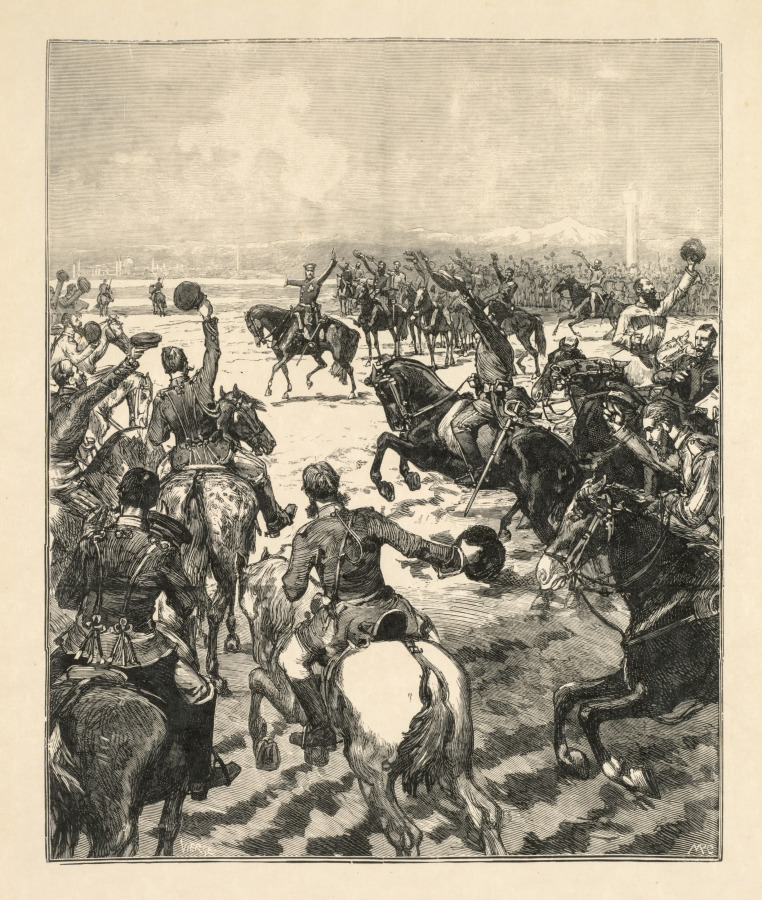
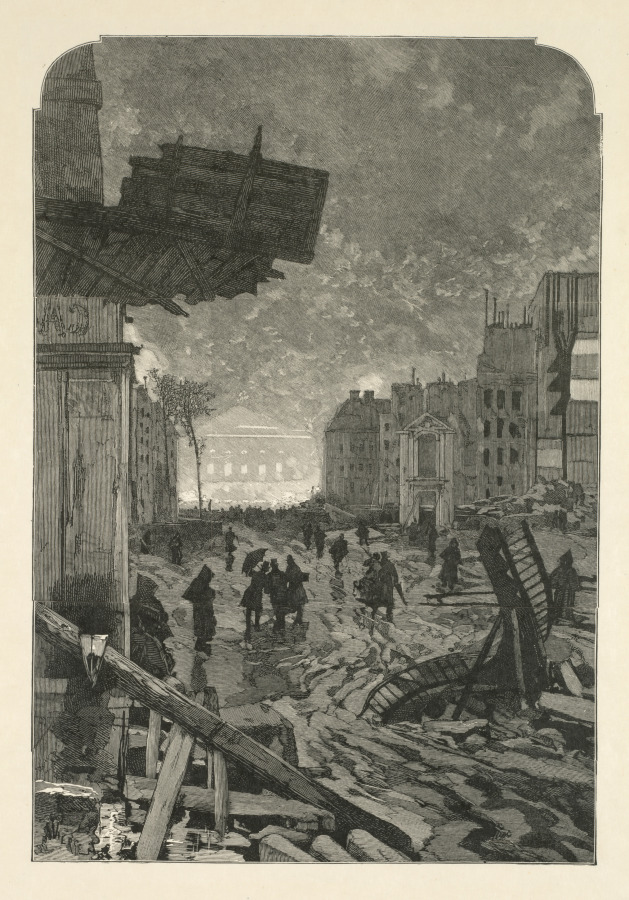
Daniel Vierge war ein 1851 geborener Illustrator. Er lebte von 1851 bis 1904. Zu seinen bekannten Werken gehören The Pillage of Rouen, Don Quixote at the Inn Door, The London Poor und Demolition.

Biografie
Solis Prints bietet Kunstdrucke seiner Werke an, darunter Demolition, Don Quixote at the Inn Door, The London Poor und The Pillage of Rouen.
Bedeutende Werke
Zum Vergrößern antippen.
Nächster Halt
Stilrichtungen entdecken →
Alle Stilrichtungen der Sammlung, von der Renaissance bis zur Pop-Art.
Kunstdrucke von Daniel Vierge
Von Hand veredelte Archivdrucke aus dem Werk von Daniel Vierge.


Ähnliche Künstler



Holen Sie sich Daniel Vierge nach Hause.
Alle Kunstdrucke von Daniel Vierge ansehen →Häufig gestellte Fragen
Wann wurde Daniel Vierge geboren?
Daniel Vierge wurde 1851 geboren und starb 1904.Wofür ist Daniel Vierge bekannt?
Daniel Vierge ist bekannt für Folgendes: Daniel Vierge war ein in Spanien geborener französischer Illustrator, der von 1851 bis 1904 lebte.