




Cornelius Varley
Cornelius Varley was as much an inventor as he was a painter. While his brother John Varley focused on teaching, Cornelius patented the Graphic Telescope in 1811. This optical device allowed him to project an image of a subject onto paper for precise tracing. He used this tool to achieve a level of topographical accuracy that was rare among his contemporaries in the Kingdom of Great Britain. His interest in science and optics informed his entire body of work.
Biography
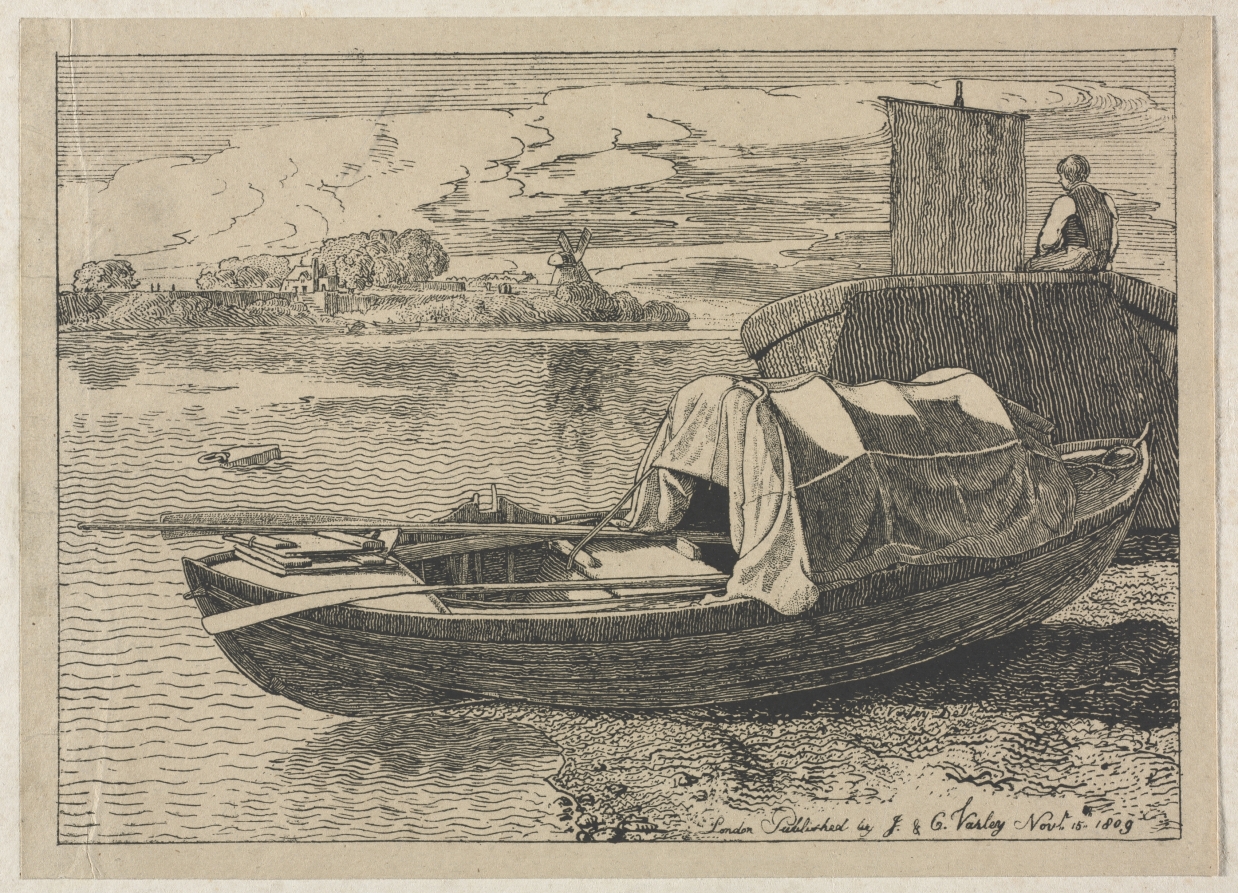
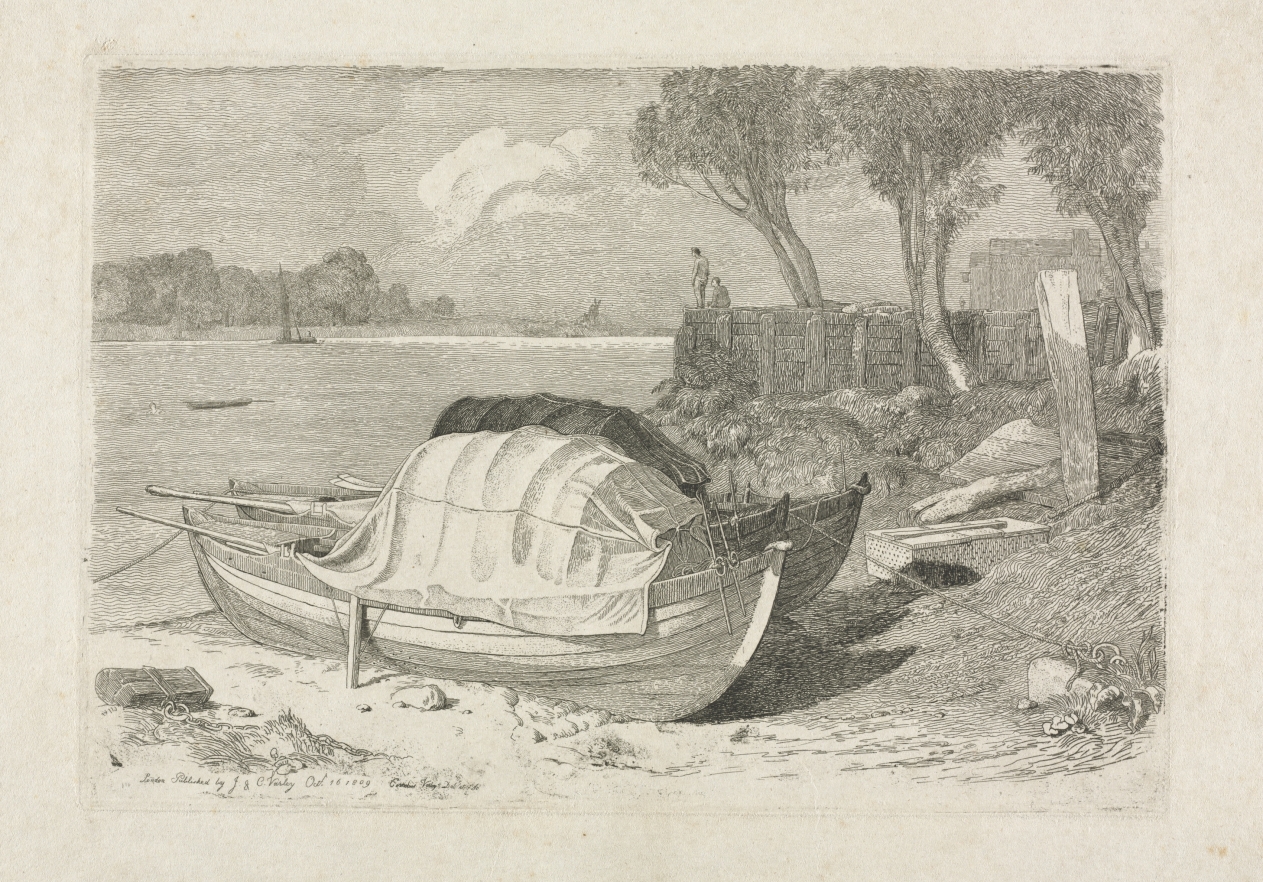
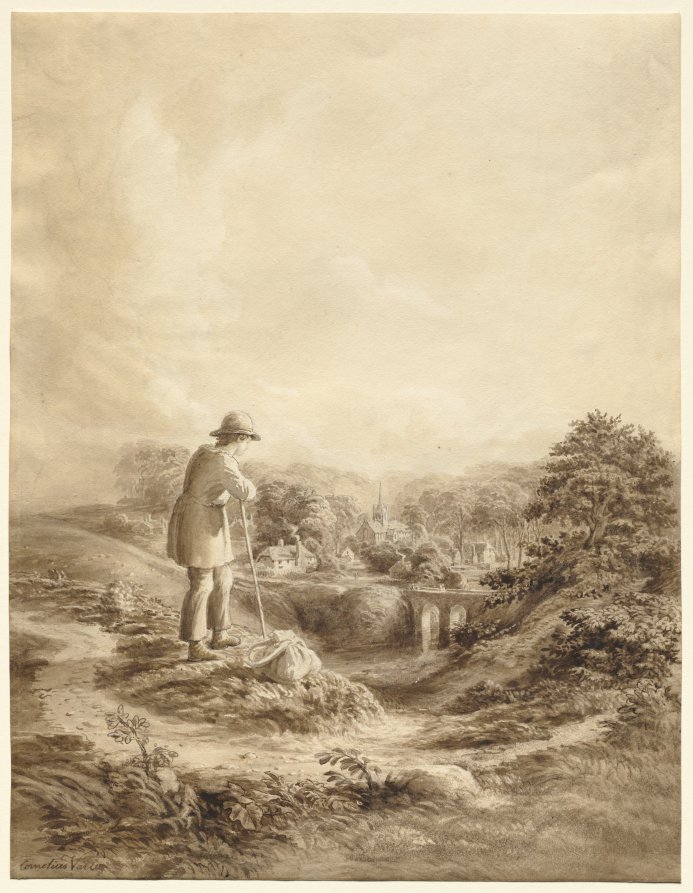
Varley was a founding member of the Society of Painters in Water Colours. His approach relied on clear draughtsmanship and a restrained use of colour. Works such as Two Beached Fishing Boats and Boats on a River demonstrate his ability to capture structural details with technical precision. He often chose quiet subjects like windmills or beached vessels. His portraits, including Portrait of Elizabeth Varley, show a similar dedication to honest representation without unnecessary ornamentation.
Modern collectors value the clarity and stillness found in Varley watercolours. His compositions avoid the dramatic exaggerations common in Romantic art. Instead, they offer a calm, observational quality that suits contemporary interiors. Pieces like At Parton Hall, Staffordshire provide a window into nineteenth-century life through a lens of scientific objectivity. These prints appeal to those who appreciate technical skill and historical accuracy.
Notable Works
Tap to view larger.
Next stop
Browse the movements →
Every movement in the collection, from the Renaissance to Pop art.
Related Artists


Frequently Asked Questions
When was Cornelius Varley born?
Cornelius Varley was born in 1781 and died in 1873.What is Cornelius Varley known for?
Cornelius Varley is known for cornelius Varley was a British painter and inventor who used his patented Graphic Telescope to create precise, observational watercolours of the English countryside and maritime life.