



Conrad Martin Metz
Conrad Martin Metz spent over twenty years in London before his final move to Rome in 1801. He trained under Francesco Bartolozzi, where he mastered the art of stipple engraving. While many artists sought original fame, Metz dedicated much of his energy to reproducing the drawings of Michelangelo and other masters. He published large volumes of these prints, such as his reproductions of the Last Judgment, making the private sketches of the Renaissance accessible to a wider public.
Biography
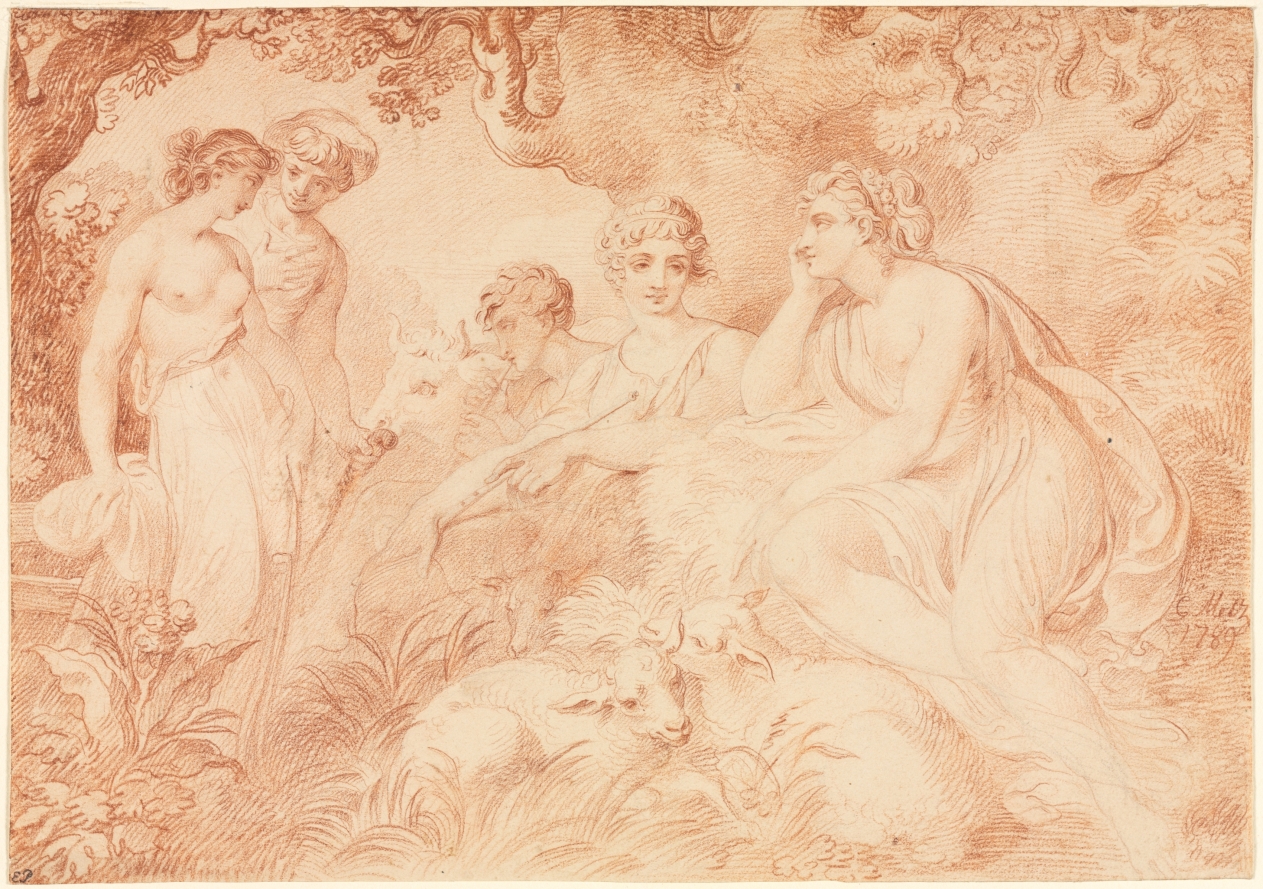
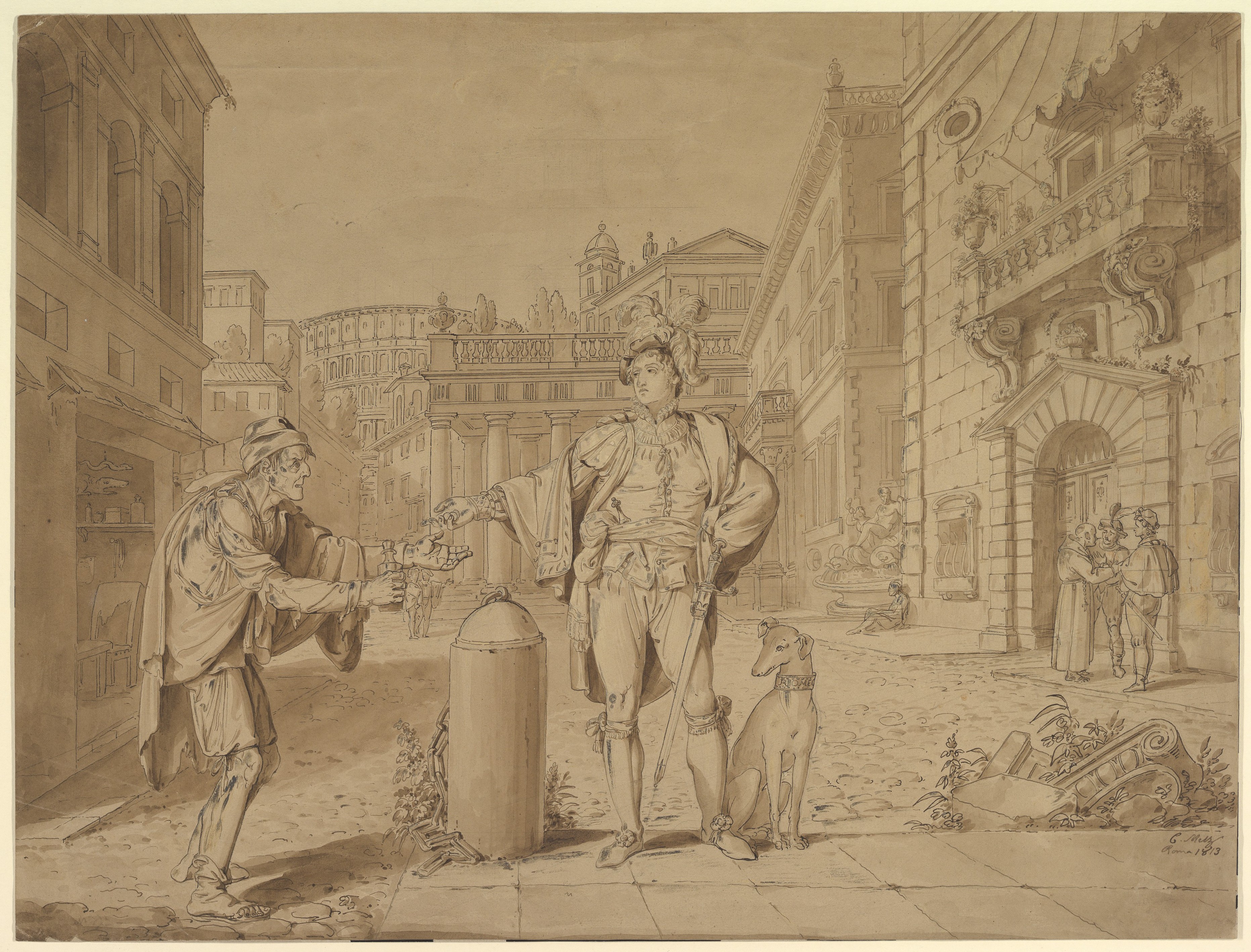
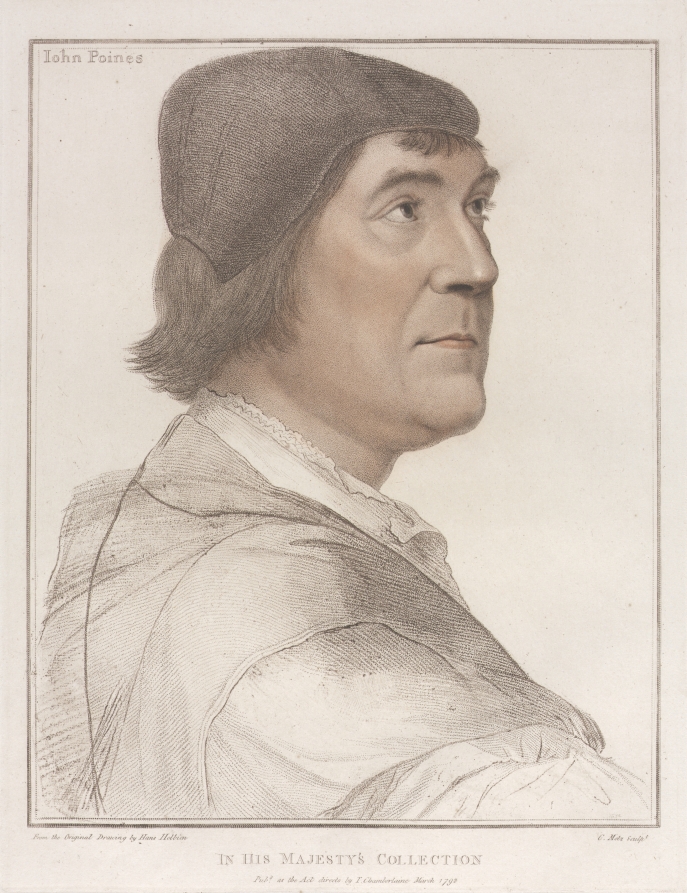
His artistic approach relied on precise line work and a clear understanding of classical form. Works such as John Poines and The Purification of the Virgin demonstrate his skill in capturing the essence of historical subjects. Metz often produced studies of the Madonna and Child that focused on the human form instead of decorative elements. His drawings possess a sculptural quality that reflects his interest in the proportions of classical monuments.
These prints appeal to collectors who appreciate the technical discipline of the Neoclassical era. The monochrome nature of his sketches makes them suitable for contemporary homes. They provide a sense of historical continuity without the heaviness of oil paintings. His work captures religious and pastoral themes with academic rigour.
Notable Works
Tap to view larger.
Next stop
Browse the movements →
Every movement in the collection, from the Renaissance to Pop art.
Related Artists


Frequently Asked Questions
When was Conrad Martin Metz born?
Conrad Martin Metz was born in 1749 and died in 1827.What is Conrad Martin Metz known for?
Conrad Martin Metz is known for conrad Martin Metz was a German engraver and draughtsman known for his Neoclassical studies and his dedication to reproducing the drawings of Michelangelo.