



1523–1591 · Niederländisch
Chrispijn van den Broeck
Chrispijn van den Broeck lebte von 1523 bis 1591 in den Spanischen Niederlanden. Zu seinen bekannten Werken gehören Gevangenneming van Christus, Christus in Gethsemane, Mozes helpt de dochters van Jetro, De Heilige Maagschap und Laatste avondmaal.

Biografie
Solis Prints bietet Kunstdrucke von Christ in Gethsemane, The Arrest of Christ, The Holy Kinship und The Prodigal Son an.
Bedeutende Werke
Zum Vergrößern antippen.
Nächster Halt
Stilrichtungen entdecken →
Alle Stilrichtungen der Sammlung, von der Renaissance bis zur Pop-Art.
Kunstdrucke von Chrispijn van den Broeck
Von Hand veredelte Archivdrucke aus dem Werk von Chrispijn van den Broeck.


Ähnliche Künstler


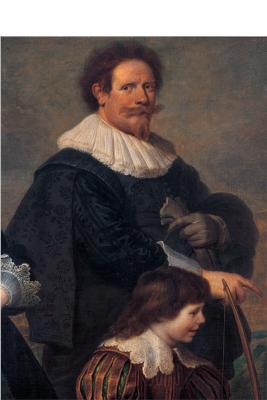
Holen Sie sich Chrispijn van den Broeck nach Hause.
Alle Kunstdrucke von Chrispijn van den Broeck ansehen →Häufig gestellte Fragen
Wann wurde Chrispijn van den Broeck geboren?
Chrispijn van den Broeck wurde 1523 geboren und starb 1591.Wofür ist Chrispijn van den Broeck bekannt?
Chrispijn van den Broeck war ein Künstler aus den Spanischen Niederlanden. Er lebte von 1523 bis 1591.