

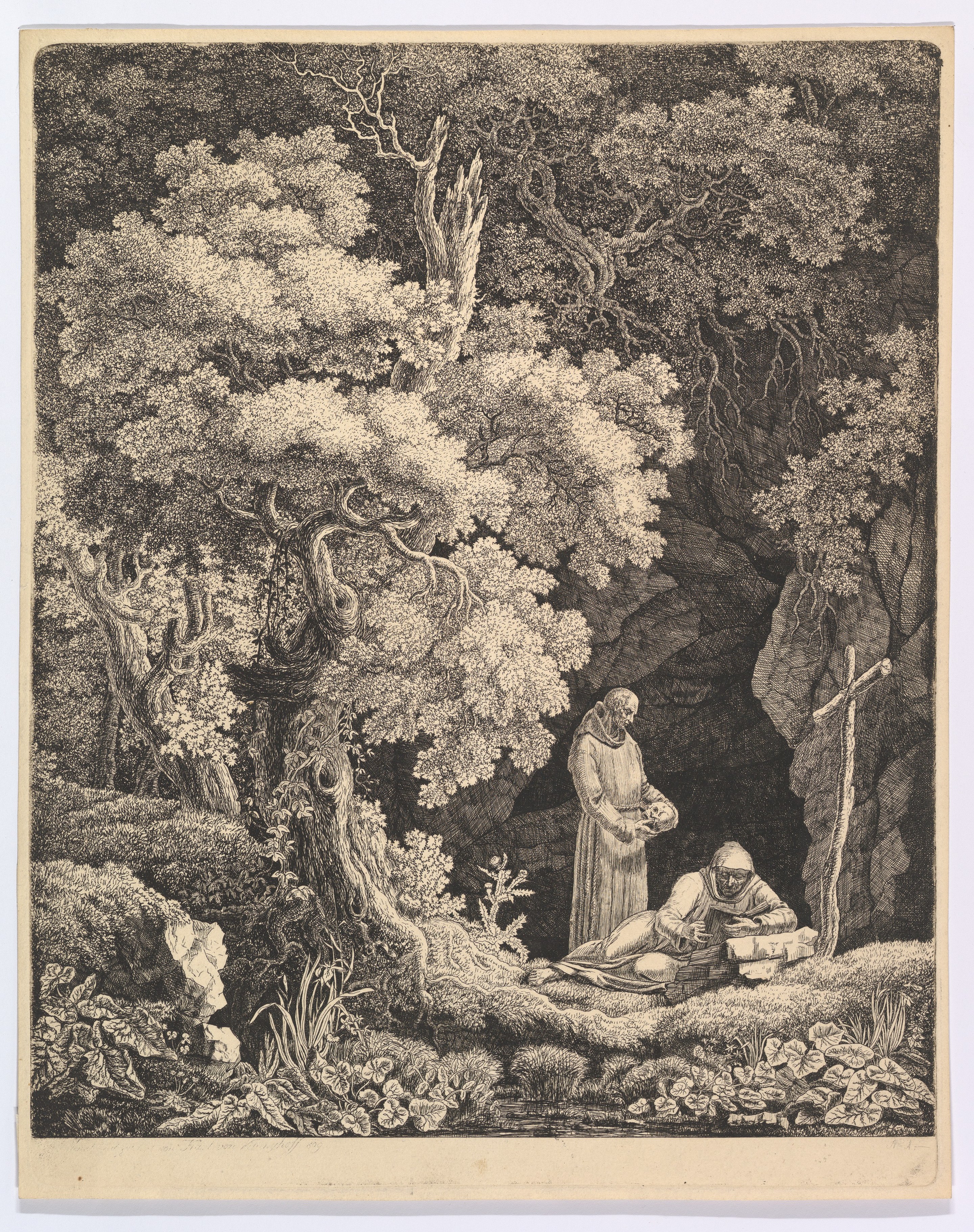

Carl von Vittinghof
Carl von Vittinghof was an etcher who documented the architectural transformation of Russia during the reigns of Catherine the Great and Paul I. While many artists of the period focused on grand historical scenes, Vittinghof dedicated his career to topographical accuracy. He often worked in the orbit of architects like Charles Cameron, who designed the Pavlovsk Palace and the Cameron Gallery at Tsarskoe Selo. His prints provide an exact record of how these Neoclassical structures appeared before 19th-century modifications.
Biography
His approach was defined by a clear, linear style that prioritised architectural detail over dramatic atmosphere. Vittinghof avoided the romanticised distortions common in contemporary travel prints. He used fine etching lines to define the Corinthian columns and porticoes of the St. Petersburg suburbs. His compositions often include small figures to provide a sense of scale against the massive facades of the Gatchina and Pavlovsk estates. This precision makes his work a primary source for architectural historians studying the Russian Enlightenment.
Modern collectors value these prints for their clean geometry and historical clarity. The works provide a view of the Neoclassical era while maintaining a sense of order and symmetry. They suit contemporary interiors that favour architectural drafting and monochrome palettes. Because he captured the specific parks and pavilions of the Russian court, his art appeals to those interested in the history of formal architecture.
Notable Works
Tap to view larger.
Next stop
Browse the movements →
Every movement in the collection, from the Renaissance to Pop art.
Frequently Asked Questions
What is Carl von Vittinghof known for?
Carl von Vittinghof is known for carl von Vittinghof was a 19th-century etcher known for his precise topographical prints of Russian Neoclassical architecture and formal gardens.