

Carl Gottlieb Rasp
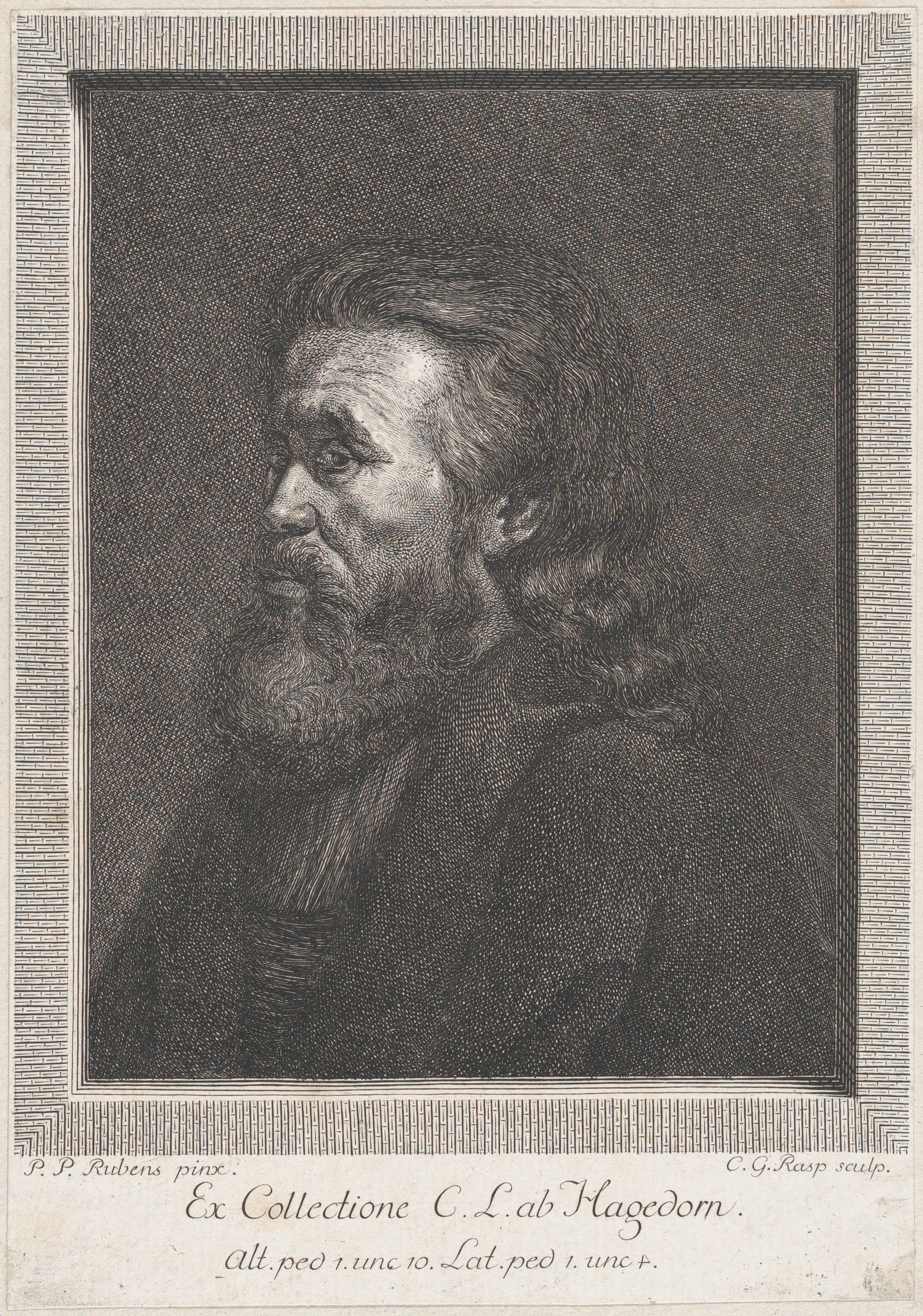
Carl Gottlieb Rasp was a specialist in copper engraving at the Dresden Academy. He spent much of his career translating the oil paintings of the Dresden Gallery into prints. This work required him to interpret colour through varying weights of black line. He was born in 1752 and became a member of the Academy in 1782. His output includes portraits of the Saxon nobility and European intellectuals.
Biography
His artistic approach relied on the careful control of the burin. In Man in Armour, he used dense cross-hatching to define the weight and sheen of metal. His portrait of Countess Marie Anne Marcolini demonstrates his ability to render soft textiles. In Pigeon Girl, he captured a more delicate subject with the same technical rigour. He maintained a balance between technical accuracy and the personality of his subjects.
These prints appeal to collectors who appreciate the technical skill of the Enlightenment era. The monochromatic nature of engraving allows these works to integrate easily with modern decor. Portraits of figures like Gottfried Wilhelm Leibnitz add a sense of history to a room. The sharp lines and clear compositions provide a quiet, academic atmosphere. They are ideal for studies or formal living spaces.
Notable Works
Tap to view larger.
Next stop
Browse the movements →
Every movement in the collection, from the Renaissance to Pop art.
Related Artists


Frequently Asked Questions
When was Carl Gottlieb Rasp born?
Carl Gottlieb Rasp was born in 1752 and died in 1807.What is Carl Gottlieb Rasp known for?
Carl Gottlieb Rasp is known for carl Gottlieb Rasp was an 18th-century German engraver known for his precise portraits and fine reproductions of Old Master paintings from the Dresden Academy.