



Antonio Capellan
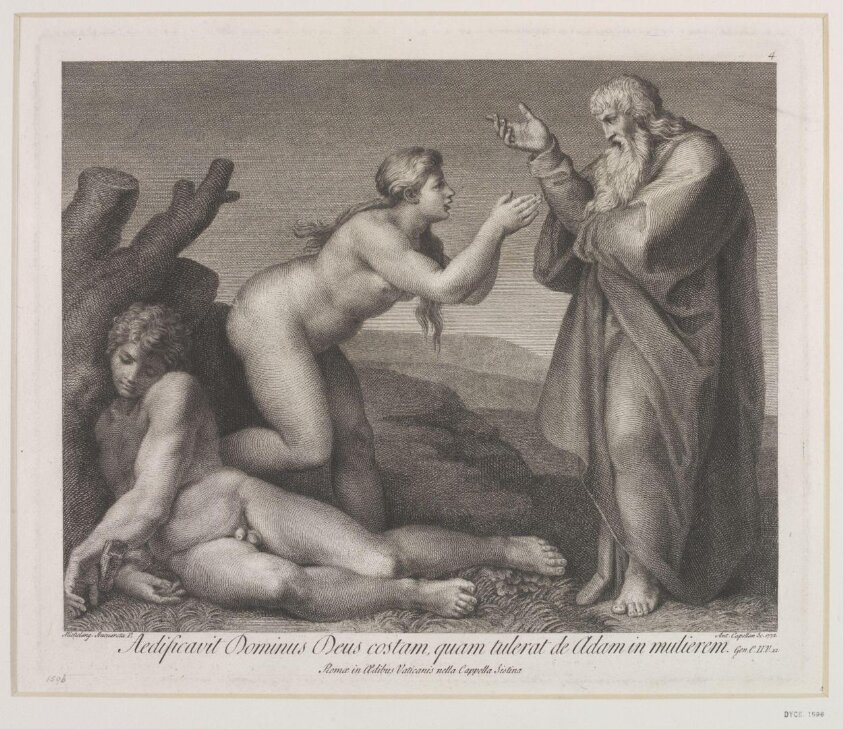
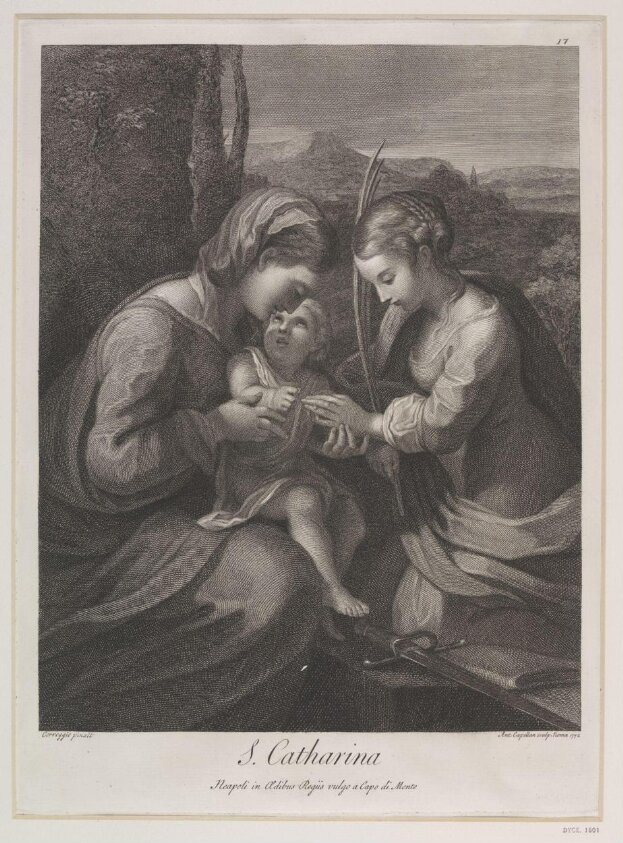
Antonio Capellan moved from Venice to Rome to pursue a career in copperplate engraving. He became a primary contributor to the Schola Italica Picturae, which was a major publication project led by the painter Gavin Hamilton. This collection documented famous Italian paintings through high-quality prints. Capellan reproduced works by Michelangelo, Raphael, and Guercino. He often worked from drawings made specifically for the printing process to ensure the final plate met the standards of the Roman art market.
Biography
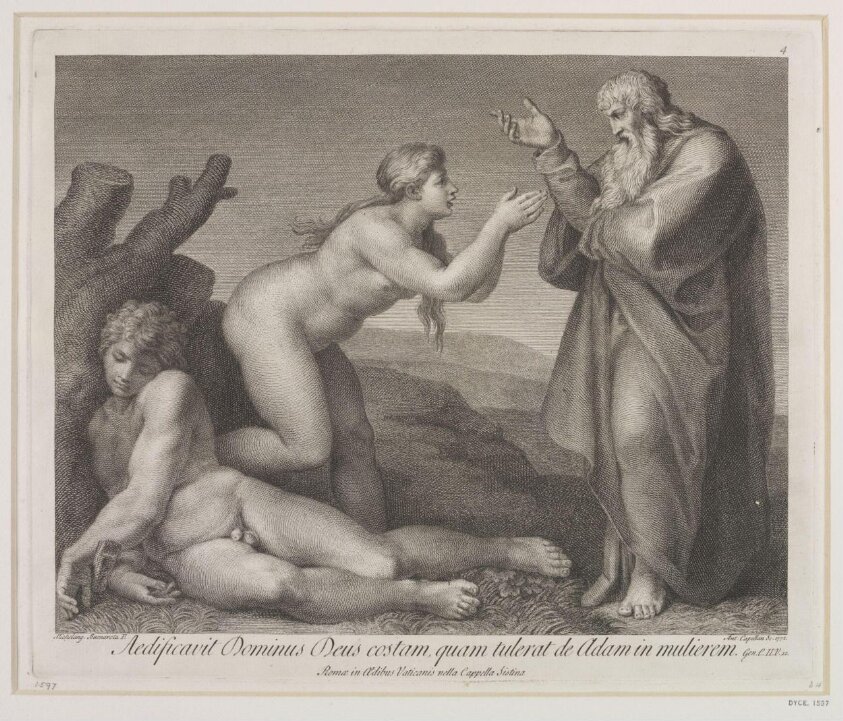
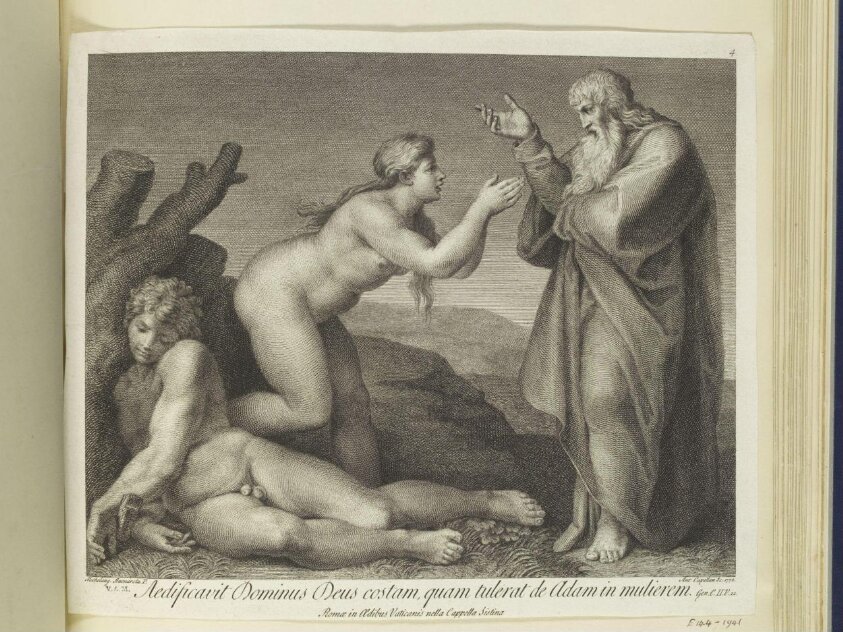
His technique relied on the disciplined use of the burin on copper plates. He focused on translating the volume of Renaissance figures into a series of hatched lines and cross-hatching. His work on the Sistine Chapel ceiling remains a notable example of his skill. He captured the muscularity of the figures without the use of colour. This required a clear understanding of light and shadow to create a sense of three-dimensional form on a flat surface.
Modern collectors value these prints for their formal clarity and historical accuracy. The monochrome palette allows the structural composition of the original masterworks to stand out. These engravings suit contemporary interiors that favour a minimalist or classical style. The heavy paper and visible plate marks offer a physical connection to eighteenth-century printmaking. They remain popular choices for those building a collection of traditional European art in a home setting.
Notable Works
Tap to view larger.
Next stop
Browse the movements →
Every movement in the collection, from the Renaissance to Pop art.
Frequently Asked Questions
When was Antonio Capellan born?
Antonio Capellan was born in 1740 and died in 1793.What is Antonio Capellan known for?
Antonio Capellan is known for antonio Capellan was a Venetian engraver who specialised in reproducing Renaissance masterworks through precise copperplate techniques for eighteenth-century collectors.


