

Sammlung
Utagawa Kuniyoshi
Entdecken Sie kuratierte Kunstdrucke, ausgewählt für individuelle Wohnräume und durchdachte Interieurs.
-
 Porträt von Kansake Yagoro Noriyasu – Utagawa Kuniyoshi
Print
Regulärer Preis Ab £28.00 GBPAngebotspreis Ab £28.00 GBP Regulärer Preis -
 Porträt von Yoshida Sayaemon Kanesada - Utagawa Kuniyoshi
Print
Regulärer Preis Ab £28.00 GBPAngebotspreis Ab £28.00 GBP Regulärer Preis -
 Reise im Schneesturm - Utagawa Kuniyoshi
Print
Regulärer Preis Ab £28.00 GBPAngebotspreis Ab £28.00 GBP Regulärer Preis -
 Porträt von Sugino Juheiji Tsugifusa – Utagawa Kuniyoshi
Print
Regulärer Preis Ab £28.00 GBPAngebotspreis Ab £28.00 GBP Regulärer Preis -
 Porträt von Oribe Yahei Kanamaru - Utagawa Kuniyoshi
Print
Regulärer Preis Ab £28.00 GBPAngebotspreis Ab £28.00 GBP Regulärer Preis -
 Bildnis von Muramatsu Sandayu Takanao - Utagawa Kuniyoshi
Print
Regulärer Preis Ab £28.00 GBPAngebotspreis Ab £28.00 GBP Regulärer Preis -
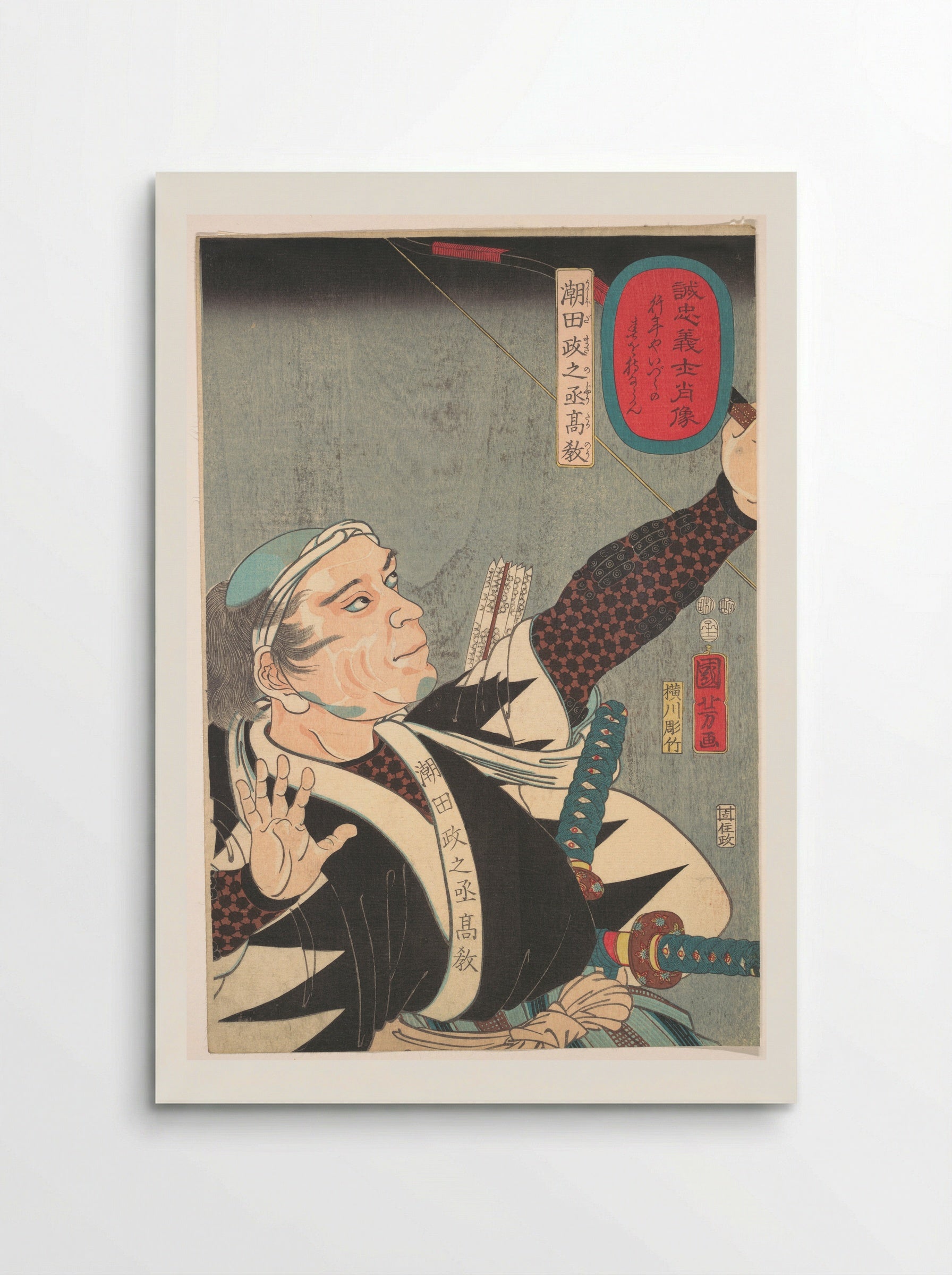 Bildnis von Ushioda Masanojo Takano – Utagawa Kuniyoshi
Print
Regulärer Preis Ab £28.00 GBPAngebotspreis Ab £28.00 GBP Regulärer Preis -
 Nichiren im Schnee in Tsukahara, Provinz Sado – Utagawa Kuniyoshi
Print
Regulärer Preis Ab £28.00 GBPAngebotspreis Ab £28.00 GBP Regulärer Preis -
 Frauen an einem Fluss - Utagawa Kuniyoshi
Print
Regulärer Preis Ab £28.00 GBPAngebotspreis Ab £28.00 GBP Regulärer Preis -
 Porträt von Yokogawa Kanhei Munenori - Utagawa Kuniyoshi
Print
Regulärer Preis Ab £28.00 GBPAngebotspreis Ab £28.00 GBP Regulärer Preis -
 Bildnis von Yada Gorosaemon Suketake - Utagawa Kuniyoshi
Print
Regulärer Preis Ab £28.00 GBPAngebotspreis Ab £28.00 GBP Regulärer Preis -
 Minakuchi, Ishibe, Kusatsu, Ōtsu, Kyōto – Utagawa Kuniyoshi
Print
Regulärer Preis Ab £28.00 GBPAngebotspreis Ab £28.00 GBP Regulärer Preis -
 Blick auf den Berg Asama vom Usui-Pass – Utagawa Kuniyoshi
Print
Regulärer Preis Ab £28.00 GBPAngebotspreis Ab £28.00 GBP Regulärer Preis -
 Tanmeijirō Genshōgo kämpft unter Wasser – Utagawa Kuniyoshi
Print
Regulärer Preis Ab £28.00 GBPAngebotspreis Ab £28.00 GBP Regulärer Preis -
 Inuzaka Keno Tanetomo aus der Geschichte der acht Hunde (Hakkenden) - Utagawa Kuniyoshi
Print
Regulärer Preis Ab £28.00 GBPAngebotspreis Ab £28.00 GBP Regulärer Preis -
 Bildnis von Yato Fumoshichi Norikane - Utagawa Kuniyoshi
Print
Regulärer Preis Ab £28.00 GBPAngebotspreis Ab £28.00 GBP Regulärer Preis -
 Horimoto Gidayū Takatoshi - Utagawa Kuniyoshi
Print
Regulärer Preis Ab £28.00 GBPAngebotspreis Ab £28.00 GBP Regulärer Preis -
 Szene aus einer Geistergeschichte: Der Katzendämon von Okazaki – Utagawa Kuniyoshi
Print
Regulärer Preis Ab £28.00 GBPAngebotspreis Ab £28.00 GBP Regulärer Preis -
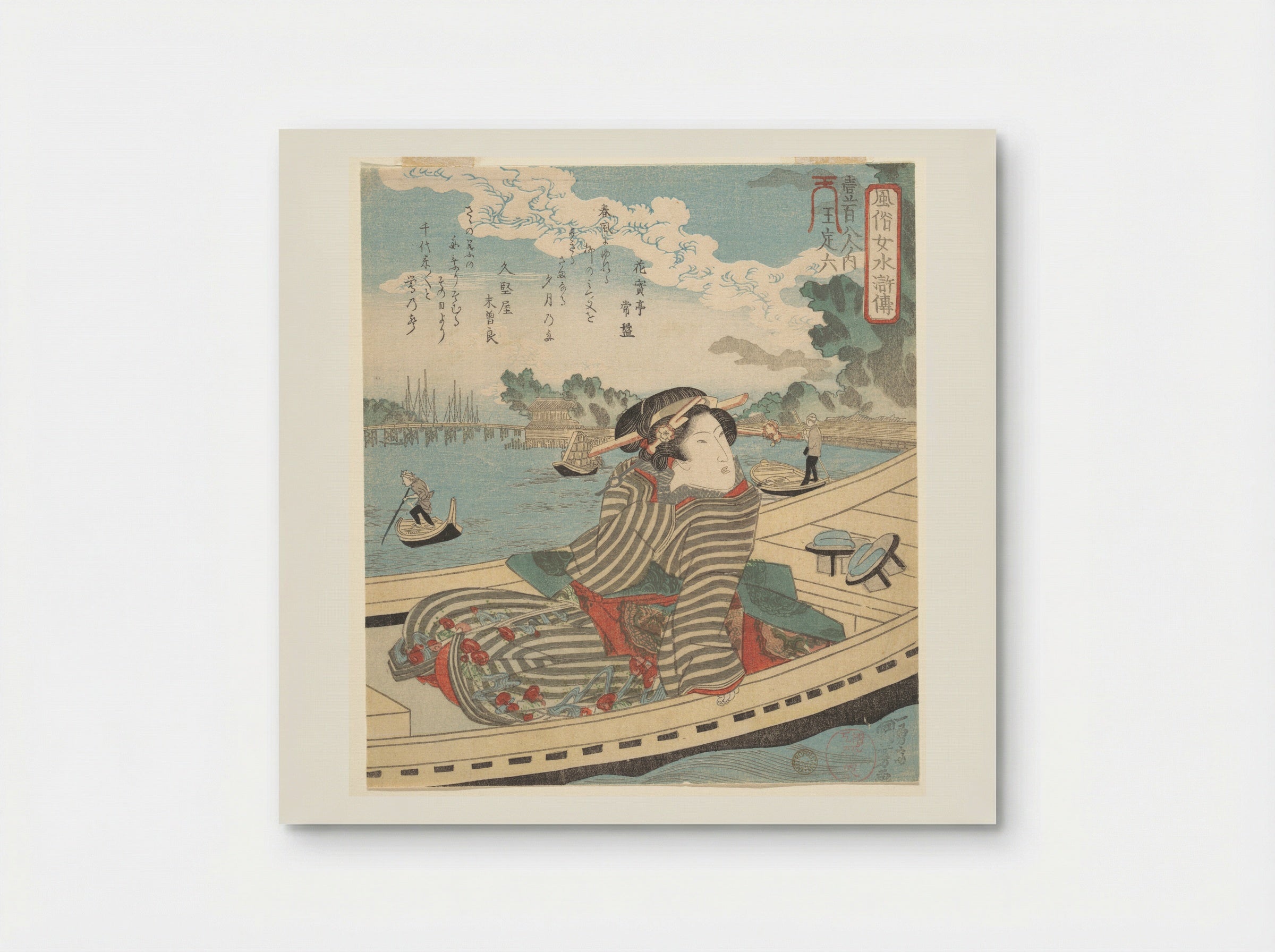 Wasserszene (Frau in Boot) - Utagawa Kuniyoshi
Print
Regulärer Preis Ab £37.00 GBPAngebotspreis Ab £37.00 GBP Regulärer Preis -
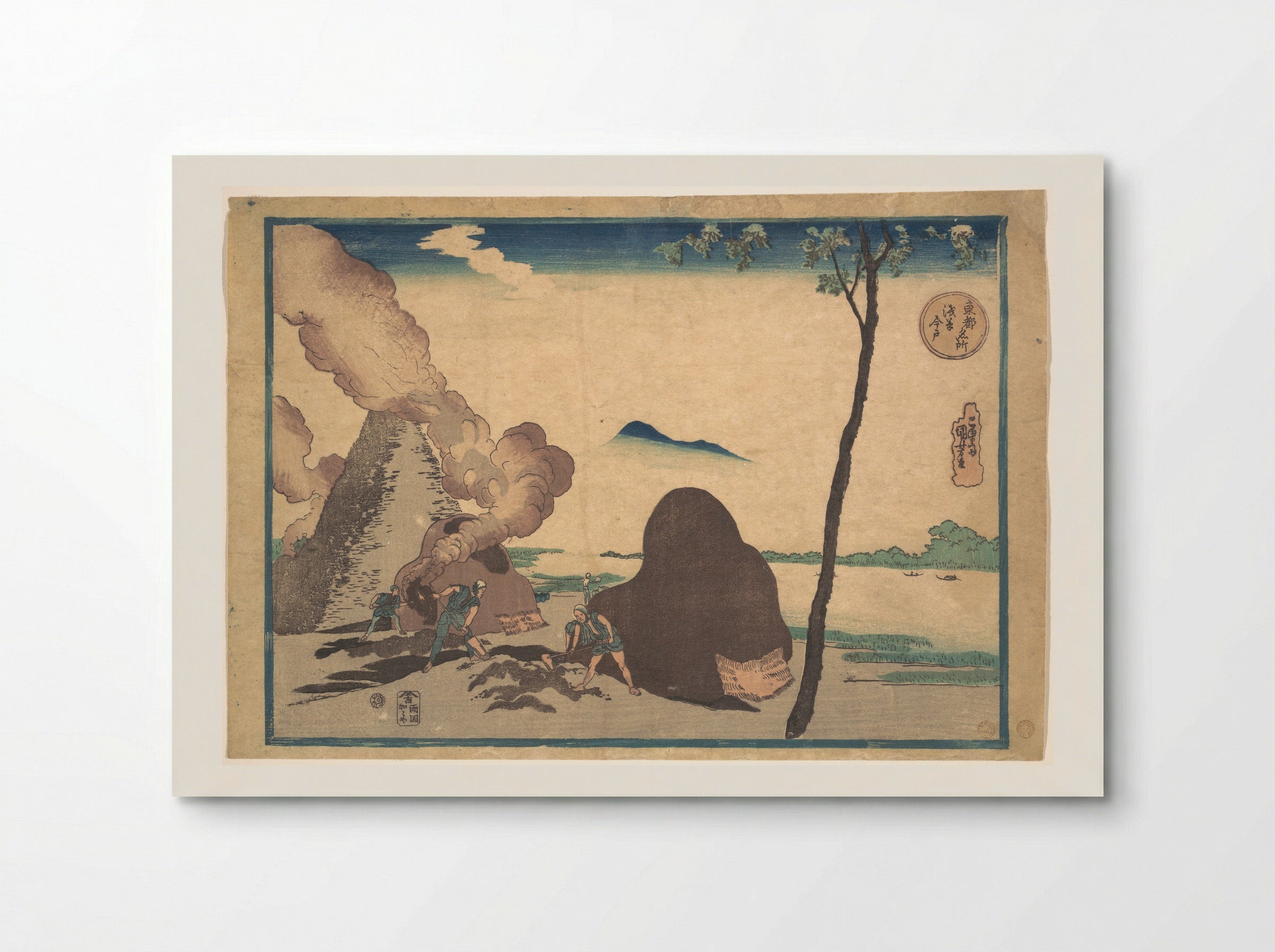 Asakusa Imado – Utagawa Kuniyoshi
Print
Regulärer Preis Ab £28.00 GBPAngebotspreis Ab £28.00 GBP Regulärer Preis -
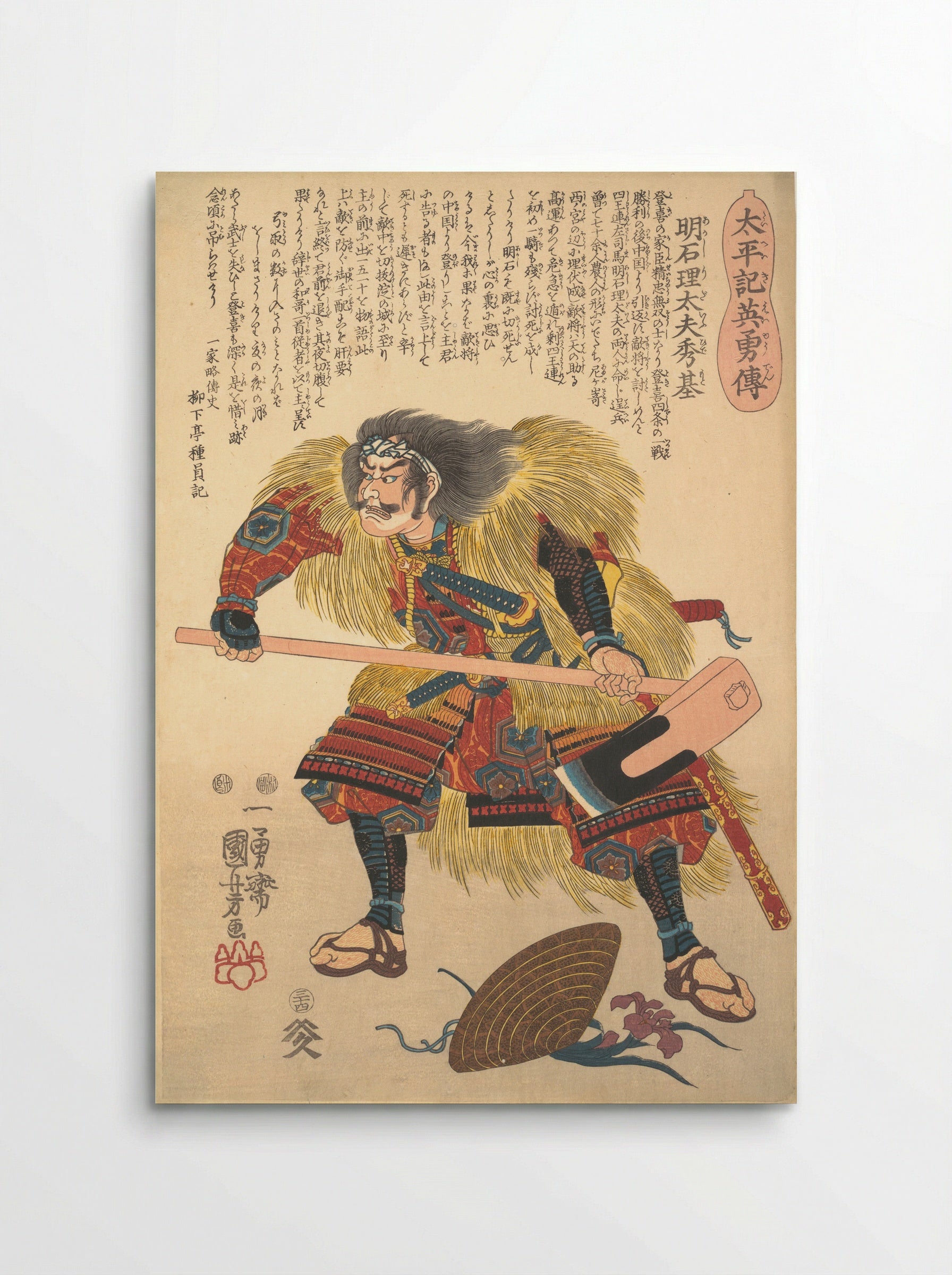 Akashi Ridayu Hidemoto - Utagawa Kuniyoshi
Print
Regulärer Preis Ab £28.00 GBPAngebotspreis Ab £28.00 GBP Regulärer Preis -
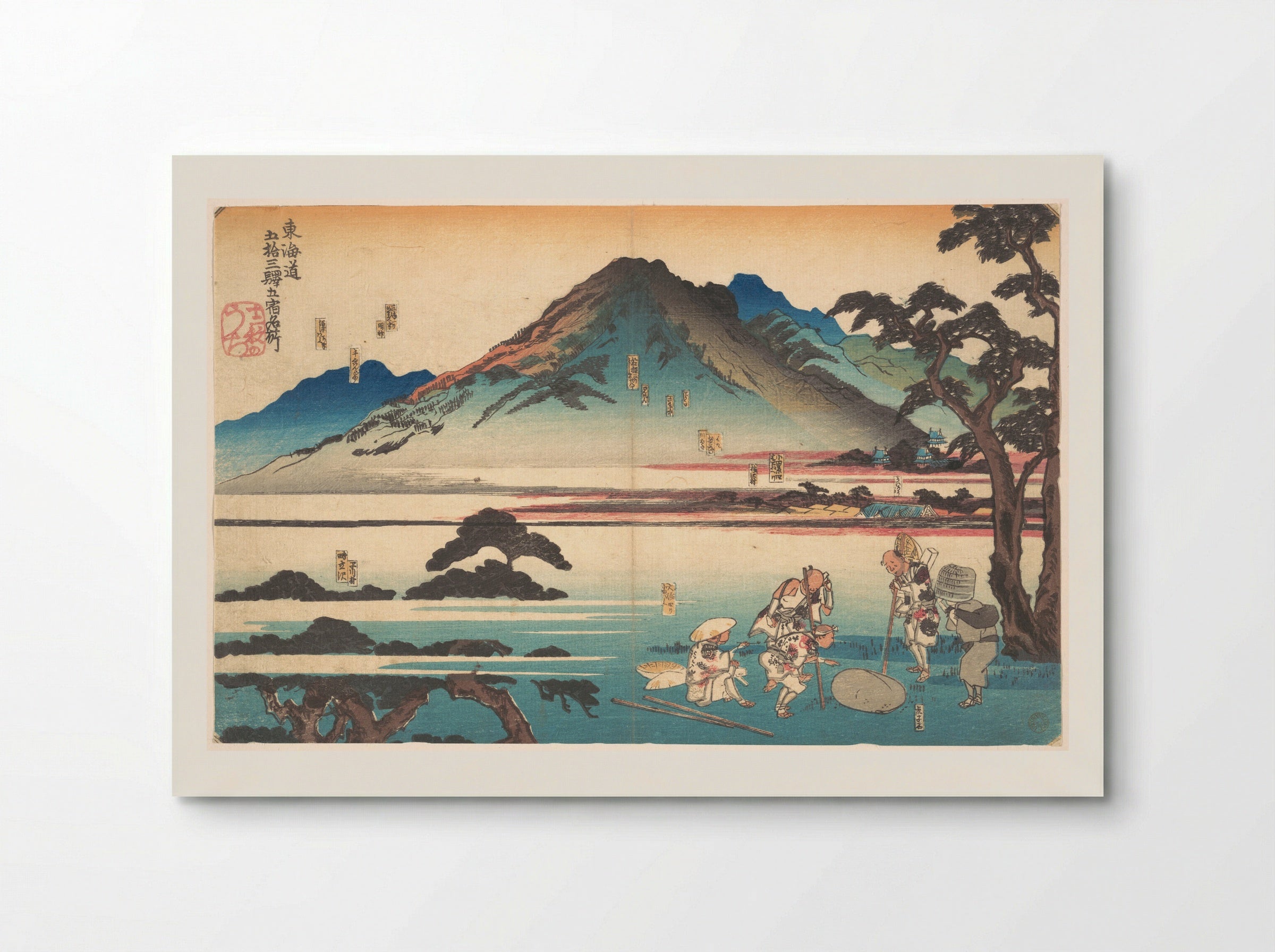 Oiso, Odawara, Hakone, Mishima, Numazu - Utagawa Kuniyoshi
Print
Regulärer Preis Ab £28.00 GBPAngebotspreis Ab £28.00 GBP Regulärer Preis -
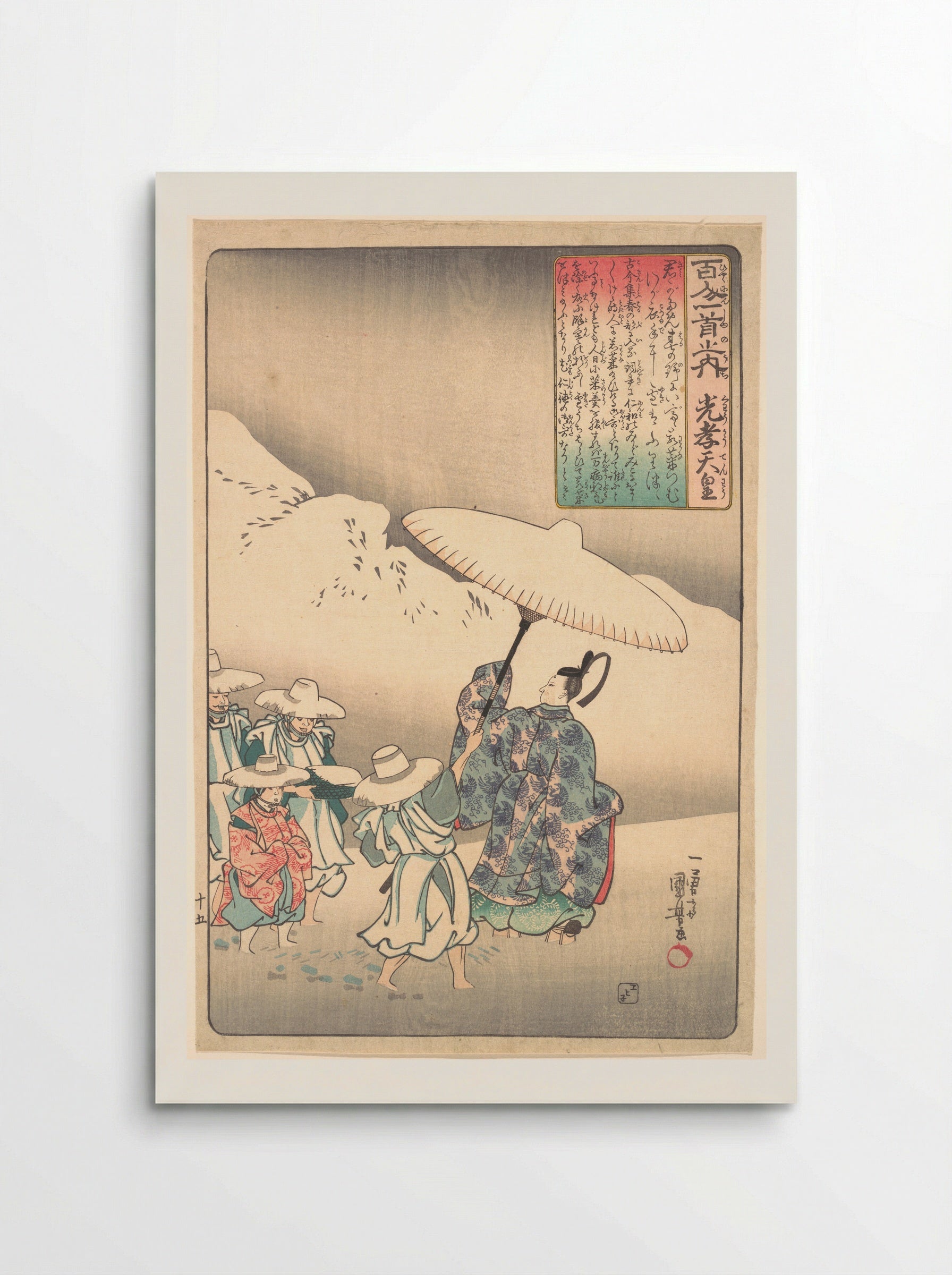 Illustration eines Gedichts von Kaiser Kwoko - Utagawa Kuniyoshi
Print
Regulärer Preis Ab £28.00 GBPAngebotspreis Ab £28.00 GBP Regulärer Preis -
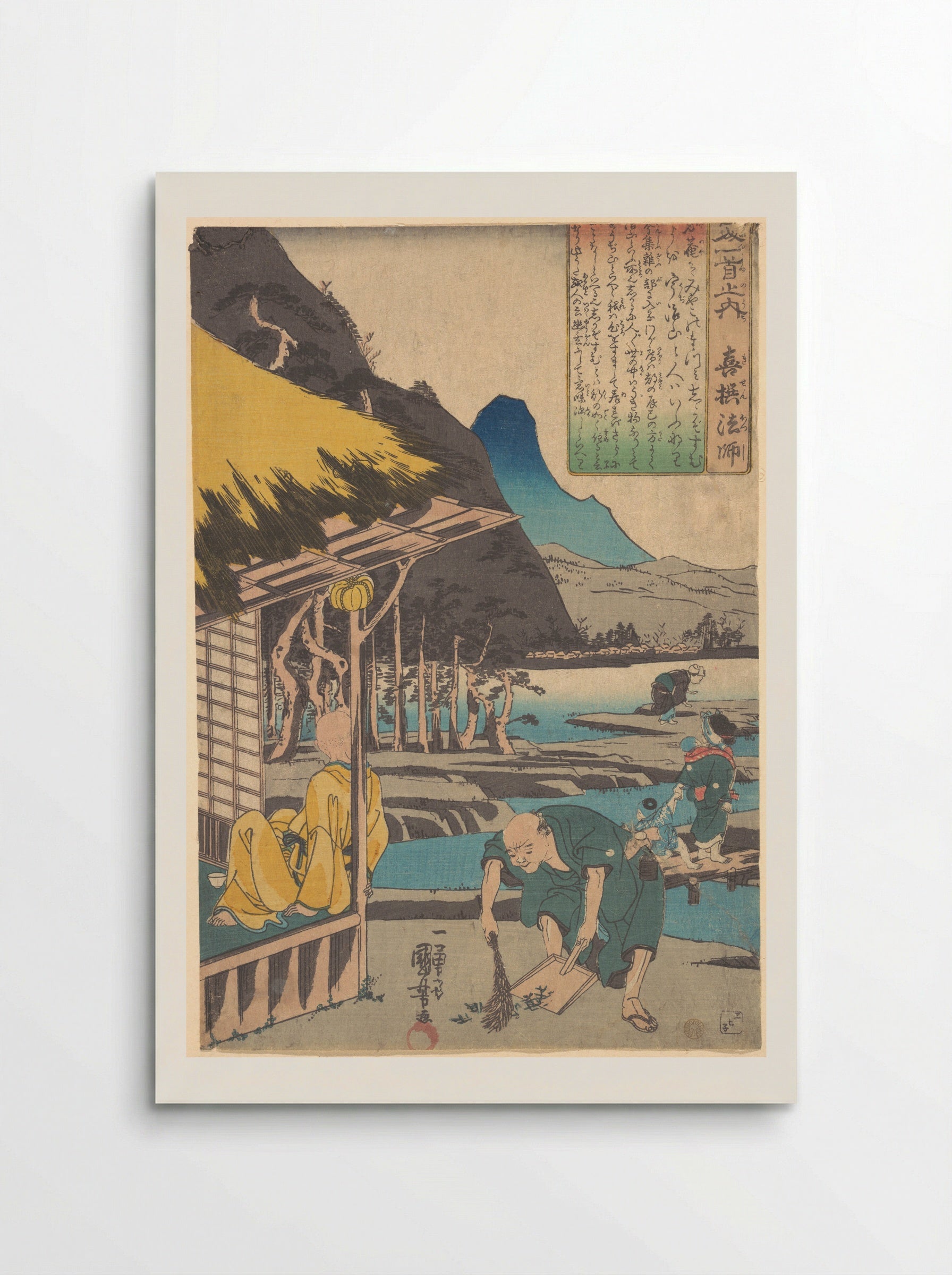 Die Hütte des Dichters in Tatsumi – Utagawa Kuniyoshi
Print
Regulärer Preis Ab £28.00 GBPAngebotspreis Ab £28.00 GBP Regulärer Preis


Artist Biography
Utagawa Kuniyoshi
Kuniyoshi's father was a silk dyer in Edo. The boy helped with pattern design, which gave him an instinct for colour and textile decoration that shows in every print he made. At twelve he caught the attention of Utagawa Toyokuni, the head of the Utagawa school, and was admitted as a student. He was given the name Kuniyoshi in 1814 and became independent.
For the first thirteen years he struggled. The breakthrough came in 1827 with a commission to illustrate the 108 Heroes of the Suikoden, a Chinese adventure novel. He drew tattooed warriors in dynamic poses that broke out of the frame, the tattoos rendered with a detail that started a fashion in Edo. The series was enormously popular and established him as the leading designer of warrior prints.
He loved cats. His studio was always full of them, and he often worked with a kitten tucked inside his kimono. When a cat died, he sent it to a nearby temple, and he kept a Buddhist altar for his deceased cats at home. Cats appear constantly in his prints: as substitute actors in kabuki scenes, as letter-forms in playful alphabets, as parodies of famous paintings. Government censorship in the 1840s prohibited the depiction of actors and courtesans by name, so Kuniyoshi gave them cat faces, which was technically legal and funnier.
His range was unusual for an ukiyo-e artist. Warriors, landscapes, beautiful women, ghosts, satirical cartoons, cats. He was equally comfortable with the heroic and the absurd, sometimes on the same sheet. His triptych of the giant skeleton spectre, from the tale of Takiyasha the Witch, is one of the most reproduced images in Japanese art.


Warum uns wählen?