

Sammlung
Utagawa Kuniyoshi
Entdecken Sie kuratierte Kunstdrucke, ausgewählt für individuelle Wohnräume und durchdachte Interieurs.
Vorgeschlagene Filter
-

 Poet with Two Pages on the Banks of the Tatsuta - Utagawa Kuniyoshi
Print · Framed
Regulärer Preis Ab £28.00 GBPAngebotspreis Ab £28.00 GBP Regulärer Preis -

 Yamauba as a Court Dancer with a Fan - Utagawa Kuniyoshi
Print · Framed
Regulärer Preis Ab £28.00 GBPAngebotspreis Ab £28.00 GBP Regulärer Preis -

 Sadakurô at Oi - Utagawa Kuniyoshi
Print · Framed
Regulärer Preis Ab £28.00 GBPAngebotspreis Ab £28.00 GBP Regulärer Preis -

 Hakamadare Yasusuke Stalking Fujiwara no Yasumasa - Utagawa Kuniyoshi
Print · Framed
Regulärer Preis Ab £28.00 GBPAngebotspreis Ab £28.00 GBP Regulärer Preis -

 Yamamoto Kansuke, Wounded by Arrows - Utagawa Kuniyoshi
Print · Framed
Regulärer Preis Ab £28.00 GBPAngebotspreis Ab £28.00 GBP Regulärer Preis -

 Priest Narukami Holding a Post - Utagawa Kuniyoshi
Print · Framed
Regulärer Preis Ab £28.00 GBPAngebotspreis Ab £28.00 GBP Regulärer Preis -

 Trekken van een juiste lot - Utagawa Kuniyoshi
Print · Framed
Regulärer Preis Ab £28.00 GBPAngebotspreis Ab £28.00 GBP Regulärer Preis -

 Sakanoue no Korenori - Utagawa Kuniyoshi
Print · Framed
Regulärer Preis Ab £28.00 GBPAngebotspreis Ab £28.00 GBP Regulärer Preis -

 Sanjô no Udaijin - Utagawa Kuniyoshi
Print · Framed
Regulärer Preis Ab £28.00 GBPAngebotspreis Ab £28.00 GBP Regulärer Preis -

 Herrliche Aussicht an der Bucht von Futamigaura - Utagawa Kuniyoshi
Print · Framed
Regulärer Preis Ab £28.00 GBPAngebotspreis Ab £28.00 GBP Regulärer Preis -

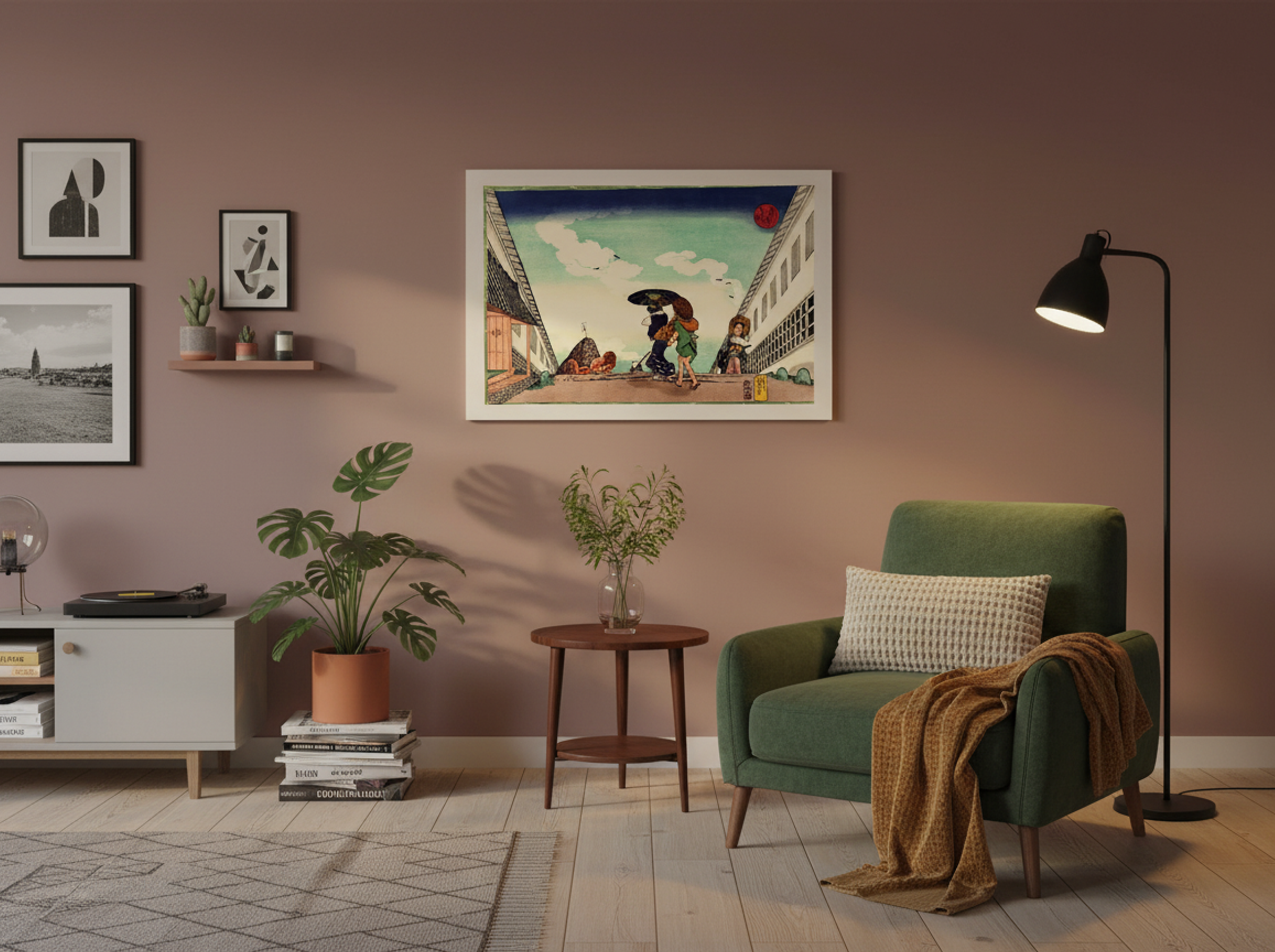 Zwölf Uhr Mittags in Kasumigaseki – Utagawa Kuniyoshi
Print · Framed · Canvas
Regulärer Preis Ab £28.00 GBPAngebotspreis Ab £28.00 GBP Regulärer Preis -
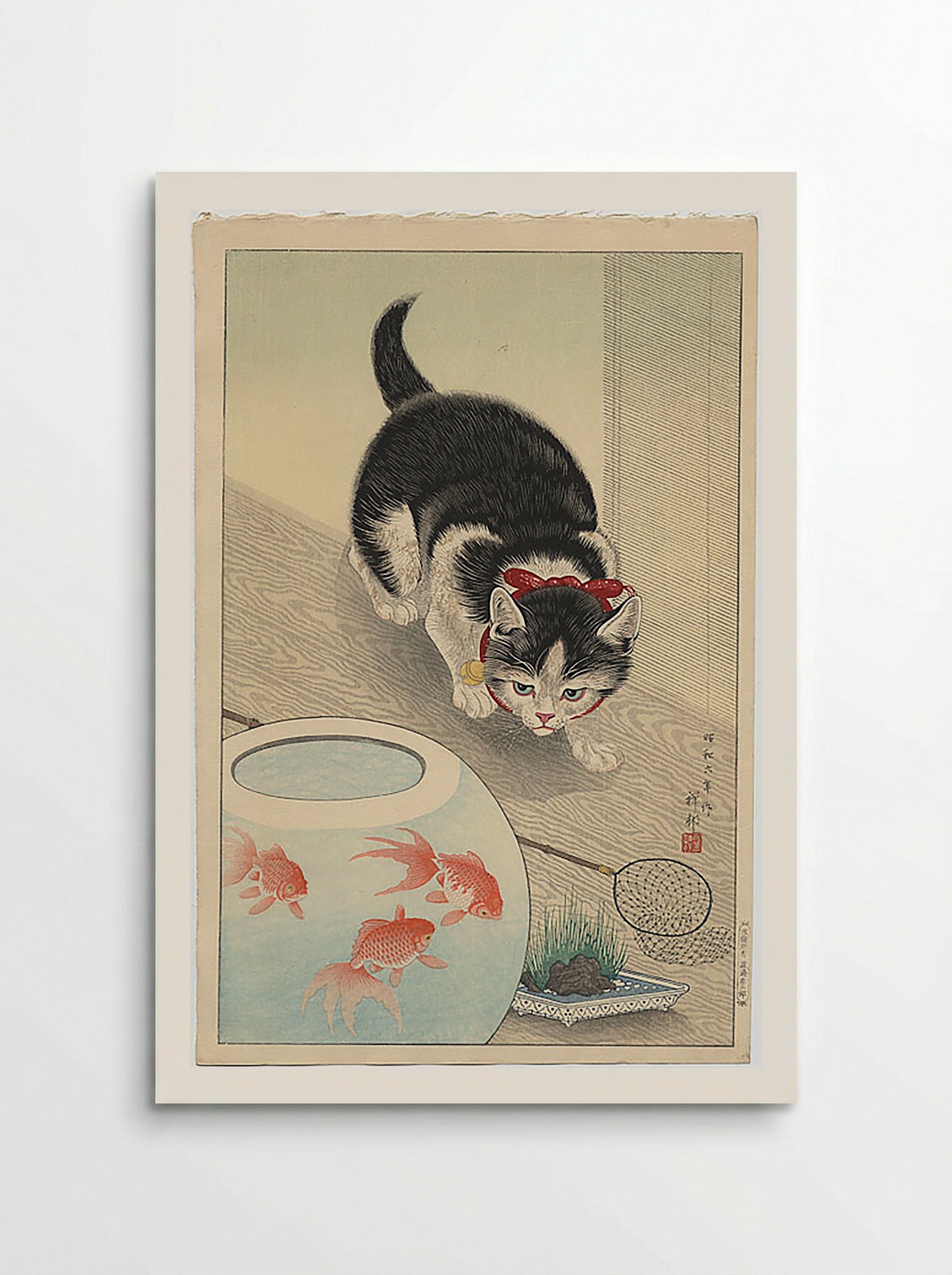
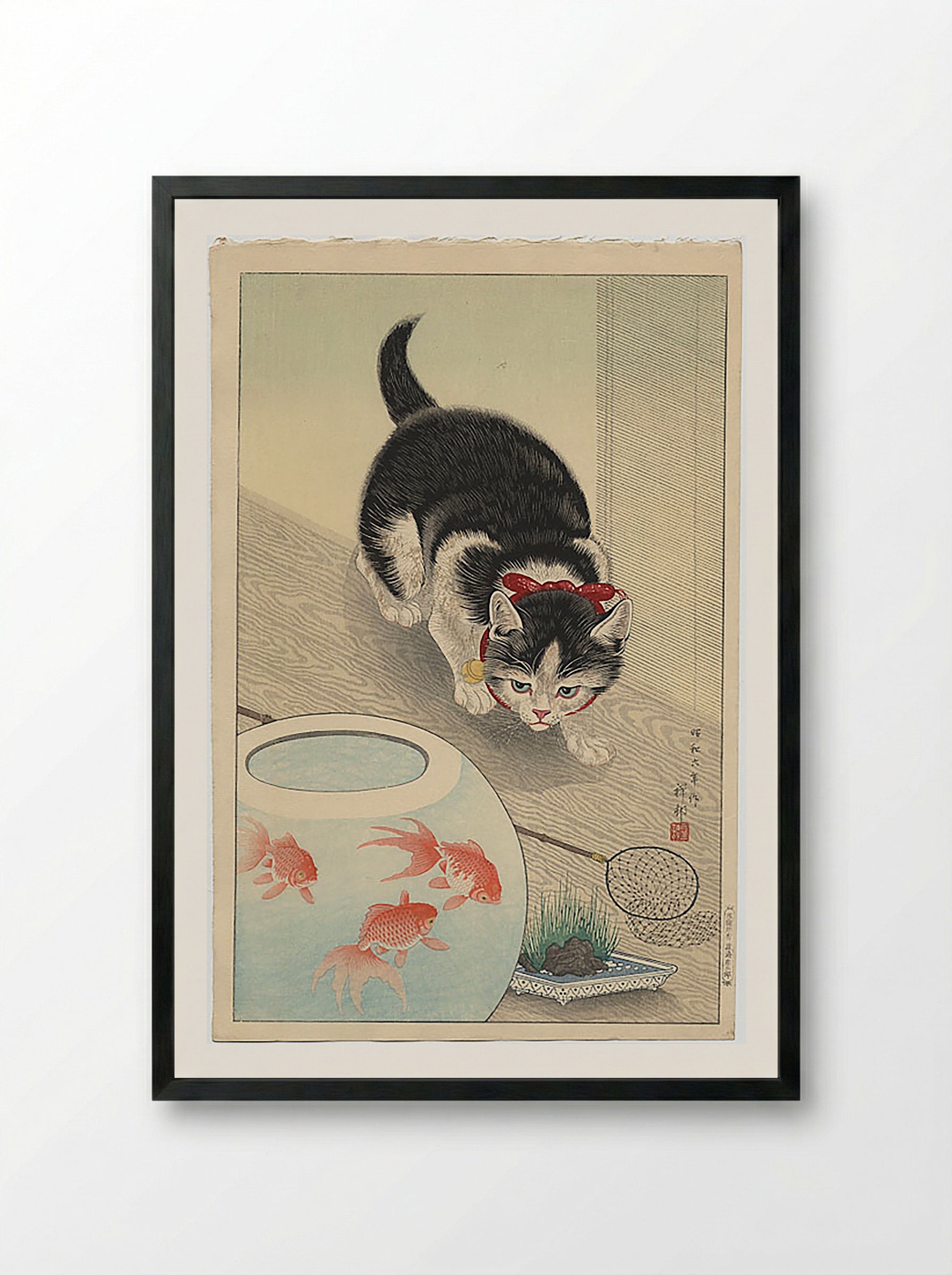 Katze und Goldfischglas – Utagawa Kuniyoshi
Print · Framed · Canvas
Regulärer Preis Ab £28.00 GBPAngebotspreis Ab £28.00 GBP Regulärer Preis -

 Zweiter Druck aus einem Pentaptychon der Ebbe – Utagawa Kuniyoshi
Print · Framed · Canvas
Regulärer Preis Ab £30.00 GBPAngebotspreis Ab £30.00 GBP Regulärer Preis -

 Vierter Druck aus einem Ebbe-Pentaptychon – Utagawa Kuniyoshi
Print · Framed · Canvas
Regulärer Preis Ab £30.00 GBPAngebotspreis Ab £30.00 GBP Regulärer Preis -

 Dritter Druck aus einem Pentaptychon der Ebbe – Utagawa Kuniyoshi
Print · Framed · Canvas
Regulärer Preis Ab £30.00 GBPAngebotspreis Ab £30.00 GBP Regulärer Preis -

 Erster Druck von einem Niedrigwasser-Pentaptychon - Utagawa Kuniyoshi
Print · Framed · Canvas
Regulärer Preis Ab £30.00 GBPAngebotspreis Ab £30.00 GBP Regulärer Preis -

 Fünfter Druck aus einem Niedrigwasser-Pentaptychon - Utagawa Kuniyoshi
Print · Framed · Canvas
Regulärer Preis Ab £30.00 GBPAngebotspreis Ab £30.00 GBP Regulärer Preis -
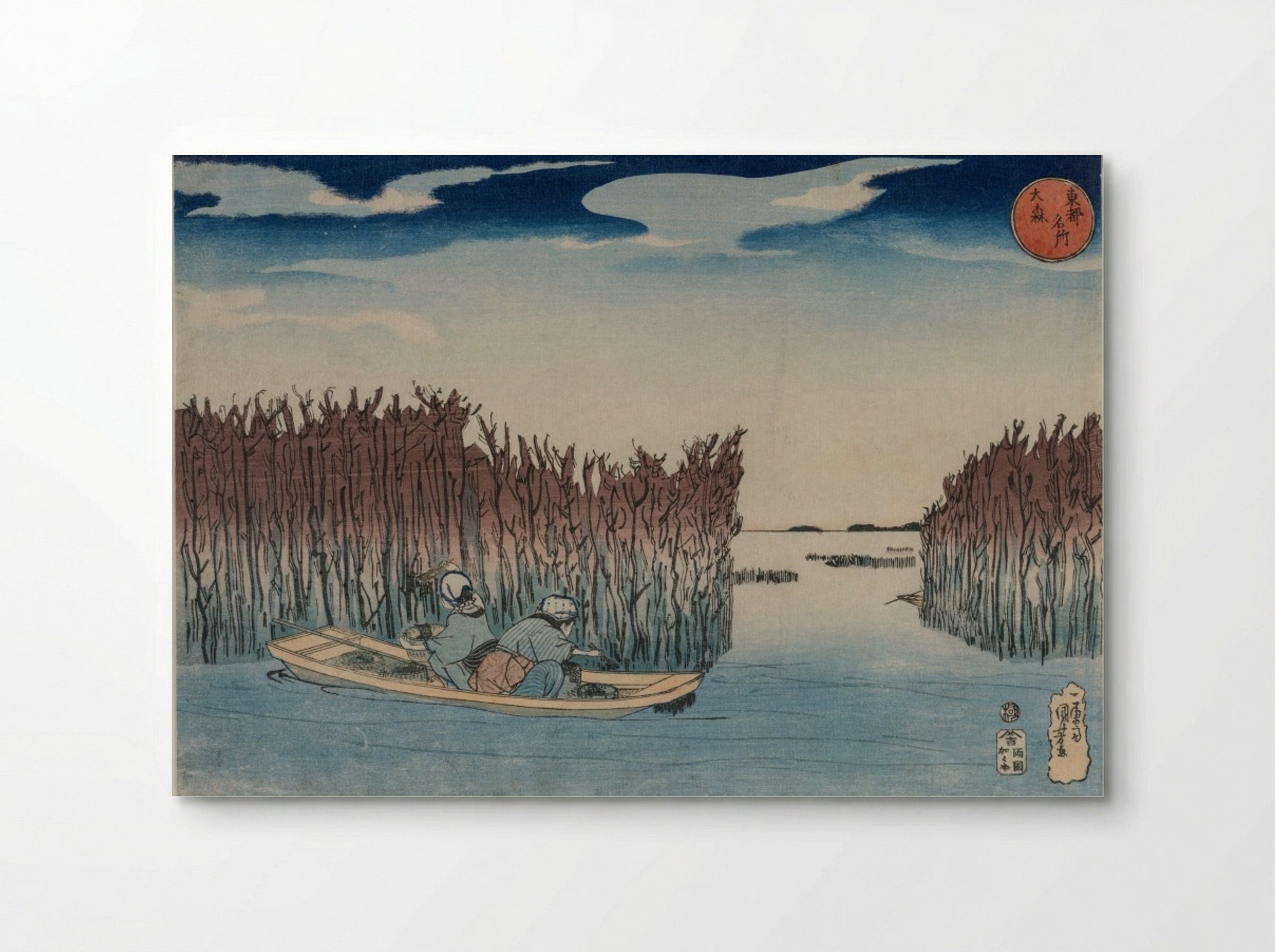 Ōmori, aus der Serie Berühmte Orte in der östlichen Hauptstadt - Utagawa Kuniyoshi
Print
Regulärer Preis Ab £28.00 GBPAngebotspreis Ab £28.00 GBP Regulärer Preis -
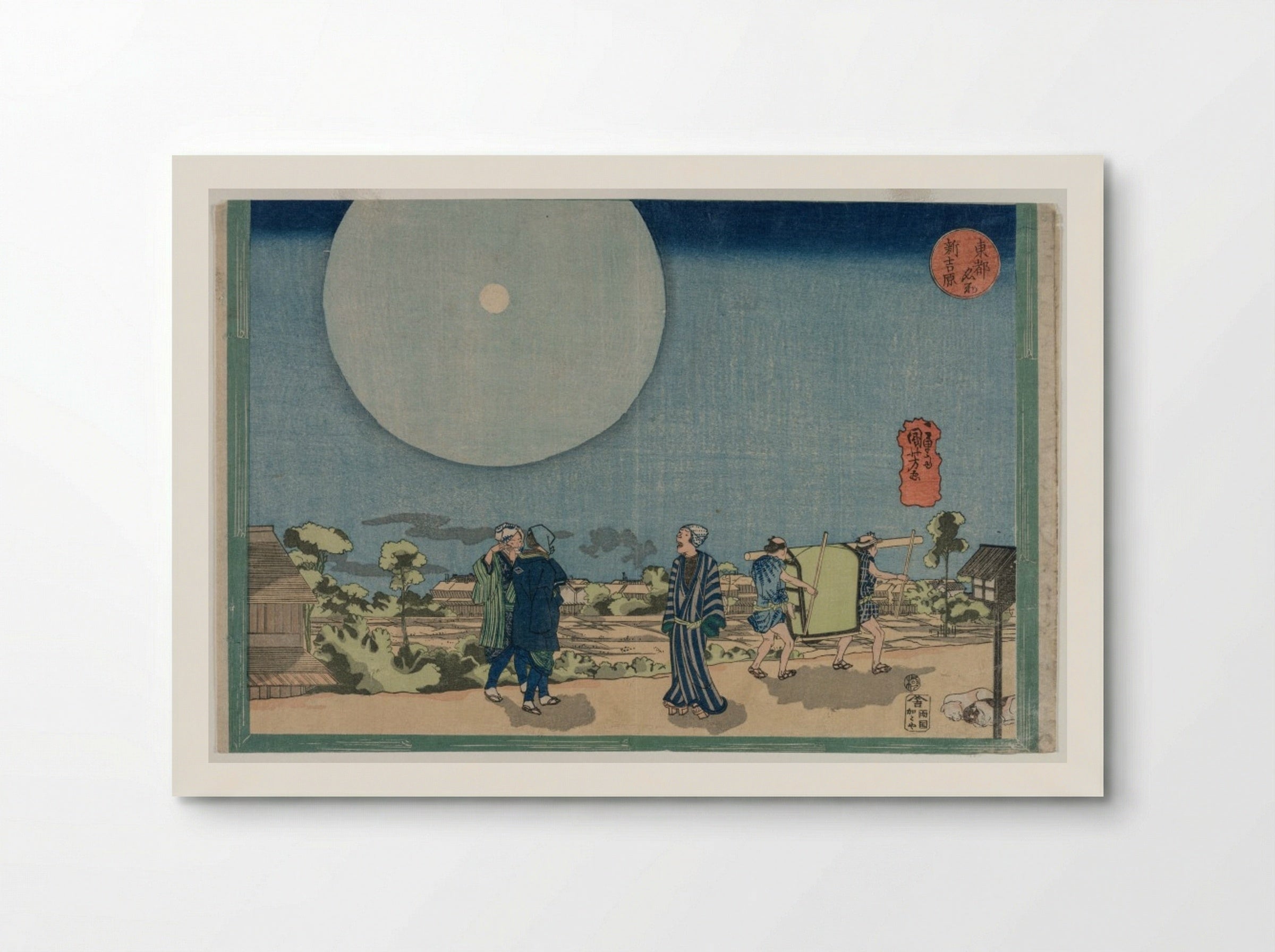 Shin Yoshiwara - Utagawa Kuniyoshi
Print
Regulärer Preis Ab £28.00 GBPAngebotspreis Ab £28.00 GBP Regulärer Preis -
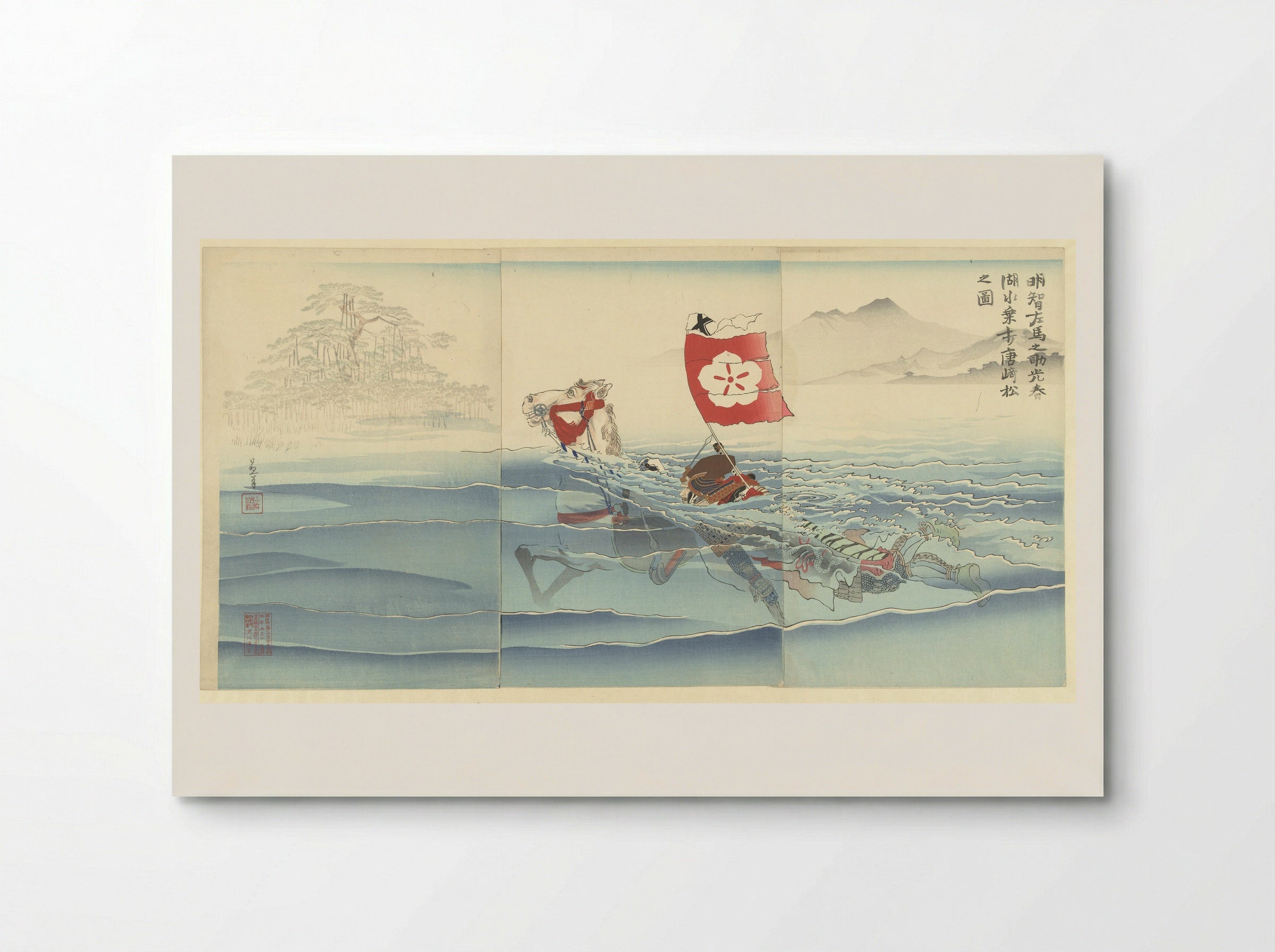 Akechi Samanosuke Mitsuharu durchschwimmt den Biwa-See – Utagawa Kuniyoshi
Print
Regulärer Preis Ab £28.00 GBPAngebotspreis Ab £28.00 GBP Regulärer Preis -
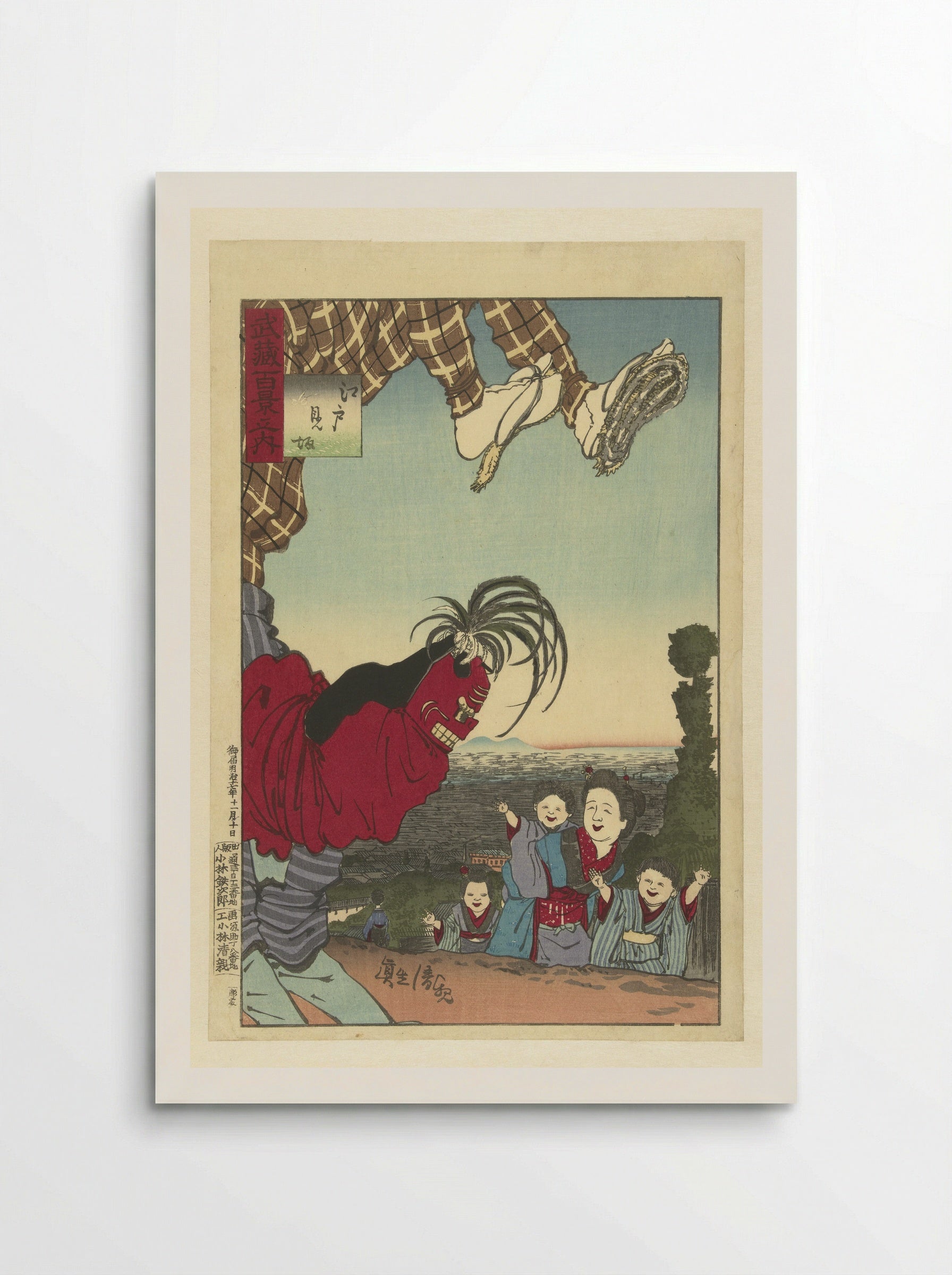 Straßenkünstler in Edo - Utagawa Kuniyoshi
Print
Regulärer Preis Ab £28.00 GBPAngebotspreis Ab £28.00 GBP Regulärer Preis -
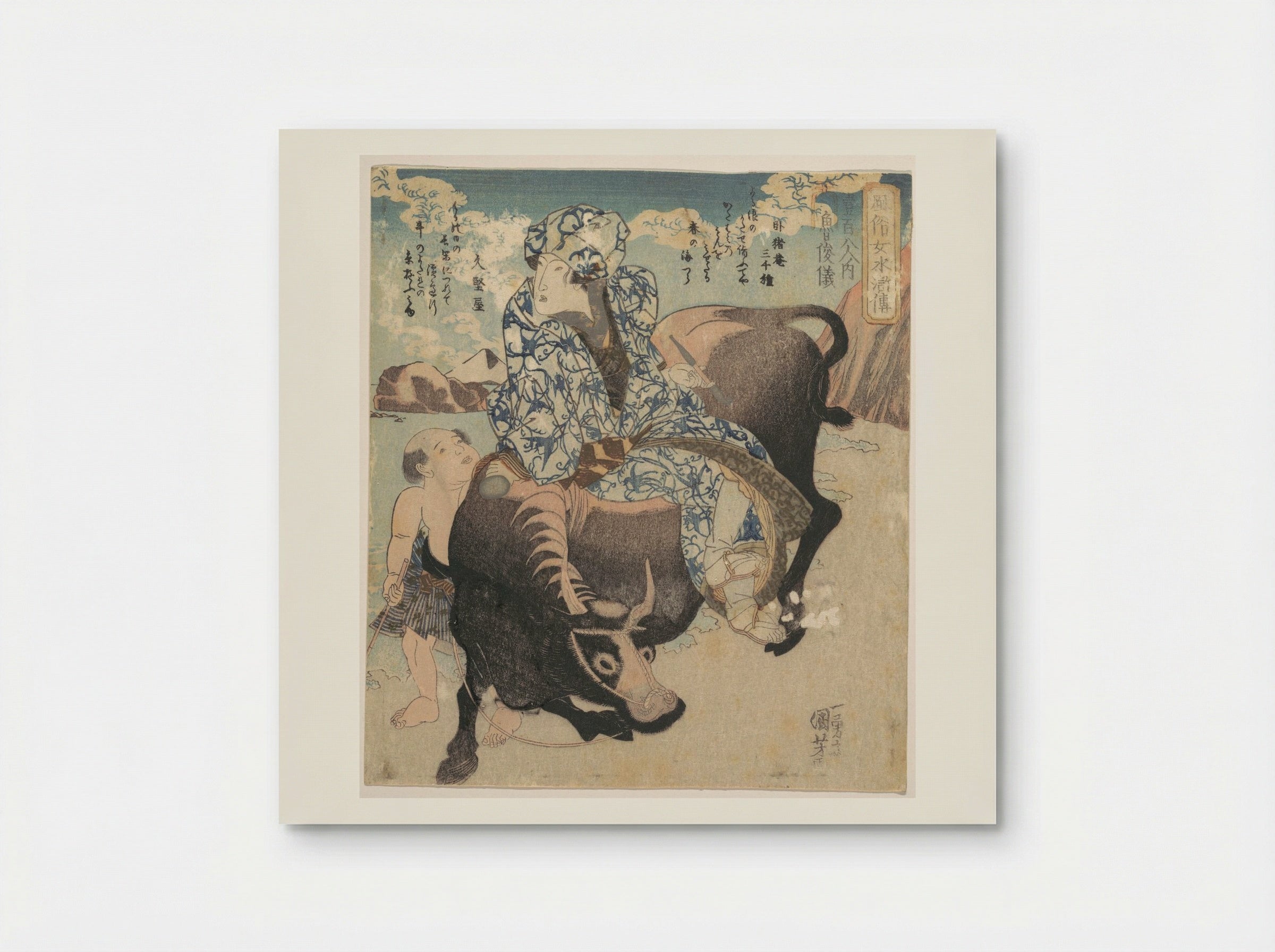 Rōshungi (chinesisch: Lu Zhunyi) als Frau mit Pfeife auf einem Büffel reitend – Utagawa Kuniyoshi
Print
Regulärer Preis Ab £37.00 GBPAngebotspreis Ab £37.00 GBP Regulärer Preis -
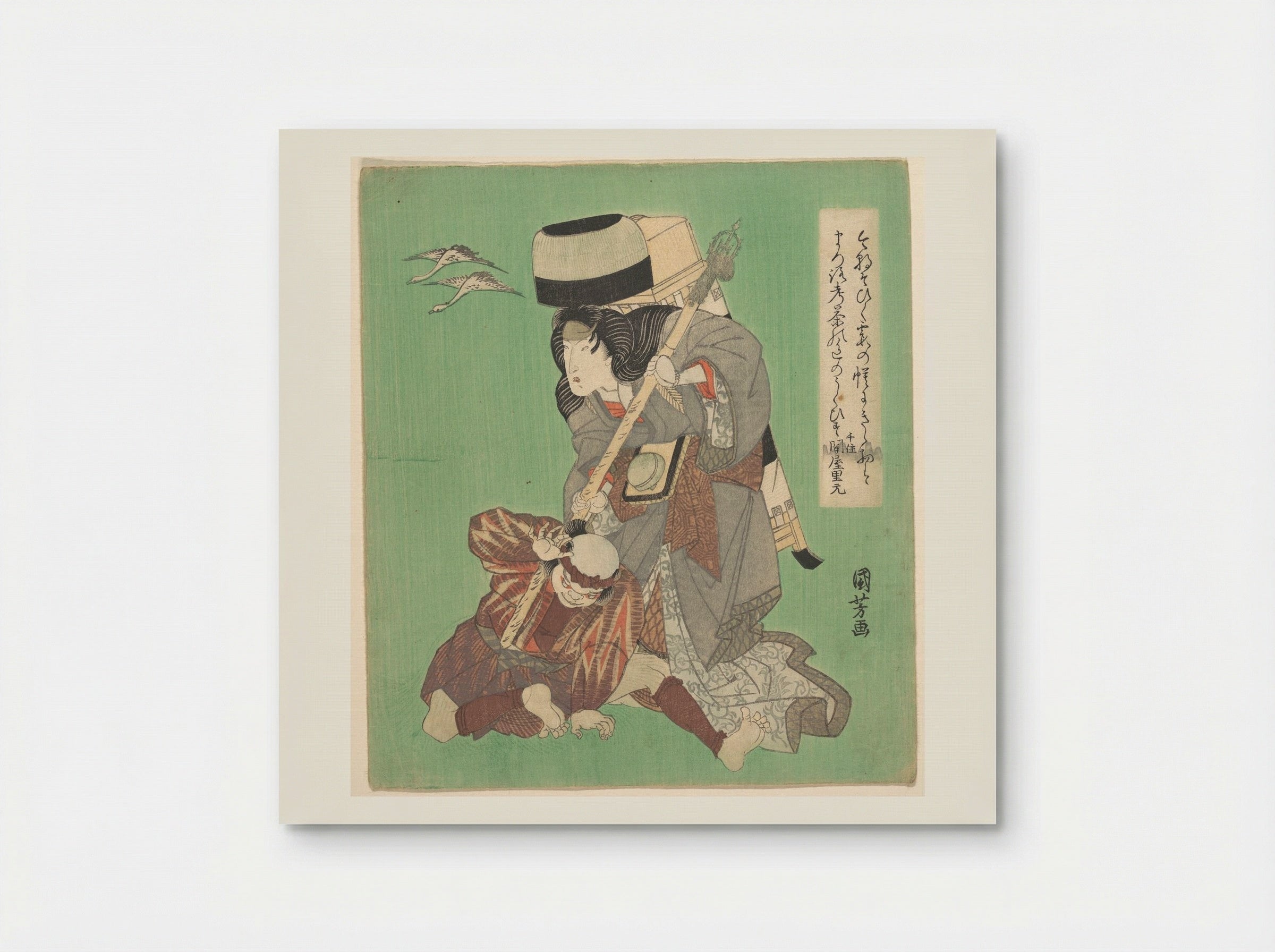 Theaterszene - Utagawa Kuniyoshi
Print
Regulärer Preis Ab £37.00 GBPAngebotspreis Ab £37.00 GBP Regulärer Preis -
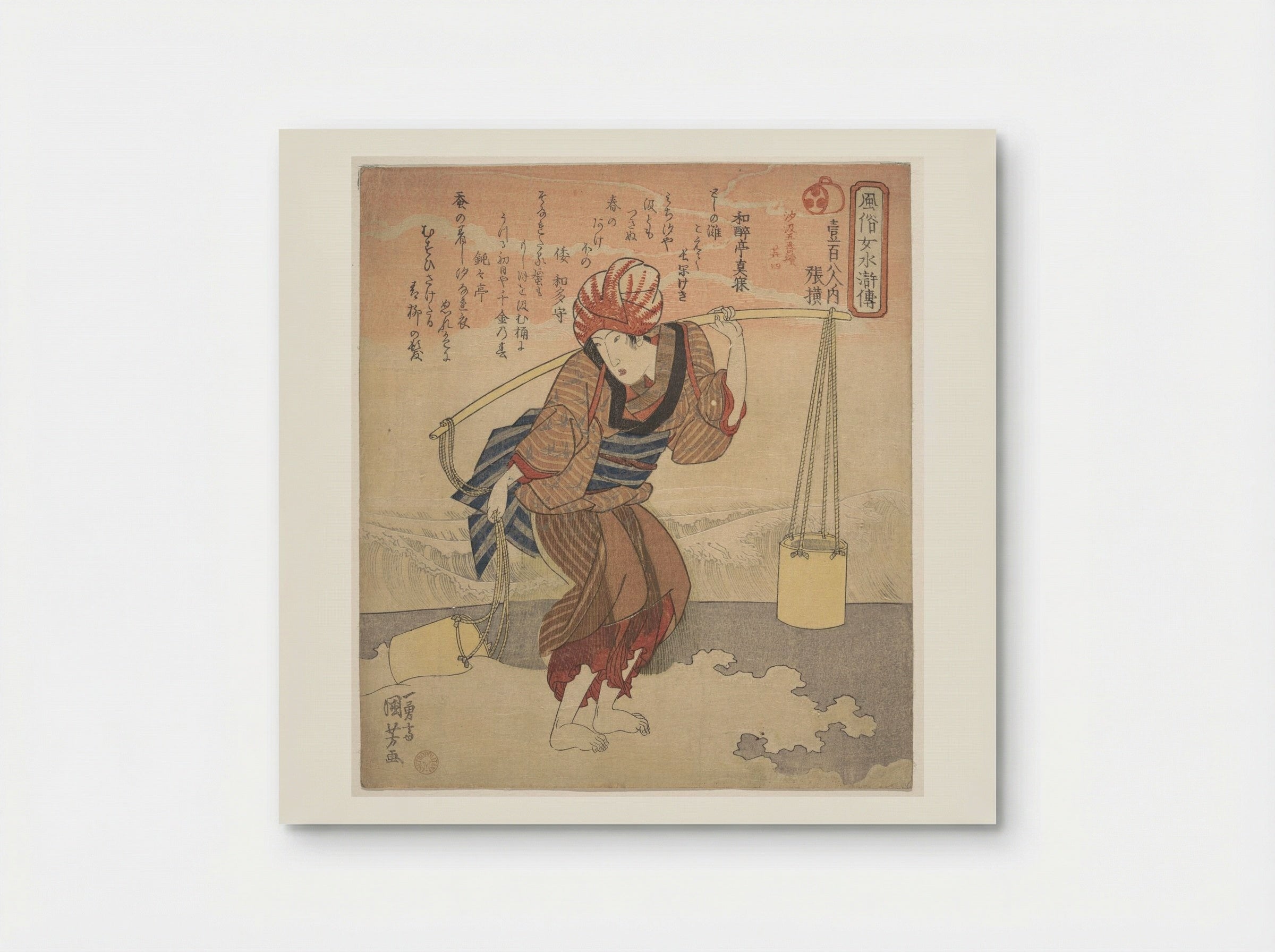 Mädchen füllt einen Eimer mit Meerwasser – Utagawa Kuniyoshi
Print
Regulärer Preis Ab £37.00 GBPAngebotspreis Ab £37.00 GBP Regulärer Preis


Artist Biography
Utagawa Kuniyoshi
Kuniyoshi's father was a silk dyer in Edo. The boy helped with pattern design, which gave him an instinct for colour and textile decoration that shows in every print he made. At twelve he caught the attention of Utagawa Toyokuni, the head of the Utagawa school, and was admitted as a student. He was given the name Kuniyoshi in 1814 and became independent.
For the first thirteen years he struggled. The breakthrough came in 1827 with a commission to illustrate the 108 Heroes of the Suikoden, a Chinese adventure novel. He drew tattooed warriors in dynamic poses that broke out of the frame, the tattoos rendered with a detail that started a fashion in Edo. The series was enormously popular and established him as the leading designer of warrior prints.
He loved cats. His studio was always full of them, and he often worked with a kitten tucked inside his kimono. When a cat died, he sent it to a nearby temple, and he kept a Buddhist altar for his deceased cats at home. Cats appear constantly in his prints: as substitute actors in kabuki scenes, as letter-forms in playful alphabets, as parodies of famous paintings. Government censorship in the 1840s prohibited the depiction of actors and courtesans by name, so Kuniyoshi gave them cat faces, which was technically legal and funnier.
His range was unusual for an ukiyo-e artist. Warriors, landscapes, beautiful women, ghosts, satirical cartoons, cats. He was equally comfortable with the heroic and the absurd, sometimes on the same sheet. His triptych of the giant skeleton spectre, from the tale of Takiyasha the Witch, is one of the most reproduced images in Japanese art.
For the first thirteen years he struggled. The breakthrough came in 1827 with a commission to illustrate the 108 Heroes of the Suikoden, a Chinese adventure novel. He drew tattooed warriors in dynamic poses that broke out of the frame, the tattoos rendered with a detail that started a fashion in Edo. The series was enormously popular and established him as the leading designer of warrior prints.
He loved cats. His studio was always full of them, and he often worked with a kitten tucked inside his kimono. When a cat died, he sent it to a nearby temple, and he kept a Buddhist altar for his deceased cats at home. Cats appear constantly in his prints: as substitute actors in kabuki scenes, as letter-forms in playful alphabets, as parodies of famous paintings. Government censorship in the 1840s prohibited the depiction of actors and courtesans by name, so Kuniyoshi gave them cat faces, which was technically legal and funnier.
His range was unusual for an ukiyo-e artist. Warriors, landscapes, beautiful women, ghosts, satirical cartoons, cats. He was equally comfortable with the heroic and the absurd, sometimes on the same sheet. His triptych of the giant skeleton spectre, from the tale of Takiyasha the Witch, is one of the most reproduced images in Japanese art.


Warum uns wählen?