

Sammlung
Roy Lichtenstein
Entdecken Sie kuratierte Kunstdrucke, ausgewählt für individuelle Wohnräume und durchdachte Interieurs.
Vorgeschlagene Filter
-
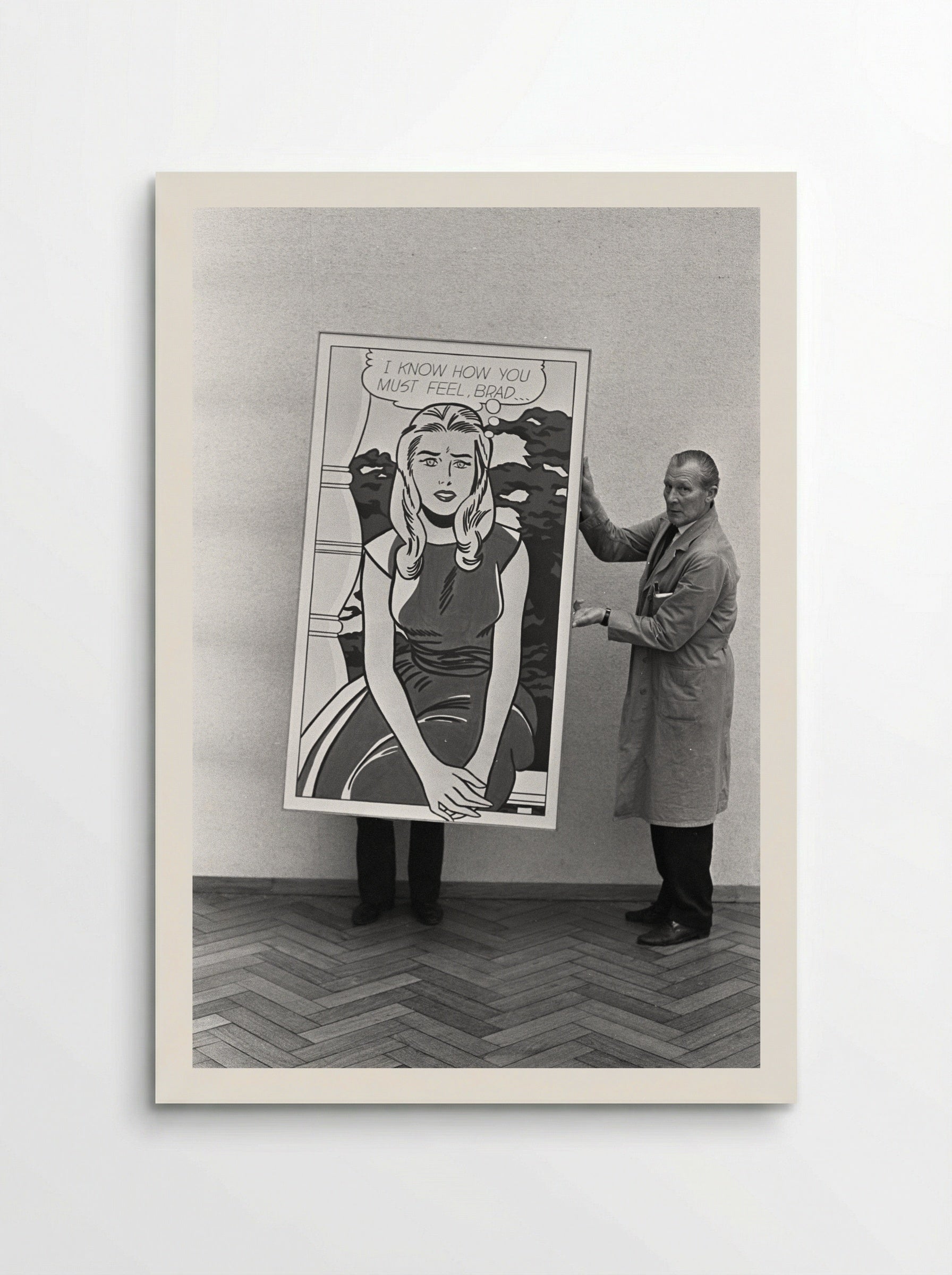 Ich weiß, wie du dich fühlen musst, Brad … – Roy Lichtenstein
Print
Regulärer Preis Ab £28.00 GBPAngebotspreis Ab £28.00 GBP Regulärer Preis -

 Ertrinkendes Mädchen - Roy Lichtenstein
Print · Framed
Regulärer Preis Ab £37.00 GBPAngebotspreis Ab £37.00 GBP Regulärer Preis -
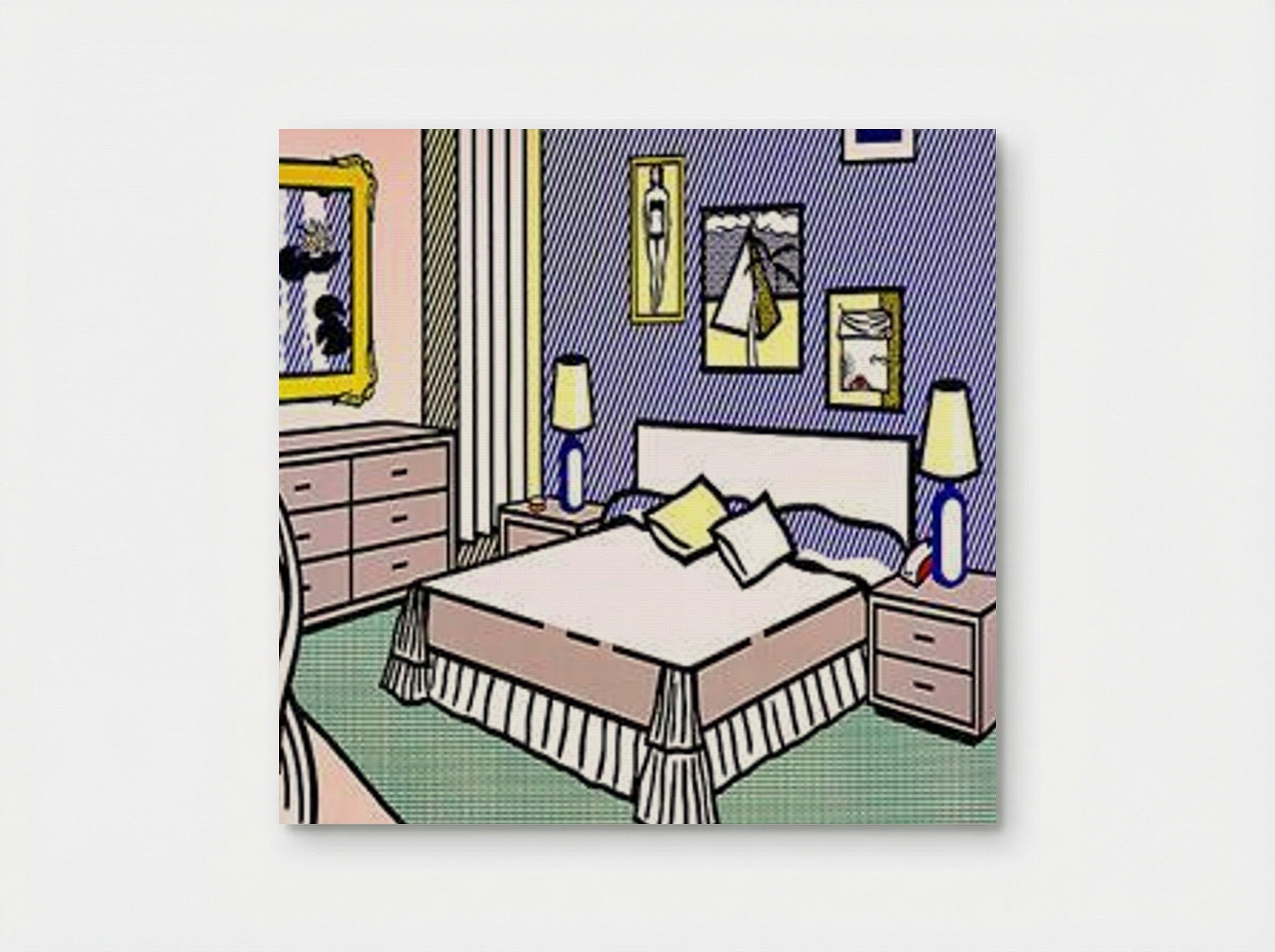 Interieur mit Seerosen - Roy Lichtenstein
Print
Regulärer Preis Ab £37.00 GBPAngebotspreis Ab £37.00 GBP Regulärer Preis -
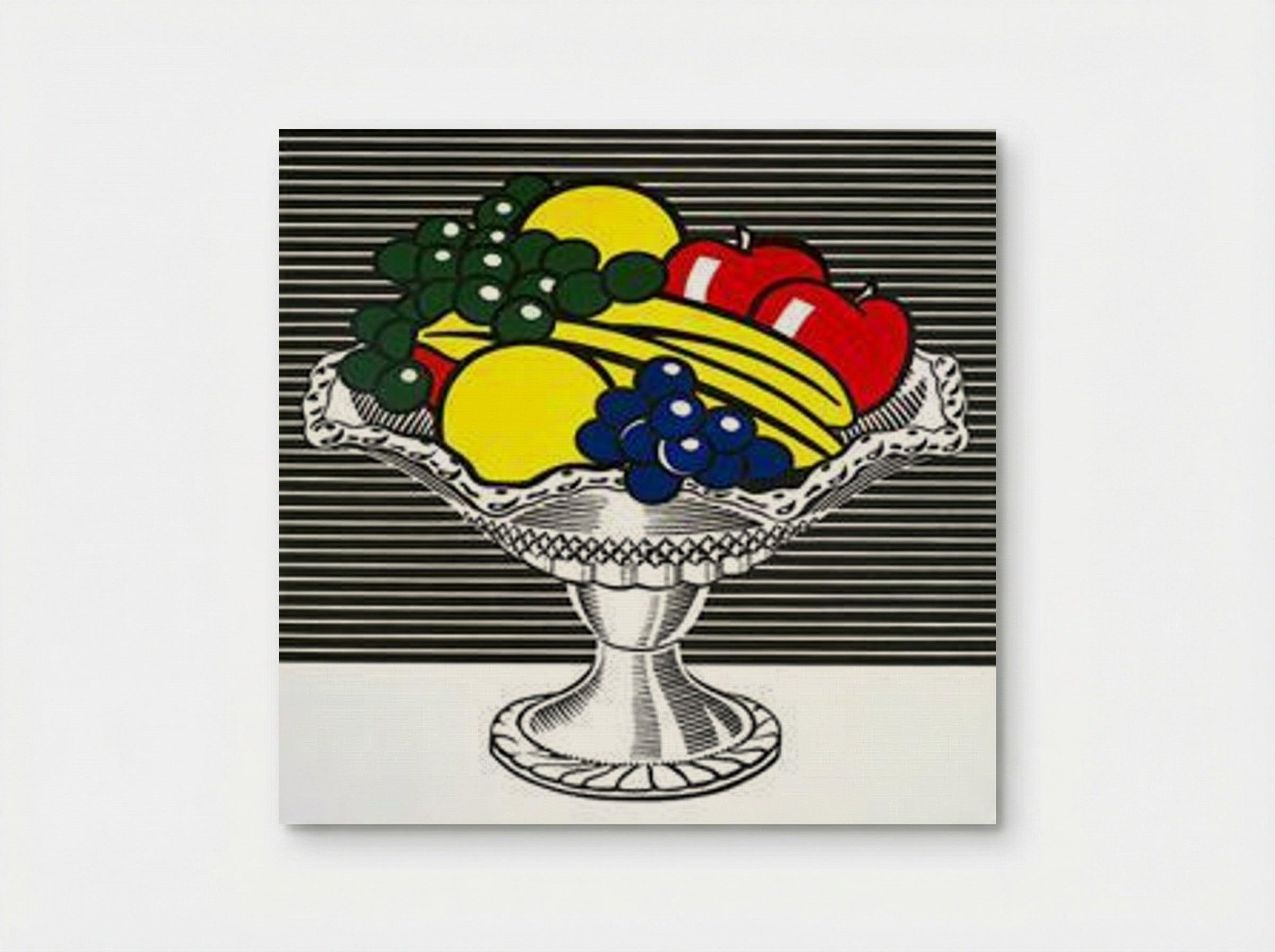 Stillleben mit Kristallschale – Roy Lichtenstein
Print
Regulärer Preis Ab £37.00 GBPAngebotspreis Ab £37.00 GBP Regulärer Preis -
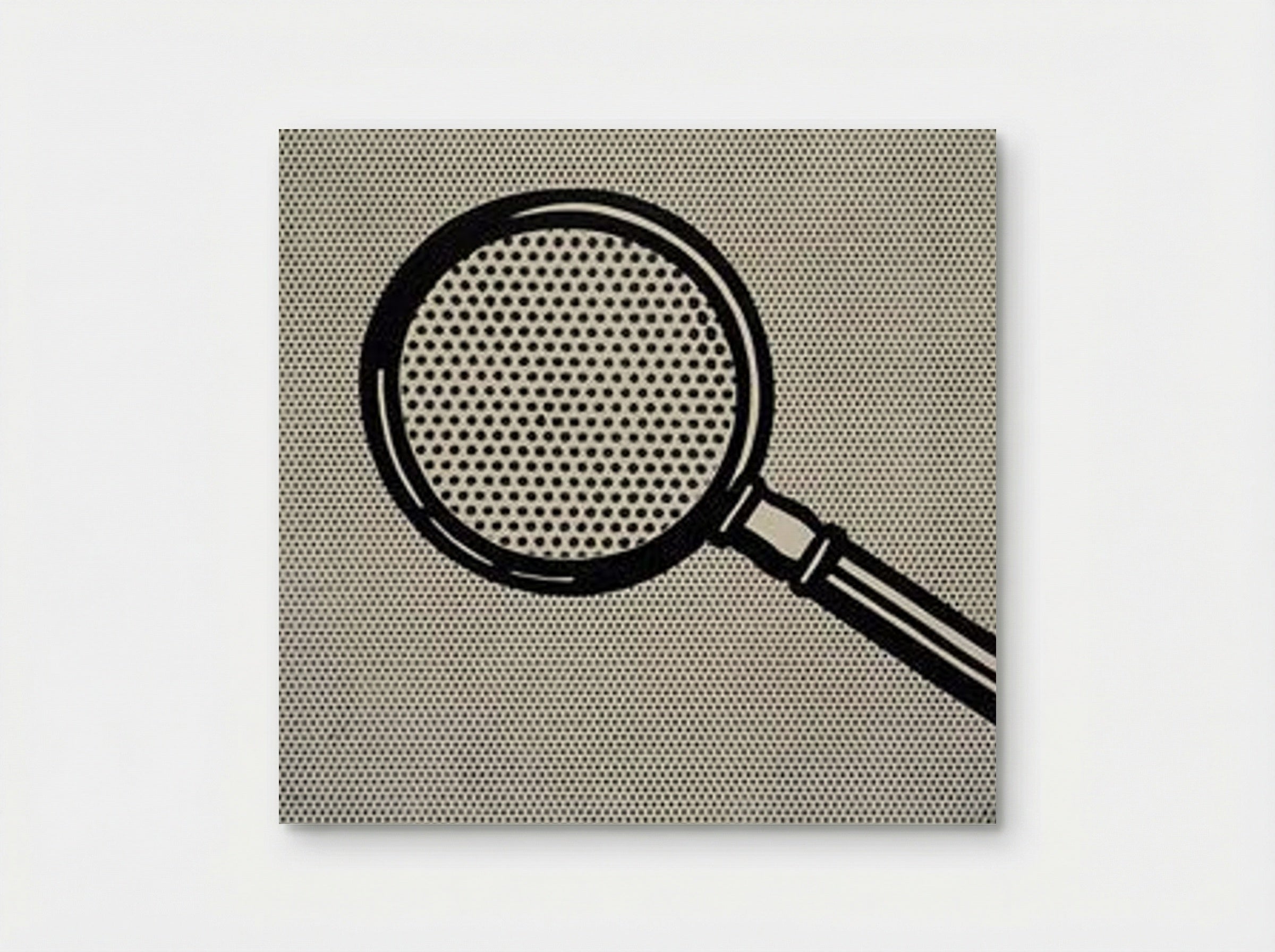 Magnifying Glass - Roy Lichtenstein
Print
Regulärer Preis Ab £37.00 GBPAngebotspreis Ab £37.00 GBP Regulärer Preis -
 Ruinen - Roy Lichtenstein
Print
Regulärer Preis Ab £37.00 GBPAngebotspreis Ab £37.00 GBP Regulärer Preis -
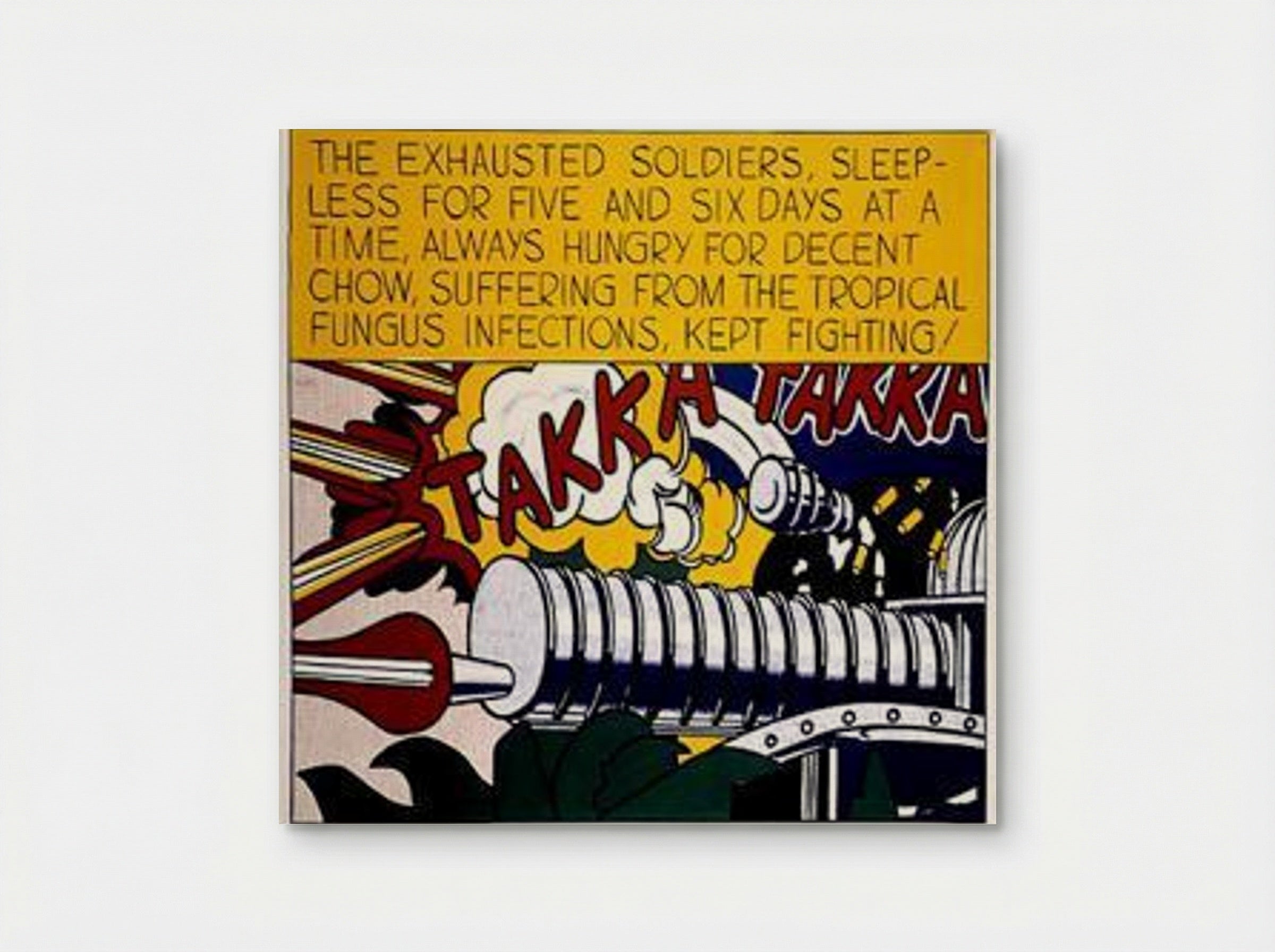 Takka Takka – Roy Lichtenstein
Print
Regulärer Preis Ab £37.00 GBPAngebotspreis Ab £37.00 GBP Regulärer Preis -
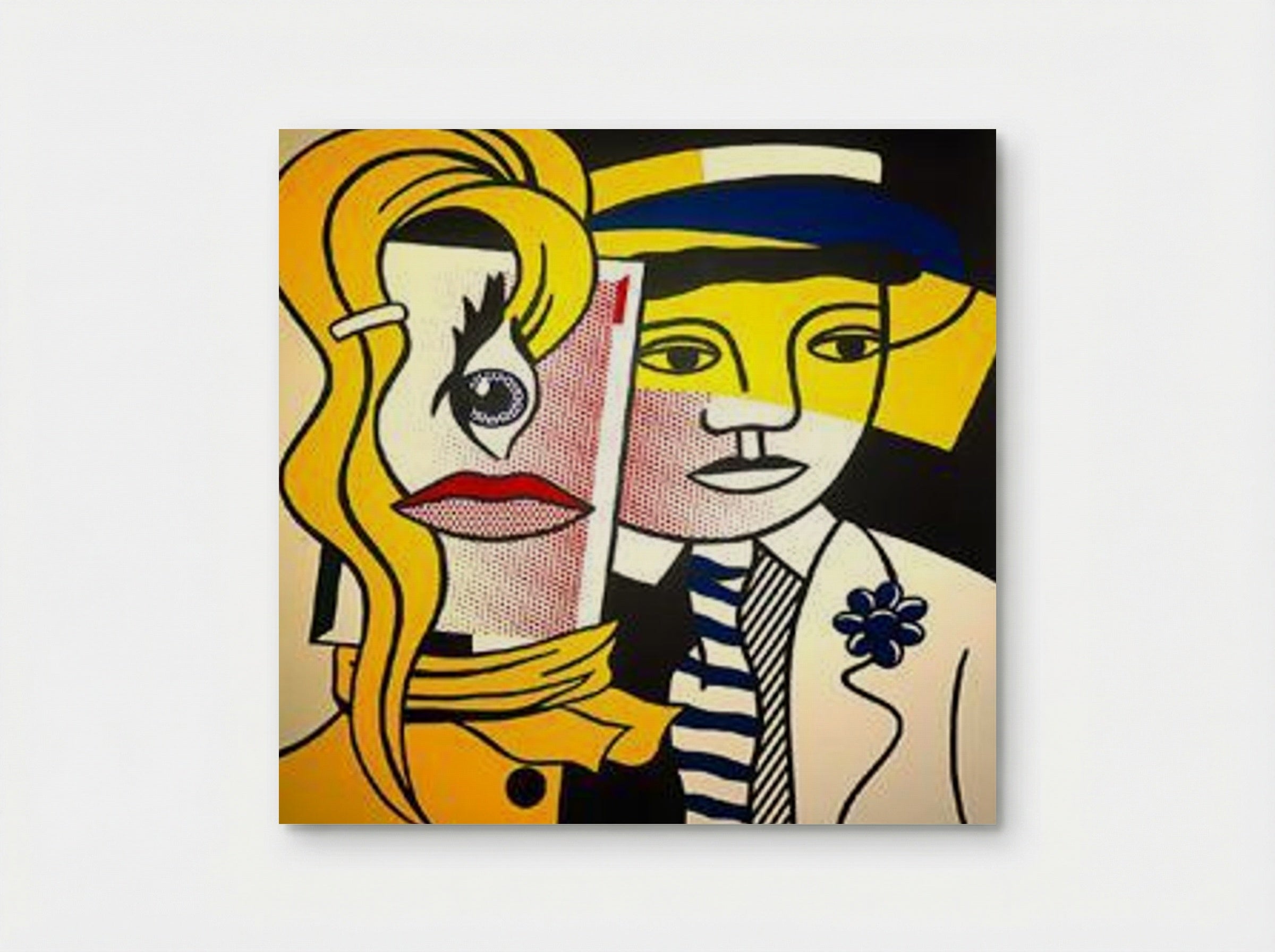 Stepping Out - Roy Lichtenstein
Print
Regulärer Preis Ab £37.00 GBPAngebotspreis Ab £37.00 GBP Regulärer Preis -
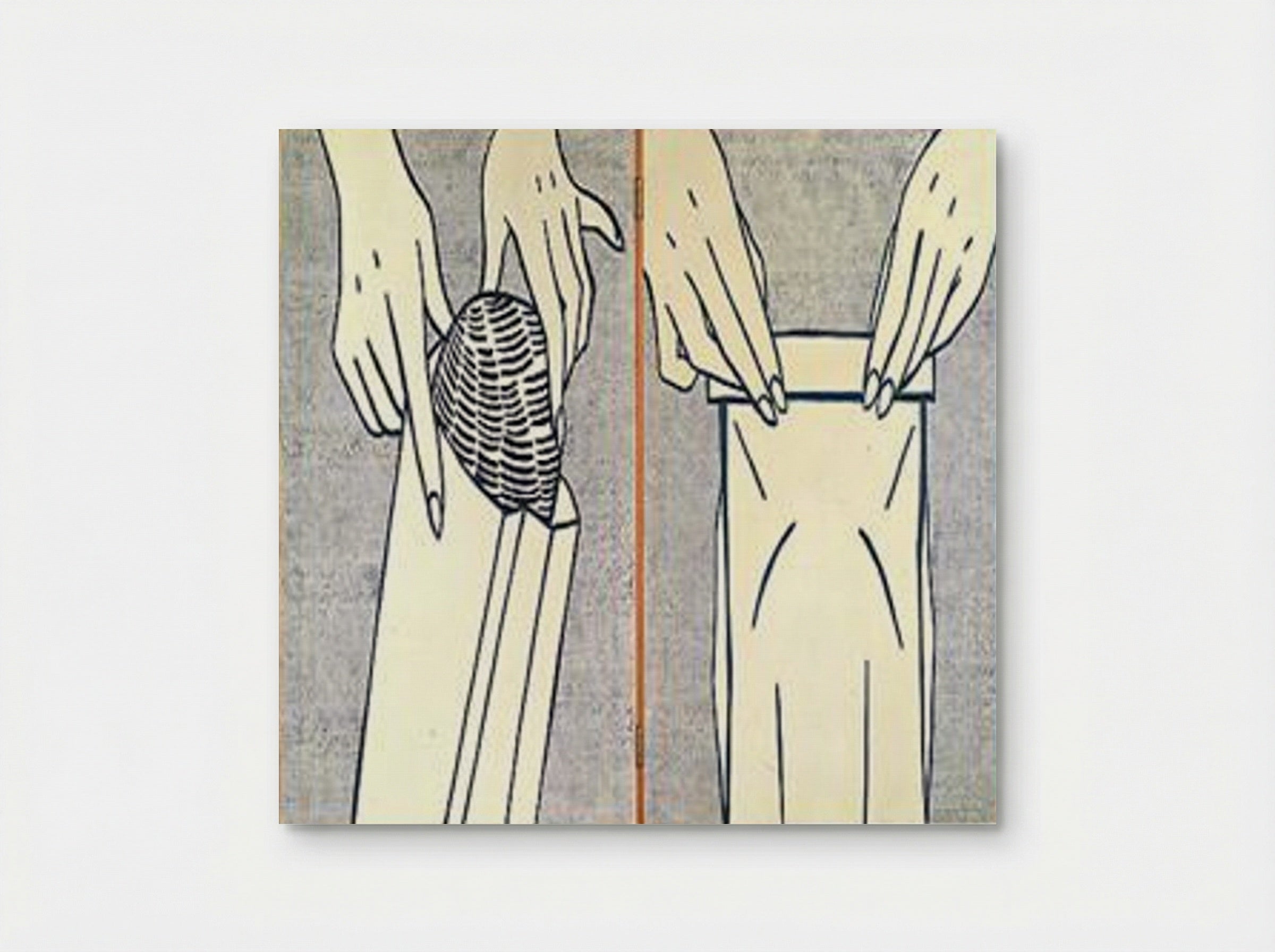 Brot in Tüte – Roy Lichtenstein
Print
Regulärer Preis Ab £37.00 GBPAngebotspreis Ab £37.00 GBP Regulärer Preis -
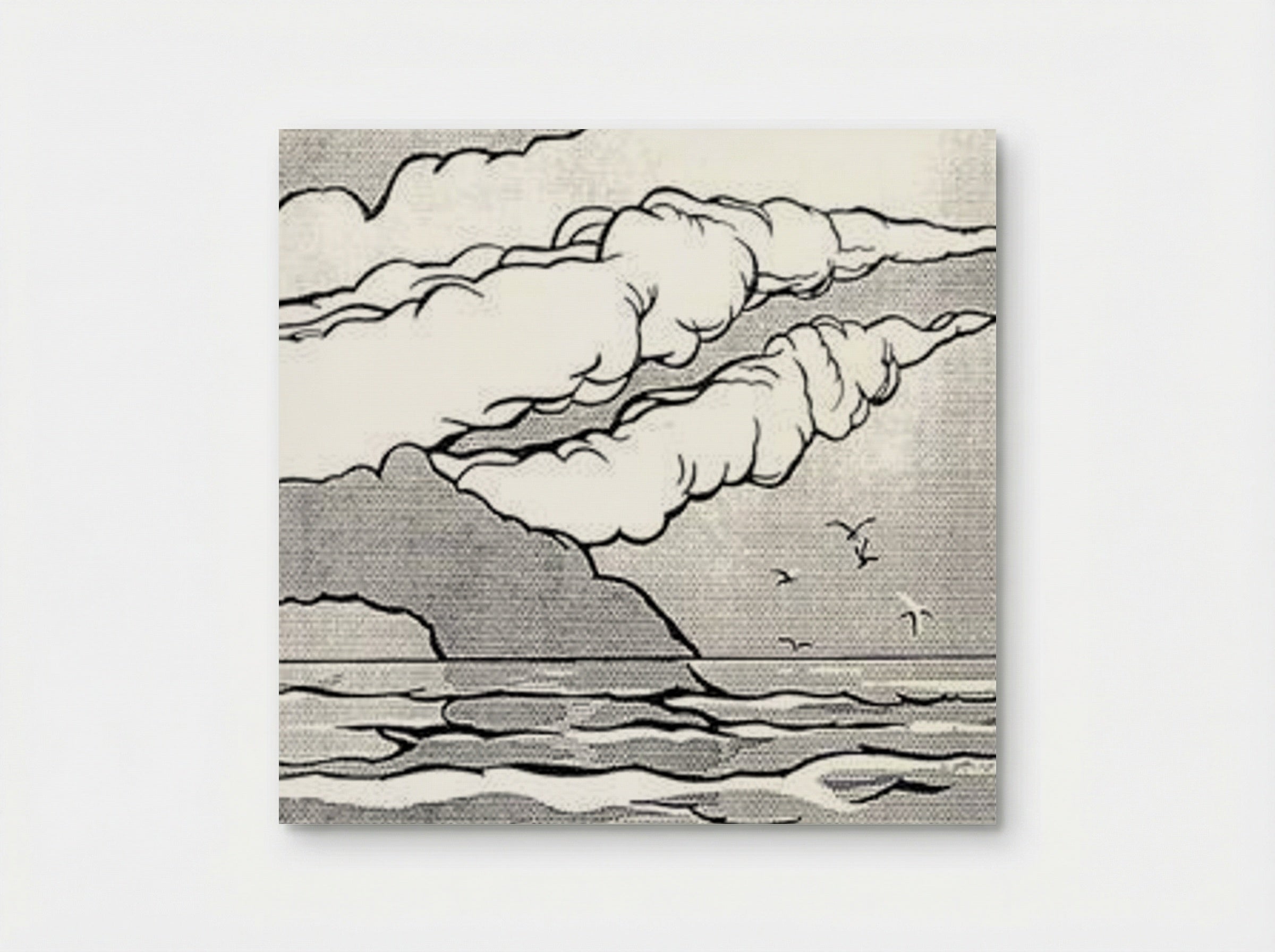 Möwenlandschaft - Roy Lichtenstein
Print
Regulärer Preis Ab £37.00 GBPAngebotspreis Ab £37.00 GBP Regulärer Preis -
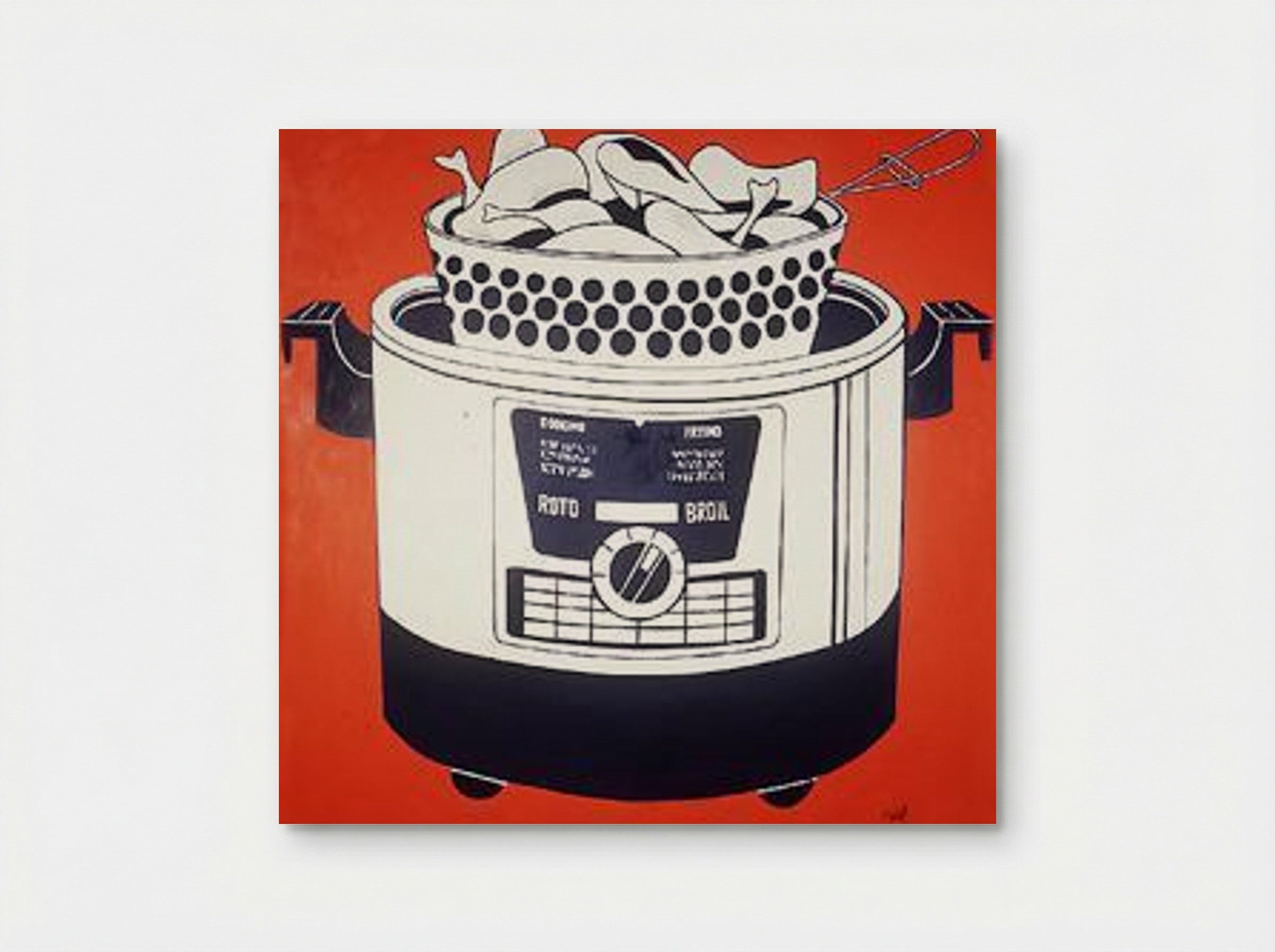 Roto Broil – Roy Lichtenstein
Print
Regulärer Preis Ab £37.00 GBPAngebotspreis Ab £37.00 GBP Regulärer Preis -
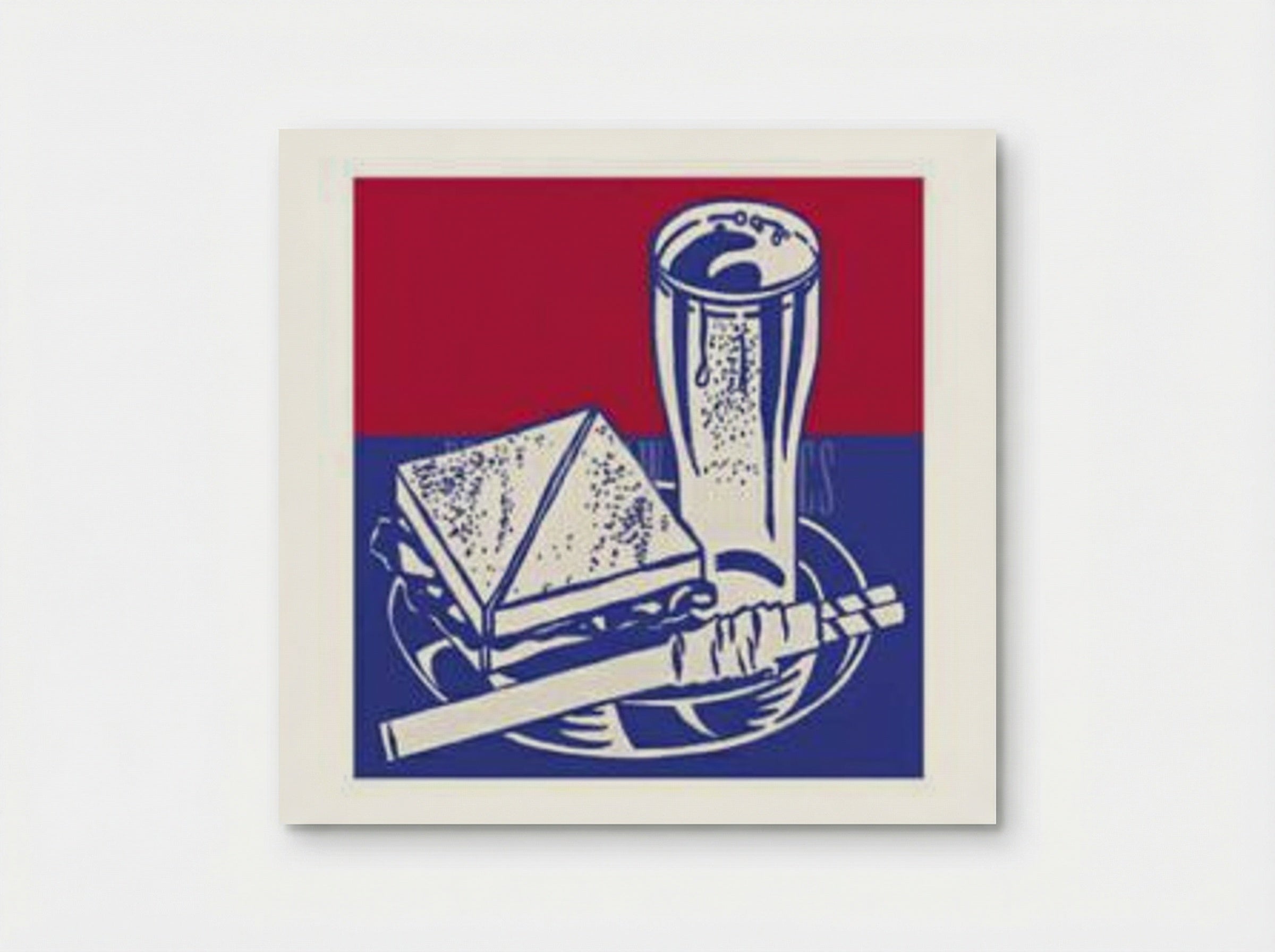 Sandwich and Soda – Roy Lichtenstein
Print
Regulärer Preis Ab £37.00 GBPAngebotspreis Ab £37.00 GBP Regulärer Preis -
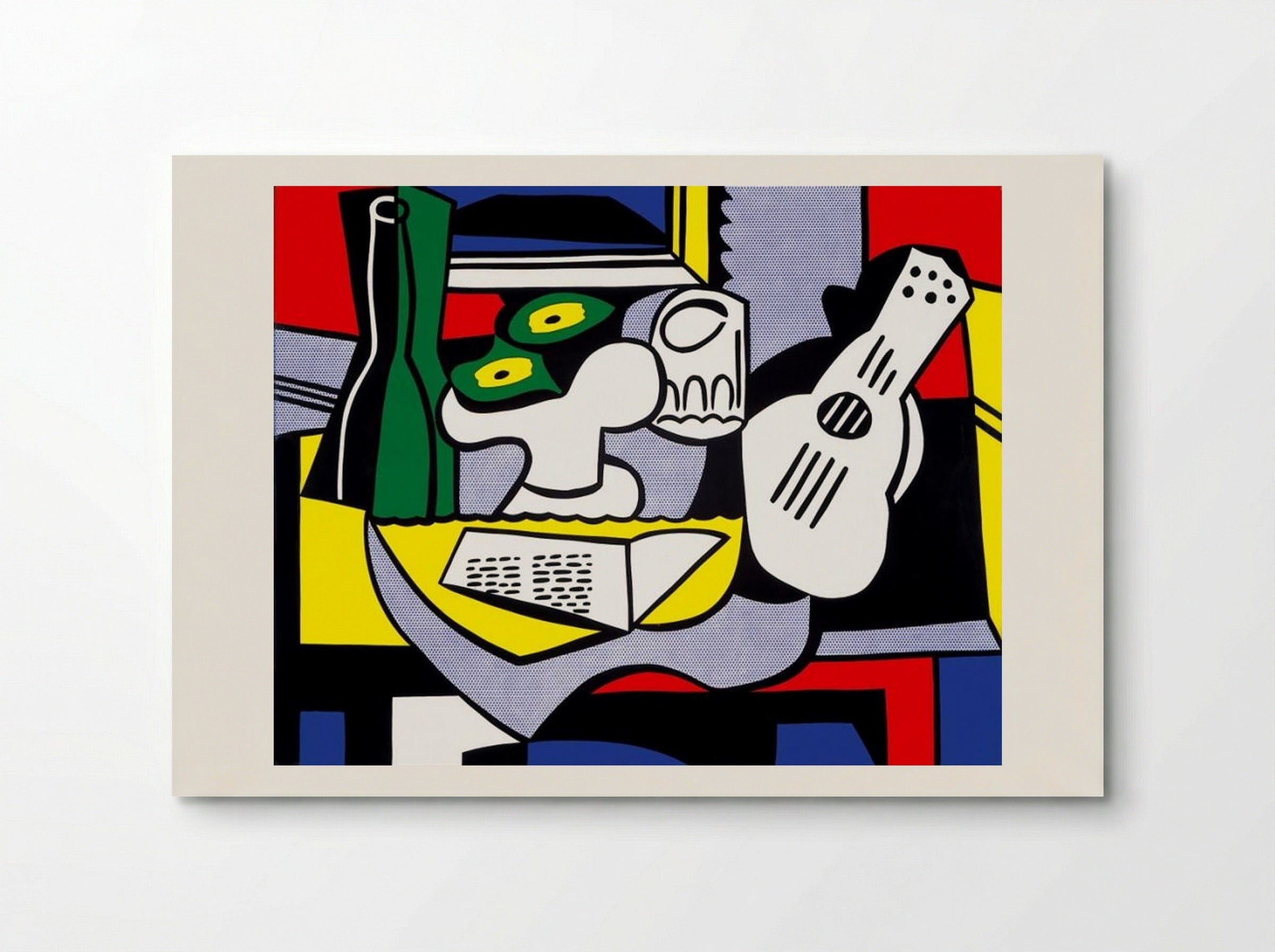
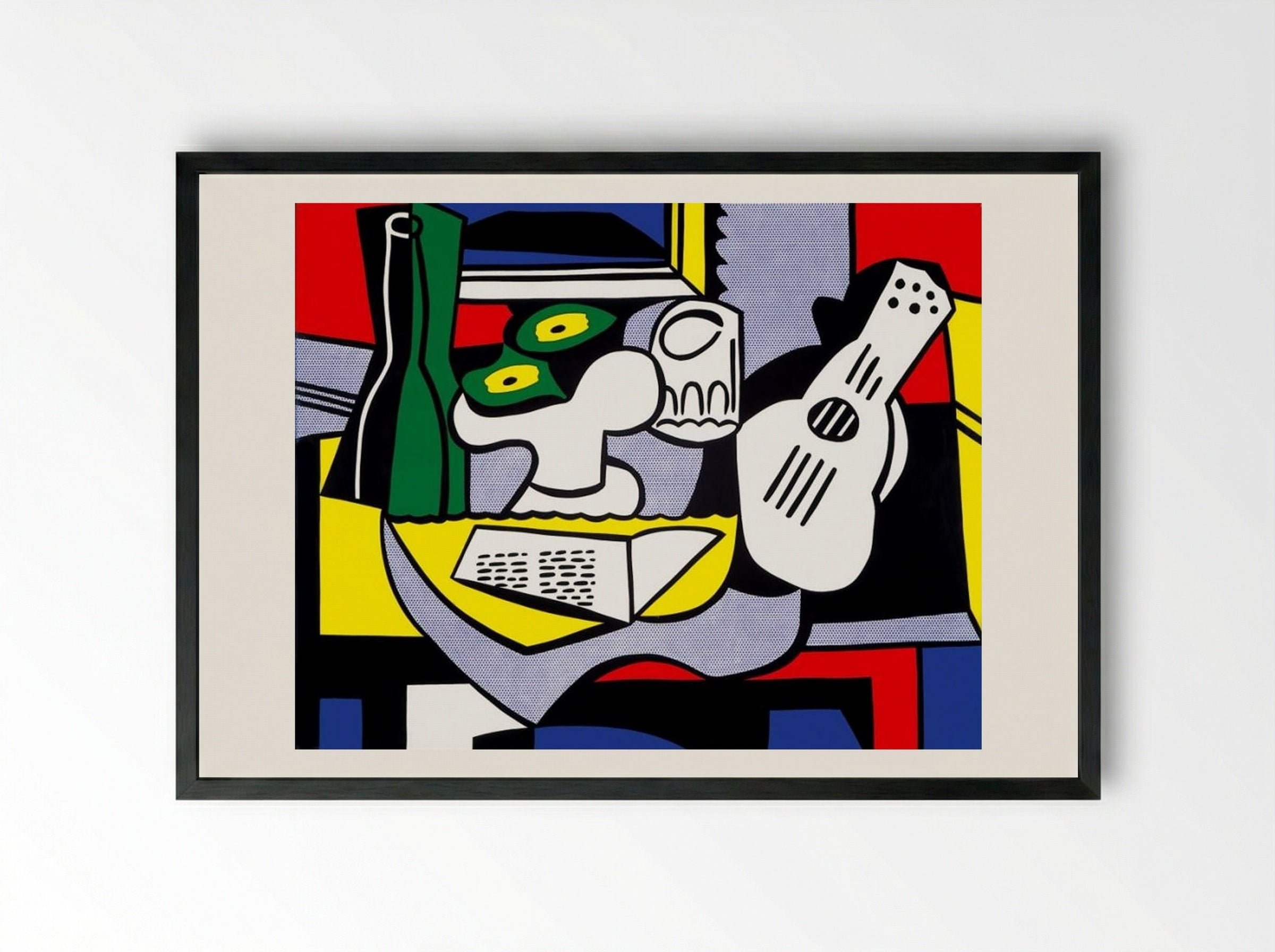 Stillleben nach Picasso - Roy Lichtenstein
Print · Framed
Regulärer Preis Ab £28.00 GBPAngebotspreis Ab £28.00 GBP Regulärer Preis


Artist Biography
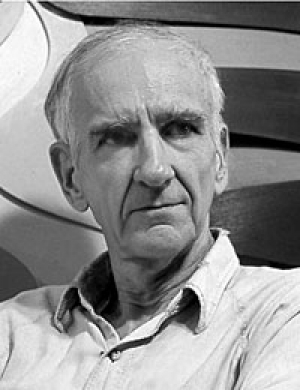
Roy Lichtenstein
Lichtenstein painted a Mickey Mouse for his children and one of them said 'I bet you can't paint as good as that.' He took the challenge literally. By 1961 he was making paintings that looked like enlarged comic book panels: thick black outlines, flat primary colours, Ben-Day dots visible as if through a printer's magnifying glass. The art world had no idea what to make of them.
He was not young when this happened. He was thirty-eight, teaching art at Rutgers University, and had spent the previous decade painting Abstract Expressionist canvases that looked like everyone else's. The comic paintings were a deliberate rejection of the idea that art had to show the artist's inner emotional state. They showed Donald Duck instead.
Leo Castelli gave him his first show in 1962. Every painting sold before the exhibition opened. The speed was unusual. Warhol was doing similar things with soup cans and Coca-Cola bottles, but Lichtenstein's method was different: he hand-painted everything to look mechanically reproduced. The Ben-Day dots were applied through a stencil. The lines were drawn with a projector and then painted by hand. The process was laborious and precise, which was the joke: meticulous craftsmanship in the service of something that was supposed to look cheap.
He moved beyond comics into landscapes, brushstrokes (paintings of brushstrokes), Chinese landscapes, interiors, and nudes, all in the same flat, graphic style. The Brushstroke series, where he painted enormous images of painterly brushstrokes in the same deadpan comic-book technique, annoyed Abstract Expressionists specifically and delighted everyone else.
He was not young when this happened. He was thirty-eight, teaching art at Rutgers University, and had spent the previous decade painting Abstract Expressionist canvases that looked like everyone else's. The comic paintings were a deliberate rejection of the idea that art had to show the artist's inner emotional state. They showed Donald Duck instead.
Leo Castelli gave him his first show in 1962. Every painting sold before the exhibition opened. The speed was unusual. Warhol was doing similar things with soup cans and Coca-Cola bottles, but Lichtenstein's method was different: he hand-painted everything to look mechanically reproduced. The Ben-Day dots were applied through a stencil. The lines were drawn with a projector and then painted by hand. The process was laborious and precise, which was the joke: meticulous craftsmanship in the service of something that was supposed to look cheap.
He moved beyond comics into landscapes, brushstrokes (paintings of brushstrokes), Chinese landscapes, interiors, and nudes, all in the same flat, graphic style. The Brushstroke series, where he painted enormous images of painterly brushstrokes in the same deadpan comic-book technique, annoyed Abstract Expressionists specifically and delighted everyone else.
Related Artists

_%E2%80%93_LOC.jpg?width=800)


Warum uns wählen?