

Sammlung
Rene Magritte
Entdecken Sie kuratierte Kunstdrucke, ausgewählt für individuelle Wohnräume und durchdachte Interieurs.
Vorgeschlagene Filter
-
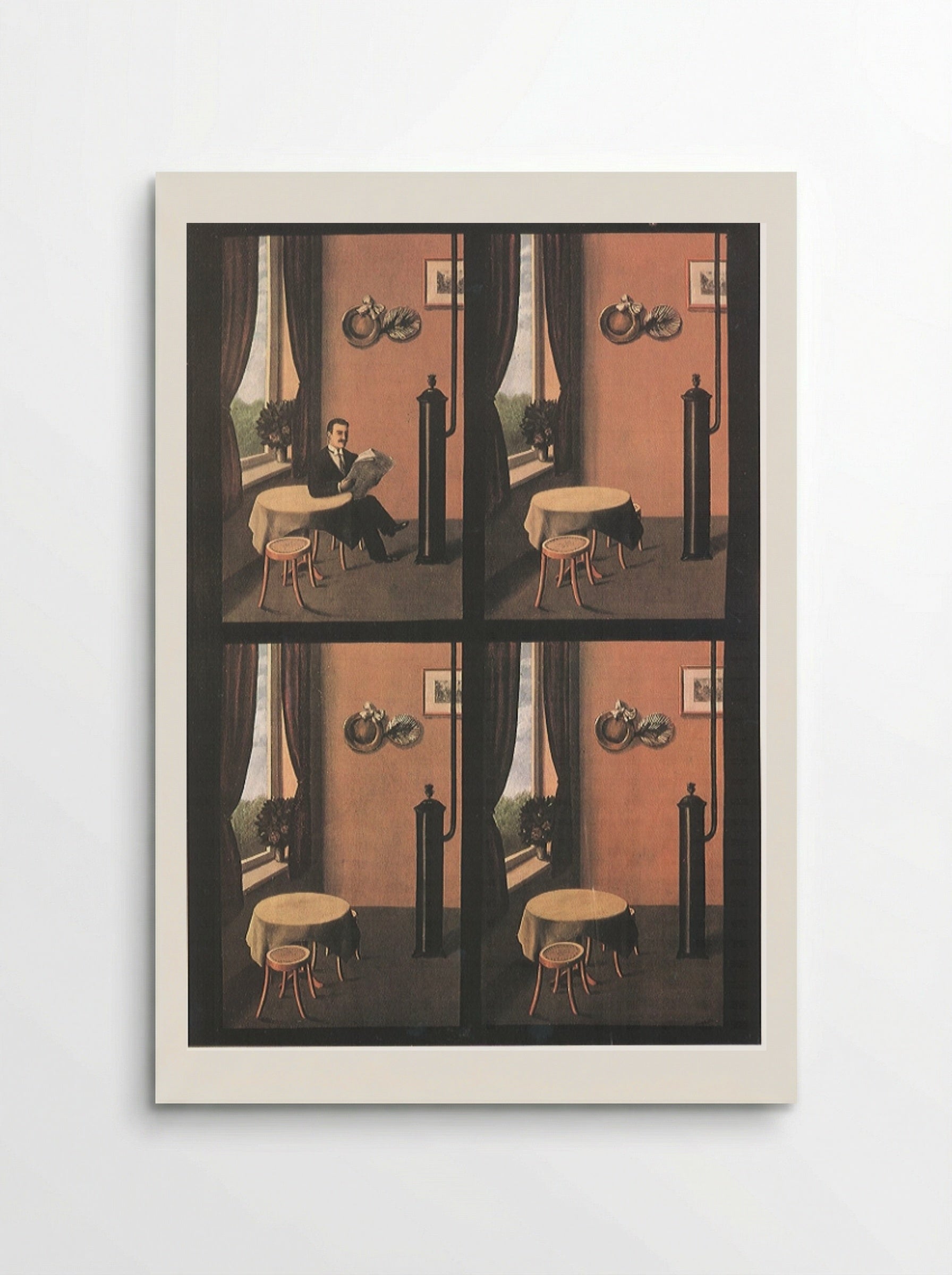
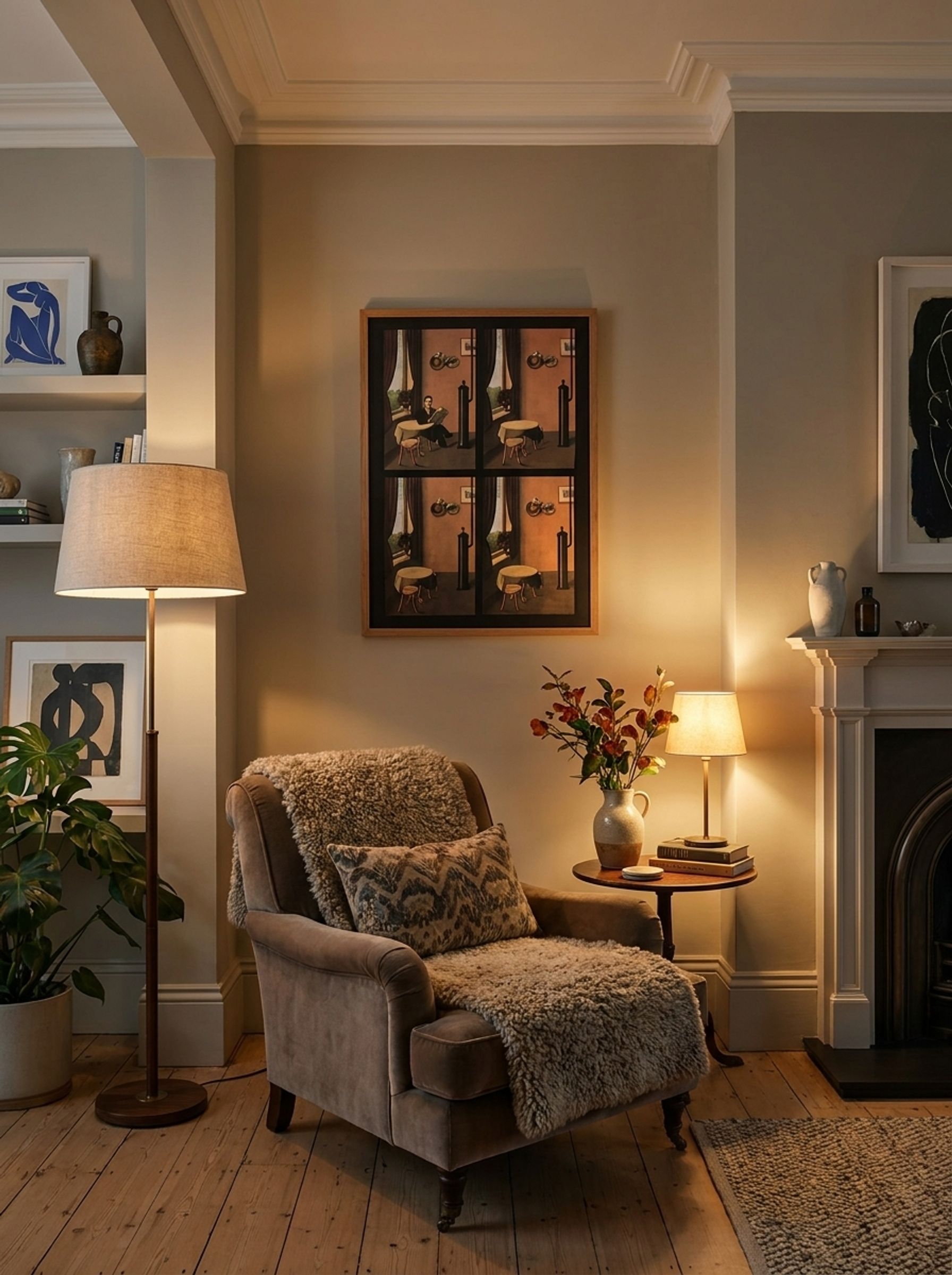 Die schwierige Überfahrt - René Magritte
Print · Framed
Regulärer Preis Ab £28.00 GBPAngebotspreis Ab £28.00 GBP Regulärer Preis -
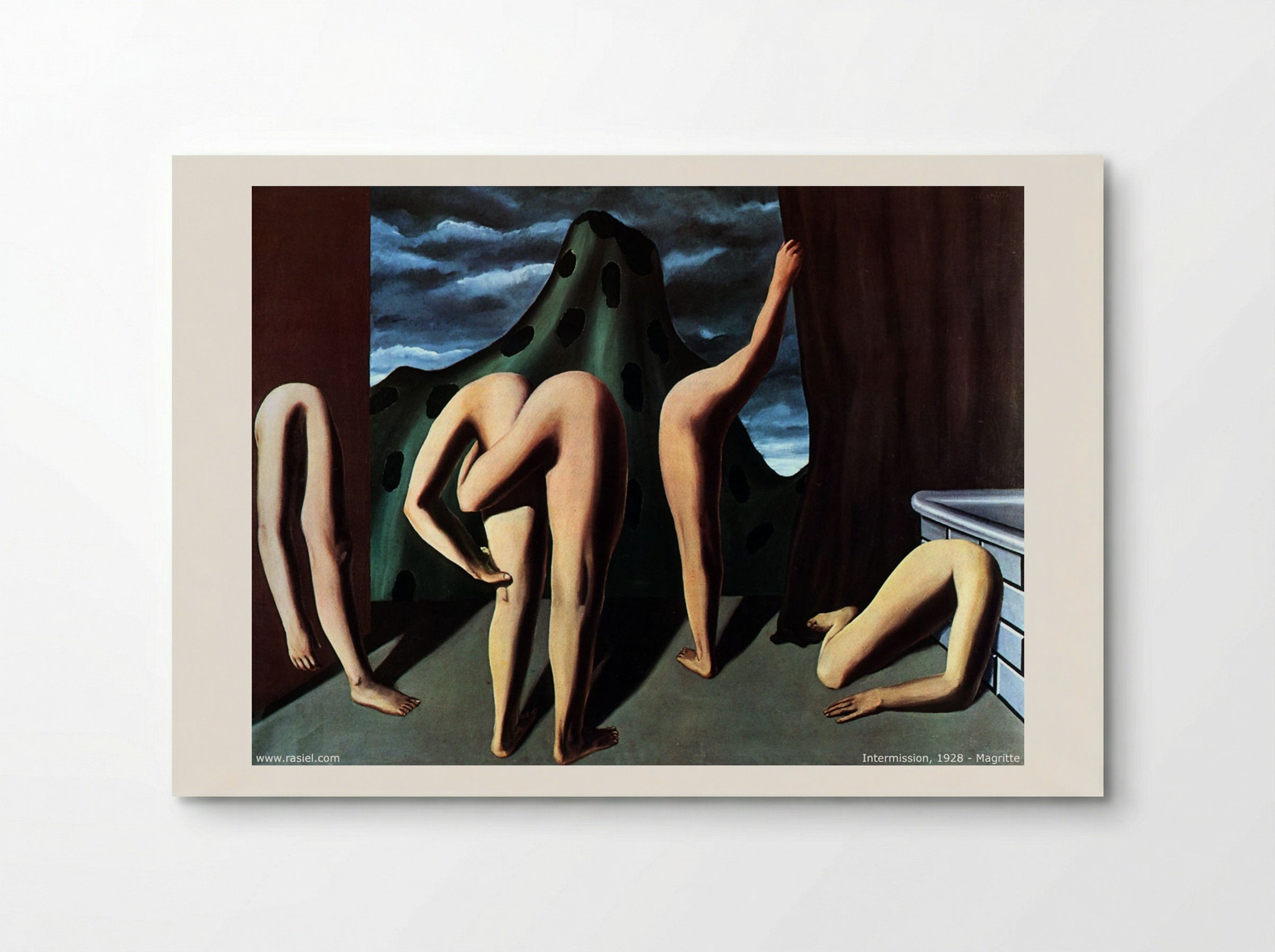
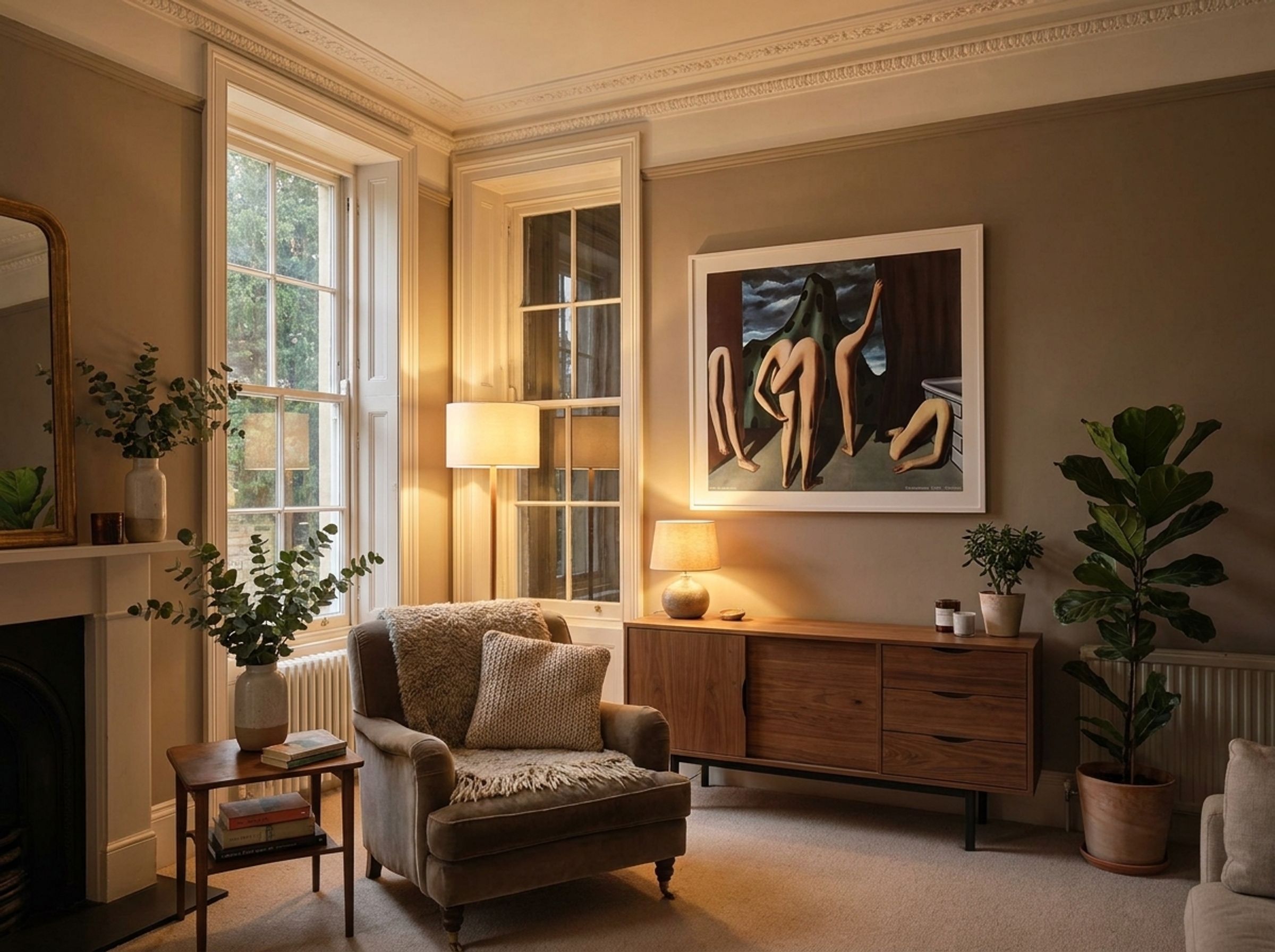 Intermission - René Magritte
Print · Framed
Regulärer Preis Ab £28.00 GBPAngebotspreis Ab £28.00 GBP Regulärer Preis -
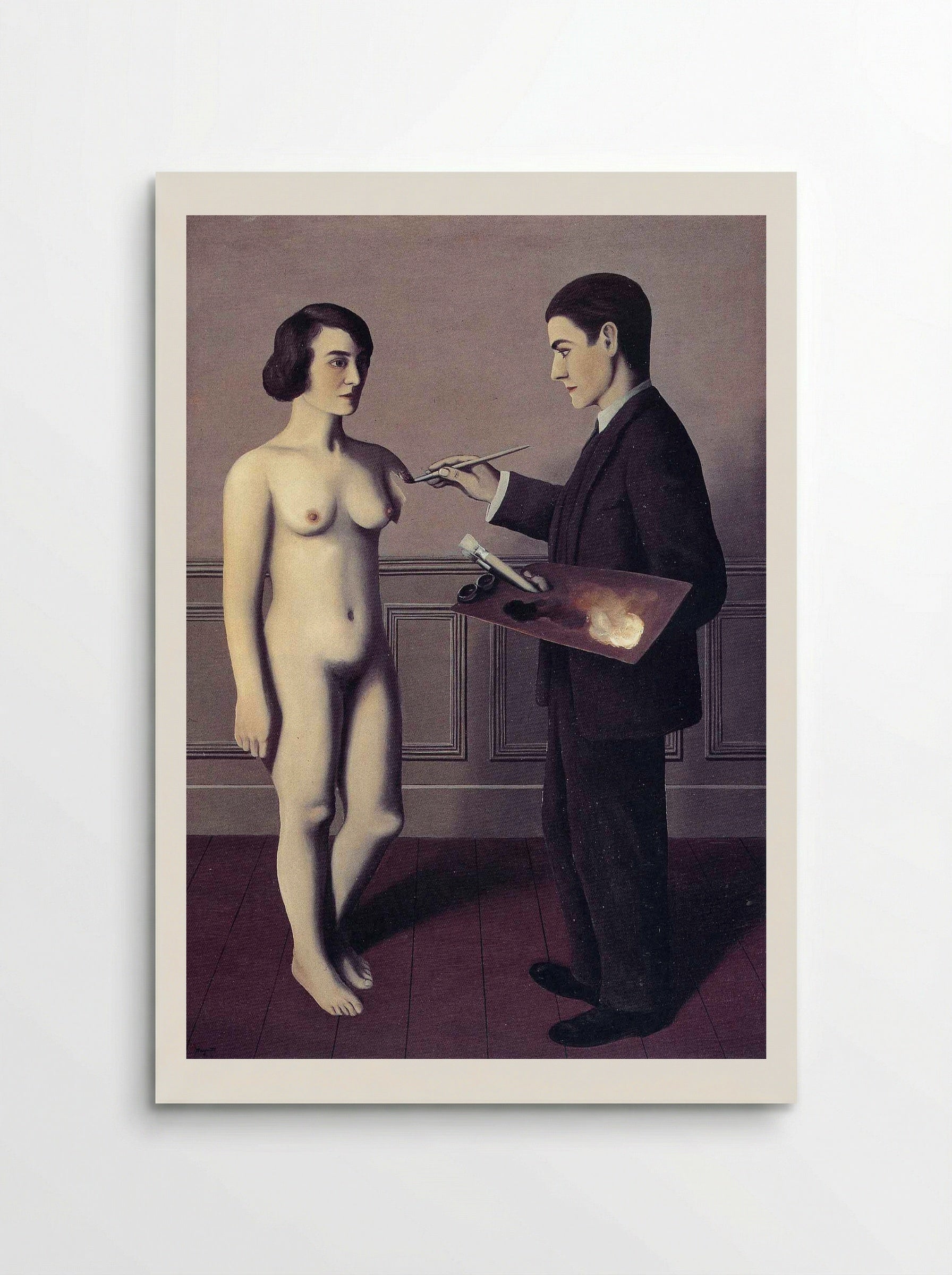
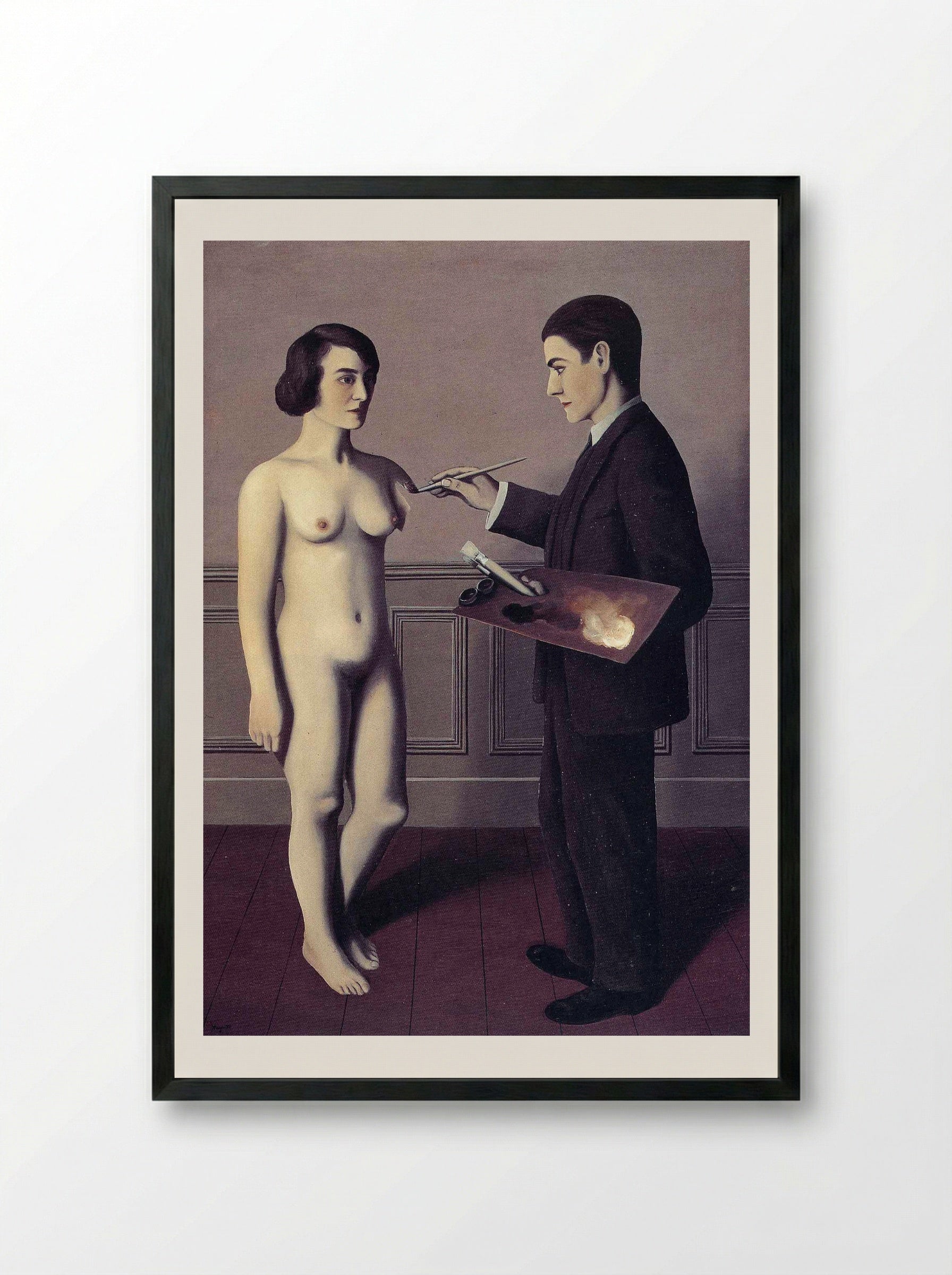 Das Unmögliche versuchen - René Magritte
Print · Framed
Regulärer Preis Ab £28.00 GBPAngebotspreis Ab £28.00 GBP Regulärer Preis -
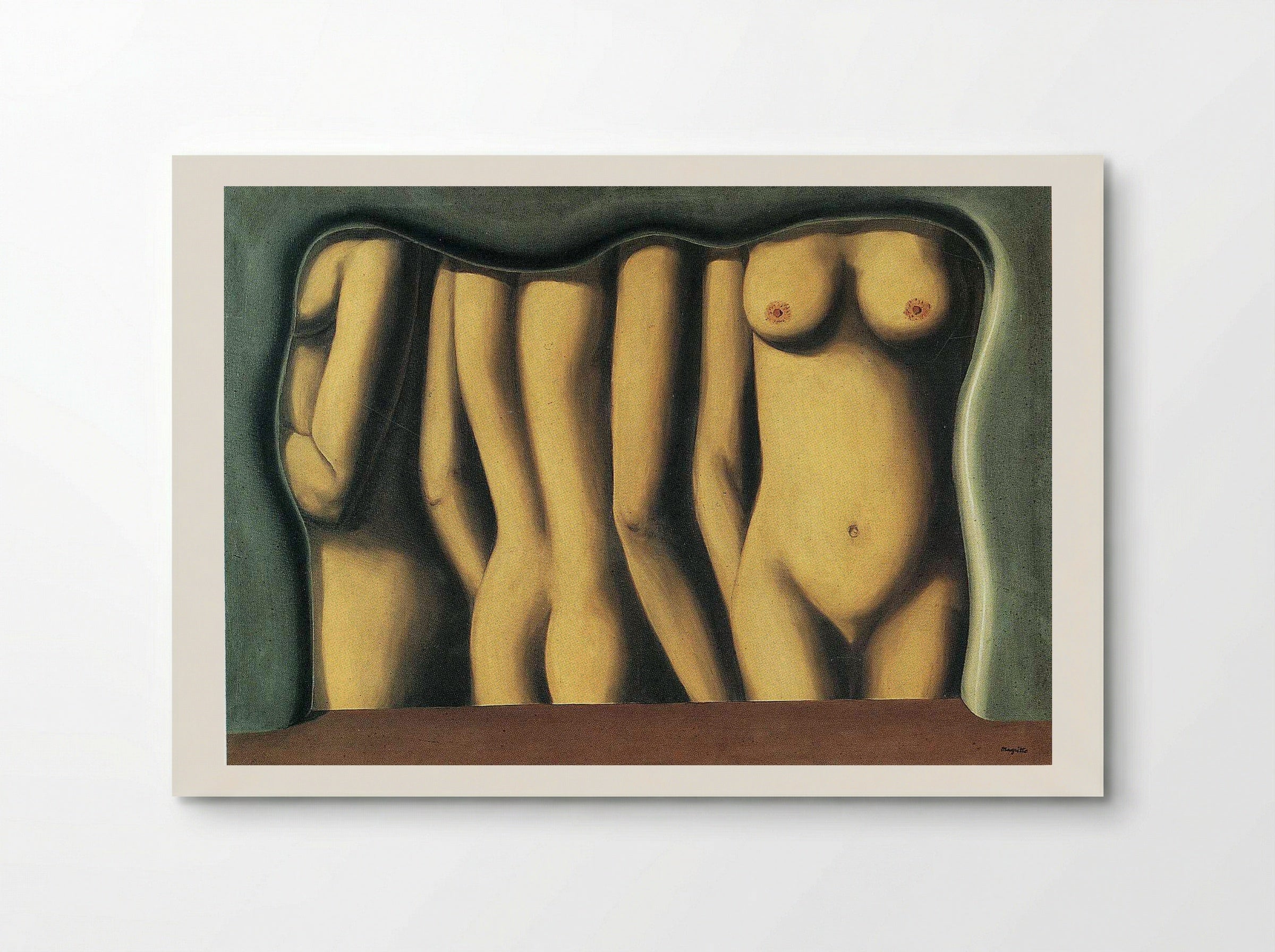
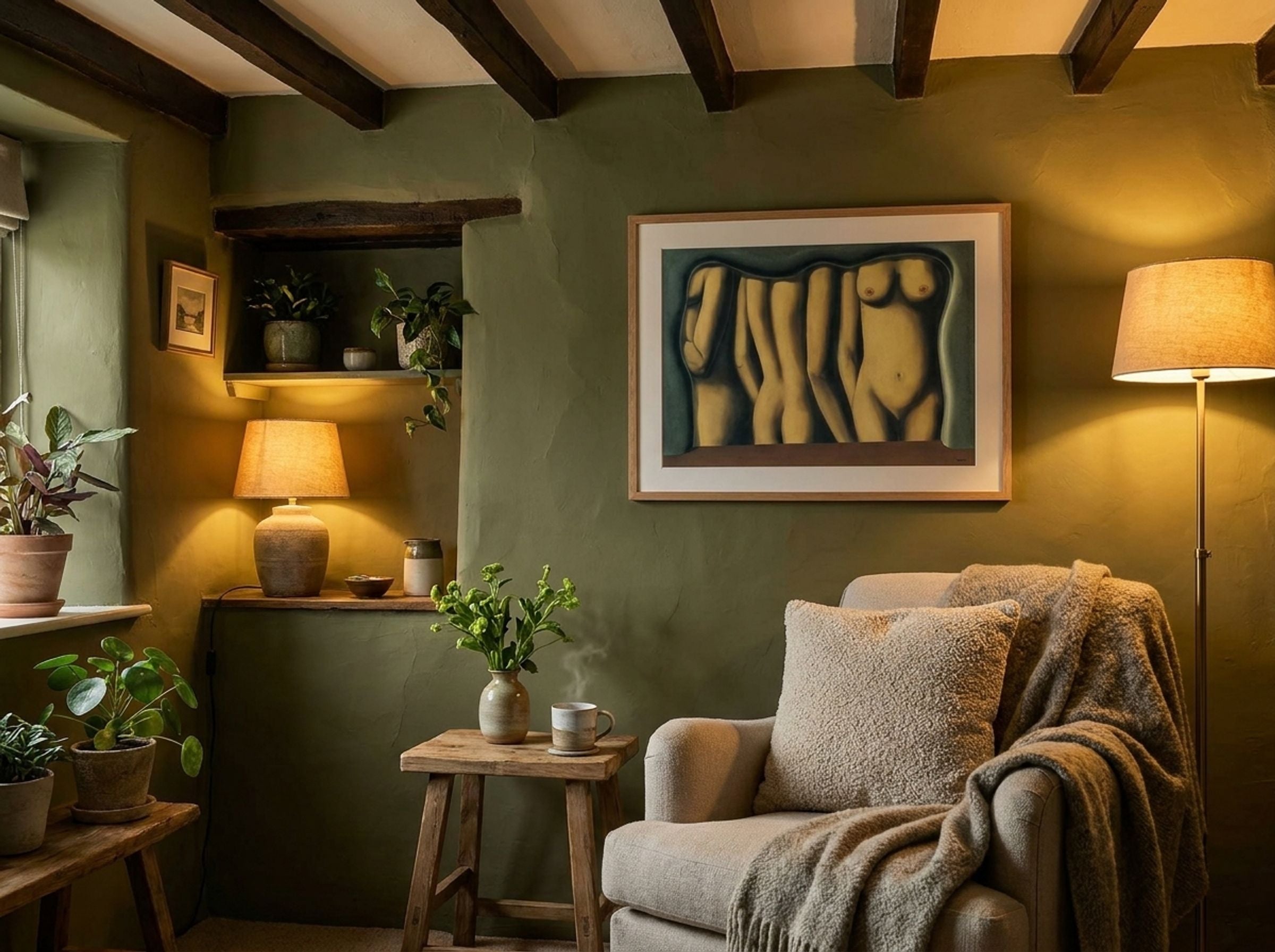 Die Anbetung des Raumes - René Magritte
Print · Framed
Regulärer Preis Ab £28.00 GBPAngebotspreis Ab £28.00 GBP Regulärer Preis -
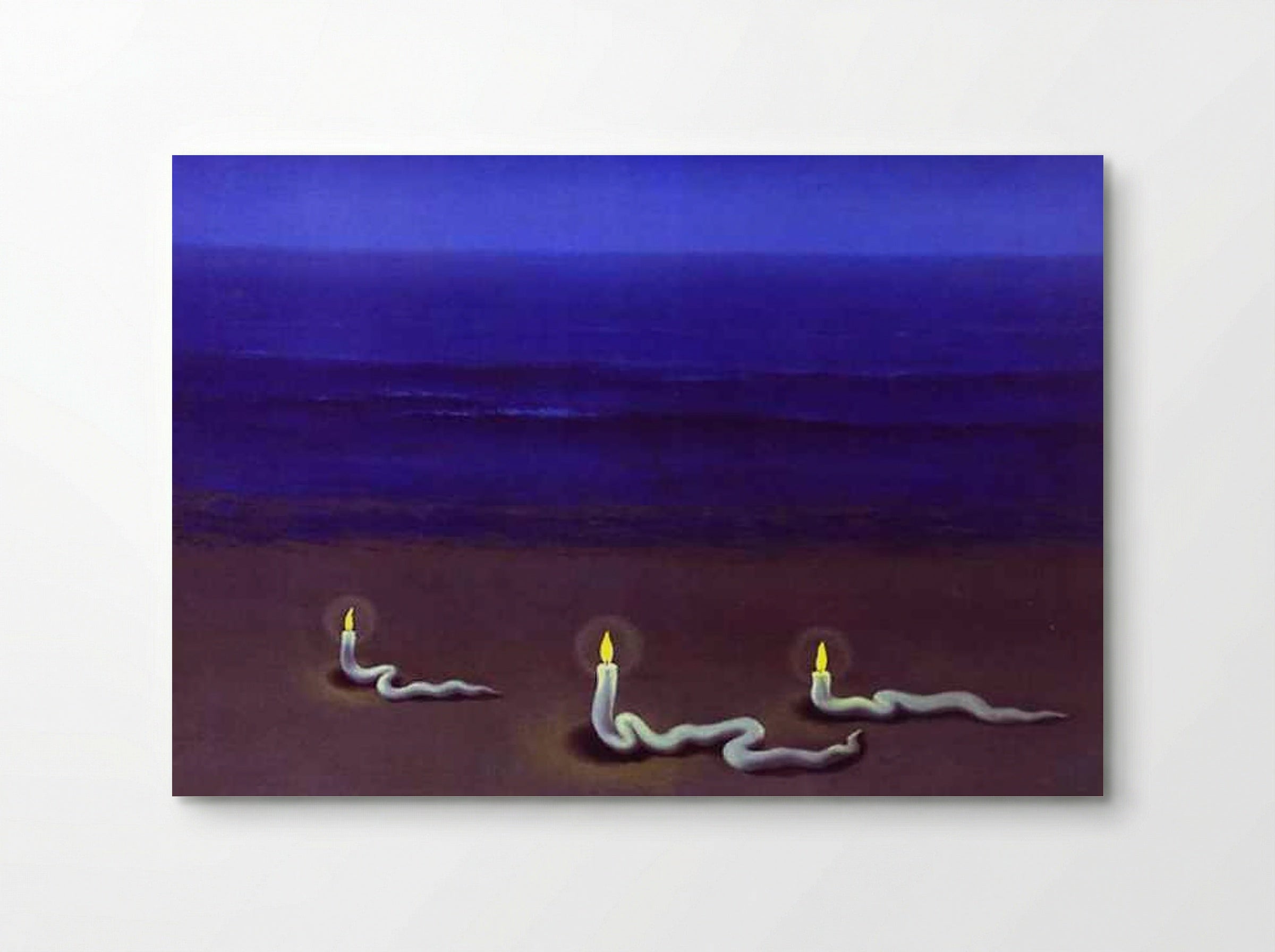
 Meditation - René Magritte
Print · Framed
Regulärer Preis Ab £28.00 GBPAngebotspreis Ab £28.00 GBP Regulärer Preis -
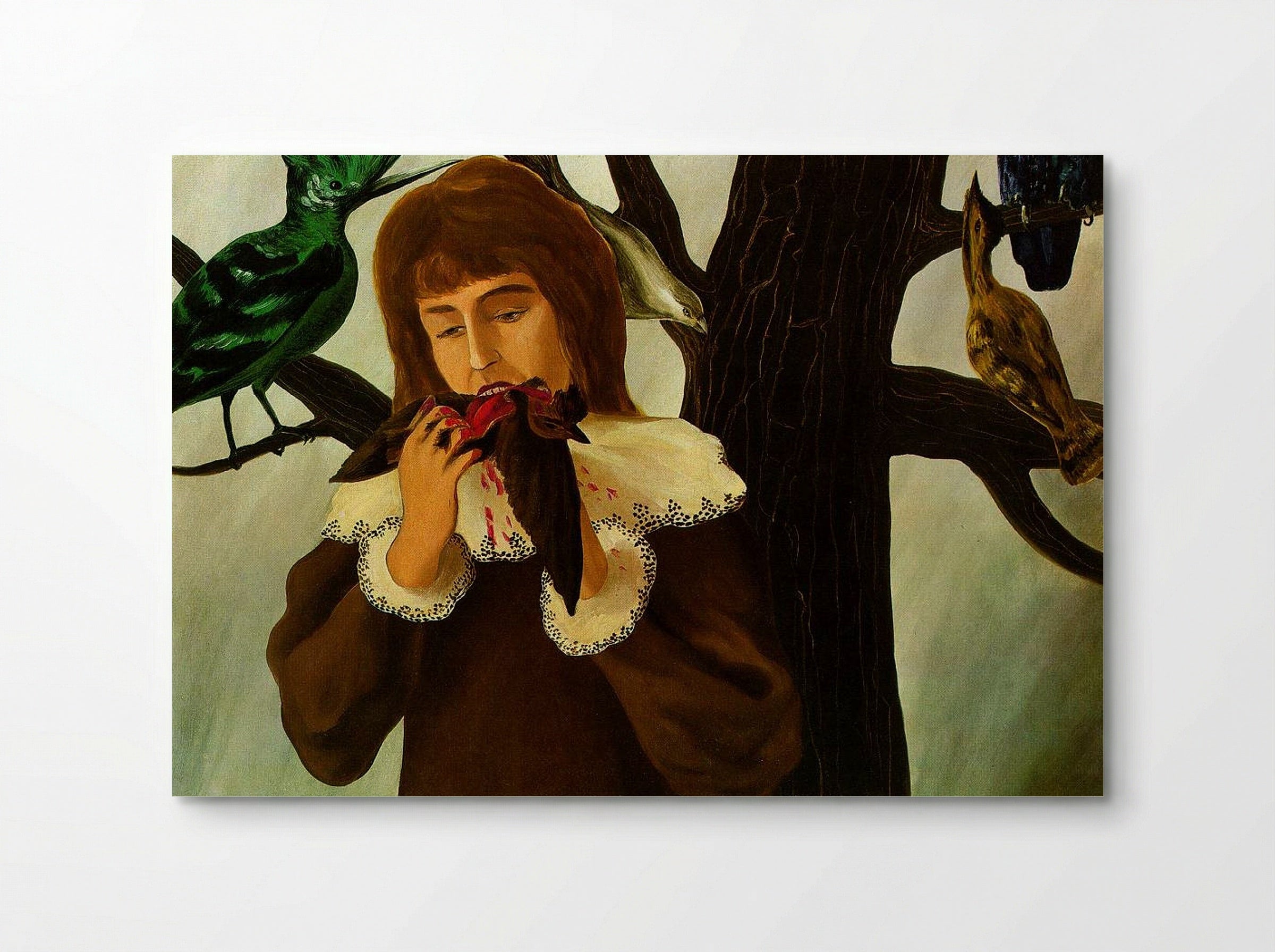
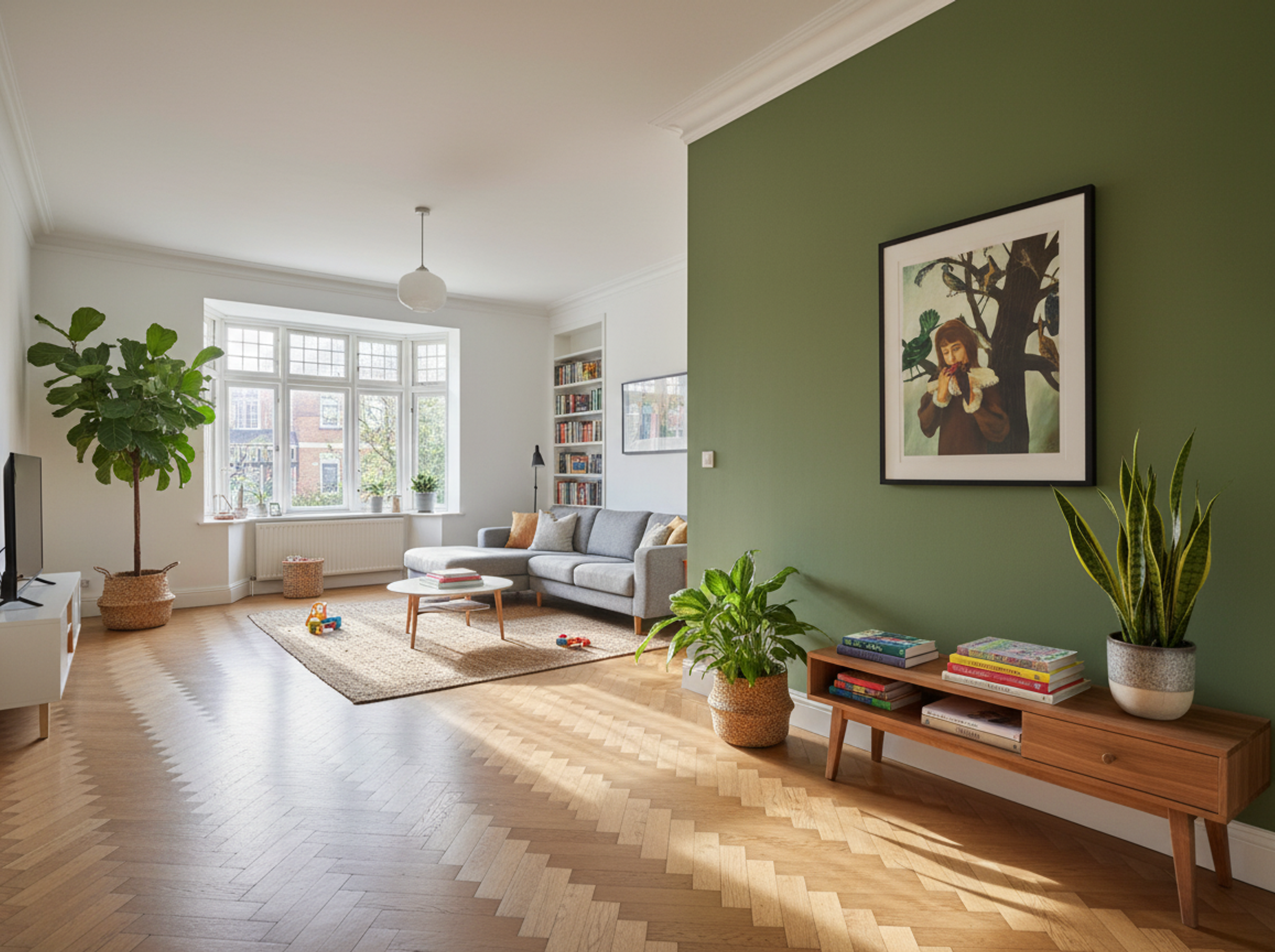 Junges Mädchen, einen Vogel essend (Der Genuss) - René Magritte
Print · Framed
Regulärer Preis Ab £28.00 GBPAngebotspreis Ab £28.00 GBP Regulärer Preis -
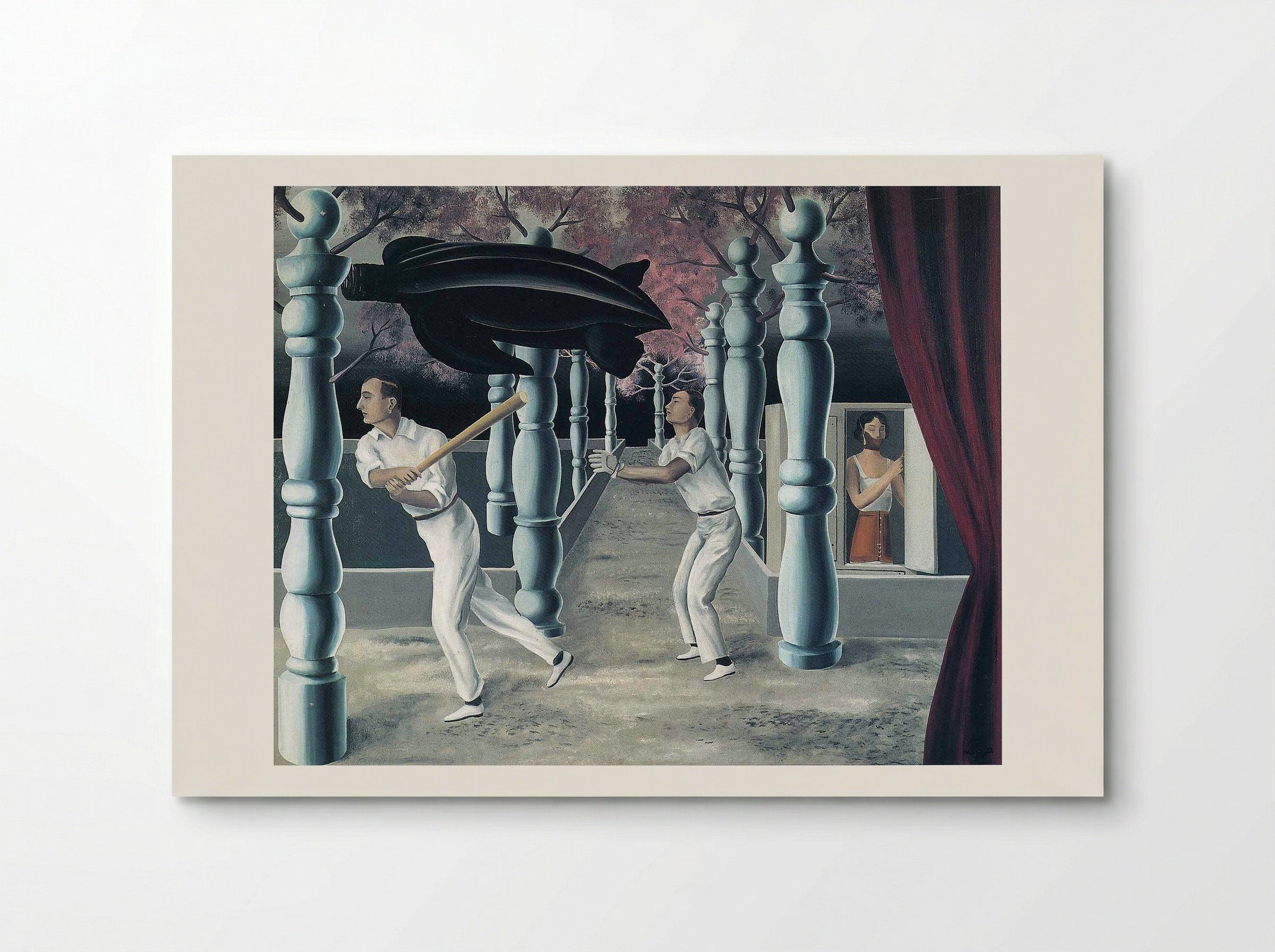
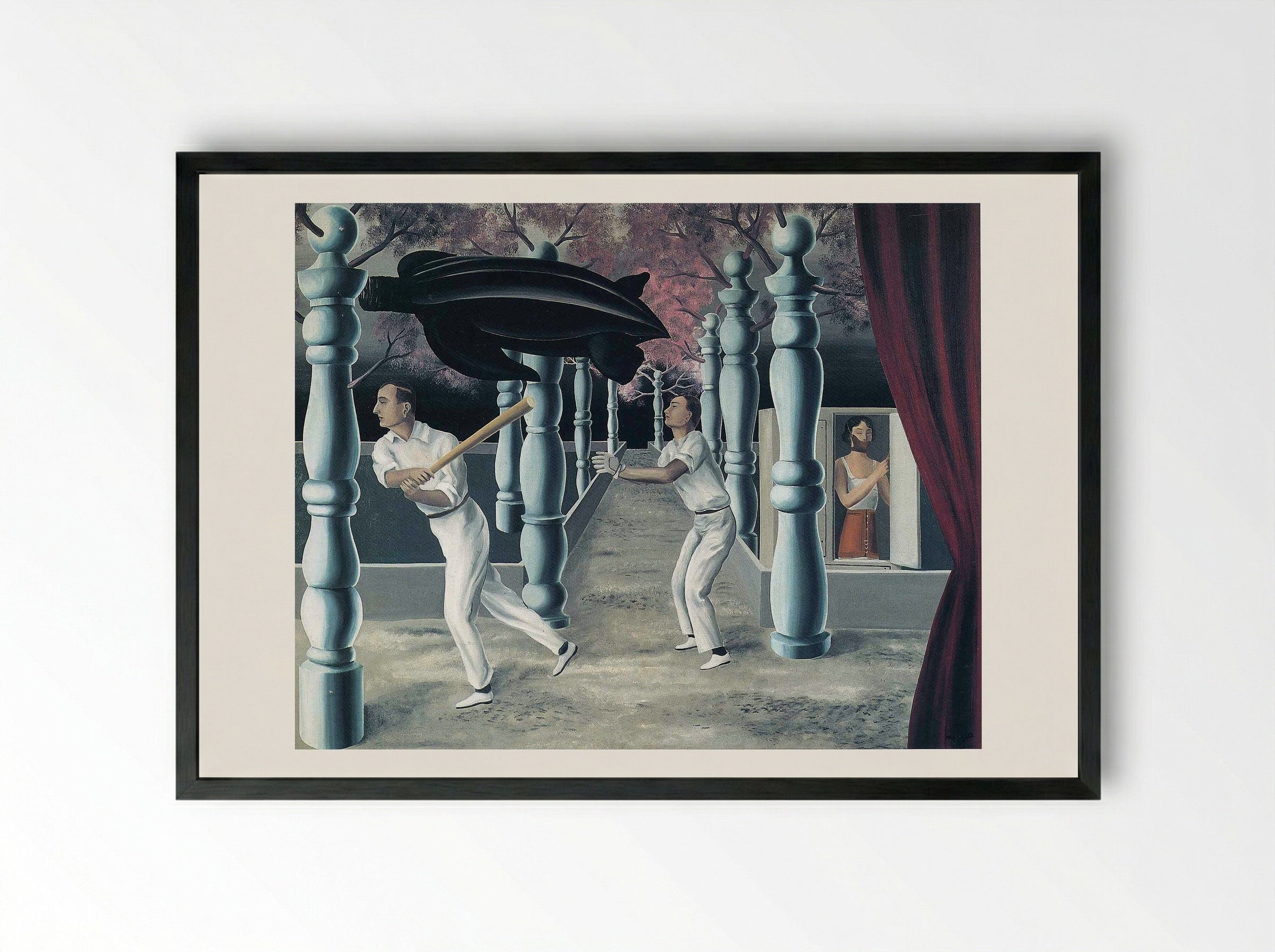 Der geheime Spieler - René Magritte
Print · Framed
Regulärer Preis Ab £28.00 GBPAngebotspreis Ab £28.00 GBP Regulärer Preis -
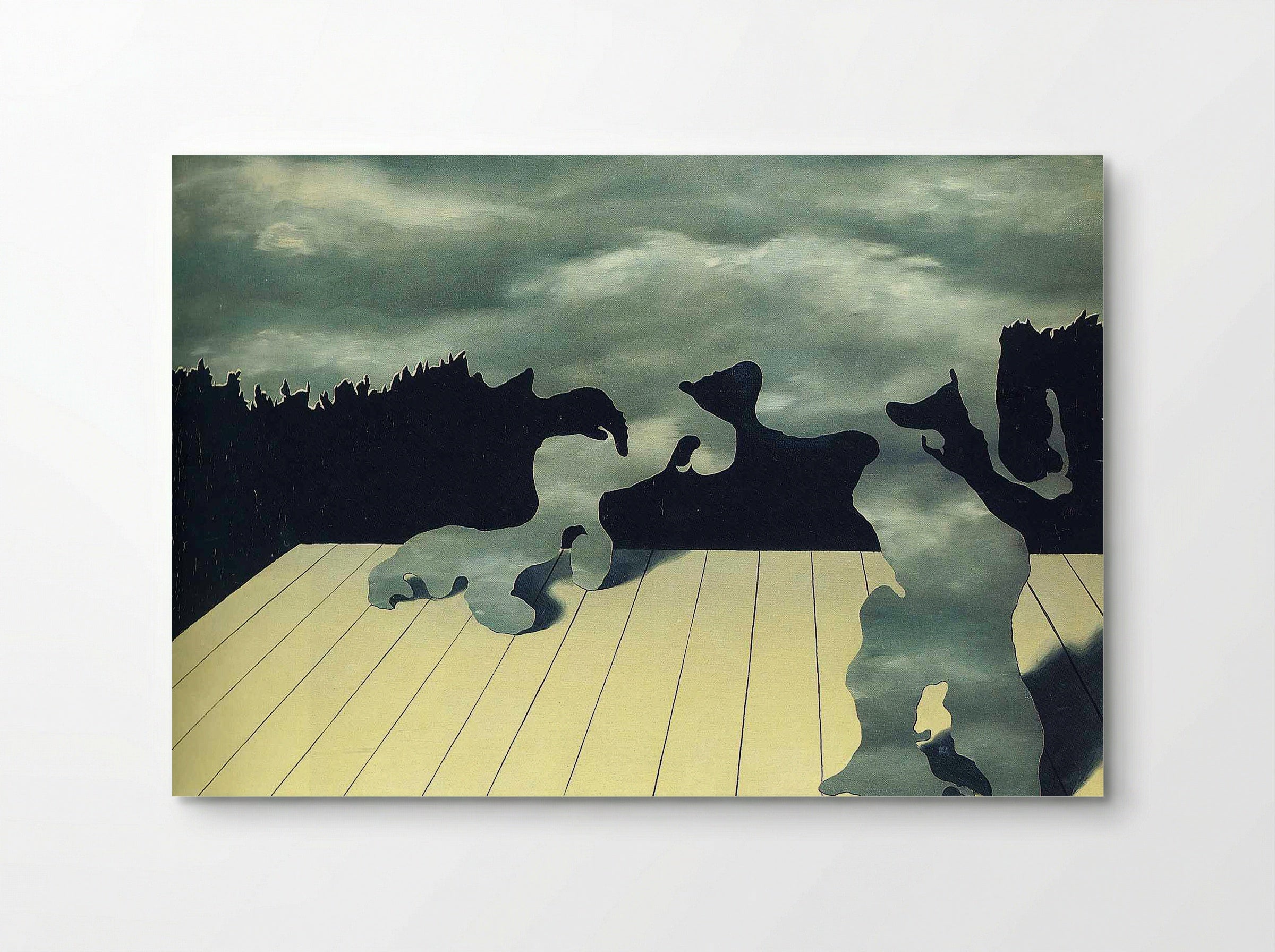
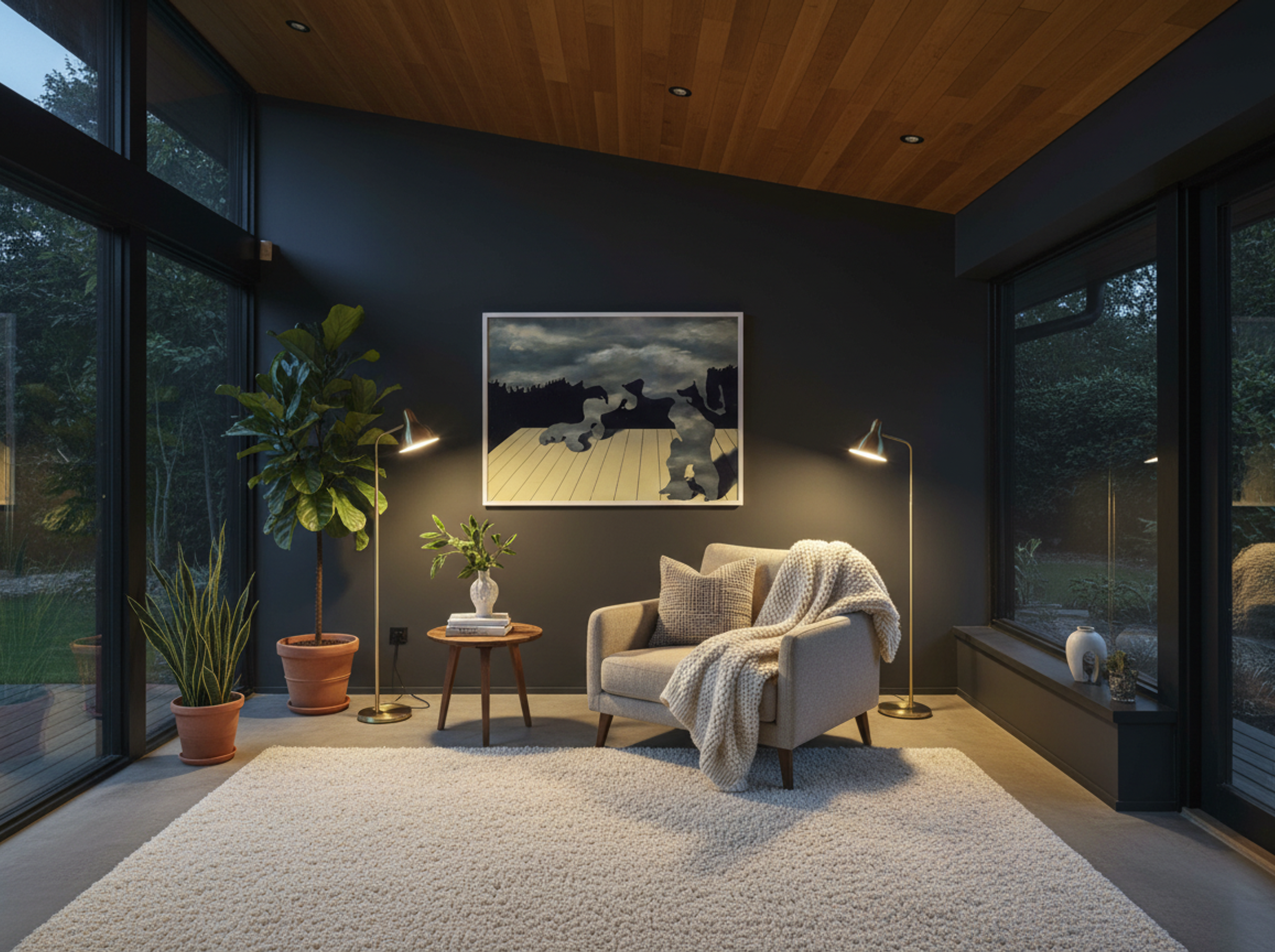 Die Muskeln des Himmels - René Magritte
Print · Framed
Regulärer Preis Ab £28.00 GBPAngebotspreis Ab £28.00 GBP Regulärer Preis -
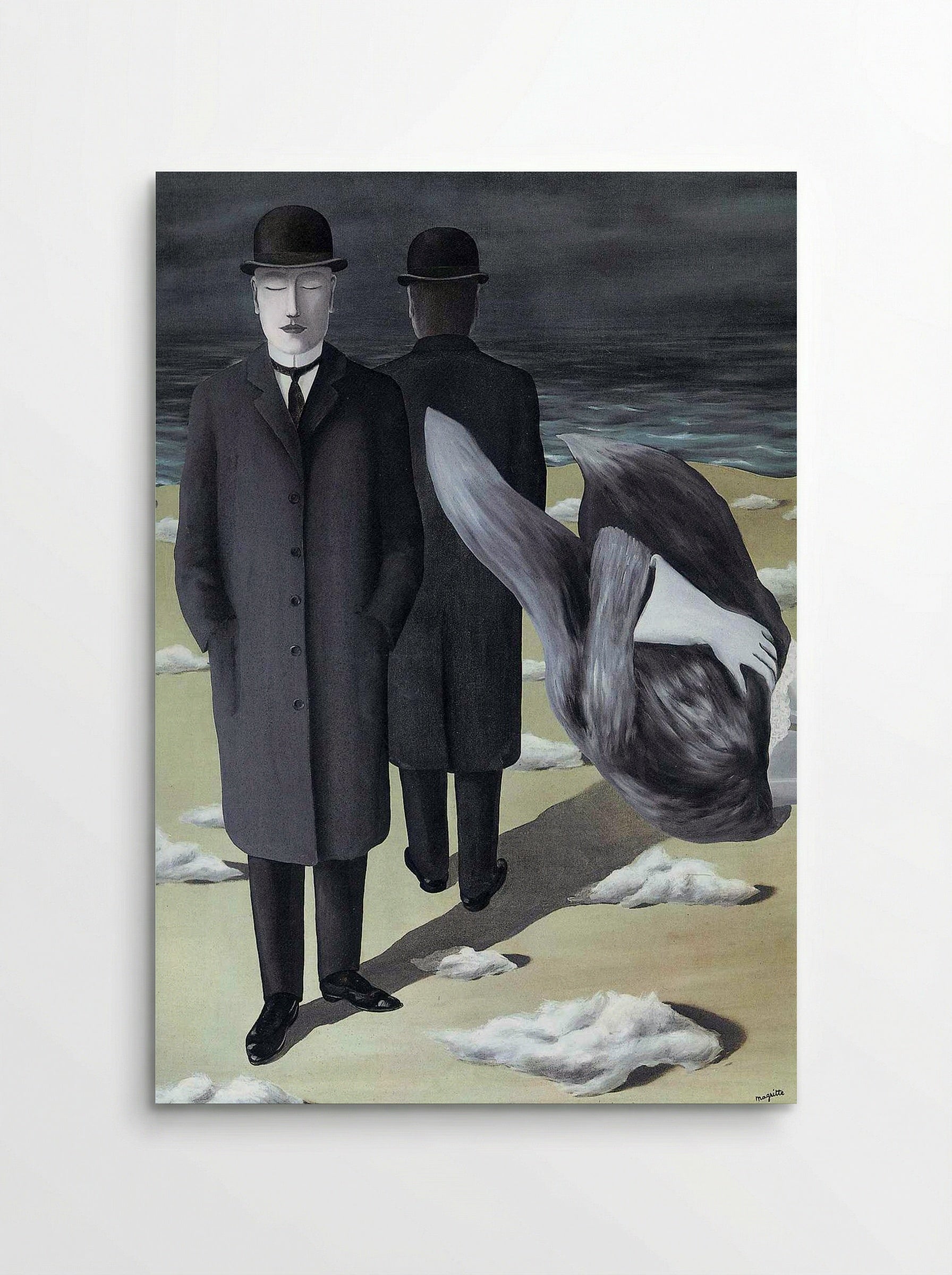
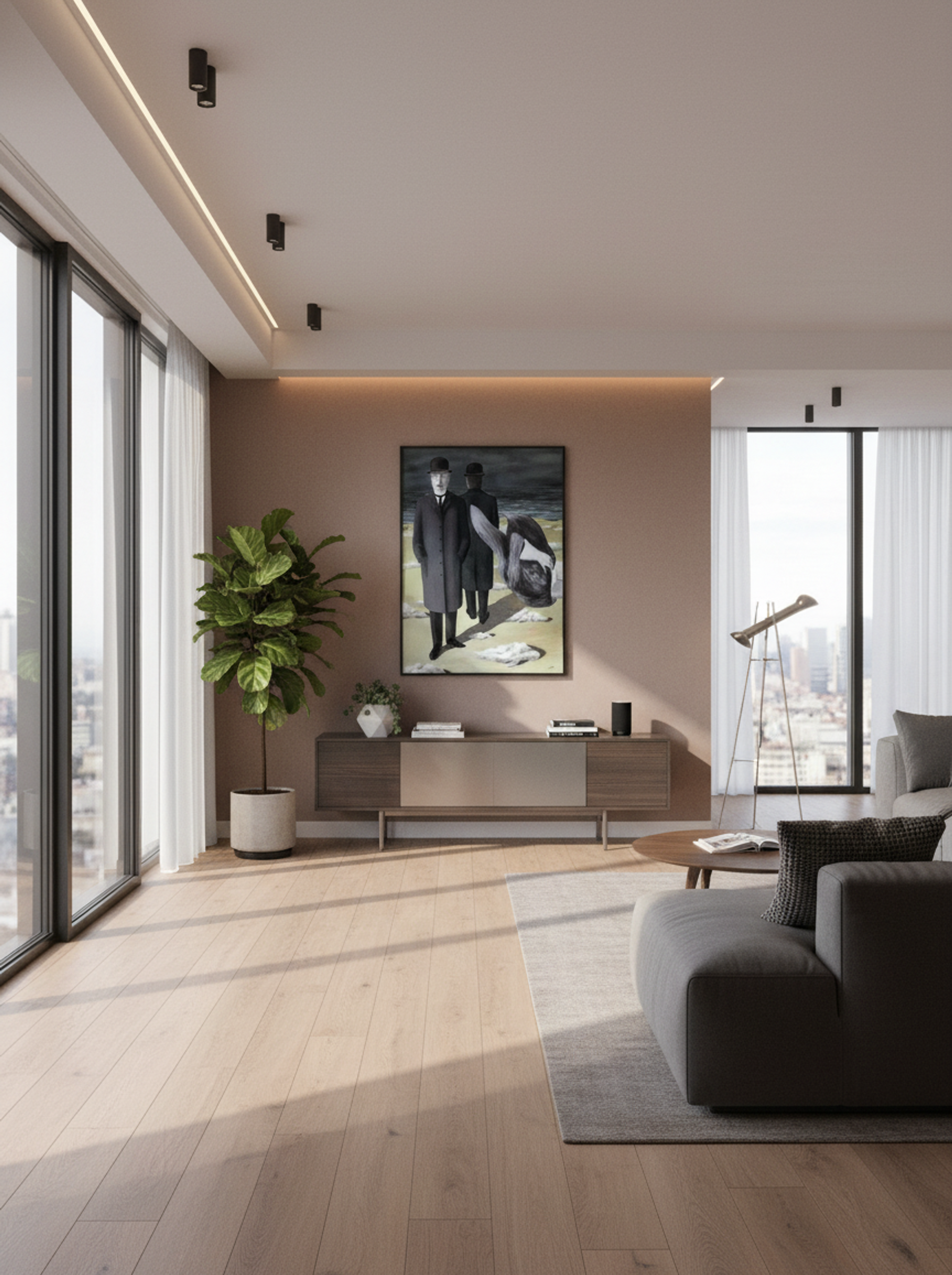 Die Bedeutung der Nacht - René Magritte
Print · Framed
Regulärer Preis Ab £28.00 GBPAngebotspreis Ab £28.00 GBP Regulärer Preis -
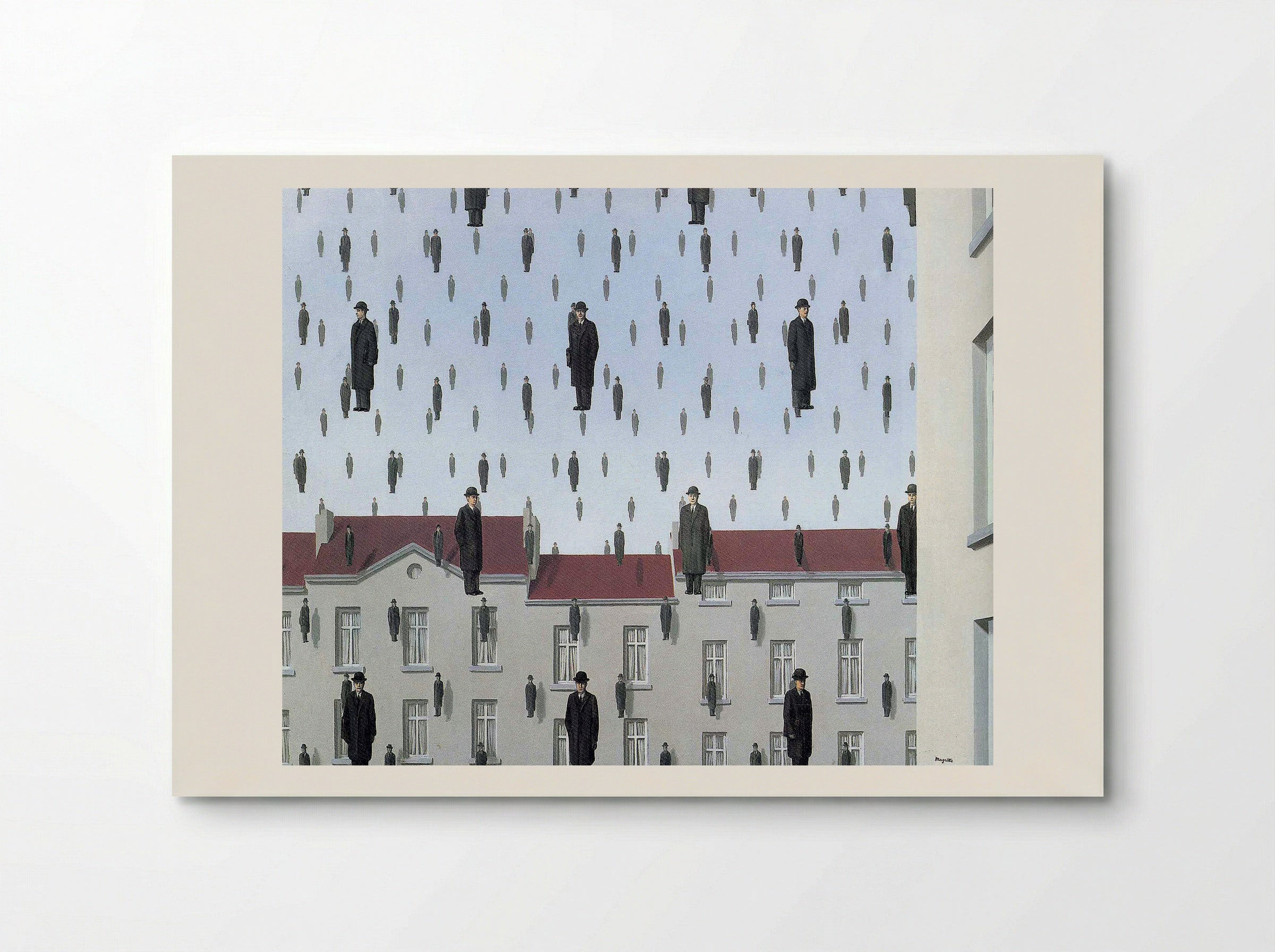
 Golconda - René Magritte
Print · Framed
Regulärer Preis Ab £28.00 GBPAngebotspreis Ab £28.00 GBP Regulärer Preis -
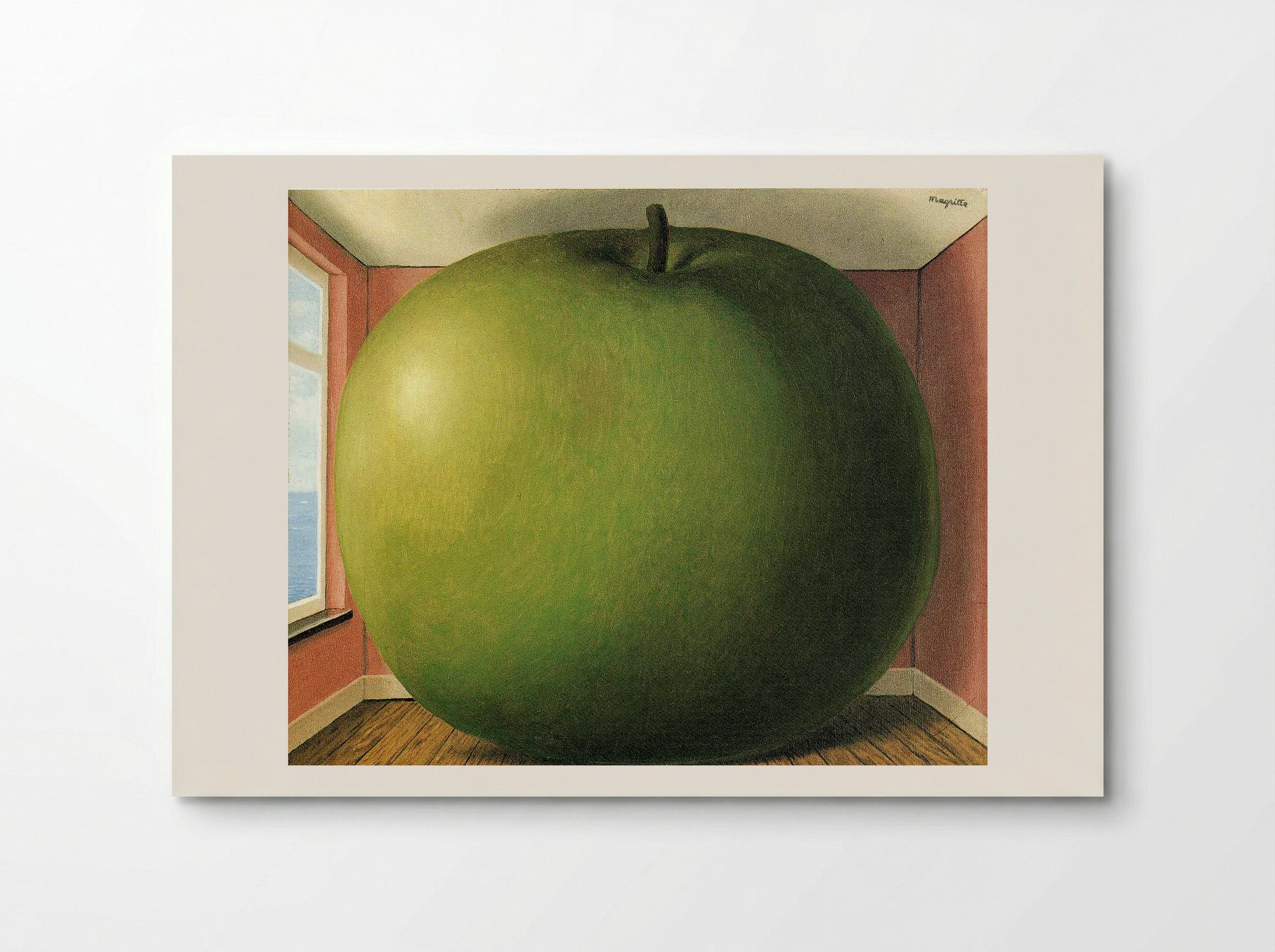
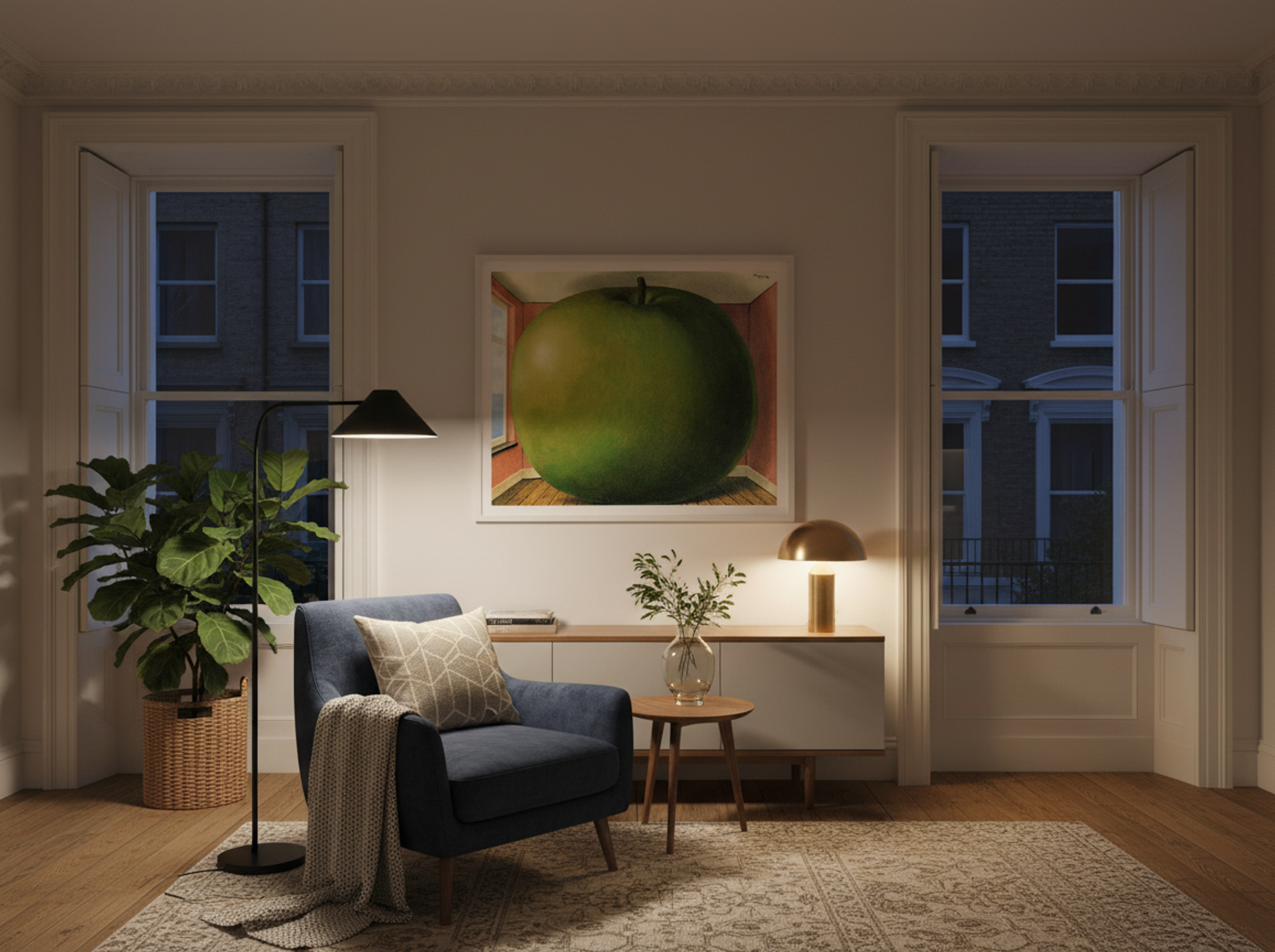 Das Belauschungszimmer - René Magritte
Print · Framed
Regulärer Preis Ab £28.00 GBPAngebotspreis Ab £28.00 GBP Regulärer Preis -
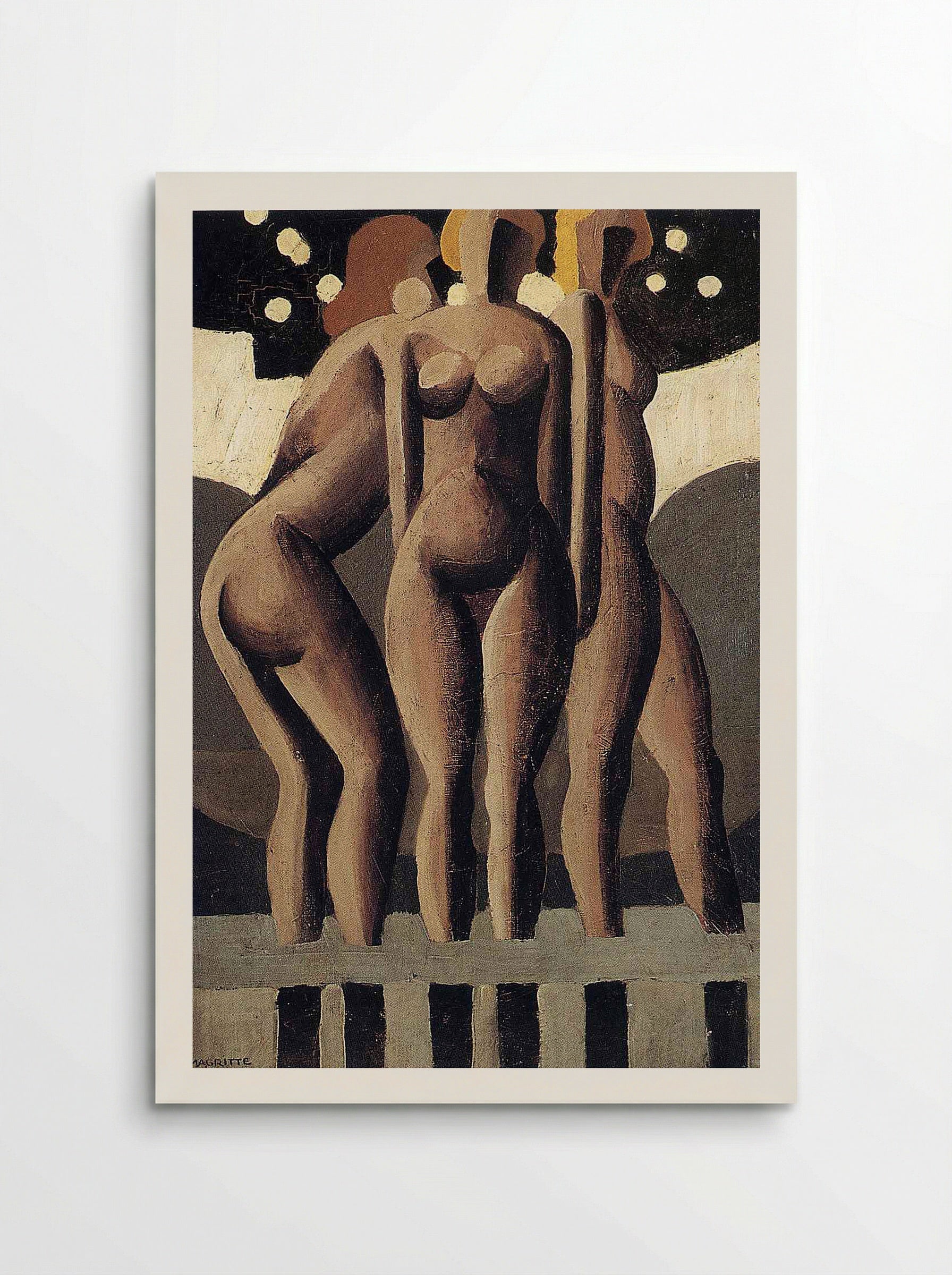
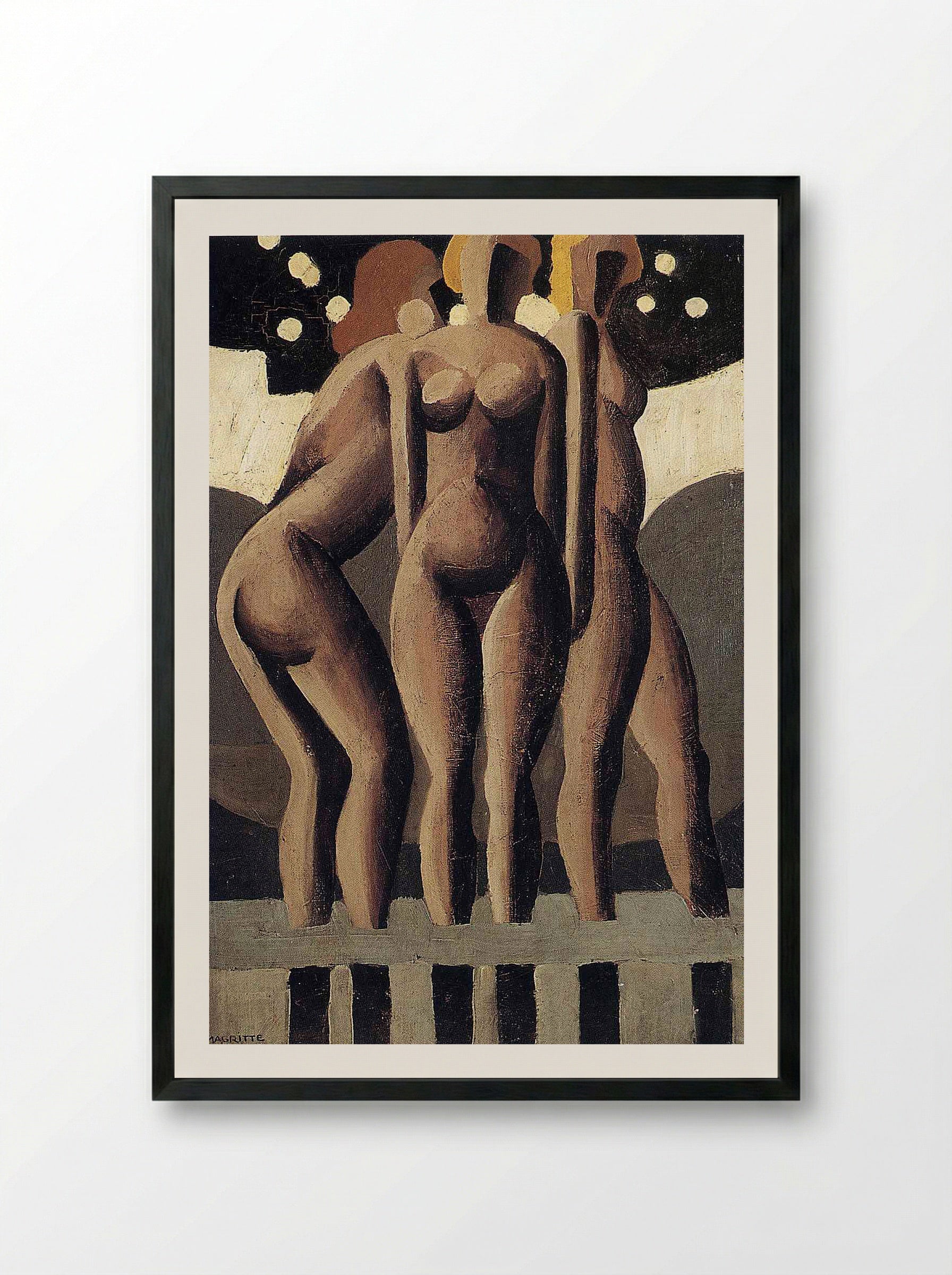 Die Badenden - René Magritte
Print · Framed
Regulärer Preis Ab £28.00 GBPAngebotspreis Ab £28.00 GBP Regulärer Preis


Artist Biography
Rene Magritte
Magritte painted a pipe and wrote 'Ceci n'est pas une pipe' underneath it. This is not a pipe. He was right: it is a painting of a pipe. You cannot fill it with tobacco. The distinction sounds pedantic until you realise it undermines the entire basis of representational art, which he then spent the next forty years doing in the most polite manner imaginable.
He grew up in Lessines, Belgium. His mother drowned herself in the River Sambre when he was thirteen; her body was found with her nightdress wrapped around her face. Whether this explains the recurring covered faces in his paintings is a question biographers have insisted on and Magritte consistently refused to answer.
He studied at the Academie Royale des Beaux-Arts in Brussels and spent several years working as a commercial artist and wallpaper designer. The commercial work is relevant: his painting technique is deliberately flat, illustrative, and impersonal. There are no visible brushstrokes, no evidence of struggle. The surfaces look like advertisements for impossible things. He painted in a small room in his house, wearing a suit, with his easel next to the living room furniture.
He was a Surrealist but not the Parisian variety. He disliked Breton's intellectualising and preferred to work from home in Brussels. His version of Surrealism was cooler and more logical: ordinary objects placed in wrong contexts, familiar things made strange through simple displacement. A rock floating in the sky. An apple covering a face. A train emerging from a fireplace. Each painting poses a single visual problem and leaves you to solve it.
He made relatively few paintings compared to his contemporaries. Each one is self-contained. He did not develop through phases or wrestle with form. He found his approach early and refined it quietly for decades.
He grew up in Lessines, Belgium. His mother drowned herself in the River Sambre when he was thirteen; her body was found with her nightdress wrapped around her face. Whether this explains the recurring covered faces in his paintings is a question biographers have insisted on and Magritte consistently refused to answer.
He studied at the Academie Royale des Beaux-Arts in Brussels and spent several years working as a commercial artist and wallpaper designer. The commercial work is relevant: his painting technique is deliberately flat, illustrative, and impersonal. There are no visible brushstrokes, no evidence of struggle. The surfaces look like advertisements for impossible things. He painted in a small room in his house, wearing a suit, with his easel next to the living room furniture.
He was a Surrealist but not the Parisian variety. He disliked Breton's intellectualising and preferred to work from home in Brussels. His version of Surrealism was cooler and more logical: ordinary objects placed in wrong contexts, familiar things made strange through simple displacement. A rock floating in the sky. An apple covering a face. A train emerging from a fireplace. Each painting poses a single visual problem and leaves you to solve it.
He made relatively few paintings compared to his contemporaries. Each one is self-contained. He did not develop through phases or wrestle with form. He found his approach early and refined it quietly for decades.
Related Artists


Warum uns wählen?